

Which Country Has Gold Mines? Top Gold & Unmined Sites
Table of Contents
- Introduction
- Global Overview: Which Country Has Gold Mines in the World?
- Which Country Has the Highest Gold Mines: Leaders in Production
- Which Country Has the Most Unmined Gold: Untapped Potential
- Comparative Table: Production, Reserves & Sustainability
- Land Use, Agriculture, and Mining: Challenges & Integration
- Environmental Stewardship and Rehabilitation
- Innovations for Sustainable Mining & Agriculture Integration
- Farmonaut: Satellite Intelligence for Sustainable Mineral Exploration
- Key Takeaways & Insights
- Frequently Asked Questions
- Contact & Mapping Links
“China leads global gold production, mining over 370 metric tons annually while balancing agricultural land use.”
“Over 50,000 tons of unmined gold reserves remain worldwide, challenging sustainable land management and environmental practices.”
Introduction: Gold Mining and Its Lasting Impact on Economies, Land, and Rural Development
Gold has shaped world economies, development, and landscapes for centuries, influencing agriculture, forestry, infrastructure, and rural livelihoods. As one of the most sought-after minerals, gold drives strategic planning and resource management in a wide range of countries. When considering which country has gold mines in the world or seeking to understand which country has highest gold mines and which country has the most unmined gold, the answer is multifaceted—spanning geology, mining history, policies, environmental stewardship, and the interconnection with rural and agricultural sectors.
This blog provides a comprehensive, agriculture- and resource-focused overview. We will examine global gold mining trends, production leaders, the largest unmined gold stocks, and the crucial balance between intensive mineral extraction, sustainable land use, and environmental health. Our goal is not just to outline gold quantities and mine locations, but to contextualize how gold mining coexists with agriculture and forestry, as well as how best practices in mining and modern exploration (including satellite-based mineral detection) drive more sustainable and resilient rural economies.

Global Overview: Which Country Has Gold Mines in the World?
The answer to which country has gold mines in the world is expansive—gold is mined on every inhabited continent. Global gold resources are distributed across a diverse range of geological belts, with many countries hosting extensive mine networks. Major mining nations span Asia, Africa, North and South America, and Oceania. Key players include China, Australia, Russia, the United States, South Africa, Ghana, Canada, Peru, Indonesia, Mexico, Sudan, Tanzania, Mali, Burkina Faso, and others.
- Each country typically manages mining through regional districts, active mines, and a mix of open-pit and underground operations.
- Successful mining networks depend on well-developed infrastructure, efficient ore processing, and strong local and regional employment pipelines.
- Gold mining often coexists (sometimes contentiously) with agriculture, forestry, and pasture land, reshaping landscapes and requiring sophisticated land management programs.
- Key focus keywords relating to gold, mining, land, and sustainable agriculture are central to policy, planning, and environmental stewardship in these regions.
Focus Keyword: which country has gold mines in the world
Understanding the global gold map helps guide decisions on investment, land use, and integrated rural development.

Which Country Has the Highest Gold Mines: Leaders in Production
When considering which country has the highest gold mines, we examine sheer production output, extensive mine operations, and the supporting infrastructure that drives sustained extraction.
Gold Production Giants: The Top Producers
China has led the world in official gold production for more than a decade, regularly mining over 370 metric tons per year. This achievement rests on a powerful network of long-operating mining districts, especially in the eastern provinces. Australia and Russia follow close behind, with the United States and South Africa rounding out the top five. Together, these countries contribute over half of the world’s annual mined gold.
- 🏆 China: Largest gold producer, robust state and private mine networks, strong processing capacity.
- 🏆 Australia: Host to immense gold belts in Western Australia; advanced operational practices and sustainability programs.
- 🏆 Russia: Rich historical sites, continual investment in mineral exploration, and high annual outputs.
- 🏆 United States: Nevada’s Carlin Trend and Alaska underpin strong annual production; advanced in integrating mining with land management.
- 🏆 South Africa: Once the global leader; home to some of the world’s deepest and most prolific gold mines, with continuing contributions despite declining output.
Gold mining regions often overlap with agricultural and forested landscapes. Strategic land-use planning is essential to balance extraction with food production and ecosystem health.
Contributors to Highest Gold Production
- China – Maintains a diversified pipeline of both large-scale and small, regional mines.
- Australia – Relies on its vast mineral-rich terrains, cutting-edge processing, and logistical connectivity for exports.
- Russia – Leverages deep geological reserves and aggressive exploration programs.
Other high-output countries include Ghana (Africa’s leading producer), Canada, Peru, Indonesia, Uzbekistan, and Mexico. Each nation’s gold mining story is tied to its own geology, history, and land use policies—including how mines affect croplands, forests, and water.
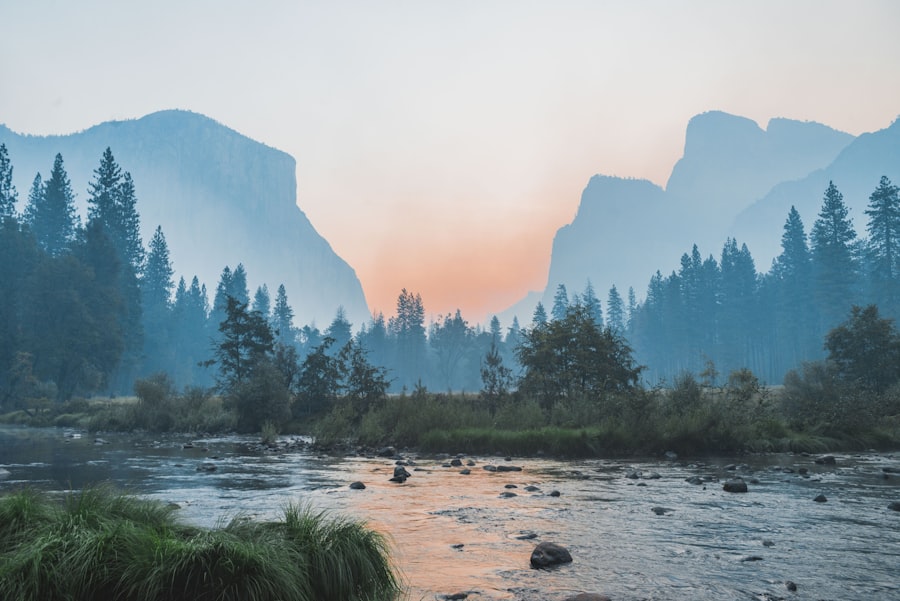
This gold-bearing landscape overlaps agricultural and mining zones—characteristic of many top gold-producing countries. (Image: Unsplash, “which country has gold mines in the world”)
Production is not just about geology. It requires:
- Modern infrastructure (roads, rail, ports, and power)
- Strong mineral processing facilities, ore sorting, and tailings management
- Active exploration activity and a deep pipeline for future mines
- Comprehensive land use planning—ensuring that mining coexists with farming and forestry effectively
Assuming that high gold production means little land is left for farming. In fact, leading gold producers often take steps to coordinate mining and agricultural land use through zoning, rehabilitation, and environmental safeguards.
Quick Stats: Top Producers & Total Output
- 📊 China: 370–380 tons/year
- 📊 Australia: 320–330 tons/year
- 📊 Russia: 300–310 tons/year
- 📊 USA: 170–180 tons/year
- 📊 South Africa: 110–120 tons/year
Visual List:
China (sustaining over 370+ tons)
All inhabited continents have active mines
Many mines intersect cropland and forests

Which Country Has the Most Unmined Gold: Untapped Reserves and Future Frontiers
Current production tells only part of the story. The other key metric is which country has the most unmined gold: the largest accessible stock of yet-unexploited resources beneath the surface.
Unmined Gold: The Global Endowment
- The world’s unmined gold reserves are estimated at over 50,000 metric tons (as highlighted above).
- These reserves are distributed unevenly, with some countries holding significant potential in undeveloped regions.
- Major resource “hotspots” include remote geologic belts in Russia, Australia, the USA (especially Alaska), Canada, South Africa, Ghana, and West Africa at large.
- Several factors—capital constraints, regulatory approvals, environmental safeguards—influence whether these endowments are developed or remain untouched.
Untapped gold reserves represent not only future mining opportunities, but also significant competition for land and water resources. Comprehensive mapping is critical for making sustainable investment decisions.
The country ranked at the top for unmined gold reserves often differs from current production leaders:
- 🌟 Australia and Russia are widely cited for having the world’s largest in-ground gold stocks, reflecting vast underexplored belts.
- 🌟 The United States is estimated to have substantial unmined gold, particularly in Alaska and Nevada.
- 🌟 China, South Africa, and Ghana also remain major hosts of unmined reserves, despite advanced mining maturity.
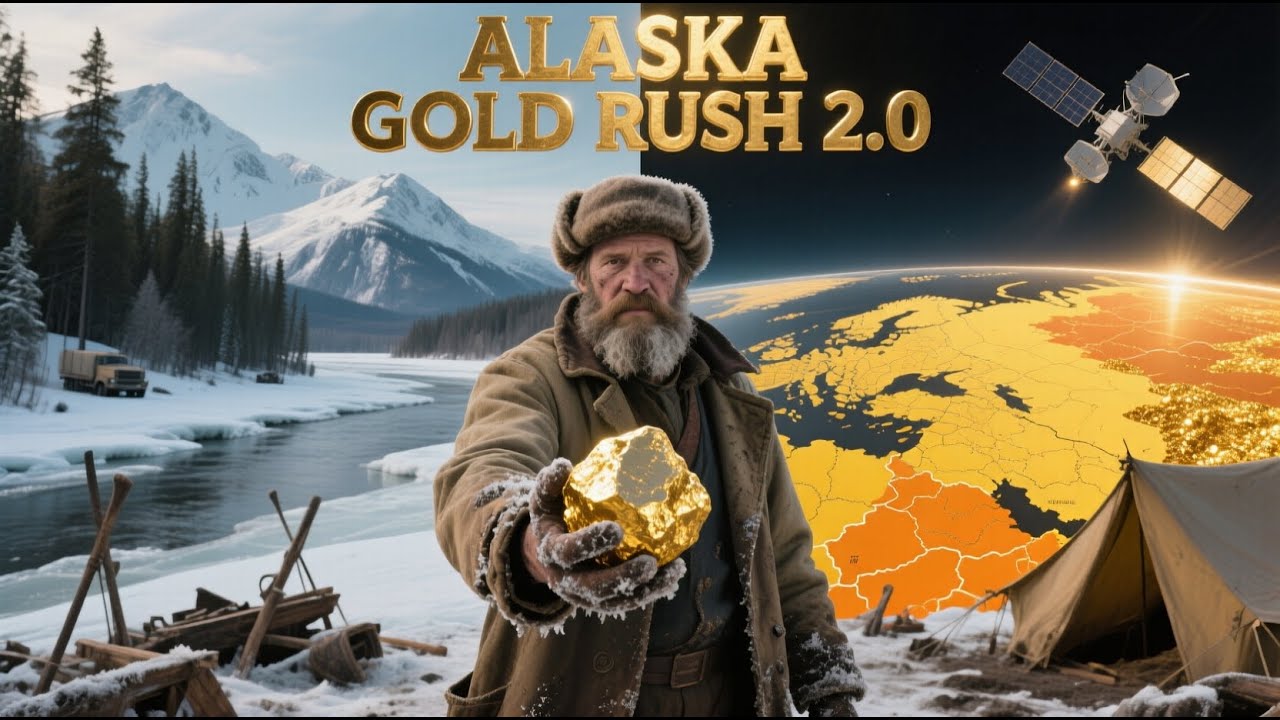
The Untapped Gold & Agricultural Land Use Dilemma
- Many unmined gold areas lie within, or near, arable and pasture lands.
- This creates both tension (land use competition) and strategic opportunities (integrated development, revenue-sharing with rural communities).
- Strategic land management seeks to balance new mining with preserving high-value agricultural regions, fostering biodiversity, and securing rural livelihoods.
Looking to quickly, cost-effectively, and non-invasively survey large prospective gold regions for unmined deposits? Explore satellite-based mineral detection—a robust, AI-driven solution for rapid geospatial prospectivity mapping with minimal environmental footprint.

Comparative Table: Gold Production, Unmined Reserves & Agricultural Context
The following comparative table provides a concise overview of leading mining nations, illustrating their annual gold production, estimated unmined reserves, principal mining districts, the share of arable land in proximity to active mines, and their sustainability or agricultural stewardship initiatives.
Key SEO Note: This comparative table helps users understand how which country has gold mines in the world, production, unmined reserves, and agricultural-ecological integration all intersect—meeting both user needs and optimizing search intent.

Land Use, Agriculture, and Mining: Challenges & Integration
A central challenge for mining countries is integrating gold extraction with agricultural productivity. Many gold belts are located in, beneath, or adjacent to highly productive farmland or valuable forest ecosystems. This overlap is particularly pronounced in West Africa, Southeast Asia, South America, and select U.S. states.
Key Interactions between Mining, Land, and Agriculture
- 🌾 Agricultural Land Use: Cropland or pasture often borders, or is interrupted by, open-pit and underground mining corridors.
- 🚮 Soil & Water Impacts: Mining can change local soil chemistry, disrupt hydrology, and alter water quality.
- 🛤 Infrastructure: New roads, power, and tailings facilities may fragment landscapes, changing farm and forest connectivity.
- 🐞 Habitat and Biodiversity: Intensive mining activity can affect wildlife corridors and pollinator populations vital for farming.
Best-in-class mining operations in countries like Australia or Canada coordinate closely with agricultural planners to ensure land use, zoning, and rehabilitation reflect local crop and grazing needs.
Strategic Approaches for Balancing Gold Mining and Agriculture
- Land management programs that prioritize biodiversity and ecological services alongside mineral extraction.
- Using land rehabilitation for productive use post-mining—e.g., pasture restoration, agroforestry setups, or reforestation efforts.
- Implementing water protection programs and sediment control to safeguard both mining and farming water supplies.
- Policy frameworks encouraging community engagement in both the planning and implementation of new mines.
- Involving regional agricultural planners, environmental scientists, and local farmers in land use decision-making.
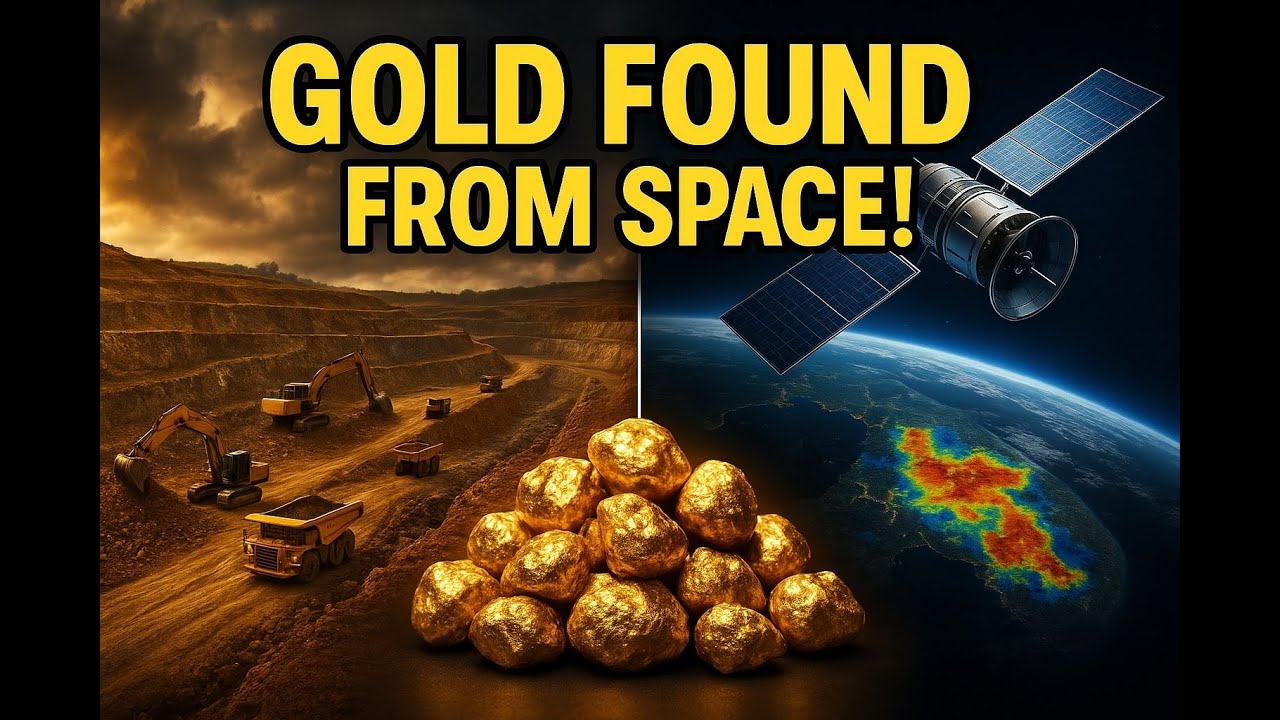
Modern mine layouts increasingly use satellite data and geospatial mapping to minimize overlap with high-value cropland or sensitive ecosystems. Satellite-based mineral detection can help in effective pre-mining land assessment.

Environmental Stewardship and Rehabilitation: Mining’s Role in Landscape Health
Stewardship is essential where gold mining, agriculture, and forestry converge. Environmental programs focus on:
- Maintaining water quality through careful tailings management, leak prevention, and active water monitoring.
- Protecting soil structure, preventing toxic run-off, and supporting healthy post-mining substrates for future use.
- Rehabilitating closed mine lands by converting tailings or pits into pasture, forestry plots, or wetlands.
- Remediating habitat connectivity—for example, through wildlife corridors or native vegetation corridors.
- Supporting community-driven reforestation and agroforestry projects that blend environmental restoration with local livelihoods.
Best practices in stewardship aren’t just regulatory—they help secure social license to operate, reduce future liabilities, and maintain landscape productivity for all sectors.
Rehabilitation transforms former mining lands into thriving pasture and agriculture zones, highlighting the potential for integrated land management.

Many countries with extensive gold mines incentivize companies to reserve funds and create plans for post-mining land restoration. This is not only good stewardship, but it also boosts investor confidence and community acceptance.
Top 5 Practices for Gold Mining Stewardship
- ✔️ Mine Water Recycling: Enhances water efficiency and reduces discharged contaminants.
- 📊 Soil Amendments: Using biosolids or compost in soil recovery for faster rehabilitation.
- ⚠️ Tailings Safety: Preventing failures and ensuring long-term stability of waste impoundments.
- 🌱 Native Plant Reintroduction: Promotes ecosystem services and landscape resilience post-extraction.
- 🔄 Community Monitoring: Involves local farmers and ranchers in environmental oversight programs.
Innovations for Sustainable Mining & Agriculture Integration
As competition for land, water, and resources grows, innovation becomes crucial for balancing large-scale mineral extraction and rural development.
Modern Approaches: Technology, Planning, and Stakeholder Engagement
- Satellite-driven mineral prospectivity mapping allows pre-mining assessment across vast areas, quickly identifying where mining is feasible with minimal agricultural disruption.
Learn about satellite driven 3D prospectivity mapping here. - AI-powered exploration platforms streamline decision-making and reduce unnecessary fieldwork on valuable farmland or forestland prior to drilling.
- Integrated land use planning aligns gold mining with zoning for agriculture, biodiversity, and rural community needs.
- Policy advances increasingly require mining proponents to deliver detailed environmental and agricultural restoration plans before permits are granted.
If you’re a mining or exploration company aiming to identify scalable, low-impact gold prospects, mapping your site with advanced satellite data can de-risk investment and optimize rural land use. Map Your Mining Site Here with Farmonaut.
Farmonaut: Satellite Intelligence for Sustainable Mineral Exploration
At Farmonaut, we are committed to advancing responsible gold exploration through our satellite data analytics platform. Our mission is to revolutionize mineral prospecting while minimizing environmental disturbance and optimizing land use in agricultural and rural contexts.
How Farmonaut Transforms Mineral Exploration
- We utilize Earth observation, remote sensing, and AI algorithms to provide rapid, large-scale mineral mapping across all continents.
- Our solution is non-invasive, requiring no ground disturbance during early exploration, thus protecting valuable cropland and natural habitats.
- Clients receive detailed, structured mineral intelligence reports pinpointing high-potential gold zones, geological structures, and indicative mineral quantities.
- De-risk your investment with our Premium+ intelligence package, featuring 3D models of vein structures, drilling angle recommendations, and robust planning support.
- We have conducted successful gold exploration projects in countries including Kenya, Ghana, Tanzania, Zimbabwe, Mauritania, DRC, Peru, and South Africa—ensuring strong adaptability to diverse geologies and rural land use priorities.
By combining global coverage and advanced analytics, we help companies, investors, and rural planners bridge the gap between gold mining potential and sustainable land management.
Ready to discover what lies beneath your land without disrupting the surface?
Explore our satellite-based mineral detection services and get precise, actionable insights for your next project.
Benefits of Farmonaut’s Platform:
- ⚡ Reduction in exploration timelines—months to days
- 💸 Cost savings up to 80–85% over traditional surveys
- 🌱 Zero ground disturbance during early phases; minimizes soil and water impact
- 📍 Comprehensive mineral prospectivity mapping, supporting rural land planners
- 🗺 Fast, high-resolution deliverables for technical and commercial decisions
Satellite-based gold exploration is not only faster and lower-cost—it also helps safeguard agricultural and environmental resources, strengthening integrated rural economies.
Want a custom quote for your mining site? Get a Quote Now.
Key Takeaways & Insights: Gold Mines and Rural Resource Management
Top 5 Highlights
- 📚 Gold mining remains a critical driver of rural economies, shaping infrastructure, employment, and regional revenue.
- 🌍 Countries like China, Australia, and Russia lead in both gold production and unmined reserves, but land use planning is key for sustainable futures.
- 🤝 Strategic planning and community engagement are essential for balancing mining with agricultural and forestry priorities.
- 🔬 New technologies—especially satellite-based platforms—allow more efficient, less disruptive mineral prospectivity mapping.
- 🍃 Environmental safeguards and rehabilitation practices ensure that mining legacies support rural livelihoods and landscape health.
Visual List:
Countries implement mine closure and land reclamation programs for future agriculture.
Satellite analytics supports smarter, less risky gold mining investments.
“China leads global gold production, mining over 370 metric tons annually while balancing agricultural land use.”
“Over 50,000 tons of unmined gold reserves remain worldwide, challenging sustainable land management and environmental practices.”
Frequently Asked Questions (FAQ): Gold Mining, Unmined Gold & Land Use
Q1: Which country has gold mines in the world?
Gold mines are distributed globally. Major mining nations include China, Australia, Russia, the United States, South Africa, Ghana, Canada, Peru, Indonesia, Sudan, Mexico, and others. Most inhabited continents host significant mining networks.
Q2: Which country has the highest gold mines in terms of production?
China is the world’s leading gold producer, followed by Australia, Russia, the United States, and South Africa. These nations are top-ranked for annual mined tonnage, active mine infrastructure, and processing capacity.
Q3: Which country has the most unmined gold?
Australia and Russia are widely considered to hold the largest in-ground (unmined) gold reserves, followed by the United States, South Africa, and China. Estimates vary with new discoveries and changes in technology.
Q4: How does gold mining affect agriculture and land use?
Gold mining can compete with or fragment farmland and forests, alter water quality, and change regional employment. Best practices focus on rehabilitation, precise land use planning, and integrated stewardship.
Q5: How can modern technology reduce mining’s impact on land?
Satellite-based mineral detection, AI prospectivity mapping, and geospatial analytics allow rapid, non-invasive screening of vast landscapes, helping prevent unnecessary ground disturbance and supporting better rural planning.
Q6: Can mined land be restored for agricultural use?
Yes—remediation and rehabilitation programs increasingly convert former mine sites into pasture, cropland, or forest, fostering biodiversity and economic resilience in rural communities.
Q7: Where can I map, assess, or quote for mineral prospectivity using satellites?
You can map your mining site and request custom gold prospectivity analysis with Farmonaut’s dedicated mapping platform — designed for both technical and commercial clients.
Q8: How does Farmonaut’s solution benefit mining and agriculture together?
By non-invasively mapping gold potential over large regions, we help companies and land managers target only the most promising zones, reducing cost and safeguarding productive farmland and sensitive ecosystems.
Contact & Mapping Links
Ready to explore or monitor gold mining with minimal environmental risk?
- 🗺 Map Your Mining Site Here — start with coordinates, KML/KMZ, or polygon boundary.
- 💼 Get a Quote for Your Project
- 👋 Contact Us for Custom Guidance
The interplay of gold mining and agriculture will continue to shape rural resilience, food security, and mineral wealth. A future of sustainable prosperity depends on technology, stewardship, and community-driven planning. The right balance is possible—starting with the right data, strategies, and commitment to integrated land management for generations to come.
Discussion
Questions, corrections or field experience? Share them below. First-time comments are reviewed before they appear, and your email is never published.
No comments yet. Be the first to add a question or your experience.

 Vortex Minerals Pty Ltd
 Faith At Work (Pty) Ltd
 Geotech Mining Solutions plc
 Vulcan International Limited
 Kidepo Associates
 GKY Mining
 Alkimy SARL
 Double A Trading
 GemSprout Metals Limited
 Qader Group
 Ileys General Trading
 SG Gold Mining LLC
 VRV Global Pte Ltd
 Omsri International FZE
 G.I.T.T.
 Jaunita Erss Ltd
 Almosi SARL
 SRK Consulting
 Berks Gold Limited
 Mwerezi Minerals Company Limited
 Mining SARL
 SenGold Invest SAS
 Exploration consultancy · South Africa · Gold










