

2025 Gold Production by Country & Africa Gold Production: Unveiling Global Mining Trends
“China is projected to maintain its lead with over 380 tons of gold production in 2025.”
Summary: Gold & Copper Production in 2025 — Global Leaders & Africa’s Mining Landscape
The 2025 gold production by country and bhp copper production 2025 will continue to shape global economies, infrastructure, and defence development. Gold remains a vital asset for monetary stability and advanced technology, while copper is critical for the ongoing green energy transition and modern infrastructure systems. This article explores the state of production worldwide, highlighting dominant countries, africa gold production, and the pivotal role of technology and sustainability in the modern mining landscape.
Global Gold Production Landscape in 2025: Top Producers, Output Trends & Geographic Insights
Gold production in 2025 is set to remain highly concentrated among a select group of countries, with a few dominating the global output. Understanding these dynamics provides insight into broader industry and economic trends.
1. Key Gold Producing Countries: 2025 Projections
- China: The unrivaled leader, projected to produce over 380 metric tonnes of gold annually in 2025. China continues to leverage vast reserves, mature and new mining projects, and advanced extraction techniques.
- Australia: Consistently among the top gold producers, Australia is expected to maintain output levels near 320 metric tonnes, benefiting from a mix of mature and emerging mines, supportive regulation, and ongoing investments.
- Russia: Russia strategically sustains its position with projected production close to 310 metric tonnes, supported by large-scale operations, continued state investment, and resource-rich territories in Siberia and the Far East.
- United States: The US remains a dominant force, producing around 180 metric tonnes in 2025. Nevada’s Carlin Trend and Alaska’s evolving mining sector play pivotal roles.
- Canada: With rich reserves in Ontario, Quebec, and Nunavut, Canada’s gold output is expected to stay near 175 metric tonnes. Projects in advanced stages and regulatory stability support its ranking.
- Other Notables: South Africa, Peru, Uzbekistan, Ghana, and Mali are influential, though varying in growth rates and total output contributions.
2. Global Gold Mining Industry: Economic Significance
The mining industry continues to play a foundational role in shaping economies, especially within agriculture, infrastructure, and defence sectors. Gold functions as both a monetary asset for central banks and a critical material for applications in electronics and security systems. The rise in gold demand for industrial, technological, and investment needs underscores the importance of stable and expanding production.
3. Major Trends in 2025 Gold Production by Country
- Increasing Output in Africa: African nations like Ghana and Mali have emerged as fast-growing gold producers, driven by new investments, improved technology, and strategic infrastructure development.
- Shifts Among Top Producers: Mature sectors in traditional powerhouses (e.g., South Africa) face challenges from aging mines, while emerging economies invest in modern mining techniques to drive growth.
- Focus on Sustainability: Regulatory frameworks and environmental standards increasingly shape operational practices. Companies adopting sustainable mining and responsible resource management enjoy greater investor and community support.
Country-wise Gold Production Comparison Table (2025 Estimates)
| Global Rank | Country | Estimated 2025 Gold Production (tonnes) | % of Global Production | Y-o-Y Growth Rate (%) | Main Mining Companies | Africa’s Share in Country Output |
|---|---|---|---|---|---|---|
| 1 | China | 380 | ~11% | +1.0 | Zijin Mining Group, Shandong Gold | N/A |
| 2 | Australia | 320 | ~9% | +1.8 | Newcrest, Northern Star Resources | N/A |
| 3 | Russia | 310 | ~9% | +0.6 | Polyus, Polymetal | N/A |
| 4 | United States | 180 | ~5% | -0.2 | Newmont, Barrick Gold | N/A |
| 5 | Canada | 175 | ~5% | +1.1 | Agnico Eagle, Kirkland Lake Gold | N/A |
| 6 | Ghana | 150 | ~4% | +2.3 | AngloGold Ashanti, Gold Fields | 100% |
| 7 | South Africa | 110 | ~3% | -0.3 | Harmony Gold, Sibanye-Stillwater | 100% |
| 8 | Mali | 65 | ~2% | +2.5 | B2Gold, Resolute Mining | 100% |
| 9 | Peru | 100 | ~3% | +1.5 | Buenaventura, Newmont | N/A |
| — | Total Africa | 700 | ~20% | +1.7 | — | — |
Countries not shown—such as Uzbekistan, Indonesia, and Papua New Guinea—make up the remainder of global output. Africa’s total, led by Ghana, South Africa, and Mali, is increasingly vital to the world mining landscape.
Industry Trends Shaping 2025 Gold and Copper Output
- Ongoing Demand for Gold and Copper: Gold’s dual role as an investment asset and a critical material in electronics and defence technologies, and copper’s versatility in infrastructure, energy systems, and agriculture, drive persistent demand growth.
- Technological Advancements: The adoption of AI, satellite imagery, remote sensing, and advanced processing technologies is transforming gold and copper mining, from exploration to resource management.
- Sustainability Focus: Environmental standards are increasingly enforced worldwide. Companies invest in sustainable mining practices, carbon footprint monitoring, and blockchain traceability to comply with regulations and respond to investor preferences.
- Geopolitical & Regulatory Challenges: Shifting regulations, international trade dynamics, and local stability impact production levels and investments, especially in Africa, Russia, and South America.
- Mining Workforce and Local Development: Mines increasingly serve as employment generators and support local economies through direct jobs, infrastructure projects, and community investments.

For companies focused on sustainable mining, Farmonaut’s Carbon Footprinting service helps monitor and manage emissions in gold and copper operations, supporting compliance and reporting for environmental standards.
BHP Copper Production 2025: The Pillar of Global Infrastructure & Technology
The global bhp copper production 2025 is central to the mining landscape. Copper remains indispensable—connecting agriculture, infrastructure, green energy, and defence sectors. In 2025, BHP continues to cement its position as a dominant force, with strategic investments, digital transformation, and leading sustainability initiatives.
BHP’s Global Leadership and Copper Output
- Flagship Escondida Mine, Chile: The world’s largest copper mine, Escondida is expected to produce over 1 million metric tonnes of copper in 2025.
- Australian & Peruvian Expansions: BHP is leveraging new and mature mining projects in Australia and evaluating expansion in Peru to stabilize and grow copper supply against market and demand shocks.
- Technological Innovation: BHP’s ongoing alignment with sustainability and digital transformation strengthens its long-term competitiveness, especially through investments in operational efficiency and compliance with international environmental standards.
- Broader Impact: BHP’s copper feeds the foundational systems of modern economies: electrical grids, renewable energy projects, naval vessels, and communication networks.

BHP’s copper output is also crucial for agricultural and forestry technologies—modern irrigation and precision agriculture depend on high-quality copper wires for sensors and electronics.
Developers and enterprises can unlock satellite-driven resource monitoring with the Farmonaut API and explore detailed integration options via our API Developer Docs. Ideal for custom project use cases across mining, infrastructure, and agriculture.
Africa Gold Production: Current Status, Key Contributors & Future Prospects
“Africa’s total gold output is expected to surpass 700 tons in 2025, solidifying its crucial role in global mining.”
Africa’s mining sector is a cornerstone of both global gold production and local economic development. The continent’s rich reserves, strategic location, and improving technology are propelling its rise as a gold powerhouse.
A closer look at West Africa’s gold output and producers breaks down which countries and companies drive the region’s share.
African Gold Production: By the Numbers
- Ghana: Africa’s top gold producer at 150 tonnes in 2025, Ghana benefits from ongoing foreign and domestic investment, state-of-the-art mining techniques, and expanded infrastructure.
- South Africa: Once the world’s gold mining powerhouse, South Africa’s output has declined due to aging mines and regulatory challenges, but it remains a significant contributor at 110 tonnes.
- Mali: Mali’s gold sector continues to expand, with expected annual production reaching 65 tonnes, driven by improved mining infrastructure and supportive government policy.
- Tanzania and Other African Nations: Tanzania and other countries (such as Burkina Faso and Sudan) are broadening their output through efficient projects and modern artisanal mining practices.

Economic and Social Impact of African Gold Mining
Gold mining is pivotal for rural employment, infrastructure development, and government revenues across Africa. Investments funded by mining activity support critical sectors, including education, healthcare, and agriculture. However, the industry also faces challenges, including environmental stewardship, effective regulatory frameworks, and impacts from artisanal mining.
Gold and mining supply chains in Africa can benefit from Farmonaut’s blockchain-based Traceability solutions, which ensure transparency, fight fraud, and help governments and businesses authenticate resource origin.

The Future: Ongoing Investments, Technology, and Global Demand
- Sustainable Practices: The adoption of sustainable mining methodologies is crucial. African nations are increasingly partnering with international organizations to align with global environmental standards.
- Technology Adoption: The integration of satellite monitoring, AI-based advisory, and blockchain for traceability is transforming exploration, resource management, and compliance.
For mining and large-scale agriculture, Farmonaut’s large-scale farm and mining management tools empower operation managers with satellite-based data and AI-driven insights for monitoring, planning, and optimizing resources.
- Improving Regulatory Environments: Streamlined legal frameworks and increased international investment are helping stabilize operations and attract new projects.
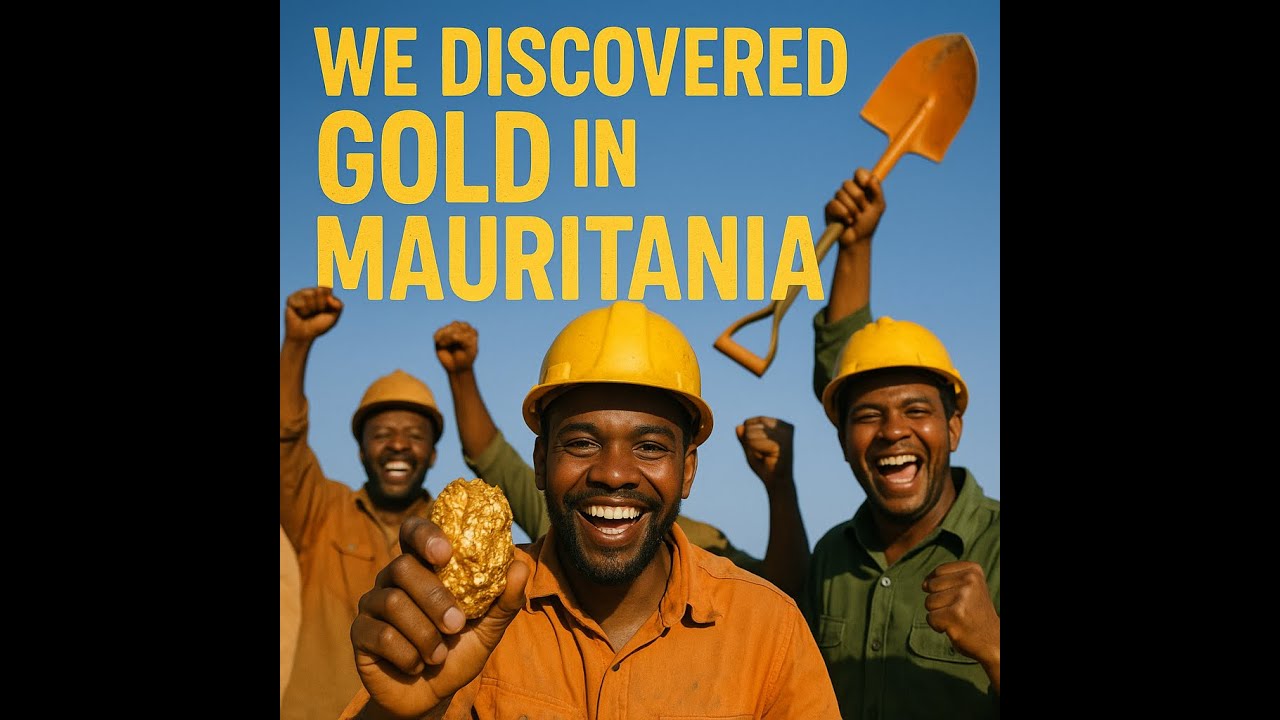
Modern Technologies, Sustainability, and Farmonaut’s Role in Mining
The future of gold production and copper mining depends increasingly on advanced technologies and sustainable practices. Farmonaut, as a leading satellite technology company, is at the forefront of this transformation by providing businesses, governments, and users with affordable and accessible solutions across agriculture, mining, infrastructure, and defence sectors.
Access Farmonaut’s advanced award-winning satellite-based tools for real-time monitoring, fleet and resource management, AI agriculture/mining advisory, and blockchain-based traceability directly via our mobile and web apps. Start free today!




How Farmonaut Empowers Gold & Copper Mining for 2025 and Beyond
- Satellite-Based Monitoring: Multispectral imagery for crop, mining site, and infrastructure assessment—helping resource and production managers optimize extraction, ensure regulatory compliance, and track landscape changes.
- AI & Blockchain Integration: Jeevn AI provides customized, real-time advisory, while blockchain brings traceability for securing supply chains—important for investment-grade gold and responsibly mined copper.
- Environmental Impact Tracking: Features carbon footprint monitoring to promote sustainable extraction and help companies, governments, and stakeholders make data-driven, responsible decisions. Discover more about carbon footprinting solutions here.
- Fleet & Resource Management: Optimize heavy equipment fleets, logistics, and resource allocation with user-friendly, scalable tools. Read more about Fleet Management for Mining.
- Loan and Insurance Support: Banks and financial institutions leverage Farmonaut for satellite-based verification, reducing fraud and supporting faster access to financing. Learn more about crop, mining, and loan insurance use cases.

Farmonaut Subscriptions & Pricing: Scalable, Affordable Satellite Intelligence for All
Frequently Asked Questions (FAQ)
-
What are the top gold producing countries in 2025?
China, Australia, and Russia lead the world in gold output, with United States, Canada, Ghana, and South Africa following. China alone is projected to produce over 380 tonnes annually. -
How significant is Africa gold production in the global context?
Africa’s total gold production is expected to surpass 700 tonnes in 2025, representing almost 20% of global output, with Ghana, South Africa, and Mali as the main contributors. -
What role does BHP play in copper mining in 2025?
BHP continues its dominant force in copper, especially with its Escondida mine in Chile (over 1 million tonnes projected), crucial for infrastructure, electrical, and defence applications. -
Why is copper so critical for infrastructure and energy sectors?
Copper’s qualities (high conductivity, durability, versatility) make it foundational for electrical systems, renewable energy, communications, and modern defence technologies. -
How is technology changing gold and copper mining?
Innovations like satellite monitoring, AI advisory, and blockchain traceability enable more precise exploration, production optimization, resource management, and supply chain authentication, fostering sustainability and transparency. -
Can I leverage Farmonaut’s solutions for my own mining business or operation?
Yes! Farmonaut’s satellite and AI-powered services are available via web/app and API for proactive and data-driven decision-making in mining, agriculture, infrastructure, and defence (see Farmonaut App and API).
Conclusion: 2025 & Beyond—Gold and Copper Mining as Global Economic Pillars
The 2025 gold production by country and bhp copper production 2025 landscapes reveal a mining industry that remains highly concentrated among established leaders—China, Australia, and Russia—while Africa’s gold output continues to grow in global significance.
Copper mining, spearheaded by BHP, is essential for advancing modern infrastructure, renewable energy, and technological systems that underpin the world economy.
Africa’s mining sector, especially its gold production, will remain increasingly pivotal, shaped by modern investments, sustainable practices, and technology integration.
- China’s gold output sets the global pace for 2025 at over 380 tonnes.
- Australia, Russia, Canada, and the US remain integral, leveraging advanced technology and stable reserves.
- Africa—led by Ghana, South Africa, and Mali—will total over 700 tonnes annually, powering employment and local economies.
- BHP’s dominance in copper production underpins 2025’s global green transition, infrastructure growth, and defence priorities.
- Modernization, environmental standards, and blockchain traceability are defining a new era for the mining sector.
As mining continues to evolve, the foundation provided by gold and copper will remain indispensable for agriculture, infrastructure, and defence. Advancements in satellite technology, digital monitoring, and blockchain-driven transparency will drive the next generation of industry growth, sustainability, and trust, keeping mining central to the modern global economy.
Get started with satellite insights for gold and copper mining, agriculture, and infrastructure at Farmonaut!

 SG Gold Mining LLC
 VRV Global Pte Ltd
 Omsri International FZE
 G.I.T.T.
 Jaunita Erss Ltd
 Almosi SARL
 SRK Consulting
 Berks Gold Limited
 Mwerezi Minerals Company Limited
 Mining SARL
 SenGold Invest SAS
 Sean Mining Limited
 NTS Group (Pty) Ltd
 Mine4Africa
 Lithspo Minerals Limited
 Tintina Mining Group
