

Zambian Emerald Value 2025: Rare Gemstone Trends & Prices
Table of Contents
- Introduction: Zambian Emerald—a Gemstone of Distinction in 2025
- Origins & Meaning: The Story Behind Zambian Emeralds
- Zambian Emerald Color, Clarity, and Unique Properties
- Market Trends and Zambian Emerald Prices in 2025
- Zambian Emerald Value & Trends Comparison Table 2025
- Global Rarity and Growing Demand for Zambian Gemstones
- Mining Practices: From Kagem to Global Recognition
- Zambian Emerald Jewelry: Designs, Appeal, and Rarity
- Farmonaut’s Role in Sustainable Mining and Traceability
- Frequently Asked Questions
- Conclusion: The Zambian Emerald—A Precious Asset for the Future
“Zambian emerald prices are projected to rise by 15% in 2025 due to increased global demand and limited supply.”
Summary: Zambian Emerald: A Gemstone of Distinction and Value in 2025
Emeralds have long been celebrated for their captivating green hues and rarity, and among the world’s precious gemstone regions, Zambia stands apart in 2025. With remarkable clarity, rich color, and sustainable mining practices, the Zambian emerald is a recognized global leader in quality and value—positioning itself as a vital asset in Zambia’s mineral wealth and the world jewelry market.
Introduction: Zambian Emerald—a Gemstone of Distinction in 2025
The Zambian emerald has become a focal point in the global gemstone market, renowned for its unique color, superior clarity, and increasing value. In 2025, industry professionals, collectors, and investors are spotlighting Zambian emeralds for their blend of rarity, beauty, and ethical sourcing. As demand for colored gemstones grows, these green treasures mined from Zambia are capturing attention across continents—including Africa, Europe, Asia, and North America.
In this comprehensive blog, we’ll analyze the Zambian emerald value in 2025, explore what differentiates these gemstones from Colombian and Brazilian emeralds, and review the latest market trends—covering clarity, mining practices, and the importance of sustainable supply. By the end, you’ll understand not just the market prices, but also how Zambian emeralds are shaping the world of precious gemstones.
“Over 70% of emeralds sold in 2025’s market are expected to be sourced from Zambia, outpacing Colombian competitors.”
Origins & Meaning: The Story Behind Zambian Emeralds
The origins of the Zambian emerald trace back primarily to the Kagem mine in Zambia’s Copperbelt province—a region that has redefined Africa’s role in the gemstone industry. As the largest emerald mine in Africa and a global leader in production, Kagem has propelled Zambia onto the world stage, now competing head-to-head with traditional powerhouses like Colombia and Brazil.
The term “Zambian emerald” specifically refers not just to geographical origin, but to a set of qualities and properties—including distinctive color, higher clarity, and sustainability—that differentiate them from other emeralds.
- Geographic origin: The Kagem mine is the primary source for Zambian emeralds, with deposits also found in Lufwanyama and other provinces.
- History & symbolism: Emeralds have been symbolically tied to growth, renewal, vitality, and wealth. These associations echo Zambia’s rich natural environment and the country’s rising mineral industry in the global context.
- Term usage: “Zambian meaning” and “Zambian gemstone” in market parlance denote an emerald’s authenticity and traceable mining source, increasingly important for connoisseurs and ethical buyers in 2025.
Today, Zambian gemstone mining plays a vital part in the nation’s mineral wealth, with the Kagem mine standing as one of the most significant sources worldwide.

Zambian Emerald Color, Clarity, and Unique Properties
What sets Zambian emeralds apart in the world market? The answer lies in their remarkable color, clarity, and composition.
Distinctive Zambian Color—A Key Market Differentiator
- Color: Zambian emeralds are celebrated for their deep, bluish-green hue, with a level of saturation and brilliance considered world-class. Unlike Colombian emeralds, which often display warmer or yellow-green hues, Zambian stones stand out with their slightly darker, cooler tones.
- Chemical properties: The chemical composition includes higher levels of chromium and vanadium, which directly contribute to their intense color and overall appeal for jewelry buyers.
- Market appeal: In 2025, Zambian color is a major factor in value and desirability, driving demand among collectors and jewelry brands seeking unique gemstone aesthetics.
Zambian Clarity and Rarity—The Appeal of a Cleaner Gemstone
- Clarity: Naturally, all emeralds are prone to inclusions, commonly called “jardin”, but Zambian emeralds tend to be cleaner with fewer visible inclusions than their Colombian or Brazilian rivals. This results in higher desirability, especially for those used in fine jewelry.
- Rarity: Exceptional Zambian clarity is rare, and stones displaying both superior color and clarity are classified as “premium” or “exceptional” in industry rankings.
- Jewelry design: The clearer the emerald, the more versatile its application—from intricate rings to high-end necklaces—boosting Zambian jewelry’s value in 2025’s market.
Physical & Chemical Properties Table: Zambian vs. Colombian Emeralds
| Property | Zambian Emerald | Colombian Emerald |
|---|---|---|
| Color | Deep bluish-green, intense saturation | Warmer green to yellow-green |
| Clarity | Generally cleaner, fewer inclusions | Often more inclusions, less transparent |
| Chromium/Vanadium Content | Higher, contributes to darker hue | Variable, usually less intense green |
| Source Stability | Consistent supply, sustainable mining | More variable supply, older mines |
These differences, particularly in color and clarity, have led to increased Zambian recognition and demand in the global gemstone marketplace in 2025.

Market Trends and Zambian Emerald Prices in 2025
The Zambian emerald market in 2025 shows remarkable momentum. Increasing global demand, driven by a shift toward colored gemstones and ethical sourcing, is pushing Zambian prices higher. According to leading industry sources, Zambian emerald prices have appreciated by approximately 15% year-on-year—with premium stones sometimes outpacing even Colombian emeralds.
Several inter-linked factors are enhancing Zambian value and pricing:
- Rising demand: Colored gemstones, particularly green emeralds, are trending in Asia, the US, and Europe—boosting both market value and visibility for the Zambian gemstone.
- Limited production & rarity: The finite output from the Kagem mine and consistent global demand creates a supply-demand mismatch, making Zambian emeralds rarer and more valuable.
- Sustainable mining efforts: Ethical sourcing, supported by traceability technologies and stricter environmental practices, improve consumer confidence and increase Zambian price premiums.
- Investment and jewelry market: Investors, designers, and collectors are increasingly viewing emeralds from Zambia as a hedge against inflation and a symbol of luxury in fine jewelry.
Did you know? Farmonaut’s carbon footprinting platform can help mining operators measure and track environmental impact, providing vital data for sustainability certifications that are important factors in gemstone pricing and global market acceptance.
The evolution of Zambian emerald prices also reflects in how jewelry brands position their collections, with Zambian rings and necklaces marketed as both beautiful and ethically sourced—further improving consumer appeal.

Zambian Emerald Value & Trends Comparison Table 2025
Understanding Zambian emerald value in 2025 requires a closer look at how clarity, carat weight, and rarity affect estimated prices. Explore the data-driven table below to see how market segments have evolved, with estimated pricing reflecting industry trends:
These values are estimates based on 2025 industry reports; actual pricing may fluctuate by source, origin, and certification status. Stones with exceptional Zambian clarity and deep color command the highest prices.

Global Rarity and Growing Demand for Zambian Gemstones
The Zambian emerald is now recognized as one of the world’s rarest and most sought-after colored gemstones. Global recognition of Zambian mining practices, color, and clarity has driven up demand—especially among consumers prioritizing authenticity, traceability, and sustainability in 2025.
- Global share: As projected, over 70% of emeralds sold globally in 2025 will originate from Zambia—a testament to both the Kagem mine’s production and the preference for Zambian properties in the fine jewelry market.
- Consumer behavior: Millennials and Gen Z buyers, especially in Asia and the US, increasingly seek unique, responsibly sourced gemstones, reinforcing Zambian emerald’s status as a rare and desirable commodity.
- Investment trend: Premium Zambian emeralds are recognized by jewelry investors as robust alternatives to diamonds and rubies, offering both rarity and the potential for price appreciation.
For gemstone industry professionals: The ability to verify gemstone origin, clarity, and rarity is more important than ever. Up-to-date data and technological solutions, such as blockchain-based traceability, are a market must. Farmonaut’s traceability system enables jewelry brands and suppliers to assure buyers of gemstone authenticity, origin, and ethical sourcing—addressing one of 2025’s key consumer trends.

Mining Practices: From Kagem to Global Recognition
Zambia’s Kagem mine is the largest single producer of emeralds globally, setting industry benchmarks not only in production, but also in sustainability. The shift toward responsible, sustainable mining practices is directly influencing both the Zambian meaning and Zambian price in 2025.
- Environmental stewardship: Modern mining operations emphasize minimal land disturbance, water management, and local biodiversity protection. These aspects resonate globally, enhancing the perception of Zambian gemstone mining.
- Community benefit: Increased focus on social responsibility ensures mining revenue trickles down to local communities—aligning with evolving ESG standards worldwide.
- Technological advancement: Satellite monitoring, AI analysis, and blockchain tracking (such as those offered by Farmonaut via API integration and API developer docs) are transforming mining operations, improving both efficiency and transparency.
The result: Zambian emeralds not only hold high value in the jewelry world, but also set standards for sustainable mining—further solidifying their status in the gemstone industry for 2025 and beyond.
Environmental compliance in mining is crucial. Farmonaut’s carbon footprinting tools deliver satellite-based insights that help mining companies meet international standards for emissions and site management.
Additionally, Farmonaut subscribers can use the fleet management solutions to optimize the operational efficiency of mining vehicles and machinery—lowering costs and supporting safe, resource-efficient extraction processes.

Zambian Emerald Jewelry: Designs, Appeal, and Rarity
Zambian emeralds are winning over both designers and buyers with their distinctive color and exceptional clarity. Jewelry brands in 2025 are leveraging Zambian rings, earrings, and pendants to appeal to a new generation of consumers seeking both beauty and ethical origins.
- Jewelry trends: The clear, intense green hues of Zambian stones allow for bold, luxurious settings—from statement rings to intricate necklaces. The rarity of high-clarity stones drives up their appeal.
- Bespoke designs: With top Zambian stones regarded as “exceptional,” designers are competing to secure premium gems for limited-edition collections, often commanding record Zambian price points at auctions and boutiques.
- Investment potential: Collectors view high-quality Zambian jewelry as both wearable art and a stable store of value, especially as demand continues to outpace supply in 2025.
Zambian jewelry buyers are further motivated by transparent sourcing—made possible by traceability systems—which ensures each stone’s journey from the Kagem mine to the final ring is well documented and ethical.
Want to monitor precious resource extraction via mobile technology? Download Farmonaut’s satellite insights app for real-time mining and environmental data:




Farmonaut’s Role in Sustainable Mining and Traceability
In today’s rapidly evolving mining industry, technological innovation is essential for sustainability, traceability, and efficiency. At Farmonaut, we offer advanced satellite-based solutions that empower mining operations to achieve transparency, risk reduction, and environmental compliance—directly benefiting Africa’s gemstone sectors like Zambian emerald mining.
- Real-time satellite monitoring: Our platform delivers multispectral imaging and AI analytics for effective resource management. This enables mining operators to optimize extraction schedules, minimize waste, and respond swiftly to environmental changes.
- AI-based advisory: With our Jeevn AI system, mining stakeholders receive instant data-driven recommendations, supporting operational efficiency and risk mitigation for both Zambian and global mines.
- Blockchain-based traceability: Our blockchain tools facilitate secure, transparent documentation of every gemstone’s journey from mine to market. This supports ethical sourcing, combats fraud, and assures buyers of authenticity—especially critical for rare Zambian gems.
- Environmental impact and carbon tracking: By using our carbon footprinting solutions, mining companies can monitor and reduce their ecological footprint, aligning with the market’s growing demand for sustainable and responsible practices. Learn more about Farmonaut’s carbon tracking for mining and resources.
- API integration for businesses: With our API and detailed API developer docs, companies can integrate satellite data, traceability, and advisory services directly into their business systems.
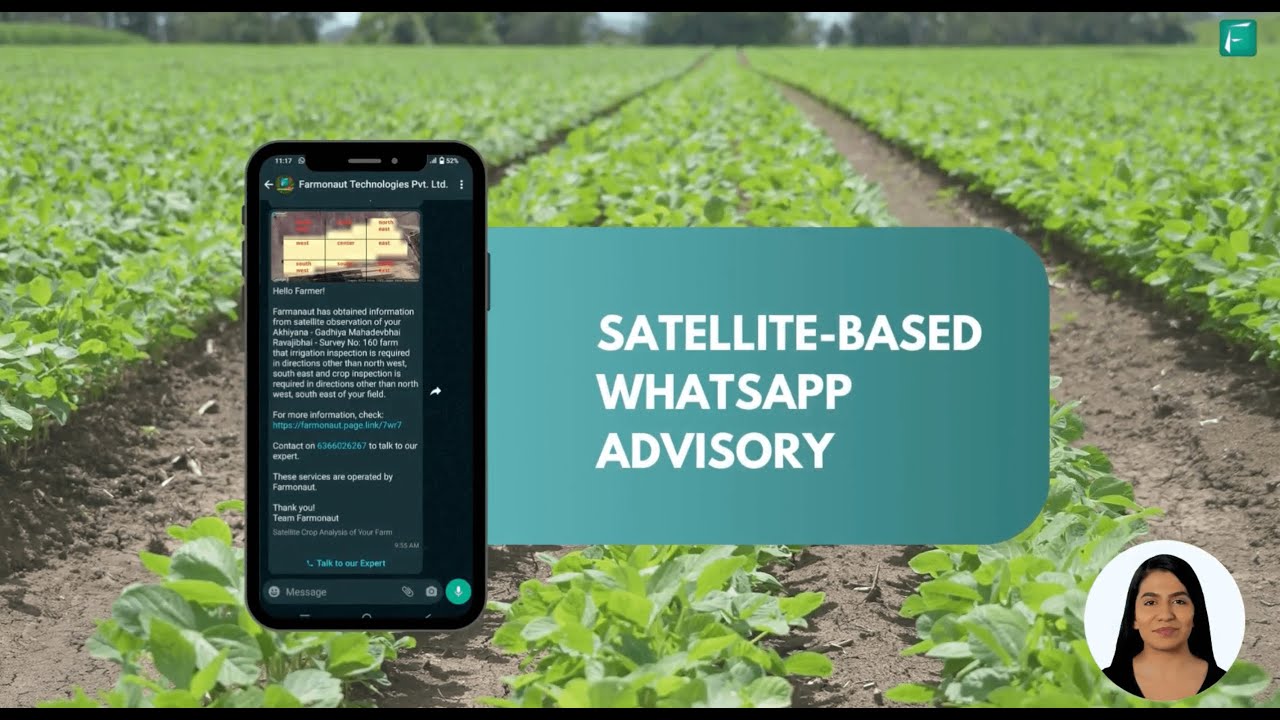
Looking to optimize gem mining operations at scale? Explore our large-scale farm and mine management platform for integrated monitoring and resource planning.
As the gemstone industry moves into 2025 and beyond, our vision at Farmonaut is to make sophisticated satellite insights accessible and actionable for businesses, users, and governments worldwide—ensuring that Zambia, Africa, and the rest of the world benefit from responsible, data-driven mineral extraction.
Frequently Asked Questions: Zambian Emerald Value, Properties, and Trends 2025
What is the value of a Zambian emerald in 2025?
In 2025, the value of a Zambian emerald depends on clarity grade, carat weight, color saturation, and rarity level. Premium, transparent stones may command $2,500–$9,000 per carat, while fine or slightly included gems range from $1,200–$4,500 per carat (see above value table). The rising demand and rarity contribute to ongoing price appreciation.
What makes Zambian emeralds unique compared to Colombian or Brazilian emeralds?
Zambian emeralds are known for their deep bluish-green color, higher clarity, and fewer visible inclusions. Their unique chemical composition—including elevated chromium and vanadium levels—sets them apart from Colombian stones, which generally have warmer hues and more inclusions.
Are Zambian emeralds rarer than other emeralds?
Yes. While Zambia has become the largest producer of emeralds by volume, stones with exceptional clarity and color remain rare. These gemstones, especially those from the Kagem mine, are highly prized and often classified as exceptional or fine in the industry.
How does ethical mining contribute to Zambian emerald value?
Ethical practices, including responsible land management and community benefit programs, enhance the appeal of Zambian emeralds—particularly among international buyers. Traceability, enabled by platforms like Farmonaut’s blockchain tracking, further boosts confidence in gem authenticity and origin.
How can farm, mine, and jewelry businesses benefit from Farmonaut?
Our solutions equip businesses with real-time monitoring, AI advisory, traceability, carbon tracking, and fleet management. These tools help maximize resource efficiency, minimize environmental impact, and meet 2025’s sustainability and transparency requirements in the gemstone industry.
Where can I access Farmonaut’s satellite insights or developer APIs?
Businesses and developers can use our API for mining, resource management, and traceability, or review our detailed developer documentation for integration guidance.
Conclusion: The Zambian Emerald—A Precious Asset for the Future
In 2025, Zambian emeralds stand as a beacon of distinction, value, and rarity in the gemstone world. Their unique color, exceptional clarity, and ethically sustainable mining practices have positioned Zambia at the forefront of the global emerald industry. The consistent rise in prices, advancing technological integration, and the country’s growing recognition guarantee that Zambian gemstones will remain vital both economically and culturally for years ahead.
For jewelry professionals, investors, and collectors, Zambian emeralds are more than just beautiful stones—they are a symbol of innovation, responsible sourcing, and enduring value. As we at Farmonaut drive the digital transformation of mining with satellite-based data and traceability, we aim to support the continued success and sustainability of the Zambian gemstone sector and the broader mineral industry worldwide.
Ready to level up your gemstone, agriculture, or mining insight? Try our app or consult our mobile/web platform for actionable satellite data–or leverage our powerful API suite for resource management and traceability.
Explore more: Farmonaut Carbon Footprinting for Mining |
Traceability Solutions |
Satellite-Verified Crop Loan & Insurance
Discussion
Questions, corrections or field experience? Share them below. First-time comments are reviewed before they appear, and your email is never published.
No comments yet. Be the first to add a question or your experience.

 Mine4Africa
 Lithspo Minerals Limited
 Tintina Mining Group
 Dalgety Minerals Pty Ltd
 Vortex Minerals Pty Ltd
 Faith At Work (Pty) Ltd
 Geotech Mining Solutions plc
 Vulcan International Limited
 Kidepo Associates
 GKY Mining
 Alkimy SARL
 Double A Trading
 GemSprout Metals Limited
 Qader Group
 Ileys General Trading
 SG Gold Mining LLC
 VRV Global Pte Ltd
 Omsri International FZE
 G.I.T.T.
 Jaunita Erss Ltd
 Almosi SARL
 SRK Consulting
 Berks Gold Limited
 Mwerezi Minerals Company Limited
