

10 Liter Agriculture Drone Cost & Business Guide
“A 10-liter agriculture drone can spray up to 6 hectares per hour, revolutionizing large-scale farm operations.”
For most farmers seeking a balance between manueverability, efficient operation, and upfront cost, the 10 liter agriculture drone delivers impressive results that rival ground-based and larger platforms, especially for moderate-sized fields or segmented plots.
Introduction
In the fast-evolving landscape of modern agriculture, aerial technology is becoming increasingly central to efficient, data-driven farm management. Among these innovations, the 10 liter agriculture drone stands out as a practical entry point for farmers seeking precise, efficient, and cost-effective solutions for crop protection and nutrient delivery.
With agricultural operations facing rising labor costs, tighter pesticide regulations, and a renewed focus on sustainability, drone based agriculture provides a unique combination of flexibility, technology integration, and measurable savings. In this comprehensive guide, we will explore the cost structure, practical benefits, business models, and technology impacts of the 10 liter agriculture drone—helping you make informed decisions for your farm or service enterprise.



Why Choose a 10 Liter Agriculture Drone?
10 liter agriculture drones are designed to address the needs of farmers managing moderate to large plots, segmented fields, orchards, vineyards, or specialty farming operations. They are notably:
- ✔ Practical Entry Point: Compact, easier to handle, and requiring a lower upfront investment compared to larger 20 litre units.
- 🕓 Minimized Downtime: Shorter refill cycles suitable for fields that do not require the extended spraying cycles of bigger equipment.
- 📊 Data-Driven Application: Integration with mapping, prescription software, and analytics for precision spraying.
- ⚡ Operational Flexibility: Deployed for timely interventions across multiple plot types or urgent disease/pest outbreaks.
- 🌱 Eco-Friendly Impact: Reduced chemical usage via precise dose delivery, minimizing off-target drift and environmental impact.
Always calibrate your drone sprayer’s flow rate and droplet size to match your unique crop type and weather conditions. This simple step greatly boosts the effectiveness and coverage of each refill cycle.
Technology & Innovation: How a 10L Drone Impacts Modern Agriculture
The role of technology in drone based agriculture goes beyond simple automation—it’s about precision, data integration, and operational intelligence. The 10 liter agriculture drone is at the heart of this transformation:
- 🌍 Satellite-Based Mapping: Use pre-programmed flight paths built from high-resolution satellite or drone imagery for accurate boundary following and variable rate application.
- ⏱️ Optimized Application: Drones are equipped with advanced GPS, RTK, and spray control systems ensuring detailed application at every pass.
- 🛠️ Service Support & Upgrades: Modern platforms allow remote diagnostics and software updates, minimizing downtime and maintenance.
- 📈 Integrated Analytics: Track field performance over time, tailor input regimes to zone-specific needs, and adjust for pest or disease pressure as it appears.

Agricultural drones are no longer niche technology—they are mainstream, practical, and proven to produce measurable improvements in yield and input use efficiency. Their influence stretches across operational models, from individual farmers to commercial agribusiness contractors.
- 🚁 Real-Time Aerial Monitoring
- 🔬 Data-Driven Prescription Mapping
- ⚙ AI-Based Advisory Systems
- 🗺 Automated Flight Path Optimization
- 👩💼 Remote Field Status Reporting
Key Features of a 10 Liter Agriculture Drone: Payload, Spraying Capacity & Performance
When evaluating the 10 liter agriculture drone, several performance features become central:
1. Payload Capacity & Spraying Cycles
A 10 liter capacity means the platform is well-suited to cover moderate and large plots with minimal interruptions. Frequent yet fast refill cycles allow for better tailoring of application based on crop type, growth stage, or disease pressure. This cycle is particularly valuable for fields with variable needs that may benefit from segmented or targeted spraying regimes.
2. Battery Life & Powertrain Performance
Battery life is a crucial factor for uninterrupted field coverage and productivity. Most 10 liter agriculture drones are optimized for both efficiency and rapid recharging. Investments in extra batteries and charging solutions ensure near-continuous operation during critical windows of crop protection.
3. Spray Accuracy & Drift Management
Advanced systems allow for precise nozzle selection, droplet size calibration, and wind-based path adjustments. This helps:
- ✔ Minimize Drift, ensuring chemical stays on target crops
- 🛡 Protect Surrounding Vegetation or water sources
- 💧 Conserve Water and reduce non-target contamination
“Global sales of agricultural drones are projected to surpass $5 billion by 2025, highlighting rapid technology adoption.”
- 🔋 Reliable battery performance for extended spraying duty cycles
- 💨 Intelligent drift management via sensors and variable speed
- 🔄 Quick-swap tanks for reduced downtime
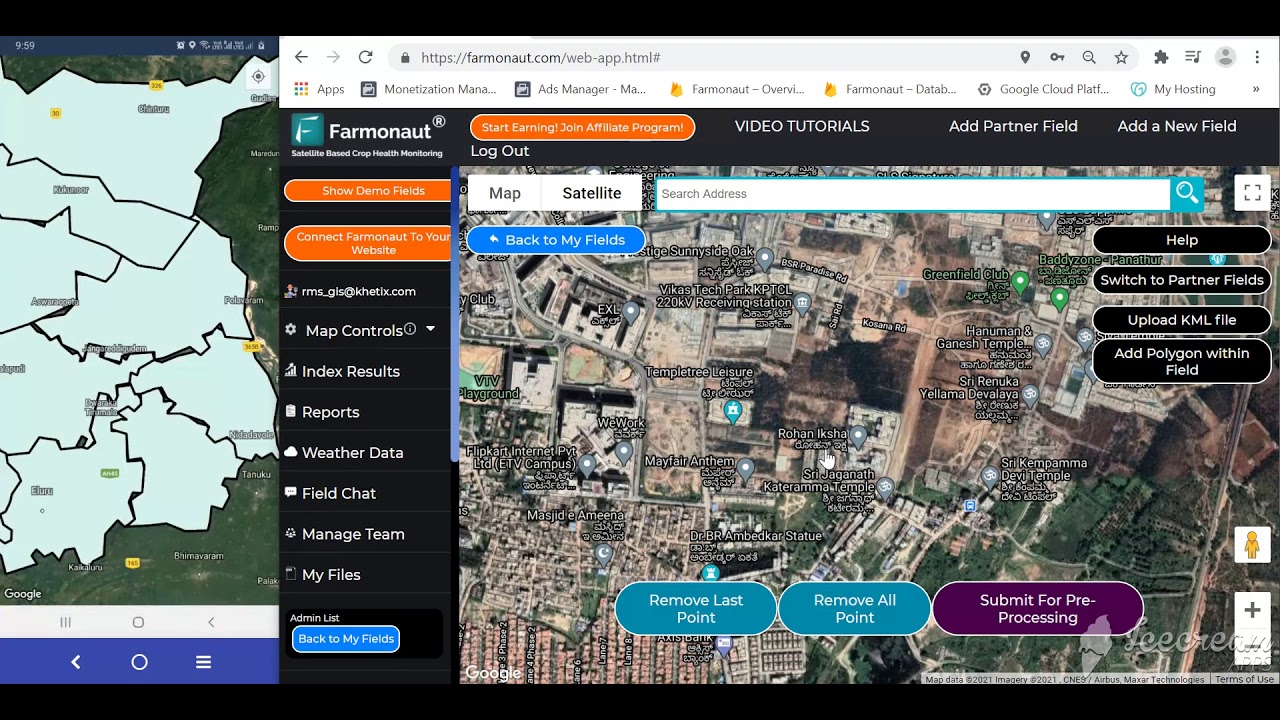
- 🖥 Software compatibility with Farmonaut and other mapping platforms
- 🔌 Remote diagnostics for predictive maintenance and support

Agriculture Drone Cost: Upfront Investment, Ongoing Costs & Savings
With both hardware and software components evolving rapidly, early adopters of drone based agriculture often enjoy operational advantages and recurring business potential, outpacing slower technology adopters in ROI over a 12–18 month horizon.
In determining the true agriculture drone cost for a 10 liter capacity unit, it’s essential to account for both initial investment and ongoing costs—comparing them with traditional crop spraying methods and larger drone platforms. Let’s break down the key components.
Initial Investment
- Drone Equipment: Cost of the 10 liter agriculture drone hardware with flight controller, propulsion, tank, nozzles. Typically $7,000–$13,000+ depending on feature set, build quality, and certification.
- Ancillary Equipment: Extra batteries (for continuous operation), chargers, spare parts (nozzles, rotors), and transport cases.
- Software Licenses: Field mapping, prescription creation, and real-time analytics access. Annual or lifetime purchase options available.
- Training: Onboarding for operators covers flight path programming, calibration, safety, and regulatory compliance.
Ongoing Costs
- Battery Replacements: Lithium polymer or smart batteries have a finite charge cycle lifespan.
- Maintenance: Periodic checks on motors, propellers, nozzles, pumps, and electronics.
- Nozzle Replacements: Wear depends on application volume and chemical type.
- Data Management: If using prescription mapping or crop health analytics, recurring software subscriptions may apply.

Underestimating the need for spare batteries and routine maintenance can lead to unplanned downtime during peak spraying windows. Make sure to budget for these essential ongoing costs from day one.
Example 10L Drone Cost Breakdown
- Drone unit: $9,000 (mid-range estimate)
- Extra batteries & fast charger: $1,000–$2,000
- Spare parts/nozzles: $700
- Annual software & prescription mapping: $350
- Training/certification: $500
Total upfront investment expected: $11,000–$13,500+, with ongoing annual costs around $1,200–$2,000 (excluding chemical/fuel).
Compare this to 20 litre agriculture spraying drone price or larger platforms, which may double the hardware investment but not always offer proportional efficiency gains for small- or medium-sized fields.
Ongoing Savings & ROI
- Reduced labor requirements
- Lower overall chemical and water usage via targeted application
- Quick response to disease or weather windows, preventing crop loss
- Scaling up or down as business grows or contracts
Comparative Cost-Benefit Analysis Table
Adoption of 10 liter agriculture drones accelerates field-level data collection, feeding prescription mapping and real-time farm management platforms. Smart analytics convert every flight into actionable improvements for yield and sustainability.
Spraying Precision, Drift Control & Calibration in 10L Drones
The core advantage of moving from manual or tractor-based spraying to a 10-liter agriculture drone is its application precision.
How Drones Achieve Superior Precision
- Laser-guided or computer-vision-based spray targeting
- Variable droplet size selection for dense or light canopy crops
- Adjustable flight paths to compensate for wind, obstacles, or crop type
- Zone-based prescription mapping for spot treatments or variable dosing
Calibration is essential—balancing tank output, nozzle diameter, ground speed, and drift management protocols. Operators must routinely test and adjust settings based on weather, crop stage, and application regime required.

- 🌾 Key Benefit: Minimized chemical use, better target coverage, and reduced environmental exposure for smaller fields or challenging plot shapes.
- 🦺 Safety Highlight: Drone application limits direct operator exposure to agrochemicals, boosting worker safety.
- 🤖 Automation: One operator manages large areas remotely—enabling scalability and rapid deployment.
Agriculture Drone Business: Service Models & Opportunities
The business potential for 10 liter agriculture drones is robust, supporting a range of service and equipment rental models:
- 📦 Spraying Service: Offer targeted crop protection to farmers who lack in-house drone capacity—seasonal or on-demand.
- 🚜 Nutrient Application: Deploy drones for foliar feeds, micronutrient treatments, or anti-fungal/fungal regimes when soil or canopy conditions shift.
- 🌳 Specialty Farming: Address orchards, vineyards, or high-value specialty crops with custom dosing and minimal equipment disturbance.
- 🔁 Recurring Revenue: Structured contracts for repeated coverage, eco-conscious spraying, or job-specific pilot support.
- 🛰 Data & Mapping Solutions: Bundle field health scouting, yield prediction, and prescription maps for value-add services.
For contractors, a fleet of compact 10L units provides scalability and redundancy, while farmers gain rapid access to advanced spraying for immediate needs, reducing labor, chemical costs, and input waste.

Providers with multiple drones can serve more farms per day. Choose robust units with predictable performance and strong local service support to minimize downtime and boost customer retention.
Integrating 10L Agriculture Drones with Farm Management & Mapping
The impact of drone based agriculture is maximized when integrated with smart farm management systems. This includes:
- Advanced satellite mapping, such as that offered by Farmonaut, for drawing precise boundaries and variable rate zones.
- Prescription generation based on historical NDVI/soil health data.
- Automated upload of mission plans and real-time status reporting.
- Ongoing data aggregation for compliance, yield prediction, and sustainability metrics.
For seamless integration, ensure your 10 liter agriculture drone is compatible with leading platforms, supports regular software updates, and offers accessible diagnostics for maintenance.
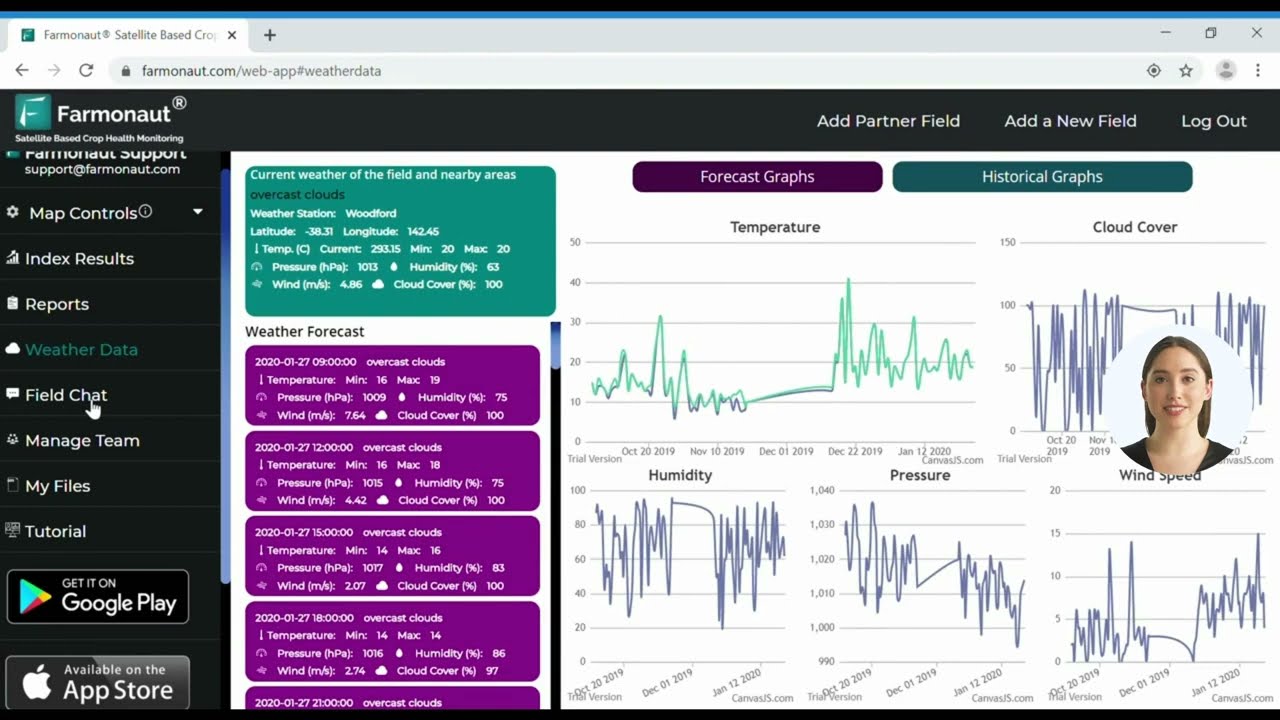
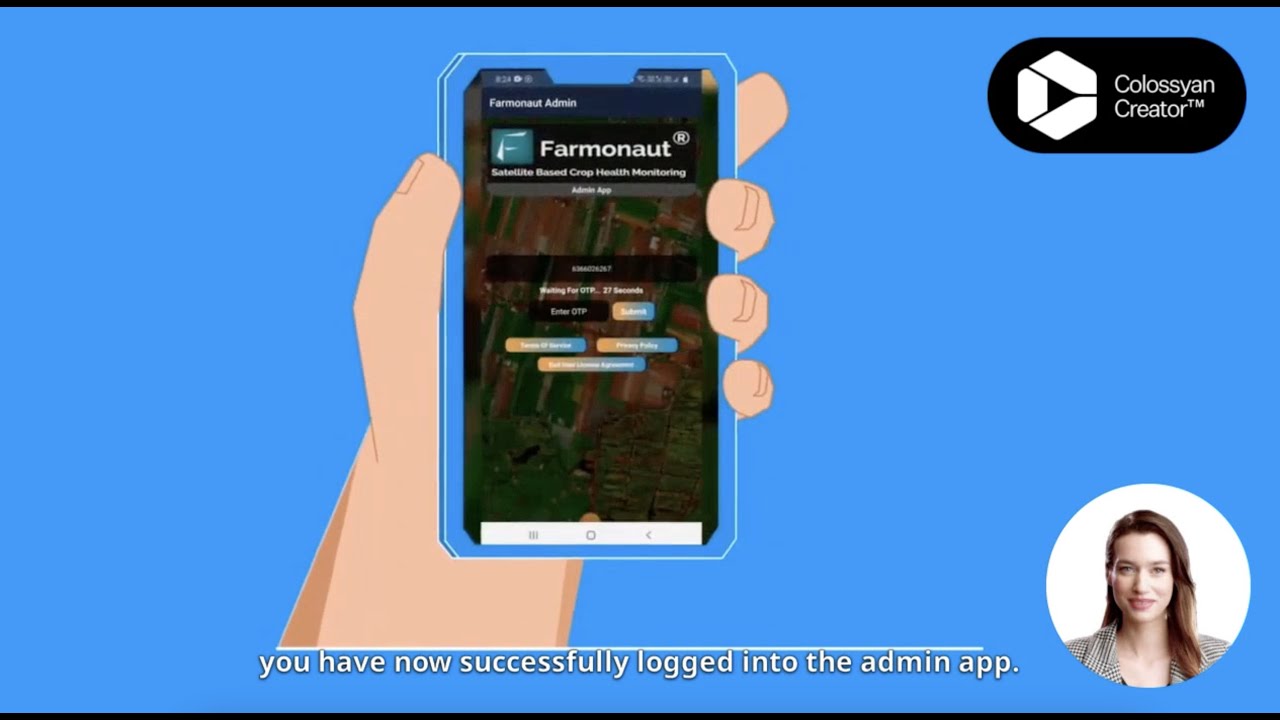
For Farmonaut users, our web and mobile apps deliver near real-time satellite crop health monitoring, AI-driven advisory, and fleet management—empowering you to harness field data for improved application accuracy and input optimization.
Want to get started?
Check out our Large Scale Farm Management app or explore Farmonaut’s Fleet Management tools for optimizing drone and machinery logistics.
Looking to add a new level of transparency to your crop supply chain? Discover our blockchain-based traceability solutions to ensure every phase from planting to harvest is documented and tamper-proof.
Environmental compliance is now a core requirement for agribusinesses. Our carbon footprinting solution tracks field emissions, sustainable input use, and resource allocation using satellite-driven analytics.
Are you a developer looking to build custom field, drone, or resource management tools? Our full-featured APIs are available at Farmonaut API and detailed documentation at API Developer Docs.
Farmonaut: Satellite-Driven Solutions for Modern Agriculture
At Farmonaut, we provide satellite-driven insights tailored for modern agricultural needs. Here’s how our platform enhances the power of 10 liter agriculture drone solutions:
- 🌍 Satellite Monitoring: Real-time field-level vegetation health, soil status, and operational logistics.
- 🤖 AI Advisory: Custom pest, disease, and nutrient prescriptions based on multispectral data and advanced agricultural models.
- 🔄 Blockchain Traceability: Ensure every step of your field’s journey is recorded, compliant, and transparent with our secure, scalable blockchain solutions.
- 🛰 Fleet Management: Optimize your drone fleets, tractors, and resource allocation for maximum operational efficiency.
- 🌱 Environmental Impact: Measure, analyze, and report sustainability and carbon footprint metrics for compliance and proactive stewardship.
Our subscription-based platform is accessible via web, Android, or iOS, supporting seamless farm and resource management—wherever you are and whenever you need it.
Integration of satellite monitoring with drone-based coverage unlocks the next frontier in precision agriculture: real-time intervention, intelligent risk management, and actionable sustainability reporting.
FAQs about the 10 Liter Agriculture Drone Cost & Business
What makes the 10 liter agriculture drone a practical entry point for farmers?
How does a 10L drone compare to a 20L drone or tractor spraying in cost and efficiency?
What are the core ongoing costs of operating a 10L agriculture drone?
Can a single operator manage multiple drones simultaneously?
How do I ensure my drone spraying is compliant and safe?
Conclusion & Summary
The 10 liter agriculture drone represents a new standard for precision, efficiency, and practical business potential in modern farming. It is a tool that enables timely interventions during crucial crop growth stages, minimizes input wastage through data-driven prescription mapping, and supports scalable aerial spraying businesses without the operational complexity or capital outlays of much larger units.
From initial investment to maintenance, safety, software compatibility, and service support, the 10L drone solution helps farmers and contractors unlock new efficiencies and sustainable returns. When integrated with advanced platforms such as Farmonaut, these drones become central elements in a data-driven, resilient agriculture enterprise.
In summary:
- 💡 Ideal for moderate-large and segmented fields
- 🌍 Integrates with smart mapping and prescription software
- 🛡 Reduces labor, chemical usage, and off-target drift
- ⚡ Supports scalable business models for independent operators or service providers
- 📊 Maximizes ROI through real-time field data and actionable insights
For growers seeking a balanced blend of capability and affordability, the 10 liter agriculture drone is often the “sweet spot”—offering low-cost entry to a future-proof, high-precision farm management strategy.

 Sarvome
 Polaris Digitech
 Teledarbas
 Wild Oak Farm
 SFX
SFX BACF Africa
 Doodlakine
 Exurbia Geospatial
 FieldZero
 Indico Company
 Kubota
 FFBS
FFBS Jontra
