

Agriculture Drone India Price 2026: Sprayer Cost Guide
“In 2026, agriculture drone prices in India are projected to start from ₹3 lakh for basic sprayer models.”
Introduction: India’s Agricultural Revolution by Drones
India’s agricultural sector has witnessed a dramatic technological revolution over recent years, led by the integration of agriculture drones, also known as unmanned aerial vehicles (UAVs). As we approach 2026, understanding the agriculture drone in India price landscape, especially for sprayer models, becomes increasingly essential for farmers, agribusinesses, cooperatives, and policymakers. This guide explores agriculture drone India price, cutting-edge features, advanced models, and the true impact of drone technology on costs, farm efficiency, and sustainability.
From basic aerial surveillance to AI-powered precision spraying, drones are now crucial for monitoring crop health, soil analysis, fertilizer management, and much more. With India’s vast and diverse agricultural zones, technology adoption is not just an advantage—it’s a necessity.
Trivia: Quick Facts on 2026 Drone Pricing
“Over 25 advanced drone models are expected to be available for Indian farmers by 2025, offering varied features and costs.”
The Rise of Agriculture Drones in India
Over recent years, the agricultural sector in India has witnessed a technological revolution with drones as vital tools for the modernization of farming practices. Unlike traditional methods, unmanned aerial vehicles (UAVs) help monitor crop health, manage irrigation, conduct soil analysis, and, most notably, carry out precision spraying of fertilizers, pesticides, and herbicides.
- ✔ Monitor large areas rapidly—even in difficult terrains
- 📊 Analyze soil health for targeted interventions
- 🚁 Reduce input costs by precision spraying
- ⚙ Enable smart farming through data analytics
- ⚠ Avoid human exposure to potentially hazardous chemicals
This integration of advanced tools is becoming indispensable, especially in India’s diverse and expansive agricultural zones. Farmers, agribusinesses, and government agencies are increasingly adopting spraying drones for both large and small-scale applications.
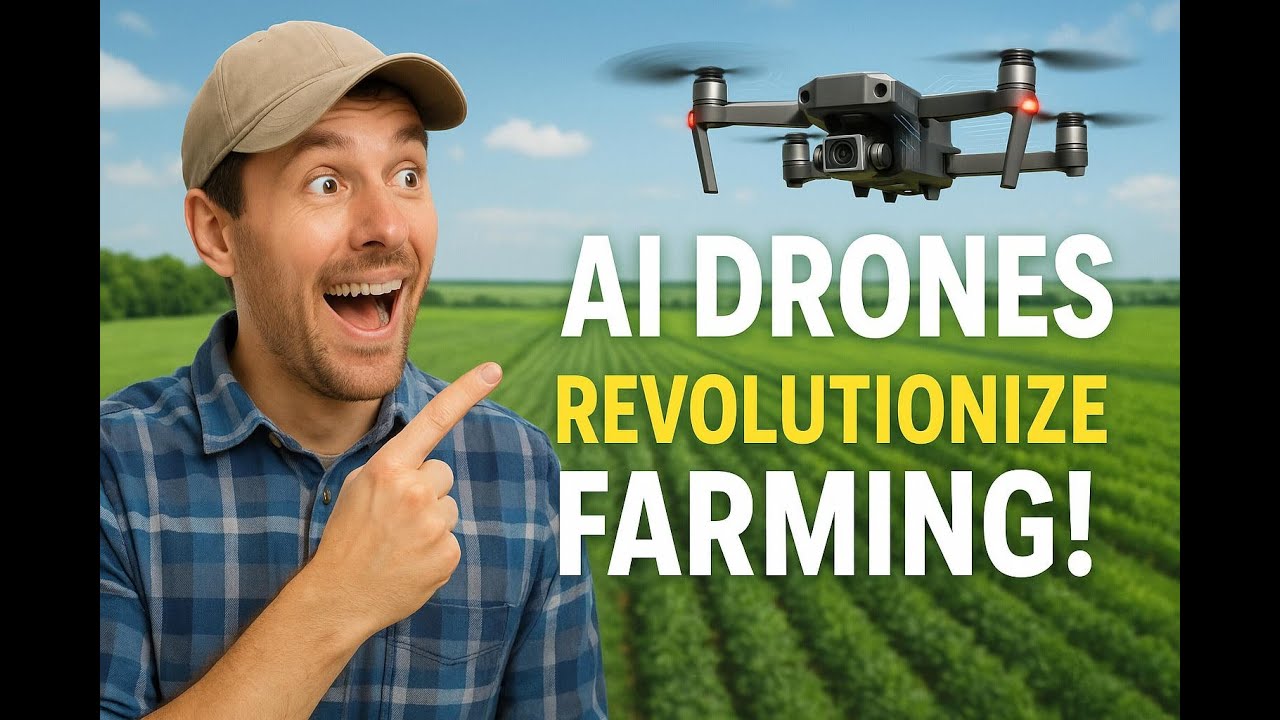
Agriculture Drone India Price Overview (2026): Cost, Features, and Models
Understanding the agriculture drone in India price is essential for informed decision-making. In 2026, prices for agricultural drones will vary significantly based on core specifications: features, payload capacity, spraying mechanisms, flight time, and brand reputation.
Agriculture Drone Sprayer Price 2026: What to Expect
- ✔ Entry-Level Models (Basic monitoring & limited spraying): ₹3 lakh to ₹5 lakh
- 🚁 Advanced Sprayer Drones (10–20 liter tanks, multiple nozzles, advanced automation): ₹7 lakh to ₹20 lakh
- 🔬 High-End AI-powered Models (autonomous flight planning, AI-based analytics, larger payloads): ₹20 lakh to ₹30 lakh**
Most entry-level drones come with GPS-guided flights, basic imaging, and survive for up to 20–25 minutes per battery charge, suitable for smallholdings and surveillance. For farmers and cooperatives requiring more advanced spraying capability, prices are higher, but bring larger spray tanks, longer flight times, and smart data tools.
Agriculture drone India price as of 2026 will start from ₹3 lakh for basic models, while sophisticated precision agriculture drones could cost upwards of ₹20 lakh for large fields and commercial ventures.
What Determines Agriculture Drone Sprayer Price?
Drone pricing depends on an intricate balance of payload capacity, battery life, automation level, and advanced analytical features. Detailed comparison is crucial, as features directly impact operational efficiency, chemical use, and cost of ownership.

Comparison Table: Agriculture Drone Models in India (2025–2026)
Below is a side-by-side comparison of key drone models, their estimated prices for 2026, and notable technical features—enabling informed investment decisions.
| Drone Model | Manufacturer | Estimated Price in 2026 (INR) | Spray Capacity (Litres) | Battery Life (Minutes) | Coverage/Charge (Acres) | Notable Features | Suitability for Crops/Fields |
|---|---|---|---|---|---|---|---|
| AgriSurfer 16 | SkyBlaze UAVs | ₹6-7 lakh | 16 | 25–30 | 8–12 | GPS, Obstacle Avoidance, Multi-nozzle Spraying, Real-time Data | Medium to Large Farms (Wheat, Rice, Maize) |
| X-Agri Pro 2026 | AgriFly India | ₹8-9 lakh | 20 | 30–35 | 12–15 | AI Terrain Mapping, Advanced nozzles, App Control | Commercial Fields, Rice, Sugarcane |
| KisanSpray Lite | AgroDrones | ₹3-3.5 lakh | 10 | 20–22 | 5–8 | Basic GPS, Manual Mode, Entry Surveillance | Smallholdings, Orchards |
| AeroCrop Smart 24 | FarmFly Solutions | ₹12-15 lakh | 24 | 40–45 | 20–25 | Multispectral Imaging, AI Analytics, Autonomous Flights | Large Farms, Cotton, Pulses |
| FieldMaster 20X | Indian UAS Tech | ₹7-8 lakh | 15 | 28–30 | 10–14 | Dual-tank Sprayer, 360° Obstacle Sensors, Customizable Mapping | Vegetables, Leafy Greens |
| SmartSpray Pro+ | Precision Drones | ₹18-22 lakh | 30 | 50–55 | 28–32 | Autonomous Flight Planning, RTK-GPS, Advanced Analytics | Industrial-Scale Operations, Government Projects |
“Over 25 advanced drone models are expected to be available for Indian farmers by 2025, offering varied features and costs.”
Key Factors Influencing Agriculture Drone Prices in India
Before purchasing, it’s important to understand the key factors that directly influence agriculture drone prices in India:
- Payload Capacity & Spraying Mechanism: Larger tanks and advanced spraying mechanisms attribute to higher costs, but lead to greater efficiency.
Look for multiple nozzles and flexible spray modes for varied crops. - Battery Life & Technology: Drones with longer flight times require premium lithium-ion (or emerging hydrogen fuel cell) batteries, which increase initial investment but enhance operational efficiency.
- Technology Integration: Features like multispectral imaging, real-time data analytics, AI-powered flight optimization, and terrain mapping will increase the price, but generate unrivaled benefits for modern Indian farming.
- Brand Reputation: Established manufacturers may charge a premium due to proven reliability, service quality, and support infrastructure.
- After-Sales Service, Training & Warranty: Comprehensive after-sales service, user training, and warranty programs are crucial for maximizing the ROI from drone investments—especially for first-time users in India. Always evaluate service network coverage.
Key Insight
Drone models with 20—30 L tanks, AI-based spraying optimization, and advanced imaging sensors are set to become industry standard for large Indian farms by 2026.
- ✔ Advanced battery systems enable drones to cover up to 25–35 acres in a single charge.
- 🧠 AI-based analytics offer real-time spraying optimization for reduced chemical wastage.
- 🌱 Multispectral imaging empowers early detection of disease and crop health issues.
- 🛡️ Obstacle avoidance reduces downtime and equipment loss in complex terrains.
- 💼 Training & after-sales service lower growth barriers for first-time drone users in India.

Key Insights, Pro Tips, and Investor Highlights
Pro Tip
When calculating the agriculture drone India price, factor in battery replacement cycles, local service support, and spare part availability—these can make a difference of up to ₹1 lakh yearly in total cost of ownership.
Common Mistake
Avoid buying under-powered drones that cannot handle your required acreage per day—choose a tank capacity and flight time that matches your actual operational needs.
Investor Note
With over 25 advanced models hitting the Indian market by 2025, now is the time for investors and agribusinesses to study which features and solutions are most valued by local farmers—from terrain-adaptive spraying to AI-driven monitoring.
Key Insight
Government subsidies are likely to cover up to 40% of agriculture drone sprayer price for eligible Indian smallholders and FPOs in 2026—monitor government portals for updated schemes.
Pro Tip
The integration of drones with satellite-based monitoring apps—like those provided by Farmonaut—offers a complete solution for precision crop health monitoring and resource optimization across all farm sizes.
Impact of Agriculture Drones: Efficiency, Sustainability & Environmental Benefits
The adoption of agriculture drones is transforming Indian agriculture:
- ✔ Productivity Increase: More acres can be covered per day compared to manual spraying—improving farm operational efficiency by up to 40%.
- 🌎 Environmental Benefits: Precision spraying uses less fertilizer and pesticide, reducing chemical runoff and protecting soil health.
- 💰 Cost Savings: Targeted drone spraying methods reduce labor demand and input costs, contributing to sustainable profit margins for Indian farmers.
- ⚠ Risk Mitigation: Unmanned vehicles remove laborers from hazardous environments, reducing exposure to agrochemicals.
- 📶 Smart Data Integration: Drones generate actionable analytics integrated with satellite insights for ongoing improvement.
- ✈ Reduced Input Use: Only affected crop areas are sprayed, lowering chemical use
- 📊 Data Insight: Ongoing monitoring allows targeted interventions during critical growth stages
- 🌿 Sustainability: Minimized environmental footprint and soil degradation
- ⏱ Time Saving: Spraying drones cover hectares that take days by manual labor in under an hour
- ⚠ Risk or Limitation: Initial investment may be high for marginal farmers without government schemes
Government Initiatives and Affordable Drone Access
Recognizing the vital role of drones in the future of agriculture, the Indian government has rolled out programs to reduce the agriculture drone India price barrier for small and marginal farmers.
- 🌱 Subsidies: Several state governments offer drone purchase subsidies (20–40%) for registered FPOs and individuals.
- 🏫 Training Initiatives: Drone-operating workshops and certifications are being offered through Krishi Vigyan Kendras and local agri universities.
- 🧑💼 Drone-as-a-Service: Many agri-tech platforms and private firms allow farmers to rent drones for seasonal or one-time spraying operations—making latest technology more affordable.

Videos: How Drones & AI Are Shaping Indian Farming
Explore these game-changing use cases of AI, drones, and satellite tech in modern Indian agriculture:
- 🚀 AI & Advanced Drone Spraying: Unlocking cost saving and crop health improvements
- 🔬 Satellite Monitoring & Insights: Discover Farmonaut’s crop monitoring solutions
- 🌱 Precision Farming: Maximizing field output with real-time analytics


Farmonaut: Satellite-Tech for Aerial Crop Monitoring
At Farmonaut, we empower Indian farmers, businesses, and government agencies with affordable access to advanced satellite-driven crop monitoring and advisory solutions.
- 🛰️ Real-time monitoring: Our satellite-based platform delivers multispectral crop health imaging for early detection of issues—from pest attacks to soil moisture stress.
- 🤖 AI-Based Advisory: With Jeevn AI, get tailored crop guidance, weather forecasts, and actionable strategies directly from satellite analytics. Our AI empowers more precise spraying—including when, where, and how much.
- 🔗 Blockchain-based traceability: For those needing farm-to-fork traceability, explore our traceability solution.
- 💳 Cost-effective: Our subscription-based model means technology adoption stays affordable and easily scalable.
Farmonaut’s technologies offer an advanced analytical backbone for anyone deploying drone fleets. By integrating ground-level drone data with high-frequency satellite updates in our crop advisory platform, you maximize yields and resource efficiency without the need for costly hardware investments.
Learn more about our fleet management tools here—optimizing logistics and reducing operational costs for large plantations and agri-businesses.



Developers and agri-tech companies can integrate Farmonaut’s sophisticated analytics directly into their systems using our API and review detailed developer documentation here.


How Indian Farmers Can Choose Smart Agriculture Drones: Checklist for 2026
- ✔ Start with your farm size & operation type—Choose tank and battery specifications based on actual acreage and chemical quantities required per season.
- 🤖 Pick automation & AI features that match your workforce availability and unusual terrains—autonomous flight planning and return-to-home are essential for expansive, irregular fields.
- 🌱 Combine drone spraying and satellite monitoring for best results—Regular crop analytics from services like Farmonaut help fine-tune your precision agricultural approach.
- 💸 Always consider TCO (Total Cost of Ownership)—Upfront agriculture drone sprayer price, recurring maintenance, battery replacements, service contracts, and software subscriptions.
- 💡 Ask for training and after-sales support to minimize disruption and maximize uptime during peak seasons.
Investor Note
If you’re planning to finance your drone investment, use Farmonaut’s crop loan & insurance analytics to streamline verification for banks and insurers based on on-field and satellite data.
Quick Takeaways: Key Benefits & Visual Lists
- ✔ Precision: Drones optimize spraying, reducing agrochemical usage and costs.
- 📡 Integration: Combine drone data with satellite insights for full-season visibility.
- ⏱ Faster Coverage: Larger farms can finish spraying cycles in a fraction of usual timeframes.
- 💧 Lower Environmental Impact: Less runoff and reduced soil degradation with targeted spraying.
- 👨🌾 Accessibility: Drone rental and service models are increasing inclusion for small Indian farmers each year.
- 🚁 Coverage Flexibility: Entry-level drones for orchards, medium-range for wheat & rice fields, high-end for plantations and estates.
- 💻 Smart Analytics: Use platforms like Farmonaut for season-round analysis & resource optimization.
- 🌐 Traceability: Enhance consumer trust & supply chain transparency with blockchain-powered product traceability.
Frequently Asked Questions — Agriculture Drone in India Price 2026
Q1: What is the starting price of an agriculture drone sprayer in India for 2026?
Basic drone sprayer models are projected to start around ₹3 lakh in 2026. Advanced, feature-rich drones for large acreage and commercial farms range between ₹8 lakh and ₹25 lakh, depending on capacity and specifications.
Q2: Which features most impact the agriculture drone sprayer price?
Core factors: Spraying tank size (Litres), battery life (Minutes), automation (AI flight planning, object avoidance), multi-sensor imaging (NDVI, multispectral cameras), and reputable after-sales support.
Q3: Are government subsidies available for farmers purchasing drones?
Yes, as of 2026, most Indian states offer subsidy programs covering 20–40% of drone costs, especially for registered FPOs, co-ops, and eligible small/marginal farmers.
Q4: How do drone service and rental models help with affordability?
If initial price is a barrier, farmers can use drone spraying “as a service,” paying only per acre or per spraying event. This makes advanced drone technology accessible without high upfront investment.
Q5: What role do drones play in sustainable agriculture?
Precision drones reduce over-application of chemicals, minimize runoff, protect biodiversity, and support soil health. They are key to the shift toward sustainable, responsible, and profitable farming in India.
Q6: Can I integrate drone operations with satellite analytics for farming?
Absolutely. With satellite-powered platforms like Farmonaut, Indian farmers, farm managers, and government agencies can combine drone-collected field data with real-time satellite analytics for complete monitoring and resource optimization across the crop cycle.
Pro Tip
For agribusinesses and government agencies, centralized monitoring of thousands of fields is streamlined with Farmonaut’s Admin App—enabling seamless oversight of drone fleets and crop health on a national scale.
Conclusion & Final Thoughts for 2026
As 2026 unfolds, agriculture drone India price is no longer a barrier but a gateway to a new era in precision farming. Entry-level models are more affordable for progressive farmers, while large estates and commercial operations are adopting high-capacity, AI-enabled drones for maximal impact.
Key Takeaways for Indian Farmers and Agri-stakeholders:
- Closely compare capacity, battery life, and automation for the best value.
- Integrate drone-collected data with satellite-powered analytics (like Farmonaut) for field-wide oversight.
- Government incentives, rental droning, and technology services are making drone adoption possible for smallholders and large plantations alike.
- Precision agriculture made possible by drones is increasing yields, lowering costs, and supporting sustainable practices across India’s farmlands.
For those ready to be part of the next-gen smart farming revolution, staying informed on the evolving agriculture drone in India price and features landscape remains crucial. Onboarding these advanced tools, platforms, and data-driven strategies is set to define the success of Indian agriculture in 2026 and beyond.
Discussion
Questions, corrections or field experience? Share them below. First-time comments are reviewed before they appear, and your email is never published.
No comments yet. Be the first to add a question or your experience.

 Marei Nursery
 Sayaji Group
 eKGIS
eKGIS Mostas Tech
 Native Seeds
 Andex
Andex FCF India
 Unifrutti Gulf
 Deluxe Conseil
 TVS Electronics
 BW Pipelines
 WICO
WICO Chimera Innovation
 SkyHarvest
 Polaris Digitech
