

Table of Contents
- The Importance of Phosphorus in Agriculture
- Trivia: Key Phosphorus Facts
- Types and Sources of Agricultural Phosphorus Fertilizers
- Comparative Table of Phosphorus Fertilizer Types and Sustainable Management Tips (2026)
- Agricultural Phosphorus Fertilizer: 7 Key 2026 Tips
- Efficient Management Strategies for Sustainable Use
- Environmental Impacts and Mitigation Practices
- Innovations and Foresight: The Future of Phosphorus Fertilization
- Farmonaut and Satellite-Based Sustainable Phosphorus Management
- FAQ: Agricultural Phosphorus Fertilizer & Sustainable Management
- Conclusion: The Path Forward for Phosphorus Fertilizer in Modern Agriculture
“Up to 40% of global croplands suffer reduced yields due to inefficient phosphorus fertilizer use and mismanagement.”
Agricultural Phosphorus Fertilizer: 7 Key 2026 Tips
Summary: Phosphorus Fertilizers in Modern Agriculture: Essential Nutrient Management for Sustainable Crop Production in 2025
Phosphorus (P) is one of the three primary macronutrients essential for plant growth, playing a critical role in energy transfer, photosynthesis, nutrient movement within the plant, and genetic material development. In agriculture, agricultural phosphorus fertilizer remains the cornerstone supporting global crop productivity, soil health, and food security. As we approach 2025 and look toward 2026 and beyond, the significance of phosphorus fertilization in modern agricultural systems grows further due to resource sustainability concerns, environmental impacts, and the need for efficient nutrient use.
Key Insight
- Phosphorus is vital for plant root development, crop maturity, and yield improvement, but its bioavailability is often limited by soil chemistry, particularly in acidic or alkaline soils.
- Agricultural phosphorus fertilizer mismanagement can severely threaten food security and ecological health.
Trivia: Key Phosphorus Facts
“Roughly 80% of mined phosphorus is utilized in agriculture, yet only 15–30% is absorbed by plants annually.”

Types and Sources of Agricultural Phosphorus Fertilizers
Most phosphate fertilizers primarily originate from phosphate rock, which is a non-renewable mineral resource mined globally. The main commercial phosphorus fertilizers include:
- Single Superphosphate (SSP): Contains about 16-20% P2O5; formed by the reaction of phosphate rock with sulfuric acid.
- Triple Superphosphate (TSP): Roughly 44-48% P2O5; produced by treating phosphate rock with phosphoric acid.
- Diammonium Phosphate (DAP): Approximately 18% N and 46% P2O5; popular for its dual nutrient content and efficient release dynamics.
- Monoammonium Phosphate (MAP): Contains about 11% N and 48% P2O5; suited for acidic soils.
- Struvite (Magnesium Ammonium Phosphate): Recovered from wastewater treatment, this specialized product reflects a circular approach by returning nutrients from waste streams back to crop production.
- Bio-based and Organic Phosphorus Fertilizers: Derived from plant, animal, or municipal waste streams to promote a sustainable, circular nutrient strategy.
Use soil testing to assess existing phosphorus levels and select fertilizer types that suit your soil’s pH, crop needs, and climate conditions for optimal fertilizer efficiency.

Comparative Table of Phosphorus Fertilizer Types and Sustainable Management Tips (2026)
| Fertilizer Type | Estimated Phosphorus Content (%) | Typical Application Rate (kg/ha) | Key Environmental Impact | Recommended Sustainable Practice | 2026 Efficiency Tip |
|---|---|---|---|---|---|
| Single Superphosphate (SSP) | 16–20 | 200–400 | Soil acidification | Combine with liming in acidic soils | Apply near root zone with drip irrigation scheduling |
| Triple Superphosphate (TSP) | 44–48 | 80–150 | Potential for runoff | Incorporate into soil, maintain vegetated buffers | Use precision placement to align with root uptake |
| Diammonium Phosphate (DAP) | 46 (P2O5) | 100–200 | Soil pH increase, ammonia loss | Apply below surface, avoid wet periods | Adopt split applications in high rainfall seasons |
| Monoammonium Phosphate (MAP) | 48 (P2O5) | 90–180 | pH reduction, limited in alkaline soils | Blend with neutralizing agents for alkaline soils | Micro-dose near seed during planting |
| Struvite (Magnesium Ammonium Phosphate) | 12–15 | 100–200 | Low leaching, minimal runoff | Utilize as slow-release, especially in high-rainfall zones | Integrate with organic mulch for extended efficiency |
| Organic/Manure-based Phosphates | 1–4 | 2,000–4,000 | Potential pathogen & nutrient loading | Compost before field use, adhere to biosafety | Pair with bio-augmentation or microbial inoculants |
Agricultural Phosphorus Fertilizer: 7 Key 2026 Tips
Optimizing agricultural phosphorus fertilizer management is vital for sustainable crop production, soil health, environmental protection, and global food security. Here are 7 actionable tips for 2026 and beyond:
-
Conduct Precise and Regular Soil Testing- ✔ Assess phosphorus levels to determine actual needs and avoid excessive or insufficient phosphorus fertilizer application.
- ✔ Target site-specific areas within fields for variable-rate fertilization based on soil test results.
-
Match Fertilizer Type with Crop and Soil Conditions- ✔ Select fertilizer types—such as DAP, MAP, or struvite—optimized for your crop’s growth stage and local soil pH.
- ✔ Prefer slow-release or coated products where possible to reduce runoff and improve phosphorus use efficiency.
-
Implement the 4R Stewardship Principle: Right source, Right rate, Right time, Right place- ✔ Apply fertilizers near the root zone and avoid surface broadcasting, especially in vulnerable soils.
- ✔ Synchronize phosphorus application with crop uptake periods to improve utilization and reduce losses.
-
Monitor Environmental Conditions and Enhance Conservation Practices- ✔ Time applications to avoid flooding or imminent rainfall, which can trigger runoff and eutrophication.
- ✔ Use buffer strips and cover crops to catch and recycle phosphorus before it enters water bodies.
-
Adopt Technology-Driven Precision Agriculture Tools- 📊 Leverage satellite data, GPS mapping, and IoT sensors for highly accurate fertilizer application tracking.
- ⚠ Farmonaut’s Large Scale Farm Management app empowers optimized field-level phosphorus management through real-time soil and crop condition monitoring.
-
Integrate Biological Approaches- ✔ Promote mycorrhizal fungi and soil microbes that naturally improve phosphorus availability.
- ✔ Combine organic and mineral sources to enhance long-term soil phosphorus cycling.
-
Support Circular Nutrient Management and Recycling- ♻ Recover phosphorus from agricultural residues, manure, or wastewater treatment (e.g., struvite) to close nutrient loops and decrease dependence on newly mined phosphate rock.
- ✔ Evaluate new products from circular economy initiatives for local suitability and efficiency.

- ✔ Maintain phosphorus fertilizer rates within crop-specific guidelines to prevent soil buildup and environmental losses.
- ✔ Rotate crops to enhance nutrient uptake diversity and reduce phosphorus fixation.
- ✔ Monitor field edge water flows to detect and prevent unintended runoff.
- ✔ Track fertilizer sources using blockchain-based traceability solutions for better regulatory compliance and quality assurance.
- ✔ Adopt satellite-based carbon footprinting (see Farmonaut Carbon Footprinting) to measure and reduce emissions related to phosphorus applications.
⚠ Major Risks of Inefficient Agricultural Phosphorus Fertilizer Application
- ⚠ Eutrophication and Algal Blooms: Phosphorus runoff into surface water promotes harmful ecosystem changes.
- ⚠ Soil Depletion or Toxicity: Over-application fixes phosphorus in soil, making it unavailable to plants or causing environmental toxicity.
- ⚠ Increased Fertilizer and Resource Costs: Inefficiency drives up input expenses, impacting farm profit margins.
- ⚠ Regulatory Non-Compliance: Exceeding recommended rates can attract fines and undermine sustainability certifications.

Efficient Management Strategies: Maximizing Agricultural Phosphorus Fertilizer Sustainability
Phosphorus management strategies in modern agriculture for 2026 should address the key challenges of resource depletion, environmental impacts, and sustainable productivity. Effectively utilizing precision agriculture technologies and innovative practices is essential.
Common Mistake
- Uniformly spreading superphosphate fertilizers across entire fields can waste resources and result in hotspot runoff. Always use variable-rate application guided by soil maps and real-time monitoring!
🌱 Environmental Best Practices for Phosphorus Fertilization
- 🌱 Adopt conservation tillage to minimize soil erosion and phosphorus-bound particle movement.
- 🌱 Use vegetative buffer strips around waterways to trap phosphorus before runoff.
- 🌱 Apply phosphorus fertilizers during dry spells and never immediately before heavy rainfall.
- 🌱 Incorporate organic amendments to improve both nutrient cycling and soil health.
- 🌱 Regularly review fertilizer efficiency with field-level performance monitoring, such as NDVI maps.

Environmental Impacts: Challenges and Mitigation for Sustainable Phosphorus Fertilization
Phosphorus runoff from agricultural fields is a leading cause of freshwater eutrophication, triggering:
- Harmful algal blooms in lakes and rivers.
- Oxygen depletion and aquatic ecosystem collapse.
- Biodiversity loss.
These environmental impacts intensify the call for more sustainable phosphorus management practices in 2026 and beyond. Regulatory frameworks worldwide are increasingly focused on nutrient stewardship to protect water bodies and soil quality.
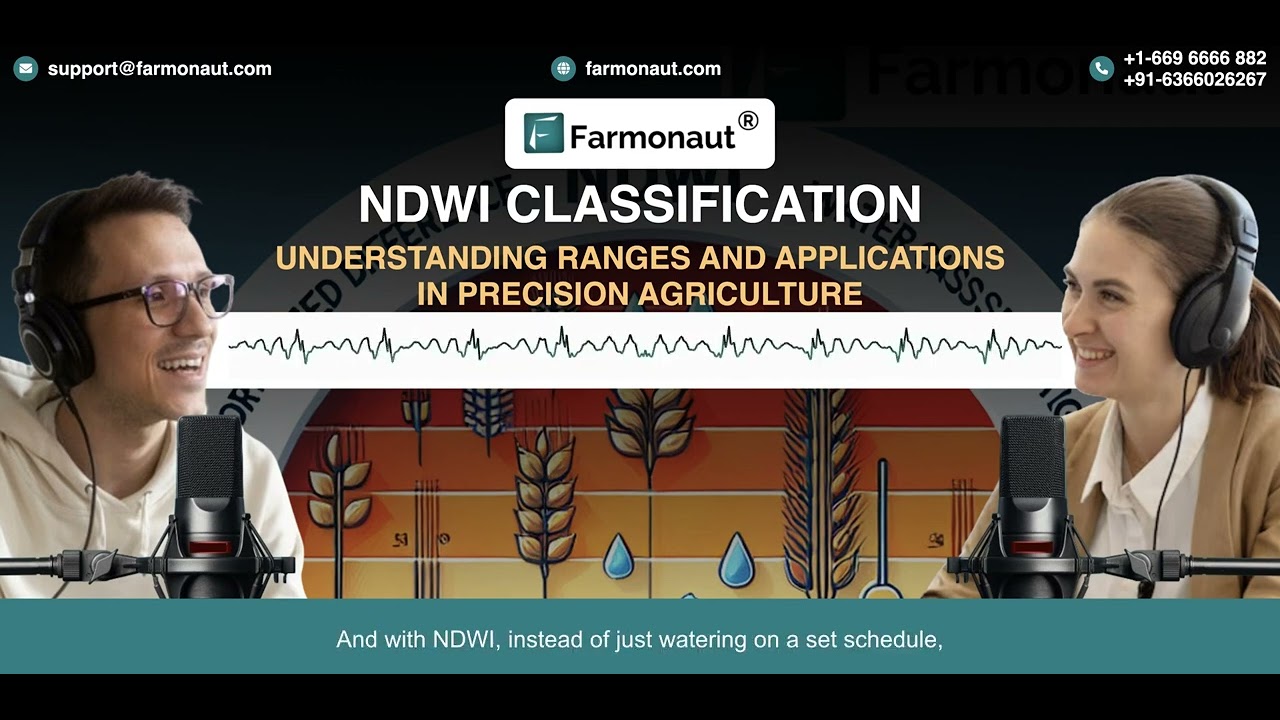
With global phosphate rock depletion and soaring demand, investments in recovered and circular phosphorus solutions—including carbon-footprinting and traceability technologies—are set to transform fertilizer markets and agri-finance sustainability portfolios in 2026!
Innovations and Foresight: Future Trends in Agricultural Phosphorus Fertilizer Use
Looking forward to 2026 and beyond, several innovations will revolutionize phosphorus fertilizer efficiency, resource conservation, and environmental impact reduction:
- 🔬 Nanotechnology-Enhanced Fertilizers: Offer improved solubility, controlled release, and higher phosphorus use efficiency.
- 🌱 Breeding P-Efficient Crops: Genetically developed crop types that are more effective at extracting phosphorus from soil.
- 🦠 Leveraging Plant-Soil Microbiome: Promoting beneficial microbes, like mycorrhizal fungi, for natural phosphorus mobilization and uptake.
- ♻ Phosphorus Recovery and Recycling: Expanding struvite and organic waste processing to close the loop in agricultural systems.
- 📡 Satellite-Driven Field Monitoring: Enhances real-time nutrient assessments, carbon accounting, and supports decision-making for optimal fertilizer application.
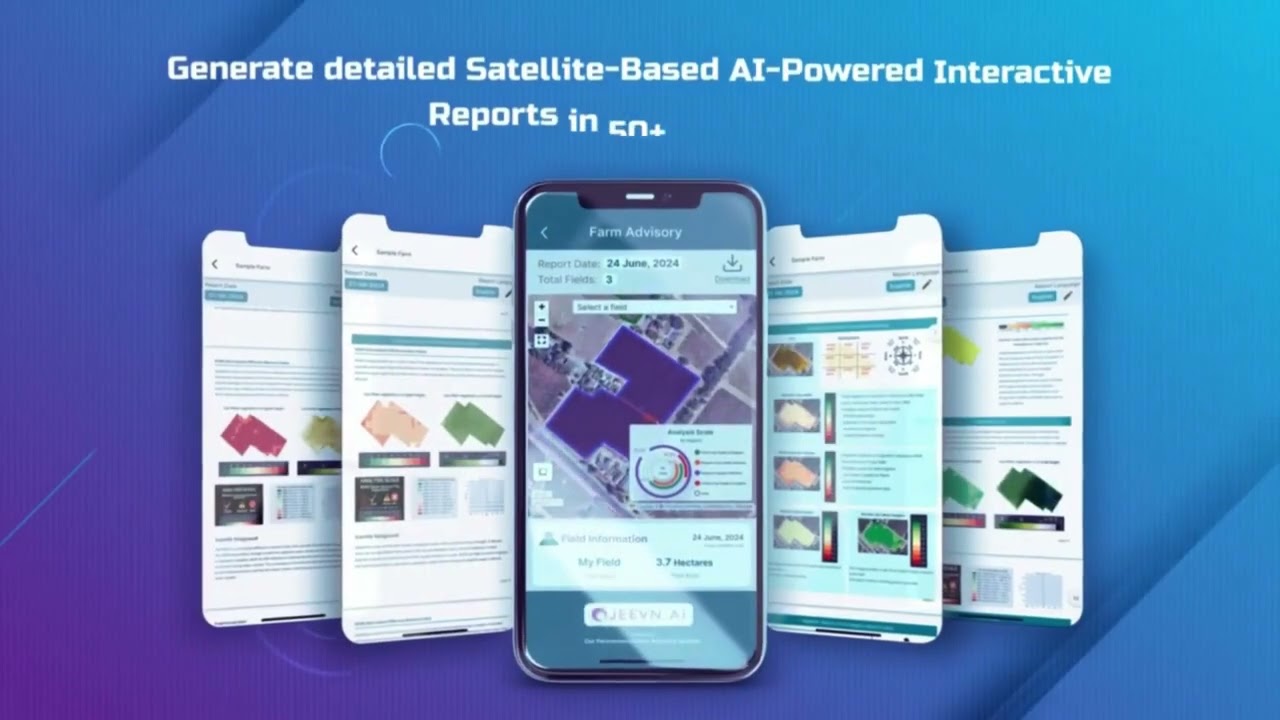
How Farmonaut Supports Sustainable Agricultural Phosphorus Fertilizer Management (2026+)
At Farmonaut, we recognize the critical role of sustainable phosphorus fertilizer strategies in advancing global food security and ecosystem health. Our carbon-footprinting and large-scale farm management tools allow users to swiftly measure, monitor, and optimize phosphorus fertilizer efficiency. Through our robust satellite imagery, AI-driven insights, and resource management platforms, we support:
- Satellite-based detection of field phosphorus variability for targeted applications
- NDVI and soil health analytics to reduce unnecessary fertilization events
- Blockchain-based traceability solutions for secure supply chain management
- Satellite verification for agricultural financing/insurance, helping fund sustainable practices
- API solutions (API | API Developer Docs) for integrating satellite phosphorus monitoring with digital farm management systems
Experience these Agritech tools now:



For agriculture, mining, and infrastructure sectors, digital fleet management with Farmonaut (Fleet Management) ensures precise fertilizer delivery logistics, saving both costs and emissions.
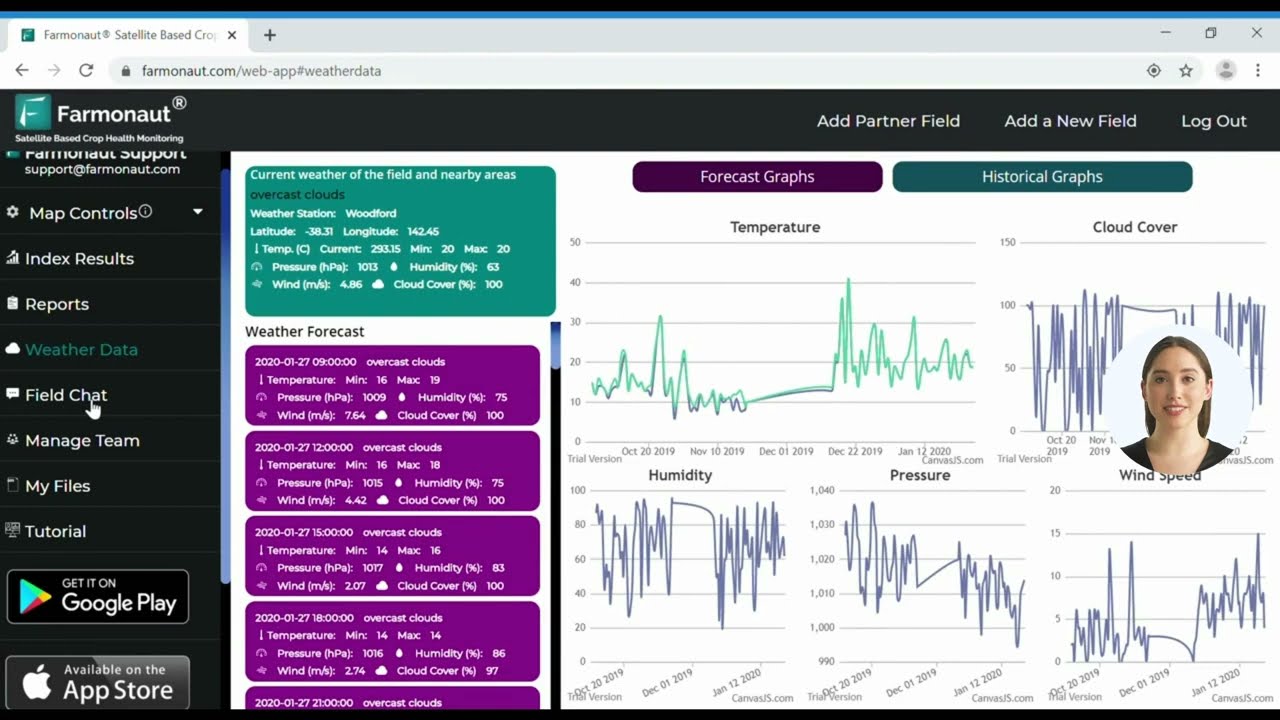
FAQ: Agricultural Phosphorus Fertilizer & Sustainable Management
What is agricultural phosphorus fertilizer and why is it essential in modern agriculture?
How is phosphate fertilizer produced, and what are the common types?
Why is phosphorus management a key sustainability concern for 2026 and beyond?
What technologies can help optimize phosphorus fertilizer application?
Can phosphorus fertilizer efficiency be improved with biological and circular approaches?
Conclusion: The Path Forward for Phosphorus Fertilizer in Modern Agriculture
The sustainable use of agricultural phosphorus fertilizer determines the future of crop production, soil health, and ecosystem protection. Addressing challenges of phosphate rock depletion, climate pressures, and increasing demand requires integrated management strategies—combining technology adoption, site-specific practices, circular economy thinking, and environmental stewardship.
By harnessing real-time monitoring, satellite analytics, and blockchain traceability (as seen in our Farmonaut platform), agriculture can move toward a secure, efficient, and eco-friendly phosphorus cycle—ensuring productivity for the next generation and protecting vital ecological systems.
Ready to elevate your phosphorus fertilizer practices for 2026? Access Farmonaut’s satellite-driven nutrient management tools—and join us in making sustainable, productive agriculture a global reality.

 Anaxee Digital Runners
 Patrick America
 Red Dog Management
 Liquify Digital
 CU Foods
 BeyondTech Global
 Rouge VC
 AgroGreen Dynamics
 AgroRisk
 Oath Inc
 Reddane Farming
 Esri North East Africa
 Cresol
 MDCV UK
 Zerella Group
 Etech Consulting Madagascar
 Vestlandsforsking
 Delicio
 WB Dev
 Sama Premium
 Prochecker
