

- Introduction & Key Trivia
- The Role and Importance of Agriculture Equipment Technicians in 2025 & Beyond
- Core Responsibilities of Agriculture Equipment Technicians
- Skills Overview: 7 Key 2026 Skills for Agriculture Equipment Technicians
- Skills Impact Matrix Table
- Automation, Precision, and Smart Farming Tech
- Challenges and Opportunities Facing Technicians
- How Farmonaut Supports Technicians and Modern Agriculture
- Highlight Boxes: Insider Tips & Warnings
- Essential Benefits, Data & Risks
- Smart Farming & Tech Videos: Must-See Content
- FAQ: Your Questions Answered
- Conclusion: Ensuring a Sustainable Tech-Driven Future in Agriculture
Agriculture Equipment Technicians: 7 Key 2026 Skills That Will Define Efficient, Smart Farming
“By 2026, precision farming adoption will require agriculture equipment technicians to master at least 7 advanced diagnostic and automation skills.”
“Over 75% of new farm equipment in 2025 will integrate sensor-driven automation, reshaping the technician’s essential toolkit.”
The landscape of modern agriculture is being redrawn—and at its foundation are agriculture equipment technicians. As we venture into 2025 and beyond, these skilled professionals are indispensable in maintaining, optimizing, and future-proofing the machinery and systems that drive high-yield, sustainable production for food, fiber, and energy worldwide.
With increasing integration of advanced automation, precision technologies, and digital diagnostics into every facet of farming equipment, the role of agriculture equipment technicians is evolving rapidly. They bridge the gap between cutting-edge machinery—tractors, drones, harvesters—and practical, efficient farm operations. Agricultural technicians are now the linchpin in connecting smart, sensor-packed tools with field-level application and production outcomes. The core responsibilities, necessary skills, and daily demands facing these professionals are only intensifying as a direct result of rapid technological progress in the agricultural sector.
The Role and Importance of Agriculture Equipment Technicians in 2025 & Beyond
Agriculture equipment technicians, sometimes referred to as agricultural technicians or machinery specialists, form the backbone of efficient farm operations. These professionals specialize in the maintenance, troubleshooting, calibration, installation, and optimization of high-tech equipment spanning:
- Tractors, combines & harvesters
- Irrigation and pumping systems
- Seed drills and planters
- Variable rate equipment
- Drones (UAVs) for crop monitoring and input application
- Embedded sensor networks and IoT-enabled machinery
Their expertise ensures that this equipment runs smoothly, minimizing downtime—especially during critical planting and harvesting windows where every hour counts. In 2025–2026, the combination of mechanical, electronic, and software complexity in farm machinery demands a broad and constantly updated set of skills.
As agriculture increasingly embraces smart farming technologies—precision planting, autonomous vehicles, remote sensing, and real-time analytics—technicians must bridge traditional hands-on mechanical repair with advanced digital literacy. Their work is vital for sustainability, profitability, and food security, particularly in rural economies where keeping machinery operational maintains the pulse of a region’s economic backbone.
Core Responsibilities of Agriculture Equipment Technicians
The core responsibilities of agriculture equipment technicians have expanded both in breadth and depth. The operation, maintenance, and repair of agricultural machinery are no longer limited to simple oil changes or part replacements. Today’s technicians serve as field engineers, diagnostic specialists, and digital consultants rolled into one. Below are the key categories of responsibilities:
-
Maintenance and Repair
- Regular inspection and preventive maintenance of engines, hydraulic systems, transmissions, and electronic control units.
- Diagnosing and repairing mechanical and electrical faults using advanced diagnostic tools, software, and data-driven workflows.
- Replacing defective parts, recalibrating control systems to manufacturer specifications, and ensuring compliance with safety and regulatory standards.
-
Installation and Calibration
- Responsible for installing, setting up, and calibrating precision agriculture tools such as seed drills, variable rate technology, fertilizer controllers, and yield monitors on automated equipment.
- Ensuring accurate inputs and optimization of resource use for higher productivity and sustainability.
-
Troubleshooting Technical Issues
- Quickly identify whether issues stem from mechanical malfunction, sensor failure, communication network glitches, or embedded software bugs, often during high-pressure planting and harvesting seasons.
- Problem-solving to minimize costly delays and maximize uptime.
-
Training and Consultancy
- Technicians often train farmers, machine operators, and support staff in the correct use and daily maintenance of advanced equipment.
- Translating complex diagnostics and digital interfaces into practical guidance in the field.
-
Sustainability and Compliance
- Ensuring machines and systems comply with the latest environmental impact and emissions regulations for agriculture.
- Advising on technology upgrades and operational tweaks to lower input waste, conserve soil, and reduce carbon footprint.



Download the Farmonaut App for real-time crop monitoring, advanced diagnostics, and seamless resource management—essential tools for all agriculture equipment technicians.
Skills Overview: 7 Key 2026 Skills for Agriculture Equipment Technicians
The agricultural sector in 2026 is a blend of precision machinery, digital infrastructure, and sustainable systems. To truly excel as an agriculture equipment technician, these 7 core skills have emerged as critical to the role—fueling both efficiency and innovation on the field:
- Advanced diagnostics and troubleshooting (mechanical & electronic)
- Software and digital literacy
- Calibration of precision agriculture tools (e.g., variable rate applicators, sensors)
- Maintenance of embedded systems and IoT devices
- Data analysis and digital performance optimization
- Training & consultative communication with farmers and operators
- Environmental impact management and sustainable practices
“By 2026, precision farming adoption will require agriculture equipment technicians to master at least 7 advanced diagnostic and automation skills.”
Skills Impact Matrix Table: 7 Essential 2026 Agriculture Equipment Technician Skills
Automation, Precision, and Smart Farming Tech: The Growing Role for Technicians
Automation, driven by AI and robotics, is not just a futuristic talking point—it’s an evolving reality on modern farms. Today, advanced, sensor-equipped tractors and autonomous drones are already deployed, requiring technicians to engage with technologies like:
- Autonomous Navigation Systems leveraging GPS and on-board LIDAR/radar
- Telematics and fleet management software that tracks equipment health, usage, and fuel efficiency over large areas
- Real-time diagnostics, enabled by large-scale farm management platforms and cloud-connected machine interfaces
- Drones and UAVs for crop monitoring, scouting, and targeted input application—with satellite-data visualized on mobile apps

Sensors and smart controllers are now built into almost every new implement, making experience with diagnostic software, calibration routines, and firmware upgrades a must. Integration of IoT also means that every data point—from soil moisture levels to equipment vibration frequencies—can inform precision decisions.
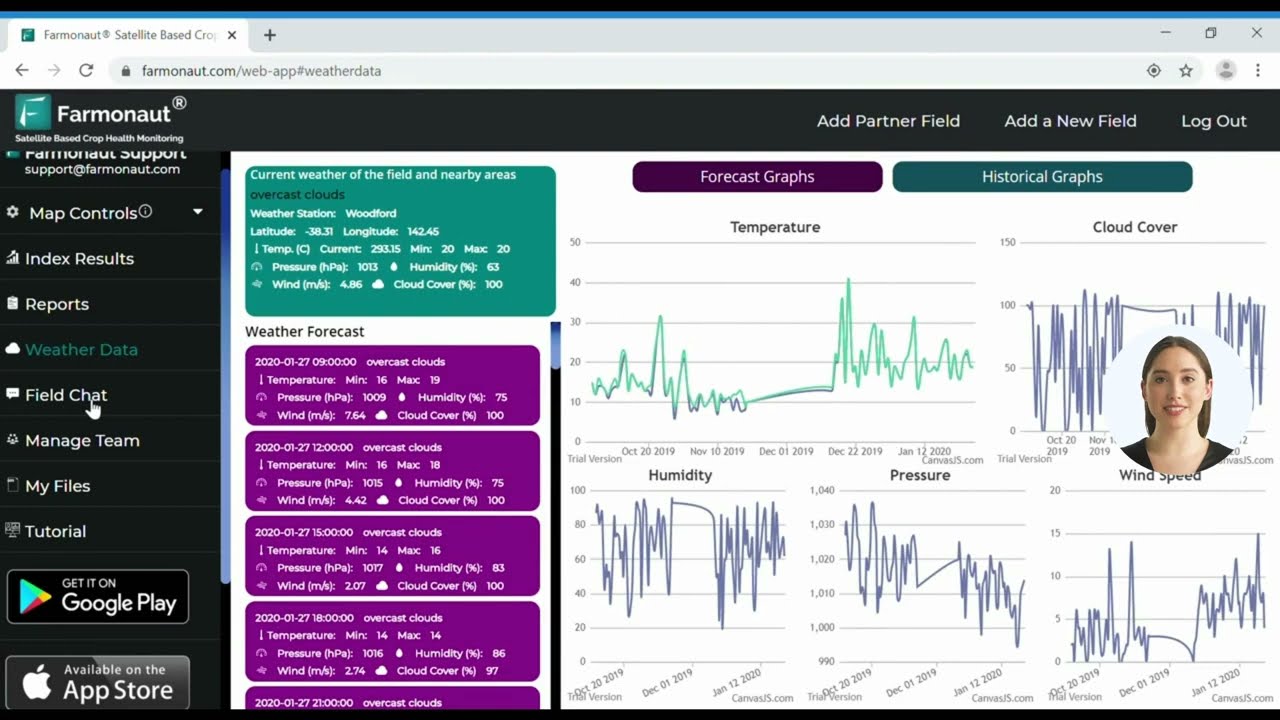
Farmonaut’s Satellite & Weather API enables seamless integration of real-time crop status, environmental impact monitoring, and operational insights—supporting agriculture equipment technicians in troubleshooting remotely and optimizing field schedules. Explore API features | API Developer Docs

Technicians are increasingly called upon for “over-the-air” troubleshooting, remote diagnostics, data analysis, and to serve as sustainable operations advisors. This is especially critical in rural areas where downtime costs can ripple through entire agricultural economies. A strong grounding in mechanical, hydraulic, embedded electronics, and data systems is vital.
✔ Five Key Benefits of Smart Agriculture Tech for Technicians
- ✔ Boosted efficiency—Automated diagnostics speed up service and minimize crop loss from downtime.
- ✔ Predictive performance—Data analysis prevents costly breakdowns.
- ✔ Environmental compliance—Precision settings and real-time monitoring support carbon footprint reduction.
- ✔ Broader skillset value—Technicians with digital & automation skills are in higher demand.
- ✔ Improved farm sustainability—Advising on best practices helps reduce inputs and maximize yields.

📊 Data Insights, 📉 Risks & ⚠ Limitations for Agriculture Equipment Technicians
- 📊 75%+ of new equipment in 2025 comes with embedded sensors—growing the digital workload for technicians.
- ⚠ Skill shortages in remote rural regions may disrupt crucial farm operations.
- 📉 Risk: Failure to upskill with AI, IoT, and digital diagnostics will threaten technician job security by 2026.
- 🔎 Opportunity: Technicians who master software, analytics, and sustainability compliance can specialize in premium service roles.
- 🛠 Limitation: Legacy machinery still exists—technicians must maintain versatility in both traditional and next-gen equipment.

Challenges and Opportunities for Agriculture Equipment Technicians
As the agricultural sector undergoes rapid digital transformation, there are clear challenges and profound opportunities for skilled technicians:
- Skills Gap: Rural regions frequently struggle to recruit and retain digitally literate agriculture equipment technicians—heightening the risk of operational bottlenecks during peak windows.
- Continuous Learning: With automation and smart machinery evolving each season, lifelong learning, certification, and on-the-job training are essential to remain relevant.
- Cross-disciplinary Fluency: Combining mechanical, hydraulic, electronic, and IT/software know-how is now a core requirement.
- Remote Diagnostics: Remote monitoring and diagnostics via mobile/web apps increase the geographical reach of skilled technicians and accelerate response times.
- New Career Paths: Opportunities abound for technicians to specialize in fleet management, drone and UAV support, or environmental compliance—bridging the gap between equipment manufacturers, software providers, and end-user farmers.

How Farmonaut Supports Modern Agriculture Equipment Technicians
At Farmonaut, we recognize the vital role played by agriculture equipment technicians in shaping the future of agricultural operations across the globe. That’s why our satellite-driven solutions, AI-based advisory tools, and digital resource management platforms are designed to give technicians the actionable insights and data-driven support needed to maximize equipment uptime, optimize resource use, and ensure compliance in every field.
- Our multispectral satellite monitoring tracks crop vegetation health, soil moisture, and infrastructure status, providing actionable data for technicians and farm managers alike.
- With real-time AI-based diagnostics, we help identify problem areas in fields, supporting pre-emptive troubleshooting and efficient resource allocation.
- Our carbon footprint monitoring tools empower technicians to advise on energy efficiency, optimize machinery settings, and guide environmental compliance.
- Blockchain-backed traceability features streamline compliance, ensuring transparent and secure farm operations.
- We provide scalable fleet management and large-scale farm management solutions for businesses and governments—enabling seamless logistics and predictive analytics.
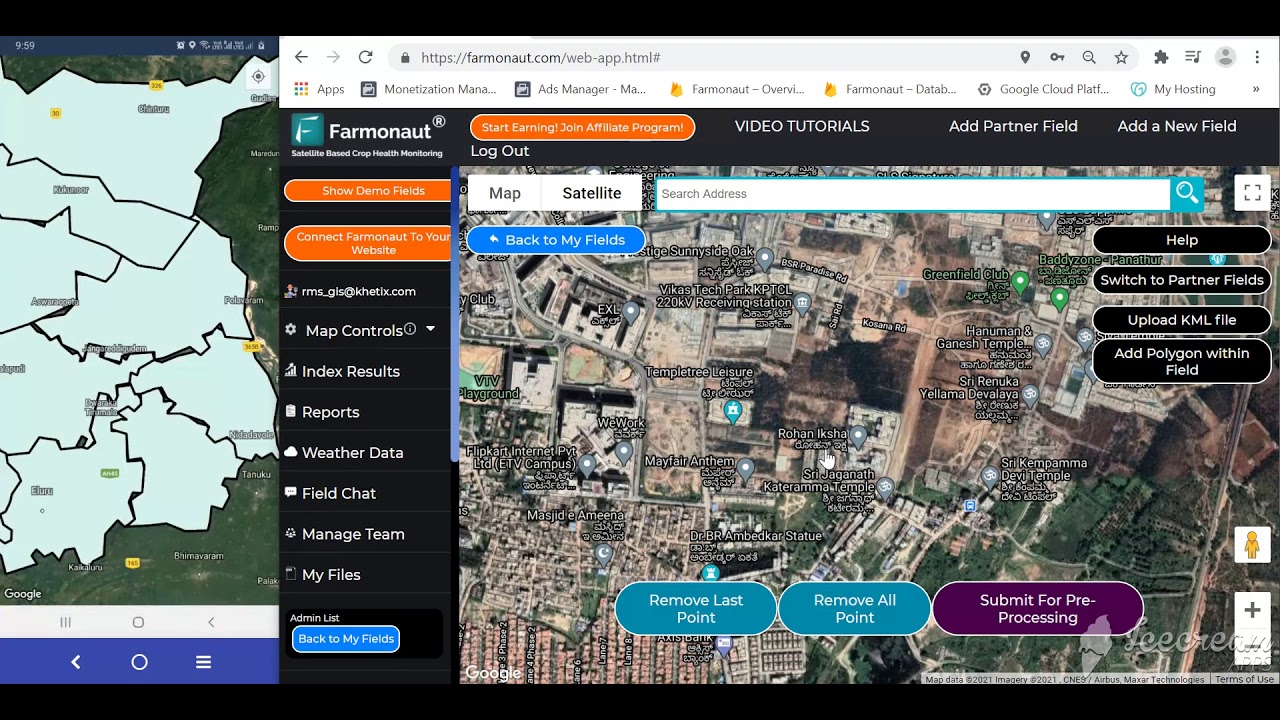
Whether it is field-level troubleshooting, preventive maintenance, or machine calibration, our platform ensures that agriculture equipment technicians are better equipped than ever to meet the operational, environmental, and regulatory demands of smart agriculture.
For professionals looking to enhance their skills and deliver value in a technology-first agricultural economy, we invite you to explore our range of web, API, and mobile-based solutions.

⬆️ Seven Expanding Career Opportunities for Agriculture Equipment Technicians (2026)
- 🛰 Satellite diagnostics integration for predictive system maintenance
- 🤖 Autonomous tractor and UAV fleet servicing
- 💡 Precision crop input calibration via advanced sensors and controllers
- 🗂 Digital record-keeping and blockchain-backed compliance reporting
- 📊 Data analysis and reporting for performance optimization
- 🌱 Advisory on sustainable farming and emission reduction
- 🌍 Remote troubleshooting and global technical support
FAQ: Agriculture Equipment Technicians & Modern Farming
Technicians must be proficient in diagnostics (mechanical, electronic, and software), digital interface and sensor calibration, data analytics, embedded systems maintenance, consultative communication, and environmental/sustainability management.
Automation requires technicians to focus less on purely mechanical repairs and more on calibrating, maintaining, and troubleshooting smart systems, controllers, and IoT-enabled devices.
Autonomous vehicles, precision agriculture tools, embedded system networks, AI-driven diagnostics, satellite monitoring, and real-time data management platforms.
Technicians should leverage digital platforms, manufacturer certification programs, online courses, and advanced diagnostic tools/API resources such as those offered by Farmonaut.
Technicians are expected to support traceability record-keeping and implement environmentally sound machinery adjustments—ensuring compliance and supporting transparent food production.
Conclusion: Ensuring a Sustainable Tech-Driven Future in Agriculture
Agriculture equipment technicians are pivotal to the sustainability, productivity, and competitiveness of modern food systems. Their role has evolved far beyond wrench-turning or simple maintenance. Today’s technicians must seamlessly navigate digital diagnostics, data-driven calibration, advanced automation, and sustainable operations—often serving as educators and field advisors in agricultural economies.
As automation, precision technology, and smart farming tools continue to revolutionize every corner of agri-food production, the demand for highly trained, technology-literate technicians will only continue to rise. Investment in training, upskilling, and access to data-driven tools is essential, not only for individual technicians but for the resilience of our global food supply.
At Farmonaut, our mission is to empower agriculture equipment technicians, businesses, and government agencies with cost-effective, scalable satellite solutions and actionable insights, helping to build a greener, more efficient, and more transparent future—one field at a time.

 Godrej Agrovet
 Hayleys Agriculture
 Linx Agritech
 Adinet
 Save Your Soils
 GalaxEye Space
 Grandstream Algérie
 XOS Realty
 Geospatial Lab Africa
 Agro La Gándara
 HIPSAC
 ZOL Zimbabwe
 Juligerm
 AdBio
AdBio MISE Maroc
 NWNS
NWNS Red August Group
 Farm Inc
 WeMe Global
 Agrotoken
 Blue BearX
 Insignito
 DnCubed
 Indosistim Teknologi
 Liquify Digital
 CU Foods
 BeyondTech Global
 Rouge VC
 AgroRisk
 Oath Inc
 Esri North East Africa
 MDCV UK
 Etech Consulting Madagascar
 Vestlandsforsking
 WB Dev
 Sama Premium
 Tres Valles
 Blickwinkel
 Agricultural Credit Policy Council
 eKGIS
eKGIS Mostas Tech
 Andex
Andex Deluxe Conseil
 WICO
WICO Chimera Innovation
 SkyHarvest
 Teledarbas
 Exurbia Geospatial
 FieldZero
