

AI Crop Yield Prediction Optimization: 7 Ways 2026
“”
Table of Contents
- Introduction: The Transformative Power of AI Crop Yield Prediction Optimization
- What is AI Crop Yield Prediction Optimization?
- Why AI Yield Prediction Matters in 2026
- Comparative Benefits: AI-Powered Yield Prediction vs. Traditional Methods
- 7 Ways AI Will Optimize Crop Yield Prediction & Optimization in 2026
- 1. Big Data Integration for Granular Insight
- 2. Real-Time Remote Sensing & Dynamic Adjustments
- 3. Machine Learning Algorithms Improving Accuracy
- 4. Predictive Weather & Climate Patterns Modeling
- 5. Sensor-Driven Field Monitoring & Automation
- 6. AI-Powered Fertilizer and Input Optimization
- 7. Ecosystem and Sustainability Monitoring
- Farmonaut’s Role in AI Crop Yield Prediction Optimization
- AI Crop Yield Prediction in 2026 – Future Scenarios
- Challenges and Limitations
- FAQ: AI Crop Yield Prediction Optimization
- Conclusion
Introduction: The Transformative Power of AI Crop Yield Prediction Optimization
The AI crop yield prediction optimization landscape is fundamentally transforming the global agricultural domain as we enter 2026. Recent years have witnessed artificial intelligence (AI) emerging as a truly transformative force, especially in how we predict yields, manage resources, and advance sustainability. As global populations rise and climate variability intensifies, the pressure on agriculture to produce higher yields sustainably has never been greater.
By leveraging AI-powered crop yield prediction and optimization technologies, farmers, agronomists, and policymakers can now access highly accurate, data-driven forecasts that enhance productivity, reduce waste, and mitigate environmental impact. From satellite imagery to machine learning algorithms processing thousands of sensor inputs, the domain of crop management is no longer left to guesswork. Well-optimized systems are now indispensable for those seeking a competitive edge and a more resilient food system for 2025 and beyond.
In this comprehensive guide, we explore the 7 Ways AI Crop Yield Prediction Optimization will drive agriculture forward in 2026, integrating technology, data, and sustainability for a better tomorrow.



What is AI Crop Yield Prediction Optimization?
At its core, AI crop yield prediction optimization refers to the application of artificial intelligence and machine learning algorithms to analyze multifaceted datasets—including satellite imagery, weather patterns, sensor equipment data, soil health metrics, and historical crop performance. These models identify subtle patterns and interactions that often escape traditional agronomic methodologies.
The process involves:
- Collecting vast datasets: from multispectral satellites, drones, and in-field sensors
- Analyzing inputs: soil health, pest infestations, irrigation levels, and more
- Generating forecasts: highly accurate yield estimates for the upcoming weeks or months
- Optimizing inputs: such as fertilizer application, water usage, and pest control
- Simulating scenarios: letting systems recommend precise, resource-efficient actions based on real-time data
These steps enable proactive and targeted interventions that are both cost-effective and environmentally friendly.

How AI improves crop yield prediction: the short answer
Traditional yield forecasts rely on field surveys, crop-cutting samples and crop models built on fixed equations. AI improves on them in three ways.
- It uses more data at once. A machine learning model can combine satellite vegetation indices, daily weather, soil maps, planting dates and past yields for every field, and learn how they interact.
- It captures non-linear effects. Heat during flowering or a dry spell at grain fill hurts yield far more than the same stress at other times. Neural networks and tree-based models pick up these patterns without being told.
- It updates during the season. Each new satellite pass or weather record refreshes the forecast, so estimates tighten as harvest nears.
The research backs this up, with limits. A review of 50 machine learning yield studies in Computers and Electronics in Agriculture found temperature, rainfall and soil type were the most used inputs and artificial neural networks the most used method; a follow-up look at 30 deep learning studies found convolutional neural networks most common, followed by LSTM networks (van Klompenburg et al., 2020). In the 2018 Syngenta Crop Challenge, a deep neural network trained on data for 2,267 maize hybrids at 2,247 US and Canadian locations predicted yield with an error of about 12% of average yield (Khaki and Wang, 2019). The same study found weather and soil explained more of the yield differences than genetics.
The limits: models are only as good as their training data, and they can fail in years or regions unlike those they learned from. Check a model’s error on seasons it did not see before trusting it.
Why AI Yield Prediction Matters in 2026
There are several reasons why AI-powered crop yield prediction and optimization have become so crucial in the years leading up to and including 2026:
- Rising populations create increasing food demand
- Climate variability intensifies, introducing new stressors and unpredictability
- Resource scarcity—water, fertilizers, nutrients—adds financial and environmental pressures
- Post-pandemic disruptions have exposed vulnerabilities in global food supply chains
- Sustainability goals and shifting environmental regulations now mandate lower emissions, less waste, and stronger stewardship
In response, AI models empower farmers by providing accurate predictions and recommendations, making it possible to maximize yield while minimizing inputs and reducing environmental risks.

Comparative Benefits: AI-Powered Yield Prediction vs. Traditional Methods
7 Ways AI Will Optimize Crop Yield Prediction & Optimization in 2026
Let’s break down the core innovations driving AI crop yield prediction optimization forward:
1. Big Data Integration for Granular Insight
AI-powered crop yield prediction and optimization thrives on integrating vast datasets for maximum accuracy:
- Satellite imagery: Multispectral satellites capture ongoing vegetation health, soil moisture, and nutrient levels
- In-field sensor data: Including IoT-based readings of soil health, temperature, moisture, and farm equipment performance
- Historical crop and weather data: Allowing models to identify subtle patterns missed by traditional observation
By fusing these sources, AI can deliver highly accurate forecasts—whether it’s predicting potential harvest yields weeks or months in advance, or detecting stress signatures that warn of pest infestations, water deficiencies, or nutrient issues.
2. Real-Time Remote Sensing & Dynamic Adjustments
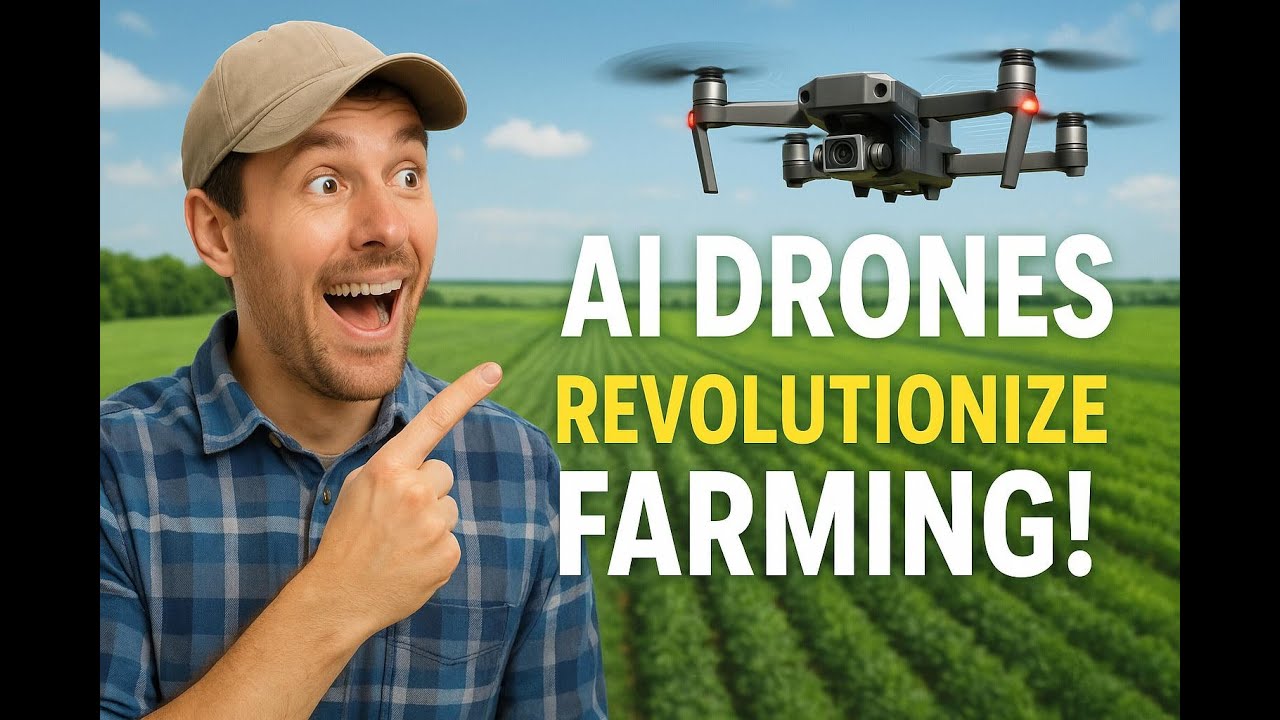
One key innovation driving AI adoption is the integration of remote sensing technologies—like drones and multispectral satellites—with AI models:
- Drones and satellites provide real-time, continuous monitoring of indicators such as chlorophyll levels, water stress, pest or disease infestations, and nutrient deficiencies
- AI processes this real-time data to dynamically adjust forecasts, offering proactive insights into crop development
The advantages are enormous:
- Enables proactive decision-making (e.g., targeted irrigation, timely fertilizer applications, early pest and disease interventions)
- Resources are allocated efficiently, maximizing return on investment and reducing environmental harm

“”
3. Machine Learning Algorithms Improving Accuracy
The heart of AI-powered crop yield prediction and optimization is its capacity to analyze complex, multifaceted data via machine learning algorithms:
- ML techniques “learn” from historical performance and real-time fluctuations
- Deep learning approaches examine non-linear patterns that traditional agronomic models often escape
- AI Predicts outcomes weeks or even months before actual harvests
- Uncovers hidden factors, such as the interplay between weather patterns, soil health, and varietal characteristics
This allows for more accurate estimates—crucial for resource planning and ensuring optimal yields, especially where climate or pest risks are high.

4. Predictive Weather & Climate Patterns Modeling
Weather uncertainty is a major challenge for global agriculture. AI crop yield prediction optimization solves this by:
- Analyzing historical and real-time weather data for precise microclimate insights
- Simulating multiple scenarios (drought, floods, heatwaves) to recommend resilient cropping schedules
- Factoring predicted climate variability into every forecast, ensuring that recommendations remain robust
This enables farmers to plan planting, irrigation, and harvesting to maximize both yield and input efficiency, even as climate conditions shift unexpectedly.
5. Sensor-Driven Field Monitoring & Automation
The AI crop yield prediction optimization process is supercharged by advanced in-field sensors:
- Monitor soil moisture, pH, temperature, and nutrient concentrations instantly and continuously
- Send data to AI platforms for real-time yield predictions
- Support automation of irrigation and fertilizer application based on actual field conditions
This improves operational efficiency—inputs are applied only as needed, eliminating guesswork and reducing labor costs. For large farms, systems can even control equipment autonomously for precision farming at scale.

6. AI-Powered Fertilizer and Input Optimization
Beyond predicting yield, AI crop yield prediction optimization plays a direct role in reducing waste and enhancing environmental sustainability:
- Algorithms simulate results of different input scenarios, e.g., optimal fertilizer schedules, targeted pesticide applications
- Models recommend precise input timing & amounts, based on crop stage, forecasted rainfall, and soil health
- This promotes maximum nutrient uptake and minimal runoff, protecting watersheds and reducing emissions
Globally, this can result in lower input costs, better resource utilization, and reduced environmental impact—absolutely critical to meet 2026’s sustainability targets.
Fleet Management Solutions by Farmonaut: For large-scale farms, efficient equipment and fleet management is essential. Our Fleet Management product leverages satellite, sensor, and AI insights to help you monitor, optimize, and reduce resource waste, leading to enhanced productivity and cost savings across all your agricultural operations.
7. Ecosystem and Sustainability Monitoring
With the imperative for sustainability in 2026, AI-powered crop yield prediction and optimization now integrates ecosystem health monitoring:
- Track carbon footprint, soil health, and water usage in real-time
- AI recommends climate-smart practices to reduce emissions and safeguard biodiversity
- Blockchain solutions provide transparent traceability across supply chains, reassuring consumers and regulators
Meeting stricter environmental standards—and future proofing not just crops, but entire agricultural systems—has never been more practical or achievable.
Farmonaut Carbon Footprinting: Track, report, and manage your agricultural operation’s carbon footprint with high accuracy using our advanced satellite and AI tools. Support your sustainability goals and comply with environmental regulations for 2026 and beyond.
Farmonaut’s Role in AI Crop Yield Prediction Optimization
At Farmonaut, we are redefining data-driven agriculture for the future with a suite of technologies purpose-built for AI crop yield prediction optimization. Our platform leverages satellite imagery, AI models, machine learning algorithms, and blockchain to deliver:
- Real-time crop monitoring via multispectral satellite images, for actionable insights into NDVI vegetation health, soil conditions, and stress detection
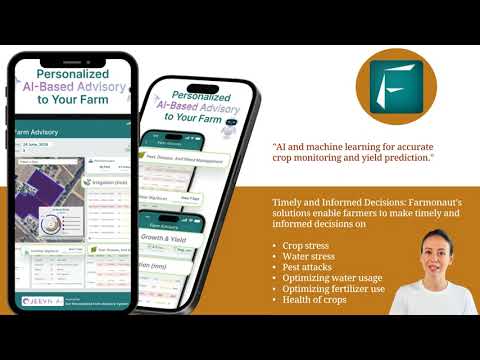
- AI-based advisory systems: Like our Jeevn AI, delivering weather, input, and strategy recommendations customized to farmer needs
- Blockchain-based product traceability, empowering transparent, secure supply chains in agriculture
- Environmental tracking: Including carbon accounting, water cycle analytics, and climate-smart interventions
- Mobile-ready, modular access through Android, iOS, and browser-based apps, ensuring data-driven insights are never more than a tap away
Our subscription-based model makes these advanced features affordable and scalable—from smallholder farmers to government institutions.
For farmers and businesses seeking to scale, we also provide enterprise-grade ecosystem solutions, including:
- Product Traceability—Achieve compliance and consumer trust by tracing every input, output, and environmental impact.
- Crop Loan and Insurance Verification—Speed up access to finance through satellite-based crop health evidence, reducing fraud risk and boosting financial inclusion.
- Large-Scale Farm Management—Monitor and manage hundreds or thousands of hectares with AI-powered dashboards, alerts, and input recommendations.
AI Crop Yield Prediction in 2026 – Future Scenarios
As AI crop yield prediction optimization becomes mainstream, what are the implications for farms and food systems in 2026 and beyond?
1. Precision Food Production at Scale
AI-powered crop yield prediction and optimization allows for scaling sustainable practices across farms of all sizes. Automated recommendations, dynamic scheduling, and predictive maintenance ensure that even smallholders can compete in efficiency and output with international conglomerates.
2. Food Security and Resilience
With granular insight into weather patterns, soil health, and historical crop performance, farmers become less vulnerable to shocks. Accurate yield forecasts improve supply chain logistics, reduce post-harvest losses, and help governments plan for emergencies.
3. Data Democratization and Knowledge Sharing
Mobile and API access to AI crop yield prediction optimization empowers millions of farmers, agronomists, and policymakers with best-practice insights—closing yield gaps and raising rural livelihoods globally.
4. Driving Environmental Sustainability
Precise, AI-driven input management and environmental tracking help reduce fertilizer runoff, lower carbon footprints, ensure water conservation, and align with new climate-smart certifications required by both exporters and domestic markets.
5. Supporting Financial Innovation
Satellite-based verification opens new routes for financing and risk management—essential as agriculture moves to technologically enabled financial products and insurance models.
Crop Plantation & Forest Advisory: Our AI-powered advisory tools enable land managers and community plantations to maximize ecosystem services, optimize yield, and conserve biodiversity—all through the Farmonaut platform.
Challenges and Limitations
Despite the marked advantages of AI-powered crop yield prediction and optimization, several challenges remain:
- Data Gaps: High-quality and representative farm data is essential, but can be lacking in remote or resource-limited regions.
- Technology Investment: Initial costs for sensor equipment, connectivity, and training may be a barrier for some smallholders, despite long-term savings.
- Transparency & Trust: The interpretability of AI recommendations is critical—clear user interfaces and explainable models are needed to encourage adoption.
- Privacy & Data Security: Ensuring that farmers’ data is used sustainably and safely in compliance with regulations.
- Regulatory Alignment: New certifications and responsibilities, such as environmental reporting, require time to build into existing workflows.
However, ongoing advances in edge computing, user experience design, and sensor affordability are bridging these gaps, making AI technologies increasingly accessible and impactful in all agricultural contexts.
FAQ: AI Crop Yield Prediction Optimization
What is the main advantage of AI crop yield prediction optimization in 2026?
AI crop yield prediction optimization delivers highly accurate forecasts weeks or months ahead of harvest, enabling farmers to optimize inputs, reduce costs, and minimize environmental impact. It combines big data, remote sensing, and machine learning to forecast yield as the season unfolds.
How does AI improve resource use in agriculture?
Using real-time data from satellites, sensors, and weather stations, AI models automatically recommend the optimal amount and timing of fertilizer, water, and pest control. This reduces waste, increases efficiency, and ensures resources are only used where and when they are needed.
Are AI-based systems only for large farms?
No—AI-powered crop yield prediction and optimization now scales to farms of all sizes. Affordable, mobile-ready platforms and subscription models from companies like Farmonaut put powerful data insights in the hands of smallholders, cooperatives, and large enterprises alike.
What kinds of data do AI-powered tools use?
AI systems leverage a blend of datasets: satellite imagery, soil and plant sensor data, historical crop and weather records, real-time equipment and logistics info, and supply chain inputs. Machine learning analyzes interactions and generates granular insights.
How does AI impact sustainability?
By reducing resource use, lowering chemical runoff, tracking carbon emissions, and enabling climate-smart interventions, AI crop yield prediction optimization directly supports both agricultural productivity and environmental stewardship.
Conclusion
As agriculture enters 2026, AI crop yield prediction is now widely used in research and increasingly in commercial farm tools. By leveraging vast datasets, remote sensing, and advanced machine learning algorithms, these AI-powered tools empower not just farmers, but entire agricultural value chains.
The result?
- Higher yields—with less guesswork and reduced risk
- Sustainable resource management—cutting waste, lowering emissions, preserving water, and minimizing environmental impact
- Democratized access to advanced technology—from smallholder fields to the largest industrial farms
- Smoother supply chains and better-informed policy decisions
- An agriculture sector ready to meet the global pressures of climate variability and population growth
With companies like Farmonaut making AI crop yield prediction optimization accessible through satellite-driven, data-rich, and affordable solutions, the future of farming is more intelligent, efficient, and sustainable than ever before.
Ready to experience AI-powered insight for your farm or business?
Explore our developer-ready API resources here:
Together, we can empower agriculture to meet tomorrow’s challenges—optimizing yields, reducing waste, and preserving our planet for future generations.

 AgriSavant
 Kubota
 FFBS
FFBS Jontra
 Kalustyan
 Tucor
Tucor Geno
Geno Hayleys Agriculture
 Linx Agritech
 Adinet
 Save Your Soils
 Grandstream Algérie
 XOS Realty
 Geospatial Lab Africa
