

AI in Agriculture: 7 Ways Revolutionizing Farming
“AI in agriculture can boost crop yields by up to 30% with precision data analysis.”
“Predictive AI models help reduce fertilizer use by 15%, increasing sustainability in modern farming.”
Table of Contents
- Artificial Intelligence in Agriculture: Revolutionizing Farming for a Sustainable Future
- AI in Agriculture: Why 2026 Is a Critical Juncture
- The 7 Ways AI is Revolutionizing Farming
- Comparison Table of 7 AI Applications in Agriculture
- Farmonaut: AI & Satellite-Driven Solutions for Agriculture
- Key Insights & Pro Tips
- Top 5 Key Benefits of AI in Agriculture
- AI in Agriculture: Visual Impact Lists
- Frequently Asked Questions
- Farmonaut Subscription for Advanced Agricultural Monitoring
- The Future: Embracing AI for Smart, Sustainable Agriculture in 2026 & Beyond
Artificial Intelligence in Agriculture: Revolutionizing Farming for a Sustainable Future
As the global population continues to rise and climate change increasingly impacts food production, agriculture stands at a critical juncture. By 2026, we will witness the deepening integration of artificial intelligence (AI) in agriculture, transforming traditional farming practices with smarter, more efficient technologies. The adoption of AI enables farmers to optimize crop yields, reduce resource consumption, and adapt to environmental challenges—thereby securing food supply chains worldwide for a sustainable future.
This blog post explores the seven key ways in which AI is revolutionizing farming, improving efficiency, sustainability, and food security. We’ll highlight the AI-powered advancements that are delivering precise, actionable insights to farmers and driving a technological transformation across the agricultural landscape.
AI in Agriculture: Why 2026 Is a Critical Juncture
The next few years will be transformative for the agricultural sector. Several critical factors are driving this change:
- Climate unpredictability: With weather patterns increasingly volatile, farmers need predictive, data-driven tools to adapt and make proactive decisions.
- Global food demand: The population will exceed 8.5 billion by 2030, intensifying the pressure for higher crop yields and efficient resource use.
- Resource and input scarcity: Water, soil nutrients, and agricultural land are finite. AI systems help optimize their use, reducing waste while preserving environmental health.
- Supply chain complexities: As food supply chains grow global and interconnected, AI+in+agriculture solutions improve traceability, quality control, and safety.
In light of these trends, agricultural technology in 2026 and beyond must be smarter, more sustainable, and adaptable. AI innovations are paving the way.
The 7 Ways AI is Revolutionizing Farming
1. Precision Crop Monitoring via Satellite & AI
Precision agriculture powered by AI is among the most significant applications reshaping farming in 2026. AI algorithms analyze vast amounts of data collected from satellite imagery, multispectral drones, field sensors, and weather stations to provide real-time insights into soil health, crop development, and environmental changes.
- AI-driven systems assess crop health using vegetation indices (e.g., NDVI) derived from satellite imagery.
- Fertilizer and pesticide applications are finely tuned—AI determines where and when inputs are needed, minimizing waste and environmental impact.
- Advanced monitoring allows early detection of threats such as pest infestations, diseases, drought, or nutrient deficiencies.
This approach not only optimizes yields but also greatly reduces input costs and preserves soil health. For instance, with platforms like Farmonaut’s Carbon Footprinting Module, businesses can analyze emissions at fine granularity, contributing to sustainable, climate-smart agriculture.

2. Predictive Analytics for Crop Yields & Farming Decisions
Predictive analytics is essential in agriculture for managing climate unpredictability and maximizing opportunities. AI models analyze historical data, current weather patterns, and sensor datasets to forecast:
- Optimal planting and harvesting times
- Likelihood of pest or disease outbreaks
- Future rainfall or drought scenarios
- Estimated crop yields—crucial for food supply chain planning
This AI-driven foresight empowers farmers to make proactive, data-backed decisions, optimizing input usage and effectively managing risks. By 2026, predictive AI will be widely embedded in farm management software, with platforms like Farmonaut delivering API-driven analytics for seamless integration into farm operations, business intelligence systems, or even insurance risk management.
In 2026, AI-based predictive analytics will not only improve yield forecasting but also reshape food distribution, minimizing losses and streamlining supply chains for a more resilient global food system.
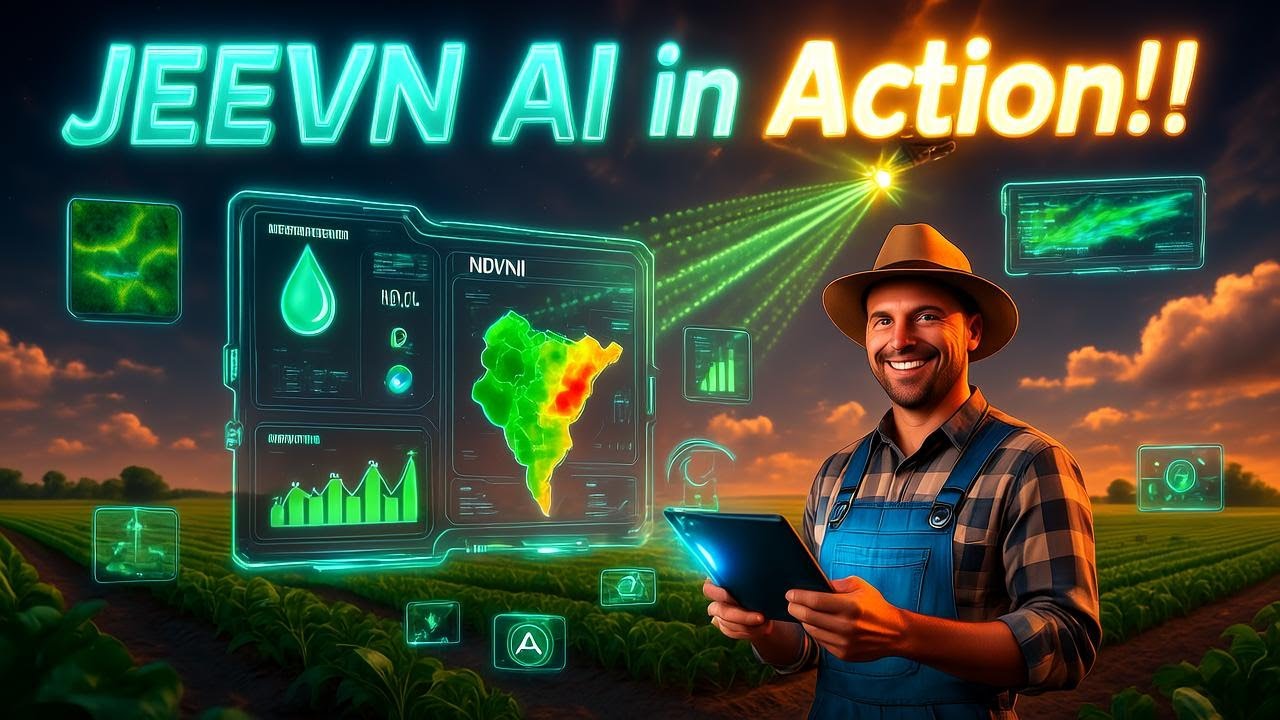
3. Automated Irrigation and Water Management
Water scarcity is a major challenge, and ai+in+agriculture is enabling automated, sensor-driven irrigation systems that continuously monitor soil moisture, crop needs, and weather forecasts.
How it works: Sensors record real-time soil data; AI algorithms analyze this with upcoming weather conditions and activate irrigation systems automatically, ensuring crops receive precisely the right amount of water—no more, no less.
- Significant reductions in water use (up to 35% vs. traditional methods!)
- Reduced energy costs and lower water waste
- Improved soil health by preventing waterlogging or drought stress

Integrating blockchain-based traceability with AI-driven irrigation management—as available in Farmonaut’s Product Traceability Solution—helps document sustainability efforts, proving water stewardship for eco-conscious consumers and regulators.
4. Early Detection of Pests, Diseases, and Crop Stress
AI in agriculture is revolutionizing how pest and disease threats are managed. Instead of blanket pesticide application, AI technologies detect anomalies in satellite and drone imagery or field sensor data.
Key Elements:
- AI models interpret visual and geospatial data to identify subtle changes in leaf color, canopy structure, or thermal patterns, which are early signals of infestation or disease.
- Systems can pinpoint the exact location and stage of the problem, enabling precise intervention—reducing pesticide overuse by up to 50% and minimizing ecosystem disruption.
- Mobile AI tools support on-the-go field scouting—see the Farmonaut Agro Admin App for multi-field management and early warning alerts at scale.
5. Smart Equipment and Fleet Management
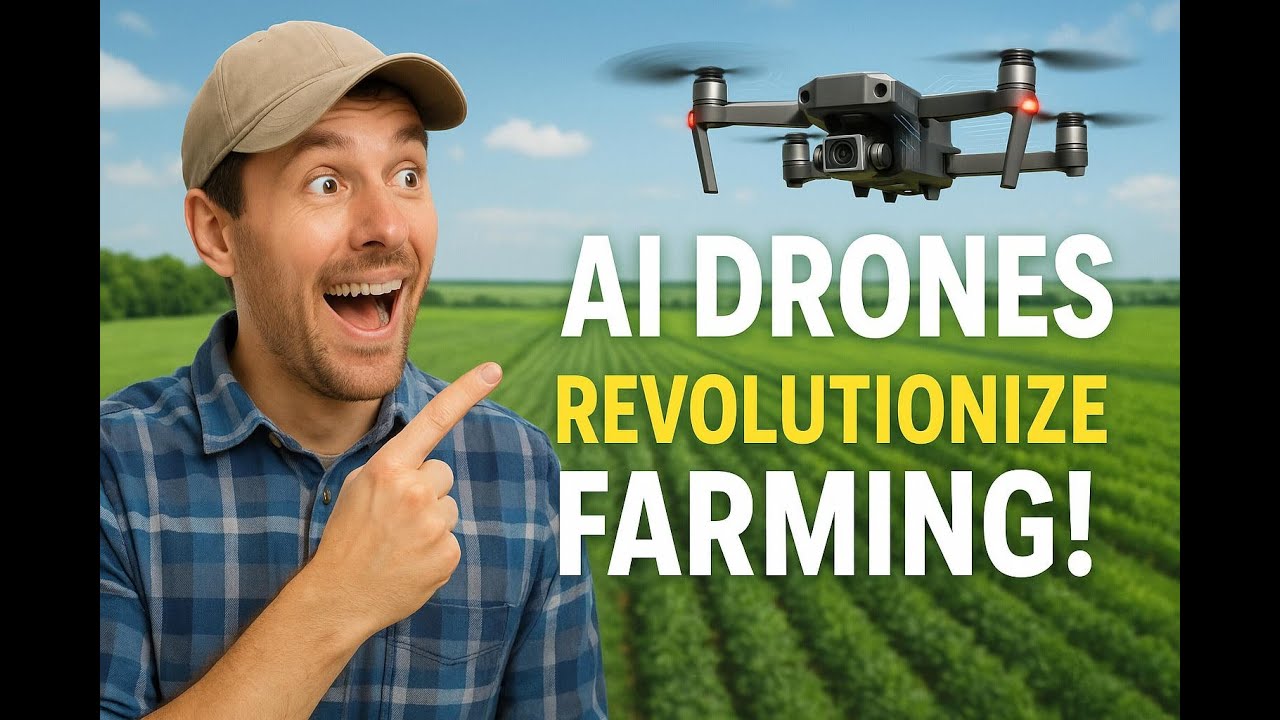
Autonomous tractors, drones, and harvesters powered by AI now operate continuously with minimal human intervention. These machines adapt in real-time based on AI-generated data:
- Self-driving tractors precisely plant seeds or apply fertilizer along optimal paths, maximizing field use and reducing human error.
- Harvesters with AI vision systems identify crop maturity and automate sorting or grading at the point of harvest.
- Drones and smart sprayers precisely target areas needing attention, lowering chemical and fuel costs.
- Farmonaut’s Fleet Management Solution supports real-time equipment tracking, safety protocols, and efficient logistics for agricultural businesses.
AI-Powered Smart Farm Tasks
- 🚜 Autonomous Plowing – Tractors navigate based on AI route plans
- 🌱 Precise Planting – Seed drills drop at ideal positions
- 🚀 Automated Spraying – Drones target specific weed/pest zones
- 🔍 Real-time Crop Scanning – Drones relay data for instant analysis
- 📦 Automated Grading – AI sorts produce by quality at harvest
6. Supply Chain Optimization & Food Safety
In 2026, global food chains are more interconnected than ever, but post-harvest losses and safety concerns persist. AI streamlines these chains through:
- Automated sorting and grading: Produce is visually assessed for size, ripeness, and defects via AI vision, only delivering top-grade food to market.
- Blockchain-powered traceability systems: Paired with AI, these track produce from field to fork, raising accountability and supporting rapid recalls if contamination is detected.
- Supply chain analytics: AI predicts demand trends, identifies bottlenecks, and ensures steady, efficient food distribution.
- See Farmonaut’s blockchain-based traceability solution for an agricultural supply chain that maximizes food safety and consumer trust.
Underestimating the importance of traceability and AI-based supply chain analytics can lead to blind spots in food quality or security—integrating these features is critical for compliance and competitive advantage.

7. Sustainable Resource Use and Environmental Impact Tracking
Sustainability in agriculture is non-negotiable for future food security and climate resilience. AI aids sustainable practices by:
- Analyzing carbon emissions from farms and suggesting strategies to reduce footprint
- Identifying soil nutrient imbalances and recommending targeted amendments—avoiding over-fertilization
- Monitoring land use and supporting regenerative agricultural models that enhance soil carbon sequestration
- Compliance tracking for environmental regulations
- Farmonaut’s Carbon Footprinting Service automates emissions calculation, bringing transparency to sustainability metrics
In 2026 and beyond, carbon accounting in agriculture is increasingly a requirement for funding and supply contracts—investing in AI solutions that track and reduce emissions can drive long-term business value.
Comparison Table of 7 AI Applications in Agriculture
| AI Application | How It Works | Estimated Yield Improvement (%) | Estimated Resource Savings (%) | Sustainability Impact |
|---|---|---|---|---|
| Precision Crop Monitoring | AI analyzes multispectral satellite/drone data for crop health & soil quality. | 23–30 | 18–25 | Reduces input waste, prevents over-fertilization, protects ecosystems |
| Predictive Analytics for Yields | Machine learning models forecast yield, weather, and risk trends for planning. | 16–22 | 14–20 | Reduces crop losses, improves planning, minimizes supply chain waste |
| Automated Irrigation | Sensors and AI automate water delivery based on real-time crop and weather data. | 10–15 | 25–35 (Water) | Conserves water, prevents nutrient runoff, improves soil health |
| Pest & Disease Detection | AI vision & sensor analysis detect early-stage infestations and stress anomalies. | 16–20 | 35–50 (Pesticide Use) | Reduces chemical use, protects pollinators & beneficial insects |
| Smart Equipment Management | AI directs autonomous machinery, optimizes fleet routes, & monitors usage. | 12–18 | 10–18 (Fuel/Labor) | Lowers emissions, efficient land use, improves operator safety |
| Supply Chain Optimization | AI + blockchain boost traceability, analytics enhance logistics & quality control. | 8–14 | 10–20 | Reduces food losses, enhances consumer safety & trust |
| Sustainable Resource Use | AI tracks carbon, water, nutrient flows; supports regenerative practices. | 12–16 | 15–28 | Prevents degradation, locks in soil carbon, supports compliance efforts |
Farmonaut: AI & Satellite-Driven Solutions for Agriculture in 2026
Farmonaut is at the forefront of AI+in+agriculture, delivering affordable and accessible satellite-driven insights for users worldwide.
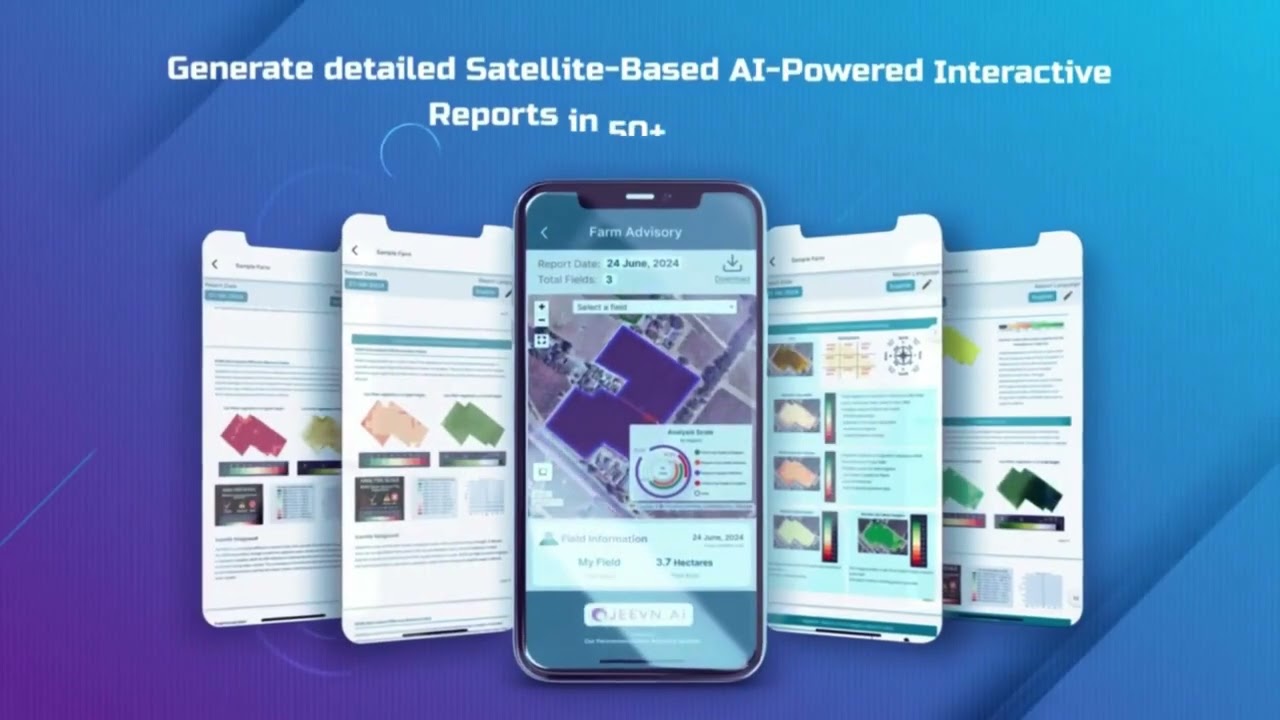
With technologies spanning real-time satellite monitoring, AI-based advisory (Jeevn AI), blockchain traceability, and environmental impact tracking, Farmonaut helps governments, businesses, and farmers build sustainable, efficient, and productive operations.
- Our platform is accessible anytime, anywhere via Android, iOS, and Web Apps.



- Developers and enterprises can tap into our data ecosystem via the Farmonaut API or browse developer docs for seamless integration with their agri-analytics products.
-
Advanced modules empower users to conduct:
- Carbon Footprinting for emission tracking and reporting
- Supply chain traceability for food safety and regulatory compliance
- Satellite-based loan and insurance verification for financial inclusion
- Fleet and asset management to optimize logistics and reduce environmental impact
- Large-scale field management for enterprises and cooperatives

By combining artificial intelligence, satellite imaging, and blockchain, Farmonaut is enabling efficient, transparent, and climate-aware agricultural practices at scale—supporting users and stakeholders from small farmers to global agribusiness giants.
AI-powered data analytics are the new bedrock of sustainable, productive agriculture—unlocking higher yields, better resource management, and supply chain resilience by 2026.
For maximum ROI, combine AI-driven crop monitoring with real-time weather and soil insights. Tools like Farmonaut’s Jeevn AI system put actionable, field-level advice at your fingertips.
Environmental monitoring and carbon tracking in agriculture will increasingly be tied to both regulatory compliance and investment criteria. Future-ready farms that deploy these solutions first will command premium value.
AI-enabled automated irrigation can cut water usage by 35% and significantly increase both crop quality and profitability—a vital edge in water-scarce regions.
Relying solely on historical data without integrating AI-based real-time inputs can mislead decisions. AI delivers continual adaptation to evolving field and climate conditions.
Top 5 Key Benefits of AI in Agriculture
- ✔ Boosted Crop Yields: AI-based monitoring & management can improve productivity by up to 30%.
- 📊 Efficient Resource Allocation: Automated, data-led input use reduces fertilizer, water, and pesticide costs.
- ⚠ Sustainability: Smart environmental tracking preserves soil, water, and biodiversity for future generations.
- 🔗 Supply Chain Safety: Blockchain & AI enhance traceability, decreasing recalls and food loss.
- ⏩ Rapid Adaptation to Change: Predictive analytics help farmers anticipate and counteract climatic unpredictability.
AI in Agriculture: Visual Impact Lists
AI-Enabled Sustainability Levers
- 🌍 Climate-Resilient Farming – Data-driven readiness for weather extremes
- 🌱 Regenerative Agriculture – AI designs rotations & stewardship practices
- 💧 Water Efficiency – Machine learning adjusts irrigation in real time
- 📉 Reduced Input Waste – Minimizing overapplication of fertilizers/pesticides
- 🔁 Circular Food Chains – AI plus blockchain keep resources in use longer
Farmonaut AI Platform Highlights
- 🛰 Satellite-Based Monitoring – Field health, soil, and yield analytics from space
- 🧠 Jeevn AI Advisory – Actionable strategies for farmers, accessible by mobile/web
- ⛓ Blockchain Traceability – Secure, tamper-proof tracking through supply chains
- 🔬 Environmental Impact Tools – Carbon, water, and biodiversity dashboards
- ⚡ API & App Integration – Seamlessly connect Farmonaut insights to your workflow
Frequently Asked Questions: AI + Agriculture in 2026 & Beyond
Q1: How can AI help smallholder farmers in developing regions?
AI democratizes agricultural intelligence. Platforms like Farmonaut’s mobile/web apps deliver affordable, actionable advice—enabling even smallholders with limited resources to access precision data, climate forecasts, and soil health analytics.
Q2: Will AI replace human jobs in agriculture?
AI is reshaping tasks—not eliminating human input. It augments decision-making for farmers and field technicians, reduces labor for repetitive or hazardous work, and creates demand for tech-savvy roles in rural landscapes.
Q3: Is data privacy a concern with AI-powered agriculture?
Yes, data stewardship is critical. Robust platforms (like Farmonaut) uphold privacy through API keys, anonymized datasets, and user-controlled consent, building trust as agri-data becomes indispensable for success.
Q4: How do AI-driven sustainability tools align with government regulations?
AI environmental tracking, such as Farmonaut’s carbon footprinting solution, provides verifiable records for compliance—facilitating reporting for subsidies, ESG requirements, and global trade standards.
Q5: What’s unique about Farmonaut compared to traditional agri-monitoring?
Farmonaut’s satellite-driven platform, cross-sector API, and blockchain integration deliver granular, real-time field intelligence—with unmatched affordability, remote access, and modular APIs for customization.
Farmonaut Subscription for Advanced Agricultural Monitoring
Unlock next-generation satellite insights, AI-based advisory, and climate-smart management—tailored to your farm or business, small or large. Farmonaut’s flexible, affordable subscription plans bring best-in-class innovation to your fingertips.
The Future: Embracing AI for Smart, Sustainable Agriculture in 2026 & Beyond
The role of AI in agriculture transcends simple automation—it is a transformative technology, enabling smarter resource management, real-time predictive insights, and a quantum leap in sustainability. As we move toward 2026 and beyond, the combination of AI, satellite imaging, and digital tools is vital to ensure food security, climate adaptation, and a thriving global food chain.
Our journey as Farmonaut is rooted in making AI+in+agriculture accessible, affordable, and actionable for everyone—empowering farmers, businesses, and governments with the data and tools needed to build the future of agriculture, sustainably.
With precision farming, advanced analytics, automated irrigation, predictive models, smart machinery, food safety, and environmental tracking all unlocked by AI, the next era of farming is cleaner, greener, and infinitely more efficient. The time to act is now—let’s build resilient agricultural ecosystems and revolutionize farming, worldwide.
Discussion
Questions, corrections or field experience? Share them below. First-time comments are reviewed before they appear, and your email is never published.
No comments yet. Be the first to add a question or your experience.

 Consulthink Global
 Rouge VC
 Yutz Automation
 AgroGreen Dynamics
 AgroRisk
 Oath Inc
 Reddane Farming
 Esri North East Africa
 Cresol
 Atur Kuliner
 MDCV UK
 Zerella Group
 Etech Consulting Madagascar
 Vestlandsforsking
 Delicio
 WB Dev
 Sama Premium
 Prochecker
 Tres Valles
 LACOS Geoinformation
 Magrifly
 LatConnect 60
 Blickwinkel
