

Automatic Milking & Farming Automation Systems 2026: Transforming Productivity & Sustainability
Meta Description: Automatic milking systems, farming automation systems, and smart irrigation boost farm productivity, sustainability, and animal welfare in 2025 and beyond.
“Automatic milking systems can increase dairy farm productivity by up to 20% in 2025.”
- Introduction
- Next Generation Farming Automation in 2026
- Automatic Milking Systems: Transforming Dairy Farm Productivity
- Farming Automation Systems: Paving the Future of Agriculture
- Smart Irrigation & Automated Drip System Technology
- Smart Poultry Farm Automation and Monitoring Systems
- Feature & Impact Comparison Table: Automation Technologies
- Farmonaut: Satellite Technology Enabling Farm Automation
- Integration, Benefits and Future Perspectives
- FAQ – Automatic Milking & Farming Automation Systems 2026
Introduction
The farming sector is evolving at a lightning pace—2025 is a pivotal year for automatic milking systems, farming automation systems, and smart irrigation automation. As we push forward into 2026 and beyond, advanced automation technologies are shaking the very foundations of agriculture, modernizing everything from dairy milking routines to how fields and gardens are irrigated, monitored, and managed.
Driven by economic, environmental, and labor challenges, the global agricultural industry is in the midst of the most significant technological transformation of the past fifty years. The convergence of robotics, sensors, IoT, AI, and satellite technology is enabling a new breed of precision farming—one that prioritizes productivity, sustainability, resource management, and animal welfare like never before.
Next Generation Farming Automation in 2026
The adoption of automatic milking systems, farming automation systems, automatic irrigation system for garden, and smart poultry farm automation and monitoring system marks a transformative milestone for the global agricultural sector. These pioneering automation technologies are not isolated advances: they are part of an interconnected digital ecosystem that allows farmers to make real-time decisions based on actionable data—maximizing productivity, optimizing resource usage, and minimizing environmental impact.
- ✔ Boosted Productivity: Automation increases output while reducing manual effort.
- 📊 Enhanced Data Insight: Real-time sensors offer detailed views of herd, crop, and environmental status.
- ⚠ Lower Labor Demands: Automated systems operate with minimal human intervention.
- 🛡 Improved Animal Welfare: Monitoring systems detect and prevent health issues.
- 💧 Sustainable Water Use: Smart irrigation reduces wastage and improves crop results.
“Smart irrigation systems reduce water usage in agriculture by nearly 30% through automation in 2025.”

Automatic Milking Systems: Transforming Dairy Farm Productivity
What Are Automatic Milking Systems?
Automatic milking systems (AMS), sometimes called “robotic milking systems,” harness advanced robotic arms, sensors, AI, and data analysis to milk cows with minimal human intervention. Pioneering firms like Hoegger have led the development of these sophisticated, automated milking setups.
How Do They Work?
- 🦾 Robotic Arms: Gently attach milking cups to cows, detect the udder’s position, and adjust with precision.
- 🕒 Optimal Timing: Sensors monitor each cow’s health, lactation stage, and behavior to determine optimal milking times.
- 🦠 Hygienic Automation: Cleaning protocols are performed automatically, reducing disease risk and ensuring quality.
- 🧑⚕️ Continuous Monitoring: Data is streamed to farmers for decision-making and management.
AMS technology boosts efficiency, improves milk yield, and promotes animal welfare. It frees labor for higher-level farm tasks and enables farms to scale without proportional increases in workforce.
AMS reduces stress for cows by letting them choose when to be milked, which increases comfort and can lower the risk of mastitis and other diseases.
Benefits for Dairy Farmers in 2026
- ✔ Up to 20% Higher Productivity: As studies show, automatic milking systems remarkably increase milk yield per cow.
- 📊 Precise Data Capture: Real-time milk quality and health parameters are logged for each animal.
- ⚠ Lower Labor Costs: Minimal human intervention needed for daily operations.
- 🛡 Health Monitoring: Continuous sensors detect animal health issues early, enabling prompt care.
- 🌱 Resource Efficiency: Automated cleaning reduces water and energy usage.

Automatic Milking vs Traditional Methods
- Traditional: Labor-intensive, fixed schedules, higher risk of stress/disease for animals, manual data tracking.
- Automatic Systems: Efficient, flexible, precise, and less stressful for cows; data continuously flows to management dashboards.
With automatic milking systems like those by Hoegger, farmers transform operations, allowing for scalable business growth and stronger disease prevention. The productivity and animal welfare gains are undeniable.
Read more on remote management possibilities with satellite and mobile data by exploring our large-scale farm management suite.
Combine automatic milking systems with AI-powered satellite monitoring for holistic livestock and pasture management.
Farming Automation Systems: Paving the Future of Agriculture
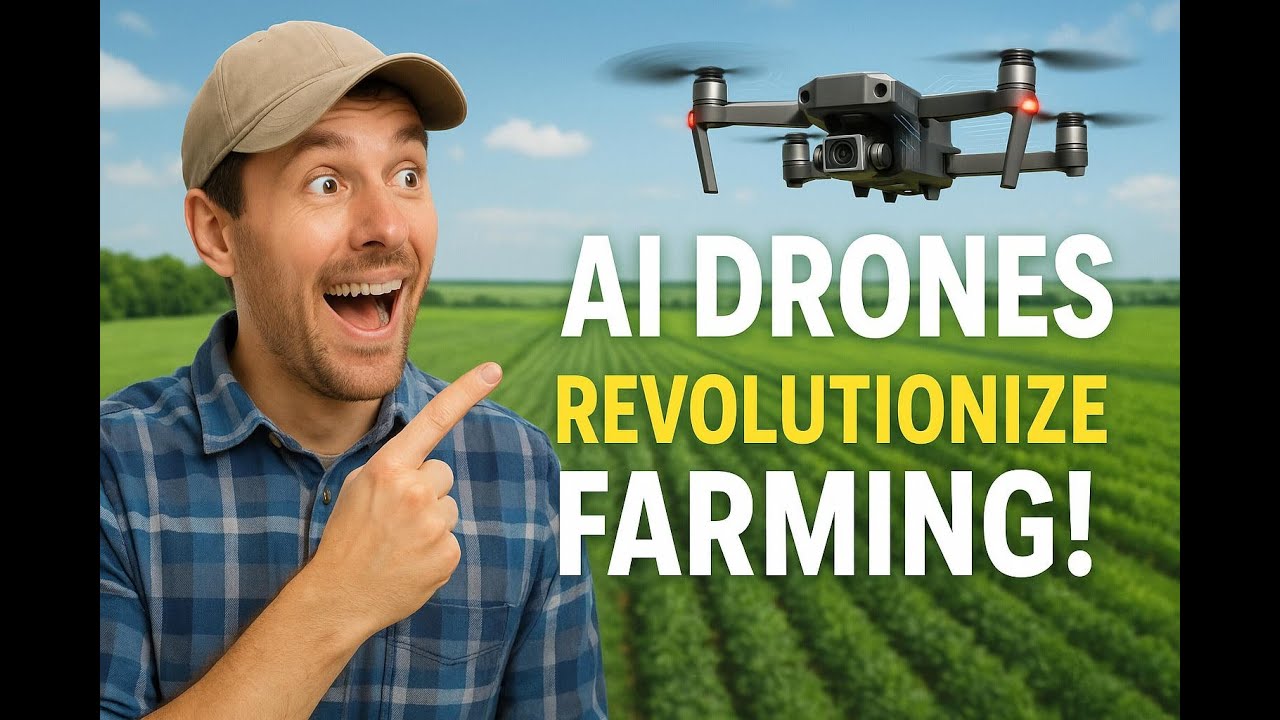
Farming automation systems now encompass a range of cutting-edge technologies that handle not only milking, but crucial tasks throughout the farm – planning, planting, irrigation, monitoring, harvesting, and post-harvest management as well.
Core Components of Modern Farming Automation Systems
- 🤖 Robotics: Autonomous machines for planting, weeding, spraying, and harvesting reduce manual drudgery and increase precision.
- 🌐 IoT Sensors: Networked sensors across fields monitor moisture, soil conditions, pest populations, and crop growth.
- 🧠 Artificial Intelligence: AI-driven platforms analyze continuous data to suggest optimal interventions.
- 📱 Remote Management: Apps and dashboards allow farmers to control field equipment, irrigation, and input applications from anywhere.
- 📦 Supply Chain Traceability: Blockchain-based systems provide traceability and transparency from field to shelf (learn more about product traceability solutions).
Benefits for Diverse Agriculture Sectors
- ✔ Field Crops: Autonomous tractors and planting robots boost productivity and reduce input costs.
- ✔ High-Value Crops: Precision drip irrigation systems optimize water and nutrient delivery, increasing yields of vineyards, fruits, plantations.
- ✔ Poultry, Livestock: Automated feeding, waste removal, and climate control improve animal welfare.
The result? Modern farms that are productive, sustainable, and profitable.
Fully automated farming automation systems can cut labor hours per hectare by more than 50% in some field crop operations, enabling more land to be managed per worker.



Smart Irrigation & Automated Drip System Technology
The automatic irrigation system for garden and field has evolved from basic sprinklers to *highly* intelligent, sensor-driven automation systems. This category includes automated drip system solutions designed for precise water delivery—making them ideal for agricultural fields, gardens, greenhouses, and plantations that require precise moisture and nutrient management.

How Do Automated Irrigation Systems Work?
- ☁️ Weather Integration: Smart irrigation systems integrate local weather forecasts and satellite-generated rainfall predictions to optimize schedules.
- 🌱 Soil Moisture Sensors: Track moisture at multiple depths, triggering watering only when plants need it most—reducing wastage.
- 🧑💻 AI Algorithms: Control water delivery based on environmental conditions, crop phase, and root zone requirements.
- 💧 Drip Irrigation Precision: Automated drip systems target the roots for efficient, uniform hydration.
Impact Across Farming Sectors
- ✔ Field and Plantation Crops: Automated drip irrigation systems improve yield consistency in demanding environments.
- ✔ Horticulture and Gardens: Automatic irrigation system for garden ensures flourishing ornamental and kitchen gardens with minimal labor.
- ✔ Greenhouses: Advanced automation offers exact control over humidity, watering, and nutrient delivery.
With resource scarcity a global concern, the ability to reduce water usage by up to 30% is a key sustainability achievement in 2025–2026.

The smart irrigation automation market is projected to exceed $10B in value by 2026, making it a critical area of agritech investment.
Visual Benefit List: Smart Irrigation Features
- 💧 Precision Drip – Delivers water directly to roots, preventing fungal diseases.
- 🌦 Weather-Adaptive – Adjusts schedules automatically for rain or drought.
- 🕒 Time-Saving – Automated controls reduce manual labor in gardens and fields.
- 🌱 Data-Driven Management – Integrates with farm-wide monitoring systems for holistic control.
- ⚡ Lower Energy Costs – Less pumping required due to efficient water use.
For agricultural managers seeking data-driven irrigation, our satellite API delivers actionable insights into field moisture, soil health, and water management.
Learn how to integrate this into your own farm information system with our API developer docs for streamlined weather and moisture monitoring workflows.
Many farms overwater by not adjusting for real-time weather and soil moisture—which automation easily solves!
Smart Poultry Farm Automation and Monitoring System
As consumer expectations for safe, traceable, and high-welfare food rise, smart poultry farm automation and monitoring system has become pivotal. The modern poultry farm utilizes networked sensors, AI, and automated controls across feeding, environmental, and health monitoring functions.
System Components and Functions
- 🦜 Automated Feeders: Schedule and dispense precise quantities based on bird age, weight, and growth phase.
- 🌡 Climate Control Modules: Monitor and maintain temperature, humidity, and airflow for optimal welfare.
- 📡 Real-Time Sensors: Continuously scan for ammonia, CO2, and harmful gases, ensuring a safe environment.
- 🧪 Behavior & Health Monitoring: AI-powered video systems detect anomaly patterns indicative of disease outbreaks or stress.
- 🔒 Biosecurity Enhancements: Reduce incidence and spread of poultry diseases.
Smart poultry farm automation not only improves productivity and resource efficiency but also assures to meet stringent biosecurity and welfare standards headed into 2026.

Visual List: Poultry Automation Impact Areas
- 🐤 Bird Health Monitoring – Real-time alerts and anomaly detection
- 🍗 Feed Efficiency – Precise dispensing and waste reduction
- 🌬 Climate Regulation – Automated temperature, humidity, and ventilation control
- 🚫 Disease Prevention – Early intervention reduces outbreak risk
- 🦠 Biosecurity – Secure facility entry and hygiene protocols
To optimize resource management and streamline logistics for modern poultry or field operations, discover our fleet management tools:
Efficient movement of workers and machinery reduces operational costs while enhancing farm-wide efficiency.
Automated poultry and livestock management systems drastically cut waste, save energy, and contribute to ethical, sustainable production for 2026 and beyond.
Feature & Impact Comparison Table: Automation Technologies
| Technology | Estimated Productivity Increase (%) | Estimated Resource Savings (%) | Estimated Reduction in Labor Hours | Estimated Animal Welfare Improvement Score (1-10) |
|---|---|---|---|---|
| Automatic Milking System | 20% | 15% | Up to 50% | 9 |
| Smart Irrigation System | 10% | 30% | 40% | 7 |
| General Farming Automation | 25% | 20% | 55% | 8 |
| Smart Poultry Monitoring System | 12% | 18% | 35% | 8.5 |
Farmonaut: Satellite Technology Enabling Farm Automation
We at Farmonaut are redefining farm automation and management using satellite technology, AI, and advanced analytics—empowering farmers, businesses, and governments with precise data for smarter agricultural decisions in 2026.
- 🌍 Satellite-Based Monitoring: Our multispectral satellite images enable crop monitoring, soil assessment, and real-time resource tracking at field, regional, or national scale.
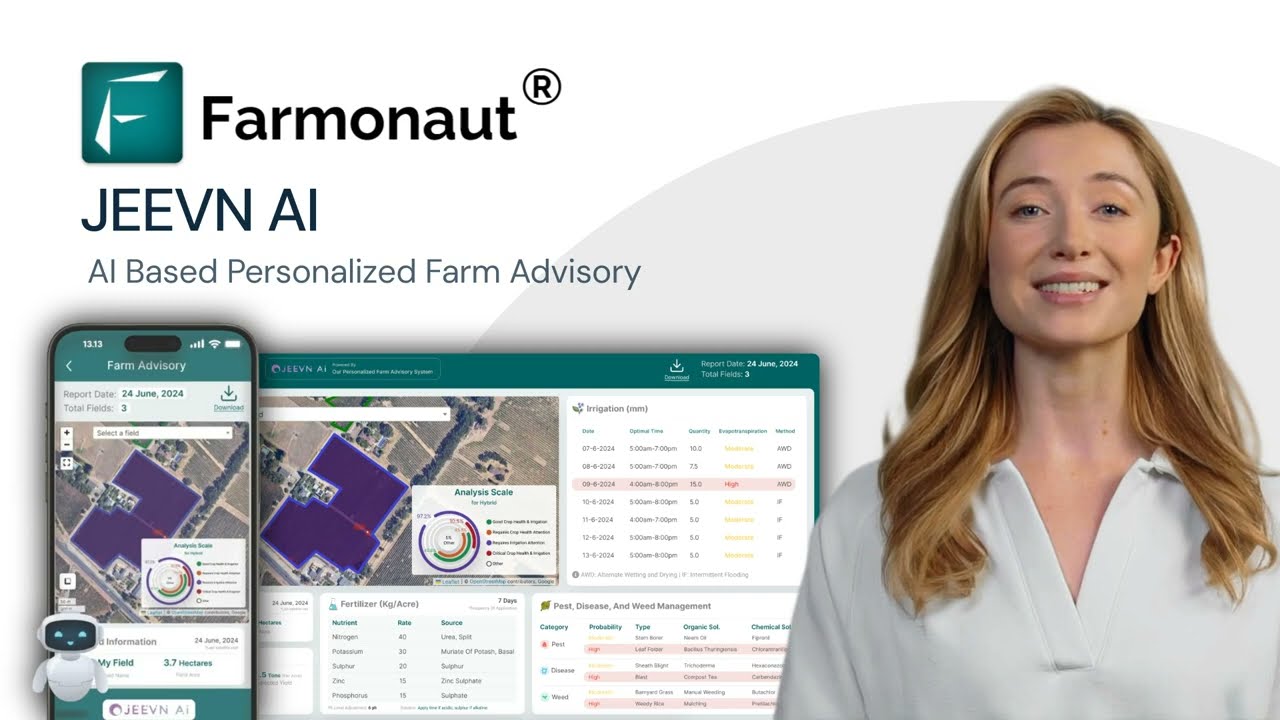
- 🧠 JEEVN AI Advisory System: Receive personalized, AI-powered guidance on crop practices, pest forecasting, and risk reduction.
- 🔗 Blockchain Traceability: Ensure secure, transparent product journeys for agriculture, mining, and beyond. Explore traceability technology.
- 🚜 Fleet and Resource Management: Optimize logistics for machinery, vehicles, and farm inputs with intelligent tracking—see our fleet management solution.
- 🌲 Environmental Impact Tracking: Farmers track emissions and resource usage with our carbon footprinting module for regulatory compliance and sustainability.
- 🏦 Loan and Insurance Verification: With satellite-backed loan and insurance verification, farmers and lenders can accelerate financial processes and reduce fraud.
Our satellite-based approach is flexible, scalable, and affordable—helping all stakeholders make smarter, data-powered farming decisions.
Farmonaut Subscription & API Access
We offer simple, scalable subscription plans for individual users, businesses, and government clients, ensuring you only pay for the insights and services you need. The platform is fully accessible via web, iOS, and Android Apps—with robust API and developer docs for seamless integration.
Integration, Benefits and Future Perspectives
Looking toward 2026, the integration of automatic milking systems, farming automation systems, automatic irrigation systems for gardens, and smart poultry monitoring will shift farming toward complete digitalization and data-driven precision at every level.
The future is interconnected:
- Centralized Dashboards = farm-wide insights in one place
- AI Recommendations = save money, boost productivity, minimize losses
- Sustainability & Compliance = better use of resources, lower emissions
- Enhanced Food Security = resilient systems that adapt to climate and market needs
With automation systems becoming more affordable, accessible, and intelligent every year, adoption is no longer optional for competitive, sustainable agriculture.
- 🚜 Automation is key to scalability, profitability, and competitiveness
- 🌱 Precision resource management reduces costs and boosts sustainability
- 🧬 Animal welfare is improved by automation and real-time health monitoring
- 📱 Mobile-first management enables 24/7 farm oversight, anywhere
- 🌍 Integrated data platforms drive smarter, faster decision-making
We believe precision, transparency, and sustainability are the pillars of tomorrow’s farming. Our mission is to deliver affordable, actionable satellite insights to empower every farmer and agribusiness.
Explore more on farm monitoring and crop advisory to get started.
Learn how to use carbon footprinting tools and traceability solutions for environmental and market compliance in 2026.
FAQ – Automatic Milking & Farming Automation Systems 2026
What are automatic milking systems and how do they work?
Automatic milking systems use robotic arms, sensors, and advanced software to detect the optimal time for cows to be milked, performing the process hygienically and efficiently with minimal human involvement.
Are automation systems only for large-scale farms?
No, modern farming automation systems can be scaled for small, medium, or large farms. Flexible configurations and pricing allow adoption by diversified operators, especially with the rise of mobile and satellite-driven management tools.
How do smart irrigation and automated drip systems improve sustainability?
They reduce water wastage by delivering precise quantities directly to plant roots, adapting irrigation timing to real-time soil moisture data and weather forecasts, and lowering energy costs.
Can Farmonaut monitor livestock and crops remotely?
Yes, we provide satellite-based monitoring tools for crops, plantations, and environmental resources; while AMS and livestock health trackers generally rely on local sensors, our platform integrates this data into a unified management view.
How do automated poultry farm systems enhance animal welfare?
They automatically monitor climate, feed, behavior, and environmental stress, enabling quick response to potential health risks, thus maintaining high welfare standards.
Where can I learn more about integrating Farmonaut into my automation setup?
Visit our API page and developer docs for technical integration, or start with our web & mobile applications.
Conclusion: With the accelerated adoption of automatic milking systems, farming automation systems, automatic irrigation system for garden, hoegger milking systems, automated drip system, smart poultry farm automation and monitoring system, the agriculture sector is entering a new era of productivity, sustainability, and animal welfare. Systems developed through the synergy of AI, robotics, sensors, and satellite technology are driving the next generation of farming practices in 2026 and beyond. From precise irrigation to automated livestock monitoring, these advancements mean more food, less waste, and a brighter, more sustainable future for all.
For tailored, data-driven farm oversight and a full suite of tools—explore what we at Farmonaut provide via our platform.

 Unifrutti Gulf
 Deluxe Conseil
 Krishify
 TVS Electronics
 BW Pipelines
 WICO
WICO Gen Chayat
 Chimera Innovation
 SkyHarvest
 Polaris Digitech
 Teledarbas
 Wild Oak Farm
 SFX
SFX Doodlakine
 Exurbia Geospatial
