

Banana Ripening, Fertilizer & Hardy Banana Tree Tips: Innovations & Best Practices for 2025–2026
Summary: Bananas are among the world’s most important food crops, supporting global food security and millions of farmers. In 2025 and beyond, innovations in banana ripening, banana tree fertilizer, and cultivation of hardy banana trees are redefining yield, fruit quality, and sustainability. Modern technologies and best practices—including advanced ripening chambers, integrated nutrient management, and robust disease-resistant varieties—enable farmers to efficiently meet market and environmental demands. Read on for a comprehensive guide to optimizing banana cultivation using the latest scientific insights and tools.
Table of Contents
- Introduction: Why Banana Ripening, Fertilizer & Hardy Bananas Matter Globally
- Understanding the Banana Palm: Biology, Hardy Varieties and the Future
- Modern Innovations in Banana Cultivation and Breeding
- Banana Fertilizer & Nutrient Management for 2025
- Banana Ripening: Technologies, Banana Ripening Chemicals, and Market Linkages
- Integrated Practices for Sustainable Banana Production
- Harnessing Satellite & AI for Banana Yield Optimization (Farmonaut Insights)
- Comparative Innovation Table: Banana Yield, Quality, and Sustainability at a Glance
- FAQ: Banana Ripening, Hardy Banana Trees, Fertilizer (2025–2026)
- Conclusion: Advancing Banana Production for the Future



Introduction: Why Banana Ripening, Fertilizer & Hardy Bananas Matter Globally
Bananas remain foundational to food security, nutrition, and economic sustainability. With over 150 million tonnes produced worldwide annually, they are supporting millions of farmers, especially in Asia, Africa, South and Central America.
As 2025–2026 ushers in new agricultural challenges—climate change, erratic weather, shifting pest pressures, and rising consumer demands—banana cultivation, banana ripening chemical use, and fertilizer management become even more crucial. Farmers and agronomists must balance yield optimization with long-term environmental stewardship, all while understanding how the latest innovations affect their daily practices.
This comprehensive post offers actionable guidance and science-backed tips, with embedded resources and direct Farmonaut technology explanations, so our readers can reach the best possible results in banana crops.
Understanding the Banana Palm: Biology, Hardy Varieties and the Future
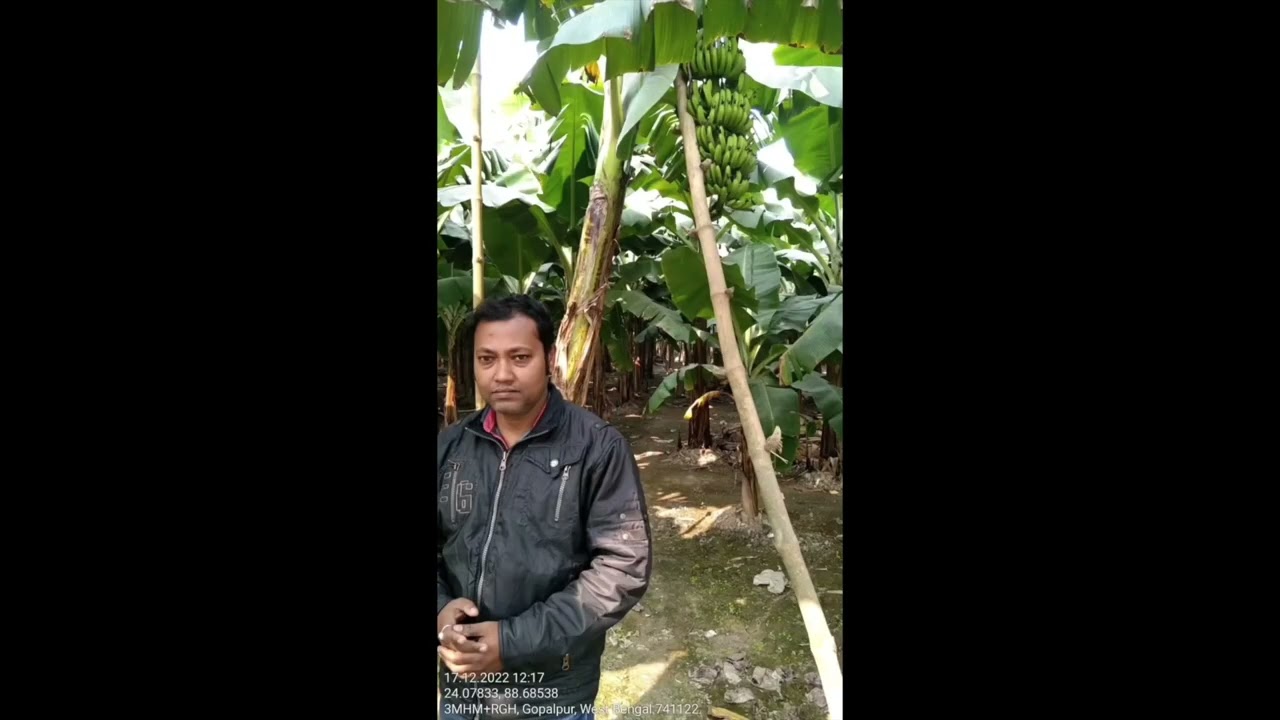
Banana Palm – The Giant Herbaceous Plant
Although commonly called the banana palm, a banana’s “stem” is a pseudostem—tightly packed leaf bases of a technically giant herbaceous flowering plant.
The edible bananas we know (Musa spp.) are not trees in the woody sense but are instead flowering “herbs” with an impressive capacity for quick growth and fruit formation. The true stem lies underground—a rhizome producing new shoots season after season.
Why is banana plant biology so important? Understanding the structure of the banana palm helps guide optimal fertilizer strategies, informs disease management, and dictates irrigation schedules. For example, the large “leaves” contribute to both water loss and rapid nutrient uptake, meaning balanced, timely banana tree fertilizer applications are vital.
Hardy Banana Tree: The 2025 Standard
Modern banana production cannot ignore increasing weather volatility and disease threats. That’s where hardy banana tree breeding comes in. Breeders are focusing on cultivars that can withstand lower temperatures, drought spells, and aggressive pathogens like Panama disease (Fusarium wilt) and Black Sigatoka.
- Hardy banana trees (2024–2026): These varieties show resistance to common diseases; some survive brief freezing (down to -5°C), enabling banana cultivation in regions previously considered unsuitable.
Trivia:“Hardy banana tree varieties developed in recent years can withstand temperatures as low as -5°C.” - Key resistant or hardy banana varieties: Modern Musa acuminata and Musa balbisiana hybrids, specially bred Cavendish, and local region-specific variants now offer high productivity alongside resilience.
Moreover, this hardiness is crucial not just for survival but for reducing economic losses, enhancing productivity, and ensuring crop security as climate change becomes more unpredictable.

Modern Innovations in Banana Cultivation and Breeding
Banana cultivation has advanced quickly in recent years. Let’s explore the innovations that are changing the landscape for banana farmers worldwide:
- Breeding resilient, climate-adapted bananas: Genetic programs now emphasize drought, wind, and cold tolerance, while also focusing on rapid cycling (to reach harvest faster), and improved disease resistance to Panama and Sigatoka.
- Tissue culture propagation: This technology ensures virus-free, uniform planting material, crucial for large-scale farmers seeking consistency and lowered risk.
- Intercropping and rotation systems: Modern best practices include banana with companion crops to improve soil health, suppress pests, and optimize resource use.
- Precision agriculture: The Farmonaut Agro-Admin App helps with large-scale farm management by integrating satellite and AI tools to monitor tree health, disease outbreaks, and nutrient status for efficient banana plantation oversight.

Banana Pests & Disease Management Innovations
- AI-driven crop monitoring: Using platforms like Farmonaut’s crop plantation forest advisory system, farmers can detect early signs of leaf spot or pest infestation using NDVI (Normalized Difference Vegetation Index) from satellite images.
- Integrated Pest Management (IPM): Combining natural predators, biological controls, and minimal targeted chemical interventions to sustainably reduce harmful outbreaks.
For those growing bananas for export or vast supply chains, product traceability via blockchain is becoming increasingly important, enabling the entire chain to validate fruit authenticity, minimize fraud, and build trust in global banana markets.

Banana Fertilizer & Nutrient Management for 2025
Bananas are heavy feeders: their vigorous growth and high yields demand consistent, balanced and efficient fertilization. Soil fertility and nutrient management in 2025 is both a science and an art—using modern data for precision alongside sustainable practices to minimize waste and improve environmental outcomes.
Key Macronutrients & Micronutrients for Banana Plants
- Nitrogen (N): Essential for rapid growth, green leaves, and shoot vigor.
- Phosphorus (P): Supports root development and early plant establishment.
- Potassium (K): Absolutely crucial; enhances fruit size, color, sugar content, shelf life, and disease resistance.
- Magnesium, Calcium, Zinc: Vital micronutrients for improved leaf, flower, and fruit health.
Modern banana tree fertilizer blends combine all these nutrients—often with soil conditioners or biological additives to boost uptake and soil structure.
Advancements in Banana Fertilizer Technologies (2025 & Beyond)
- Site-specific fertilizer recommendations: Through soil testing and satellite data (e.g., Farmonaut’s platform), fertilizer rates can be tailored to field variability, promoting efficient use and reducing leaching.
- Nano-fertilizers and slow-release formulations: These new fertilizers maximize nutrient delivery over time, reduce losses from rainfall or runoff, and minimize the risk of nutrient “burn”.
- Organic amendments & biofertilizers: Compost, vermicast, and beneficial microbes rebuild soil health—helping optimize banana productivity and resilience.
- Carbon footprint tracking: Progressive farmers are now using Farmonaut’s carbon footprinting platform to measure and reduce the environmental impact of intensive banana fertilization systems.

Practical Banana Fertilizer Application: Steps for 2025
- Sample and test soil: Every 1–2 years, check pH, organic matter, and available NPK and micronutrients.
- Choose balanced, high-efficiency fertilizer blends: Opt for those with stabilized N, slow-release K, or micronutrient additives.
- Time correctly: Apply more during high-development stages (vegetative and fruiting).
- Apply in bands around the pseudostem base (avoiding leaf burn), or use fertigation if infrastructure exists.
- Rotate or supplement with organic amendments: This maintains long-term soil fertility and supports beneficial soil microbes.

For better logistics and operational efficiency in fertilizer management, fleet and resource management tools like the Farmonaut fleet management system can track application machinery, reducing overlap, costs, and human error in large plantations.
Banana Ripening: Technologies, Banana Ripening Chemicals, and Market Linkages
Bananas are harvested green but must be perfectly ripe for the market. The post-harvest ripening process decides final fruit quality, shelf life, and consumer satisfaction. As markets grow global, the role of advanced ripening chambers, banana ripening chemicals, and environmental controls is ever more important.
Traditional Approach: Ethylene & Simple Ripening Rooms
Bananas naturally produce ethylene gas to coordinate ripening. Traditionally, fruits were ripened by exposing bunches to external ethylene (gaseous form or as ripening powder) inside closed rooms.
- Limitations: Simple methods often lead to uneven ripening, color defects, limited shelf life, and waste during transit.
2025 Innovations: Controlled Atmosphere Ripening Chambers
- Modern ripening chambers tightly control temperature, humidity, O2 and CO2 levels, and ethylene concentration.
- Ripening chemicals used today are refined formulations of safe, food-grade ethylene generators or natural ethylene “releasers” for more even, rapid, and residue-free fruit development.
- Controlled atmosphere storage further prolongs shelf life and ensures bananas arrive at overseas markets in top condition.
- Emergence of ethylene absorbers in packaging keeps bananas fresher during transport, minimizing food waste.
- Blockchain-based traceability is now integrated into export supply chains, so buyers can track bananas throughout the controlled ripening process. See the Farmonaut product traceability system for more details and benefits.

Banana Ripening: Key Considerations for Farmers in 2025–2026
- Monitor gas levels: Keeping ethylene, CO2, and O2 within ideal ranges reduces disorder and ensures uniform fruit quality.
- Hygiene and chemical compatibility: Select banana ripening chemicals compliant with food safety regulations to minimize residues.
- Temperature regime: Too warm triggers fast ripening but can affect shelf life; too cold leads to poor color and flavor. Target range: 16–20°C for best results.
Technologically advanced ripening chambers are now more affordable, with compact options for small-scale growers and modular expansions for exporters.
Integrated Practices for Sustainable Banana Production
In 2026 and beyond, sustainability is not optional. The most successful banana operations use integrated approaches—combining hardy banana trees, precision fertilizer management, low-residue ripening, and climate-smart agriculture.
- Disease-resistant cultivars + biological controls: Reduces reliance on fungicides, lowering environmental footprint.
- Nutrient mapping with satellite data: Farmland is no longer managed “by guess”—with satellite tools such as Farmonaut, fertilization and irrigation can be fine-tuned to the precise needs of each banana plot.
- Resource management systems: Fleet tracking and optimization slash fuel, labor, and chemical usage, improving profits and sustainability.
- Continuous environmental monitoring: Monitoring the carbon footprint of banana cultivation encourages best practice adoption and appeals to eco-conscious markets.
Smart, data-driven banana production increases resilience against labor shortages, reduces costs, and enhances long-term soil health. These advances are crucial for meeting rising food demands and maintaining environmental stewardship.
Harnessing Satellite & AI for Banana Yield Optimization (Farmonaut Insights)
At Farmonaut, our mission is to democratize access to affordable, satellite-driven agricultural insights. While we don’t sell banana tree fertilizers or ripening chemicals, our satellite technology platform supports banana growers, agronomists, firms, and governments with:
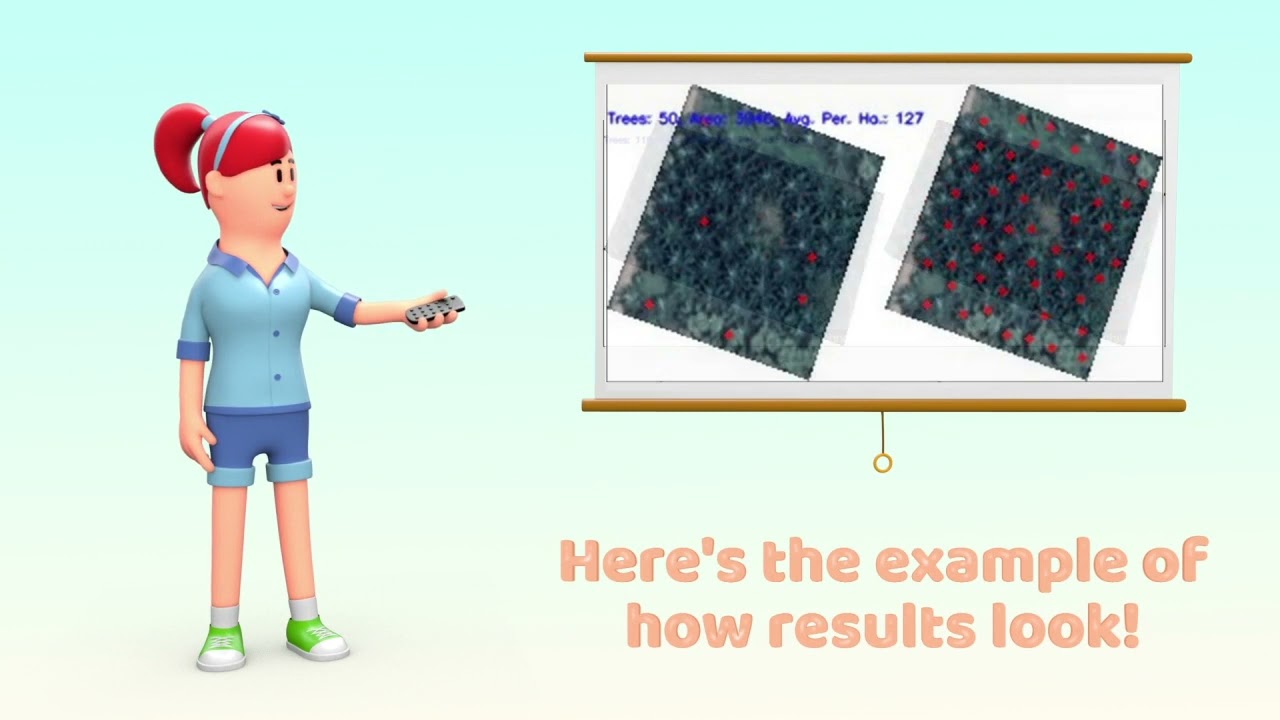
- Real-time monitoring (Agro-Admin platform): Multispectral imaging tracks vegetation health, detects areas of nutritional stress, and alerts users to possible disease or pest outbreaks. This aids in reducing fertilizer waste and optimizing application timing.
- Jeevn AI Advisory: Analyzes weather, satellite, and historical yield data for specific banana plantations, suggesting best practices to improve efficiency, maximize productivity, and reduce risks of loss.
- Blockchain product traceability: Supports exporters by recording every stage in the banana supply chain—building trust and responding to consumer demand for transparency.
- API integrations: Our API and developer documentation enables agricultural software developers and enterprises to build custom monitoring or automation solutions, tailored specifically to banana, coffee, oil palm, and more.
- Fintech solutions: Our crop loan and insurance satellite-verification feature streamlines access to financing for banana growers, improving their resilience and ability to invest in better inputs or technologies.
By integrating remote sensing, AI analytics, and best practice frameworks, satellite monitoring isn’t just for “big farms”—even small and medium banana growers can harness these tools on a budget through Farmonaut’s modular subscriptions.
Comparative Innovation Table: Banana Yield, Quality, and Sustainability at a Glance
| Innovation/Technique | Estimated Impact on Yield (%) | Application Method | Resilience Improvement | Estimated Cost (USD/Ha) |
|---|---|---|---|---|
| Conventional Ripening (Simple Ethylene Gas Room) | Base/Reference | Manual room with periodic ethylene exposure | Standard/Low (Limited banana shelf life, higher spoilage) |
$70 |
| Controlled Atmosphere Ripening Chamber (2025 Technology) |
+10% (better quality, less waste) | Automated, sensor-driven chamber, integrated natural/food-grade ethylene | High (Uniform ripening, longer shelf life, minimal residue) |
$250–500 |
| Generic Fertilizer (NPK) – Broadcast | Base/Reference | Spread in bands or rings at base of each pseudostem | Standard (risk of leaching/environmental runoff) | $320 |
| Nano-Fertilizers / Slow-Release Blends / Site-Specific Application | +20–30% | DRIP/Fertigation or micro-dosing, based on soil tests/satellite data | High (reduced runoff, higher uptake, improved soil health) | $380–600 |
| Standard Banana Varieties | Base/Reference | Traditional planting—mixed clones, limited disease resistance | Average (vulnerable to disease & weather disruptions) | $160 |
| Hardy Banana Hybrids (2025–2026) | +10–15% | Tissue culture, region-adapted hybrids, climate resilience focus | Excellent (disease resistance, drought/cold tolerance) | $210–320 |
| Integrated Pest Management (IPM) | +5–15% | Biological controls, periodic scouting, minimum targeted chemicals | High (slows resistance, reduces chemical costs) | $60–110 |
| Satellite & AI-Driven Farm Monitoring (Farmonaut Platform) | +10–25% | Remote NDVI, nutrient, disease, weather analytics | Excellent (dynamic, real-time risk reduction) | $12–35 (subscription-based) |
FAQ: Banana Ripening, Hardy Banana Trees, Fertilizer (2025–2026)
What is the best fertilizer formula for banana trees in 2025?
The most effective banana tree fertilizer blends in 2025 are custom NPK ratios—e.g., 8:10:8 (N:P:K)—integrated with slow-release nitrogen, stabilized potassium, magnesium, calcium, and zinc. For optimal results, supplement with organics or biofertilizers, guided by soil tests or remote sensing data.
Are modern banana ripening chemicals safe for consumers?
When used as labeled, modern banana ripening chemicals—mainly food-grade ethylene gas or natural ethylene creators—leave negligible residues and are considered safe. Purchasing commercial ripening agents from regulated suppliers and running clean chambers ensures food safety compliance and prevents chemical misuse.
What advantages do hardy banana trees offer over traditional varieties?
Hardy banana tree hybrids developed recently offer resistance to diseases like Panama wilt and Black Sigatoka, plus resilience against drought, storms, and even brief frost. This means expanded cultivation areas, fewer crop losses, and more reliable annual yields for banana farmers.
How can I reduce fertilizer costs while maintaining yield?
Combine soil testing, satellite monitoring (like Farmonaut), and site-specific application. Using nano-fertilizers, slow-release products, and precision application methods cuts both costs and environmental impact, boosting banana crop efficiency.
How do I start using Farmonaut for banana crop monitoring?
Download the Farmonaut app for Web, Android, or iOS and choose a subscription that fits your acreage/monitoring goals. Our platform provides satellite data so banana producers of any size can optimize every input.
What role does potassium play in banana ripening and fruit quality?
Potassium is foundational in banana production—it enhances fruit size, sugar content, flavor, disease resistance, and storage life. Timely and sufficient K application, tracked by soil testing and satellite analytics, is key for successful banana harvests.
Conclusion: Advancing Banana Production for the Future
Banana cultivation in the era of precision agriculture is more ambitious, tech-driven, and sustainable than ever before. By investing in hardy banana tree varieties, leveraging the latest advances in banana ripening technologies and ripening chambers, and adopting smart fertilizer management and resource monitoring platforms like Farmonaut, banana farmers can future-proof their operations, reduce costs, and meet the world’s ever-growing appetite for quality bananas.
As 2025 and beyond unfold, the shift towards integrated, resilient, and traceable banana supply chains benefits stakeholders at every level—from smallholders and exporters to food retailers and global consumers.

 Crossprod
 Aamoksh One Eighty
 Patrick America
 Liquify Digital
 CU Foods
 BeyondTech Global
 Rouge VC
 AgroGreen Dynamics
 AgroRisk
 Oath Inc
 Reddane Farming
 Esri North East Africa
 Cresol
 MDCV UK
 Zerella Group
 Etech Consulting Madagascar
 Vestlandsforsking
 Delicio
 WB Dev
 Sama Premium
