

Best Drip Irrigation System 2026: Efficient & Cost-Saving Solutions for Modern Agriculture
“Smart drip irrigation can increase water use efficiency by up to 90% compared to traditional methods.”
Why the Best Drip Irrigation System Is Indispensable in 2026
In 2026, efficient water management remains at the forefront of global agricultural priorities. As climate change, water scarcity, and variable weather patterns continue to pose significant challenges worldwide, innovative solutions in irrigation are not just welcome—they are essential. Among the most effective solutions addressing these issues is the drip irrigation system. This revolutionary approach directly delivers water to a plant’s root zone, optimizing consumption, reducing waste, and enhancing crop yield. Its value is vastly overstated in sustainable farming conversations for good reason: it bridges the gap between growing food and conserving resources.
By 2026, the best drip irrigation systems have evolved to become synonymous with precision, sustainability, and cost-saving in agriculture. With increasing environmental, economic, and regulatory pressures—especially in regions facing erratic rainfall and recurring drought—the drip line irrigation system has emerged as an indispensable tool in securing global food supply and farmer profitability.

Understanding Drip Irrigation System: What Makes It the Best?
The drip irrigation system is designed to provide water directly to the plant’s root zone, drop by drop. Unlike traditional irrigation techniques like flood or sprinkler systems, which often lead to excessive evaporation, runoff, and soil erosion, the drip method optimizes water use. By maintaining precisely controlled watering schedules, it supports healthy growth, reduces weeds, and lowers disease risk for crops.
This precision irrigation approach isn’t just for sprawling commercial farms in 2026. From small home gardens in urban areas to high-value nut, vegetable, and fruit farms, the drip system adapts to all scales—proving itself as the best solution for sustainable irrigation.
“In 2025, farms adopting advanced drip systems reported up to 45% reduction in overall irrigation costs.”
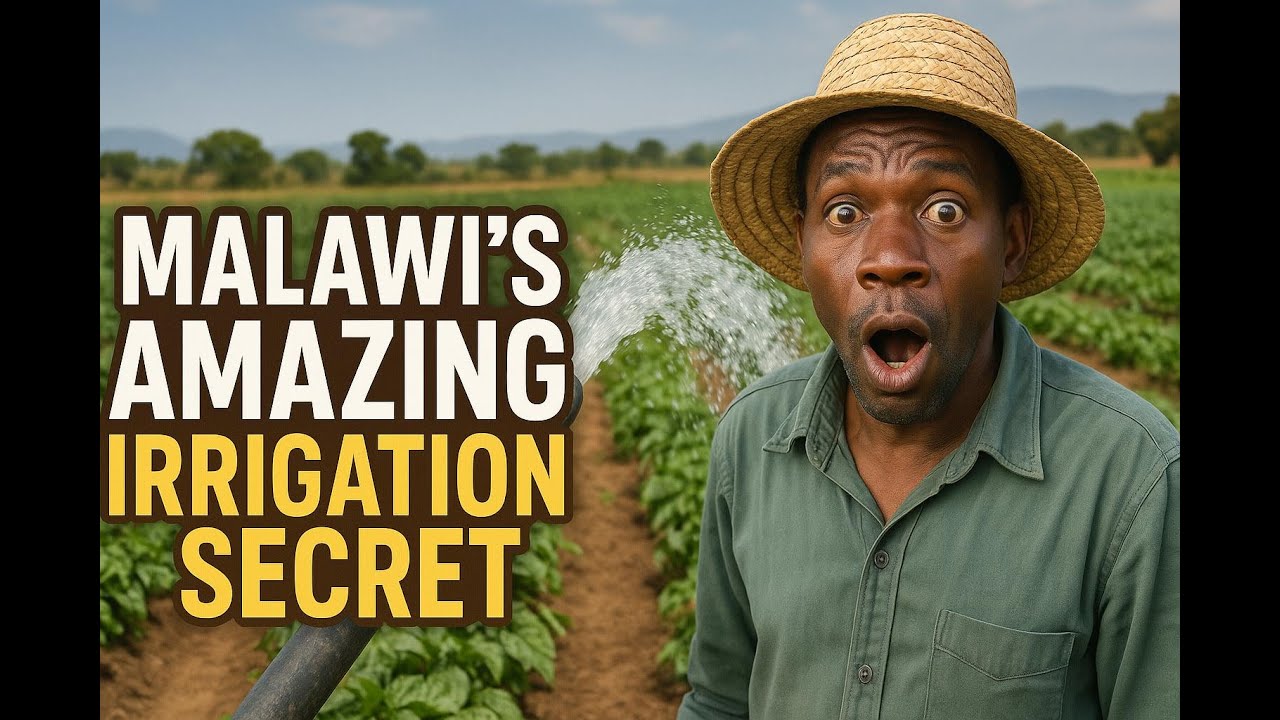
Core Components of the Best Drip Irrigation System
The drip irrigation system comprises a robust network, each part designed to optimize water use and deliver consistent flow to every plant:
- Pipes & Tubes: These create the backbone of the drip network, carrying water from the source to the drip emitters across varied terrains, efficiently covering gardens or large commercial plots.
- Drip Emitters: Precision tools that release controlled amounts of water directly to each plant’s root zone.
- Valves: These regulate water flow, pressure, and direction, ensuring each plant receives the right amount.
- Filters: Prevent clogging from sediment or algae, especially critical for drip lines covering larger plots or water sources prone to debris.
- Pumps: Provide the necessary pressure in systems where gravity doesn’t suffice, such as in flat or expansive farmlands.
- Controllers & Sensors: In smart systems, digital controllers and soil moisture sensors automate watering schedules for highest efficiency.

Types of Drip Irrigation Systems: Commercial & Home Applications
Drip irrigation technology in 2026 offers diverse solutions tailored to farm size, crop type, and user expertise:
-
Commercial Drip Irrigation Systems:
Ideal for large-scale agriculture and plantations, utilizing advanced automation, real-time monitoring, and high-efficiency components. These systems cover hectares efficiently and reduce manual intervention. -
Home Drip Irrigation Systems:
Compact, modular kits for gardens, flower beds, or kitchen gardens. Designed for easy DIY installation, often featuring mobile app integration for remote management even in city settings.
Explore Our Satellite-Powered Agro-Admin Solution:
Optimize your large or small-scale farm with Farmonaut Large Scale Farm Management Solutions. Gain crop health insights, monitor water use in real time, and integrate AI-driven advisories with ease. -
Drip Line Irrigation System:
Utilizes drip lines embedded with emitters, perfect for row crops, orchards, forestry applications, and greenhouse farming, offering precise zone-by-zone irrigation.
How Does a Drip Irrigation System Work?
The water drip irrigation system functions by delivering water directly, drop by drop, to the soil directly adjacent to the root zone of each plant. Here’s how its optimized workflow plays out:
- Water Flow Regulation: Water is released at low pressure via a series of pipes and tubes, significantly minimizing evaporation and reducing runoff—a major contrast to flood or sprinkler irrigation.
- Precision Emitter Placement: Drip emitters gauge and provide the necessary water to each planting location, serving specific crop needs and soil types.
- Automated Scheduling: In smart systems, digital controllers and soil moisture sensors monitor, analyze, and adjust schedules in real-time, keeping fields at optimal hydration with minimal input.
- Adaptability: Schedule adjustments through mobile applications, weather-based monitoring, and crop-specific tuning ensure efficient water management throughout the season.
This precision method not only conserves water, it also fosters healthy plant growth, stronger yields, and sustainable soil health.
Best Drip Irrigation System: Efficiency, Cost, and Sustainability Benefits
- Reduces Water Waste: Supplies water exactly where roots need it—vastly reducing evaporation and runoff versus traditional systems.
- Optimizes Crop Yield: Always provides the right amount of water for optimal growth, resulting in enhanced productivity and healthier crops—even in drought-prone regions.
- Minimizes Labor: Smart automation reduces manual intervention—farmers can quickly adjust or monitor systems remotely.
- Reduces Weed Growth: Unlike flood irrigation, which wets the entire field, drip lines only water the zone around each plant, minimizing weed proliferation.
- Improves Soil Health: Limiting water to necessary areas prevents erosion and maintains soil structure.
- Cost Savings: Significant ongoing cuts to water bills, reduced costs in fertilizers (as they can be delivered via the drip), and less labor spent on manual irrigation—as evidenced by up to 45% reduction in irrigation expenses by 2025.
- Sustainability: Lowered environmental footprint through water conservation and minimal runoff of pesticides or fertilizers.
For comprehensive environmental impact monitoring, learn how our Farmonaut Carbon Footprinting Tools can help measure and reduce the emissions from your irrigation practices.

Smart Technology & Innovation: Drip Irrigation’s Future in 2026 and Beyond
The future of drip irrigation systems is inextricably linked with advances in IoT, automation, artificial intelligence, and renewable energy applications:
- IoT-Integrated Smart Drip Systems: Incorporate a suite of sensors that automate, monitor, and adjust watering schedules remotely. These systems analyze soil moisture, weather forecasts, and crop requirements to deliver only what is needed, when it’s needed.
- Satellite Data & Real-Time Field Monitoring: Modern smart systems—including satellite-driven insights—enable farmers to monitor crop stress, soil moisture, and even potential irrigation leaks for paramount efficiency.
- Mobile and Remote Controls: Apps for smartphones and web platforms allow hands-off management, empowering even small farmers to engage with precision agriculture.
- Solar-Powered Pumps & Automation: Harnessing renewable energy means off-grid capability, cost savings, and simpler scalability even in remote regions with unreliable power.
- Eco-Friendly & Biodegradable Materials: In 2026, manufacturers increasingly develop biodegradable drip lines and green materials to further minimize environmental impacts.
Farmers implementing blockchain-based traceability secure authenticity in their supply chains while automating their field monitoring using advanced technologies. Discover our product traceability platform to ensure transparency, reduce risks and enhance trust in your value chain.

Feature Comparison Table: Top Drip Irrigation Systems for 2026
Compare the industry’s leading drip irrigation systems for 2026 below, rated by key features such as automation, IoT integration, water savings, smart features, and cost:
| System Model | IoT Integration Level | Estimated Water Savings (%) | Smart Monitoring Features | Initial Setup Cost (USD) | Maintenance Cost (Annual, USD) | Sustainability Rating (1-5) |
|---|---|---|---|---|---|---|
| AgriEdge Pro DRIP | Advanced (Cloud, Mobile, Automation) | 90% | Real-time Soil Sensing, Leak Detection, Weather Sync | 4,800 | 380 | 5 |
| HydroSense Ultra | Moderate (App Alerts, Timed Controls) | 82% | Moisture Triggers, Manual Scheduling | 3,600 | 290 | 4 |
| EcoFlow Home Drip Kit | Entry (Basic Scheduling, No IoT) | 73% | Preset Timers | 495 | 60 | 4 |
| SmartLine GreenFields | Full (Mobile, Sensor-Driven, AI Predictive) | 89% | AI Crop Monitoring, Automated Adjustments | 5,100 | 420 | 5 |
| Basic RainTide System | Minimal (Manual Control) | 65% | None | 295 | 45 | 3 |
*Figures for water savings, cost, and ratings are estimated for comparative purposes and will vary by region, crop type, and installation specifics.
Drip Irrigation System in Forestry Management & Specialized Farming
The drip line irrigation system is vital not just for high-value crops like vegetables, fruits, and nuts, but also for forestry management and specialty plantations:
-
Young Sapling Support:
Ensures adequate hydration without wastage, dramatically improving the survival and growth rate—especially important in regions facing erratic rainfall or recurring drought. -
Orchards & Vineyards:
Precision zone coverage ensures each tree or vine receives optimal water, limiting diseases caused by wet foliage. -
Urban & Vertical Farming:
Drip solutions support urban agriculture, roof gardens, and small plots—addressing water scarcity through ultra-efficient use.
Looking to enhance your forestry plantation’s survival rate? Leverage satellite-powered crop plantation and forest advisory to monitor sapling hydration and growth from anywhere, at any time.
Drip Irrigation System Cost in 2026: Investment vs. Long-Term Savings
The drip irrigation system cost in 2026 is shaped by system scale, level of automation, and material grade. Here’s a breakdown:
- Installation Costs: For small home or garden systems, setup is typically under $500 USD. Advanced commercial, IoT-driven solutions may start from $3,500–$5,000 USD and scale up depending on area coverage and smart capabilities.
-
Component Costs:
- Pipes, tubes, and drip lines: The backbone, scalable and often reusable.
- Pumps, controllers, & valves: Initial expense, but critical for automation and efficient flow management.
- Sensors & IoT hubs: Add-on for advanced efficiency and labor savings.
-
Ongoing Savings:
While the initial investment may seem significant, farmers quickly offset costs through reduced water bills, lower manual labor needs, and improved crop yield. -
Subsidies and Financing:
Many regions continue to offer financial incentives and environmental credits for water conservation practices.
Discover how satellite-based verification streamlines loan and insurance processes in agriculture, reducing risks and improving farmer access to credit.

Support, Incentives & Environmental Impact Solutions
With sustainable farming becoming a necessity as water scarcity and climate change reshape global agriculture, the incentives for adoption of drip irrigation systems are strengthening in 2026:
- Government Subsidies: Various countries and regions incentivize smart irrigation adoption, making cutting-edge practices accessible to small and large farmers alike.
- Environmental Credits: Growers utilizing high-efficiency systems may qualify for carbon footprint reduction credits or certifications vital in export markets and sustainable supply chains.
- Insurance & Risk Reduction: Reduced crop loss from drought, runoff, or erratic weather conditions translates into lower premiums and better security for farms of all sizes.
Ready to streamline resource allocation and mobility for your operation? Discover satellite-powered fleet management solutions for modern agriculture, optimizing machinery and equipment operations like never before.
For instant access to satellite insights and irrigation management, connect via our apps:



Custom or scaling your operation? Explore our Farmonaut API platform and developer documentation for integration into your technology stack.
How We at Farmonaut Power Advanced Water and Resource Management
At Farmonaut, our mission is to democratize access to satellite-driven insights and sustainability tools for agriculture worldwide. We recognize the critical role drip irrigation systems play in efficient water management and long-term viability of global food production.
- Satellite Imagery & AI Analytics: Our platform offers multispectral field monitoring—tracking soil moisture, crop health, and irrigation uniformity. This enables real-time, remote field assessment and irrigation decision support, ideal for both small and large operations.
- Automation & Advisory: Our proprietary Jeevn AI delivers targeted, actionable insights for weather-based irrigation scheduling and risk management—helping farmers adapt quickly to unpredictable climates.
- Management Tools & APIs: Fleet control, resource allocation, and integration with hardware or third-party sensors make it possible to manage irrigation and crop health remotely.
- Blockchain & Traceability: Protect your investments by ensuring inputs and outputs remain traceable, transparent, and verifiable from field to market.
- Environmental Impact Monitoring: By tracking emissions, resource depletion, and land use, we empower businesses and government agencies with actionable environmental data for compliance and sustainability.
With Farmonaut’s modular platform, every farmer, agribusiness, and institution can scale their solutions—whether their focus is on a small home drip irrigation system or a large commercial project covering thousands of hectares.
Curious about our pricing and subscription options?
FAQs: Drip Irrigation System 2026
-
What makes the best drip irrigation system in 2026?
The best systems combine precision water delivery, IoT integration, real-time monitoring, and automation with cost-efficient, durable materials. Look for adaptive scheduling, remote controls, and easy scalability. -
How much water does a water drip irrigation system save?
State-of-the-art systems can increase water use efficiency by up to 90% compared to traditional flood or sprinkler irrigation. -
Is the initial investment high for a drip system?
While setup costs vary, ongoing savings in water, labor, and yield generally offset initial investments within 1–3 years, especially with available subsidies. -
Who benefits from home drip irrigation systems?
Urban gardeners, kitchen gardeners, small farms, and anyone seeking efficient water use—even in city environments—see significant benefits. Modular kits are practical and cost-effective. -
Can smart sensors be retrofitted to older drip line irrigation systems?
Yes. Many current IoT modules and soil moisture sensors are designed for plug-and-play, allowing legacy systems to adopt new, smart capabilities. -
How does climate change affect irrigation needs?
With erratic rainfall, prolonged drought, and unpredictable weather, modern drip systems support resilience, making crops less vulnerable and water use more sustainable. -
Is there a difference between drip irrigation for forestry and field crops?
Forestry often requires wider emitter spacing and drip lines suited for sapling roots, while field crops use tighter patterns and adaptive schedules. Both benefit from the same technology foundation. -
Can I automate drip irrigation using mobile apps?
Absolutely. The latest smart systems offer full app integration, remote scheduling, notifications, and real-time data analysis.
Conclusion: Embracing the Best Drip Irrigation System for a Resilient 2026
As global challenges like water scarcity and climate change continue to reshape agriculture, the best drip irrigation system offers proven solutions for modern, data-driven farming. Whether you manage a vast commercial operation, forestry plantation, or a home garden in a sprawling metropolis, precision drip technology in 2026 is not just a trend—it is a necessity.
With cutting-edge advancements in smart technology, integration with satellites and AI-driven platforms, and continued support from governments and environmental bodies, drip irrigation systems will define the future of sustainable food production. The adoption of these innovative systems enhances yield, saves water, reduces irrigation costs, and supports a healthier environment.
Choose the proper system—commercial, home, or hybrid—and empower your fields with the intelligence and efficiency needed for a changing world. For robust, satellite-augmented management options, explore our full suite of solutions at Farmonaut, engineered to help users thrive in an era where resource management, transparency, and sustainability are more important than ever.

 AdBio
AdBio MISE Maroc
 Drift-Sense
 NWNS
NWNS Hydenmet
 Red August Group
 Farm Inc
 WeMe Global
 Agrotoken
 Blue BearX
 Insignito
 Croptimum
 DnCubed
 Field Capacity
 Indosistim Teknologi
 Liquify Digital
 CU Foods
 BeyondTech Global
