

Best Sprinkler System 2026: Boost Yields & Cut Water Costs
Introduction: The Vital Role of Sprinkler Systems in 2026
In 2025 and extending into 2026, efficient water management remains the cornerstone of sustainable agriculture. As we advance, a farm sprinkler system is no longer just a tool for irrigation—it’s a data-driven, smart technology engineered to distribute water evenly across fields, mimic natural rainfall, and optimize water use in the face of increasing climate variability.
Adopting the best sprinkler system tailored to the specific needs of a farm can significantly boost yields, conserve precious resources, and reduce operational costs. Modern systems have evolved, integrating IoT, weather forecasting, real-time soil moisture data, and automation. These innovative rain sprinkler systems adjust spray patterns dynamically for optimal hydration, even in challenging climatic conditions.
In this comprehensive guide, we’ll detail how sprinkler technologies and smart irrigation are playing an increasingly vital role in optimizing farm practices for 2026 and beyond.

The Evolution of the Farm Sprinkler System
Sprinkler systems originated as basic mechanical tools designed to sprinkle water over crops, replacing labor-intensive and inefficient traditional flood irrigation methods. The last decade has witnessed a transformation—unlike traditional methods, the modern sprinkler system offers precise control and tailored application.
Advancements in sensor technology, automation, and data analytics have led to the rise of the smart sprinkler system. Now, systems integrate with weather forecasts, soil sensors, and remote monitoring apps to schedule irrigation cycles that match real-time crop requirements, effectively reducing wastage, minimizing erosion, and maximizing crop growth.
Widespread focus on global water resource management is driving innovation, making rain sprinkler system and farm sprinkler system investments more economically viable and environmentally necessary than ever.

Top Benefits: Yield, Savings & Sustainability of the Best Sprinkler System
The best sprinkler system for 2026 achieves far more than just keeping crops hydrated. Below we outline the multidimensional benefits that support sustainability, financial efficiency, and improved crop quality:
- Significantly Boosts Crop Yields: Precise sprinkler system water delivery meets exact plant needs, reducing stress during drought or heat waves, resulting in higher productivity and better harvests.
- Reduces Operational Costs: Smart sprinkler systems schedule watering only when and where necessary, conserving water and reducing electricity, pumping, and labor costs.
- Minimizes Water Wastage: Even water distribution avoids overwatering or runoff, helping farmers adapt to climate variability and preserve precious resources.
- Promotes Sustainable Practices: By enabling optimized application and reducing leaching and soil erosion, rain sprinkler system technologies directly support long-term environmental stewardship.
- Adaptable Scheduling: Advanced systems integrate real-time weather, soil moisture, and crop growth data, automatically adjusting cycles for optimal hydration with minimal resource input.
- Supports Data-Driven Farm Management: Farmers can monitor water usage, detect leaks, analyze efficiency, and get actionable insights to further refine irrigation practices for years to come.

Comparison Table of Top Smart Sprinkler Systems for 2026
| Brand/Model | Technology Type | Estimated Yield Improvement (%) | Estimated Water Savings (%) | Average Install Cost (USD) | Automation Level | Farm Management Software Compatibility | Sustainability Rating |
|---|---|---|---|---|---|---|---|
| AquaIntel Pivot Pro 360 | IoT-enabled, Weather-sensor Integrated | 22% | 38% | $32,000 | Fully Automated (AI-driven) | High (API-ready) | 9.5/10 |
| RainVision LinearMax | Linear move, Sensor-based | 19% | 33% | $28,000 | Semi-automated | Good (Web/Mobile Apps) | 9/10 |
| EcoMist MicroDrip SmartFlow | Micro-sprinkler, IoT-enabled, Drip hybrid | 24% | 40% | $7,200 | Fully Automated | Full (API/XML data-ready) | 10/10 |
| FieldPerfect SmartRain X5 | Sensor-based, Wi-Fi enabled, Modular | 18% | 31% | $5,600 | Automated (app control) | Good (App/Web Integration) | 8.5/10 |
| HydroGuard MiniFarm Sentry | Fixed, Sensor + Schedule, LoRa Enabled | 16% | 25% | $1,400 | Semi-automated | Partial | 7.5/10 |
This table highlights key differences across sprinkler system technologies in 2026. Choosing the right fit depends on your farm’s size, crop type, water conservation goals, budget, and software compatibility needs.

Types of Sprinkler Systems: Matching Crop & Farm Needs
The best sprinkler system for your operation hinges on careful analysis of crop type, soil composition, farm size, topography, and local climate. Let’s explore the primary sprinkler technologies in use for 2026:
1. Center Pivot Sprinkler Systems
- Best for: Large, level fields of grain, corn, and vegetables.
- Technology: Fixed center with rotating arms; IoT sensors optimize watering per segment.
- Benefits: Uniform water distribution, scalable automation, efficient coverage of vast areas.
2. Linear Move Sprinkler Systems
- Best for: Long, rectangular fields – e.g., vegetable or grain crops.
- Technology: Moves laterally down field via rails; modern versions integrated with smart controls.
- Benefits: High precision, adaptable to various field shapes, customizable for soil and crop needs.
3. Drip and Micro-sprinkler Systems
- Best for: Orchards, vineyards, horticultural crops, greenhouses
- Technology: Water delivered directly to root zones, supported by pressure-compensating sensors.
- Benefits: Extreme water conservation, minimal disease risk, customizable irrigation for specific crop types.
4. Fixed and Portable Sprinkler Systems
- Best for: Small-scale farms, gardens, high-value horticultural crops.
- Technology: Manual setup with programmable timers and flow sensors.
- Benefits: Lower cost, rapid deployment, basic remote monitoring available.

Key Factors When Selecting the Best Sprinkler System
Selecting the best sprinkler system is crucial for maximizing returns and environmental stewardship. Evaluate the following factors for an optimal investment:
- Crop Type & Growth Stage: Different crops (e.g., grains vs. orchard trees) require distinct spray patterns, intensity, and distribution methods.
- Soil Composition: Sandy, clay, or loam soils have varying infiltration rates, impacting water scheduling for effective application.
- Farm Size & Topography: Pivot systems are ideal for vast, level lands, while micro-sprinklers or linear systems suit undulating or segmented fields.
- Local Climate and Weather Variability: In regions with erratic rainfall or intense drought (2026 projections), integration with real-time data can protect yields.
- Water Source & Quality: Check for sufficient, clean supply; some sprinkler systems handle sediment-laden or recycled water better than others.
- Automation and Smart Tech Features: Smart controllers, soil and moisture sensors, and mobile app connectivity for remote monitoring and easy maintenance are must-haves for scalable yield improvements.
- Budget & Financial Assistance: Balance sprinkler system cost and ROI. Explore government incentives, grants, or leasing programs available in your area.
- Sustainability Goals: Modern systems often include features to minimize runoff, conserve resources, and support responsible agricultural practices.
- Compatibility with Farm Management Software: Seamless integration into your existing or future digital platforms for monitoring and decision-making is vital.

Smart Irrigation Tech: The Game-Changer for 2026
By 2026, the integration of smart technologies has revolutionized sprinkler systems. Today’s IoT-enabled sprinklers communicate with weather services, soil and moisture sensors, and farm management software, adapting irrigation in real time:
- Remote Monitoring and Control: Farmers can operate systems via smartphone, schedule cycles, monitor water usage, and receive alerts regarding performance or maintenance needs.
- Dynamic Scheduling: Sprinkler systems automatically adjust based on up-to-the-minute data (e.g., rainfall, evaporation, soil moisture), optimizing every drop.
- Integration with Farm Management Software: Delivers comprehensive decision-making analytics for input planning, carbon tracking, and yield predictions.
Automated, AI-driven irrigation management not only reduces labor but also ensures consistent application—a critical differentiator as climate variability intensifies in the coming years.
Want next-level monitoring and automation? Check out our Large Scale Farm Management Platform. This solution provides managers with advanced insights for crop health, irrigation events, and resource efficiencies.
Sprinkler System Cost: Investment, Returns, and Assistance
In 2026, sprinkler system cost varies dramatically. Factors influencing price include system complexity, automation level, scale, and brand:
- Small System (Fixed, Semi-automated): $800–$2,000 – Basic setup for gardens, nurseries, or single plots
- Mid-size Farm (Micro-sprinkler, Linear, App Ready): $5,000–$9,000 – Includes app control, scheduling, analytics
- Large-Scale (Center Pivot, Full Automation, IoT Enabled): $20,000–$40,000+ – Premium systems w/ AI, weather, and blockchain traceability features
- Advanced Features: Soil and weather sensors, remote software, blockchain and traceability platforms may add to cost but boost long-term ROI
Governments in several agricultural regions offer subsidies, financing options, and grant programs to reduce upfront costs—often justified through water savings and sustainability goals.
Tip: Integrating carbon footprinting tools with your smart sprinkler system offers valuable environmental tracking, supports compliance, and further enhances farm sustainability—attracting green funding and premium markets.
Beyond Agriculture: Sprinklers in Forestry & Mining
The role of sprinkler systems extends well outside farm boundaries:
- Forestry: Sprinklers aid in seedling nurseries and wildfire mitigation. By maintaining soil moisture in vulnerable zones, risk of fire outbreaks is minimized, and young trees gain a survival edge.
- Mining: Water sprinkler systems are essential for dust suppression and air quality control during excavation, transport, and stockpiling, directly enhancing worker safety and environmental compliance.
For both sectors, the leap to smart fleet management and satellite-based verification offers additional efficiencies, reduced fraud, and streamlined operations—critical for resource-intensive industries.
Farmonaut: Satellite-Powered Irrigation Intelligence
At Farmonaut, we recognize that the future of farm water management and sustainable agriculture hinges on data-driven, satellite-powered solutions. Our platform is designed to empower farmers, agribusinesses, and governments worldwide with:
- Real-time monitoring of crop health, moisture status, and field variability via multispectral satellite imagery
- AI-based advisory for irrigation event prediction, risk alerts, and resource optimization
- Blockchain-based traceability for provenance tracking in agriculture and mining
- API access: Farmonaut Satellite API (API Developer Docs)
- Fleet and resource management tools for operational efficiency
- Environmental impact monitoring: Carbon footprinting modules for agriculture, mining, and forestry sectors
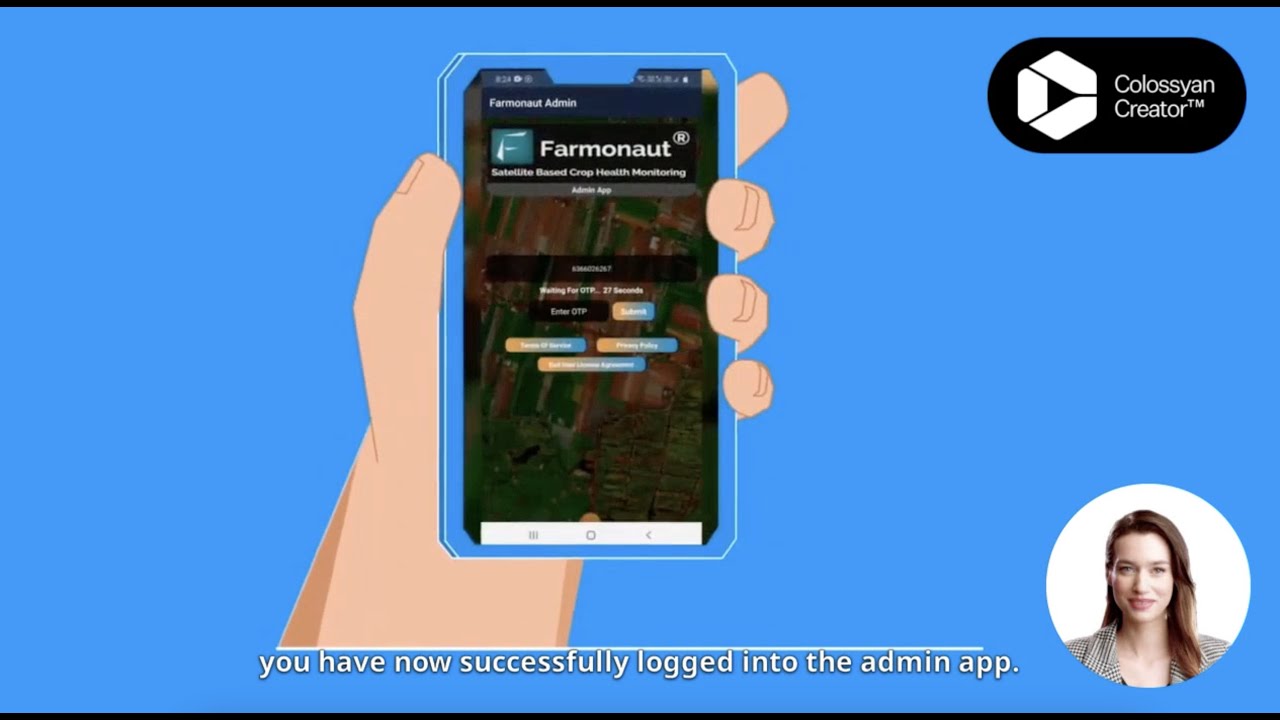
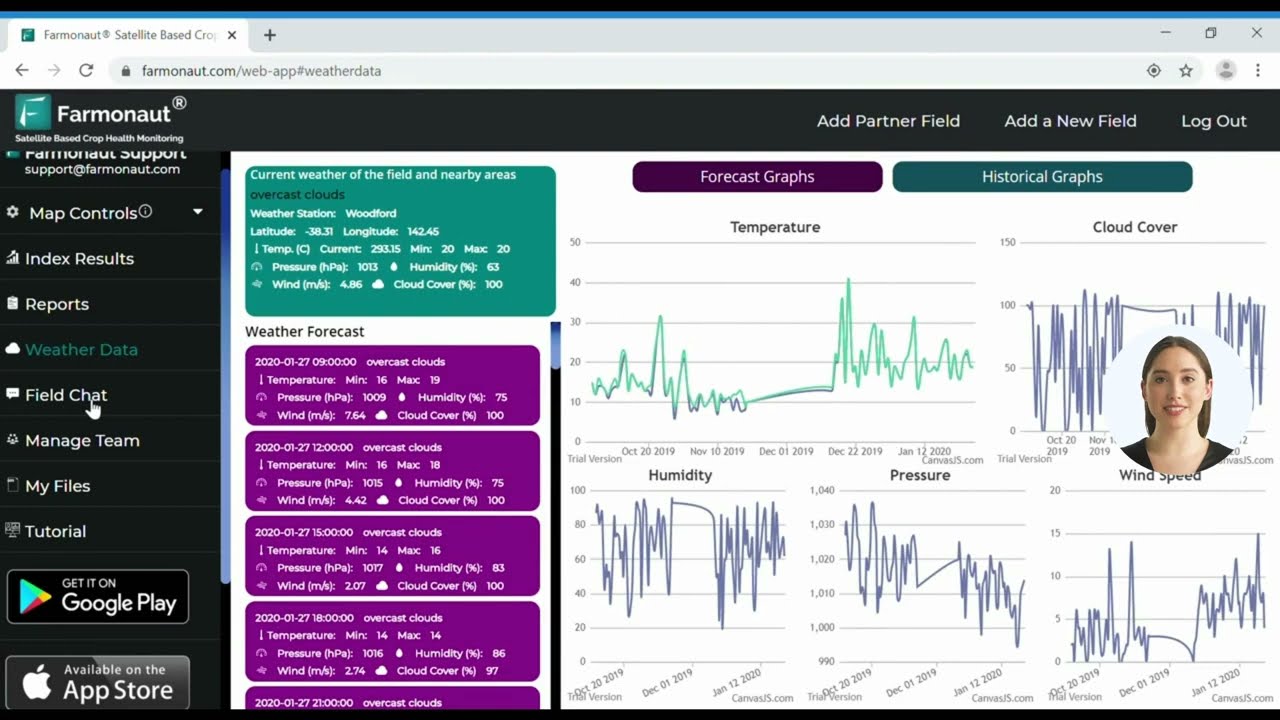
Our Android, iOS, and browser apps make it easy to monitor, schedule, and optimize irrigation—integrating seamlessly with new and existing smart sprinkler systems for enhanced productivity and sustainability.
Get started with our intuitive web app for instant access to satellite-powered irrigation intelligence:



Frequently Asked Questions (FAQ)
What is a sprinkler system and how does it work in farming?
A sprinkler system is an engineered setup designed to distribute water evenly across agricultural fields, typically using pipes, pumps, and spray nozzles to mimic natural rainfall. Modern systems integrate smart controls, sensors, and automation to enable precise application according to soil moisture, crop type, and weather conditions.
How do modern sprinkler systems boost yields?
By delivering the right amount of water at the right time, advanced farm sprinkler systems reduce plant stress, improve nutrient uptake, and support optimal growth cycles. This directly translates into higher crop yields, reduced disease risk, and less resource waste.
What factors impact sprinkler system cost?
Sprinkler system cost depends on the size of the farm, type of system (fixed, pivot, micro-drip), technology features (sensors, automation, remote monitoring), level of software integration, and installation needs. Automation and IoT features often increase upfront cost but deliver faster ROI via water savings and higher productivity.
How are sprinkler systems integrated with smart technology in 2026?
The latest systems connect to the cloud, integrate real-time weather and soil data, and allow remote scheduling and monitoring via mobile and web apps. Many work seamlessly with farm management platforms for holistic decision support and analytics.
Can sprinkler systems help reduce environmental impact?
Yes. Advanced rain sprinkler systems minimize water wastage, reduce runoff and erosion, and support resource management for sustainable agriculture. Pairing with carbon monitoring tools also helps track and reduce the overall ecological footprint.
How do I know which sprinkler system is best for my farm?
Selecting the best sprinkler system hinges on factors like crop type, farm size, budget, topography, and climate conditions. A center pivot or linear system is ideal for row crops and vast areas, while micro-sprinklers or drip systems suit orchards, horticultural crops, or greenhouses.
What role does Farmonaut play in irrigation management?
We at Farmonaut provide satellite-driven analytics, real-time field monitoring, AI advisory, blockchain-based traceability, and resource management tools. Our solutions empower farmers to optimize irrigation schedules, monitor environmental impact, and improve productivity—resulting in data-driven, sustainable outcomes.
Where can I learn more about integrating my sprinkler system with farm management software?
Learn more about large-scale farm management integration and API access on our official website, or download our apps for hands-on exploration.
Conclusion: Future-Proofing Farms with Smart Sprinkler Systems
The best sprinkler system in 2026 is more than a mechanical asset—it represents a leap toward precision agriculture, resource stewardship, and operational resilience. As global climate variability intensifies and water resources become even more precious, upgrading to a smart, tailored farm sprinkler system is a strategic necessity.
Key Takeaways for 2026 and Beyond:
- Optimize for Savings & Yield: Smart systems boost yields by as much as 24% while saving up to 40% on water.
- Integrate for Intelligence: The future belongs to data-driven, sensor-powered, and AI-enabled irrigation systems.
- Pair with Satellite & Environmental Monitoring: Using platforms like Farmonaut, farmers receive actionable insights, compliance support, and predictive guidance for every step of the crop cycle.
- Support Sustainability & Compliance: Stewardship is rewarded—through grants, better market access, and growing consumer demand for responsible farming.
Empower your farm, forestry, or mining operation for 2026 and beyond—choose the right sprinkler solution, make it smart, and let data inform every drop!
Learn more, monitor smarter: Try the Farmonaut satellite monitoring & irrigation support app today, and bring real-time, satellite-powered intelligence to your smart sprinkler system.

 SkyHarvest
 Sarvome
 Polaris Digitech
 Teledarbas
 Wild Oak Farm
 SFX
SFX BACF Africa
 Doodlakine
 Exurbia Geospatial
 FieldZero
 Indico Company
 Kubota
 FFBS
FFBS Jontra
