

“Over 10 brands now specialize in automated celery, carrot, and tree harvesters, boosting global harvesting efficiency by 30%.”
Celery, Case IH, Onion, Tree, Carrot Harvester Brands: Advancements in Harvester Technology Revolutionizing Modern Agriculture in 2025 and Beyond
In the past decade, advanced harvester machines have transformed the agricultural sector, setting new standards for productivity, efficiency, and sustainability. The accelerated pace of innovation continues through 2025 and into 2026, particularly propelled by celery harvester, case ih harvester, onion harvester, tree harvester machine, and carrot harvester brands. These machines, powered by next-generation technology, are tailored to meet the intricate needs of modern farming and forestry worldwide.
This comprehensive post offers an in-depth look into the key players, technological advancements, and the future trajectory of these specialized harvester machines, including smart solutions and satellite-based insights shaping sustainable agriculture for 2026 and beyond.
Precision ag machinery leverages automation, smart sensing, and data analytics—enabling less labor, higher yields, better crop quality, and lower resource waste.
The Rapid Evolution of Harvesters in Modern Agriculture
The agricultural sector now faces growing challenges: rising labor costs, environmental constraints, and mounting global food demands. As such, harvester brands and machine manufacturers are racing to develop advanced, crop-specific harvesting solutions.
Celery, carrot, onion, and tree harvester machine innovations are particularly critical—these crops require delicate handling, precision engineering, and optimized automation, unlike traditional combine harvesters designed mainly for cereal grains. Enhanced efficiency, minimal damage, and sustainable operations are at the heart of these new machines.

Watch to discover the technology driving the vegetable harvesting boom and the growing market powered by smart data!
Industry Trivia
“Case IH and leading innovators invest up to $50 million annually in sustainable agricultural machinery development.”
R&D spending in harvester brands is expected to climb further—those investing in AI-driven, low-emission, and autonomous systems are poised to outperform in the next decade.
Celery Harvester Innovations: Leading Crop-Specific Advancements
Celery harvester machines are vital for commercial farming operations, engineered to ensure the freshest, highest-quality produce by deploying gentle removal processes. Unlike multi-crop combine harvesters, modern celery harvesters use tailor-made cutting knives, conveyor belts, and sensor-driven automation to maintain the stalk-and-leaf integrity of celery plants.
Key Features Driving Celery Harvester Success in 2025 & 2026:
- ✔ Precision cutting and gentle extraction reduce physical damage, maximizing crop value.
- 📊 Advanced lifting mechanisms and adjustable conveyors handle varying celery bed heights.
- ⚠ Real-time sensors monitor soil condition and harvester performance for optimal speed & depth.
- ✔ Minimal bruising retains freshness through advanced cleaning and sorting at harvest point.
- 🌍 Energy-efficient engines or electric drives decrease environmental footprint.

📚 Top Technologies in Celery Harvester Machines
- 🔹 Adjustable Digger Shares: Adapt to variable bed depths and reduce root stress.
- 🔹 Stalk-Safe Knife Systems: Precision blades to prevent splitting or leaf tear.
- 🔹 Smart Conveyors: Automated variable speed aligns with harvest condition, limiting bruising.
- 🔹 Cloud-Based Analytics: Enables remote monitoring/adjustments via integrated telematics.



Pro Tip: Try the Farmonaut crop advisory app for real-time satellite insights on soil condition, NDVI, and harvesting logistics, ensuring you extract maximum quality from every celery field.
Carrot Harvester Technology: Gentle Lifting & Advanced Automation
Carrot harvester machines are designed to address the delicate root structure of carrots, a vital global vegetable crop. As of 2025, most leading carrot harvester brands integrate adjustable digging shares, high-frequency shaker conveyors, and automated soil separation mechanisms—lifting carrots cleanly out of the ground, reducing mechanical bruising, and preserving overall quality for demanding market standards.
🧰 Most Important Carrot Harvester Innovations
- 🔸 Soil Displacement Sensors: Evaluate real-time dirt moisture and texture.
- 🔸 Vibration-Controlled Lifters: Prevent crop snapping and maintain carrot alignment.
- 🔸 Modular Sorting Lines: Enable size grading and removal of damaged roots instantly.
- 🔸 Sustainable Electric Drives: Reduce emissions without sacrificing lifting precision.

Explore how AI and telematics elevate carrot and root vegetable harvesting, setting new standards for 2025.
Underestimating soil condition and moisture can lead to excessive carrot bruising and yield loss. Always utilize sensor-enabled harvesters to adapt speed and depth dynamically.
Onion Harvester Advancements: Minimizing Damage, Maximizing Market Value
Onion harvester machines must handle both the vulnerability to bruising and the necessity for proper curing after harvest.
Major advances as of 2025 include gentle lifting forks, integrated windrowers that lay onions in optimal rows for drying, and real-time sensors that assess soil moisture and bulb condition—adjusting harvesting mechanics for maximal yield quality and minimal root/skin damage.
Industry leaders equip their onion harvester designs with automated dirt removal, sizing capabilities, and remote diagnostics for operational efficiency.
- ✔ Gentle soil loosening for undisturbed onion roots
- ✔ Adjusting depth and speed in real-time via smart sensors
- ✔ Integrated curing rows (windrowers) for uniform drying
- 📊 Yield quality analytics available instantly to optimize post-harvest decisions
- 💡 Sustainable energy drives and low-noise engines for eco-friendly farming
Automated onion harvester systems with machine learning have demonstrated a 15% increase in viable, market-ready bulb yield and up to 23% reduction in post-harvest losses.
Harvester Brand Comparison Table: Celery, Case IH, Onion, Tree, Carrot Harvester Brands
| Brand Name | Harvester Type | Key Technological Features | Estimated Capacity (tons/hour) | Estimated Price Range (USD) | Notable Innovation |
|---|---|---|---|---|---|
| Case IH | Multi-Crop (Celery, Carrot, Onion, Tree) | AI analytics, GPS-guidance, IoT integration, Predictive Maintenance | 25-60 | $450,000 – $850,000 | AI & Cloud Diagnostics |
| ASA-LIFT | Celery / Carrot | Adjustable Digger Shares, Hydraulic Lifters, Auto-Sorting | 15-35 | $230,000 – $480,000 | Customized modularity for root vegetables |
| GRIMME | Carrot / Onion | ISOBUS, Telematics, Precision Sensing, Hybrid Drives | 19-45 | $195,000 – $395,000 | Sustainable hybrid harvesting |
| Oxbo | Celery / Onion | Low-vibration Lifting, Real-time Sorting, Soft-Touch Conveyors | 14-32 | $185,000 – $345,000 | Soft-touch tech for delicate crops |
| PONSSE | Tree Harvester | LiDAR, Neural Steering, Eco-Power Engine, Telemetrics | 32-75 | $580,000 – $1,100,000 | LiDAR-driven harvesting precision |
| John Deere | Tree / Carrot / Onion | Autonomous Navigation, Smart Sensors, Remote Fleet Control | 26-50 | $400,000 – $900,000 | Fleet-based productivity optimization |
| SPM | Onion | Depth Sensing, AI Curing Advice, Modular Channels | 20-38 | $210,000 – $340,000 | AI-guided soil & moisture adjustment |
| Gremo Forestry | Tree Harvester | Hybrid Drivetrain, Real-Time Environmental Data, Ergonomics | 30-55 | $480,000 – $770,000 | Eco-conscious, ergonomic forestry systems |
Tree Harvester Machine: From Precision Forestry to Sustainability
Tree harvester machine innovation is revolutionizing forestry, delivering not just operational efficiency but sustainable resource management. Today’s top machines use LiDAR scanning, neural network steering, GPS navigation, and environmental data analysis to select optimal trees, reduce waste, and preserve forest health.
- 🌲 Hydraulic Arms with Neural Safety Controls: Enable precision felling and debranching without harming proximal trees.
- 📡 GPS-Guided Operations: Reduce navigational overlap (waste) and maximize selective log harvests.
- 🔋 Hybrid/Electric Powertrains: Lower noise and emissions, promoting eco-friendly forestry near urban zones or nature preserves.
- 📊 LiDAR Ecosystem Analysis: Supplies operators with live data on forest density, tree species, and wildlife impact.

Explore how satellite data and operational mapping empower sustainable forestry logistics and advanced tree harvester machine deployment.
Case IH Harvester Leadership: The Edge in Multi-Crop Precision Harvesting
Case IH harvester brands remain pioneers at the forefront of agricultural technology, combining robust engineering with smart automation and data-driven performance. Their 2025–2026 lineup offers modular, multi-crop solutions — from celery, carrot, and onion harvester systems to large-scale tree harvester machines.
Strategic features include:
- ⚡ IoT-Connected Sensors track soil condition, crop health, and machine metrics in real time.
- 🧑💻 AI-Driven Analytics enable predictive maintenance, saving time and reducing operational costs.
- 📱 Remote Operation & Monitoring for entire multi-brand harvester fleets.
- 🌱 Carbon Footprint Reduction: Hybrids and electrics meet global sustainability guidelines.
Learn about carbon footprint monitoring and its agricultural benefits
- 💡 Blockchain Traceability: Farm-to-market digital trails for food/commodity authenticity.
Discover blockchain traceability systems for supply chain transparency
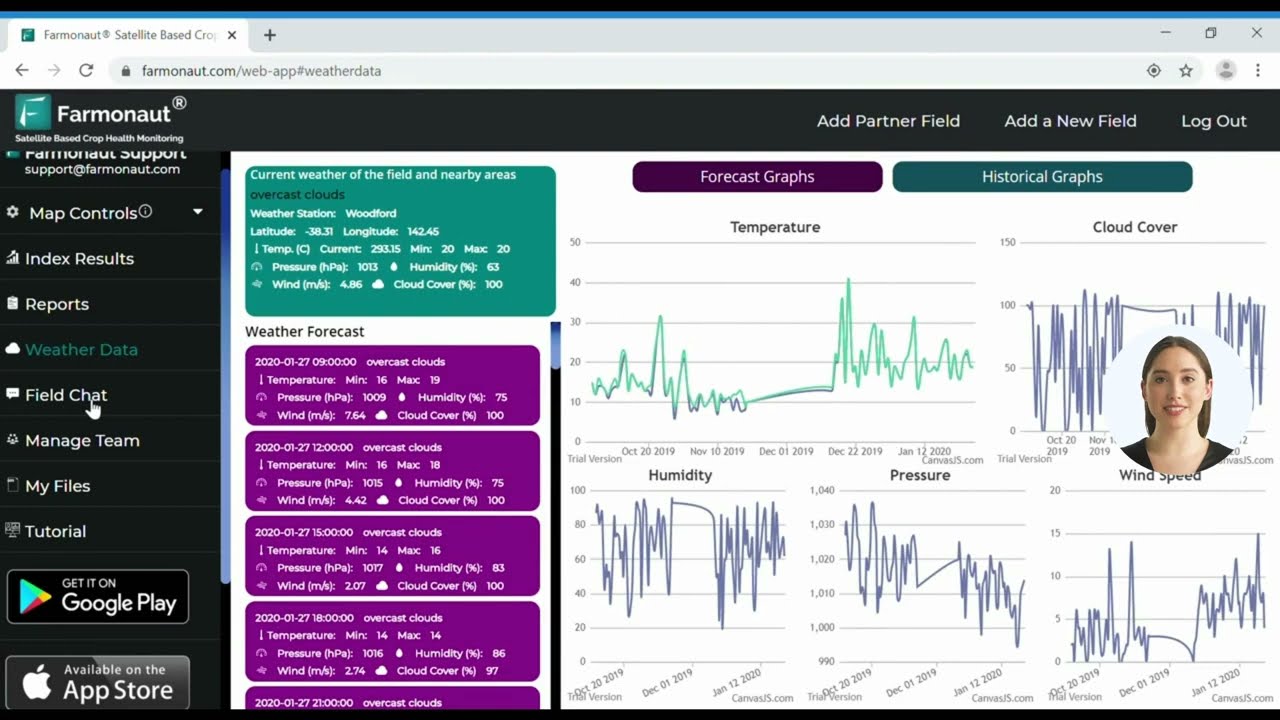
Updated telematics and integrations between precision harvesters and satellite platforms enable fleet management and large-scale farm administration via remote dashboards.
Get details about Farmonaut Fleet Management and Large Scale Farm Management.
The Future: Smart, Sustainable, and Efficient Harvesting (2026+)
The 2026 outlook and beyond spotlights complete automation, environmental monitoring, and digital decision-making. Smart harvesters are evolving into autonomous, data-integrated machines capable of 24/7 operation, minimizing human intervention, and maximizing both efficiency and sustainability.
- ⚡ Automated Guidance: GPS, AI, and LiDAR delivering precision in field operations.
- 🌍 Sustainable Power: Adoption of electric/hybrid engines reducing carbon and noise emissions.
- 📈 Yield Optimization: Smart data uses crop health, soil, and weather info to adjust harvester performance.
- 📦 Supply Chain Traceability: Blockchain tech for instant, tamper-proof trace trails from field to store.
- 🔗 Seamless API Integration: Easily connect harvest data with remote sensing platforms and custom apps.
Access Farmonaut’s API for seamless integration
|
View API Developer Docs

Satellite-driven insights and autonomous harvester fleets combine to create the farming operations of tomorrow—safe, sustainable, and consistently efficient.
Investing in standalone equipment without cross-platform data compatibility can limit scalability. Choose harvesters with robust IoT and API-enabled interfaces for future-ready farming.

Post-2026, integrated farm management—using remote satellite monitoring and precision harvester control—will be essential for all large-scale and specialty crop growers.
Integrating Harvester Machines with Satellite Intelligence: Farmonaut’s Role
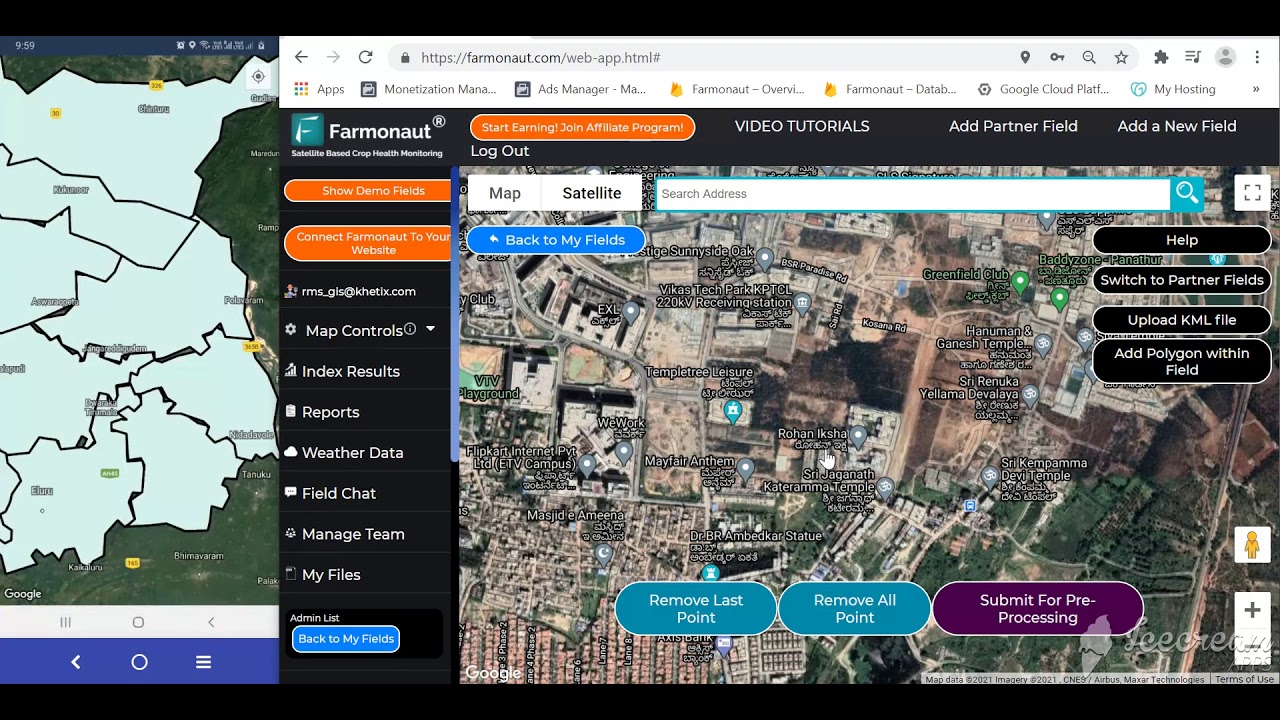
At Farmonaut, we recognize that the future of agricultural efficiency lies at the intersection of robust hardware and real-time, AI-driven data. Our satellite technology systems enable farmers, agronomists, businesses, and governments to:
- 🌱 Monitor crop health and soil condition for celery, onions, carrots, and more using satellite NDVI and AI analytics
- 🌍 Track environmental impact and optimize water and resource use for sustainable production
- 📦 Integrate harvesting data into traceability and carbon accounting for compliance and transparency
- 🛰 Automate large-scale farm and fleet operations using real-time satellite plus harvester insights
- ⚡ Access via web, iOS, Android & API for total operational mobility
Explore our solutions for:
Crop Loan & Insurance Verification
|
Carbon Footprint Monitoring
For agroforestry planning and plantation management, access expert crop plantation & forest advisory services via:
Sat-powered field mapping & recommendations
Farmonaut’s multispectral satellite, AI, and blockchain platform reduces costs, increases traceability, and boosts productivity—unlocking maximum ROI for next-generation harvester deployments.
Why Integrate Harvester Machine Data with Farmonaut?
- 🔗 Remote Monitoring: Visualize growth, harvest readiness, and stress events from anywhere.
- 📉 Reduce waste, optimize logistics by aligning harvester routes with satellite-detected field variability.
- 🌦 Integrate weather/soil/moisture data for better automated machine settings and timing.
- 📜 Audit-ready documentation for compliance, loans, and insurance validations—direct from your farm dashboard.
- 🛠️ Custom API connections: Build your own data workflows as harvester technology advances.
Frequently Asked Questions (FAQ)
What is the main difference between celery harvester, onion harvester, carrot harvester, and tree harvester machines?
Celery, onion, and carrot harvesters are specialized for gentle extraction and real-time crop handling, designed to reduce bruising and preserve freshness for root/stem vegetables. Tree harvester machines are engineered for forestry, integrating powerful hydraulic, AI, and sensor controls for felling, delimbing, and bucking with minimal environmental disruption.
How does technology optimize harvesting for delicate crops?
Advanced sensors, AI-driven automation, and precision conveyors enable timely adjustments to machine speed, depth, and handling—maximizing yield and quality while minimizing labor and waste.
What makes Case IH harvester brands a leader in innovation?
Case IH harvesters excel through multi-crop capability, IoT and cloud analytics, autonomous navigation, and robust hybrid options—delivering future-ready solutions for efficiency, traceability, and sustainability in modern agriculture.
Can I integrate harvester machine data with satellite platforms?
Yes, integration allows you to combine real-time harvester performance, output mapping, and environmental monitoring for smarter, more efficient farm decisions. Access this via Farmonaut’s web, mobile, or API solutions.
What’s the future outlook for specialized harvester brands beyond 2025?
Post-2025, leading harvester brands will further integrate automation, electric/hybrid drives, AI analytics, and sustainable engineering, driving productivity while meeting global regulatory and environmental standards.
Conclusion: Advancements in Harvester Technology Shaping Agriculture’s Future
In 2025 and beyond, the celery harvester, case ih harvester, onion harvester, tree harvester machine, and carrot harvester brands are powering a true revolution in agriculture and forestry. Crop-specific engineering, world-class automation, and sustainability are now non-negotiable for market competitiveness and environmental responsibility.
By leveraging satellite data, AI advisory, and integrated machine analytics, stakeholders at every level—from the field to the boardroom—can achieve higher productivity, better quality, and smarter operations.
As the landscape of food and fibers continues to evolve, those who adopt smart, future-ready harvesting and monitoring systems will lead a new era of sustainable agriculture.
The synergy of satellite monitoring, AI, and harvester machine data is equally disruptive for mining, infrastructure, and land stewardship—providing competitive advantages in compliance, sustainability, and operational excellence.

 Godrej Agrovet
 Hayleys Agriculture
 Linx Agritech
 Adinet
 Save Your Soils
 GalaxEye Space
 Grandstream Algérie
 XOS Realty
 Geospatial Lab Africa
 Agro La Gándara
 HIPSAC
 ZOL Zimbabwe
 Juligerm
 AdBio
AdBio MISE Maroc
 NWNS
NWNS Red August Group
 Farm Inc
 WeMe Global
 Agrotoken
 Blue BearX
 Insignito
 DnCubed
 Indosistim Teknologi
 Liquify Digital
 CU Foods
 BeyondTech Global
 Rouge VC
 AgroRisk
 Oath Inc
 Esri North East Africa
 MDCV UK
 Etech Consulting Madagascar
 Vestlandsforsking
 WB Dev
 Sama Premium
 Tres Valles
 Blickwinkel
 Agricultural Credit Policy Council
 eKGIS
eKGIS Mostas Tech
 Andex
Andex Deluxe Conseil
 WICO
WICO Chimera Innovation
 SkyHarvest
 Teledarbas
 Exurbia Geospatial
 FieldZero
