

Climate Smart Agriculture Definition & 2026 Innovations: Smart Farming, Digital Tools, and the Future of Sustainable Yields
“By 2026, over 70% of new farming technologies will integrate climate-smart agriculture principles for improved sustainability.”
Table of Contents:
- Introduction: The Urgency of Climate-Smart Agriculture
- Climate Smart Agriculture Definition: A 2026 Perspective
- Core Concepts and Smart Agriculture Definition
- Key Components of Climate-Smart, Smart Farming
- Relevance Across Agriculture, Forestry & Mining Sectors
- Practical Strategies for 2025 and Beyond
- How Farmonaut Empowers Climate-Smart Agriculture
- Key Climate-Smart Agriculture Innovations and Estimated Impacts by 2026
- Smart Practices: Tips, Risks, and Key Insights
- Frequently Asked Questions (FAQ)
Introduction: The Urgency of Climate-Smart Agriculture
Climate change is no longer a distant threat—it’s a present challenge that is testing the resilience and productivity of farming systems worldwide. Droughts, floods, heatwaves, and shifting pest patterns are increasing, putting our food security and farmer livelihoods at risk. By 2026, the adoption of climate-smart agriculture (CSA) innovations—integrating advanced digital tools, data analytics, and automation—will be the primary catalyst for building more sustainable, productive, and resilient food systems.
But what is the climate smart agriculture definition, and how does it differ from the broader smart farming and agriculture definition? What innovations and core concepts will shape our approach to sustainable yields and lower greenhouse gas emissions by 2026? In this comprehensive article, we explore these questions, offering readers clarity on definitions, emerging technologies, supply chains, real-world strategies, and the broader context—including the pivotal role of tools like those offered by Farmonaut.
“Digital tools in smart farming can boost crop yields by up to 25% while reducing emissions by 15% by 2025.”
As we approach 2026, precision in agriculture is not just about higher yields. It is about using data-driven, climate-adaptive practices that sustain soil health, cut emissions, and improve resilience against extreme weather—unlocking true value across food, fiber, and forestry sectors.
Climate Smart Agriculture Definition: A 2026 Perspective
Before we can innovate, we must define. The climate smart agriculture definition is more than a buzzword—it’s a holistic, actionable framework for the future of smart farming, and a vital branch of sustainable agriculture definition at large.
Climate-Smart Agriculture (CSA) Definition: Climate-smart agriculture refers to an integrated approach that aims to sustainably increase agricultural productivity and incomes, adapt and build resilience to climate change, and reduce or remove greenhouse gas emissions wherever possible. CSA goes beyond traditional farming by integrating improved crop varieties, innovative soil management, efficient use of water resources, digital tools, and smarter supply chain logistics to create resilient crop, food, and fiber systems.
This approach is increasingly shaped by climate objectives for 2025 and beyond:
- Reducing greenhouse gas (GHG) emissions
- Conserving water and soil resources
- Boosting soil health and carbon storage
- Adapting to extreme climate events and building resilience in food systems
When searching for policies, products, or supply systems aligning with the climate smart agriculture definition, check that they address all three CSA pillars: productivity, resilience, and emission reduction, with measurable outcomes.
Core Concepts and Smart Agriculture Definition
To fully grasp the scope, let’s clarify related terminology as of 2026:
- Smart Agriculture Definition: The application of digital technologies—such as sensor networks, satellite drone imagery, artificial intelligence (AI), robotics, automated machinery, and advanced analytics—to monitor, manage, and optimize farming operations in real-time. This bridges the gap between traditional farming definition agriculture and tomorrow’s sustainable practices.
- What is Smart Farming Definition? Smart farming utilizes digital and automated systems for resource-efficient, responsive, and precise crop, livestock, and agroforestry management, leveraging data for improved productivity, decision-making, and climate resilience.
- Farming Definition Agriculture: The science and art of cultivating soil, growing crops, and raising animals for food, fiber, medicinal plants, and other products used to sustain and enhance human life. Smart farming and climate-smart agriculture bring this traditional definition into the 21st century.
Key Concepts Involved:
- Sustainable productivity and income increase
- Management of soil, water, carbon, and nutrients
- Adaptive capacity to climate change and extreme events
- Reduction or removal of GHG emissions (carbon, nitrous oxide, methane, etc.)
- Integration of improved seed varieties, diversified rotations, agroforestry practices, automated equipment, and data-driven decisions
- Supply chain traceability and landscape-scale resilience
Many confuse smart agriculture with just mechanization. In reality, data, environmental modeling, and real-time monitoring are essential components—simply automating seeding or spraying does not fulfill the climate smart objectives!
Key Components of Climate-Smart, Smart Farming
Let’s break down the technological and ecological innovations underpinning climate smart agriculture systems that are set to shape 2026 and beyond. Each of these elements combines technology, knowledge, and experience to optimize operations, reach sustainability goals, and adapt to ongoing climate challenges.
1. Resource-Efficient Production
- Precision agriculture harnesses soil sensors, satellite imagery, variable-rate technology, and irrigation controllers to apply inputs—such as water, fertilizers, and pesticides—only where needed.
- This targeted approach (precision agriculture) minimizes environmental footprints while maintaining or improving yields.
- It also reduces waste, nutrient leaching, and risks to nearby ecosystems.

2. Climate Resilience: Diversified & Data-Driven
- Diversified cropping systems: Rotating crops, integrating cover crops, and agroforestry build resilience against pests, diseases, and erratic rainfall.
- Stress-tolerant varieties and soil organic matter management further enhance resistance to droughts, floods, and heatwaves.
- Digital decision-support tools: Translate weather forecasts and risk models into actionable farm plans for day-to-day and seasonal decision making.

3. Emission Reductions & Carbon Stewardship
- Practices like improved nutrient management, no-till or reduced-till agriculture, use of cover crops, manured composting, and precise irrigation lower nitrous oxide and methane emissions.
- Farmers increasingly enroll in carbon sequestration programs—getting credit for measures that increase soil carbon or integrate carbon footprint monitoring into their workflow.

- ✔ Key benefit: Enhanced carbon stewardship can open new revenue streams and further stabilize soil and ecosystem health.
- 📊 Data insight: Farmonaut’s environmental impact monitoring tools help track emissions and compliance for 2026.
- ⚠ Risk or limitation: Poorly matched crop/soil practices can inadvertently release stored carbon—precision and monitoring are key.
4. Data-Driven Management and Decision Tools
- Cloud-based platforms, remote sensing, and machine learning enable farmers to rapidly interpret shifts in weather, pest pressure, or soil health, and act in real time.
- Automated equipment and AI analytics streamline field operations, while yield potential mapping and precision logistics optimize harvest and storage strategies.

- 💡 Innovation: AI scouting drones detect weeds and disease outbreaks, allowing targeted response and reducing pesticide use.
- 📲 Efficiency: Platforms like Farmonaut integrate weather, soil, and crop data, delivering actionable insights from anywhere, any time—see our apps here.
5. Integration with Supply Chains & Value Optimization
- Interoperable data systems maximize value, ensuring traceability, real-time monitoring, and resource-efficient logistics across agriculture and non-agricultural supply chains.
- Logistics tools reduce waste and emissions from farm to warehouse, while blockchain-based traceability assures buyers and regulators of quality, origin, and sustainable production.

Visual List: Essential Smart Agriculture Tools
- 🤖 Automated Drones for solid imaging & disease tracking
- 🌡️ Soil & Moisture Sensors for microclimate monitoring
- 💧 Precision Irrigation Controllers for water use optimization
- 🚜 AI-Based Crop Monitoring Platforms for holistic field intelligence
- 🔗 Blockchain Traceability to secure the entire supply chain
The total global market for smart agri-equipment—spanning digital tools, automation, and AI—is projected to surpass $2.3B by 2025. CSA-aligned technologies not only drive higher ROI for growers but open new markets for data solutions, fintech, and verified sustainable products.

Relevance Across Agriculture, Forestry & Mining Sectors
While the primary climate smart agriculture definition is rooted in farming, its context and relevance ripple into other primary sectors—each increasingly leveraging digital and data-driven tools for resilience and sustainability.
Agriculture: The Core Beneficiary
- Get higher yields per drop of water, reduced input costs, and improved crop quality.
- Adapt to extreme weather, maintain soil and water health, conserve biodiversity, and access climate-resilient seed varieties.
- Link directly with digital platforms for large-scale farm management and field-level action.
Forestry & Agroforestry: Integrating Smart Systems
- Smart climate tools enable monitoring of tree growth, pest outbreaks, and microclimate for sustainable timber production.
- Support carbon sequestration and preservation of landscape resilience and value chains.
- Blend production goals with biodiversity protection, especially in regions practicing agroforestry and forest-based agriculture (see Farmonaut’s forest plantation advisory options).
Mining and Extractive Landscapes: CSA Principles for Restoration
- Smart land management and monitoring tools (like fleet management) help minimize ecological disruption on mining sites.
- Post-extraction, CSA-aligned restoration practices can accelerate soil health improvements and re-integrate disturbed lands back into productive use.
- Digital tracking supports compliance for reclamation and restoration incentives, while blockchain traceability enhances oversight for minerals supply chains.

Climate-smart agriculture is not just for traditional farms. Any land-based industry reliant on soil, water, and weather—forestry, mining, agroforestry—can benefit from smart management, real-time monitoring, and science-backed resilience planning.
Practical Strategies for 2025 and Beyond
- 🌱 Invest in Soil Health: Adopt cover crops, reduced-till or no-till systems, organic matter enrichment, and diversified crop rotations to boost soil carbon, resilience, and water retention capacities. These practices support the climate smart agriculture definition of “sustainable intensification.”
- 💧 Precision Water & Nutrient Management: Deploy soil moisture sensors, AI-based irrigation scheduling, and variable-rate fertilizer application to reduce waste and lower leaching risks. Digital platforms maximize input efficiency for every season.
- 📉 Leverage Digital Decision Tools: Weather-informed cropping calendars, pest and disease forecasting models, and analytics-driven yield mapping help optimize inputs, minimize risks, and improve harvest timing—all in line with CSA’s “adaptive management” pillar.
- 🌾 Strengthen Climate-Risk Planning: Develop farm or supply chain risk plans that incorporate extreme weather event scenarios, evaluate climate insurance and loan products (explore Farmonaut’s satellite-based crop loan & insurance options), and build diversified on-farm income streams (agro-tourism, specialty crops, renewable energy, etc.).
- 🔗 Foster Data Governance & Collaboration: Ensure broad data interoperability across different equipment brands, digital tools, and agricultural or non-agricultural supply chains. Engage in regional CSA platforms and cooperatives for shared learning and access to sustainable finance.
Visual List: Top 5 Innovations in 2026 Smart Agriculture
- 🛰️ Multispectral Satellite Crop Monitoring: Delivers daily, field-level crop and soil health insights.
- 🤖 AI Advisory Systems: Personalized, automated recommendations based on real-time data.
- 🔒 Blockchain Traceability: Enhances fraud prevention and transparency across value chains.
- 🚛 Fleet & Resource Management Platforms: Optimize supply logistics, reduce operational costs, and boost landscape-scale resilience.
- 💳 API Access for Data Integration: Seamlessly blend weather, soil, and farm data with in-house or third-party platforms (see our API or developer docs).
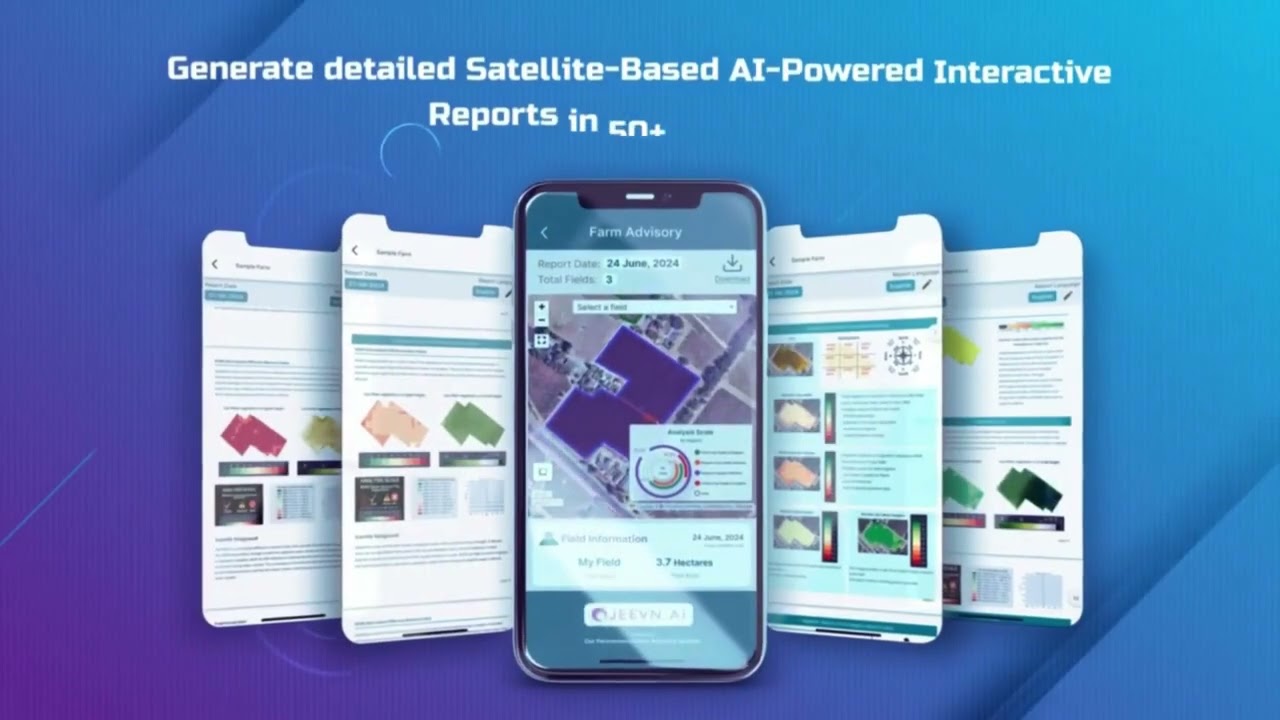
Our advanced satellite monitoring and AI advisory systems are available via web, Android, and iOS. Access is simple:



How Farmonaut Empowers Climate-Smart Agriculture Systems
We at Farmonaut are passionate about democratizing access to climate-smart digital tools and creating a holistic approach to agriculture, forestry, and even mining. Our solutions seamlessly integrate with CSA priorities for 2026:
- • Satellite-Based Monitoring: Real-time, multispectral crop health and soil analysis, supporting adaptive management and improved input efficiency.
- • JEEVN AI Advisory System: AI-powered, scalable recommendations for weather-smart operations, yield maximization, and early event detection.
- • Blockchain Traceability: Assurance for supply chains from origin to consumer—ensuring emissions, resource use, and provenance are transparent and verifiable.
- • Fleet and Resource Management Tools: For efficient logistics, reduced operational costs, and resilience across landscapes—from large-scale agribusiness to rehabilitated mining lands.
- • Environmental Impact Monitoring: Track carbon emissions, input use, and compliance for CSA-aligned operations—an essential benefit as carbon accounting becomes mandatory worldwide.
New to Farmonaut? Try our platform and booster tools, including API-based data integration for in-house systems. For developers, read our API docs.
Key Climate-Smart Agriculture Innovations and Estimated Impacts by 2026
| Innovation/ Tool | Estimated Crop Yield Increase (%) | Estimated Soil Health Improvement (%) | Estimated Emission Reduction (%) | Resilience Enhancement | Year of Widespread Adoption (Estimated) |
|---|---|---|---|---|---|
| Precision Irrigation Systems | 12–25% | 10–15% | 10–20% | High | 2025 |
| Remote Sensing & Satellite Crop Monitoring | 10–22% | 15–22% | 8–16% | Medium-High | 2025 |
| AI-Based Crop Management Advisory | 15–28% | 12–18% | 11–19% | High | 2025–2026 |
| Smart Fertilization (Variable Rate) | 8–16% | 14–20% | 9–18% | Medium | 2026 |
| Blockchain Traceability Systems | 6–11% | 7–13% | 5–8% | Medium | 2025–2026 |
| Fleet & Resource Management Tools | 9–12% | 6–8% | 7–11% | Medium | 2025 |
Smart Practices: Tips, Risks, and Key Insights for 2026
- 🥇 Optimize Resource Use: Less is more—let sensors and data analytics tell you where and when inputs are truly required.
- 🌍 Embrace Diversification: Enhance resilience with diverse cropping systems, cover crops, and integrated agroforestry.
- 📲 Digitize Decisions: From planting to harvest, digital decision-support tools smooth out the climate risk curve.
- 💼 Secure Traceability: Tap into blockchain traceability for premium markets and regulatory compliance.
- 🔄 Plan for the Unexpected: Continuous improvement—model for worst-case events and adapt as climate patterns shift.
- ✔ Benefit: Lower input costs, reduced GHG emissions, and improved market access.
- 📊 Data insight: Real-time remote monitoring improves onsite decision-making and tracks progress toward climate-smart KPIs.
- ⚠ Risk: Inadequate training on digital tools may negate gains or create new vulnerabilities—invest in learning!
- ✅ Best Use: Combine digital monitoring with regenerative practices (no-till, cover crops, etc.) for compounded benefits.
- 🌐 Sustainability: CSA platforms empower landscape-scale tracking and cross-sector data exchange for long-term impact.
Begin with soil health diagnostics (using affordable satellite tools), move to precision input management, embrace diversification (cover crops, rotations), and start digital record-keeping. Explore platform options (see Farmonaut web and mobile apps above) for ongoing advisory support.
Frequently Asked Questions (FAQ)
Climate-smart agriculture in 2026 refers to a holistic approach that aims to sustainably increase agricultural productivity, adapt and build resilience to climate change, and reduce or remove greenhouse gas emissions. It is deeply integrated with digital technologies, data analytics, precision management methods, and automated operations.
Q: How does the smart agriculture definition differ from “traditional” farming?
Smart agriculture applies sensors, AI, digital platforms, and remote management to optimize input use, maximize yield potential, and quickly respond to climate, pest, or supplychain changes—while traditional farming is often reactive, less data-informed, and input-intensive.
Q: Can these systems be used in forestry, agroforestry, or mining?
Yes. Climate-smart, smart farming approaches are directly relevant to forestry (for sustainable timber, carbon, and biodiversity management), agroforestry (blending crops and trees for resilience), and post-extraction land restoration in mining using digital monitoring and CSA guideposts.
Q: What are the top technologies to watch by 2026?
Precision irrigation, satellite and drone crop monitoring, AI advisory platforms, smart fertilization, blockchain traceability, and automated fleet/resource management are expected to have the greatest impact.
Q: How does Farmonaut support climate smart agriculture?
We provide affordable access to satellite-based field monitoring, AI-driven advisory systems, blockchain-enabled traceability, and real-time logistics management for farms, forests, and mining operations alike.
By 2026, the intersection of data, automation, and digital platform access will have redefined the climate smart agriculture definition—from the field level to supply chain and landscape scales. Adopting these innovations is essential not just for higher yields, but for the resilience, sustainability, and profitability needed for the future of food, fiber, and resource industries.

 Godrej Agrovet
 Hayleys Agriculture
 Linx Agritech
 Adinet
 Save Your Soils
 GalaxEye Space
 Grandstream Algérie
 XOS Realty
 Geospatial Lab Africa
 Agro La Gándara
 HIPSAC
 ZOL Zimbabwe
 Juligerm
 AdBio
AdBio MISE Maroc
 NWNS
NWNS Red August Group
 Farm Inc
 WeMe Global
 Agrotoken
 Blue BearX
 Insignito
 DnCubed
 Indosistim Teknologi
 Liquify Digital
 CU Foods
 BeyondTech Global
 Rouge VC
 AgroRisk
 Oath Inc
 Esri North East Africa
 MDCV UK
 Etech Consulting Madagascar
 Vestlandsforsking
 WB Dev
 Sama Premium
 Tres Valles
 Blickwinkel
 Agricultural Credit Policy Council
 eKGIS
eKGIS Mostas Tech
 Andex
Andex Deluxe Conseil
 WICO
WICO Chimera Innovation
 SkyHarvest
 Teledarbas
 Exurbia Geospatial
 FieldZero
