

Crop Steering Coco Guide: Potting Mix Techniques 2025
- Summary: Crop Steering with Coco Coir Potting Mix 2025
- Introduction: Shaping Agriculture with Crop Steering Coco in 2025
- What is Crop Steering? A 2025 Perspective
- The Role of Coco Coir Potting Mix for Crop Steering
- Essential Crop Steering Techniques using Coco Coir Potting Mix
- Coco Coir Potting Mix Composition & Crop Performance Comparison Table
- Technology and Monitoring: Optimizing Crop Steering Coco in 2025
- A Phased Crop Steering Guide for 2025: From Vegetative to Fruiting
- Advantages of Crop Steering with Coco Coir Potting Mix: 2025 and Beyond
- Sustainable Practices, Environmental Impact, and Farmonaut’s Innovation
- FAQ: Crop Steering Coco & Potting Mix in 2025
- Conclusion: The Future of Crop Steering Coco & Sustainable Agriculture
Summary: Crop Steering with Coco Coir Potting Mix 2025
In 2025, agriculture is being revolutionized by crop steering coco techniques that combine the sustainability of coco coir potting mix with smart, data-driven crop steering. This guide comprehensively explores how integrating coco and cutting-edge steering techniques enables farmers and growers to enhance growth, increase yields, and optimize resource use. From understanding root zone management to leveraging precision irrigation and advanced monitoring technology, we cover actionable strategies that make sustainable agriculture possible in diverse environments, such as greenhouses and vertical farms. Our focus: improve crop quality, maximize water and nutrient efficiency, and decrease environmental impact—now, and well into the future.
Key takeaways:
- Why coco coir potting mix is the go-to sustainable medium for crop steering
- How tailored steering techniques deliver healthier, faster-maturing crops
- Which technology tools, such as those offered by Farmonaut, are enabling precision management
- See our comprehensive mix comparison table to align your method with your 2025 yield and sustainability goals
- Unlock the environmental and economic efficiencies of smart agriculture today



Introduction: Shaping Agriculture with Crop Steering Coco in 2025
Agriculture in 2025 continues to navigate new demands—higher food output, climate adaptation, resource efficiency, and sustainability. One of the defining innovative practices of this era is the adoption of crop steering coco methods, integrating coco coir potting mix with advanced steering techniques to optimize plant growth stages, nutrient efficiency, and water management.
This synergy has gained widespread recognition in controlled environment agriculture—including high-tech greenhouses and vertical farming setups—helping farmers break records in yield, quality, and environmental responsibility. Around the globe, as soil quality continues to degrade and water scarcity increases, coco coir emerges as a renewable, consistent, and high-performing medium, transforming the way we manage crops and agricultural practices.
Crop steering coco and coco coir potting mix go hand in hand to deliver:
- Maximized water and nutrient use for better growth and development
- Reduced environmental impact by minimizing fertilizer runoff and water waste
- Adaptation to innovative farming models—both traditional and future-ready
- Customizable techniques for specific crops and growth cycles
Let’s dive into the science, techniques, and real-world application of crop steering coco in 2025, and see how growers can harness the power of coco coir potting mix for sustainable, efficient crop management.

What is Crop Steering? A 2025 Perspective
Crop steering refers to a set of horticultural practices designed to direct the natural growth and development phases of plants by precisely manipulating their environment. The parameters most commonly controlled include:
- Watering schedules and volume (precision irrigation)
- Nutrient concentration and balance (macro and micro-nutrients tuning)
- Root zone conditions (moisture, oxygen, temperature, substrate composition)
- Environmental factors (light, humidity, CO2, and temperature in controlled environments)
By adjusting these parameters at key phases—such as vegetative, flowering, and fruiting—growers can:
- Accelerate or delay crop development for targeted harvests
- Promote higher quality fruit and earlier yields
- Optimize resource use (water, fertilizer, substrates), often through reduced inputs
- Minimize pest and disease risks by improving root and plant health
In 2025, crop steering is more precise and effective than ever, thanks to data-driven tools, AI-powered advisory platforms, and coco coir potting mix media that allow unparalleled control over root zone dynamics. This is particularly transformative for high-value crops—tomatoes, cucumbers, herbs, peppers, berry crops, and leafy greens—in vertical farms and greenhouses, where space and resources are at a premium.

How crop steering works in coco: shots, dryback and P1–P3
Crop steering in coco comes down to three things you control each day: how much water each irrigation adds (the shot), how far the substrate is allowed to dry between shots and overnight (the dryback), and the EC of the feed and runoff.
Growers usually measure shot size as a percentage of substrate volume, and dryback as the fall in volumetric water content (VWC) read by a substrate sensor. The day is split into three periods:
- P1: the ramp-up after lights on, with small shots that bring the substrate back to its target water content.
- P2: the steering window from first runoff to late afternoon, where shot size and frequency hold water content and runoff EC steady.
- P3: the last irrigation to lights on, when the overnight dryback happens.
As the Hydrobuilder learning centre puts it, smaller, steadier drybacks bias growth toward leaves and shoots, and larger drybacks bias it toward flowers and fruit. Cornell researchers writing in Greenhouse Grower list the generative levers for tomatoes: a longer dry-back between waterings, higher drip EC, a higher 24-hour average temperature and a bigger day-night temperature gap.
Coco differs from rockwool in one important way. It holds calcium, magnesium and potassium on its exchange sites, so root-zone EC responds more slowly to recipe changes. Buffer and rinse coco before use, change one lever at a time, and judge the result on several days of sensor trends rather than one reading.
The Role of Coco Coir Potting Mix for Crop Steering
Coco coir potting mix stands out as the preferred medium for crop steering in 2025 across commercial farming, urban agriculture, and vertical farms. Here’s why:
Key Properties of Coco Coir in Crop Steering Applications
-
Water Retention and Aeration:
- Coco coir possesses excellent water retention, while maintaining air pockets for root zone aeration—crucial for healthy, oxygenated roots and minimizing waterlogging.
- This encourages robust nutrient uptake and vigorous growth throughout vegetative and flowering stages.
-
pH Stability and Nutrient Exchange Capacity (CEC):
- Coco coir is usually slightly acidic to near neutral, a range that suits most crops—ensuring nutrient formulas remain available and absorbable.
- High cation exchange capacity (CEC) enables precise modulation of nutrient delivery throughout crop phases.
-
Sustainability and Environmental Impact:
- Coco, derived from the fibrous husk of coconuts, is a renewable resource, unlike peat moss, which is finite and environmentally costly to harvest.
- This aligns with the growing movement toward eco-friendly agriculture globally.
-
Consistent Media for Controlled Environments:
- Coco coir’s physical and chemical properties are highly consistent and uniform, enabling data-driven, repeatable results—essential for modern controlled environment farming.
Using coco coir potting mix in conjunction with smart steering techniques, growers can fine-tune irrigation, nutrients, and substrate moisture to maximize yield, flavor, shelf life, and resource efficiency.
Essential Crop Steering Techniques using Coco Coir Potting Mix
With the advent of crop steering coco practices in 2025, growers now have an effective toolkit for customizing crop cycles with environmental responsibility. Below, we highlight the most effective techniques:
1. Tailored Coco Coir Potting Mix Selection
-
Choose the right coco coir composition and particle size (coarse to fine, fiber content, dust vs. chips) to match your crop’s requirements.
- Example: Fruiting crops like tomatoes may benefit from a coarser mix for enhanced oxygenation, while leafy greens prefer finer blends for moisture retention.
- Buffer and amend coco coir for proper calcium/magnesium saturation, preventing nutrient lockout and sodium build-up.
2. Smart Water and Nutrient Management
-
Calibrate irrigation events based on crop stage:
- Vegetative stage: Frequent, smaller doses (“little and often”) with diluted nutrients support quick, lush growth.
- Generative stage (Flower/Fruit Set): Fewer, deeper irrigations with slightly higher EC and targeted nutrient boosts (K and P for flowering, Ca and Mg for fruit fill) drive higher output and quality.
- Use innovative fertigation systems—built-in with many modern greenhouses—to deliver precise nutrient blends and water scheduling tailored to each phase.
3. Substrate and Environmental Monitoring
-
Employ substrate sensors to real-time track:
- Moisture content in the coco coir
- Electrical conductivity (EC) for nutrient concentration
- Temperature
- pH stability
- Use AI-driven platforms (like those offered by Farmonaut) for remote monitoring and adaptive management, freeing up labor and reducing guesswork.
4. Phased Crop Steering Guide Example (Tomatoes)
- Vegetative Phase: High moisture in coco coir, low EC, nitrogen-rich nutritional formulas, and longer light exposure.
- Transition to Generative: Gradual drying of substrate (lower irrigation frequency), moderate EC increase, potassium spike, reduced N.
- Fruit Set & Maturation: Maintain moderate moisture, higher EC, maximize potassium and calcium, monitor for nutrient deficiencies via AI alerts.
5. Consistent Formulas and Data Analysis
- Test and calibrate different nutrient and irrigation formulas to see what produces optimal yields for your specific environment and crop.
- Use digital records to monitor cycles and adjust practices over time.

Coco Coir Potting Mix Composition & Crop Performance Comparison Table
Below is a comprehensive comparison of coco coir potting mix techniques and how they impact critical crop steering parameters in 2025.

Technology and Monitoring: Optimizing Crop Steering Coco in 2025
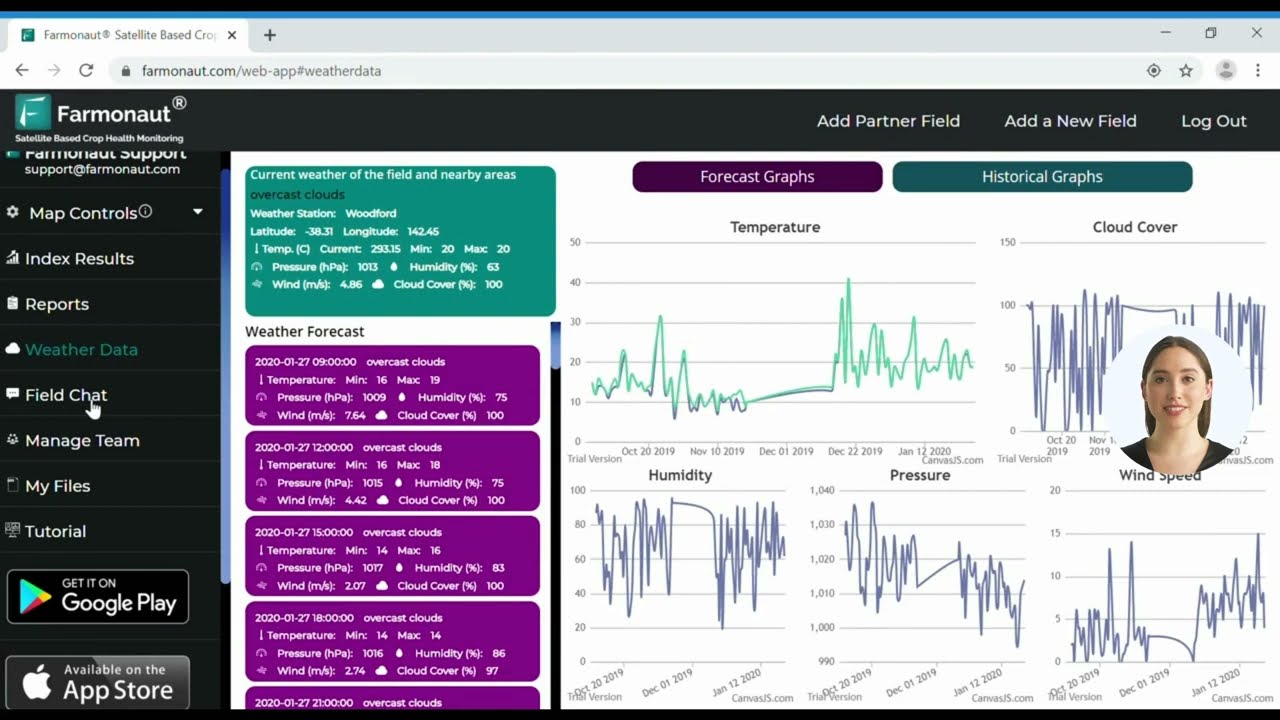
The key differentiator for successful crop steering coco workflows in 2025 is the integration of advanced monitoring technology and AI-based management platforms. New-generation small, wireless sensors and remote sensing platforms have changed how farmers interact with their crops:
Smart Substrate & Environmental Sensors
-
Modern coco-based operations outfit root zones with sensors that relay:
- Real-time moisture data
- EC and pH levels (vital for guiding fertigation formulas)
- Temperature of substrate and ambient air
- Drainage rates
- These metrics are essential for data-driven, phase-specific steering—alerting growers to deviations and enabling precise corrective actions.
Remote Monitoring & AI-Powered Insights
- Platforms now connect all sensor and satellite data into holistic dashboards, enabling remote management via any device.
-
Satellite-based solutions like Farmonaut can empower farmers to:
- Track field- or greenhouse-level moisture, temperature, and crop health patterns
- Spot anomalies or pest impacts before they become critical
- Get tailored, AI-driven recommendations for irrigation, nutrient scheduling, and substrate adjustment
- Farmonaut’s suite includes real-time monitoring, AI-based satellite advisory, and blockchain traceability—all of which support precision and transparency in crop steering coco strategies.
? Explore detailed API developer documentation here: Farmonaut API Developer Docs.
For those managing large scale farm operations—from greenhouses to open field steering—explore the Farmonaut Large Scale Farm Management platform, which consolidates sensor streams, remote imagery, and advisory insights for phase-specific crop strategy.
Further, Farmonaut’s Carbon Footprinting product tracks and verifies environmental impacts of your coco-based steering system—crucial for sustainability certs, grant eligibility, and consumer trust.

A Phased Crop Steering Guide for 2025: From Vegetative to Fruiting
An effective crop steering guide for coco-driven systems involves defining and managing each crop phase with precision. See how these steps play out:
1. Vegetative Stage
- Objective: Build plant structure, maximize leaf growth, develop strong roots.
- Coco coir strategy: Keep substrate moisture high, use slightly diluted nutrient solutions (low EC), with a focus on nitrogen and calcium.
- Irrigation/fertigation: Frequent, small applications.
2. Transition (“Steering”) Stage
- Objective: Trigger flowering; transition plant energy from leaf to bloom or fruit production.
- Coco coir strategy: Gradually decrease substrate moisture, increase EC (nutrient strength), shift to higher potassium and phosphorus blends.
- Irrigation/fertigation: Less frequent, larger applications; monitor for signs of plant stress (wilting/leaf curl), and adapt in real-time.

3. Flowering & Fruiting Stage
- Objective: Fill fruit/buds to maximum potential, ensure quality and flavor, strengthen shelf life.
- Coco coir strategy: Deliver potassium/calcium rich formulas (with balanced magnesium), stabilize EC, moderate substrate moisture for optimal uptake.
- Irrigation/fertigation: Maintain regular cycles; watch for run-off EC to prevent salt build-up in the coco coir medium.
4. Ripening & Harvest
- Objective: Maximize final fruit quality and prepare for post-harvest cycles or next crop rotation.
- Coco coir strategy: Gradual reduction of moisture/fertigations, lower N, maintain stable K:Ca:Mg ratios.
- For long-cycle crops, flush coco substrate to prevent salt accumulation before replanting.
For each phase, the precision and adaptability of coco coir potting mix—paired with regular sensor monitoring—delivers repeatable, high-quality results regardless of your farm’s scale or region.
Advantages of Crop Steering with Coco Coir Potting Mix: 2025 and Beyond
Enhanced Yield & Crop Quality
- Steering can support more uniform crops and better use of each square metre when irrigation and climate are well controlled.
- Enhanced flavor, nutrition, and extended post-harvest life often noted when using pure or blended coco coir mixes for steering.
Resource Efficiency and Environmental Responsibility
- Lower water waste when irrigation is matched to plant demand and runoff is monitored
- Targeted nutrient delivery slashes fertilizer costs and downstream runoff, minimizing greenhouse gas emissions from overfertilization.
- Coco coir is renewable, biodegradable, and leaves a fraction of the carbon footprint of peat moss or disposable plastic substrates.
Adaptability & System Flexibility
- From bench greenhouses to vertical farming towers, coco-based mixes conform to any platform, enabling urban, peri-urban, and even climate-resilient farming in stressed regions.
Reduced Dependency on Soil
- With widespread soil degradation and salinization, a clean coco coir substrate avoids many soil-borne diseases and pests, though root diseases can still occur.
- Year-round cropping is possible—with no soil health fatigue—at scale.

Sustainable Practices, Environmental Impact, and Farmonaut’s Innovation
Sustainable agriculture in 2025 is not just about growing more—it’s about growing better: with less waste, and more responsibility.
Coco coir potting mix is the foundation of the most resilient and adaptive systems, while technology solutions like Farmonaut’s elevate these systems through real-time environmental monitoring, carbon tracking, and AI-powered decision support:
- Farmonaut’s Carbon Footprinting tool quantifies your operation’s emissions in real-time—enabling you to adjust irrigation, nutrient blends, substrate changes, and other parameters to reduce environmental impact.
- Farmonaut’s Blockchain Traceability guarantees transparency for supply chains—consumers, retailers, and regulatory bodies can trust the provenance and sustainability of your crops. Learn more about Product Traceability.
- Resource optimization capabilities within Farmonaut’s platform reduce water use, maximize nutrient delivery efficiency across all crop cycles, and help align operations with the most demanding sustainability certifications in 2025.
For advanced users, Farmonaut Fleet Management boosts resource efficiency: manage agricultural machinery and transport logistics to maximize movement and input application—all connected to satellite monitoring and AI analytics.
FAQ: Crop Steering Coco & Potting Mix in 2025
Conclusion: The Future of Crop Steering Coco & Sustainable Agriculture
As the agriculture sector continues to evolve in response to both environmental and commercial demands, the integration of crop steering coco and coco coir potting mix techniques stands out as a pivotal innovation. These approaches allow growers to precisely manage plant development, optimize water and nutrient use, and ensure sustainability—while maintaining profitability and high crop quality.
Looking ahead, technology platforms like Farmonaut offer a powerful toolset for real-time monitoring, AI-based steering, and transparent supply chain management—enabling operations of every size to adapt and thrive.
The agricultural future is about synergy: between smart substrates, data-driven management, and sustainable practices. Adopting a crop steering guide with coco coir potting mix is not just a trend for 2025—it’s the foundation for feeding a growing planet with efficiency, consistency, and care for our shared resources.
Let’s steer crops, and agriculture itself, wisely—rooted in innovation, science, and sustainability.

 FarmSetu
 Progenseed
 SkyHarvest
 Polaris Digitech
 Teledarbas
 Wild Oak Farm
 SFX
SFX BACF Africa
 Doodlakine
 Exurbia Geospatial
 FieldZero
 Indico Company
 Kubota
 FFBS
FFBS
