

Data-Driven Yield, Mango, Organic Farming & Marketing Strategies for 2025
“In 2025, data-driven strategies are projected to boost organic mango yields by up to 18% compared to traditional methods.”
Table of Contents
- Introduction: Redefining Productivity in Agriculture & Mango Farming (2025–2026)
- Data-Driven Farming Strategies: The Core of Modern Agriculture
- Yield Farming Strategies in Agrarian Contexts
- Mango Farming Strategies for 2025
- Organic Farming Strategies and Methods
- Marketing Strategies & Deforestation Considerations
- Comparative Data Table: Mango Yield & Organic Farming Strategies
- Farmonaut: Leveraging Data & Technology in Agriculture
- Implementation Considerations for 2025 and Beyond
- Key Insights, Callouts & Visual Lists
- Frequently Asked Questions (FAQ)
- Conclusion
Introduction: Redefining Productivity in Agriculture & Mango Farming (2025–2026)
The way we approach agriculture and mango farming is transforming at an unprecedented pace. Heading into 2025 and beyond, data-driven farming strategies are reshaping how we manage our soil, optimize irrigation, and plan for market demand. These strategies are no longer just for large industrial growers. Smallholders, organic producers, and agroforestry practitioners are embracing new tools—sensor networks, AI-powered advisory systems, and real-time dashboards—reinventing the future of yield and sustainability across varied landscapes.
At the core of these innovations lies actionable data: precise, local information about soil health, moisture, canopy vigor, market prices, and climate forecasts. For mango growers, organic producers, and anyone managing crops on mining-impacted or deforestation-prone terrain, this data unlocks smarter decisions—reducing wasted inputs, minimizing environmental footprint, and maximizing returns even as weather grows more variable.
Smart use of local, actionable data is what sets apart high-performing, resilient farms—especially for organic mango farming in competitive, sustainability-driven markets of 2025.
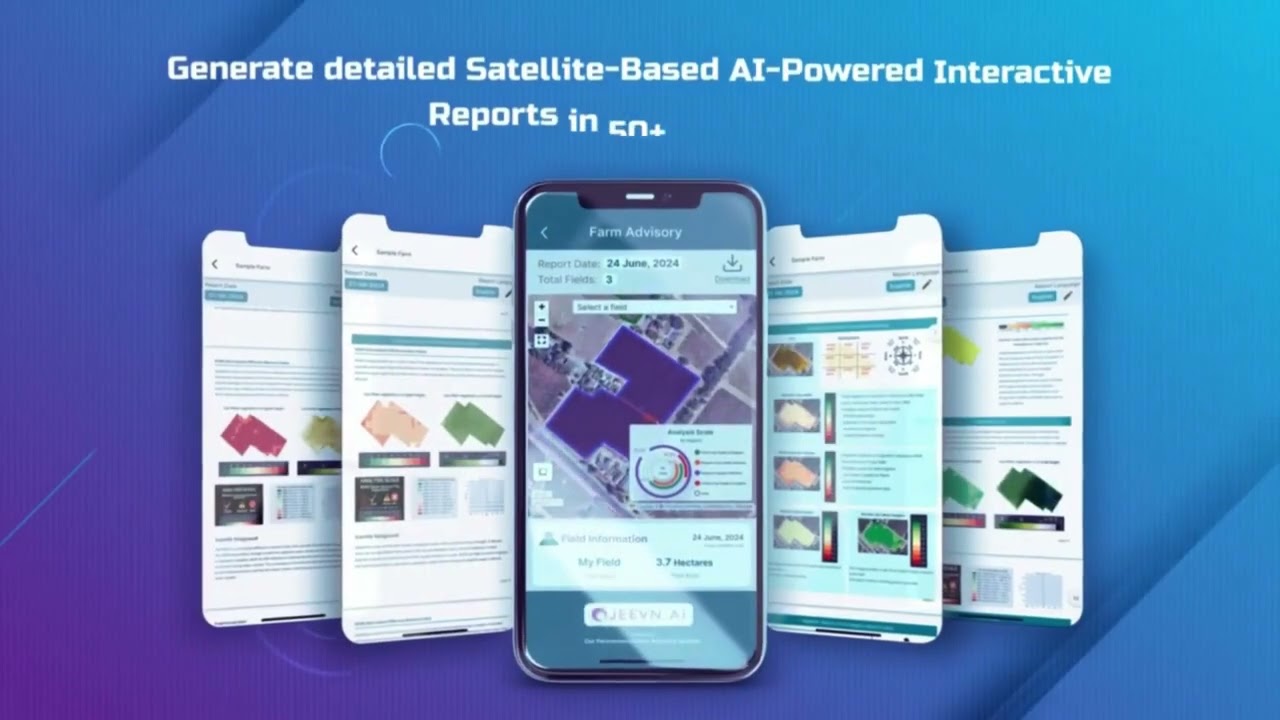
Data-Driven Farming Strategies: The Core of Modern Agriculture
Adopting data-driven farming strategies means leveraging information from multiple sources to inform every aspect of management—from soil moisture sensing to predictive yield analytics and market-responsive planning. Let’s explore the technologies supercharging agronomy into 2026.
Sensor Networks & IoT: Real-Time Monitoring Across Fields
Sensor networks and IoT solutions deliver continuous insights. Soil moisture sensors, temperature monitors, and crop canopy sensors feed real-time dashboards—enabling growers to tailor irrigation and fertigation schedules with unmatched precision. This isn’t just for cereals or vegetables: efficient water use and nutrient management are essential for mango farming strategies, where over- or under-watering can trigger stress, disease, or fruit drop.
- ✔ Precise Irrigation Plans with live data on soil moisture zones
- 📊 Data Insight: Fields mapped to identify drought-prone locations
- ⚠ Risk: Sensor calibration and network maintenance are critical for reliable decisions
Remote Sensing, Satellite Imagery & Drone Data
Remote sensing—using satellite imagery and drone-collected data—now covers everything from canopy vigor (NDVI), disease stress, to pest pressure at massive scale. AI-driven models sift this ocean of information, flagging anomalies before they become crop-wide problems.
- ✔ AI detects yield-limiting stress ahead of visual symptoms
- 📊 Satellite Imagery identifies microclimate effects and soil variability

Decision-Support Tools & Actionable Dashboards
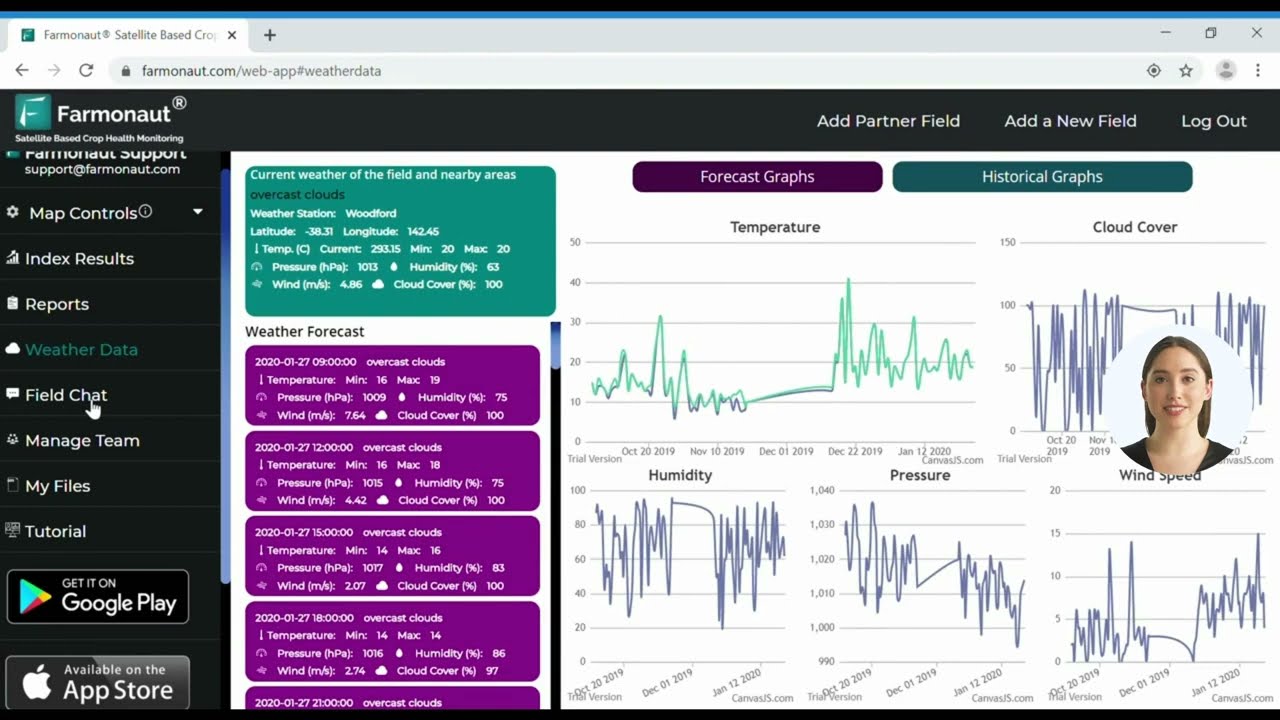
Integrated dashboards combine weather forecasts, satellite trends, soil analytics, and even market price forecasts. Instead of operating blindly, farmers and agronomists can generate recommended action plans—from soil nutrient management and planting density, to pest response and harvest scheduling.
See how platforms like Farmonaut ( ) deliver these insights to agribusiness, enabling granular management across thousands of hectares.
For developers and agritech engineers, integrating these insights into existing digital agriculture solutions is seamless via Farmonaut API. Access real-time, geo-specific data on crops, soil, weather and more.
View API developer docs
Automated dashbords that integrate market price, input costs, and satellite weather forecasts empower users to time harvest windows for peak pricing and lower risk.

Yield Farming Strategies in Agrarian Contexts for 2025
Increasing yield and boosting field productivity require both high-resolution data-driven methods and a systems thinking approach. Modern yield farming strategies involve targeting inputs where they matter, minimizing excess, and building resilience into the system. Let’s break down the pillars transforming output across contexts.
Site-Specific Management & Variable Rate Technology
- ✔ Variable rate systems deliver fertilizer and water only where needed, improving field-wide resource use efficiency.
- 📊 Data Insight: Precision targeting improves return on inputs by up to 15%.
By analyzing soil moisture, canopy vigor, and nutrient levels as detected via satellite and in-field sensors, farmers can move away from blanket treatment—avoiding excess and saving cost.
Integrated Pest & Disease Management (IPDM)
Yield losses are most significant when pest or disease outbreaks go undetected. Integrated pest management relies on early detection via imagery, pheromone traps, and AI-powered alerts—then actuates biological controls and targeted interventions. This reduces the need for chemical inputs and supports beneficial insect populations for long-term sustainability.
- ✔ Biological controls like predatory insects or nematodes deployed as needed
- ⚠ Avoiding chemical overuse preserves ecosystem services
Crop Rotation, Diversification & Soil Health
- Rotation with legumes/cover crops
- Improves soil structure & organic matter
- Supports yield stability in dry years
- Reduces disease carryover between crops
Management practices like mulching and including cover crops in rotation elevate the soil’s ability to retain moisture, withstand drought, and encourage beneficial microbial populations—a trifecta essential for organic and high-yield production going forward.

Neglecting field-scale data and overapplying fertilizer can lead to nutrient leaching and regulatory penalties. Customizing input rates is crucial.
Mango Farming Strategies for 2025
Mango farming is undergoing a revolution—data-driven farming strategies are enabling growers to navigate increasing market pressure, climate variability, and consumer demand for organic and sustainable production. Here’s how practitioners are upgrading mango farming strategies for maximum yield and market value.
Pedo-Climatic Adaptation & Smarter Crop Planning
- Choose mango varieties based on precise microclimatic data and soil mapping
- Tailor irrigation to crop phenology to avoid stress-induced drop
- Map disease-prone, drought-prone orchard zones for targeted interventions
Using remote sensing and local weather analytics, producers can match fruit types and rootstocks to local sites—optimizing yield windows and reducing input cost. AI models predict time to flowering, fruit set, and optimal harvest.
“Over 60% of sustainable farms plan to integrate advanced market analytics for mango crop marketing by 2025.”
Orchard Sanitation, Canopy Management and Mulching
- ✔ Regular pruning increases airflow and reduces fungal risk
- ✔ Mulching conserves soil moisture and suppresses weeds
- ✔ Monitoring fruit drop and microclimates responds to early stress
Effective canopy management is vital for premium fruit development while limiting disease outbreaks. Mulching—especially organic matter mulch—also improves soil structure, reduces water loss, and supports mycorrhizal fungi.

Post-Harvest Handling & Market-Linked Production
- ✔ Cold chain integrity extends market reach and shelf life
- ✔ Sorting and grading by size/sugar content increase price potential
- ✔ Market data: Harvest scheduling can align with export or premium windows
Platforms that analyze consumer demand and market price trends help growers make informed decisions on harvest timing and varietal mix. Traceability features can further emphasize product authenticity for buyers and export partners—commanding a premium price.


Farms leveraging data-driven strategies and integrating real-time market analytics can access premium buyers, export markets, and sustainability-linked finance, de-risking investments.
Organic Farming Strategies and Methods
As consumers demand transparency and healthy produce, organic farming strategies and methods are gaining traction. In 2025, organic certification is not enough; market leaders must also minimize inputs, maximize soil health, and prove sustainability using reliable data.
Soil Health: The Backbone of Organic Yield
- ✔ Compost, green manures, and microbial inoculants maintain fertility without synthetic fertilizers
- 📊 Monitor organic matter and soil carbon using satellite analytics and field testing
- ⚠ Risk: Poor nutrient management leads to hidden yield gaps
Soil health diagnostics—including remote NDVI, field-based microbial mapping, and carbon scoring—guide organic producers to targeted amendments that sustain long-term productivity, reduce drought risk, and improve market value.

For advanced tracking of farm and orchard carbon footprints for regulatory and finance purposes, see Farmonaut’s carbon footprinting product.
Biological Controls, Certification & Traceability
- ✔ Encourage beneficial insects and release predators/parasites to control pests
- ✔ Pheromone traps and trap cropping as chemical-free practices
- ✔ Certification relies on digital traceability and strict record-keeping (certification traceability solutions)
Blockchain-powered traceability, such as systems provided by Farmonaut, help document farm inputs, allow buyers to verify standards, and reassure end customers of authentic, ethical sourcing.
Farms with verified organic inputs and digitized traceability fetch average premium price gains of 12–20% in 2025’s niche markets.
Resource Stewardship & Ecosystem Resilience
- Monitor water usage with IoT and satellite data
- Adopt drip irrigation and rainwater harvesting for drought resilience
- Buffer crops and manage land to encourage biodiversity and reduce pest outbreaks
Marketing Strategies & Deforestation Considerations for 2025
In 2025, marketing strategies and deforestation are tightly connected. Buyers demand not just high-quality fruit but also proof of sustainability, legal land use, and ethical production. Let’s discuss key points:
Value Chain Transparency: Traceability from Farm to Fork
- Blockchain-tracked supply chains elevate trust among premium buyers
- Digital passports/documents verify organic standards and sustainability claims
- See Farmonaut Traceability for tools supporting compliance and transparency
Niche and Premium Positioning
- ✔ Emphasize: Mangoes that are organic, shade-grown, or uniquely regional
- ✔ Target niche or export markets with differentiated products
- ✔ Track market price windows dynamically to capture value

Deforestation Risk Management with GIS
- ✔ Use GIS to map land use, verify sourcing complies with no-deforestation policies
- ✔ Monitor satellite data for land cover change and illegal clearing
- ✔ Required for compliance in export and finance
Farmonaut’s fleet and resource management tools also support tracking movement of produce and machinery, optimizing logistics, and further promoting transparency in the value chain.
Geospatial and mining stakeholders need to document environmental stewardship and carbon impact. Farmonaut’s carbon footprint tools help maintain compliance and attract responsible funding.
Market Intelligence: Forecasts & Dynamic Planning
- ✔ Real-time price signals inform planting and harvest
- ✔ Competitor analysis aids contract negotiations and long-term planning
- ✔ Market intelligence tools help spread risk across products and regions
Users with large, complex operations—such as agro-forestry managers, collective organizers, or those handling batch exports—benefit significantly from Farmonaut’s large scale farm management dashboard, designed to help optimize every aspect from input allocation to labor and logistics.
Comparative Data Table – Mango Yield & Organic Farming Strategies
Let’s visualize the difference data-driven organic practices can make in mango cultivation, compared to traditional and mainstream organic approaches. This data underscores why market leaders are adopting new technologies and marketing strategies in 2025.
| Farming Approach | Estimated Avg Yield (tons/ha) |
Water Usage (liters/ha/year) |
Input Costs (USD/ha) |
Sustainability Score (index 0-10) |
Market Price Potential (USD/ton) |
|---|---|---|---|---|---|
| Traditional Conventional | 10.0–13.0 | 18,000–23,000 | 1,250–1,650 | 3.0 | 580–720 |
| Traditional Organic | 9.0–12.0 | 16,500–20,000 | 1,410–1,800 | 6.0 | 870–1,140 |
| Data-Driven Conventional | 12.5–15.5 | 13,000–16,000 | 1,050–1,325 | 5.5 | 640–780 |
| Data-Driven Organic | 11.5–14.2 | 11,500–13,200 | 1,220–1,475 | 9.2 | 1,220–1,540 |
*All values are estimated averages for 2025, assuming comparable regional conditions.
Farmonaut: Leveraging Satellite Data & Smart Tools for Transformation
At Farmonaut, we are dedicated to democratizing access to satellite and AI-driven insights for agriculture, forestry, and mining-impacted landscapes. Our mission is to make data-driven farming strategies and real-time environmental monitoring available to farmers, businesses, and governments worldwide—enabling everyone to:
- 🌍 Monitor crops or mining sites remotely via our Android, iOS, and web app.
- 🤖 Access AI-based advisory systems for tailored, actionable decisions.
- 🔗 Implement blockchain traceability for transparent supply chains.
- 🌳 Track environmental impacts (carbon, water, biodiversity, deforestation) with satellites.
- 🚜 Manage fleets and resources across large operations for cost savings.
Our Jeevn AI Advisory System analyzes satellite and weather data for region-specific, real-time recommendations—empowering better planning, timely action, and improved resilience against climate variability.
Whether you’re a grower, agronomist, business, co-op, financial institution, or government user, our platform streamlines everything from soil health monitoring to large scale supply chain traceability and risk management. For satellite-based loan and insurance verification, check out our crop loan and insurance product.
Interested in monitoring your agricultural land, tracking farm status, or running compliance audits all in one system? Explore our crop plantation & forest advisory tools.
Want to get started? Farmonaut offers cost-effective subscriptions, so you pay for only as much monitoring as you need. See our latest pricing below:
Implementation Considerations for 2025 and Beyond
Technology is a powerful enabler, but effective implementation calls for a holistic approach—integrating platforms, people, knowledge, and risk management. Here’s what to plan for as you upgrade to data-driven farming strategies in 2025:
- Data Integration: Invest in interoperable systems to unite weather, soil, yield, and market data, ensuring high-quality insights and preserving data privacy.
- Capacity Building: Train farm managers and field staff in sensor technologies, basic data analytics, and the use of decision-support dashboards.
- Collaboration: Coordinate with trusted extension services, research bodies, and industry buyers to co-develop best management practices tailored to your soil, crop, or forest context.
- Risk Management: Use scenario planning and crop insurance to buffer against drought, market shocks, or supply chain risks. Satellite-based insurance verification reduces fraud and delivers faster payouts.
- Diversification: Spread exposure by rotating crops, integrating cover crops or agroforestry, and targeting multiple end markets.
Optimize for sustainability and regulatory compliance by tracking your carbon, water, and biodiversity impact as part of these upgrades.
Farms using integrated data platforms for scenario planning cut capital losses in climate-related shocks by up to 30%.
Key Insights, Callouts & Visual Lists
- 🌱 Boosted Yield: Precision input use, targeted interventions
- 💧 Reduced Water Use: IoT-enabled irrigation monitoring
- 🛡 Improved Risk Management: Advanced scenario and drought planning
- 🏷 Premium Market Access: Verified traceability, organic certification
- 🌳 Environmental Resilience: Healthier soil and minimized chemical reliance
- ✅ Precise soil and crop monitoring
- 📈 Data-informed planting and harvest scheduling
- 🔒 Blockchain traceability for certification
- 🔬 Early pest and disease detection via sensors
- 🌦 Weather forecasts integrated in action plans
- 🔑 Key Insight: Efficient fertigation reduces input costs and boosts sustainability.
- 📊 Data Insight: AI models improve yield predictions for mangoes by up to 17% in trials.
- ⚠ Limitation: Initial cost of IoT sensors is offset by reduction in wasted fertilizer and increased premium access.
- ✨ Value: Real-time dashboards streamline farm planning and production responses.
- 🥭 For Mango Growers: Market price analytics and traceability significantly increase export grades and earnings.
Deploy satellite monitoring and smart reforestation planning to restore soil health, reduce erosion, and transform degraded areas into productive agroforestry sites.
Frequently Asked Questions (FAQ)
-
Q: What makes data-driven farming strategies superior to traditional approaches?
A: Data-driven farming leverages real-time sensor, satellite, and AI insights to precisely target inputs and optimize operations—leading to higher yield, reduced risk, better resource efficiency, and compliance with premium market and environmental standards. -
Q: Can small mango farms afford these technologies?
A: Yes. Platforms like Farmonaut offer affordable, scalable monitoring and advisory solutions via web and mobile apps, allowing even smallholders to benefit from satellite imagery, AI advice, and market analytics. -
Q: How does organic certification benefit from digital traceability?
A: Blockchain-based traceability ensures that every step—from input sourcing to harvest and transport—is recorded, building buyer and regulator trust in organic claims and supporting market access at a premium price. -
Q: What are the main sustainability challenges for mango and organic farms in 2025?
A: Maintaining soil health, ensuring water conservation, minimizing carbon and chemical footprints, and avoiding illegal deforestation or unsustainable land use are all key. Data-driven strategies help achieve each of these goals efficiently. -
Q: Where can I start integrating these tools into my farm?
A: Explore platforms like Farmonaut for a comprehensive, step-by-step introduction. From initial mapping to ongoing yield and resource monitoring, tools are available for all scales and needs, including app-based and API integration.
Conclusion: Data-Driven Resilience & Market Leadership in 2025 and Beyond
The future of fertility, yield, and sustainability in mango, organic, and diversified farming depends on how effectively we leverage data-driven farming strategies. By integrating real-time monitoring, predictive AI, and transparent certification, producers unlock productive, resilient, and profitable operations—preparing us all for the demands of 2026 and beyond.
Whether managing drought-prone land, restoring mining-impacted soils, or scaling for new export markets, actionable data and strategic tech adoption are our greatest allies. The most successful growers of tomorrow will be those who connect every decision—from seed to sale—to actionable information, verified standards, and traceable, sustainable practices.
Ready to turn insight into action? Explore Farmonaut’s web, Android, and iOS platforms for your next leap in modern agriculture.
Stay ahead, stay sustainable, and make every hectare count—powered by data, driven by vision.

 Godrej Agrovet
 Hayleys Agriculture
 Linx Agritech
 Adinet
 Save Your Soils
 GalaxEye Space
 Grandstream Algérie
 XOS Realty
 Geospatial Lab Africa
 Agro La Gándara
 HIPSAC
 ZOL Zimbabwe
 Juligerm
 AdBio
AdBio MISE Maroc
 NWNS
NWNS Red August Group
 Farm Inc
 WeMe Global
 Agrotoken
 Blue BearX
 Insignito
 DnCubed
 Indosistim Teknologi
 Liquify Digital
 CU Foods
 BeyondTech Global
 Rouge VC
 AgroRisk
 Oath Inc
 Esri North East Africa
 MDCV UK
 Etech Consulting Madagascar
 Vestlandsforsking
 WB Dev
 Sama Premium
 Tres Valles
 Blickwinkel
 Agricultural Credit Policy Council
 eKGIS
eKGIS Mostas Tech
 Andex
Andex Deluxe Conseil
 WICO
WICO Chimera Innovation
 SkyHarvest
 Teledarbas
 Exurbia Geospatial
 FieldZero
