

Diagram Farming Methods Chart: 7 Types & Definitions
“Over 70% of global farmers use at least one modern farming method to increase crop yields and sustainability.”
“Precision agriculture can reduce fertilizer use by up to 20% while maintaining or improving crop productivity.”
📚 Table of Contents
- Introduction to Farming Methods
- Farming Methods Definition & Importance
- Why Farming Methods Require Modern Approaches?
- Comparative Diagram Farming Methods Chart
- 7 Types of Modern Farming Methods & Definitions
- Technology Trends Transforming Agriculture
- Integrated Soil and Water Management
- Crop Diversification & Protection
- Livestock Production & Sustainability
- Energy Efficiency & Environmental Stewardship
- How Farmonaut Supports Modern Farming Methods
- Key Insights & Callouts
- FAQ: Diagram Farming Methods Chart & Modern Farming Methods
- Conclusion: Advancing Agriculture Through Modern Methods
- Farmonaut Subscription Plans
Introduction to Farming Methods
Modern farming methods sit at the crossroads of technology, agronomy, and environmental stewardship. They are not simply updated versions of traditional cultivation practices, but encompass a suite of advanced approaches designed to boost resource efficiency, crop productivity, and sustainability. In today’s ever-evolving agricultural landscape, employing the right farming methods can determine not just the quantity, but also the quality and ecological impact of food and fiber production.
In this guide, we’ll explore what a diagram farming methods chart looks like, define the core farming methods, analyze why agriculture requires continual innovation, and provide a detailed comparative view of 7 different modern farming methods that are transforming how we maximize land use, protect soil health, and ensure sustainable productivity.
Farming Methods Definition & Importance
Farming methods definition: “Farming methods” refer to systematic approaches, strategies, and technologies used in the cultivation of crops and the raising of livestock. These methods are designed to optimize productivity, manage resources efficiently, improve soil health, mitigate environmental impact, and enhance the resilience of agricultural systems.
- ✔ Boost resource efficiency: Modern methods leverage technology to apply inputs (water, fertilizer, pesticides) precisely where and when needed.
- 📊 Improve crop & livestock outcomes: Data-driven practices maximize yields and quality while minimizing waste.
- ⚠ Reduce environmental impact: Precision and integrated management lower the risk of soil degradation, nutrient runoff, and biodiversity loss.
- ✔ Increase resilience: Adaptive methods prepare farms to handle drought, pests, and climate variability.
- 📊 Enhance market access: Blockchain and traceability systems (like those offered by Farmonaut Traceability Solutions) verify the integrity of agricultural products, improving access to premium markets.
Why Farming Methods Require Modern Approaches?
Our global population is soaring, arable land is finite, and the climate is increasingly unpredictable. In this context, farming methods require innovation and adaptability. Relying solely on conventional tillage and blanket input application not only lowers efficiency but can also degrade soil structure, waste water, and increase farm costs.
Modern farming methods, documented in the diagram farming methods chart below, integrate advanced technologies such as sensors, satellites, drones, and AI-driven analytics, to monitor soil, crop, moisture, and nutrient status at micro levels. These systems ensure that inputs are only applied when and where needed, protecting ecosystems and optimizing productivity.
Comparative Diagram Farming Methods Chart
To better understand the strengths and trade-offs of different types of modern farming methods, examine the table below. This comparative chart provides a structured overview of seven prominent techniques, helping farmers and stakeholders choose the best methods for their context.
| Farming Method | Definition | Core Tech/Technique | Productivity Impact | Soil Health Impact | Sustainability Rating | Example Crops/Applications |
|---|---|---|---|---|---|---|
| Precision Agriculture | Use of sensors, satellite imagery, data analytics for targeted input application. | Sensors, Drones, Satellite, Data Analytics | High | Positive | ⭐⭐⭐⭐⭐ | Wheat, Maize, Soybean, Rice, Cotton |
| Controlled Environment Agriculture | Production in controlled spaces (greenhouses/vertical farms) for year-round yields. | Greenhouses, AI Climate Control, LED Lighting | High | Neutral/Positive | ⭐⭐⭐⭐ | Tomato, Lettuce, Strawberry, Herbs |
| Regenerative Agriculture | Practices enhancing soil and ecosystem health through cover crops, minimal tillage, etc. | No-till, Cover Cropping, Crop Rotation | Medium | Positive | ⭐⭐⭐⭐⭐ | All major staple crops; pasture |
| Agroforestry | Integration of trees with crops/livestock to boost biodiversity and ecosystem services. | Tree-Planting, GIS Mapping | Medium | Positive | ⭐⭐⭐⭐⭐ | Coffee, Cocoa, Timber, Fruits, Grazing |
| Hydroponics & Aquaponics | Soilless systems using nutrient solutions (and fish in aquaponics) for fast growth. | Hydroponics Kits, Water Quality Sensors | High | Neutral/Positive | ⭐⭐⭐⭐ | Leafy greens, Herbs, Fish (aquaponics) |
| Integrated Farming Systems | Combining crops, livestock, and value-added enterprises for resilience and diversification. | IoT Sensors, Mobile Apps, Analytics | High | Positive | ⭐⭐⭐⭐⭐ | Rice-Fish, Poultry-Crop, Mixed Farms |
| Vertical Farming | Multi-story, space-efficient indoor farming with precise control over all variables. | Vertical Towers, LED, Climate Automation | High | Neutral | ⭐⭐⭐⭐ | Microgreens, Lettuce, Basil, Spinach |
7 Types of Modern Farming Methods & Definitions
Let us now explore the main farming methods in detail, providing clear explanations for each, backed up by examples and the technologies involved.
1. Precision Agriculture: The Smart Revolution
Precision agriculture is at the central pillar of modern farming methods. By integrating sensors, satellite imagery, drones, and data analytics, precision agriculture enables farmers to monitor in detail:
- Soil moisture, structure, and nutrient status
- Crop health, disease progression, and pest pressures
- Microclimates and field variability
- Real-time yield mapping during harvest
Using these insights, inputs such as water, fertilizer, and pesticides are only applied when and where needed. This approach reduces waste, minimizes costs, and protects ecosystems by lowering chemical runoff and soil degradation, while also boosting productivity. Data-driven decision-making is the core of this method, often facilitated by platforms like Farmonaut, which provides satellite-based crop monitoring, NDVI analysis, and resource management tools via its app, API, and web platform.

Key benefits of precision agriculture:
- ✔ Boosts yields while minimizing input use
- ✔ Protects soil health & conserves water
- ✔ Enables real-time monitoring of field status
- ✔ Lowers overall operational costs
- ✔ Contributes to climate resilience

2. Controlled Environment Agriculture (CEA): Greenhouses & Smart Structures
Controlled Environment Agriculture (CEA) includes techniques such as greenhouse cultivation and vertical farming, where crops are grown in highly managed, enclosed systems. These methods enable:
- ✔ Year-round production – regardless of outdoor climate
- 📊 Reduced pest and disease pressure
- ✔ Highly efficient water and nutrient use
- ✔ Improved crop quality and faster growth cycles
Technologies involved: Automated climate control, precision irrigation using sensors, LED lighting, and AI-powered environmental monitoring. These systems can be managed remotely via platforms such as Farmonaut’s environmental monitoring tools for compliance and efficiency (carbon footprinting).

Common crops/systems: Tomatoes, peppers, herbs, lettuce, strawberries – especially in regions with harsh climates or high land costs.

3. Regenerative Agriculture: Soil Health & Biodiversity
Regenerative agriculture is a set of practices designed to rebuild soil health, enhance biodiversity, and improve ecosystem services. These approaches go beyond sustainability by progressively restoring soil carbon, microbial activity, and farm resilience.
- ✔ Minimal or no-till cultivation to protect soil structure
- ✔ Year-round cover cropping and crop rotation for nutrient cycling
- ✔ Application of compost and organic matter
- 📊 Integrated livestock rotation to fertilize soils naturally
- ⚠ Reduced reliance on chemical fertilizers and pesticides
Technologies to enable regeneration: Satellite-based monitoring of soil carbon and ground cover (e.g., via Farmonaut Carbon Footprinting), drone surveys for pasture management, and IoT soil moisture sensors.
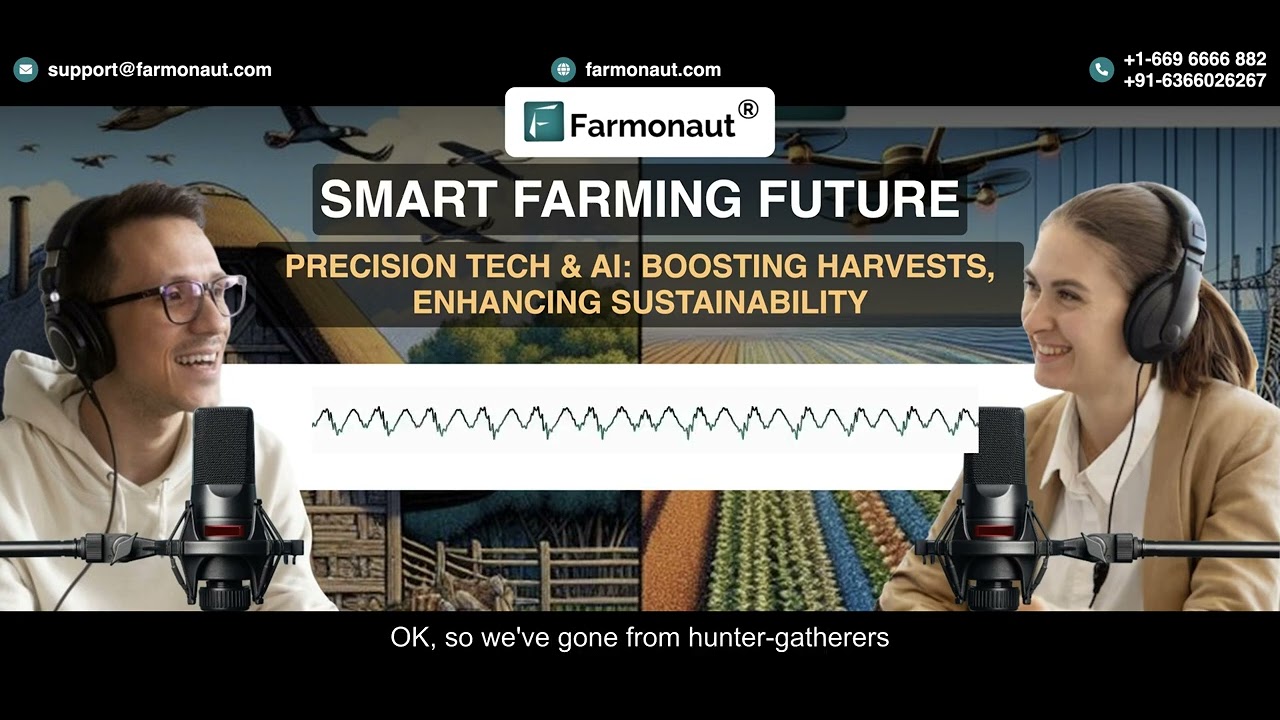
4. Agroforestry: Trees Meet Crops & Livestock
- ✔ Agroforestry integrates trees, shrubs, and perennials with crops or livestock to foster resource sharing and ecosystem complexity.
- ✔ Trees buffer wind, shade animals, and build soil organic matter.
- ✔ Boosts resilience, supports pollinators, and offers multi-income streams (timber, fruit, fodder, honey).
- ✔ Proven to reduce pest pressures and improve water retention.
Key practices: Alley cropping, silvopasture (trees with grazing), windbreaks, riparian buffers. GIS and remote sensing tools (such as those by Farmonaut) facilitate agroforestry planning and ongoing ecosystem monitoring.
5. Hydroponics & Aquaponics: Soilless Cultivation
- ✔ Hydroponics: Growing crops using nutrient-rich water solutions, no soil involved.
- ✔ Aquaponics: Integrates fish tanks and hydroponic systems. Fish waste provides natural nutrients for plants; plants purify the water for fish.
- ✔ Highly efficient, minimum land space required
- 📊 Ideal for urban farming and regions with poor soil
- ⚠ Requires careful water quality management
Common crops: Lettuce, basil, spinach, kale, strawberries; tilapia and other freshwater fish (aquaponics).

6. Integrated Farming Systems: Diversified & Resilient
- ✔ Integrated Farming Systems (IFS) combine crops, livestock, and value-added enterprises (e.g. dairy, beekeeping, fish ponds) on a single farm.
- ✔ Minimizes risk by diversifying outputs and income streams.
- ✔ Resource recycling: Manure used as fertilizer; crop residues feed animals.
- ✔ Encourages biodiversity and ecological balance.
- 📊 Facilitated by farm management apps and IoT devices for livestock/field monitoring.
For holistic resource monitoring and management of IFS, Farmonaut Fleet Management offers an intelligent way to track equipment, reduce costs, and optimize on-farm logistics.
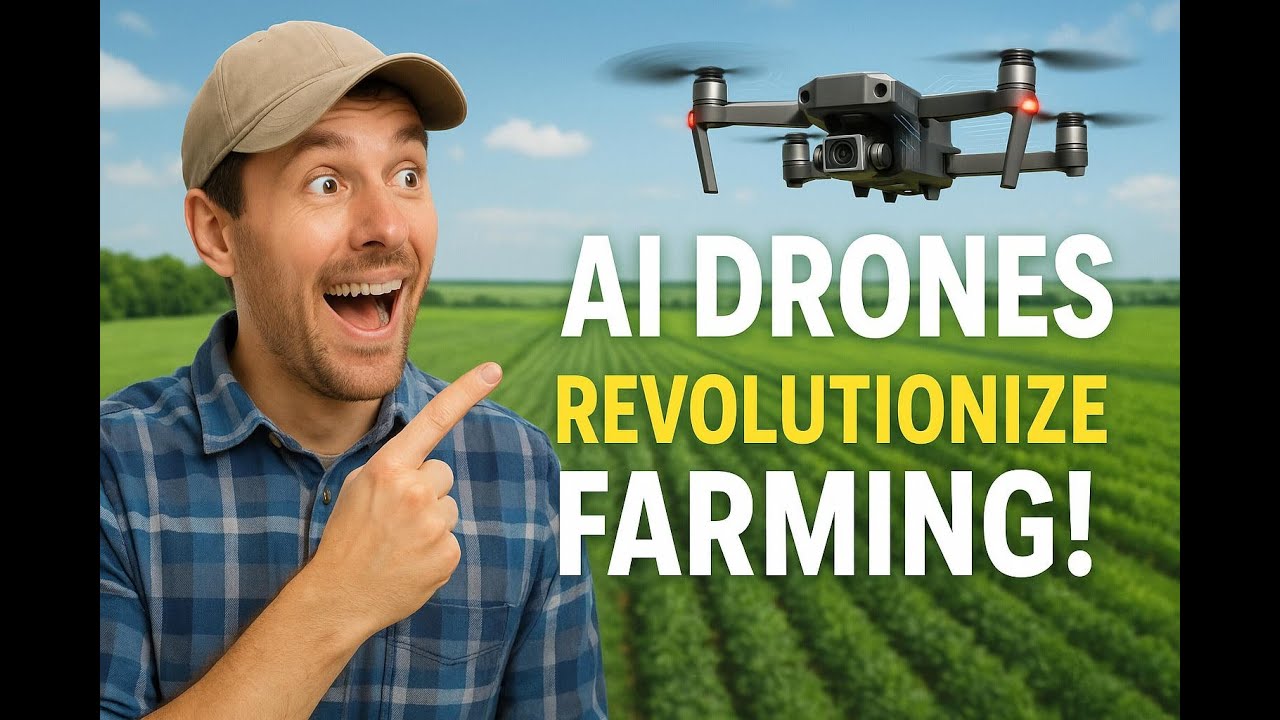
7. Vertical Farming: Sky-High Efficiency
- ✔ Vertical farming stacks crops in multi-level racks or towers inside climate-controlled structures.
- ✔ Maximizes land use efficiency; reduces need for pesticides and herbicides.
- ✔ Independent of outdoor weather and soil conditions.
- ⚠ Requires high energy and upfront investment for lighting and automation.
- 📊 Often used for microgreens, leafy greens, and herbs in urban areas.
Platforms leveraging satellite-based microclimate monitoring (like Farmonaut API for precise climate prediction and environmental monitoring) can further increase the returns of vertical systems by enabling predictive control.
Visual List: Top Benefits of Modern Farming Methods
- 🌍 Sustainability: Maintains and improves farm productivity with lower environmental impact.
- 💧 Water Use Efficiency: Smart irrigation minimizes water needed for healthy crops.
- 🌱 Soil Health: Preserves and builds organic matter, microbial activity, and nutrient cycling.
- 🚜 Resource Optimization: Targeted application of inputs reduces waste and cost.
- 📈 Market Access & Traceability: Blockchain-driven solutions verify crop origins and farming practices for premium markets.
“Over 70% of global farmers use at least one modern farming method to increase crop yields and sustainability.”
“Precision agriculture can reduce fertilizer use by up to 20% while maintaining or improving crop productivity.”
Technology Trends Transforming Agriculture
- Satellite & AI-Based Monitoring: Real-time insight into soil moisture, nutrient status, and crop health at field scale.
- Blockchain Traceability: Transparency in the origin, cultivation, and supply chain of crops.
- Smart Sensors & IoT: Real-time monitoring of soil, irrigation, crop growth, and farm machinery.
- Drones & Robotics: Automated spraying, weed detection, and pest control with minimal human intervention.
- Data Analytics Platforms: Aggregation and interpretation of on-farm data to guide better decision-making (learn about Farmonaut API).
Integrated Soil and Water Management
The core component of every effective farming method is managed soil and water stewardship. Let’s break down the approaches:
- ✔ No-till or reduced-till systems protect soil structure and minimize erosion.
- ✔ Cover cropping reduces weed pressure, conserves moisture, and adds organic matter.
- ✔ Compost and organic applications increase microbial activity and nutrient retention.
- ✔ Efficient irrigation (drip, sprinkler, or sub-surface): Reduces water use and prevents salinization.
- ✔ Rainwater harvesting and drainage optimize water regimes for different crops and climates.
Modern systems use satellite data and moisture sensors for ongoing soil moisture monitoring. Want to know your farm’s soil health from space? Use the Farmonaut App for real-time remote insights.
Crop Diversification & Protection: Biological Approach
Crop diversification is a cornerstone of sustainable farming methods. It includes:
- ✔ Intercropping: Growing two or more crops simultaneously to optimize nutrient use and reduce pest/disease spread.
- ✔ Multi-cropping: Multiple crops in a single field per year for income stability.
- ✔ Agroforestry: Adding trees or perennials to fields.
Integrated Pest Management (IPM):
- Monitoring: Regular assessment of pest populations and crop health (using drones, satellites, or field scouts).
- Biological controls: Predatory insects, beneficial fungi, or microbes target pests naturally.
- Pheromone traps & threshold-based action: Chemical use only if pest populations exceed thresholds.
- Resistant crop varieties (selected through genetic or classical breeding programs).
Livestock Production & Sustainability
Livestock management forms a vital part of integrated farming systems. Modern methods focus on:
- ✔ Automated feeding and health monitoring for efficiency.
- ✔ Rotational grazing to regenerate pasture and maintain soil health.
- ✔ Optimized housing and microclimate management to reduce animal stress and boost productivity.
- ✔ Breeding and genetics for disease resistance and climate adaptability.
- ✔ Compost and manure management – turning farm waste into soil fertility resources.
Energy Efficiency & Environmental Stewardship
Energy costs make up a significant portion of modern farming methods. Farmers are increasingly using:
- Solar, wind, and biogas to reduce reliance on fossil fuels.
- Energy-efficient machinery and lighting – especially in greenhouses and vertical farms.
- Waste-to-resource cycles: Turning manure and crop residue into biogas or compost for on-farm use.
- Monitoring carbon footprint: Tools like Farmonaut Carbon Footprinting enable transparent reporting and compliance for sustainability-focused agriculture and mining.
How Farmonaut Supports Modern Farming Methods
At Farmonaut, our mission is to empower farmers, agribusinesses, and governments with affordable, satellite-based solutions that accelerate the adoption of advanced farming methods and ecological stewardship. Here’s what we offer:
- ✔ Satellite Crop Monitoring: Multispectral imagery provides instant overviews of vegetation health (NDVI), soil conditions, and crop growth – from your mobile or desktop app.
- ✔ Jeevn AI Advisory: Real-time, AI-generated recommendations tailored to farm-specific weather, soil, and cropping systems.
- ✔ Blockchain Traceability: Transparent supply chain records, accessible to buyers and regulators (learn more).
- ✔ Fleet & Resource Management: For larger operations, our platform helps optimize movement, usage, and maintenance of agricultural machines and vehicles.
- ✔ Environmental Impact Reporting: Carbon, water, and biodiversity tracking using satellite data ensures compliance with global standards.



Want to add satellite agri insights into your own application? Try our Farmonaut API for developers.
Read the full developer docs here.
Key Insights & Callouts for Modern Farming Success
- 🌟 Precise Data Outperforms Guesswork: Use analytics from satellites and IoT sensors to optimize every hectare for yield and input savings.
- 🔥 Climate Resilience Begins with Soil: Implement cover cropping, reduced tillage, and organic amendments for drought-proof fields.
- 💡 Automation = Efficiency: Move towards automated feeding, spraying, and monitoring to lower labour costs and increase farm scale.
- 💸 Access Finance & Insurance: Use satellite-verified farm data (Farmonaut Crop Loan & Insurance) to build lender trust.
- 🔗 Traceability is Non-Negotiable: Adopt blockchain-based solutions for market access and compliance in global trade.
Visual List: Common Pitfalls & How to Overcome Them
- ⚠ Tech Overload: Avoid deploying too many technologies at once—prioritize based on farm size, context, and training capacity.
- ⚠ Ignoring Soil Health: Excessive fertilizer or tillage can harm microbial life; always monitor soil status and rotate crops.
- ⚠ Poor Data Integration: Disconnected systems create blind spots. Use unified platforms like Farmonaut to centralize data.
- ⚠ Lack of Worker Training: Modern practices need skilled personnel; invest in farmer training and advisory systems.
- ⚠ Neglecting Market Trends: Stay updated on changing consumer/regulator demands for traceable, sustainable, and quality agricultural goods.
FAQ: Diagram Farming Methods Chart & Modern Farming Methods
1. What is a diagram farming methods chart?
A diagram farming methods chart is a visual representation comparing different farming methods, outlining their core technologies, productivity impact, soil health outcomes, sustainability ratings, and typical applications. It helps in understanding and choosing the best farming systems for specific goals or regions.
2. Why is precision agriculture at the core of modern methods?
Precision agriculture uses satellite imagery, sensors, and data analytics to target input application (water, fertilizer, pesticides) highly efficiently. It increases yields, cuts costs, and minimizes environmental impact, making it foundational for any high-performing, sustainable farm.
3. What farming methods require for successful implementation?
Effective modern farming methods require technology adoption, reliable data, farmer training, access to digital platforms, and supportive infrastructure for irrigation, machinery, and traceability.
4. How does soil health impact productivity?
Healthy soil holds more water, sustains high nutrient availability, and hosts beneficial microbes, resulting in better plant growth, higher yields, and resilience to drought or disease.
5. Are these methods suitable for smallholder as well as large-scale farmers?
Yes! While technologies like satellite crop monitoring and IoT are scalable to large operations, integrated systems and regenerative practices can equally benefit small farms offering low-cost pathways to boost productivity and sustainability.
Conclusion: Advancing Agriculture Through Modern Methods
As this diagram farming methods chart demonstrates, the future of agriculture rests on a diverse toolkit of advanced farming methods—from precision agriculture to controlled environments, regenerative practices to integrated systems. These techniques, backed by sound agronomy and cutting-edge technology, maximize productivity, keep costs low, and prioritize sustainability and market-driven requirements.
By leveraging satellite data, AI-powered insights, and dynamic management platforms, we empower a new generation of farmers to build resilient, profitable, and environmentally sound food systems.
Ready to take the next step? Download the Farmonaut App, discover the workflows that work for your unique operation, and experience world-class satellite-driven insights designed from the soil up!
Farmonaut Subscription Plans
Discover affordable pricing for satellite-driven advisory, crop monitoring, blockchain traceability, and more. Our platform is available via web, API, Android & iOS for every scale of operation—individual users, businesses, and government institutions.
© 2024 Farmonaut | Empowering Data-Driven, Sustainable Agriculture

 Agreeta Solutions
 Agricultural Credit Policy Council
 BayWa
BayWa MCSOD
MCSOD Marei Nursery
 eKGIS
eKGIS Mostas Tech
 Native Seeds
 Andex
Andex FCF India
 Unifrutti Gulf
 Deluxe Conseil
 TVS Electronics
 WICO
WICO Chimera Innovation
 SkyHarvest
