

Farming Steps in Order: 8 Steps in Precision Farming – The 2025 Comprehensive Guide
“Over 80% of modern farms use precision technology for soil preparation and seed selection by 2025.”
Steps in Modern Farming: A Comprehensive Guide for 2025
Farming is no longer just about following age-old practices; in 2025, agriculture is a sophisticated, technologically driven process focused on efficiency, sustainability, and productivity. Understanding farming steps in order has become vital for maximizing yields and minimizing resource wastage. By integrating traditional knowledge with precise technological innovations, modern farmers—whether smallholder or commercial—are driving a profound transformation in rural and urban food production systems.
This guide will walk you through the essential 8 steps in precision farming, explaining each stage, the recommended technologies and strategies, and the vital role these steps play in the journey from soil to market. We’ll also highlight how solutions like Farmonaut’s real-time satellite-based monitoring, blockchain traceability, and AI-driven advisory tools empower farmers for success in 2025 and beyond.



Why Are Farming Steps in Order So Important in 2025?
The steps for farming are more than tradition; they’re the backbone of efficient, data-driven, and climate-resilient agriculture today. A well-ordered approach ensures:
- Optimal soil health and nutrient balance
- Maximum economic yields despite changing environmental conditions
- Resource conservation (water, energy, and emissions)
- Timely interventions for pest and disease management
- Reduced waste and increased profitability
- Traceability and transparency in the supply chain

Stepwise Comparison Table: 8 Steps in Precision Farming
| Step Number/Name | Main Activities | Recommended Technologies/Tools | Estimated Time Frame | Potential Yield Impact (% Increase) |
|---|---|---|---|---|
| 1. Land Preparation | Clearing, tilling, aeration, seedbed creation |
Mechanized plowing, GPS-guided tractors, soil mapping Farmonaut Large Scale Farm Management |
1-3 weeks | Up to 15% |
| 2. Soil Testing and Fertilization | Sampling, testing pH, nutrient analysis, targeted amendments |
Soil sensors, satellite imagery, lab analysis Farmonaut Soil Health API (learn more) |
7-14 days | 10–20% |
| 3. Seed Selection and Sowing | Choosing variety, precise seeding, determining density & spacing | GPS seed drills, variable-rate planters, drone-guided mapping | 1-7 days | 10–18% |
| 4. Irrigation Management | Water source assessment, system design, automation |
Automated drip/sprinklers, soil moisture sensors, weather integration Environmental Impact Monitoring by Farmonaut |
1-2 weeks (setup); ongoing management | 15–25% |
| 5. Crop Protection | IPM, pest/disease identification, targeted spraying |
Drones, remote sensing, AI-driven pest alerts Farmonaut Crop Advisory App |
Continuous | 12–35% |
| 6. Crop Monitoring & Data Analysis | Growth tracking, nutrient monitoring, yield prediction |
Satellite imaging (NDVI), IoT sensors, AI analytics Farmonaut Crop Monitoring Tools |
Continuous | 8–23% |
| 7. Harvesting & Post-Harvest Management | Timely harvest, cleaning, drying, grading, storage |
Mechanized harvesters, IoT cold storage, traceability Farmonaut Blockchain Traceability |
1-3 weeks (per crop cycle) | Up to 25% |
| 8. Marketing & Supply Chain Integration | Market access, transparent sales, logistics management |
Digital platforms, blockchain, fleet management Farmonaut Fleet Management |
2-8 weeks (depending on product) | Up to 20% (by reducing losses and waste) |
1. Land Preparation – The Foundation of Productive Farming Steps in Order
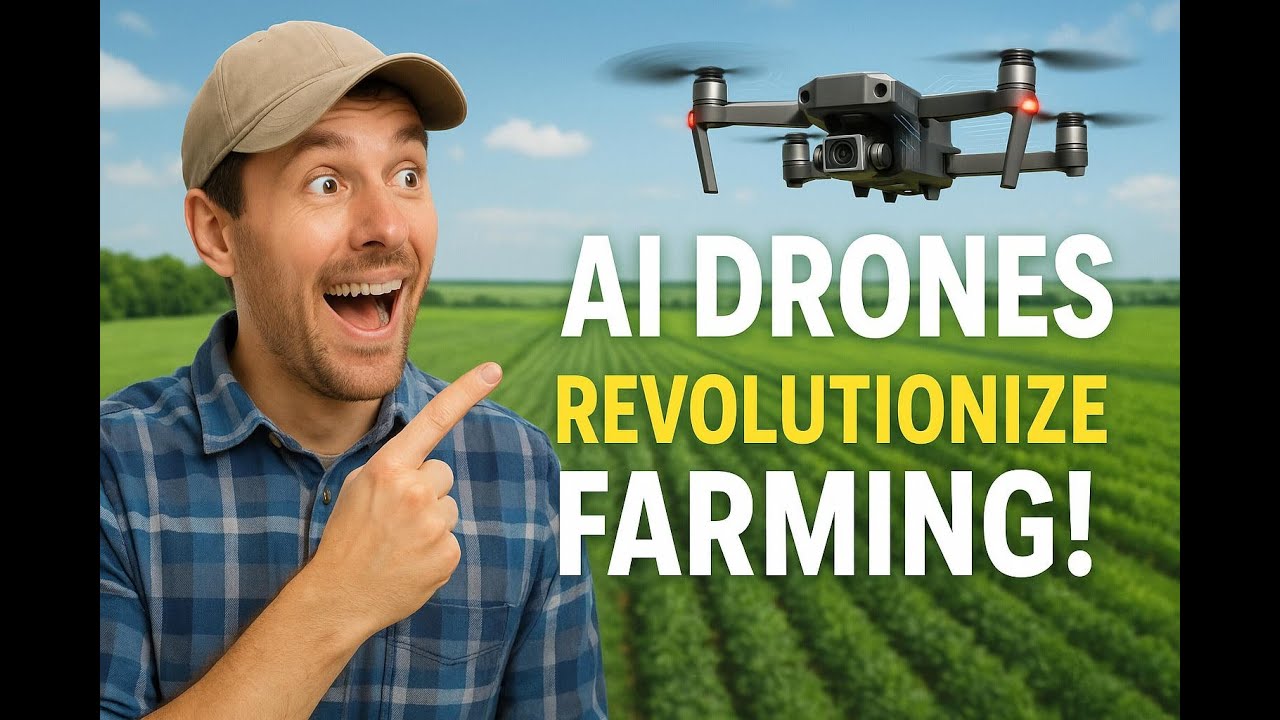
Preparation forms the very first step in any farming steps in order. This phase involves clearing the land of weeds, crop residues, and stones—a crucial practice to ensure a clear field for upcoming tasks. Mechanized equipment such as GPS-enabled tractors and precision implements have replaced laborious manual methods, making the task more efficient and uniform.
- Clearing: Removal of weeds and residues using rotary slashers, manual labor, or even controlled fire in some regions.
- Tilling & Plowing: Use of plows and rotavators to turn and loosen the soil, improving aeration and drainage.
- Leveling: Laser-guided leveling ensures uniform surface, minimizing water run-off and enhancing irrigation efficiency.
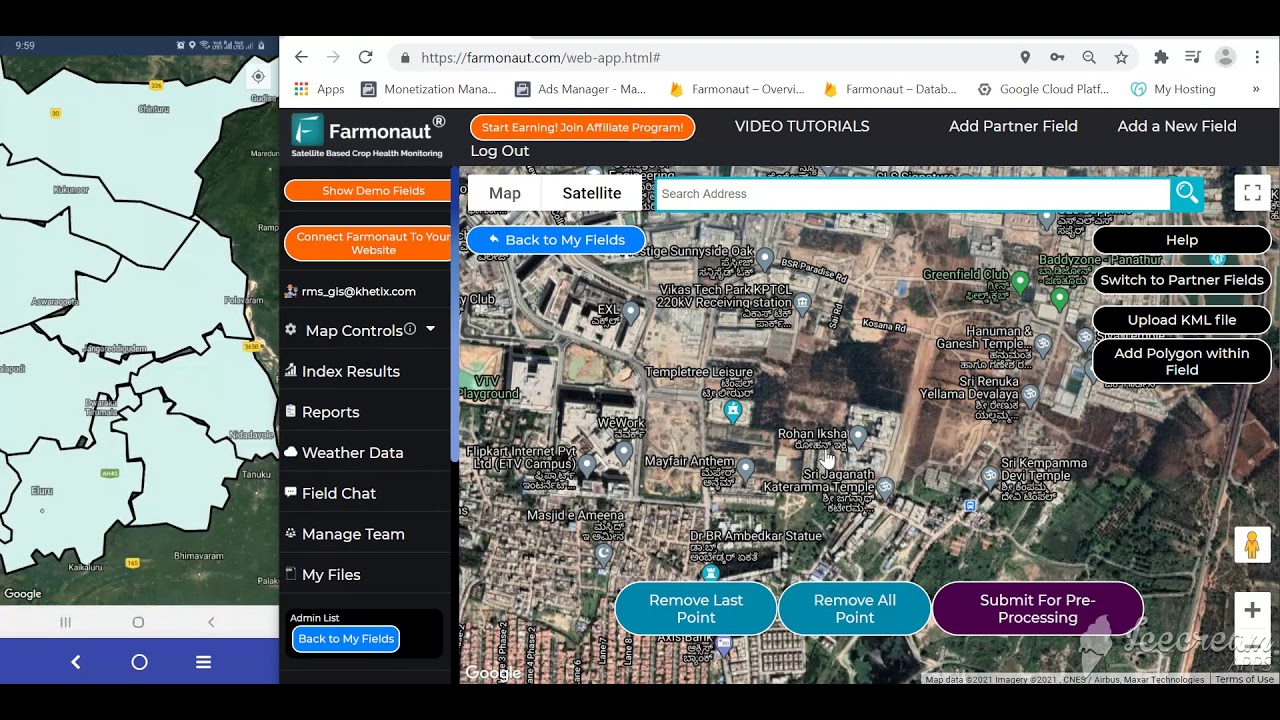
- Soil Mapping: Farmonaut’s Large Scale Farm Management enables precise mapping, guiding targeted soil amendment.
With precision technology, farmers are able to apply amendments only where needed, reducing costs and protecting the environment. Preparing a fine, crumbly seedbed also ensures better seed germination, critical for establishing an even crop stand in the next step.
Latest Trends:
- Automated field mapping for variable-rate tilling
- Adoption of low-till and zero-till machinery for sustainability
- Drone-based topography analysis
The impact? Faster preparation, reduced compaction, and a healthier soil ecosystem—driving productive, sustainable yields in 2025 and beyond.
2. Soil Testing and Fertilization – Guiding Precision Applications
Soil is the lifeblood of farming, and knowing its status is one of the most critical steps for farming. Soil testing involves analyzing samples for macronutrients (N, P, K), micronutrients, organic matter, and pH. The accurate assessment ensures that only precise, necessary amounts of fertilizer are applied—a core benefit of steps in precision farming.
With the help of sensor technology and real-time monitoring platforms, such as Farmonaut Soil Health tools (explore API here; developer docs), farmers can tailor their fertilization plans down to the square meter.
- Sample Collection: Randomized sampling for representative analysis
- Lab Testing/Sensor Use: Rapid, in-field nitrate and pH testing offers real-time feedback
- Fertilization: Based on test results, customized blends of organic/synthetic fertilizers are used
- Variable Rate Technology (VRT): GPS-guided equipment enables zone-based application
This minimizes waste, prevents nutrient leaching, and boosts crop health and yield. Technologies like remote sensing empower large-scale and smallholder farmers alike, driving economic performance and sustainability.

3. Seed Selection and Sowing – Precision for Climate Resilience
Seed selection profoundly affects every stage of crop development. Modern farming steps in order prioritize:
- Disease and drought-resistant seed varieties
- Region and climate-appropriate hybrids or GM seeds
- Certified, purity-guaranteed sources
Technologies such as GPS-enabled seed drills, drone-based field mapping, and variable-rate planters ensure optimal spacing and uniform sowing. This prevents overcrowding, ensures each plant receives enough light and nutrients, and enhances field productivity.
Common sowing techniques include:
- Broadcast seeding: Fast but less precise; used for small grains and grasses.
- Seed drilling: Machine-guided rows ensure exact spacing and coverage depth.
- Dibbling or transplanting: Used for vegetables and delicate crops.
Modern data-driven tools also guide seeding date, accounting for the latest climatic forecasts and soil moisture status for maximum germination rates.

4. Irrigation Management – Smart Water Use for Sustainable Yields
“Precision irrigation systems can reduce water usage by up to 30% compared to traditional farming methods.”
Water is precious. With global water stress escalating, steps in precision farming deploy advanced irrigation management systems. Key components include:
- Soil Moisture Sensors: These devices monitor root-zone moisture 24/7, enabling targeted irrigation only as needed.
- Automated Drip & Sprinkler Systems: Deliver water directly to plant roots, drastically reducing wastage (see how Farmonaut helps you measure your environmental impact).
- Weather-Integrated Scheduling: Digital platforms sync with local weather forecasts, predicting rainfall and minimizing over-irrigation.
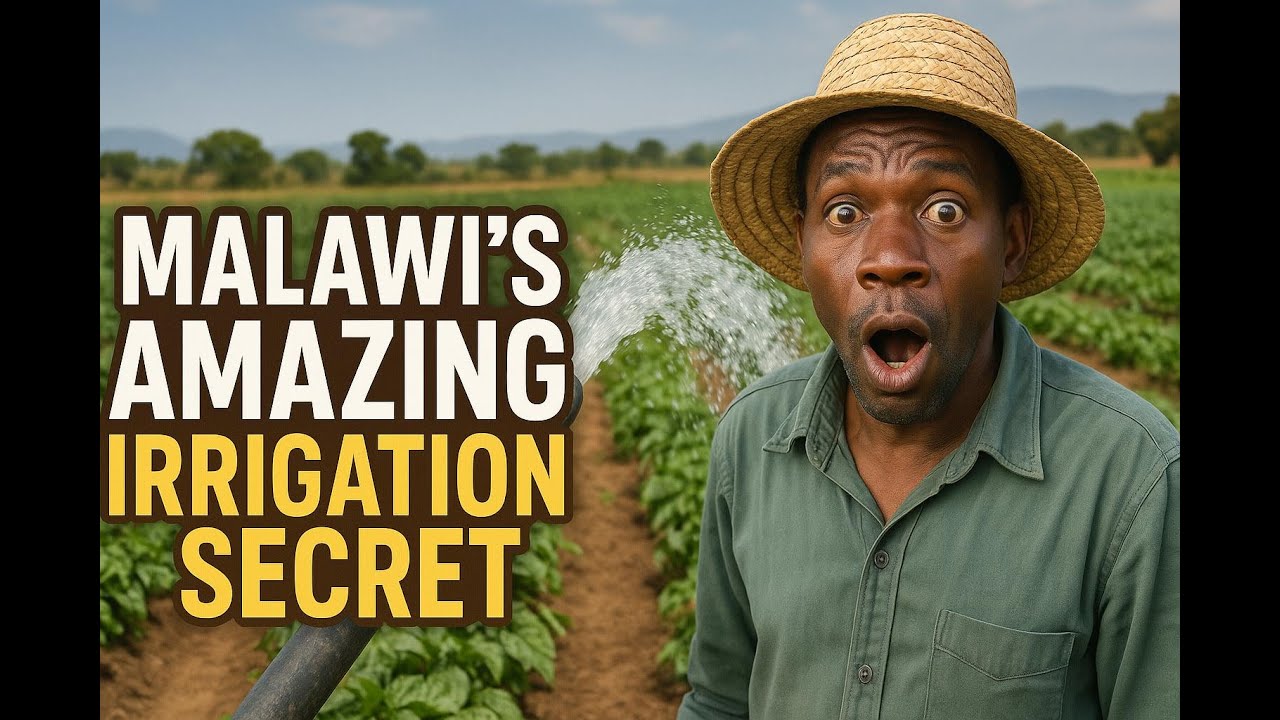
By integrating these systems, farmers not only conserve water but also enhance crop quality and reduce disease risk from excess surface moisture.
Water-Efficiency Innovations in 2025:
- Solar-powered irrigation for off-grid fields
- AI-driven irrigation schedules via apps
5. Crop Protection – Combating Pests, Diseases, and Weeds the Smart Way
Crop losses to pests, diseases, and weeds can devastate yields. The farming steps in order incorporate Integrated Pest Management (IPM) as a holistic approach, using:
- Biological Controls: Beneficial insects or microorganisms
- Resistant Seed Varieties: Selected in Step 3
- Targeted Chemical Sprays: Reduced and precise, guided by real-time data
- Remote Sensing: Drones and satellite imagery from Farmonaut Crop Monitoring Tools for hotspot detection and intervention
Early warning systems, AI-based threat recognition, and digital scouting are now routine. By enabling timely, targeted protection, these practices minimize pesticide usage—ensuring food quality, protecting the environment, and reducing costs.
By 2025, drone-based application and smart traps are commonplace, supporting both large-scale and smallholder farmers worldwide.
6. Crop Monitoring and Data Analysis – Data-Driven Farming for Optimal Outcomes
Continuous monitoring is the pulse of modern agriculture. It’s not just about observing growth; it is about precision, prediction, and prevention.
Modern systems—like the Farmonaut platform—use a combination of satellite imagery, IoT sensors, weather forecasts, and machine learning to deliver actionable insights for the entire crop cycle.
- Satellite Imagery (NDVI, EVI): Detects plant vigor, stress, and nutrient deficiencies before visible symptoms appear.
- Ground Sensors: Track soil moisture, temperature, and microclimate data in real-time.
- AI & Analytics: Predicts yield, identifies emerging pest threats, and suggests targeted interventions.
Such technologies empower farmers to optimize inputs, increase efficiency, and manage their resources with surgical precision—foundational to sustainability goals.

7. Harvesting and Post-Harvest Management – Safeguarding Crop Quality and Value
Harvesting is more than just collecting mature crops; the entire steps for farming sequence culminates here. Timing is critical for quality and shelf-life.
- Determining Optimal Harvest Time: Use of satellite data and sensor analytics to predict readiness
- Mechanized Harvesters: Reduce labor costs and losses; suitable for large and small fields
- Post-Harvest Processing: On-farm cleaning, drying, grading, sorting, and packaging
- Storage: IoT-enabled silos and cold stores monitor temperature/humidity, preserving quality
Blockchain-powered systems, such as Farmonaut’s traceability solutions, ensure end-to-end transparency—essential for accessing premium export markets and building consumer trust.
Best Practices in Post-Harvest Management:
- Grain drying at optimal moisture to prevent spoilage
- Cool chain logistics for perishables (fruits, vegetables)
8. Marketing and Supply Chain Integration – From Field to Consumer with Traceability
The final stage of farming steps in order is marketing and supply chain optimization. Efficient, transparent, and fair-market access defines success for modern farmers.
- Digital Market Platforms: Online portals connect producers directly with buyers, increasing profitability
- Blockchain for Traceability: Secures data across storage, transport, and retail, ensuring authenticity (explore Farmonaut’s traceability solutions)
- Fleet & Resource Management: Maximizes transport efficiency (Farmonaut Fleet Management—minimize waste and transit loss)
Integrating these functions closes the loop of precision farming, enabling sustainable, profitable, and scalable operations in 2025 and beyond.
Farmonaut Subscription Plans – Get Started with Satellite-Powered Precision Farming
Ready to revolutionize your farming with satellite-based monitoring, AI-powered advisory, and traceability?
Explore flexible subscription packages suitable for individual farmers, agri-businesses, and government agencies below:
Key Benefits:
- Affordable real-time crop, soil, and environmental monitoring
- API access (see API details here) for seamless integration
- Blockchain traceability for supply chain confidence
- Jeevn AI Advisory for customized field and weather advice
FAQs: Farming Steps in Order for 2025 and Beyond
What are the essential farming steps in order for modern agriculture?
The fundamental farming steps in order for contemporary agriculture are:
- Land Preparation
- Soil Testing and Fertilization
- Seed Selection and Sowing
- Irrigation Management
- Crop Protection
- Crop Monitoring and Data Analysis
- Harvesting and Post-Harvest Management
- Marketing and Supply Chain Integration
These stages integrate traditional practices with precision technology and data analytics, ensuring maximum yields and sustainability.
How is precision farming different from traditional farming?
Precision farming makes extensive use of data, sensors, satellite imagery, drones, and AI to monitor conditions and manage resources; traditional farming relies on generalized methods and periodic sampling. Precision approaches optimize inputs, reduce waste, improve yields, and lower environmental impact.
Can smallholder farmers benefit from these steps?
Absolutely! Many steps in precision farming—from mobile soil sensors to app-based advisory—are cost-effective and designed for resource-limited farmers. Satellite-based tools like Farmonaut cater to both small and large-scale farming operations.
How can I ensure my crop is traceable and authentic through the supply chain?
Leveraging blockchain technology—such as that provided by Farmonaut’s traceability platforms—enables transparency, authenticity, and quality assurance for every batch, from harvest to retail.
Which Farmonaut services support each step of precision farming?
- Field Mapping & Soil Health: Farmonaut’s large-scale monitoring tools and APIs
- Plantation & Advisory: Jeevn AI for sowing guidance and crop health monitoring
- Environmental Impact: Carbon tracking aids sustainable irrigation and fertilization
- Traceability & Supply Chain: Blockchain platforms enhance confidence for buyers and consumers
- Fleet Management: Route and logistics optimization from field to market
Is there an API for integrating Farmonaut precision data into my own software?
Yes! Access Farmonaut’s robust API for soil, crop, and weather data. For developer assistance, visit the API docs page.
Conclusion: Precision Farming for Sustainable Yields in 2025 and Beyond
As we step into 2025, farming steps in order are more relevant than ever for navigating the complexities of modern agriculture. By aligning traditional wisdom with technology—from satellite-driven monitoring to blockchain and AI—farmers everywhere can optimize resources, boost yields, and ensure environmental sustainability.
Every phase—from land preparation to marketing—hinges on the precise application of knowledge, tools, and digital solutions. Platforms like Farmonaut are equipping both smallholder and commercial farmers with the means to monitor, analyze, and improve every step, ensuring a productive and resilient agricultural future.
By mastering these 8 steps in precision farming, adopting best practices, and leveraging cutting-edge technologies, agriculture in 2025 can feed a growing population while sustaining the earth for generations to come.

 Godrej Agrovet
 Hayleys Agriculture
 Linx Agritech
 Adinet
 Save Your Soils
 GalaxEye Space
 Grandstream Algérie
 XOS Realty
 Geospatial Lab Africa
 Agro La Gándara
 HIPSAC
 ZOL Zimbabwe
 Juligerm
 AdBio
AdBio MISE Maroc
 NWNS
NWNS Red August Group
 Farm Inc
 WeMe Global
 Agrotoken
 Blue BearX
 Insignito
 DnCubed
 Indosistim Teknologi
 Liquify Digital
 CU Foods
 BeyondTech Global
 Rouge VC
 AgroRisk
 Oath Inc
 Esri North East Africa
 MDCV UK
 Etech Consulting Madagascar
 Vestlandsforsking
 WB Dev
 Sama Premium
 Tres Valles
 Blickwinkel
 Agricultural Credit Policy Council
 eKGIS
eKGIS Mostas Tech
 Andex
Andex Deluxe Conseil
 WICO
WICO Chimera Innovation
 SkyHarvest
 Teledarbas
 Exurbia Geospatial
 FieldZero
