

German & Indian Grape Farming: Advanced Techniques 2026
“Precision viticulture can increase grape yield by up to 20% in both German and Indian vineyards using advanced soil management.”
Introduction to Grape Farming Techniques for Modern Agriculture in 2026
Grapevine cultivation stands at the confluence of tradition and technology, integrating science-driven practices with region-specific adaptation to maximize yield, quality, and sustainability. With a sharpened focus in 2026, the leading grape-growing regions—notably Germany (with its esteemed Rhine Valley) and rapidly-evolving India (from Nashik to Deccan)—champion advance farming techniques, precision viticulture, canopy management, soil health, and climate resilience while honoring the wisdom inherited from past generations.
From the site selection of sun-kissed slopes to exact pruning methods, the farming techniques used in India and German farming techniques reflect both global innovation and regional characteristics. In this guide, we delve into the essential grape farming techniques for modern agriculture, exploring every stage from soil management to harvest and beyond—amplified by cutting-edge technology and sustainable practices.



✔ Download Farmonaut’s app for satellite-driven real-time crop monitoring—unlock actionable data for your vineyard’s health, soil and irrigation management, and yield optimization.
Advanced grape farming techniques, including satellite-guided precision agriculture, can result in higher yields, lower costs, and improved sustainability for both smallholder and commercial vineyards by 2026.

Site Selection and Climate Considerations: Germany vs. India
Topic: Grapevine Farming Techniques for Modern Agriculture (2025-2026)
Optimal Site Selection for Grapes: Balancing Sun, Soil, and Microclimate
- Choose sites with well-drained soil, adequate sun exposure, and good airflow to minimize disease pressure and maximize ripening.
- In Germany, valued wine regions like the Rhine Valley benefit from temperate, cool-climate conditions—producing world-class Riesling and Grüner Veltliner through strategic site selection.
- In India, milder hillstations (e.g., Nashik, Pune) and river basins present diverse opportunities. Altitude, proximity to rivers, and microclimate assessment are key to avoiding heat stress and supporting grapes suited to tropical and subtropical conditions.
- Assessment tools, like remote sensing and soil mapping, offer data-driven insights to select sites with optimal moisture retention, sunlight hours, and the right structure for root development.
Climate Adaptation: Grape Varieties & Frost Protection
- Variety selection is crucial: In cooler Germany, Riesling and Grüner Veltliner maintain their superiority, while India’s conditions require more resilient varieties that avoid heat-induced physiological stress.
- Climate-resilient adaptations include late-budding varieties to minimize frost risk (Rhine Valley), and early-maturing varieties in Indian monsoonal climates to dodge late-season rains and mildew pressure.
- Implement protection measures: Wind machines, sprinkler systems, and row covers help avoid frost injury during early bud-break and growth stages in sensitive regions.
Selecting grape varieties tailored for local climates, mindful of heat, rainfall patterns, and frost timing, is just as important as site selection—especially with climate variability on the rise.

Soil Health and Fertility: Maximizing Grape Quality and Yield
Building Soil Organic Matter and Nutrient Balance
- Soil health is the backbone of sustainable grape farming techniques. Build organic matter using cover crops, mulching, and compost to improve moisture retention, boost nutrient availability, and advance soil structure.
- Soil tests guide the application of potassium and phosphorus for resilient fruit development while moderating nitrogen to avoid excessive vegetative growth that promotes disease and reduces fruit quality.
- Rhizosphere-friendly practices—like mycorrhizal inoculation and reduced-till/no-till systems—encourage beneficial microbiota and efficient nutrient cycling.
- Advanced soil management supports higher yield, uniform ripening, and improved grapevine health even during environmental stress (rainfall pattern fluctuations, droughts).
Cover Crops: Use legumes/grasses between rows to boost organic content
Compost: Apply well-decomposed compost for long-term soil improvement
Soil Testing: Regular analysis for balanced nutrient applications
Modern Approaches: Sensors, Soil Mapping, and Satellite Data
- Precision viticulture: Use soil sensors, remote sensing, and satellite imagery to identify nutrient variability and inform site-specific management actions.
- Farmonaut’s platform offers real-time soil health monitoring so growers can track field variability, spot stress, and implement targeted interventions for healthy vines and higher grape quality.
📊 Measure and reduce your vineyard’s carbon impact with Farmonaut’s carbon footprinting tool—essential for sustainable viticulture and meeting EU/Indian export regulations in 2026.

Trellis Design & Canopy Management: Sun, Airflow, and Growth
Optimizing Sun Exposure and Airflow with Advanced Trellis Systems
- Guyot, Scott Henry, and Vertical Shoot Positioning (VSP) are the systems of choice in German regions, designed to maximize sun exposure, provide airflow that minimizes disease pressure, and facilitate mechanization.
- In India, trellis systems are adapted to accommodate monsoonal rainfall, local labor availability, and costs, with flexible designs that support large clusters while minimizing pest/disease outbreaks.
- Key adjustment: Zone focusing, optimizing light distribution within the fruiting zone while maintaining canopy density for both premium wine and table grapes.
Canopy Management Techniques for Grape Quality
- Balanced shoot growth is achieved via pruning, shoot thinning, and leaf removal around the fruiting zone, increasing sunlight penetration and reducing fungal pressure (notably Botrytis and powdery mildew).
- Strategic hedging and training methods sustain uniform shoot distribution, controlling vigor and preventing excessive shading in the fruiting zones.
- Controlled canopy ensures improved air circulation, reduced humidity, and promoted berry ripening for both yield and sugar-acidity balance.
Sunlight Optimization: Enhances berry color and flavor
Reduced Disease: Airflow limits fungal outbreaks
Growth Control: Harmonizes vegetative vigor with yield

Overly dense grapevine canopies increase disease risk and reduce fruit quality. Always maintain a balance between shoot vigor and canopy density!

Pruning and Training Practices in Grapevine Cultivation
Timing Pruning for Climate and Variety
- Pruning timing aligns with dormancy and climate. In cool regions like Germany, late pruning helps reduce bud break risk from late frosts.
- In hotter Indian climates, earlier pruning avoids heat-induced bud injury, supporting healthy early growth stages and avoiding stress during peak heat.
- Select between spur pruning and cane pruning based on variety vigor, desired yield, and fruiting habits.
- Training systems (e.g., cordon, Geneva Double Curtain, VSP) ensure that fruiting zones have optimal light exposure and can withstand varying climatic pressure.
Key Pruning & Training Techniques
- Strategically reduce excessive shoot growth to focus energy on fruit development
- Remove diseased or overcrowded canes to improve airflow and reduce pest pressure
- Use double pruning in regions prone to both early and late frosts
- Apply mechanical pruning where labor costs are high, especially in larger operations
🌱
For individual farmers and vineyard owners, Farmonaut’s crop loan and insurance verification tools use satellite insights to access streamlined financial support—minimizing paperwork and reducing fraud in 2026.
“Climate-resilient grape varieties in India and Germany show a 30% higher survival rate during extreme weather events by 2026.”
Irrigation and Water Management in Modern Viticulture
Precision Irrigation: Drip, Scheduling & Monitoring
- Drip irrigation systems are now standard practice in both German and Indian advanced vineyards—targeting the root zone, conserving water, and reducing leaching of nutrients.
- Deficit irrigation is widely used in water-stressed regions, carefully balancing quality and yield by supplying slightly less than full crop demand at certain growth stages for better berry composition in wine grapes.
- Soil moisture monitoring and ET-based scheduling (evapotranspiration) support real-time scheduling and reduce overwatering.
- Advanced remote sensing and satellite data make it easier to spot zones requiring intervention and balance nutrient and water application for uniform fruit development.
Maximize irrigation efficiency and monitor multiple fields at scale with Farmonaut’s large-scale farm management app—ideal for progressive vineyards seeking smart water/nutrient management aligned with 2026 standards.
Pest, Disease and Climate-Resilient Farming Techniques
Integrated Pest Management (IPM) and Disease Control
- IPM strategies combine in-field monitoring, biological controls, and targeted chemical applications to reduce residue, environmental impact, and pest resistance.
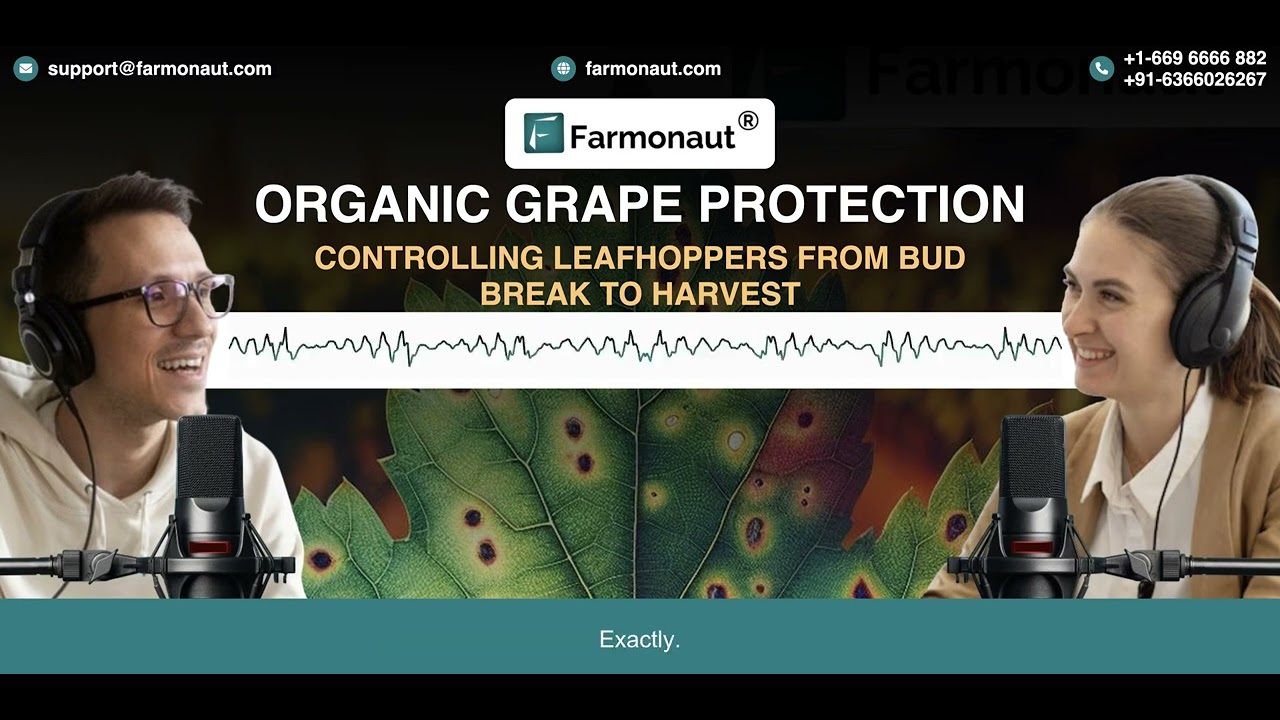
- Regular scouting identifies early signs of disease (downy mildew, powdery mildew, botrytis) and pests (mites, thrips, leafhoppers)—enabling timely intervention.
- In India, monsoonal rainfall increases disease pressure during critical growth stages, requiring frequent surveillance and regionally-adapted, robust fungicide rotation.
- Fungicide resistance management is vital—alternate active ingredients and apply at critical growth stages to maintain control and protect fruit quality.
- Climate-resilient practices include variety selection, open canopy design, and implementation of early warning systems for extreme events (heat spikes, sudden rainfall).

Track the journey of each grape cluster and prove authenticity with Farmonaut’s blockchain-based product traceability—vital for premium wine producers and exporters.
Vineyards that adopt IPM and climate-resilient varieties consistently outperform those reliant on conventional crop protection, delivering better long-term sustainability and compliance with export market standards.
Harvesting & Post-Harvest Handling: Ensuring Grape Quality
Precision Harvest Timing for Wine and Table Grapes
- Harvest timing is determined by sugar (Brix), acidity, and phenolic maturity. German vineyards, such as those in the Rhine Valley, often harvest late, preserving acidity and aroma for cool climate wines.
- In India, early harvests are necessary to avoid excess sugar and loss of acidity due to heat, critical for table grape color and export shelf life.
- Manual vs. mechanical harvest should be chosen based on zone, labor costs, and desired fruit integrity.
Best Practices in Post-Harvest Handling
- Sorting: Remove damaged, infected, or underripe clusters for optimal quality
- Gentle handling: Avoid bruising and splitting, minimizing post-harvest losses
- Cooling: Immediate pre-cooling of harvested grapes to extend shelf life—especially crucial for table grapes in Indian regions
- Sanitation: Clean containers and packing sheds to reduce the risk of post-harvest disease outbreaks
Efficient post-harvest logistics are key for profitable grape farming. Farmonaut’s fleet management tools help optimize transport, ensuring grapes reach markets quickly and with minimal quality loss.
Use real-time weather data and field temperature monitoring to decide the precise harvest window for balancing flavor, sugar-acidity, and market value in all major grape regions.
Comparative Techniques & Outcomes Table
The following table contrasts advanced grape farming approaches used in Germany and India, focusing on precision viticulture, climate resilience, and soil management for yield, quality, cost, and sustainability.
| Technique | Region | Climate Challenge Addressed | Estimated Yield Improvement (%) | Estimated Cost (€/₹ per ha) | Sustainability Impact |
|---|---|---|---|---|---|
| Drip Irrigation System | Germany | Drought, variable rainfall | +15% | €2,000–€3,500 | High |
| Drip Irrigation System | India | Heat stress, monsoonal variation | +18% | ₹50,000–₹90,000 | High |
| Canopy Management (VSP, shading, thinning) | Germany | Humidity, frost, disease | +12% | €1,500–€2,200 | Medium |
| Canopy Management (adapted for monsoons) | India | Excess rainfall, fungal pressure | +14% | ₹40,000–₹75,000 | Medium |
| Remote Sensing & Satellite Weather Monitoring | Both | All weather extremes & microzone mapping | +20% (optimizing resource use) | €700/₹20,000 (annually) | High |
| Deficit Irrigation Scheduling | Germany | Water scarcity, maintaining acidity | +8% | €600–€1,200 | High |
| Deficit Irrigation Scheduling | India | Drought, quality control | +10% | ₹16,000–₹35,000 | High |
| Integrated Pest Management (IPM) | Both | Fungus, mites, leafhoppers, etc. | +11% | €500/₹12,500 | High |
Sustainability and Economics in Grape Farming Techniques
- Data-driven decisions and satellite monitoring reduce costs while promoting environmental balance in vineyard operations
- Sustainable practices like carbon monitoring, IPM, and optimized irrigation lower the ecological footprint and meet rising consumer/market demands
- Mechanization of pruning and harvesting is adopted in high-labor-cost settings; smallholders benefit from app-driven advisories for efficient practices
- Market strategy: Intensive canopy and post-harvest management is prioritized for premium wine grapes, while cost-efficient logistics are key for table grape supply chains
Farmer Economics: Lowering Barriers, Increasing Profit Per Hectare
- Integrating blockchain-based traceability opens premium global export markets
- Access to digital crop insurance and satellite-based verification encourages inclusive financing for both large and small vineyards
- Data analytics from platforms like Farmonaut equip farmers to optimize yields and respond to climate risks without excessive input use
Integrating Satellite Technology with Farmonaut
At Farmonaut, we deliver satellite-driven solutions that empower grape farmers to manage soil health, optimize irrigation, monitor canopy and crop health, and minimize environmental impact.
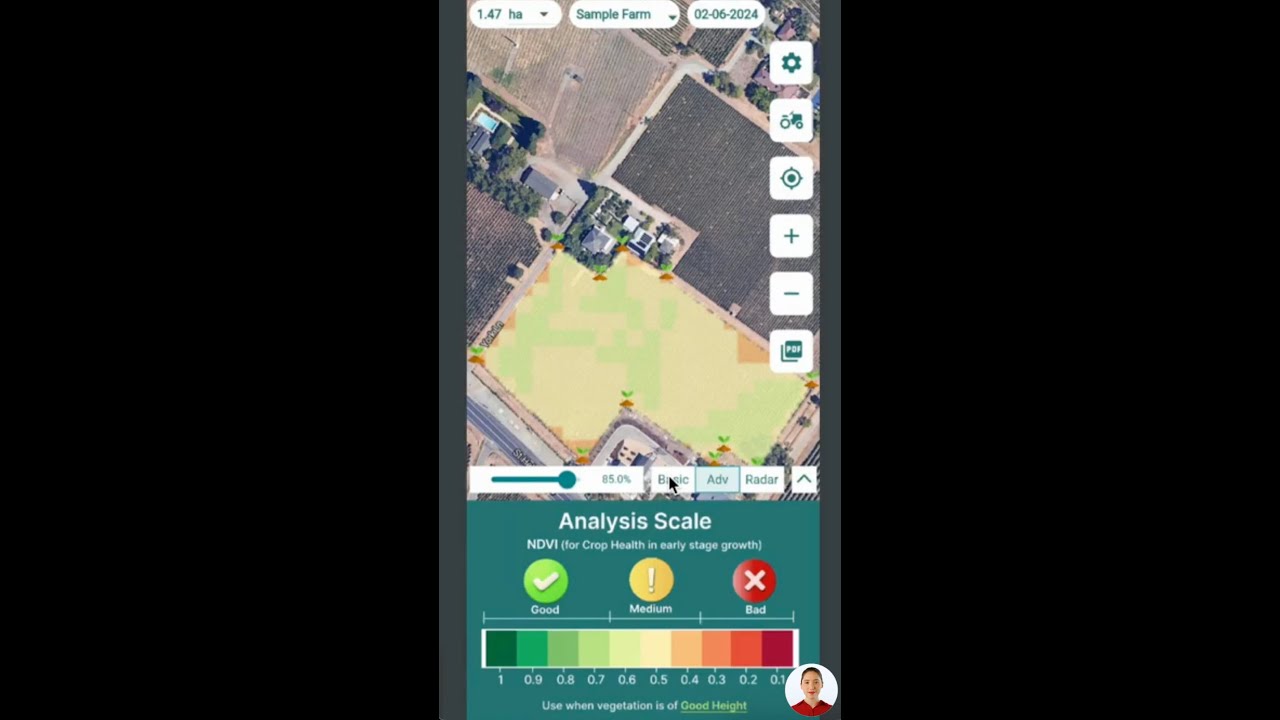
- Multispectral imagery for NDVI vegetation health, identifying early disease or water stress before symptoms appear
- AI-powered advisories for irrigation scheduling, fertility management, pest alerts and crop growth forecasting
- Blockchain traceability for compliance and transparency in wine/table grape supply chains
- Fleet and resource tracking to streamline post-harvest handling and distribution logistics
Our platforms—available via Android, iOS, and API—ensure precision agriculture for all vineyard sizes and types, democratizing advanced grape farming approaches across Germany, India, and the world.
API access and integration: Unlock machine learning and remote sensing at scale by using our Farmonaut Satellite Agriculture API with developer documentation here.
- ✔ Advanced soil management can boost grape yield by up to 20% in Germany & India
- 🌡️ Heat & rainfall patterns demand tailored variety selection and frost protection
- 🕒 Precision irrigation reduces water waste, especially under climate stress
- 🔗 Blockchain traceability opens premium export markets
- 🌍 Real-time satellite data equips growers to reduce input costs and increase sustainability
FAQ: Grape Farming Techniques & Modern Viticulture
What are the main differences between German and Indian grape farming techniques in 2026?
German farming techniques emphasize canopy management, late pruning, and cool climate adaptation. German vineyards leverage sophisticated trellis systems and remote sensing for frost and disease mitigation. India’s farming techniques are adapted to monsoonal rainfall patterns, heat stress, and varied altitude—utilizing flexible trellis designs, early harvests, and robust disease management to maintain yield and quality.
How does soil management differ in German and Indian vineyards?
Germany focuses on maintaining high organic matter and structured, mineral-rich soils with cover crops, mulch, and compost, optimizing for cool, moist climates. India prioritizes moisture retention and combating rapid mineral leaching using organic amendments and frequent soil testing to address high heat and monsoonal patterns.
What advanced technologies are transforming grape farming in 2026?
Remote sensing (satellite & drone), precision irrigation (smart drip and ET-based scheduling), blockchain traceability, AI-driven crop advisories, and real-time disease/health monitoring are revolutionizing global grape farming techniques for all regions.
How can farmers minimize disease and pest pressure in changing climates?
Deploy IPM systems with regular monitoring, rotate biologically diverse control strategies, use resistant varieties, maintain open canopies, apply accurate fungicide scheduling, and apply satellite-driven early warning systems for pest/disease outbreaks.
How does Farmonaut help with modern grape farming?
At Farmonaut, we provide actionable, affordable access to satellite imagery, AI-based crop monitoring, weather data, and traceability tools that help grape growers of all sizes in Germany, India, and globally monitor fields, optimize irrigation and inputs, reduce environmental impact, and maximize profitability in 2026 and beyond.
Conclusion: The Future of Viticulture in Germany & India
Grapevine cultivation in 2026 is on the cusp of an era where precision farming and regionally-adapted techniques drive higher yields, superior fruit quality, and long-term sustainability. Whether harnessing the cool slopes of the Rhine Valley or the dynamic climate of India’s Deccan plateau, the fusion of German farming techniques and grapes farming techniques used in India with digital innovation is reshaping the global standards of viticulture.
By emphasizing site selection, advanced soil health, digitally-guided canopy & pest management, and precision harvesting—supported by robust satellite and AI tools—growers can sustainably increase both yield and profitability. With platforms like Farmonaut democratizing agri-tech, even smallholders may leapfrog traditional barriers in the coming years.
Adopt the grape farming techniques and advanced digital tools shaping the future of viticulture in Germany, India, and worldwide.

 SkyHarvest
 Sarvome
 Polaris Digitech
 Teledarbas
 Wild Oak Farm
 SFX
SFX BACF Africa
 Doodlakine
 Exurbia Geospatial
 FieldZero
 Indico Company
 Kubota
 FFBS
FFBS Jontra
