

Hands-On Agronomy: Current Trends in Crop Science
“Over 60% of farmers now use precision farming tools to optimize fertilizer and water use in crop production.”
Table of Contents
- Introduction: Current Trends in Hands-On Agronomy
- Soil Health: The Foundation of Hands-On Farming
- Precision Farming: Technologies, Tools, and Insights
- Nutrient Management: Toward Efficiency and Balance
- Plant Physiology & Genetics: Field-Driven Decisions
- Integrated Crop Protection: Smart Controls
- Water Management & Irrigation Efficiency
- Technology as a Partner to Agronomic Know-How
- Sustainability & Resilience in Agronomy
- Comparative Trends Table
- Farmonaut’s Role in Modern Agronomy
- Highlighted Insights and Pro Tips
- FAQ: Hands-On Agronomy & Crop Science
- Conclusion
Introduction: Current Trends in Hands-On Agronomy
Agronomy and crop science sit at the heart of productive, resilient farming systems worldwide. In recent years, current trends in agronomy have emphasized practical, field-driven methods—what we call hands-on agronomy. This approach anchors agricultural management in real-world observations and evidence-based interventions, merging scientific advancements with on-the-ground wisdom to maximize yield while conserving resources. The shift is clear: embrace precision, sustainability, and a deeper understanding of crop-environment interactions to build cropping systems that are robust against climate volatility and resource constraints.
Indeed, the most productive and sustainable farming starts where the rubber boots meet the soil, from the shed to the furrow. Let’s explore how innovations in soil health, water management, nutrient efficiency, technology, and genetic selection are forging a new era of sustainable agriculture for today’s farmers and tomorrow’s food security.
Soil Health: The Foundation of Hands-On Farming
When we talk about hands-on farming, it always starts with soil health as the unshakeable foundation. Modern crop science recognizes that the structure, organic matter, and microbiome activity in soil fundamentally determine a field’s capacity to grow resilient crops. Here’s how the latest trends in agronomy are transforming how we view and steward this resource.

Measuring What Matters: Organic Matter, Structure, and Microbiome
- ✔ Soil organic matter is the engine for nutrient cycling and water retention in agronomy and crop science.
- ✔ Structure—the arrangement of soil particles—influences porosity, water infiltration, and root growth.
- ✔ Microbiome activity: Diverse colonies of bacteria, fungi, and microbes mediate plant nutrition and resilience against disease and stress.
- ✔ Farmers increasingly use sensors and simple test kits to measure variability in fields and tailor management to maximize gains.
Practical Soil-Enhancing Methods Making a Difference
- ✔ Cover cropping and reduced tillage: Increase soil organic matter, protect against erosion, and support microbiome activity.
- ✔ Targeted lime and nutrient applications: Rather than blanket recommendations, hands-on agronomists use zone-specific interventions—the right input, at the right rate, in the right place.
- ✔ Improved porosity and infiltration: Lifts root strength, drought tolerance, and reduces nutrient losses through leaching or volatilization.
Key Insight: Managing soil as a living ecosystem, not just a substrate, delivers the strongest gains in sustainable yield.

“Soil health monitoring technologies have improved crop yields by up to 20% in sustainable farming systems worldwide.”
Visual List: Top Soil Health Practices
- 🌾 Cover Cropping: Protects the soil surface, adds organic matter, and sustains beneficial microbes.
- 🌱 Reduced Tillage: Maintains soil structure, improves water infiltration, and protects soil carbon.
- 🧪 On-farm Test Kits: Provide rapid, actionable insights about soil pH, nutrients, and biological activity.
- 🌦 Sensors & Remote Sensing: Detect variability in moisture, organic matter, and crop response for zone-specific interventions.
- 🧬 Microbial Inoculants: Boost soil health by diversifying the microbial pool for improved nutrient cycling.

Common Mistake
Action: Incorporate routine soil tests and use remote sensing data for deeper insight.
Farmonaut in Action
We at Farmonaut empower users with satellite-based soil monitoring and real-time environmental impact tracking. This allows users and businesses to gauge field-specific variability, assess soil moisture, and monitor resource changes efficiently. Our affordable platform democratizes access to advanced monitoring, so even smaller operations can benefit from data-driven decisions.



Precision Farming: Technologies, Tools, and Insights
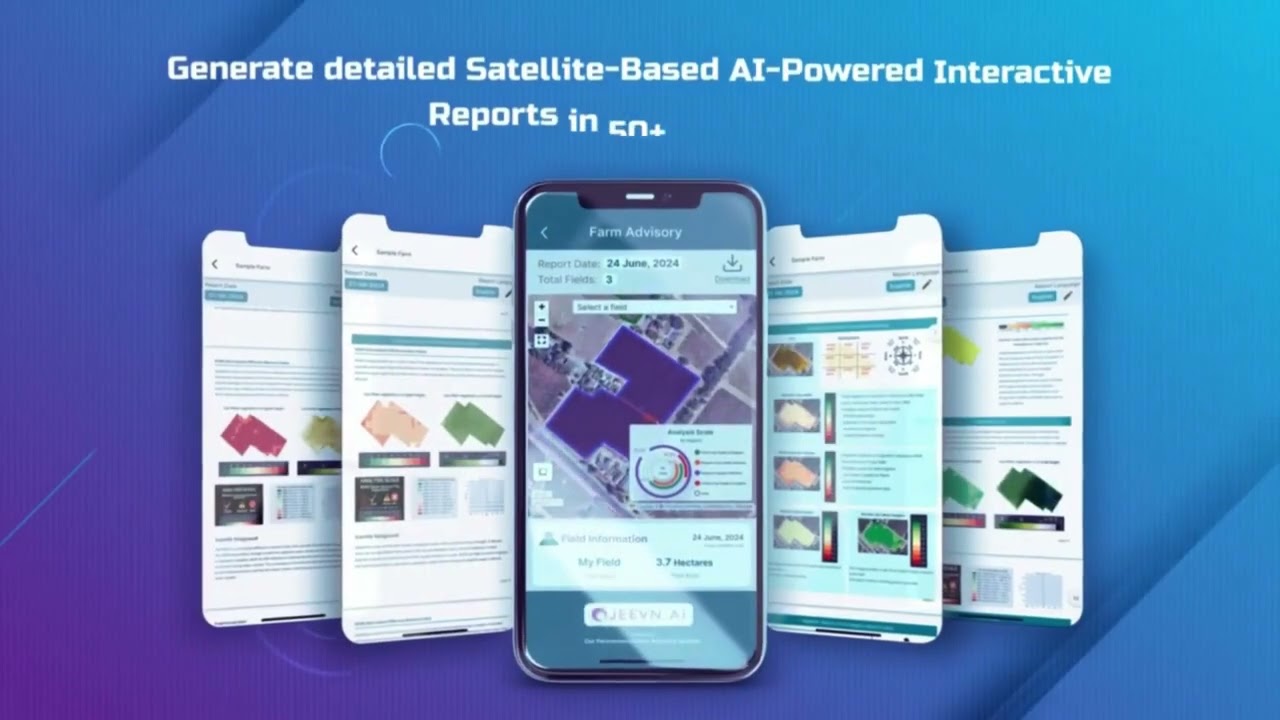
Precision farming is a central trend in hands-on agronomy, blending digital technology with boots-in-the-dirt experience. The core principle: enabling targeted interventions—across nutrients, water, and crop protection—by collecting and interpreting field-specific data.
- 📍 Satellite imagery tracks changes in field health, spotting areas that need extra attention or inputs
- 🌱 Sensors in-soil and on-plant measure moisture, nutrient status, and local weather
- 🚁 Drones scan for plant stress, disease symptoms, and assess crop stand variability
- 💧 Variable-rate irrigation & nutrient delivery pinpoint where water or fertilizer is most needed, reducing loss and maximizing efficiency
- 🛰 IoT & AI analytics highlight patterns and enable timely, data-backed decisions

Field-Driven Insights with Precision Systems
- ✔ Management zones help farmers move away from one-size-fits-all to block-by-block tailoring.
- 📊 Data comparison across years highlights subtle deficiencies—informing smarter input planning, even adjusting fleet management logistics for larger operations.

Pro Tip:
Bullet Points: Precision Tech Benefits
- ✅ Greater yield stability in variable weather
- 🌍 Reduced environmental impact via optimized input applications
- 💸 Input costs drop as waste is minimized and efficiency improves
- ⏱ Time savings with automated monitoring and alerting
- 🛡 Better risk management against emerging pests, disease, or system failures
Explore Farmonaut’s Carbon Footprinting Insights:
Our platform supports environmental stewardship in agriculture and mining by providing real-time monitoring of emissions and carbon flows.
This is essential for productive and sustainable cropping systems.

Key Insight
Nutrient Management: Toward Efficiency and Balance
Nutrient management is trending toward efficiency and balance—not just quantity, but quality and timing. Hands-on agronomy replaces routine, blanket applications with data-driven, stage-specific interventions—boosting both yield and sustainability.
Five-Step Practical Approach
- Soil tests—map out local variability, identify subtle deficiencies
- Plant tissue analyses—reveal what minerals are actually available and being taken up
- Calibration trials—test and tune rates for specific growth stages
- Variable-rate application—apply only what’s needed, precisely where needed
- Monitor and adapt—review performance season by season, using tools like large scale farm management dashboards.
Data Insight
Shifting Emphasis: The Role of Micronutrients
- 🔬 Micronutrients like zinc, boron, and manganese play key roles in photosynthesis, enzyme function, and crop stress tolerance.
- ⚠ Subtle deficiencies can cap yield even when major N-P-K needs are met.
- 📋 Regular tissue analyses and scouting are central to detecting and correcting these hidden gaps.
Investor Note: Sustainable, data-optimized input management represents a major growth area for agtech and analytics companies, addressing both productivity and regulatory drivers.
Looking for seamless API integration to automate nutrient management recommendations? Farmonaut’s API and API Developer Documentation make field-level analytics effortlessly accessible for custom applications.
Plant Physiology & Genetics: Field-Driven Decisions
Modern agronomy integrates hands-on plant observation, physiological understanding, and new genetics to create cropping systems that are both high-yielding and resilient.
Phenotype Selection Meets Field Validation
- 📈 Choosing crop varieties that align with local heat, drought, and disease pressures—then testing them in simple, repeatable field trials before large-scale adoption.
- 🔬 Monitoring for stress tolerance, enzyme function, and root vigor at different growth stages informs timely interventions and variety recommendations.
- 📊 On-farm trials—in partnership with extension or independently—accelerate learning so decisions aren’t driven solely by sales claims or distant trial data.
Farmers increasingly realize the benefits of testing biologicals, biostimulants, and crop protection strategies directly on their land, closing gaps between research and reality.
Integrated Crop Protection: Smart Controls
Crop protection is no longer about maximizing chemical use, but about minimizing risk to yield while conserving system health. Today’s hands-on agronomy solutions are built on Integrated Pest Management (IPM)—blending cultural, biological, genetic, and chemical controls in a timely and informed way.
Timely Scouting Supports Targeted Interventions
- 🔎 Frequent field scouting: Use local weather patterns and crop stage to schedule checks; digital tools complement, not replace, in-field observation.
- 🌱 Disease resistant varieties: Reduce the need for broad-spectrum spraying by building resilience into the cropping system from the start.
- 🕰 Decision-support tools: Help identify critical intervention windows and distinguish transient damage from persistent threats.
Visual List: Key Integrated Crop Protection Practices
- 🪲 Cultural practices: Crop rotation, trap crops, and adjusting planting dates to disrupt pest cycles
- 🧬 Use of biologicals: Biostimulants and beneficial insects to support system health
- 🚨 Timely, targeted sprays: Only when scouting reports indicate economic threshold is crossed
- 📈 Resistance management: Rotate modes of action to prevent resistance build-up
Interested in reliable blockchain-based product traceability for crop supply chains? Farmonaut Traceability Solutions enhance transparency, helping verify compliance and authenticity for crops and commodities.
Common Mistake
Solution: Only intervene when local scouting and risk thresholds justify action.
Water Management & Irrigation Efficiency
Water is agriculture’s gold. As climate volatility increases, sustainable water management becomes central to resilient hands-on farming. The trends? Simple monitoring, data-driven planning, and precision application.
Key Steps for Modern Water Use
- 💧 Soil moisture sensors: Place strategically to understand field-level variability in water content.
- 🚱 Drip/trickle irrigation systems: Deliver water directly to root zones, minimizing evaporative losses.
- ⚖️ Deficit irrigation: Times water delivery to match periods of peak crop demand and growth stages, not on a set schedule.
- 🍂 Mulching and residue management: Retain soil moisture and moderate temperatures, especially vital in rainfed systems.
- 📊 On-farm water audits: Use simple logs or digital dashboards to expose areas of high loss and inform future investments.
Key Insight
Technology as a Partner to Agronomic Know-How
Modern agriculture technology doesn’t replace traditional agronomic skills—it amplifies them. While remote sensing, IoT devices, and AI analytics can reveal patterns and trigger alerts, their real power lies in enabling timely interventions built on observational skills and field expertise.
- 🥽 Remote sensing detects early stress before eyes can see it—from nutrient deficiency to pest outbreaks.
- 📱 Handheld devices and satellite services make insights accessible in the field, guiding scouting and in-season adjustments on the spot.
- 🖥 AI-based advisory tools synthesize complex data, highlight zones of concern, and recommend practical solutions—key, especially for smaller operations scaling up data use.
At Farmonaut, we empower users to interpret high-resolution satellite imagery for field scouting, stress diagnostics, and historical trend review. This fuels accurate, location-specific agronomy decisions, saving resources and boosting yield.
Five Bullet Points: Technology-Driven Hands-On Agronomy
- 🚀 Remote satellite imaging spots crop stress fast and cost-effectively
- 🔎 AI algorithms turn big datasets into daily action steps
- 💡 APIs and web apps make integration with on-farm sensors straightforward
- 🌐 Data-driven predictions help plan next season based on years of trend data
- 📋 Digital records enhance traceability and compliance for markets and insurers
Investor Note
Sustainability & Resilience in Agronomy
The movement toward sustainable cropping systems has never been more robust. Farmers are adopting practices and systems that build resilience, diversify income, and conserve the environmental resources on which all agriculture depends.
- 🌳 Agroforestry and intercropping: Increases biodiversity, suppresses disease, and creates new revenue streams.
- 🔄 Crop rotations: Breaks pest and disease cycles while maintaining soil fertility and reducing input needs.
- 🌍 Landscape-scale planning: Coordinates interventions for erosion control, water retention, and wildlife corridors.
- 🪨 Blockchain-based traceability: Supports transparency for markets demanding environmental and social stewardship (visit Farmonaut Product Traceability to learn more).
- 📝 Documentation and record-keeping: Informs continuous improvement and enables access to green markets and financing options (see our Crop Loan and Insurance Verification for easy reporting solutions).
Farmonaut’s platform is designed to help users, businesses, and governments integrate these sustainability practices efficiently and transparently—whether managing a field, an entire operation, or regional resources.
Three Sustainability Bullet Points
- 🌱 Practices like no-till and cover crops improve long-term soil function and sequester carbon.
- 🔎 Real-time satellite data ensures timely adaptation amid weather, market, or disease risks.
- 🚀 APIs for data exports facilitate grant applications and regulatory compliance for sustainability incentives.
Learn how our Carbon Footprinting tools support your sustainability goals.
Comparative Trends Table
| Trend/Practice | Description | Estimated Adoption Rate (%) * | Estimated Yield Increase (%) * | Sustainability Impact |
|---|---|---|---|---|
| Precision Farming | Use of GPS, sensors, and data analytics for targeted input application | 60%-65% | 10-15% | High |
| Remote Sensing & AI | Satellite or drone-based crop health, soil, and water monitoring | 40%-55% | 8-12% | Medium-High |
| Regenerative Agriculture | Practices focused on soil restoration, cover crops, minimal tillage | 25%-30% | 10-20% | High |
| Variable Rate Nutrient Management | Tailoring fertilizer applications via sensors and analytics | 30%-45% | 8-15% | High |
| Integrated Crop Protection | Combining resistant varieties and targeted pest management | 55%-60% | 7-10% | Medium-High |
| Smart Irrigation Systems | Drip/trickle, moisture-sensor-driven, zone-specific | 35%-50% | 8-14% | High |
| Blockchain Traceability | Digital records of product origin, handling, and sustainability | 10%-18% | 5-8% (traceability + price premiums) | Medium |
| Biologicals & Biostimulants | Soil/plant inoculants, organic amendments | 15%-20% | 5-10% | High |
*All figures are estimates, provided to support strategic decision-making and general trends overview.
Farmonaut’s Role in Modern Agronomy
We at Farmonaut are dedicated to bringing satellite-driven hands-on agronomy and actionable insights to the heart of productive farming. Our technologies empower farmers, agronomists, businesses, and governments to:
- 📊 Monitor crop health, soil moisture, and environmental risks in real time.
- 🛰 Leverage large-scale farm management tools to optimize operations—no matter the size or complexity.
- 🌍 Access carbon footprinting, traceability, and resource monitoring for compliance and sustainability.
- 🔑 Secure affordable, scalable subscriptions through our web and mobile apps or integrate via API for custom solutions.
Highlighted Insights and Pro Tips
Hands-on scouting combined with satellite data leads to the fastest and most accurate responses to emerging crop stresses.
Invest time in regular calibration trials and side-by-side variety tests—local data trumps theory when it comes to crop resilience.
Technologies that link traceability with carbon and yield data represent a key growth segment for agri-finance, insurance, and supply chain clients.
Focusing only on yield maximization without regard to long-term soil or water health can undermine future productivity—balance is key.
Farmonaut provides APIs that streamline the reporting process for carbon, traceability, and regulatory compliance. Learn about Farmonaut APIs, and check out the Farmonaut API Developer Documentation for easy deployment.
FAQ: Hands-On Agronomy & Crop Science
What is hands-on agronomy?
Hands-on agronomy refers to practical, field-based management in agronomy and crop science. It emphasizes regular scouting, testing, and direct observation to guide all decisions—using technology as a tool, not a replacement.
How do I start with precision farming?
Begin by mapping basic soil zones and crop variability using satellite imagery or test kits. Layer in yield maps and field notes. From there, experiment with variable-rate input applications and monitor results.
What are the essential soil health indicators?
Soil organic matter, structure, porosity, biology (microbes/fungi), moisture retention, and active nutrient cycling. Use regular tests to measure changes and track improvements.
Why are micronutrients important?
Micronutrients play roles in photosynthesis, enzyme activation, plant stress responses, and root formation. Deficiencies often go undetected but can limit crop growth and yield potential.
How does Farmonaut support sustainable farming?
We provide satellite-based monitoring, AI-driven advisory, blockchain traceability, and environmental impact insight for all users—enabling informed, data-driven sustainability and resilience in agriculture, mining, and infrastructure sectors.
Conclusion
Hands-on agronomy represents the best of both worlds: blending wisdom earned in the field with cutting-edge scientific tools and digital analytics. As current trends in agronomy and crop science reveal, the most sustainable and productive farms are those where soil, crop, water, and nutrient stewardship are managed with practical attention, timely interventions, and respect for local variability.
We at Farmonaut are proud to offer accessible, affordable platforms that bring these technologies into reach for every grower, business, or government agency seeking to maximize yield while conserving resources for tomorrow.
Empower your season with actionable insights and the confidence of real-world data. Join us at Farmonaut and experience the future of agronomy—today.
Looking for crop insurance and loan verification? Visit Farmonaut Crop Loan & Insurance Service to access satellite-based verification for faster, more reliable approvals.
Ready for advanced carbon tracking in farming? Discover our Farmonaut Carbon Footprinting Solutions.
Interested in boosting transparency? See how Farmonaut’s traceability platform can help meet global market and regulatory requirements.

 AgriSevak
 CU Foods
 BeyondTech Global
 Rouge VC
 Yutz Automation
 AgroGreen Dynamics
 AgroRisk
 Oath Inc
 Reddane Farming
 Esri North East Africa
 Cresol
 Atur Kuliner
 MDCV UK
 Zerella Group
 Etech Consulting Madagascar
 Vestlandsforsking
 Delicio
 WB Dev
 Sama Premium
 Prochecker
 Tres Valles
 LACOS Geoinformation
 Magrifly
 LatConnect 60
