

High Yield Farming 2025: Proven Strategies for Maize Success
Meta Description: Unlock high yield agriculture in maize farming for 2025 with advanced practices, precision tools, and sustainable strategies for optimal yield and productivity.
“Maize yields can increase by up to 30% using data-driven precision farming techniques in 2025.”
Introduction: The Importance of High Yield Farming in Maize for 2025
In today’s rapidly changing agricultural landscape, high yield farming is more than a goal—it’s a necessity. As the global population surges towards 8.5 billion by 2030, the pressure mounts to produce greater quantities of food—especially staples like maize—from increasingly scarce land and dwindling resources. From Sub-Saharan Africa to the American Midwest, maize (corn) is central to both human diets and agricultural economies.
But what does yield actually mean in agriculture? Why is achieving high yield so critical? And how can advanced technological innovations and data-driven practices help us unlock the highest apy yield farming for maize in 2025 and beyond?
This in-depth guide will delve into yield meaning in agriculture, uncover proven strategies and practices, and highlight the role of precision tools, smart sensors, and satellite technologies in maximizing productivity—all within the context of sustainability and real-world application for the future.
Why Focus on High Yields in Maize?
- Maize remains a staple crop for over 1 billion people worldwide.
- It accounts for the highest share of caloric intake in many developing countries.
- High yields mean more efficient use of land, water, fertilizers, and labor.
- Profitable farming: High yields lower per-unit costs and boost profitability.
- Approaches for maximal yields are also often more sustainable and offer resilience against climatic shocks.
What You’ll Learn:
- The precise yield meaning in agriculture and why it matters
- How to get high yield in maize farming: the science-backed practices for 2025
- Comparative insights between advanced and traditional methods
- The integration of technology—satellites, sensors, and AI—into everyday farming
- Sustainable, climate-smart agricultural strategies that future-proof your fields
Understanding Yield in Agriculture: Definitions and Impact
Yield, in agricultural terms, fundamentally refers to the amount of crop produced per unit area. This figure is typically expressed in kilograms or tons per hectare (kg/ha or t/ha). For maize, as with many other crops, “high yield” doesn’t just mean bumper harvests—it means maximizing output while keeping resource use efficient, costs low, and impacts on the environmental footprint minimal.
Key Factors Influencing Maize Yield
- Seed genetics and variety selection: The building blocks of productivity.
- Soil health and fertility: Nutrient availability, pH levels, microbial life.
- Water availability and irrigation strategy: Drought, rainfall patterns, and smart irrigation.
- Pest and disease management: Resistance, early detection, integrated control.
- Climatic conditions: Temperature, weather anomalies, resilience to changing climate.
- Agronomic practices: Crop rotation, planting dates, seed spacing, and density.
- Technological interventions: Use of digital tools, sensors, and precision application methods.
Why is Yield So Important?
While the objective of high yield agriculture may seem simply to increase production, it is equally about sustainability and efficiency. Achieving high yields also helps:
- Meet food security demands for a growing global population
- Reduce environmental impact per kilogram or ton produced
- Provide higher (maximal) profitability per hectare for farmers
- Boost resilience to climatic and market volatility
Best Practices for High Yield Agriculture in Maize
Let’s break down the best and most proven practices for attaining the highest apy yield farming outcomes for maize in 2025, focusing on science, advanced techniques, and technological innovations.
1. Seed Selection: Foundation for High Yields
How to get high yield in maize farming always begins with superior seed selection. The choice of hybrid and genetically improved varieties sets the foundation for potential yield by providing inbuilt resistance, adaptation to local climatic conditions, and improved nutrient efficiency.
- Hybrid seeds offer enhanced vigor, uniformity, and are bred for high yield.
- Genetically improved varieties boast innate pest and disease resistance, drought tolerance, and better nutrient uptake.
- Modern improvements for 2025 focus on climate resilience, shortened maturity periods, and nutritional fortification.
Key for 2025: Selecting seeds that not only survive but thrive in changing weather, water stress, and disease pressure is vital. Access to seed performance data, regional trials, and expert recommendations streamlines the selection process.
Tip: Use seed catalogs and digital platforms to compare yield estimates (kg/ha or t/ha) and resistance traits for your specific location.
2. Soil Health and Fertility Management
The soil is the engine of productive farming. Effective soil health and fertility management are essential to unlocking high yield agriculture for maize—ensuring every plant gets the nutrients and support required for robust growth.
- Regular soil testing allows precise fertilizer application—avoiding under- or over-fertilization.
- Monitoring pH levels and adjusting with lime or other amendments ensures optimal nutrient availability and root health.
- Incorporating organic matter (compost, manure, biochar) boosts microbial activity and improves soil structure.
- Crop rotation with legumes and the use of cover crops enhance soil health and break pest/disease cycles.
- Minimum tillage techniques preserve soil structure and lower erosion.
Pro-Tip for 2025: Use satellite and sensor-based soil moisture and nutrient mapping (like those on the Farmonaut platform) to determine field variability and apply fertilizers or water with utmost efficiency. See Farmonaut’s carbon footprint monitoring to support the sustainability goals in large-scale maize farming.

Satellite Soil Moisture Monitoring 2025 – See how AI and remote sensing revolutionize efficient watering practices.
3. Optimizing Planting for Maximum Yield
Perfect planting drives uniform germination, optimizes row and in-row spacing, and ensures each plant has access to light, water, and nutrients. Getting this right for maize, especially with today’s precision agricultural tools, can mean the difference between average and record-breaking harvests.
- Correct planting dates matched to local weather patterns reduce risks of drought or early frost damage.
- Seed spacing and depth ensure consistent stands and reduce intra-crop competition.
- GPS-guided planters and variable-rate seeding (VRS) use digital field maps to optimize plant population based on soil productivity zones.
- Real-time adjustments allow customized planting patterns for every field’s unique soil and moisture profile.
In 2025, precision planting techniques using satellite data make it easier to adapt to complex field conditions, maximizing yield per hectare.
Explore how smart farming tech and AI improve planting precision and sustainable outcomes.
4. Water Management and Smart Irrigation
Climate change is rewriting the rules for water availability. Maize productivity now relies heavily on smart, efficient irrigation practices to weather both drought and flood extremes.
- Drip irrigation and center pivots deliver water precisely, minimizing losses.
- Soil moisture sensors signal when and where to irrigate, avoiding stress and reducing waste.
- Satellites identify dry zones and direct targeted watering for uniform maize development and resilience.
- Scheduling based on crop stage and forecasted weather patterns boosts water use efficiency.
Tip: Use Farmonaut’s satellite moisture analytics and AI-driven irrigation advice for precision scheduling. This minimizes cost and environmental impact while ensuring your plants achieve maximal yields.
Enterprise-scale farm management solutions from Farmonaut empower large farm managers to monitor, schedule, and optimize water use across thousands of hectares with ease.
Learn about regenerative practices for soil health and smart irrigation strategies for 2025.
5. Integrated Pest and Disease Management
Pest and disease pressure is a top cause of yield loss in maize worldwide. The 2025 approach to control is IPM (Integrated Pest Management)—blending prevention, monitoring, and targeted interventions for maximum effectiveness and minimum environmental risk.
- Hybrid seed selection: Opt for varieties with built-in resistance to key pests and diseases.
- Crop monitoring (with satellite imagery and field sensors) detects threats early, allowing rapid response.
- Biological controls: Parasitic wasps, beneficial fungi/bacteria can naturally reduce pest populations.
- Targeted pesticide application cuts chemical use, lowers cost, and minimizes non-target effects.
- Rotation and sanitation: Reduce disease carryover and break pest cycles between seasons.
AI-powered crop health monitoring (such as Farmonaut’s Jeevn AI Advisory System) automatically detects disease triggers, pest outbreaks, and stress patterns across vast areas—enabling precise action before major losses.
Watch how AI and drone innovations are revolutionizing pest and disease control in modern agriculture.
Farmonaut Fleet Management tools improve agricultural efficiency, enabling managers to schedule and track drones, sprayers, and monitoring vehicles seamlessly for timely protection and intervention.
6. Digital Tools, Sensors, and Data-Driven Strategies
In 2025, the secret weapon for maximizing maize yields is information. Digital agriculture integrates big data analytics, cloud platforms, IOT sensors, and real-time monitoring from satellites to optimize every task—soil analysis, water, fertilizer, pest control, harvest scheduling, and more.
- Satellite imagery offers a bird’s-eye view of crop growth, stress zones, and health trends over entire farms.
- IOT sensors in the field monitor soil moisture, nutrients, temperature, and microclimate data.
- AI-powered advisory systems recommend daily actions—watering, fertilizing, spraying—based on weather, crop stage, and field status.
- Blockchain traceability ensures transparency from seed selection through delivery, strengthening food safety and consumer trust.
- Mobile apps like Farmonaut allow farmers to manage operations, get instant insights, and coordinate resources—even remotely.
Farmonaut API and developer docs empower agri-tech startups and large farms alike to build powerful integrations for their unique needs. Access real-time satellite data here: Farmonaut Satellite Monitoring API and integrate with our comprehensive Developer Documentation.

See the Farmonaut web platform in action: Monitor crops via satellite and AI for powerful data-driven decision-making.
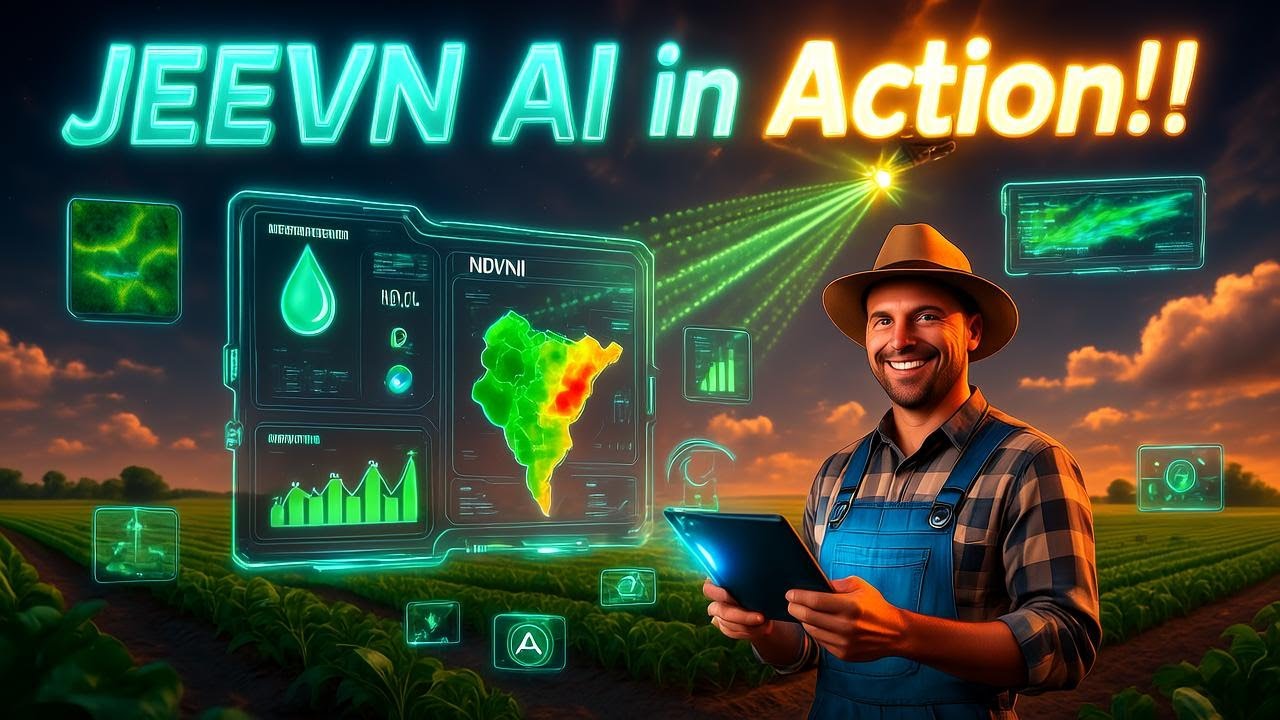
Explore how the JEEVN AI system turns satellite and field data into actionable farming insights for higher maize yields.
“Advanced agronomic practices can reduce resource use in maize farming by 20% while maintaining high productivity.”
Advanced Maize Yield Strategies vs. Traditional Practices: A Comparative Table
| Practice Type | Estimated Yield (tons/ha) |
Resource Input (Fertilizer, Water) |
Environmental Impact Score (1–5, lower=better) |
Technology Level | Yield Improvement (%) | Resource Savings (%) |
|---|---|---|---|---|---|---|
| Traditional | 5–7 | High (150kg N/ha, 600mm H2O/season) |
4 | Low | Baseline | Baseline |
| Precision Agriculture | 8–10 | Moderate (120kg N/ha, 450mm H2O/season) |
2 | High | +30% | Up to 25% |
| Smart Irrigation | 8–11 | Reduced (<80kg N/ha, 350mm H2O/season) |
1 | High | +40% | Up to 40% |
| Data-Driven Fertilization | 9–12 | Optimized (90kg N/ha, variable H2O via sensors) |
1 | High | +50% | 30–50% |
| Remote Sensing Monitoring | 10–14 | Lowest (Adjusts inputs in real time) | 1 | Very High | +60% or more | Up to 60% |
Note: The figures presented are indicative for 2025 based on advances in digital, sensor-driven, and precision agronomy. Yields and savings will vary by geography and local implementation.
Balancing Productivity and Sustainability: Key 2025 Trends
In the pursuit of high yield farming, new practices are not only focused on breaking yield records but also on protecting the planet. Here are the most significant trends for maize agriculture in 2025:
- Regenerative Agriculture: Practices like minimum tillage, intercropping, and perennial covers replenish the soil and sequester carbon. Learn more on our carbon footprinting solution.
- Agroforestry: Integrating nitrogen-fixing trees and shrubs alongside maize fields boosts both biodiversity and soil fertility.
- Climate-Smart Varieties: Next-generation hybrids are bred for resilience—surviving drought, disease, and extreme temperatures with less input.
- Precision Nutrient Management: No more blanket fertilizer application—tailor every nutrient to what the plant needs using live data.
- AI-Backed Advisory: Systems like Farmonaut’s Jeevn AI constantly process satellite imagery, disease trends, and weather feeds to help farmers plan, adapt, and optimize every day, field by field.
- Environmental Impact Tracking: Farmers and businesses need to monitor and document environmental outcomes for regulation, sustainability certifications, and consumer trust. See Farmonaut’s climate/impact monitoring tools.
- Blockchain Traceability: Authenticity, food safety, and compliance are enabled by Farmonaut’s traceability platform—from planting to market.
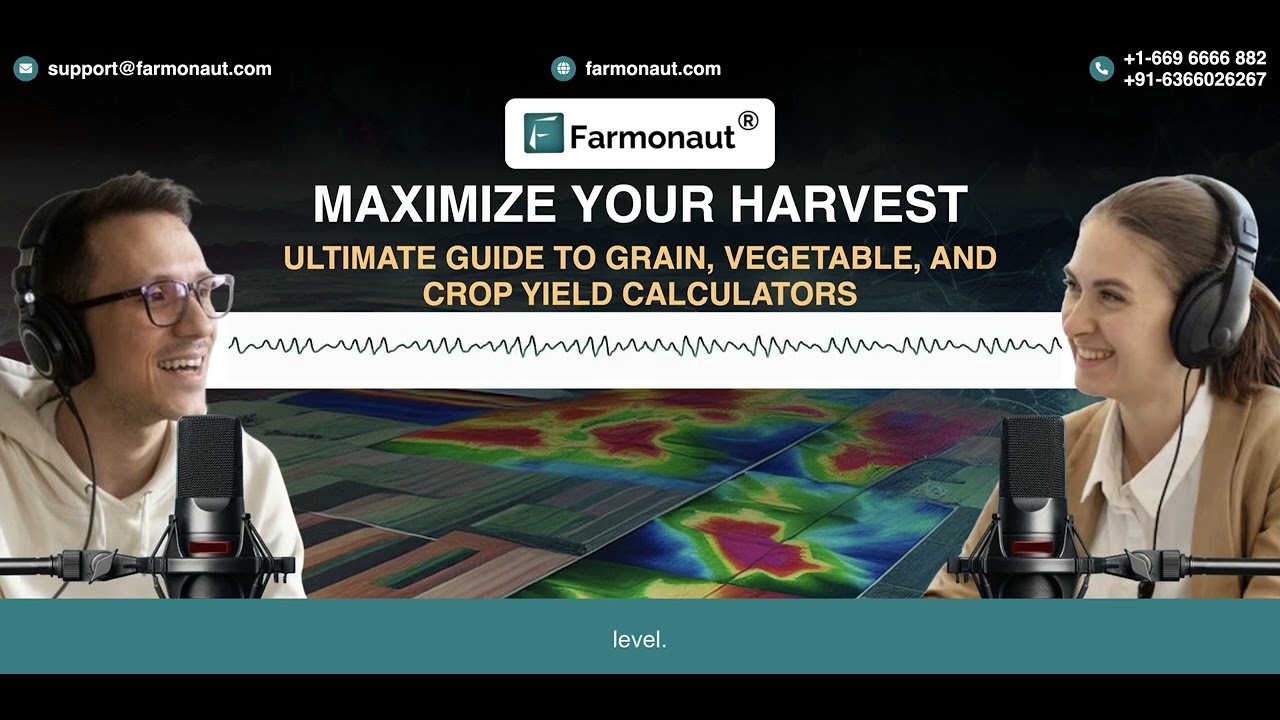
Discover digital tools for calculating and tracking yields in the field and improving decision-making.

See how AI and remote sensing are transforming maize farming in North America and beyond.
How We Use Farmonaut’s Satellite Technologies in High Yield Maize Farming
At Farmonaut, our mission is to make satellite-driven insights affordable and accessible for everyone involved in high yield agriculture. Here’s how our platform and technology empower maize farmers, agri-businesses, and institutions in 2025 and beyond:
- Real-Time Satellite Monitoring: Track maize growth stages, detect drought stress, pest outbreaks, and nutrient deficiencies from space—actionable in minutes via our web, Android and iOS apps.
- JEEVN AI System: Get tailored, AI-powered advisory on fertilizer application, irrigation scheduling, and disease/pest alerts—maximizing efficiency at every step.
- Blockchain Traceability: Offer complete transparency from seed to market–improving market value and helping with certification. Essential for large-scale, export-oriented maize farming.
- Environmental Impact Tracking: Monitor, document, and improve CO2 sequestration, water use efficiency, and sustainable practices with full reports—critical for compliance and sustainability goals.
- Rapid Field Scouting: Map stress zones remotely, allocate scouting teams smartly, and reduce response time to problems.
- APIs & Integration: Use our satellite data feed to integrate with your existing farm management systems—open up powerful new decision layers in irrigation, fertilization, and fleet logistics. See our API developer docs.
- Insurance and Credit Verification: Banks use Farmonaut satellite data for instant, fraud-resistant loan and insurance verification for maize fields—see crop loan and insurance tools.



Download our mobile or web app to start data-driven maize management today.
FAQ: High Yield Maize Farming 2025
-
Q: What is the yield meaning in agriculture for maize in 2025?
A: Yield in agriculture refers to the amount of maize grain produced per unit area, typically measured in kilograms or tons per hectare. In 2025, high yield is more than just numbers—it’s about achieving maximal output while maintaining resource efficiency, sustainability, and profitability. -
Q: How can I get high yield in maize farming?
A: Focus on proven strategies—select the best hybrid seed varieties, invest in soil health and fertility, use precision planting, adopt efficient irrigation (with sensors) and integrated pest management, and leverage digital tools for monitoring and decision-making. -
Q: What are the top three factors influencing maize yield?
A: 1) Seed genetics (choosing improved, climate-resilient hybrids), 2) soil health and precise fertilization, and 3) timely water management (using smart irrigation and moisture sensors). -
Q: Is precision agriculture expensive for small farmers?
A: Not anymore. Satellite-based tools and mobile apps (like those from Farmonaut) have made data-driven farming cost-effective and accessible for farms of all sizes—helping smallholders achieve yields once reserved for large-scale operators. -
Q: How does Farmonaut contribute to high yield agriculture in maize?
A: Our solutions offer satellite monitoring, AI-powered advisory (Jeevn AI), real-time sensors, and blockchain traceability for efficient field management, precise resource application, and improved profitability—while supporting sustainable and resilient farming in 2025. -
Q: What role does blockchain traceability play in maize farming?
A: Blockchain ensures every seed, input, and crop movement is secure and transparent—protecting against fraud, improving food safety, and helping credibly market sustainable maize. Learn more about Farmonaut’s traceability platform. -
Q: Are these approaches relevant for my region?
A: Yes. While specifics—like maize variety and timing—may vary by country or climate, precision agriculture, digital monitoring, and regenerative approaches are universally applicable and adaptable to both developed and developing agricultural landscapes in 2025.
Conclusion: Smart, Sustainable, and Productive – Charting the Future of Maize
The challenge of maximizing yield in maize farming for 2025 is as urgent as it is transformative. Yield, in the modern context, encompasses much more than the number of tons per hectare—it embodies efficiency, profitability, environmental responsibility, and resilience.
By unlocking high yield agriculture through advanced seed varieties, digital soil analysis, smart irrigation, and precision pest management—all powered by real-time digital tools and satellite innovations—farmers can meet the twin demands of a hungry world and a warming planet. Sustainable practices, regenerative approaches, and continuous learning will remain the cornerstones of this progress.
With platforms like Farmonaut, the knowledge and technology needed to achieve the highest apy yield farming in maize are now at every farmer’s fingertips—democratizing the future of productive, sustainable agriculture for all.
Discussion
Questions, corrections or field experience? Share them below. First-time comments are reviewed before they appear, and your email is never published.
No comments yet. Be the first to add a question or your experience.

 Raintree Computing
 Agricultural Credit Policy Council
 BayWa
BayWa MCSOD
MCSOD Marei Nursery
 eKGIS
eKGIS Mostas Tech
 Native Seeds
 Andex
Andex FCF India
 Unifrutti Gulf
 Deluxe Conseil
 TVS Electronics
 WICO
WICO Chimera Innovation
 SkyHarvest
 Licence holder · Niger · Gold
 Licence holder · Nigeria · Gold + lithium










