

Intelligent Spraying in Agriculture: Top 5 Key Benefits
“Intelligent spraying can reduce pesticide use by up to 50% compared to traditional methods, improving both efficiency and sustainability.”
Introduction
The evolution of intelligent spraying in agriculture marks a transformative leap in crop protection and farm management. Modern agriculture faces increased pressure to produce more with less—less land, less water, and fewer chemicals—while ensuring environmental sustainability and food safety. The integration of artificial intelligence (AI), advanced sensors, and automation into spraying agriculture has led to substantial gains in efficiency, sustainability, and precision.
Intelligent spraying systems leverage real-time data from advanced technologies—including high-resolution cameras, LiDAR, and AI-driven algorithms—to target pests, diseases, and weeds specifically where they occur in the field. This targeted application approach reduces unnecessary chemical usage, lowers costs, and minimizes negative environmental impacts.
In this comprehensive guide, we explore the top 5 key benefits of intelligent spraying in agriculture, compare these results with traditional methods, discuss challenges and adoption considerations, and analyze the role of innovators like Farmonaut in driving the future of agricultural intelligence.



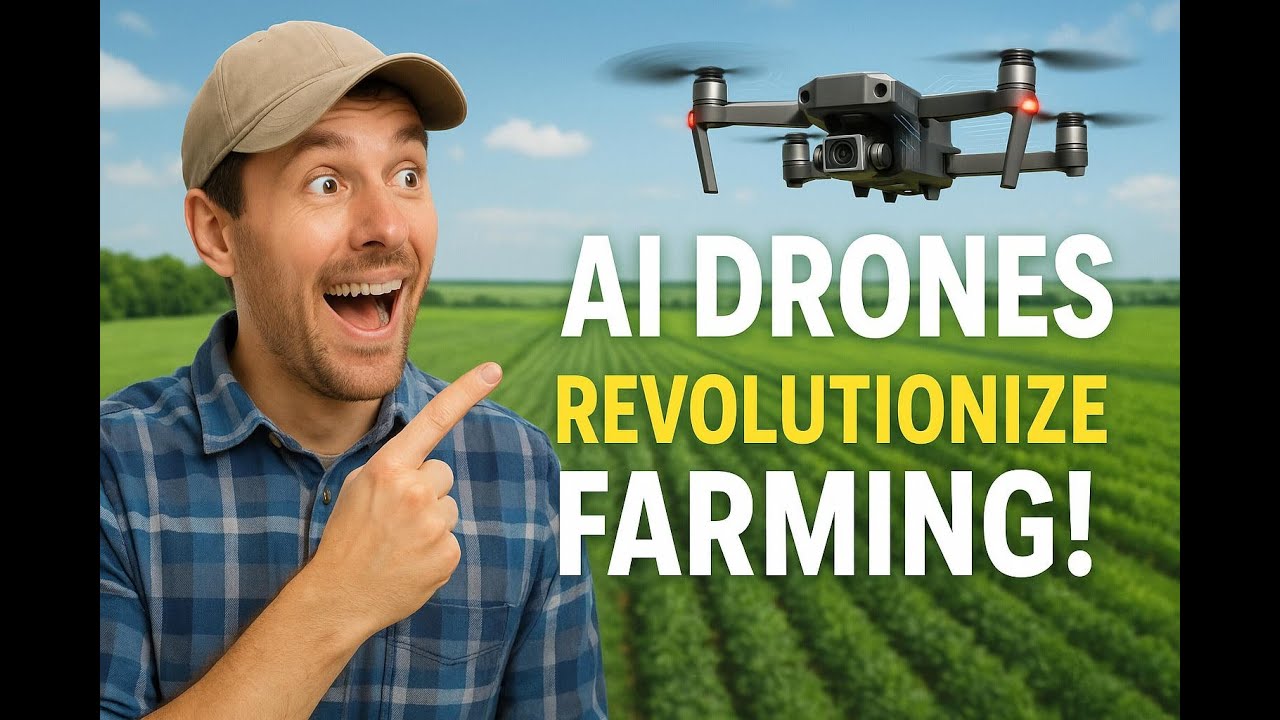
Key Components of Intelligent Spraying Systems
Intelligent spraying in agriculture is driven by an integrated set of advanced technologies. Each component plays a vital role in enabling precise and effective crop protection. Let’s explore the four essential pillars of intelligent spraying systems.
-
Sensors and Imaging Technologies
- Intelligent sprayers employ high-resolution cameras, LiDAR, and RGB sensors to monitor crop health in real time.
- These sensors collect data on plant disease symptoms, pest infestations, and environmental problem areas within fields.
- This data enables precise detection, mapping, and targeted application of pesticides and treatments.
- Learn more about advanced imaging at cfaes.osu.edu.
-
Artificial Intelligence and Machine Learning
- AI and machine learning algorithms process the data gathered by sensors to analyze plant health, recognize pest species, and assess severity of infestations and diseases.
- The analysis provides actionable insights, ensuring treatments are applied only where and when needed.
- This automation not only optimizes usage but also enhances efficacy and safety.
- For technical detail, read futurefarming.com.
-
Variable Rate Technology (VRT)
- VRT allows sprayers to adjust application rates dynamically based on real-time data.
- By modulating the amount of pesticide dispensed, VRT ensures optimal coverage and reduces waste.
- VRT plays a significant role in enhancing efficacy while lowering costs and environmental impact.
- Explore smart VRT at agritechnica.com.
-
Automation and Robotics
- Modern intelligent sprayers are often autonomous and equipped with GPS and AI for navigation.
- These systems navigate fields independently, performing tasks like spraying, data collection, and monitoring without direct human intervention.
- Automation increases operational efficiency and safety while reducing labor requirements.
- More insights: saiwa.ai.
By integrating these key components, intelligent spraying systems are able to make informed, targeted, and efficient crop protection decisions—ushering in a new era of precision agriculture intelligente.
Top 5 Key Benefits of Intelligent Spraying in Agriculture
Intelligent spraying delivers a number of transformative advantages over conventional spraying agriculture methods. Here we break down the top five benefits, each underlined by advanced technologies and precise data-driven insights.
-
1. Reduced Chemical Usage and Lower Costs
- Intelligent spraying technologies—such as spot spraying and variable rate application—enable targeted application of pesticides & treatments only where necessary.
- This approach reduces chemical usage by up to 50–90% compared to blanket spraying (source: farmonaut.com).
- The outcome? Significant cost savings for farmers and reduced risk of resistance in pest populations.
- Automated record-keeping ensures accurate tracking of chemical application, further minimizing unnecessary usage.
-
2. Environmental Sustainability
- By minimizing chemical use, intelligent spraying systems lessen the potential for pesticide runoff and contamination of water and soil resources.
- The reduction in environmental impact also means a healthier ecosystem for pollinators, humans, and future crops.
- Data-driven application helps comply with strict regulations on pesticide use, supporting sustainability on local and global scales (ars.usda.gov).
- For those interested in sustainability tracking, read about our Carbon Footprinting tools at Farmonaut.
-
3. Enhanced Crop Health and Yield
- Early detection and precise treatment of pests and diseases contribute to healthier crops.
- AI-powered analysis ensures interventions are both timely and effective, maximizing plant vitality and, consequently, yield.
- Research shows intelligent spraying can boost crop yield by up to 20% (portal.nifa.usda.gov).
- For example, Farmonaut employs satellite-based crop health monitoring for early diagnosis and management advice via its Jeevn AI Advisory System.
-
4. Operational Efficiency and Automation
- Automated and autonomous intelligent sprayers perform tasks independently and require fewer labor hours than manual or semi-automatic sprayers.
- This increased operational efficiency speeds up coverage, improves ROI, and enhances application accuracy.
- GPS and robotics systems can navigate complex fields, working night or day, and collecting valuable data on farm activity (saiwa.ai).
- For full-scale farms, Fleet Management and Large-Scale Farm Management solutions can further optimize operations.
-
5. Advanced Data Collection & Decision Support
- Intelligent spraying systems collect large volumes of precise data on crop health, input usage, and field variability.
- This wealth of data enables continuous improvement through analysis and machine learning, leading to more accurate and effective future spraying cycles.
- Data integration with farm management platforms (like Farmonaut) allows for seamless decision support and regulatory compliance.
- Integration with Product Traceability supports full supply chain visibility and consumer trust.

“AI-powered spraying systems can increase crop yield by as much as 20% through precise application and targeted protection.”
Comparative Benefits Table: Intelligent Spraying vs Traditional Spraying
To better illustrate the superiority of intelligent spraying in agriculture, here is a detailed comparison of the key benefits versus traditional spraying. The following data points are based on industry research and estimates; actual results may vary depending on crop type, location, and system configuration.
| Benefit | Intelligent Spraying (Estimated Value) | Traditional Spraying (Estimated Value) | Description / Impact |
|---|---|---|---|
| Reduced Chemical Usage | 50-90% reduction | 0-10% reduction | Precision targeting minimizes chemical use, saving costs and lessening residues. |
| Increased Crop Yield | Up to 20% increase | Baseline only, minimal improvement | Effective, timely treatments boost plant health and output. |
| Time Savings | 30-60% less time spent | Manual, labor-intensive | Automation and robotics increase operational efficiency and speed. |
| Environmental Sustainability | 70% less runoff, better soil & water health | High risk of runoff, contamination | Minimized chemical exposure protects ecosystems and compliance. |
| Cost Efficiency | Up to 50% savings in inputs, less labor | Baseline input, more manpower | Intelligent systems pay for themselves via savings over time. |
This table clearly highlights the value generated by agriculture intelligent spraying systems, making a compelling case for their adoption by forward-thinking and sustainability-driven operations.

Challenges and Considerations for Adoption
While there are significant benefits in deploying intelligent spraying technologies, there are also several challenges and considerations that must be addressed for broader adoption within the agriculture sector.
- High Initial Investment: Advanced intelligent spraying systems—featuring robotics, AI, and VRT—require significant upfront capital outlay, which can be prohibitive for small to medium-sized farms (globalagtechinitiative.com).
- Technical Complexity: Operation and maintenance of such sophisticated systems require specialized knowledge, tech support, and ongoing training (saiwa.ai).
- Data Management: The volume and granularity of field data gathered necessitate robust storage, processing, and analytics infrastructure.
- Regulatory and Standards Barriers: Lack of standardized regulations for AI-based pesticide use and variable rate technology can cause confusion and slow adoption (globalagtechinitiative.com).
- Farmer Knowledge & Confidence: Some stakeholders may be hesitant to trust automated systems for fear of technical failure, efficacy, or lack of hands-on control.
For those aiming to adopt intelligent field data solutions or integrate farm operations, Farmonaut APIs enable easy platform integration: Farmonaut API and API Developer Docs.
Overcoming these challenges is key to unlocking the future of agriculture intelligente across all geographies and scales.

The Future of Intelligent Spraying in Agriculture
As we look towards the future, the role of intelligent spraying agriculture in global food production will only grow. Ongoing advancements and the decreasing cost of digital agriculture technologies will facilitate wider adoption.
- Continuous AI Improvement: Machine learning models are getting more accurate at recognizing pest species, detecting disease symptoms, and fine-tuning dosage rates for specific crops.
- Simpler Interfaces: User interfaces are being refined to reduce the technical learning curve, encouraging confidence and broader use by farmers.
- Standardization & Regulation: Harmonized regulations and interoperability standards will streamline innovation and market expansion.
- Interconnected Farm Systems: All farm data—from planting to spraying to harvesting—will be visible, traceable, and analytically powerful.
Farmonaut is at the forefront by making high-precision agriculture affordable and accessible, even for smaller farms.
For those needing trust and supply chain verification, our blockchain-based product traceability solution ensures reliable, transparent farm-to-fork journeys.

Ultimately, the future of intelligent spraying in agriculture is bright, with technology, analysis, and actionable insights converging to create robust, sustainable, and cost-efficient food systems for tomorrow.
How Farmonaut Supports Agricultural Innovation
As a pioneering agricultural technology provider, Farmonaut offers farmers and agribusinesses around the world a cost-effective entry point into precision agriculture, without the need for expensive hardware investment.
- Satellite-Based Crop Health Monitoring: Our platform utilizes multispectral satellite imagery and AI analysis to monitor vegetation indices, soil moisture, and early signs of pest or disease, providing targeted reports for timely decision-making.
- AI-Based Advisory Systems: The Jeevn AI Advisory System provides real-time, personalized recommendations for crop management, irrigation, and input scheduling—delivered directly to your smartphone.
- Blockchain-Based Traceability: Enhance transparency and consumer trust, and comply with export standards using traceability solutions that track every stage of a product’s journey.
- Fleet and Resource Management: For medium to large operations, our fleet tracking and large-scale management modules optimize logistic workflows and reduce operational costs.
- Carbon Footprinting: Our solution (Carbon Footprinting) helps businesses understand, monitor, and reduce their environmental impact, fostering sustainability and regulatory compliance in modern agriculture.
- Crop Loan and Insurance: We assist financial institutions and farmers in simplifying loan and insurance by providing satellite-based verification, streamlining approvals, and reducing fraud.

Our mission is to make agriculture intelligente available to all, enhancing efficiency, sustainability, and profitability regardless of farm size.

Frequently Asked Questions (FAQ): Intelligent Spraying in Agriculture
1. What is intelligent spraying in agriculture?
Intelligent spraying in agriculture refers to the use of AI, sensors, imaging, and automation technologies to monitor crop health and apply pesticides or treatments precisely where needed—minimizing chemical use, improving efficiency, and promoting sustainability.
2. How does intelligent spraying reduce pesticide usage?
By using high-resolution cameras and AI algorithms, intelligent systems detect exactly which areas are affected by pests, diseases, or weeds. This targeted approach allows for spot spraying, reducing pesticide input by up to 90% in some cases.
3. Can intelligent spraying systems be used on all crops?
Yes, intelligent spraying technologies can be adapted for a variety of crops, including cereals, fruits, vegetables, and plantation crops. However, sensor calibration and AI models may need to be tailored for crop-specific characteristics.
4. Is intelligent spraying affordable for small-scale farmers?
While initial investment can be high for fully robotic systems, affordable alternatives—like Farmonaut’s remote crop health monitoring and advisory services—make precision agriculture accessible to smallholders as well.
5. How is data managed in intelligent spraying agriculture?
Data collected from sensors and field robots is integrated into farm management platforms, analyzed using machine learning, and made available to decision makers in real time. Solutions like Farmonaut facilitate easy data integration and secure storage.
6. What about regulations around AI and new tech pesticides?
Regulatory standards for intelligent spraying systems and AI-driven pesticide usage are evolving globally. It’s important for farmers to remain updated with local laws and work with solution providers that prioritize compliance.
7. How can Farmonaut be used alongside intelligent spraying machinery?
Farmonaut provides real-time satellite crop health data, AI-powered advisory, and resource management tools. Agribusinesses and farmers can use Farmonaut insights to plan, calibrate, and validate their spraying activities for added precision and efficiency.
Farmonaut Subscription Plans
Farmonaut offers affordable, scalable subscription packages tailored for smallholders, agribusinesses, and government initiatives. Access advanced features—such as satellite monitoring, AI insights, blockchain traceability, and fleet management—via web, mobile, and API.
Conclusion
Intelligent spraying in agriculture represents a transformative, technology-driven approach to farm management. By leveraging AI, sensors, automation, and robust data analysis, farmers can now achieve precision in pesticide application, protect crops, boost yields, and ensure sustainability for future generations.
As intelligent technologies progress and become increasingly accessible, their adoption will radically improve how we produce food—minimizing waste, lowering costs, and maximizing return on investment across diverse agricultural contexts. With affordable, scalable solutions like Farmonaut, advanced-edge agriculture intelligente is within reach for farmers everywhere.
Ready to explore intelligent agriculture? Download the Farmonaut app or API today for smarter, more sustainable crop management.

 UCAL Fuel Systems
 Kubota
 FFBS
FFBS Jontra
 Kalustyan
 Tucor
Tucor Geno
Geno Hayleys Agriculture
 Linx Agritech
 Adinet
 Save Your Soils
 Grandstream Algérie
 XOS Realty
 Geospatial Lab Africa
 Agro La Gándara
