

Modern Dairy Farming Techniques: Boost Productivity 2025
“Precision feeding systems can increase dairy farm milk yields by up to 20% through tailored nutrition and automated delivery.”
Table of Contents
- Introduction: The Evolution of Modern Dairy Farming Techniques
- Precision Dairy Farming & Automation in 2025
- Genetic Improvement and Breeding: Optimizing the Dairy Herd
- Precision Feeding Practices and Sustainable Nutrition
- Advanced Waste Management and Environmental Practices
- Animal Welfare and Comfort: Core Elements in Modern Dairy
- Climate Adaptation and Resilience in Dairy Farming
- Feature-Impact Table: Dairy Farming Techniques Compared
- Satellite Technology and Data-Driven Dairy Management: How Farmonaut Empowers Farmers
- The Future: Dairy Farming Techniques Advancing Productivity and Sustainability in 2025 and Beyond
- FAQ: Modern Dairy Farming Techniques in 2025
- Conclusion
Introduction: The Evolution of Modern Dairy Farming Techniques
Dairy farming continues to be a cornerstone of the agricultural sector worldwide, providing essential nutrition by producing milk and other dairy products. As global demand for high-quality dairy rises, the dairy sector faces mounting pressure to enhance productivity, improve animal welfare, and drive environmental sustainability. By 2025, modern dairy farming techniques are transforming the production landscape—integrating advanced technologies, precision feeding, and automation to meet both economic and ecological goals.
From precision feeding and genetic improvement to robotic automation and sustainable waste management, today’s farming practices are reshaping the capabilities of dairy farms worldwide. In this detailed guide, we’ll explore the most impactful modern dairy farming techniques, their role in advancing productivity, and how innovation and technology are setting new benchmarks for animal health and sustainability into 2025 and beyond.

Precision Dairy Farming & Automation in 2025
One of the defining features of modern dairy farming techniques is the integration of automation and precision agriculture tools. These advanced systems leverage sensors, IoT devices, and AI-driven software to monitor cows’ health and behavior in real time–facilitating smarter management decisions and improved outcomes.
Key Components of Precision Dairy Farming:
- IoT Sensors: Monitor animal activity, feeding behavior, milking frequency, temperature, and location.
- Automated Milking Systems (AMS) (commonly known as robotic milking machines): Reduce labor costs, increase efficiency, allow cows to be milked as needed, and enable detailed data collection for each animal.
- Advanced Data Analytics: Employ AI-based systems to analyze animal health data, detect disease early, and enable individualized feeding and care plans.
- Robotic Cleaning Machines: Help ensure a hygienic environment and reduce labor intensity.
- Sensors and Wearables: Track stress, activity, reproductive cycles, and milk yield, helping with timely interventions and better welfare.
These automation systems not only enhance productivity but also improve animal welfare and reduce costs. For instance, AMS are widely recognized for enabling farms to efficiently manage larger herds with fewer staff, while maintaining high milk production consistency and ensuring comfort for cows.
“Automated milking reduces labor needs by 50%, allowing farms to manage larger herds with consistent animal care.”

Benefits of Automated and Precision Dairy Systems
- Higher Productivity: Real-time monitoring and data-driven adjustments lead to more efficient milk production and resource use.
- Improved Animal Health & Welfare: Early disease detection allows prompt intervention, reducing mortality and suffering.
- Labor Efficiency: Automated milking and cleaning free up time for skilled tasks and support scaling operations.
- Data for Continuous Improvement: Collect and analyze detailed data on each cow for better management outcomes.

Modern sensors and IoT tools are also empowering dry land farming techniques, wheat farming techniques, and onion farming techniques—demonstrating the broad applicability of these technologies across agriculture.
How Automation Improves Disease Detection & Individualized Nutrition
- Health Sensors: Detect early signs of disease (temperature, activity drop, milk variability), supporting timely treatment.
- Individualized Feeding: Data-driven feeding regimens for each cow maximize nutrient utilization and milk yield.
- Precision Management: Automated systems ensure the right mix of feed additives for digestibility and methane emissions reduction.

In summary, precision dairy farming techniques—driven by automation, robotic milking, and sensors—are setting the new gold standard for modern farming in 2025.
Genetic Improvement and Breeding: Optimizing the Dairy Herd
Genetic improvement is another critical pillar of modern dairy farming techniques. Advances in genomic selection and DNA testing help farmers more rapidly ID superior breeding stock for traits that matter most: higher milk yield, disease resistance, and climate adaptability.
How Modern Genetic Programs Work:
- Genomic Selection: Use genetic markers from DNA testing to predict milk quality, feed efficiency, disease resistance, and adaptation to climate variations.
- Accelerated Breeding: Identify and propagate high-performing cows faster, resulting in herds with superior genetics and better productivity.
- Customized Herd Goals: Breeding programs tailored for local environmental conditions, including heat-tolerant and disease-resistant breeds. This is particularly relevant as climate change impacts livestock health and milk production worldwide.
- Continuous Improvement: Ongoing identification of genetic variation for optimal long-term herd resilience and productivity.

The outcomes of these breeding programs include more productive, healthier, and adaptable livestock capable of thriving in diverse environments, ultimately supporting sustainable dairy production in 2025 and beyond.
Precision Feeding Practices and Sustainable Nutrition
Feed constitutes a major portion of dairy sector expenses, often accounting for over half of production costs. In 2025, precision feeding with the help of modern technologies is revolutionizing dairy farming techniques. These systems tailor nutritional inputs to each cow’s needs—improving milk yield, reducing waste, and slashing resource use.
Core Elements of Precision Feeding:
- Real-Time Monitoring: Sensors and IoT devices track feeding behavior, intake, and digestibility.
- Tailored Rations: AI-powered systems formulate balanced rations for individual cows based on weight, lactation stage, and milk production goals.
- Quality Feed Ingredients: Emphasis on incorporating high-quality forages, locally sourced inputs, and feed additives that boost productivity and reduce methane emissions.
- Reduced Carbon Footprint: Locally sourced feed lowers emissions from transportation; methane-reducing additives help reduce environmental impact. Discover more on Farmonaut’s Carbon Footprinting solutions for measuring and managing agricultural emissions.
By implementing precision feeding methodologies, dairy farmers worldwide are not only increasing milk yield but also contributing to global sustainability efforts.
Sustainable Feed Choices and Nutritional Strategies for Dairy:
- Use of Forages: Forages increase digestibility and provide more sustainable nutrition.
- Balanced Rations: Maximize production and reduce waste.
- Feed Additives: Innovations such as probiotics and enzymes support overall animal health and reduce emissions.
- Locally Sourced Inputs: Minimizing transportation cuts the farm’s carbon footprint.
To learn more about how real-time satellite and AI analysis can support the optimization of forage crop production and crop plantation and forest advisory, visit the Farmonaut Crop Plantation & Forest Advisory page for seamless integration into your dairy feed strategy.
Advanced Waste Management and Environmental Practices
Effective waste management is fundamental to environmental sustainability and productivity in modern dairy farming techniques. From biogas production to nutrient recycling, dairy farms in 2025 are employing advanced methods to convert waste into valuable resources.
- Manure Treatment & Recycling: Manure is converted into biogas for on-farm energy or processed into organic fertilizers, reducing environmental impact and adding revenue streams.
- Precision Nutrient Application: Application systems use IoT sensors and data analytics to optimize fertilizer use, reduce runoff, and protect soil and water quality.
- Methane Emission Controls: Manure management systems and diet adjustments help reduce greenhouse gas emissions.
- Water Recycling: Advanced filtration and recycling systems reduce water usage while maintaining hygiene.
By efficiently closing the loop from waste to energy and fertilizer, dairy farms are making significant strides towards sustainability and compliance with environmental standards.
With regulations tightening in 2025, technology-driven waste management is not only a best practice but a necessity for the dairy industry worldwide.
Animal Welfare and Comfort: Core Elements in Modern Dairy
In 2025, the welfare and comfort of dairy cows are central to every successful modern dairy farming system. High animal welfare standards drive improved milk yield, higher product quality, and meet growing consumer demand for ethical products.
- Comfortable Housing: Free-stall barns with proper ventilation, soft bedding, and ample space for natural behavior.
- Temperature and Stress Control: Climate control technologies and cooling systems to reduce heat stress.
- Automated Monitoring: Sensors and wearables to track health and stress indicators, enabling proactive care.
- Humane Handling: Training staff and using automation to reduce animal stress during milking and routine management.
How Animal Welfare Enhances Dairy Productivity:
- Reduced Stress: Calmer cows produce more high-quality milk.
- Fewer Illnesses: Comfortable conditions support stronger immune systems.
- Ethical Supply Chains: Meet consumer and regulatory expectations for sustainability and welfare.
Climate Adaptation and Resilience in Dairy Farming
With climate change and resource pressures increasing, the resilience strategies of modern dairy farms have become more sophisticated and critical for future success.
- Heat Stress Mitigation: Investment in shade structures and cooling technologies for barns.
- Genetic Selection: Breeding programs focus on heat tolerance and adaptability to climatic variations.
- Water Management: Efficient irrigation and focused planting of forage crops to withstand drought.
- Diversified Feed Sources: Reduces exposure to single-crop failures due to bad weather or pest outbreaks.
- Renewable Energy Integration: Solar and biogas energy systems reduce costs and dependency on fossil fuels.
- Environmental Analytics: Advanced analytics track carbon footprint and help align with global sustainability goals.

Resilience with Digital Tools
With satellite monitoring and AI-based advisory systems, farmers can anticipate climatic changes, adjust feed plans, and implement resource-saving practices for long-term sustainability.
Check out the Farmonaut Large Scale Farm Management Platform for end-to-end monitoring and resource planning—an essential step toward a climate-adaptive, data-driven dairy operation.



Feature-Impact Table: Dairy Farming Techniques Compared
To help you understand how modern dairy farming techniques are reshaping the industry, here’s a Comparative Feature-Impact Table. This table showcases various techniques/technologies, their descriptions, and estimated impacts on productivity, resource use, and animal welfare.
| Technique/Technology | Description | Estimated Productivity Increase (%) | Estimated Reduction in Resource Use (%) | Animal Welfare Improvement |
|---|---|---|---|---|
| Automated Milking Systems (AMS) | Robotic or automatic milking machines allowing cows to be milked on demand | 10–18% | 12–15% | High – consistent routines, reduced stress |
| Precision Feeding | Tailored nutritional plans using AI and sensors, automated delivery to each cow | 15–20% | 10–18% | Moderate–High – better health, targeted nutrition |
| IoT-Based Health Monitoring | Sensors and wearables tracking activity, health, and disease markers | 8–12% | Up to 10% | High – early disease detection, less stress |
| Robotic Barn Cleaning Systems | Automated cleaning to maintain hygiene and comfort | 5–8% | 5–7% | Moderate – cleaner, stress-free environments |
| Genomic Selection and Advanced Breeding | DNA-based selection, accelerated breeding for desirable traits | 12–20% | Variable (by feed & health gains) | High – healthier stock, disease resistance |
| Precision Waste Management Systems | Biogas, recycling, nutrient monitoring for environmental protection | 4–10% | 15–25% | Moderate – cleaner spaces, less contamination |
Satellite Technology and Data-Driven Dairy Management: How Farmonaut Empowers Farmers
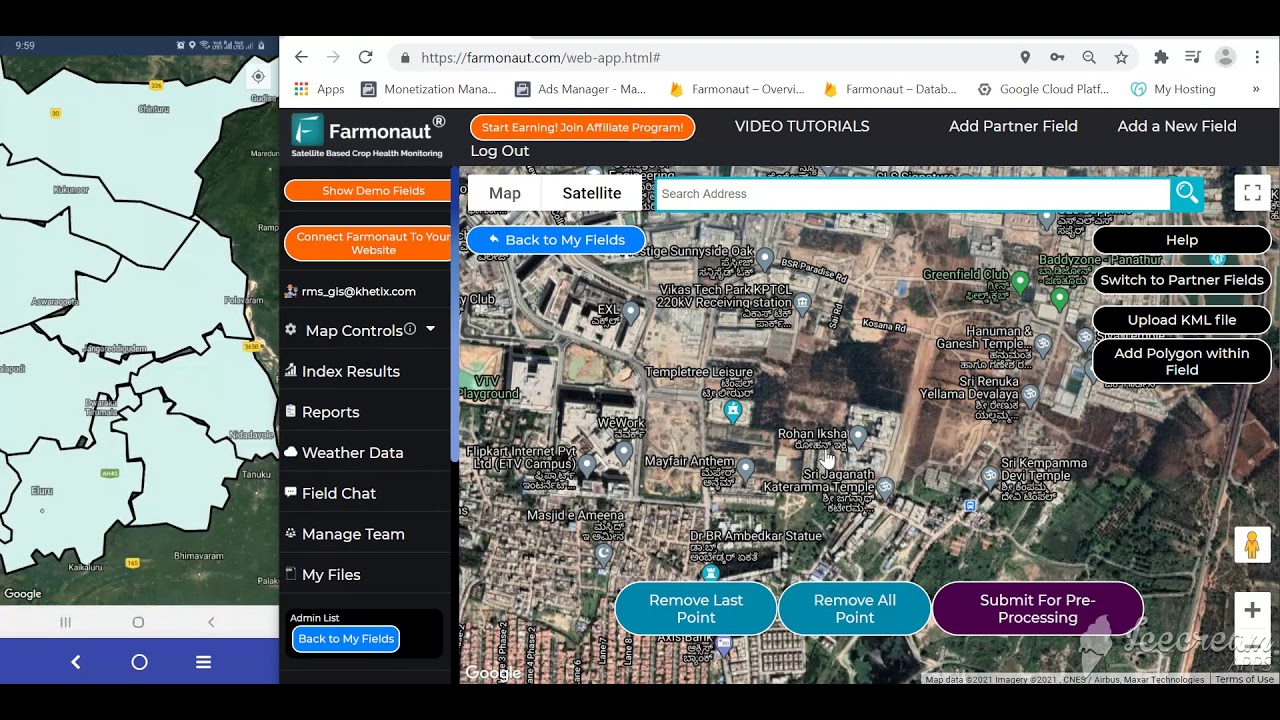
Advanced farm management systems and data integration are crucial for modern dairy farms to stay competitive and sustainable in 2025. This is where we at Farmonaut leverage satellite and AI technology to deliver actionable insights for agriculture, including the dairy sector.
- Satellite-Based Monitoring: Our platform uses satellite imagery to analyze crop health, support forage management, and assist in resource planning for dairy feed.
- AI-Based Advisory Systems: We provide tailored, real-time recommendations for disease detection, resource efficiency, and nutritional planning via our Jeevn AI Advisory System.
- Blockchain Traceability: Our traceability solutions allow dairy producers to demonstrate transparency and authenticity in their supply chains. Discover more at Farmonaut’s Traceability Solutions.
- Environmental Impact Monitoring: We help track carbon footprint and environmental parameters—crucial for modern, sustainable dairy farming (see our Carbon Footprinting page for details).
- API and System Integration: Our API services (API page, API Developer Docs) let farmers and agricultural technology providers integrate real-time satellite insights into their systems.
We offer these insights via our intuitive web, Android, and iOS platforms to make advanced farm management accessible and affordable, ensuring that modern dairy farming techniques are within reach for farmers worldwide.
Farmers seeking to optimize logistics and reduce losses in their dairy operations can leverage Farmonaut’s Fleet Management Tools for better transport and equipment usage, maximizing efficiency at every step.
The Future: Dairy Farming Techniques Advancing Productivity and Sustainability in 2025 and Beyond
By 2025, modern dairy farming techniques are rapidly becoming the industry standard. Digital technology integration, automation, precision feeding, and resilient breeding strategies enable dairy farms to dramatically improve productivity, animal welfare, and sustainability.
- Advanced sensor networks and IoT will become ubiquitous in health monitoring and management.
- Satellite data for precision agriculture will drive next-level dairy feed production and land management.
- AI-based algorithms will provide tailored disease and nutrition management for each cow.
- Transparency and blockchain will enhance consumer trust and compliance with global food standards.
Innovation and sustainable practices are essential not just for farm profitability but also for global food security and climate action goals.
Are you looking to streamline agricultural financing? Discover how Farmonaut’s Crop Loan & Insurance Verification Solutions help reduce fraud and improve access to financial services for the farming community.
FAQ: Modern Dairy Farming Techniques in 2025
What are the top benefits of modern dairy farming techniques?
Modern dairy farming techniques offer enhanced productivity, improved animal welfare, reduced environmental footprint, and optimized resource use. Technologies such as automation, IoT monitoring, AI-based advisory, genomic selection, and blockchain traceability all contribute to more efficient and sustainable dairy production in 2025.
How do modern precision feeding systems work?
Precision feeding systems use sensors, automated delivery, and artificial intelligence to create and deliver customized rations to individual cows. This reduces feed waste, increases milk yield, and supports animal health—resulting in higher productivity per animal and a lower carbon footprint.
What is the role of genetic improvement in advancing dairy farming?
Genetic improvement programs speed up the selection of superior breeding stock—focusing on traits like milk yield, disease resistance, and climate adaptability. This ensures herds are better matched for modern challenges and higher performance.
How does automation impact farm labor and operational efficiency?
Automation—with robotic milking, IoT sensors, and automatic cleaning—reduces the need for manual labor, allows for larger herd management, and promotes consistent routines. This boosts efficiency, lowers costs, and supports better animal care.
What are the environmental benefits of modern dairy farming?
Modern techniques in waste management, feed efficiency, and renewable energy use significantly reduce greenhouse gas emissions, cut water use, and produce safer organic fertilizer, supporting compliance with environmental regulations and eco-friendly dairy production.
How do satellite-based solutions like Farmonaut help dairy farmers?
Farmonaut provides satellite-based monitoring, AI advisory, blockchain traceability, and environmental tracking—helping dairy farms with real-time insights to optimize nutrition, monitor forage crops, plan resources, reduce losses, and demonstrate sustainability.
Conclusion
In essence, modern dairy farming techniques in 2025 mark a transformative evolution from traditional methods. Leveraging advanced technologies such as precision automation, genetic improvement, AI-driven feeding, and data-powered management tools, today’s dairy farms are setting new global benchmarks for productivity, animal welfare, and sustainability.
As the industry continues to rise to meet global demand for essential dairy products, the widespread adoption of these innovations will be pivotal to sustaining sector growth, supporting rural livelihoods, and ensuring safe, nutritious milk for populations worldwide. We at Farmonaut are committed to empowering the dairy and agriculture sector with affordable, actionable insights—playing our part in reshaping food systems for a smarter, more resilient future.
Ready to take your dairy farming to the next level?
Get started with advanced satellite-driven decision-making on the Farmonaut platform!

 Byju’s
 Kubota
 FFBS
FFBS Jontra
 Kalustyan
 Tucor
Tucor Geno
Geno Hayleys Agriculture
 Linx Agritech
 Adinet
 Save Your Soils
 Grandstream Algérie
 XOS Realty
 Geospatial Lab Africa
