

Modern Equipment for Agriculture: Top 10 Innovations 2025
“By 2025, autonomous tractors are projected to increase farm productivity by up to 30% worldwide.”
Table of Contents
- Introduction: The New Age of Modern Agriculture Equipment
- Modern Equipment in Agriculture: A Global Context
- Top 10 Modern Equipment for Agriculture in 2025
- Top 10 Modern Agricultural Equipment Innovations 2025 (Comparison Table)
- How Modern Agricultural Equipment Is Transforming Farming
- The Role of Data, AI, and Satellite Monitoring by Farmonaut
- Future Vision: What Comes After 2025 in Modern Farming Equipment?
- FAQ: Modern Equipment for Agriculture (2025)
- Farmonaut Subscriptions
- Conclusion
Introduction: The New Age of Modern Agriculture Equipment
In 2025, modern agriculture equipment stands at the forefront of revolutionizing farming practices worldwide. As the rising global demand for food bumps against the challenges of climate change, labor shortages, and the urgent need for sustainability, modern equipment in agriculture is not just desirable—it’s indispensable. In this article, we explore how innovations in modern equipment for agriculture are optimizing productivity, minimizing environmental footprints, and empowering farmers to navigate the complexities of contemporary agriculture.
- The landscape of modern agricultural equipment is vast, encompassing a variety of tools designed to improve efficiency — from soil preparation and planting to harvesting and post-harvest processing.
- Traditional farming methods, often labor-intensive and time-consuming, are increasingly replaced by sophisticated machines that blend mechanical power with digital intelligence.
- 2025 marks a new era, where modern equipment for farming leverages AI, precision sensors, GPS guidance, blockchain traceability, autonomous robotics, and satellite technology.
Let’s delve deeper into this transformative journey and discover the Top 10 Innovations defining modern equipment for agriculture in 2025.
Modern Equipment in Agriculture: A Global Context
Modern equipment in agriculture is driving a global revolution. Farmers around the world are facing challenges such as labor shortages, rising input costs, and climate change—factors compelling the integration of advanced technology in farm operations.
- From developed nations with large-scale, fully mechanized farms to emerging economies where smallholder farmers access innovations through leasing and shared services, modern equipment for agriculture is reshaping practices globally.
- Environmental concerns are pushing the shift towards eco-friendly machines, like equipment that reduces emissions or optimizes water use.
- The advent of **data-driven agriculture**, featuring cloud connectivity, satellite-based monitoring, and real-time operational analytics, means that modern agriculture equipment does far more than simply mechanize—it intelligently optimizes every aspect of farm management.
Farmonaut, for example, directly addresses these global needs by making satellite data and real-time analytics accessible and affordable for farmers, agribusinesses, and governments, bridging the technology gap and driving sustainable productivity gains. With regional adaptability, today’s innovations support both the high-capacity fields of North America and precision-managed farmlands in Africa and Asia.

Top 10 Modern Equipment for Agriculture in 2025
The heart of this article is a detailed exploration of the ten leading modern equipments in agriculture—each selected for their impact on productivity, sustainability, and operational efficiency.
-
Autonomous Tractors & Robotic Field Equipment
These self-driving, AI-guided machines operate all day and night, allowing for continuous planting, tillage, and harvesting—reducing labor scarcity and maximizing yield. -
AI-Powered Precision Planters & Seeders
- GPS-guided seed drills plant crops with centimeter-level accuracy, minimizing seed wastage and ensuring optimal density for each crop type.
- Sensors and cameras ensure no area is over- or under-seeded.
-
Satellite-Based Crop Monitoring Systems
- Farmonaut and similar platforms provide real-time crop health, soil moisture, and yield estimation data from space.
- Integration with AI advisory systems allows for timely interventions and improved decision-making.
-
Autonomous Harvesters and Robotic Fruit Pickers
- Robotic arms and machine vision now allow the harvesting of delicate crops like fruits and vegetables, reducing damage and boosting labor efficiency.
-
Drones for Spray, Scouting & Crop Surveillance
- Drone fleets apply fertilizers and pesticides precisely where needed, drastically reducing chemical usage and environmental impact.
- Multispectral sensors monitor plant health and detect pest infestations early.
-
Internet of Things (IoT) Sensors & Automated Irrigation
- Soil moisture and weather sensors automatically adjust irrigation for efficiency and water savings.
- Systems connect to cloud platforms for remote monitoring and predictive analytics.
-
Post-Harvest Automation: Sorting, Packing, & Warehousing Robots
- Automated machines sort, grade, clean, and pack produce, reducing spoilage and loss.
- Robots in warehouses streamline inventory and order fulfillment.
-
Electric & Hybrid-Powered Agricultural Machinery
- Electric tractors, combines, and transport vehicles reduce carbon emissions and dependency on fossil fuels.
- Hybrid systems offer flexibility for remote areas with limited charging infrastructure.
-
Blockchain-Enabled Supply Chain & Traceability Systems
- Farmonaut and others utilize blockchain for product authenticity and transparency from field to market.
- Empowers farmers and consumers alike.
-
Fleet & Resource Management Software
- AI-driven platforms manage vehicle routes, maintenance, fuel use, and labor allocation for optimized farm operations and cost reduction.
- Farmonaut’s fleet management tools connect real-time data for efficient resource deployment.
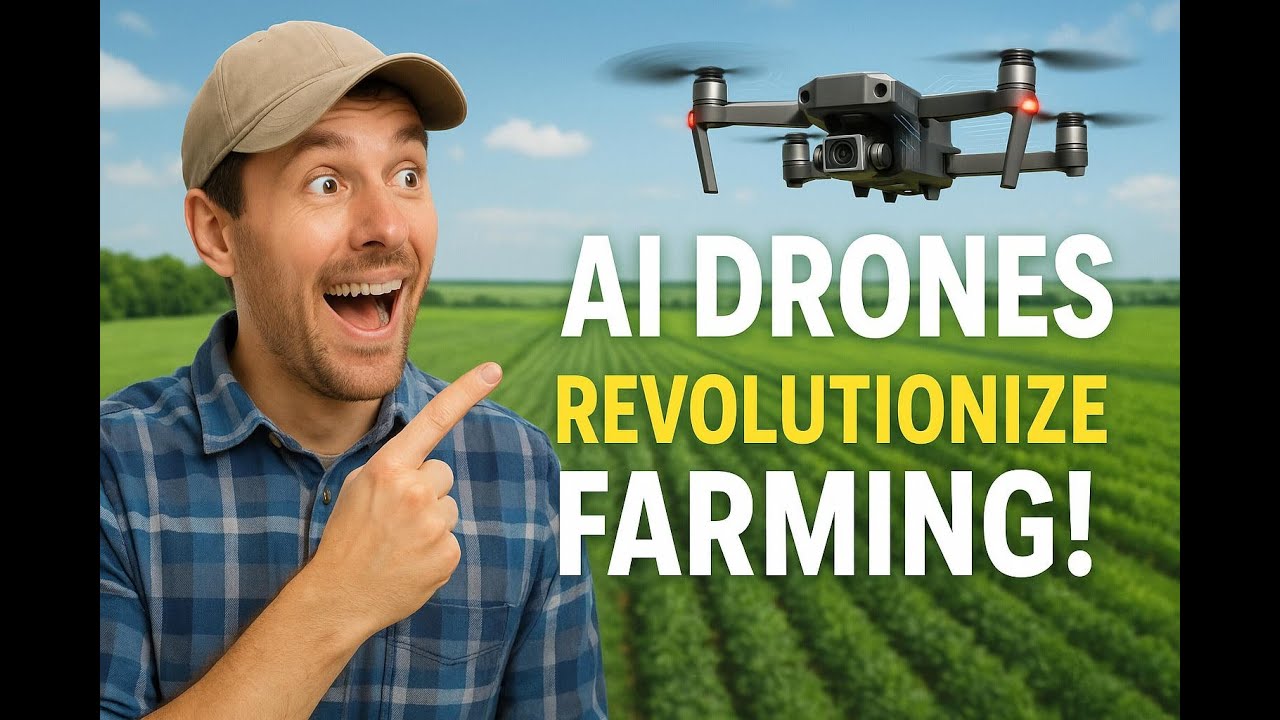
How AI Drones Are Saving Farms & Millions in 2025
“Over 60% of new agricultural equipment in 2025 will feature AI-driven precision technology for sustainable farming.”
Top 10 Modern Agricultural Equipment Innovations 2025 (Comparison Table)
Use this table to compare the most transformative modern equipment for farming in 2025 based on functionality, estimated productivity boost, sustainability, and estimated adoption costs:
| Equipment/Innovation Name | Primary Function | Estimated Productivity Increase (%) | Sustainability Benefits | Estimated Adoption Cost (USD) |
|---|---|---|---|---|
| Autonomous Tractors & Robots | Self-driving field work (tillage, planting, harvesting) | 25–30% | Lowers labor need, reduces fuel waste, optimizes field operations | $200,000–$1,000,000 per unit |
| AI-Powered Precision Planters | GPS-guided seed planting with variable rates | 15–22% | Saves seed, boosts yield, minimizes chemical runoff | $75,000–$175,000 per unit |
| Satellite Crop Monitoring Systems | Remote real-time monitoring and analytics (crop/soil health) | 10–18% | Reduces fertilizer/pesticide use, maximizes resource allocation | $25–$250/mo depending on area |
| Robotic Harvesters | Automated picking and harvesting | 18–24% | Reduces post-harvest losses, labor, and emissions | $90,000–$250,000 per unit |
| Spray & Surveillance Drones | Targeted crop spraying, aerial health analysis | 8–15% | Less chemical use, early pest detection, lower fuel | $8,000–$40,000 per drone |
| IoT Automated Irrigation | Sensor-driven water management | 12–20% | Up to 50% water savings, energy reduction | $15,000–$60,000 per installation |
| Post-Harvest Automation | Sorting, grading, packaging | 10–17% | Cuts waste, improves food security | $60,000–$300,000 per system |
| Electric/Hybrid Farm Machinery | Reduced-emission field work and transport | 5–10% | Lower carbon footprint, reduced noise & pollution | $180,000–$350,000 per unit |
| Blockchain Traceability Solutions | Transparent, fraud-resistant supply chains | 5–8% | Reduces food fraud, increases trust, trace carbon | $2,000–$20,000/yr depending on scale |
| Fleet & Resource Management Software | AI-driven logistics & farm operations optimization | 7–12% | Less idle time, lower emissions, predictive maintenance | $50–$800/mo |

2025 Veg Equipment Boom ? Smart Farming, AI Telematics & $2.3B Market Powered by Farmonaut
How Modern Agricultural Equipment Is Transforming Farming
Replacing Traditional Methods with Intelligence & Power
The shift from traditional, manual practices to modern equipment for agriculture revolutionizes efficiency across all stages of farming. Previously, tasks like planting or spraying required substantial labor and were prone to inconsistency and waste.
- AI and GPS guidance in tractors now enable precision farming, minimizing seed wastage, and maximizing yield.
- Autonomous harvesters operate with minimal human intervention, addressing labor shortages and ensuring continuous operation—regardless of workforce limitations.
- Automated sprayers and drones precisely apply chemicals and fertilizers, dramatically reducing chemical use and limiting environmental damage.
- IoT-based systems monitor soil moisture, atchanges in weather, and crop health, enabling informed, timely decisions.
- Post-harvest robotics cut losses, extend shelf life, and improve product uniformity for global markets.
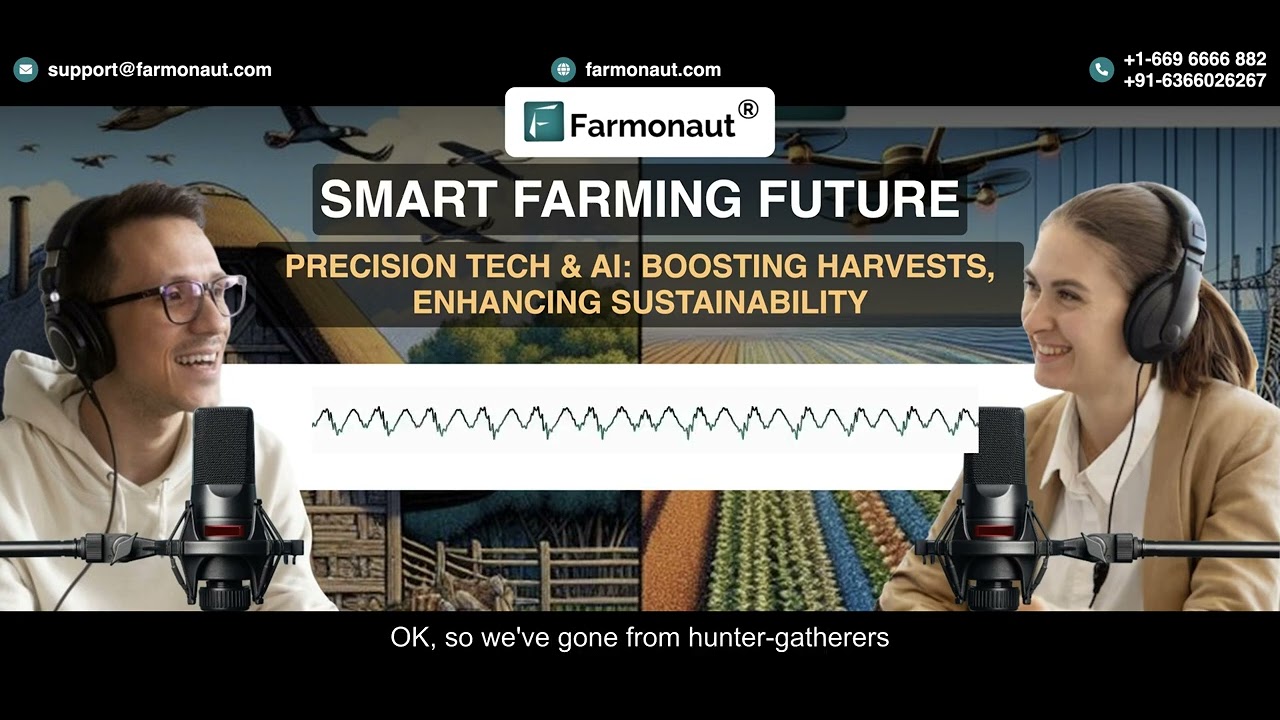
Smart Farming Future : Precision Tech & AI: Boosting Harvests, Enhancing Sustainability
Sustainability at the Core: Reducing Environmental Footprints
Sustainability is a major driver behind the demand for modern equipment for agriculture.
- Conservation tillage machines minimize soil erosion and carbon emissions—bolstering climate-smart agriculture.
- Electric and hybrid equipment reduces greenhouse gas emissions and mitigates reliance on fossil fuels.
- Automated irrigation systems, equipped with precise soil sensors, ensure water use is optimized even in arid regions.
- Blockchain-based traceability ensures agricultural supply chains are more transparent, authentic, and sustainable. See detailed benefits at our Product Traceability page.
- Real-time carbon footprinting empowers farms to track and reduce emissions. Discover how at our Carbon Footprinting tool.

Malawi Irrigation Tech 2025 | 3 Solar-Pump Secrets That Triple Yields in Mzimba!

Smart Farming Future: Precision Tech & AI Boosting Harvests, Enhancing Sustainability
Democratizing Technology: Making Advanced Tools Accessible
2025 isn’t only about the biggest and most advanced technologies; it’s about democratizing access for farmers everywhere:
- Global platforms enable equipment leasing and shared services, allowing smallholders to access modern machinery without massive investments.
- Intuitive mobile apps put complex systems at the fingertips of farmers with modest technical skillsets.
- API integration lets farm management software and businesses access real-time insights directly. Check our Farmonaut API or dive deeper into our Developer Docs.
The Role of Data, AI, and Satellite Monitoring by Farmonaut
The integration of AI, satellite data, blockchain, and resource management tools represents one of the most compelling trends for modern agriculture equipment and is at the core of what we do at Farmonaut.
How Farmonaut Empowers Farms Worldwide
Farmonaut delivers a unique suite of satellite-centric tools for the agricultural sector:
- Satellite-Based Monitoring: Real-time, multispectral imagery analyzes vegetation health (NDVI), soil moisture, nutrient levels, and crop stress, offering informed decision-making for farmers at every stage.
- Jeevn AI Advisory System: Leverages satellite data and AI to give tailored advice, weather forecasts, and operation strategies—\enabling predictive management and boosting productivity.
- Blockchain-Based Traceability: Secure, transparent supply chain solutions trace each batch from soil to shelf, reducing fraud and supporting export market access.
- Fleet and Resource Management: Optimize the operation and deployment of all farm machinery, reducing idle time, improving fuel efficiency, and lowering costs.
- Environmental Impact Monitoring: Real-time carbon and emission tracking drive compliance with global sustainability standards, helping farms reduce their carbon footprint.
We offer scalable access via Android, iOS, web apps, and robust APIs, making our solutions available for individual farmers, agribusinesses, and governments globally.

Farmonaut® Satellite Based Crop Health Monitoring


- Our Large Scale Farm Management solution helps farms monitor large fields, track inputs, analyze yield, and manage workflows from a single dashboard—key for modern, data-driven farming.
- For those focused on sustainability, our Carbon Footprinting product allows agricultural businesses to measure, track, and improve their carbon emissions, supporting compliance and eco-certification.
- Financial institutions and individual farmers benefit from our Crop Loan & Insurance Verification—using satellite validation to reduce fraud and enable access to much-needed financing.
- Our Fleet Management platform streamlines resource coordination in complex, multi-vehicle agricultural operations.
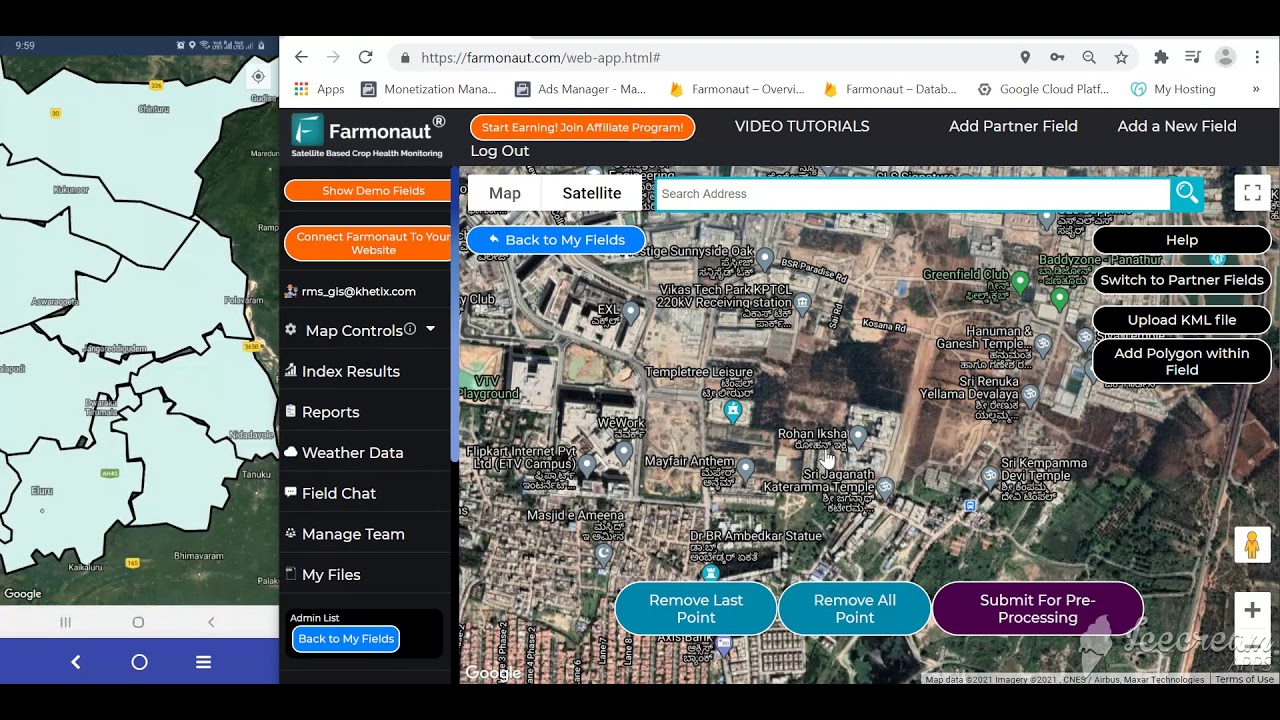
Farmonaut Large Scale Field Mapping & Satellite Based Farm Monitoring | How To Get Started
Explore our solutions or join via app, web, or API—Farmonaut brings satellite intelligence and technological innovation directly to the field.
Future Vision: What Comes After 2025 in Modern Farming Equipment?
Looking beyond 2025, the trajectory of modern equipment for agriculture points to even greater integration of digital and physical innovations:
- Artificial Intelligence (AI) and Predictive Analytics will underpin all farm operations, enabling real-time reaction to weather events, pest outbreaks, and market shifts.
- Wearable technology, AR, and remote support tools will provide farmers with on-the-fly training and maintenance guidance for complex machinery.
- The integration of robotics and sensors will reach the microbial and root-zone level, improving soil health and fine-tuning nutrient application with unprecedented accuracy.
- Next-generation blockchain systems will drive instant, global trade verification, simplifying logistics for farm exports.
- A sustainability imperative will continue to shape engineering, prioritizing equipment that conserves resources, enhances soil and crop resilience, and reduces carbon emissions.
- Collaborative data clouds, powered by satellites, drones, and IoT, will enable whole regions to coordinate resource use, streamline supply chains, and respond as one to climate threats.
We at Farmonaut are dedicated to remaining at the cutting edge of these advancements, ensuring that farms of all scales benefit from the very best in modern agriculture equipment, data, and advisory.
FAQ: Modern Equipment for Agriculture (2025)
What are the main benefits of modern equipment for agriculture in 2025?
The biggest benefits include increased productivity, improved sustainability through reduced input wastage, better resource management, and resilience against labor shortages. Advanced equipment optimizes operations and empowers data-driven decision making.
How are drones used as modern equipment in agriculture?
Drones are widely used for aerial spraying, crop surveillance, multispectral imaging to detect plant health or pest infestations, and mapping. They enable precision application of chemicals, reducing overall use, and allow for real-time monitoring across large fields.
How do autonomous tractors work in modern farming?
Autonomous tractors use a combination of GPS, sensors, computer vision, and AI to follow preset routes, monitor obstacle, and adjust operations dynamically. They’re capable of 24/7 fieldwork with minimal human supervision, reducing labor dependency considerably.
What role does sustainability play in the adoption of modern agricultural equipment?
Sustainability is central to almost all recent innovations. From reducing emissions via electric/hybrid machinery and minimizing chemical runoff with precision tools, to optimizing water and energy use through IoT-driven irrigation, modern equipment is built to help conserve natural resources while increasing productivity.
How does Farmonaut contribute to modern equipment in agriculture?
At Farmonaut, we provide satellite-based insights, AI-driven advisory, blockchain traceability, and advanced fleet/resource management tools. Our accessible platforms help farmers and agribusinesses unlock modern equipment benefits, regardless of their location or scale.
Can smallholder farmers benefit from equipment innovations?
Absolutely. Equipment leasing models, shared usage schemes, and easy-to-use digital apps ensure that smallholder farmers can enjoy the advantages of modern machinery without unaffordable upfront costs, boosting their competitiveness and sustainability.
What is the importance of blockchain in agriculture equipment and supply chains?
Blockchain powers secure, transparent, and verifiable supply chains. It supports traceability from field to fork and ensures the authenticity of food products, facilitating global trade and trust.
Farmonaut Subscriptions
Affordable, scalable satellite-driven farm insights are just a click away. Choose a plan that fits your needs:
Conclusion: A New Chapter for Modern Agriculture Equipment
In 2025 and beyond, modern equipment for agriculture is more than a technological upgrade—it’s a full-scale transformation of how we produce food, steward resources, and empower the next generation of farmers.
These innovations are driving a paradigm shift from traditional practices to data-driven, sustainable systems, optimizing yields while protecting our planet. As machines, sensors, algorithms, and satellite insights become increasingly interconnected, agriculture worldwide will only become smarter, more productive, and more sustainable.
Farmonaut is proud to support this transition, making advanced agriculture technology accessible for every farm. By integrating the latest innovations—from autonomous tractors and drones to AI-driven resource management, satellite crop health monitoring, and carbon footprinting—we stand ready to support food security, sustainable growth, and economic resilience for farms across the globe.
Now is the time to embrace modern equipment in agriculture. Explore how these tools can empower your operation, meet the challenges of 2025, and shape a more resilient, abundant food future for all.
Saskatchewan Runway Upgrade 2025 ✈️ $1.8M for Rural Aviation, Ag-Spraying & AI Precision Farming
Connect with us and bring the power of modern agriculture equipment to your fields—today and into the future.

 Byju’s
 Kubota
 FFBS
FFBS Jontra
 Kalustyan
 Tucor
Tucor Geno
Geno Hayleys Agriculture
 Linx Agritech
 Adinet
 Save Your Soils
 Grandstream Algérie
 XOS Realty
 Geospatial Lab Africa
