

Pipe Farming & PVC Pipe Farming: 7 Key Benefits for Modern Agriculture
“Pipe farming can reduce water usage by up to 50% compared to traditional irrigation methods.”
“PVC pipe farming systems can increase crop yield by 30% through precise and uniform water distribution.”



Table of Contents
- Introduction: Innovating Irrigation in Modern Agriculture
- What Is Pipe Farming & PVC Pipe Farming?
- Key Components & Designs of Pipe-Based Irrigation Systems
- Comparative Benefits Table
- Pipe Farming & PVC Pipe Farming: 7 Key Benefits Explained
- 1. Remarkable Water Savings
- 2. Improved Yield and Crop Quality
- 3. Climate Resilience and Drought Management
- 4. Runoff, Erosion, and Nutrient Loss Minimization
- 5. Adaptability to Challenging Terrain
- 6. Flexible, Scalable, and Modular Systems
- 7. Cost Savings, Resource Efficiency, and Operational Ease
- Material Selection, Pipe Varieties & Fittings: Best Practices
- Social & Environmental Dimensions, and Protest Considerations
- How Farmonaut Empowers Advanced Irrigation with Precision Monitoring
- Key Insights, Pro Tips & Further Reading
- Frequently Asked Questions
Introduction: Innovating Irrigation in Modern Agriculture
Agriculture is rapidly evolving. Surging demand for food, pressing water scarcity, unpredictable climate events, and the drive for better resource management have prompted a wave of innovation in farmingtechniques. Among the most transformative technologies is pipe farming—including PVC pipe farming and the strategic application of plastic water pipe for agriculture.
Often referred to as pipe-based irrigation, pipeline irrigation, or pipeline farming, these systems are revolutionizing how water is delivered efficiently, directly, and reliably to the root zone of crops. They reduce losses due to runoff and evaporation, improve resilience against drought, and empower farmers to adapt to the critical challenges of the 21st century. In this blog, we explore the science and systems behind pipe farming, analyze proven benefits, incorporate the latest insights, and address design, economic, and social dimensions—delivering the comprehensive guide every agriculturist needs.
What Is Pipe Farming & PVC Pipe Farming?
Pipe farming is an approach to agricultural irrigation where water is distributed through a network of pipes—often constructed from PVC, polyethylene, or other plastics—that direct water efficiently to crop root zones. PVC pipe farming specifies the use of polyvinyl chloride pipes, which are favored for their light weight, corrosion resistance, chemical stability, and ease of jointing with simple fittings.
This type of pipeline irrigation is particularly relevant where water security and mobility are critical—such as in row crops, orchards, vineyards, nurseries, and peri-urban agricultural zones. Pipe farming can be designed for both gravity-fed or low-pressure systems, supporting a wide range of crops, terrain, and farming scales.
- ✔ Definition: Pipe farming = distribution of irrigation water through a pipe network directly to crop root zones.
- ✔ PVC pipe farming: Focused on pipes made from polyvinyl chloride for added durability and efficiency.
- ✔ Plastic water pipe for agriculture: Plastic pipes including PVC and PE utilized for sustainable, efficient water delivery.
- ✔ Pipeline irrigation: Synonymous with pipe farming; emphasizes linear, network-based water movement.
Key Components & Designs of Pipe-Based Irrigation Systems
At the core of any effective pipe farming system is a network of main supply lines, secondary lines, and emitters (or outlets) delivering water directly to root zones. The configuration typically includes:
- ✔ Main lines: Larger diameter pipelines that transport water across fields or sections
- ✔ Secondary lines: Pipes branching off the main line for targeted delivery
- ✔ Emitters: Devices like drippers, sprinklers, or outlets for precision water application
- ✔ Filtration: Prevents clogging of emitter points
- ✔ Pressure regulators: Maintain low pressures for consistent flow and reduced losses
- ✔ Fittings & joints: Ensure leak-tight and secure system assembly using simple connectors
- ✔ Valves: For managing zones, scheduling, and flow control
The modularity and scalability of pipe farming allows farmers to adapt irrigation layouts every season, matching crop cycles and maximizing field efficiency even under changing weather or market conditions.
- ✔ Drip Irrigation: Pipes with built-in drippers release small, scheduled doses of water at each plant’s base
- ✔ Micro-Sprinkler Systems: Emitters or sprinkler heads produce a fine mist, ideal for broader crop canopies and nurseries
- ✔ Soaker Hoses or Perforated Pipes: Flexible variants delivering water along entire lines, used in beds and rows

Comparative Benefits Table: Pipe & PVC Pipe Farming vs. Traditional Irrigation
Pipe Farming & PVC Pipe Farming: 7 Key Benefits Explained
Let’s breakdown the manifold advantages of pipe farming and PVC pipe farming systems—with deep dives, practical examples, and SEO-rich context.
1. Remarkable Water Savings
- ✔ Precise application of water directly to root zones minimizes evaporation losses and virtually eliminates runoff.
- ✔ Pipe/PVC systems are designed to keep the soil at optimal moisture levels, reducing the total water applied for each crop cycle by up to 50% compared to traditional surface irrigation.
- ✔ Particularly beneficial for orchards, vineyards, nurseries, and row crops with high-value yields.
- 📊 Data Insight: Studies confirm that a well-maintained pipe network can reduce annual water costs by thousands of liters per hectare.
- 💧 Key Insight: Pipe farming is a powerful response to water scarcity, leveraging both gravity and low-pressure systems for maximum savings.
2. Improved Yield and Crop Quality
- ✔ Precision water control delivers the right amount when crops need it, supporting steady, healthy growth.
- ✔ Consistent soil moisture reduces crop stress, resulting in uniform germination, better fruiting, and higher yield (by up to 30% in some systems).
- ✔ Plastic water pipe for agriculture lessens sudden nutrient leaching, preserving soil health.
- 📊 Data Insight: Uniform water coverage positively correlates with improved market quality in vegetables and row crops.
- 🍅 Pro Tip: For export-oriented or high-value crops, leveraging PVC pipe farming is a game-changer for yield consistency.

3. Climate Resilience and Drought Management
- ✔ Scheduled, small water doses (drippers or emitters) drastically reduce vulnerability during drought or unreliable rainfall.
- ✔ Buried or surface pipes insulate water against climatic extremes, maintaining pressure and performance even in heat waves.
- ✔ With pipeline irrigation, resource efficiency and field-level control improves farmers’ ability to cope with shifting rainfall patterns.
- ⚠ Risk: Failing to monitor pressure and filter systems can result in blockages and uneven watering.
- 🌱 Investor Note: Investments in PVC pipeline systems significantly reduce yield variability due to climate shocks, making them a safe bet for agricultural ventures focused on long-term resilience.
4. Runoff, Erosion, and Nutrient Loss Minimization
- ✔ Traditional surface irrigation can lead to soil erosion, waterlogging, and nutrient washout.
- ✔ Pipe farming delivers water at low velocities, matching the infiltration rates of different soils, preventing soil structure breakdown and chemical loss.
- ✔ Both PVC pipe and plastic water pipe for agriculture layouts virtually eliminate flooding—a major problem on clay or poorly-drained fields.
- 🌍 Environmental Plus: Pipeline farming means less compaction and greater soil microbial activity, supporting sustainability goals.

Visual List: Key Environmental Benefits
- Reduced Runoff ➔ Water remains within active root zone
- Soil Erosion Control ➔ Pipes minimize surface disturbance
- Nutrient Retention ➔ Precision watering reduces leaching
5. Adaptability to Challenging Terrain
- ✔ Pipe-based irrigation systems can be installed on terraces, uneven landscapes, or steep orchards not suitable for channel or flooding systems.
- ✔ Flexible PE pipes and modular layouts enable farmers to maximize productivity on problematic land parcels where conventional irrigation would be impractical.
- 🗺 Pro Tip: Use flexible pipe variants for mountainous or undulating areas for maximum versatility.
6. Flexible, Scalable, and Modular Systems
- ✔ Pipe farming includes systems that are easy to scale, expand, or reconfigure based on crop cycles, shifting patterns, and transplanting schedules.
- ✔ Quick jointing and modular fittings support rapid layout changes with minimal downtime.
- ✔ Pipe components are lightweight and portable—perfect for small and large agricultural systems.
- 🔧 Maintenance Insight: Modular designs also make troubleshooting and repairs cost- and time-efficient.

7. Cost Savings, Resource Efficiency, and Operational Ease
- ✔ While initial investment costs for pipes, fittings, and pump infrastructure exist, maintenance and labor requirements are significantly reduced over system life cycles.
- ✔ Labor savings (up to 50%) can be realized by automating or streamlining irrigation schedules with emitters and pressure-regulated networks.
- ✔ Portable and light PVC/plastic pipe for agriculture enables rapid deployment and seasonal flexibility.
- 💡 Pro Tip: Take advantage of modular, portable systems for contract or seasonal operations—reducing asset lock-in and operational risk.
Material Selection, Pipe Varieties & Fittings: Best Practices
System performance depends considerably on the choice of material, design quality, and compatibility of fittings. PVC pipes—both rigid and flexible (PVC-U, PVC-C variants)—are industry standards for good reasons:
- ✔ Light weight for easy transport and installation
- ✔ Corrosion resistance and chemical stability extend service life
- ✔ Jointing through adhesives or compression fittings is simple and leak-proof
- ✔ Performance under low to moderate pressures supports both micro and sprinkler systems
Other popular materials: Polyethylene (PE) (preferred for flexible and abrasion-resistant applications), and HDPE (for high-pressure zones). For open, exposed areas, UV-stabilized and shaded pipes prevent degradation.
Visual List: Choosing the Right Material
- PVC-U: Standard, rigid for mainline use
- PVC-C: Enhanced chemical/temperature resistance
- PE (Polyethylene): Flexible, perfect for irregular fields
- HDPE: Strongest for high-pressure, large volume delivers
- Fittings: Estimated pressure rating must match sectioned system design
Always account for soil pressure, UV exposure, and potential temperature swings in your material selection. For exposed fields, opt for UV-stabilized PVC or PE pipes, and use protective coverings when possible.
Social & Environmental Dimensions, and Protest Considerations
As with all transformative technologies, the rapid deployment of pipelines across farming systems comes with both promise and challenge. In many regions, farmers protest against pipeline crossing farmland has emerged—a sign of legitimate concerns around land rights, crop damage risks, and equitable benefit-sharing.
- ✔ Critical: Transparent planning, siting, and compensation are vital to positive outcomes.
- ✔ Shared pipeline systems must balance efficiency with local land utilization practices and livelihoods.
- ✔ Ongoing dialogue (through cooperatives or regional managers) reduces friction and accelerates adoption of innovative irrigation techniques.
- ⚖️ Key Insight: Integrating social, economic, and technical dimensions is essential for both sustainability and resilience.
“Pipe farming can reduce water usage by up to 50% compared to traditional irrigation methods.”
“PVC pipe farming systems can increase crop yield by 30% through precise and uniform water distribution.”

How Farmonaut Empowers Advanced Irrigation with Precision Monitoring
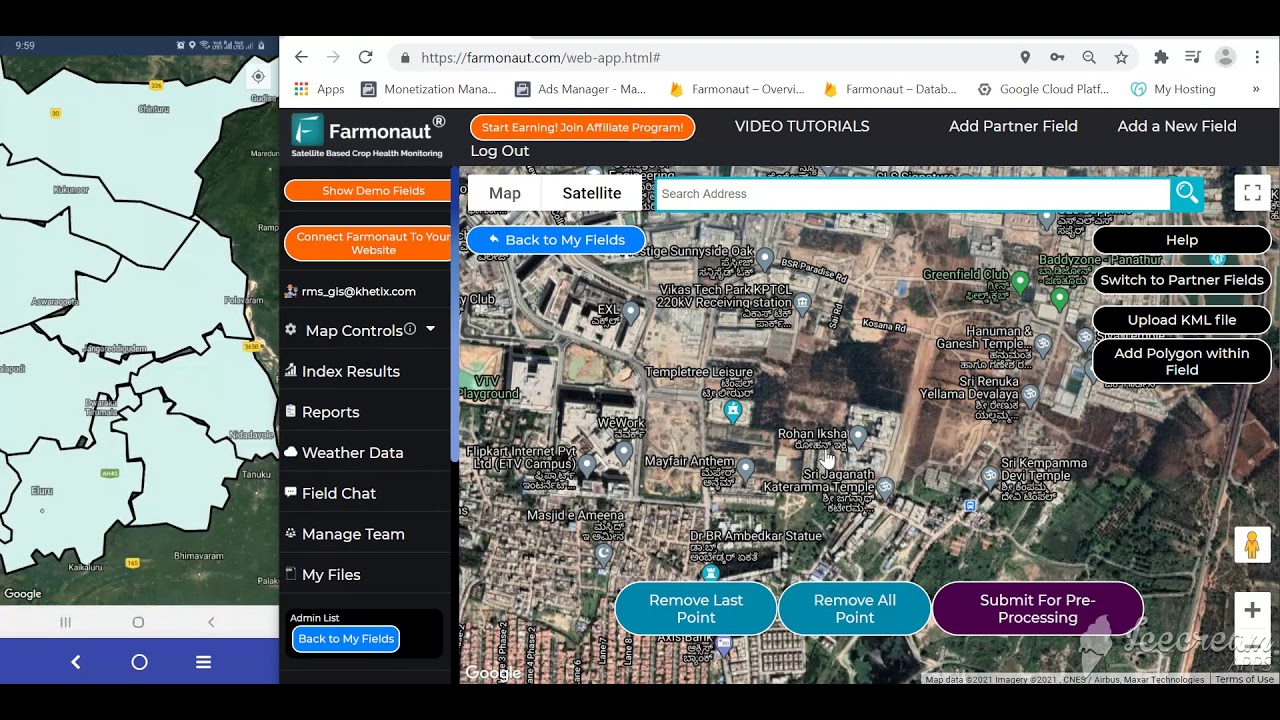
As pipe farming and PVC pipe farming emerge as practical responses to water management challenges, real-time monitoring and data-driven insights are becoming equally essential. This is where Farmonaut’s advanced satellite monitoring platform steps in.
- Satellite imagery for crop, soil, and water mapping—enables us to monitor vegetation health (large scale farm management) and infrastructure in real-time.
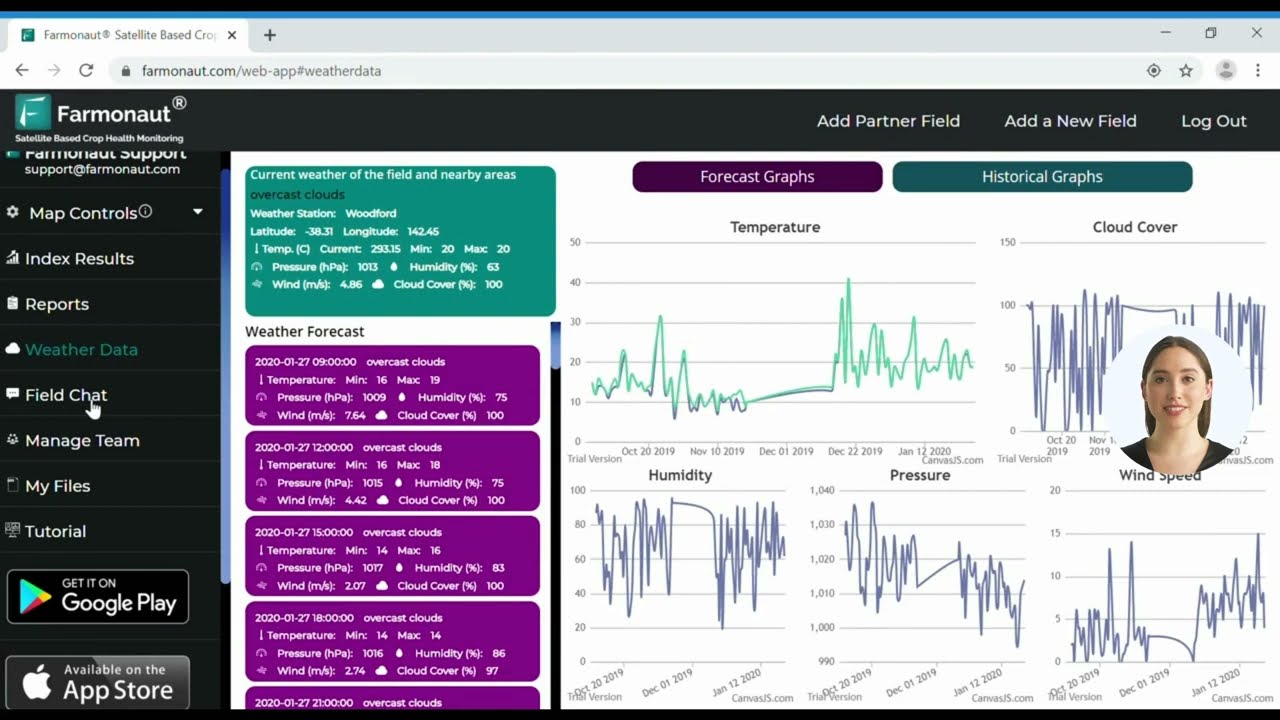
- AI-based advisory for weather, resource scheduling, and risk reduction, helping optimize irrigation patterns and system pressure.
- Blockchain traceability (traceability solutions) to guarantee authenticity and transparency in supply chains and farm outputs.
- Environmental monitoring tools for carbon footprinting (environmental compliance) and sustainability management.
- API-first platform for integration: Access our API and developer docs—enabling developers, industry, and governments to build satellite-based solutions into their own management systems.
- Fleet and resource management (optimize equipment movement) for agricultural and mining applications.
The synergy between pipe farming, real-time remote sensing, and AI-powered analysis allows us to reduce losses, improve resilience, and equip farms for climate-adaptive, highly efficient operation.
Key Insights, Pro Tips & Further Reading
Pipe-based irrigation is not just about saving water; it’s a holistic productivity enhancer that aligns resource stewardship with sustainable profit.
Always use filtration and regularly flush emitter lines to prevent dripper clogging—especially if sourcing water from open ponds or canals.
Overlooking pressure loss in long pipeline systems can lead to uneven water distribution. Use pressure regulators and plan for sectional balancing.
Integrating Farmonaut’s satellite-based soil/moisture data with pipe irrigation results in up to 25% further yield improvement due to targeted, data-led water scheduling.
Pipe farming and PVC pipe systems dramatically reduce climate risk, making agricultural assets more attractive for financing and insurance coverage (see crop loan and insurance solutions).
Frequently Asked Questions: Pipe Farming, PVC Pipe Farming, and Pipeline Irrigation
Q1. What crops benefit most from pipe farming and PVC pipe farming?
Pipe farming is ideal for row crops (like cotton, soy, maize, groundnut), orchards (mango, citrus, apple), vineyards, nurseries, vegetable beds, and floriculture. Any crop with a defined root zone and sensitivity to over/under-watering can benefit.
Q2. Are PVC pipes safe for agricultural water use?
Modern PVC (PVC-U/PVC-C standards) is chemically stable and does not leach harmful substances when used correctly. Always use certified plastic water pipe for agriculture (food/crop grade).
Q3. What are the operational/maintenance needs for pipe-based systems?
Regular checks for leaks, emitter flushing/cleaning, and filter maintenance are essential. Scheduled inspections improve lifespan and prevent uneven application. Pipes may require replacement every 10–30 years depending on material, usage, and climate.
Q4. Can pipe farming reduce labor and operational costs?
Absolutely. Automated and modular pipe farming systems reduce labor for irrigation scheduling by up to 50%, cut water and fertilizer costs, and simplify seasonal layout changes.
Q5. How important is system design and pipe material selection?
Critical. The wrong material (e.g., low-grade PVC exposed to UV, or undersized pipes) leads to leaks, early failure, and poor performance. Always match pipe ratings and fittings to anticipated field pressure and environmental conditions.
Q6. What is “farmers protest against pipeline crossing farmland”?
Such protests occur when major pipeline infrastructure is proposed through active farm plots, which may affect access, crop yield, or land value. Transparent planning, compensation, and fair benefit-sharing are essential for responsible development.
Q7. How does Farmonaut support pipe farming and modern agriculture?
We provide satellite-based field monitoring, real-time moisture and soil health mapping, weather risk analytics, and blockchain traceability—helping optimize irrigation efficiency, reduce risk, and maximize yield.
Conclusion: The Future of Efficient Agriculture Is Precision Pipe Farming
Pipe farming, PVC pipe farming, and plastic water pipe for agriculture are rapidly becoming best practices for water-efficient, climate-resilient, and profitable agriculture worldwide. By embracing pipeline irrigation—with careful system design, material selection, stakeholder engagement, and integration with advanced monitoring—farmers can ensure sustainability, productivity, and long-term investment returns. For those seeking maximum competitiveness, the combination of smart pipe networks and satellite-driven analytics delivers unbeatable results and future-proof resilience.

 Grandstream Algérie
 XOS Realty
 Geospatial Lab Africa
 KhetiBuddy
 Agro La Gándara
 HIPSAC
 ZOL Zimbabwe
 Juligerm
 AdBio
AdBio MISE Maroc
 NWNS
NWNS Red August Group
 Farm Inc
 WeMe Global
 Agrotoken
 Blue BearX
 Insignito
 Croptimum
 DnCubed
 Field Capacity
 Indosistim Teknologi
