

Analytics in Agriculture: 7 Shocking Ways Data Boosts Yield
Introduction: The Data-Driven Future of Agriculture
In today’s fast-evolving world, traditional farming is giving way to a new era—one where analytics and data-driven insights shape how we grow our food, monitor our fields, and optimize every step from planting to harvest. By embracing precision agriculture and harnessing agricultural technology solutions like sensors, IoT devices, and smart farming tools, farmers are rewriting the rules of productivity, sustainability, and profitability.
This comprehensive guide reveals the seven most shocking and transformative ways that data analytics can dramatically boost yields, protect the environment, and empower us—farmers, agribusinesses, and global food supply chains—to make better decisions every day.
“Farms using analytics have seen up to 20% higher crop yields compared to traditional methods.”

Agriculture Analytics: Definition, Purpose & Components
Agriculture analytics, often known as precision agriculture or farming data analysis, is the practice of collecting, analyzing, and acting on large-scale data from farms. The result? Smarter decision-making, optimized resources, minimized waste, and, crucially, remarkable gains in crop yield, sustainability, and profitability.
Key Components of Agriculture Analytics
-
Data Collection Technologies: Gathering reliable data is at the heart of modern agriculture. We achieve this through:
- Sensors & IoT Devices: These tools allow us to monitor soil moisture, temperature, nutrient levels, and crop health in real time, offering a detailed snapshot of field conditions.
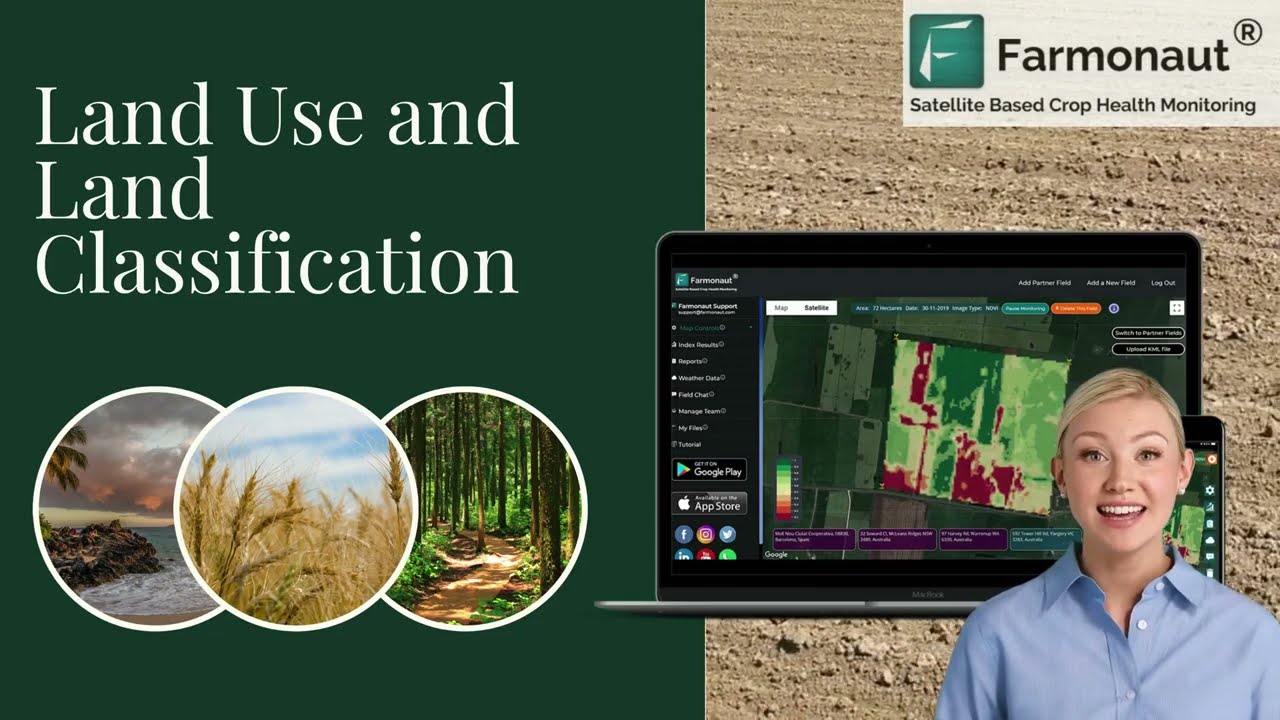
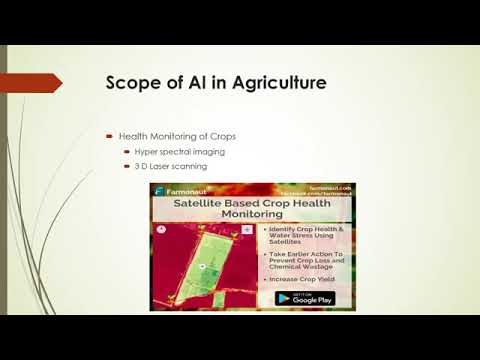
(Learn about satellite-powered farm monitoring) - Drones & Satellite Imagery: With rapid, repeated aerial imagery, we can identify issues, track crop growth, and spot patterns invisible at ground level.
- GPS & GIS Systems: Precise field mapping and geospatial analysis let us target interventions down to individual zones, reducing waste and maximizing effectiveness.
- Sensors & IoT Devices: These tools allow us to monitor soil moisture, temperature, nutrient levels, and crop health in real time, offering a detailed snapshot of field conditions.
- Data Analysis & Interpretation: Collected data is processed via machine learning, artificial intelligence, and advanced analytics techniques. Our goal? To identify patterns, predict outcomes, and uncover actionable insights that drive smarter farm management choices.
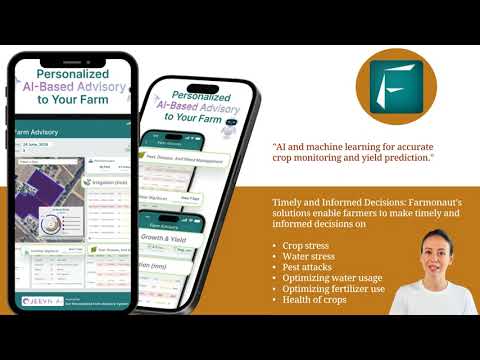
- Decision Support Systems: These integrated software systems merge our analyzed data to provide targeted, real-time advice about irrigation, fertilization, pest management, and optimal harvesting schedules.
How Analytics in Agriculture Drives Real-World Benefits
By leveraging agriculture analytics, we can realize a multitude of benefits tailored for modern farming:
- Increased Efficiency: Real-time monitoring and data-driven automation reduce the need for manual intervention, cutting operational costs and saving valuable resources.
- Enhanced Sustainability: Applying fertilizers, water, and pesticides only where needed enables carbon footprint reduction and supports sustainable farming practices critical for planetary health.
- Risk Mitigation: With predictive analytics, we better anticipate threats—like drought or pest outbreaks—and act before they escalate into crises.
- Actionable Insights for Decision-Making: Detailed farm data empowers us to make precise choices in input application, crop selection, and market planning, directly impacting profitability.
- Supply Chain Optimization: Monitoring storage, harvest timing, and logistics through analytics enables traceability and food safety, improving outcomes from the field to the table.
Comparative Impact Table: Traditional vs. Analytics-Driven Approaches
| Agriculture Practice | Estimated Yield Increase (%) | Estimated Cost Savings (%) | Resource Efficiency Improvement (%) | Estimated Sustainability Rating | Example IoT/Analytics Tool Used |
|---|---|---|---|---|---|
| Precision Irrigation | +15–25% | 10–20% | 30–50% (water) | High | Soil Moisture Sensors, Satellite Imagery, Farmonaut App |
| Predictive Disease Modeling | +10–20% | 8–15% | 20% (pesticide) | High | Remote Sensing, AI Models, Farmonaut Jeevn AI Advisory |
| Yield Prediction & Forecasting | +12–18% | 10–18% | 15% (inputs, logistics) | Medium-High | Satellite Data, Machine Learning, API Integration |
| Precision Fertilization | +12–16% | 12–22% | 25–30% (fertilizer) | High | Soil Sensors, GIS Mapping, Nutrient Analysis |
| Soil Health Monitoring | +10–15% | 10–13% | 20–28% (reduced degradation) | High | Satellite Sensors, Mobile Apps (Android App/iOS App) |
| Supply Chain Optimization | +8–12% | 12–16% | 15–20% (logistics, storage) | Medium-High | Blockchain Traceability, Fleet Management, API |
| Climate & Weather Adaptation | +10–14% | 8–12% | 12–20% (climate resilience) | Medium-High | Weather Forecasting Tools, Farmonaut Jeevn AI |
As clearly demonstrated, analytics-driven precision agriculture consistently outperforms traditional methods across all key metrics: yield, cost savings, resource efficiency, sustainability, and technology integration.



Explore Farmonaut’s Advanced Satellite Data & Weather API for Developers |
View API Developer Documentation
7 Shocking Ways Data & Analytics Boost Yield
1. Precision Irrigation: Optimizing Every Drop
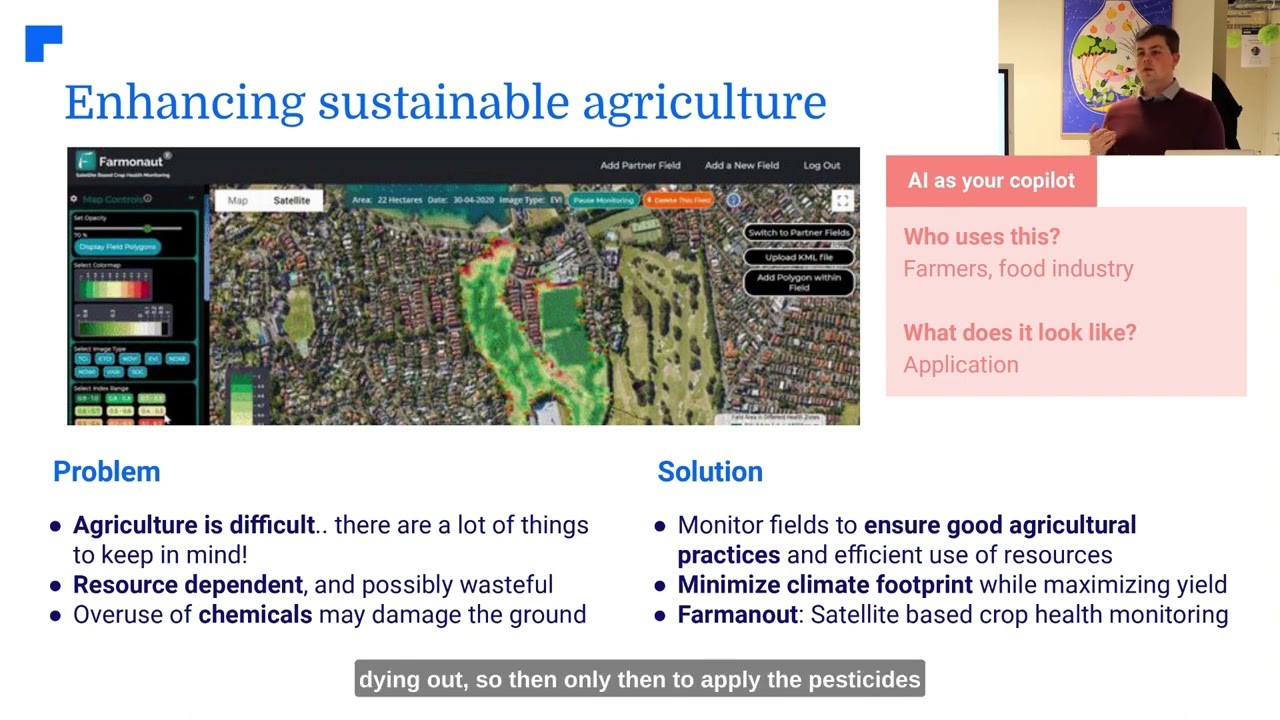
Using soil moisture sensors, weather analytics, and satellite imagery, we tailor irrigation schedules to real field conditions. This slashes water waste, enhances plant health, and maintains consistent yields even during fluctuating weather.
- Benefit: Improves water use efficiency, lowers costs, conserves groundwater.
- Key tools: IoT soil sensors, Farmonaut satellite data, AI-based advisory.
2. Yield Prediction & Forecasting: Data-Driven Planning
By collecting historical yield data, monitoring weather trends, and analyzing spatial variability, we can predict crop yields with high accuracy. This supports better planning for harvesting, storage, and market timing.
- Benefit: Minimizes post-harvest losses, optimizes storage and logistics, and aligns market supply with demand.
- Key tools: Machine learning, satellite monitoring, Farmonaut yield prediction APIs.
3. Pest & Disease Management: Targeted, Timely Interventions
Early detection of pests and disease outbreaks is vital. Advanced imaging and AI models help identify infestation patterns, follow disease progression, and recommend precise pesticide application, reducing waste and preserving crop health.
- Benefit: Decreases crop loss, cuts pesticide use, supports environmental health.
- Key tools: Satellite imagery, AI-driven alerts (Farmonaut Jeevn AI system), field cameras.
4. Soil Health & Nutrient Management: Foundations for Growth
Detailed soil analysis reveals nutrient levels, pH, and organic content, empowering us to apply fertilizers with surgical precision, improve soil fertility, and avoid overuse.
- Benefit: Lowers fertilizer costs, promotes robust root development, and sustains long-term soil productivity.
- Key tools: On-field and remote soil sensors, GIS-enabled mapping, Farmonaut’s large-scale farm management platform.
5. Weather Forecasting & Climate Adaptation
Hyper-local weather forecasting tools provide actionable insights on rainfall, frost, heatwaves, or humidity—guiding everything from planting dates to harvest logistics. Analytics-driven climate adaptation helps us select resilient crop varieties and hedge against risk.
- Benefit: Reduces risks related to weather shocks, increases resilience, stabilizes yields.
- Key tools: Farmonaut’s AI-powered advisory, high-resolution weather datasets.
6. Supply Chain Optimization: From Farm to Fork
Analytics streamline every stage—harvesting, storage, transport, and tracking—by matching real-time field conditions with logistics data. Blockchain-based solutions ensure traceability for food safety and compliance.
- Benefit: Minimizes waste, reduces costs, builds consumer trust, and enhances compliance.
- Key tools: Farmonaut’s fleet management & traceability solutions, APIs for logistics.
7. Enhanced Risk Management: Financial & Environmental Security
Analytics unlock access to crop loan and insurance verification by providing credible, remote-sensing data. This prevents fraudulent claims, improves financial inclusion, and delivers prompt risk mitigation in times of stress.
- Benefit: Faster payouts, fairer premiums, increased access to farm credit.
- Key tools: Satellite-based field verification, Farmonaut’s crop loan & insurance platform.
Farmonaut: Revolutionizing Modern Agriculture with Precision Analytics
At Farmonaut, our mission is to make precision agriculture affordable and accessible for all—no matter your location, crop, or farm size. Powered by satellite imagery, AI, and blockchain, Farmonaut delivers end-to-end agricultural technology solutions linking real-time data to actionable insights.
- Real-Time Crop Health Monitoring: Receive instant updates on NDVI, soil moisture, temperature, and nutrient levels for every field or plantation via the web or mobile app.
- AI Advisory (Jeevn System): Our Jeevn AI delivers personalized crop management, weather, and risk alerts based on local field and satellite data, increasing precision, efficiency, and yields.
- Blockchain Traceability: Ensure transparent, secure supply chains—from field to consumer—by leveraging our blockchain-based traceability solutions.
- Resource & Fleet Management: Boost operational efficiency and sustainability with fleet tracking, input allocation, and carbon footprinting.
- Access via Android, iOS, web app, and API integration.
- Transparent subscription pricing for all farm sizes.
- API-ready for developers, agribusinesses, and institutions.
Try Farmonaut’s app or integrate our API into your agri-business workflows today!
“Precision agriculture can reduce fertilizer use by 15%, saving costs and protecting the environment.”
Challenges & Considerations in Adopting Data-Driven Agriculture
As game-changing as agriculture analytics may be, we must be aware of several critical challenges on our road to widespread adoption:
- Data Integration: Collecting and merging data from sensors, satellites, weather systems, and more can be complex. Robust analytics platforms and farm management tools help simplify this process.
- Technology Accessibility: Connectivity, upfront costs, and digital skills can limit how quickly data analytics reach every farmer—especially in resource-limited regions.
- Data Privacy & Security: With increased data comes increased responsibility. We must ensure farming data—and personal information—remains private, secure, and compliant with regulations.
- Scalability: Not every farm looks the same. Platforms like Farmonaut offer modular services, scaling from a few hectares to thousands—crucial for addressing diverse needs across geographies.
Emerging Trends in Agriculture Analytics
The next wave of innovation in agriculture analytics is already upon us. Here’s what we see shaping the industry by 2030:
- Artificial Intelligence (AI) & Machine Learning Integration: Complex datasets, rapid pattern recognition, and fully autonomous recommendations create a new frontier of smart, adaptive farming.
- IoT Pervasiveness: With affordable, robust agriculture IoT devices everywhere—from soil to silo—we unlock true real-time data at scale.
- Blockchain for Supply Chain Transparency: Advances in blockchain traceability deliver unquestionable product origin and authenticity, enabling compliance and trust in supply chain optimization.
- Focus on Sustainability: Sustainable farming is mandatory, not optional. Technologies that conserve water, minimize carbon emissions, and protect biodiversity will only increase in market and regulatory significance.
As we move forward, integrating AI, IoT, and blockchain is not just a competitive edge—it’s the foundation for feeding an ever-growing world while protecting our planet.
Frequently Asked Questions (FAQ)
What is agriculture analytics?
Agriculture analytics involves collecting, analyzing, and leveraging data from fields—using sources like IoT sensors, satellites, and AI—to optimize resource use, increase yields, reduce risks, and make sustainable farming decisions.
How do data and precision agriculture improve crop yields?
By monitoring crop conditions in real-time, analyzing trends, and predicting issues, we can apply water, nutrients, and treatments only where needed—maximizing productivity and minimizing waste.
What technologies are most important for modern farming data analysis?
Key technologies include: satellite and drone imagery, IoT soil sensors, weather forecasting platforms, AI-driven advisory systems (like Farmonaut’s Jeevn AI), and blockchain traceability tools.
Is data privacy a concern in agriculture analytics?
Yes, managing and protecting farm data is critical. Reliable platforms employ strong encryption, data anonymization, and compliance with global privacy standards to ensure safety and build trust.
Can small farms benefit from analytics and smart agricultural technology?
Absolutely! Subscription-based solutions like Farmonaut make it affordable, practical, and easy for farms of all sizes to use smart tools that improve yields, cut costs, and enhance sustainability.
Conclusion: The Path Toward a Data-Empowered Agricultural Revolution
In summary, analytics in agriculture signifies more than just numbers and devices—it represents a movement. By fusing data science, IoT, AI, and blockchain, we revolutionize every aspect of farming, from soil health monitoring to agricultural supply chain optimization. The journey from field to table is becoming smarter, more resilient, and sustainable—thanks to actionable insights and precision farming.
By embracing these technology-led advancements and platforms like Farmonaut, we, as farmers and stewards of the land, are equipped to optimize yields, reduce environmental impact, and secure a sustainable future for generations to come.
Farmonaut Subscription Plans
Ready to unlock the benefits of data-powered precision agriculture?
Explore Farmonaut’s affordable subscription options below and choose the plan that fits your needs—from small farms to large agribusiness operations:

 Payagri
 WB Dev
 Sama Premium
 Prochecker
 Tres Valles
 LACOS Geoinformation
 Pulsar Supernova
 Magrifly
 LatConnect 60
 WebsEdge
 Blickwinkel
 Agricultural Credit Policy Council
 MCSOD
MCSOD Marei Nursery
 eKGIS
eKGIS Mostas Tech
 Andex
Andex FCF India
 Unifrutti Gulf
 Deluxe Conseil
