

Silo Agritech: 7 Powerful Ways to Optimize Modern Farming
“Modern silo agritech can reduce post-harvest grain losses by up to 30% through advanced storage and monitoring systems.”
Introduction: Redefining Silo Agritech
In today’s modern agricultural landscape, the intersection of technology, data, and automation in silo agritech is redefining how farming operations store, manage, and optimize valuable resources. As we adopt new practices, it’s clear that silo agriculture is no longer just about stacking grain in a towering bin. Instead, the evolution of silos farming has transformed them into intelligent hubs that connect seamless storage, real-time monitoring, and data-driven decision-making—driving quality, efficiency, and resilience across the value chain.
“Automated silo systems enable farmers to monitor grain quality 24/7, increasing storage efficiency by nearly 40%.”
What is Silo Agritech?
Silo agritech involves the integration of digital, automated, and intelligent technologies within traditional silo in agriculture. The core function of a silo is to hold grains, seeds, and other bulk materials—but in the current era, it serves as a dynamic, interactive command center for agricultural operations.
- ✅ Silo Agritech blends traditional storage with digital sensors, automation, and AI to optimize grain management.
- 📈 Supports farm-wide optimization—from field to supply chain—through data analytics and system integration.
- ⚠️ Reduces spoilage, minimizes waste, and proactively manages climate and pestrisks within storage.
- 💸 Drives pricing power and consistency for crops like rice, wheat, maize, and pulses.
- 🚀 Enables traceability and certification for food safety, organic, and export standards.
The Evolution of Silo in Agriculture & Indo Agritech Influence
Rooted in the vertical, centralized concept, the modern silo in agriculture borrows from generations of food security wisdom, while embracing digital transformation. With indo agritech trends, silos farming now embodies:
- ✅ Advanced Sensors — Measure temperature, moisture, humidity, and airflow continuously.
- ⚙️ Automation & Controls — Automated aeration systems dynamically manage internal storage climates.
- → Integrated Platforms — IoT and cloud technologies link silos to farm management systems in real-time.
- 🌱 Modularity & Mobility — Silos support scalable solutions for diverse crop types and regional requirements.
- 📦 Decision Intelligence — Predictive analytics flag anomalies and schedule maintenance, reducing risk of equipment failures or disruptions.

Comparative Feature-Impact Table: Silo Agritech Strategies
| Agritech Solution | Functionality | Estimated Efficiency Improvement (%) | Estimated Cost Savings (%) | Impact on Grain Quality | Example Use Case |
|---|---|---|---|---|---|
| Smart Sensors & Environmental Monitoring | Continuous tracking of temperature, moisture, and humidity in storage. | 20–35% | 10–20% | Reduces spoilage, maintains optimal grain condition. | Wheat or rice silos in humid climates. |
| Automated Aeration & Ventilation Systems | Dynamic airflow management adjusts to environmental triggers. | 15–30% | 10–18% | Decreases mold, prevents overheating. | Maize storage with high perishability. |
| Real-Time Quality Monitoring & Alerts | Instant warning of anomalies or thresholds in microclimate conditions. | 18–28% | 15–22% | Early detection of mold or pests, minimum intervention. | Pulses storage in remote communities. |
| Supply Chain Visibility & Predictive Analytics | End-to-end inventory tracking, workflow optimization, capacity forecasting. | 22–36% | 12–20% | Consistent product quality, meets market standards. | Export-oriented grain cooperatives. |
| Modular & Scalable Storage Architecture | Flexible silos for diverse, seasonal, or bulk storage needs. | 16–24% | 8–17% | Reduced cross-contamination, tailored environments per crop. | Farms storing rice, wheat, pulses, and oilseeds. |
| Precision Inventory & Data-driven Management | Automated content measurement, scheduled cleaning, predictive servicing. | 24–38% | 17–27% | Reduces errors, ensures grain integrity. | Large-scale storage with tight rotation schedules. |
| Sustainability & Energy Optimization | Smart energy use, heat recovery, and adaptive ventilation controls. | 18–29% | 15–25% | Minimum spoilage, energy-efficient drying/processing. | Remote silos with green energy reuse. |
7 Powerful Ways to Optimize Modern Farming with Silo Agritech
1. Smart Sensors & Environmental Monitoring
Smart sensors are the front line of silo agritech. By embedding precision sensors within silos, farmers can continuously measure temperature, humidity, and moisture—core variables that affect grain quality and shelf life. These IoT-powered devices transmit granular data in real-time to a centralized platform, enabling responsive management. If the humidity or moisture content begins to rise, automated alerts can prompt immediate intervention before spoilage or mold take hold. This ecosystem supports a robust defense, especially in dense harvest periods and remote farming communities where manual inspection is limited.
- 💳 Key benefit: Precise, year-round protection for grains from climate fluctuations.
- 🌱 Data insight: Sensors help identify subtle shifts, predicting drying and processing requirements.
- ⚠️ Risk: Requires reliable connectivity for real-time response in remote regions.



2. Automated Aeration and Ventilation Systems
Ventilation is crucial for reducing mold and minimizing pest risks inside silos. Automated aeration systems respond in real-time to internal microclimates, activating fans or adjusting airflows to keep the temperature and humidity at ideal levels. This automation reduces the risk of spoilage and operational losses, dramatically extends shelf life, and cuts down on manual labor.
- ✅ Improved efficiency: Automated controls result in lower energy usage compared to constant manual operation.
- ⚙️ Adjusts flows: Responds to field-specific requirements for different crops like maize, wheat, or oilseeds.
- ❌ Common mistake: Over-reliance without periodic physical checks may miss hardware failures.

3. Real-Time Quality Monitoring & Alerts
Smart silos farming is more than infrastructure—it’s intelligence in action. Real-time quality systems use sensors and software to track grain quality parameters, instantly flagging anomalies such as rising moisture content, high temperatures, or gas buildups that signal spoilage or equipment malfunctions. These actionable alerts reduce post-harvest losses and ensure the product is always market-ready.
- 🔔 Rapid response: Farmers or managers are immediately notified via digital dashboards or mobile apps.
- 🧐 Quality assurance: Ensures only the best stock is processed or exported, optimizing pricing and returns.

4. Supply Chain Visibility & Predictive Analytics
Modern silo agriculture goes well beyond storage—it’s about managing the flow of information as much as the flow of grains. By integrating IoT devices that transmit granular data from field to storage, farmers can gain predictive analytics for optimizing harvest timing, scheduling drying, flagging capacity constraints, and continuously optimizing supply chain management.
- 📊 Workflow optimization: Enables timely processing, cleaning, and bagging of product for market.
- 📈 Better predictability: Analytics forecast storage needs, reducing the risk of last-minute disruptions or market delays.
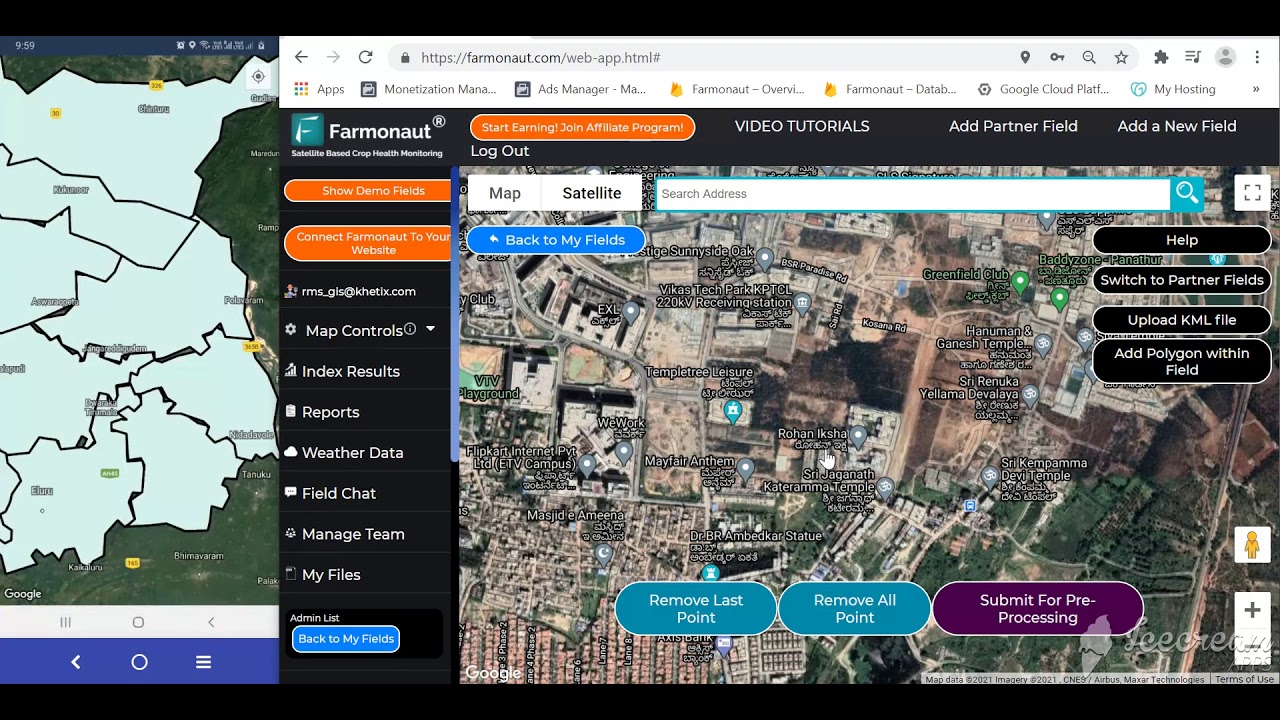
Integrating blockchain-based product traceability enhances transparency, enabling seamless tracking from field to finished market goods.
5. Modular & Scalable Storage Architecture
Flexibility is a defining factor in modern agricultural operations. Modular and scalable silo designs let farmers expand capacity during peak harvests or allocate separate silos for different crops—rice, maize, wheat, pulses, or oilseeds. This approach reduces cross-contamination, tailors each storage unit’s internal climate to the precise needs of its contents, and enables on-demand scalability.
- 💰 Cost-efficient scaling: Purchase or lease additional storage modules only when production or market conditions require.
- 🔥 Dynamic allocation: Assign premium storage to high-value batches for market differentiation.

6. Precision Inventory & Data-driven Management
At the heart of silo agritech is precision inventory management. Automated systems track the nature, volume, and status of every batch held in storage, aligning inputs, outputs, and drying cycles to real-world demand and operational requirements. Intelligent dashboards use AI and analytics to optimize cleaning, scheduling, and even allocate grains for sale or on-farm milling.
- ⛳ Smart dashboards: Real-time overviews improve farm-wide decision making.
- ⚙️ Predictive maintenance: Systems flag anomalies and prompt repairs before breakdowns.
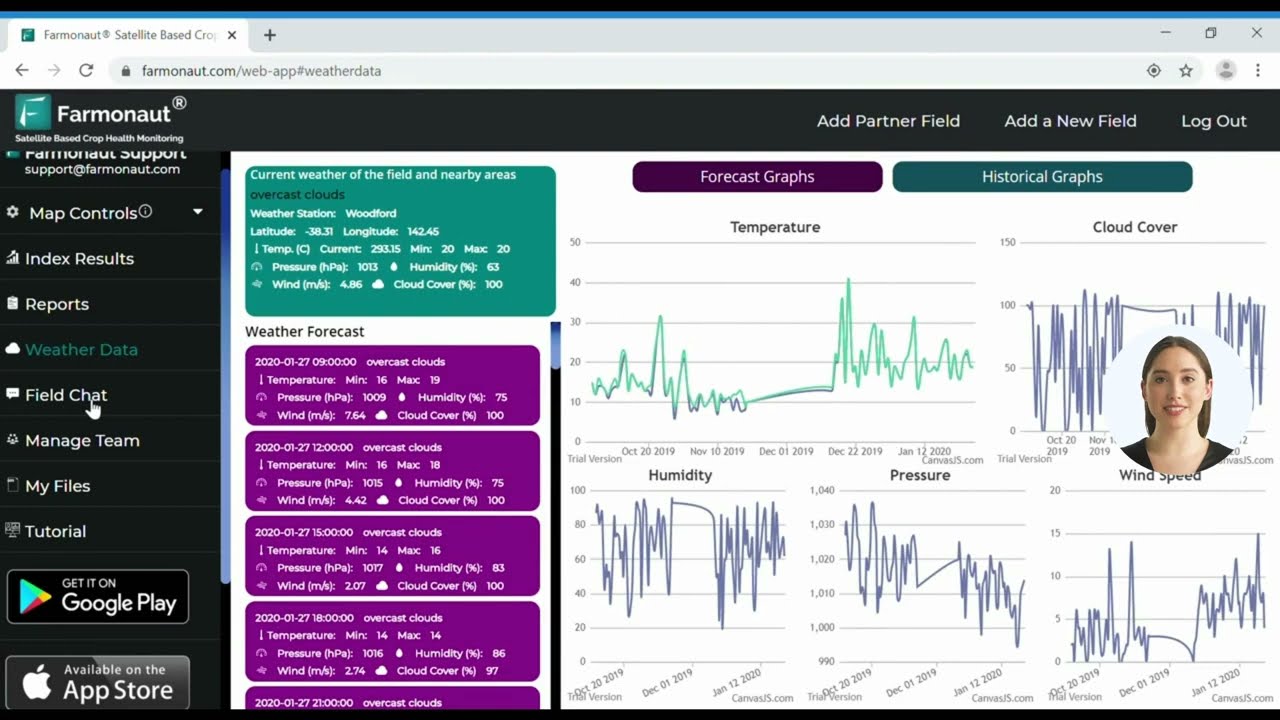
- 💻 API Integration: Farms can connect with Farmonaut’s API for customized, scalable data access.
7. Sustainability & Energy Optimization
Sustainability is central to next-generation silo agriculture. Smart controls not only manage energy for fans, dryers, and machinery, but also enable heat recovery and adaptive ventilation matched to ambient conditions. By minimizing unnecessary cycles, energy consumption drops, lowering both operational costs and environmental impact—crucial for modern agricultural resilience.
- 🌎 Environmental monitoring: Satellite-based services by Farmonaut (see Carbon Footprinting) help track and reduce emissions related to storage and operations.
- 🍂 Best for: Dense, multi-crop operations aiming to reduce waste and promote sustainability.

How Farmonaut Empowers Silo Agritech
We at Farmonaut, a leading satellite technology company, empower modern farms and storage operators by reimagining silo agritech with advanced, affordable tools and seamless real-time insights. Our solutions seamlessly integrate with existing farm management platforms through user-friendly apps and powerful APIs.
- 📶 Satellite Monitoring: We use multispectral imagery to monitor crop health, soil conditions, and infrastructure stability—delivering actionable data for both pre- and post-harvest storage management.
- 🤖 AI Advisory (Jeevn AI): We provide tailored, AI-driven advice on weather, soil, and crop strategies—enhancing resilience across the entire farming value chain. Try our Crop & Forest Plantation Advisory.
- 📦 Traceability: We offer blockchain-enabled traceability for transparent grain origin tracking, supporting organic and export certification (Learn more).
- 🚖 Fleet & Resource Management: Farms with internal or contracted logistics can optimize routes and vehicle use, saving on fuel and maintenance costs (See Fleet Management).
- 📈 Large Scale Farm Management: We support large or cooperative farms with scalable, app-based field mapping and resource tracking (Agro Admin App).

Choosing and Implementing the Right Silo Agritech Solutions
- ✅ Assess Crop & Climate Needs: Different grains (wheat, rice, maize) have specific moisture and airflow requirements—choose silo types accordingly.
- ⚠️ Invest in Robust Monitoring: Quality sensors and precise controls are essential for reliable performance—avoid compromise on core technology.
- 🔔 Train Teams: Ensure operators understand data dashboards, calibration, and predictive analytics.
- 🔒 Prioritize Cybersecurity: Centralized and digital platforms must be protected from data breaches or sabotage—especially where remote or automated control is enabled.
- ⭐ Synchronize with Farm Platforms: Select platforms compatible with APIs and digital solutions, such as those offered by Farmonaut, for cohesive management.
Key Benefits of Silo Agritech: Visual Lists
Top 5 Benefits of Modern Silo Agritech
- Consistently High Grain Quality — Protects against mold, pests, and internal climate swings.
- Reduced Post-Harvest Losses — Minimizes waste, spoilage, and costly batch failures.
- Optimized Energy and Resource Use — Automated drying and climate controls lower costs and boost sustainability.
- Streamlined Supply Chains — Real-time tracking, quality monitoring, and analytics reduce bottlenecks and market disruption.
- Traceability & Certification Compliance — Digital records ensure transparency for premium markets, organics, and export requirements.
5 Signs You Need Advanced Silo Agritech
- Frequent Unexplained Grain Losses after storage.
- Lack of Real-Time Monitoring or Quality Alerts.
- Manual Labor Costs Are Climbing during harvest and drying seasons.
- No End-to-End Digital Traceability for batches and market destinations.
- Difficulty Scaling Storage Capacity during major crop booms.
Expert Highlights and Callout Boxes
Integrate your silo data with satellite and AI insight platforms like Farmonaut for maximum predictive maintenance and climate optimization—this reduces downtime and extends your asset lifespan.
Skimping on automation or using outdated monitoring tools can lead to unaddressed microclimate issues, risking batch-wide losses and costly recalls.
Silo agritech solutions are a capital-efficient upgrade that can increase revenue per acre, enable premium market access, and significantly enhance asset ROI—particularly relevant for stakeholders in both agriculture and related mining sectors managing bulk inputs.
Real-time grain tracking is essential for compliance with food safety, export, and environmental certifications—unlocking better pricing power and risk management.
Silo in agriculture not only preserves harvest yield but, with advanced sensors, actually helps predict drying requirements—optimizing energy use and ensuring product quality appears consistent from season to season.
Frequently Asked Questions (FAQ)
-
Q: What is the main advantage of using intelligent silo systems over traditional silos?
A: Intelligent silos enable continuous monitoring and automated climate control, reducing spoilage, optimizing drying, and delivering actionable data for better decision making across the entire value chain. -
Q: How does real-time environmental monitoring help reduce losses?
A: Sensors instantly detect changes in temperature, humidity, or gas buildup, triggering aeration or alerts that enable timely interventions—preventing grain spoilage due to moisture or pests. -
Q: Can silo agritech solutions integrate with existing farm management systems?
A: Yes. With platforms like Farmonaut, seamless API links bring field, crop, and storage data into unified dashboards for holistic management and predictive analytics. -
Q: What crops benefit the most from advanced silo agriculture?
A: Core grains like wheat, maize, pulses, rice, and oilseeds all benefit—especially in regions with high humidity, temperature fluctuations, or variable harvest volumes. -
Q: How does silo agritech impact export or premium markets?
A: Digital traceability and quality assurance support certification for food safety, organics, and export compliance, opening doors to higher-value markets and reducing regulatory risk.
Conclusion: The Future of Silo Agritech
Silo agritech represents a practical, resilient synergy between traditional agricultural know-how and the power of digital intelligence. With precision sensors, automated controls, and data-driven management, silos farming in today’s world isn’t just about preservation—it’s about transformation.
This evolution enables farms of all sizes to reduce waste, optimize quality and pricing, streamline supply chains, protect valuable crops, and achieve higher sustainability. By anchoring these advancements in real-time dashboards and integrated digital platforms, the silo has become a sophisticated decision engine—driving efficiency, profitability, and resilience across the agricultural value chain.
Farmonaut Subscriptions & Further Resources
We invite you to explore affordable, scalable Farmonaut subscriptions that put the power of real-time crop and silo monitoring at your fingertips. Manage operations remotely, get satellite-driven insights, and seamlessly connect to APIs for tailored automation and optimization.
For developers: Farmonaut API — Developer Docs
Explore more:
- Carbon Footprinting in Silo Operations
- Product Traceability for Silos & Grains
- Crop Loans & Insurance Verification
- Fleet & Resource Management for Farms
- Large Scale Farm Management Solutions
- Crop Plantation & Forest Advisory
Upgrade your storage and become a part of the new era in silo agritech—where every data point, every grain, and every decision drives modern farming into the future of productivity, quality, and sustainability.

 Godrej Agrovet
 Hayleys Agriculture
 Linx Agritech
 Adinet
 Save Your Soils
 GalaxEye Space
 Grandstream Algérie
 XOS Realty
 Geospatial Lab Africa
 Agro La Gándara
 HIPSAC
 ZOL Zimbabwe
 Juligerm
 AdBio
AdBio MISE Maroc
 NWNS
NWNS Red August Group
 Farm Inc
 WeMe Global
 Agrotoken
 Blue BearX
 Insignito
 DnCubed
 Indosistim Teknologi
 Liquify Digital
 CU Foods
 BeyondTech Global
 Rouge VC
 AgroRisk
 Oath Inc
 Esri North East Africa
 MDCV UK
 Etech Consulting Madagascar
 Vestlandsforsking
 WB Dev
 Sama Premium
 Tres Valles
 Blickwinkel
 Agricultural Credit Policy Council
 eKGIS
eKGIS Mostas Tech
 Andex
Andex Deluxe Conseil
 WICO
WICO Chimera Innovation
 SkyHarvest
 Teledarbas
 Exurbia Geospatial
 FieldZero
