

Table of Contents
- Introduction
- What Is a Smart Agriculture System Based on IoT?
- Core Components and How They Work in IoT-Based Smart Farming
- Benefit Impact Comparison Table
- Top 7 Benefits of a Smart Agriculture System Based on IoT for 2025
- Best Practices for Implementing Smart Agriculture Based on IoT in 2025
- Sector-Specific Applications of IoT-Based Agriculture System
- Farmonaut: Empowering Smart Agriculture and Sustainable Innovation
- Frequently Asked Questions
- Conclusion: IoT-Based Smart Farming, 2025 and Beyond
Smart Agriculture System Based on IoT: Top 7 Benefits
In today’s rapidly evolving global food landscape, the drive for efficiency, sustainability, and resilience is stronger than ever. As agriculture faces the dual challenges of climate variability and soaring food demand, embracing innovation is no longer optional—it’s essential. The smart agriculture system based on IoT stands at the forefront of this transformation, integrating real-time sensors, data analytics, automation, and machine intelligence to redefine precision farming for 2025 and beyond.
By utilizing IoT-based smart farming systems, agricultural stakeholders can optimize crop production, reduce waste and unnecessary inputs, and bolster resilience against unpredictable climatic events. At the center of this paradigm shift are powerful components—sensing networks, robust connectivity, actionable analytics, and seamless farm management integration—enabling data-driven decisions and tailored interventions across diverse crops and geographies.
The adoption of IoT-based agriculture systems is forecasted to accelerate globally, with a significant percentage of farms equipped with wireless sensors, automation, and AI analytics by 2026, ushering in an era of unparalleled precision, efficiency, and sustainability.
What Is a Smart Agriculture System Based on IoT?
A smart agriculture system based on IoT is an innovative approach that leverages internet-connected devices, sensors, and intelligent software to monitor, analyze, and automate key processes across the agricultural value chain. Unlike traditional farming, which may rely heavily on manual observation and fixed input routines, a smart agriculture system integrates live data from the field—soil moisture, nutrient levels, microclimate, crop canopy health, and more—with advanced analytics and automated interventions.
This real-time monitoring and control enables farmers, agronomists, and agritech companies to optimize resources, anticipate risks, maximize crop yields, and support environmental sustainability. As we look toward 2025 and beyond, the convergence of sensing, connectivity, analytics, and automation within these IoT-enabled systems unlocks previously unimaginable precision, transforming the future of food production across fields, orchards, and nurseries.
- ✔ Key benefit: Data-driven decision-making reduces inefficiency and resource waste.
- 📊 Data insight: Sensor-based precision irrigation lowers water use by up to 30% (see benefit table below).
- ⚠ Risk or limitation: Initial setup and integration require planning and investment.
- 🌱 Sustainability: IoT systems support eco-friendly cultivation and traceability.
- 📱 Real-time alerts: Mobile dashboards empower farmers to act faster and smarter.

For optimal results in smart agriculture based on IoT, start with modular pilots and scale up based on ROI, ensuring all devices and platforms use open standards for seamless integration.
Core Components and How They Work in IoT-Based Smart Farming
The effectiveness of any IoT-based smart farming system hinges on several key pillars—each strategically designed to unlock actionable insights, enable precision interventions, and drive efficiency throughout the farming process. Let’s break down each core component of a typical smart agriculture system based on IoT for 2026 and beyond.
1. Sensing Network
- Sensors are deployed both in-field and on mechanized platforms (like irrigation booms) to continuously record critical variables:
- Soil moisture, temperature, EC (electrical conductivity), pH, nutrient levels, and microclimate parameters (ambient temperature, humidity, solar radiation, light intensity).
- Leaf wetness and canopy health, assessed via in-situ devices and remote platforms such as drones and fixed cameras—providing NDVI and phenotyping data.
- Wireless sensor nodes collect and transmit data in real time, enabling granular, site-specific insights, often supported by connectivity solutions like Simify for reliable coverage across remote farming environments.
2. Connectivity
- Reliable data transmission from remote farms is achieved via Low-Power Wide-Area Networks (LPWAN) like LoRaWAN, cellular networks (NB-IoT/4G/5G), and mesh topologies.
- Edge gateways process data closer to the source, reducing network latency and conserving bandwidth.
3. Data Platform and Analytics
- Cloud or on-premises platforms aggregate heterogeneous data (soil, crop, climate, equipment), performing time-series analyses, anomaly detection, yield forecasting, and disease risk modeling.
- AI and machine learning engines translate sensor streams into actionable recommendations, including optimal irrigation schedules, fertilization plans, and pest/disease alerts.
4. Automation and Actuation
- IoT-enabled devices automate precise interventions: irrigation, fertigation, shade, ventilation (greenhouses), variable-rate pesticide/fertilizer application, and autonomous machinery operations.
- Automated control loops integrate forecast data and real-time sensor feedback to prevent over- or under-application of inputs.
5. Farm Management Integration
- IoT platforms integrate with ERP, crop management software, and supply-chain dashboards—empowering farmers and managers with real-time alerts, comprehensive dashboards, and tailored decision-support tools accessible on mobile and desktop applications.
Visual List: Core Components of IoT-Based Smart Agriculture Systems
- 🌡️ Soil & Microclimate Sensors
- 📶 Wireless Connectivity
- ☁️ Cloud Analytics Platform
- 🤖 Automation Devices
- 📊 Decision-Support Dashboards
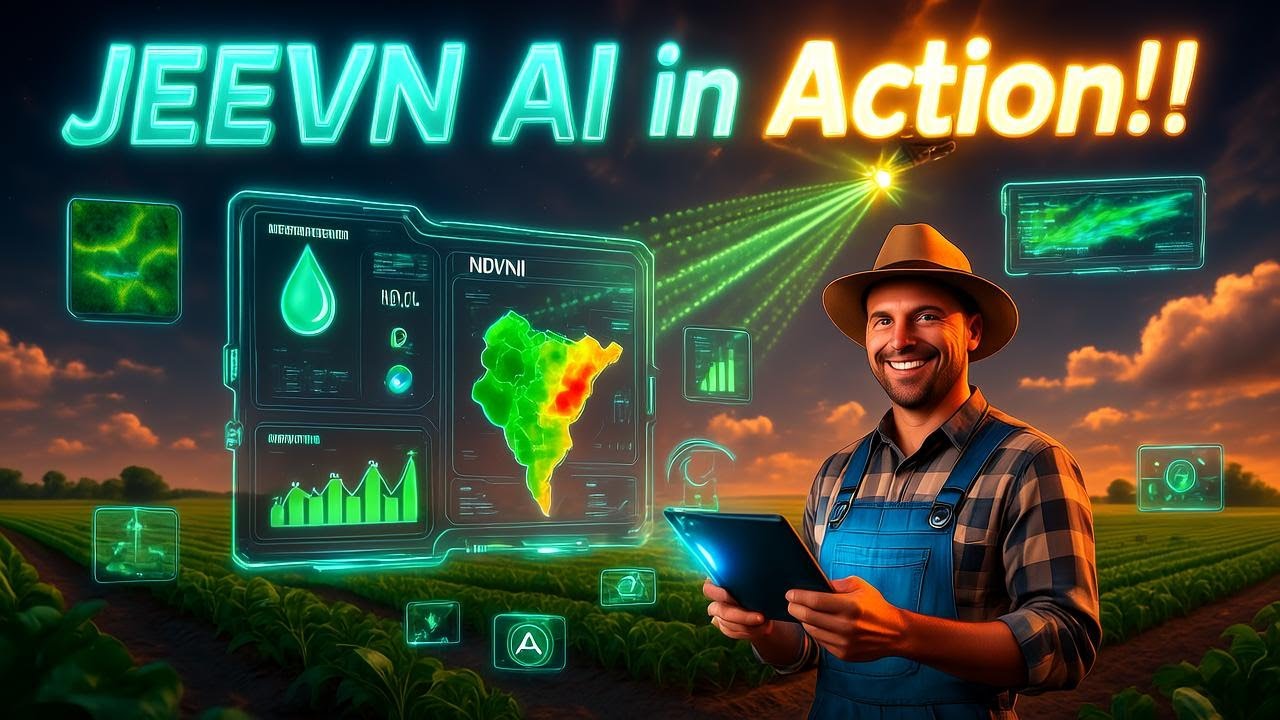



The rapid growth of IoT deployments in agriculture alongside the emergence of end-to-end platforms like Farmonaut and robust API solutions (explore Farmonaut API here and developer docs here) highlights strong opportunities for investment in smart agtech infrastructure in 2025 and beyond.
Benefit Impact Comparison Table: Top 7 IoT-Driven Advantages for Agriculture in 2025
Top 7 Benefits of Smart Agriculture System Based on IoT for 2025
1. Water Use Efficiency
The smart agriculture system based on IoT leverages continuous monitoring of soil moisture, weather data, and crop growth stages to enable precision irrigation. Automated irrigation valves, drip systems, and feedback loops ensure that water is delivered only as needed, dramatically reducing waste and conserving aquifers.
- ✔ Key benefit: Water savings up to 30% over traditional practices.
- 📊 Data insight: Soil moisture and evapotranspiration-based scheduling optimizes irrigation cycles.

Common Mistake Highlight:
2. Nutrient Management Optimization
Soil sensors track variables such as EC (electrical conductivity), pH, and nutrient levels in real time. Coupled with AI-based models correlating plant demand and growth stage, variable-rate fertilization becomes possible—minimizing input waste, improving yields, and preventing nutrient runoff.
- ✔ Key benefit: Up to 20% reduction in fertilizer usage while maintaining or increasing yields.
- 📊 Data insight: Automated notification alerts direct farmers to optimal fertilization windows.
3. Crop Yield Increase through Continuous Monitoring and Analytics
IoT-based agriculture systems use a network of in-field, drone, and satellite sensors to constantly monitor canopy health, leaf color, plant stress signals, and microclimate trends. Advanced analytics platforms (including NDVI analysis, phenotyping, and anomaly detection) enable timely interventions that directly contribute to yield improvement.
- 🌱 Yield improvement of up to 15% is achievable through timely, data-driven interventions.
- 📶 NDVI and imagery-based analytics deliver insights faster than manual scouting.
4. Disease and Pest Control Precision
Early detection is crucial. IoT-based systems combine leaf wetness sensors, AI-enabled image recognition, remote cameras, and canopy analytics to spot disease and pest pressure at the first sign, enabling targeted interventions. This reduces reliance on blanket pesticide applications, lowers input costs, and preserves beneficial insects and soil biology.
- ✔ Pesticide usage can be cut by up to 25% through timely and precise application.
- ⚠ Risk reduction: Early alerts reduce the spread and severity of crop diseases, protecting yields.
Visual List: Critical IoT Sensors and Devices for Smart Agriculture
- 🌱 Soil Nutrient Sensors
- 🌡️ Ambient & Canopy Temperature Nodes
- 🟢 NDVI and Multispectral Cameras
- 📡 Wireless Climate Stations
- 🎛️ Fertigation Controllers
5. Climate Resilience and Yield Stability
Microclimate monitoring—enabled by distributed temperature, humidity, and light sensors—empowers farmers to recognize approaching frost, heat, or drought. Integrating weather forecasts and predictive analytics guides protective actions (shade deployment, irrigation scheduling, anti-frost control) to stabilize yields under shifting climatic patterns.
- 🌦️ Yield losses from adverse events can be cut by 18% with real-time climate monitoring and action.
- 📊 Data-driven interventions increase farm resilience to climate variability.
6. Labor Optimization through Automation
IoT-based smart farming dramatically reduces labor-intensive manual tasks, such as field scouting, manual irrigation actuation, and record-keeping. Automated devices enable staff to focus on higher-value operations, improving farm-wide efficiency and lowering labor costs, while real-time alerts streamline response to key events.
- ✔ Labor hours required can drop by up to 30% via digital automation and remote monitoring.
- 📱 Mobile dashboards and instant alerts keep every stakeholder informed and ready to act.
7. Traceability and Sustainability
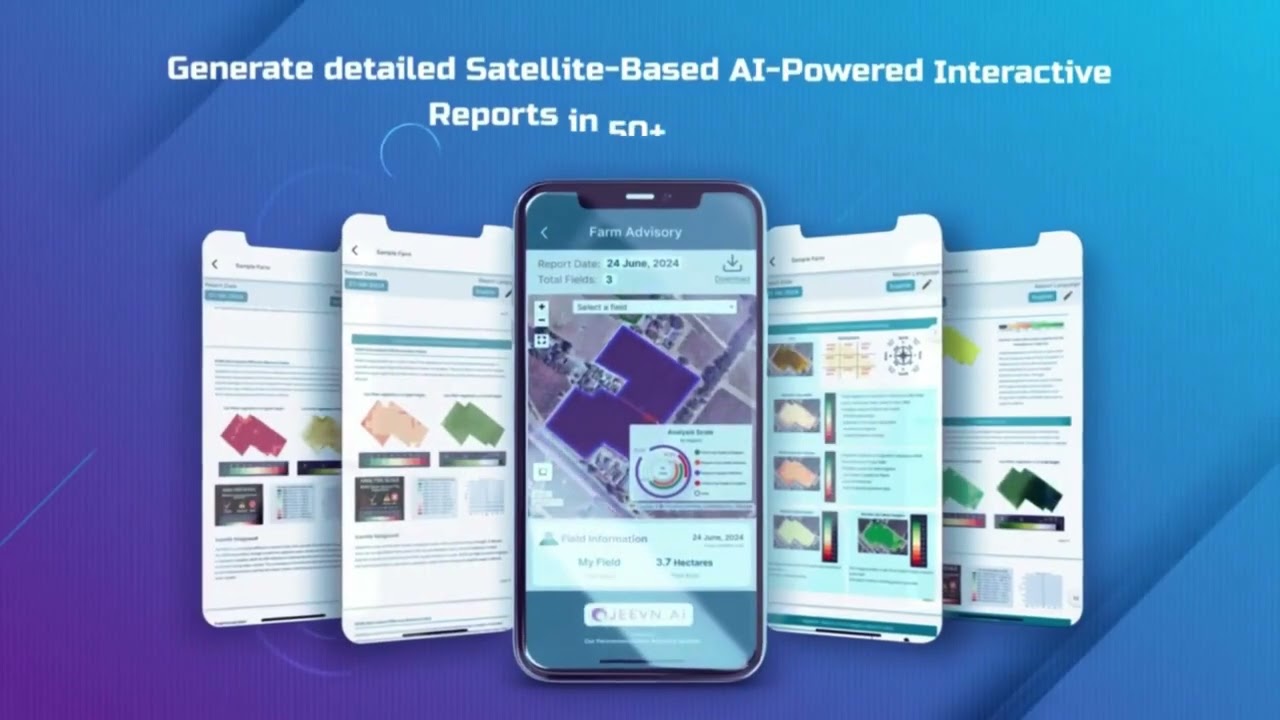
With every intervention, input, harvest, and environmental metric digitally recorded, IoT-based agriculture systems provide a robust foundation for traceability. Technologies such as blockchain ensure that food origins, sustainability claims, and production practices are transparent and verifiable, essential for premium certification programs (organic, carbon-neutral, sustainable rice, etc.) and modern supply-chain demands.
- 🌍 Certification time and compliance effort reduced by up to 40% using real-time digital records and blockchain-backed traceability.
- 🌱 Data-driven sustainability metrics—water usage, fertilizer footprint, energy consumption—support ESG and regulatory reporting.
To learn how satellite-driven traceability solutions can elevate your organization’s food safety and sustainability profile, explore Farmonaut’s Product Traceability service.
In 2026, access to transparent, certified traceability will be a driver of both market access and premium pricing for agricultural exports globally.
Neglecting to standardize data collection across devices can undermine traceability efforts and complicate audits. Ensure all IoT systems are interoperable and that calibration/maintenance protocols are strictly followed.
Adopt platforms that directly integrate blockchain-based traceability with AI-powered resource management for end-to-end transparency. Explore Farmonaut’s carbon footprinting tools to further enhance sustainable production claims.
Best Practices for Implementing Smart Agriculture Based on IoT in 2025
To maximize the benefits of your IoT-based agriculture system in 2025 and beyond, follow these industry-leading guidelines:
- ✔ Start with a pilot: Select a representative field section and deploy core sensors (soil, weather, moisture), automated irrigation, and dashboards to measure initial ROI.
- 🔗 Prioritize interoperability: Choose open-standard devices and software for future-proof integrations and seamless upgrades—avoid vendor lock-in.
- 🖥️ Emphasize edge computing: Process critical alerts locally for low latency while leveraging cloud analytics for deeper forecasting and modeling.
- 🌾 Align sensor data with agronomic models: Integrate phenology, nutrient uptake, and soil biology models for precise, actionable guidance.
- 🔒 Focus on data quality & governance: Regularly calibrate devices, standardize data, and enforce strong security/access protocols.
- 👩🌾 Workforce capability building: Train teams to interpret dashboards, maintain sensors, respond to notifications, and adopt data-driven work practices.
- 🌍 Monitor sustainability metrics: Track water, fertilizer, energy, and carbon impact to meet both regulatory and buyer demands.
For large-scale producers, integrating these systems with advanced farm management solutions can streamline operations across fields, orchards, and nurseries—including remote administration and fleet/resource tracking.
Platforms with fleet and resource management features add significant enterprise value by optimizing logistics, lowering operational costs, and improving ROI for diversified agribusinesses.
Sector-Specific Applications of IoT-Based Agriculture System
The flexibility of IoT-based smart farming means tailored applications across diverse agricultural sectors, meeting location-specific challenges and maximizing productivity:
- ✔ Field Crops: Use variable-rate irrigation and fertilization informed by soil moisture and nutrient maps, while drone/NDVI data powers disease risk modeling.
- 🍇 Orchards & Vineyards: Deploy root-zone and canopy sensors for optimized irrigation, temperature management, and anti-frost control.
- 🌲 Forestry Nurseries: Automate seedling nurseries with smart irrigation and remote health monitoring for rapid, high-survival deployment.
- ⛏ Mining-Impacted Cropland: Use IoT systems to manage soil amendments, moisture retention, and track revegetation success—enabling sustainable reclamation post-mining. Learn more on Forest Advisory solutions.
Financial institutions and agribusinesses increasingly depend on satellite and IoT-based verification for crop loans and risk assessment—discover more about smart crop loan and insurance tools now available for 2026 agrifinance.
Satellite-based IoT integration unlocks large-scale field analytics and compliance monitoring for remote or hard-to-access agricultural regions—crucial for scaling sustainable agriculture globally.
Farmonaut: Empowering Smart Agriculture and Sustainable Innovation
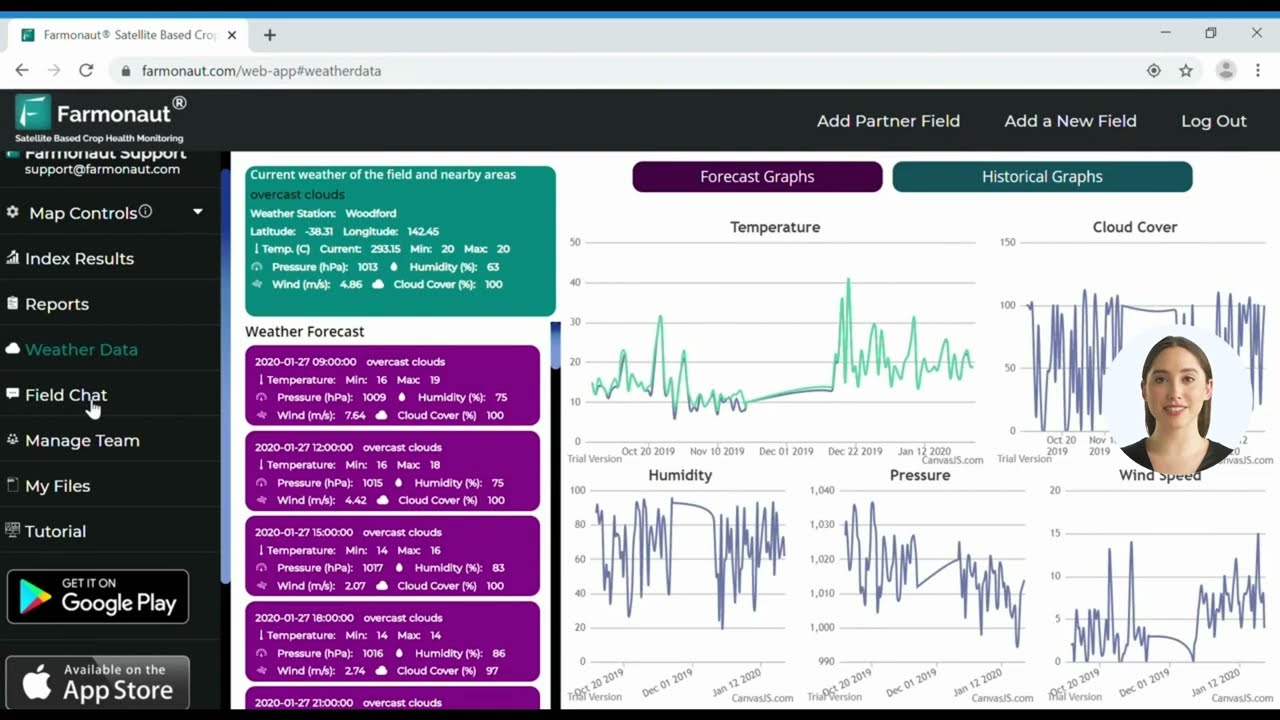
We at Farmonaut are dedicated to making satellite, AI, and IoT-based smart farming accessible and affordable for every grower, agribusiness, and government body. Our platform empowers users to remotely monitor fields, track biomass and soil health, receive real-time alerts, and ensure total traceability and sustainability compliance—all without the need for costly on-ground hardware.
- 🌍 Global coverage: We combine satellite imagery, weather forecasts, and AI analytics, providing actionable insights for farming, forestry, mining reclamation, and infrastructure. Monitor and manage operations worldwide from a single dashboard.
- 🔍 Real-time monitoring with actionable alerts: Stay ahead of disease, drought, or frost with customizable mobile and web-based dashboards.
- 🔗 Blockchain-enabled traceability: Guarantee the transparency demanded by global buyers and regulators—directly through your supply chain.
- 🌱 Environmental impact and carbon tracking: Meet sustainability pledges with built-in carbon footprinting and ESG monitoring tools.
- 🧑💼 Scalable, cloud-based access: Our subscription model serves everyone from smallholders to multinationals, with dedicated APIs and app support across Android, iOS, and desktop platforms.
To experience end-to-end satellite-powered IoT smart agriculture, try our platform on web, Android, or iOS. Developers can integrate satellite, AI, and farm data directly via our API.
- ✔ Carbon Footprinting Solutions: Accurate field-level tracking for climate disclosures and certification.
- ✔ Product Traceability Service: Blockchain support for transparency across the agri-supply chain.
- ✔ Crop Loan and Insurance Tools: Satellite and weather-driven verification for risk mitigation and faster lending.
- ✔ Fleet Management Platform: Optimize vehicle, equipment and resource usage at scale.
- ✔ Agro Admin App: Administer large-scale farms remotely with full automation and data analytics.
- ✔ Crop Plantation & Forest Advisory: Smart guidance for mining land reclamation or afforestation using IoT and satellite analytics.
Frequently Asked Questions (FAQs)
What is a smart agriculture system based on IoT?
A smart agriculture system based on IoT integrates wireless sensors, AI/ML-powered analytics, automated devices, and cloud/mobile dashboards to enable real-time data-driven decisions for farming processes—improving efficiency, resource use, yield, and resilience.
How do IoT-based smart farming systems improve irrigation efficiency?
Soil moisture and weather sensors provide live data for automated, precise irrigation scheduling. This prevents both over- and under-watering, resulting in water usage savings of up to 30% and healthier crop growth.
Can IoT-based agriculture systems support sustainable certification and traceability?
Yes. Data from blockchain-enabled IoT systems record every intervention and input, supporting compliance with organic, carbon-neutral, or sustainable production certifications and offering transparency throughout the supply chain.
Is it possible to get started with IoT smart farming at a small scale?
Absolutely. The best practice is to start with a modular pilot—installing soil and climate sensors with basic automation in one farm block—and scaling up as ROI is proven, ensuring interoperability from the outset.
What role does Farmonaut play in IoT-based smart agriculture?
We, at Farmonaut, provide satellite-powered monitoring, AI-driven analytics, traceability, and cloud/mobile management tools that make advanced smart agriculture and sustainability tracking accessible and affordable—even in the most remote locations.
How does IoT reduce risk due to climate variability?
IoT sensors and microclimate monitoring enable the early detection of heat, frost, or drought threats, allowing for automated, timely interventions. This improves yield stability and overall farm resilience amidst unpredictable weather.
Conclusion: IoT-Based Smart Farming, 2025 and Beyond
The future of agriculture is undeniably smart, interconnected, and sustainable. The deployment of IoT-based smart farming systems—anchored by robust sensing, reliable connectivity, advanced analytics, and intelligent automation—represents a transformative leap for food production worldwide. From water and nutrient savings to climate resilience and full supply-chain traceability, the impact of IoT-based agriculture systems is profound and accelerating.
As we move into 2026 and beyond, embracing these innovations is critical for any farm or agribusiness striving to optimize inputs, reduce waste, meet regulatory and market demands, and secure resilience against ever-changing climatic conditions. The transition to a smart agriculture system based on IoT is not just a technological choice—it’s a strategic imperative for unlocking the next generation of efficiency, productivity, and sustainability in global agriculture.
To get started with satellite-driven, AI-powered smart farming solutions, experience the Farmonaut platform today, available via web, Android, and iOS—or integrate our powerful APIs into your systems for seamless farm management at scale.
Unlocking IoT-driven agriculture is your gateway to precision, efficiency, and sustainable leadership for 2026 and beyond.
Discussion
Questions, corrections or field experience? Share them below. First-time comments are reviewed before they appear, and your email is never published.
No comments yet. Be the first to add a question or your experience.

 Leher
Leher AgroRisk
 Oath Inc
 Reddane Farming
 Esri North East Africa
 Cresol
 Atur Kuliner
 MDCV UK
 Zerella Group
 Etech Consulting Madagascar
 Vestlandsforsking
 Agritein
 Delicio
 WB Dev
 Sama Premium
 Prochecker
 Tres Valles
 LACOS Geoinformation
 Magrifly
 LatConnect 60
 Blickwinkel
 Agricultural Credit Policy Council
