

Top 7 Agriculture Control Systems for Smart Farming 2026
Introduction: The Transformation of Agriculture Control Systems
The dawn of 2026 marks a dramatic evolution in agriculture control systems, fundamentally reshaping how we cultivate, manage, and monitor our global food supply, resources, and even environmental health. No longer are farms managed only by human intuition or conventional tools—today, autonomous operations, advanced automation, and precise, data-driven decisions define the new era of smart farming. Modern agriculture control systems now seamlessly integrate controlled environment agriculture systems (CEA), advanced farming vehicle control systems, and scalable urban farming systems, propelling yields and sustainability to new heights.
With rising demands on food production, ongoing labor shortages, and heightened calls for sustainable, responsible management, the smart use and integration of controllers, sensors, AI, and automation architectures have become not only beneficial, but essential. The convergence of these technologies enables optimized irrigation, nutrient management, lighting, temperature, and predictive maintenance within farm and urban settings alike.
Whether we are improving the microclimates of vertical farms, automating tractors in wheat fields, or tightly synchronizing nutrient dosing and greenhouse shading, the focus has shifted to systems that enable precise, remote, and autonomous control. This blog explores the top 7 agriculture control systems that will redefine smart farming in 2026, offering detailed explanations, technical comparisons, embedded knowledge, and visually engaging content.

What Are Agriculture Control Systems? The Foundation of Smart Farming (2026)
Agriculture control systems are integrated hardware and software platforms designed to automate, monitor, and optimize every aspect of crop and resource management in farming, urban, and even cross-industry environments. These systems use advanced sensors, controllers, AI algorithms, autonomous vehicles, and data platforms to make real-time, precise adjustments—whether in an expansive greenhouse, open field, or a high-rise urban vertical farm.
Here are a few key examples of how these smart control systems are deployed:
- Automatic climate regulation (CEA systems), balancing temperature, humidity, air exchange, and CO2 for optimal crop growth.
- Supervisory control dashboards for remote management of field machinery, irrigation schedules, and infrastructure health.
- Variable-rate application systems that adjust water, fertilizer, and pesticides based on sensor-derived soil or plant data.
- Integrated urban farming systems with modular, automated regulation of nutrients, light, and resource recovery.
- Predictive maintenance systems for farming vehicles and automated machinery, reducing downtime and improving sustainability.
- AI-driven crop phenotyping, scheduling, and resource traceability to support yield boosts and transparent supply chains.
Whether the site is rural or urban, open-field or closed-loop, agriculture control systems in 2026 rely on real-time data, intelligence, and automation to reduce inputs, maximize production, and ensure sustainability.
Feature and Benefit Comparison Table: Top 7 Agriculture Control Systems 2026
| System Name | Main Use Case | Automation Level | Data Integration | Est. Yield Boost (%) | Est. Resource Savings (%) | Sustainability Rating |
|---|---|---|---|---|---|---|
| 1. Advanced CEA Climate & Lighting Controllers | Greenhouse & Indoor Farm Automation | Full | IoT & AI-driven | 280-300% | 40-70% | High |
| 2. Automated Irrigation & Fertigation Loops | Precision Water & Nutrient Delivery | Full | Sensor-based, AI-optimized | 20-40% | 45-80% | High |
| 3. Smart Farm Vehicle Control Platforms | Autonomous Field Operations | Full/Semi | RTK-GNSS, IoT, Cloud | 15-25% | 20-30% | Medium |
| 4. Modular Urban Farming Systems | Vertical & Indoor City Farming | Full | IoT, AI-driven, Edge Computing | 200-230% | 60-90% | High |
| 5. Integrated Resource & Environmental Monitoring | Multi-site Resource & Impact Tracking | Semi/Full | Satellite & Sensor Data | 10-20% | 5-30% | High |
| 6. AI-Based Smart Crop Scheduling & Advisory | Yield Optimization & Risk Management | Full | AI, External Datasets, APIs | 18-44% | 10-20% | Medium/High |
| 7. Blockchain Traceability Control Platforms | End-to-End Product & Resource Tracking | Semi/Full | Blockchain-Integrated | 8-12% | Up to 10% | High |
Controlled Environment Agriculture Systems (CEA): The Heart of Smart Farms
Controlled environment agriculture systems (CEA) represent the backbone of yield-focused, resource-efficient modern farming. CEA brings precision control to every parameter that matters: from lighting and temperature to humidity, CO2 exchange, nutrient delivery, and irrigation schedules. Advanced controllers, sensors, and predictive model-based loops collaborate to create optimal growth environments—indoors or out, rural or urban.
Key Components & How CEA Drives Smart Farming
- Climate Control Loops: Using PID or model-predictive controllers, CEA systems modulate heaters, coolers, and fans to stabilize canopy temperatures and maintain target humidity and CO2 for optimal crop health.
- Lighting Control: Sophisticated spectral-adjustable LED arrays and daylight sensors provide dynamic PAR profiles (photosynthetically active radiation) with DLI (daily light integral) targets tuned to each crop stage.
- Irrigation and Fertigation: Integrated soil moisture and EC sensors feed automated irrigation schedules, while precise nutrient dosing and synchronization ensure minimal resource waste and maximal plant uptake.
- Screened & Automated Environments: Greenhouses leverage automated shading, cooling pads, and venting technologies to create uniform microclimates, saving energy and reducing labor.
- Centralized BMS (Building Management System): BMS platforms monitor and adjust setpoints in real time, supporting remote and large-scale management.
Controlled environment agriculture systems reduce climate risk, boost yield consistency, and set the foundation for year-round food security in both rural and urban environments.
Examples and Use Cases in Modern CEA
- Large-scale hydroponic lettuce farms employing fully automated BMS, LED lighting, and robotic harvesters.
- Fruit and floral greenhouses with AI-driven venting, shading, predictive cooling, and advanced crop-specific irrigation control.
- Research facilities synchronizing CO2 enrichment, humidity regulation, and nutrient feed loops for rapid variety development.
Responsive Design & IoT-Driven CEA for Urban Spaces (2026)
- Automated microgreen platforms with real-time microclimate and photoperiod scheduling via smartphone apps.
- Integration with Farmonaut’s satellite advisory systems to optimize crop success using satellite-monitored environmental trends.
- AI-derived warning alerts for nutrient imbalances, water stress, or pest outbreaks, supporting precision sustainability.

When deploying CEA systems in new regions, localize setpoints for climate, light, and irrigation based on real-time data trends—global settings rarely deliver optimal results everywhere.

How Farmonaut’s Satellite Insights Amplify CEA Efficiency
- With satellite-based crop health monitoring, we at Farmonaut enable farmers to view NDVI, soil moisture, and canopy temperature trends via intuitive mobile/web dashboards.
- Real-time alerts and AI-driven crop advisory support proactive fertigation, irrigation, and disease management.
- Our Jeevn AI system offers tailored weather and environmental forecasts, optimizing resource and yield planning in both greenhouses and open fields.
Explore Product Traceability via Blockchain with Farmonaut for transparent resource use and sustainability verification.

Farming Vehicle Control Systems: Robotics & Automation in the Field
The farming vehicle control system landscape has undergone a revolution by 2026, with robotic vehicles, autonomous tractors, drone fleets, and real-time interconnected platforms conducting precise, safe, and energy-efficient operations across farming landscapes.
These systems center on:
- Supervisory Control Platforms: Dashboards aggregate sensor data from vehicles and fields, enabling remote operation scheduling, fleet tracking, and integration with satellite-derived insights. Efficient, data-rich management is now standard.
- Precision Guidance and Autonomy: Autonomous tractors and robotic weeders use RTK-GNSS and vision systems to follow crop rows and geofences, dramatically reducing soil compaction and input waste.
- Predictive Machinery Maintenance: On-board diagnostics, vibration, and hydraulic monitoring predict and prevent failures—enabling uninterrupted harvests and lowering maintenance costs.
- Variable-Rate Operations: Sensing data for soil, moisture, and nutrient levels drives targeted variable-rate irrigation, fertilization, and pesticide application—conserving critical resources while protecting local ecosystems.
- Energy Efficiency and Safety: Collision avoidance, return-to-base logic, and automated battery management key features in the switch to electric and hybrid fleets.
🚜 Visual List: Top Benefits of Farming Vehicle Control Systems
- ✔ Reduced labor needs through automation and autonomy
- ✔ Improved safety via automated monitoring & collision avoidance
- ✔ Higher ROI with predictive maintenance and energy management
- ✔ Precision input application for higher yield and lower waste
- ✔ Remote fleet monitoring links field data, machinery health, and satellite insights

Leverage Fleet Management Tools by Farmonaut for remote logistics, route optimization, and integrated field operations: Fleet Management Platform Details
The 2026 global market for autonomous farm vehicles and robotic systems is projected to exceed $12 billion. Investments in integrated farming vehicle control systems generate rapid ROI and significantly strengthen labor resilience and sustainability credentials.
Urban Farming Systems: Innovations for Cities and Compact Spaces
The rapid rise in urban farming systems has been nothing short of revolutionary. As cities expand and land for agriculture becomes scarce, modular, scalable, and highly automated systems orchestrate efficient food production in warehouses, rooftops, and even home environments. These systems are built for productivity, sustainability, and seamless integration with urban infrastructure by using:
- Vertical Farming & Greenwall Architectures: Automated climate, lighting, and irrigation control ensures yields per square meter are many times that of traditional soil beds.
- Hydroponics & Aeroponics Management: Continuous regulation of nutrient solution recipes, pH, and aeration sustains rapid crop growth.
- Resource Recovery Integration: Closed-loop nutrient and water recovery supports city sustainability mandates and slashes operational costs.
- Data-Driven Crop Scheduling: AI-driven phenotyping and planning platforms enable rapid response to city market demands and new product development.
- IoT & Edge Computing Control: Real-time monitoring and automation via edge platforms keep sensitive operations running even during network/local failures.
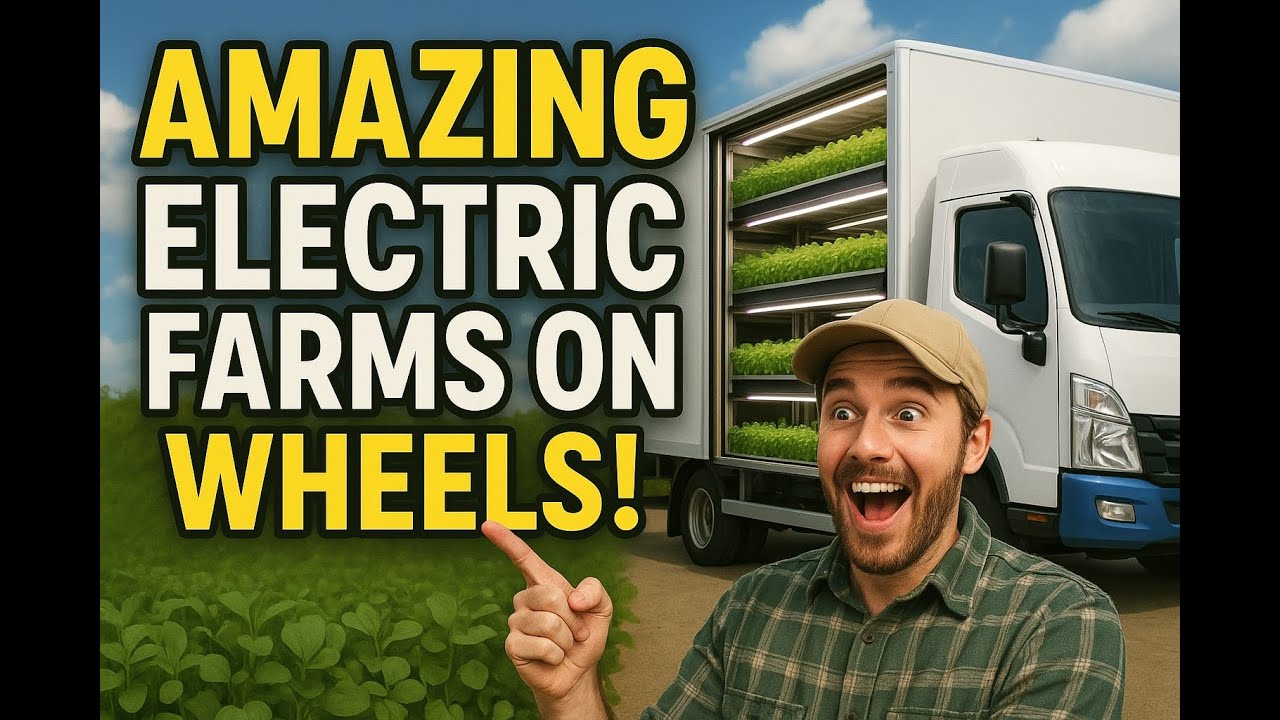
Overlooking regular calibration of sensors can lead to nutrient imbalances and crop loss in urban farming systems. Always schedule sensor validation every crop cycle.
Urban Farming: Visual List of Smart System Features
- 📊 Continuous monitoring of humidity, temperature, light, and nutrient levels
- 📊 AI-driven alerts for maintenance, disease risks, and resource optimization
- 📊 Remote management via mobile/web interfaces—superior city adaptability
- 📊 Energy-efficient LED lighting with automated DLI targets
- 📊 Resource recapture including water and nutrients reduces net environmental footprint




Applications in Mining, Forestry, and Related Sectors: Cross-Industry Synergies
While agriculture control systems find their primary home in farming, the same data-driven and automated management principles are transforming mining, forestry, and other resource-based sectors in 2026. Cross-industry adoption enhances environmental sustainability, safety, and efficiency.
- Environmental Monitoring: Real-time air quality, dust, and ventilation control is now standard for modern mining sites and large plantations, directly reducing health and climate risks.
- Supply Chain & Storage Infrastructure: Integrated BMS platforms used for seedstock, fuel, and chemical storage at remote locations, ensuring optimal climate and safety.
- Remote Sensing & Automation: Satellite, drone, and ground analytics support forest health, reforestation, and soil stabilization projects, linked to AI-driven recommendation engines for best results.
- Fleet, Water, and Emission Management: Mining and forestry equipment now runs on integrated control systems for resource optimization and real-time health tracking.
- Blockchain Traceability: Secure, end-to-end monitoring of product journeys from extraction/harvest through transport to ensure sustainability compliance.
For environmental compliance and carbon footprint monitoring, see Farmonaut Carbon Footprinting Solution.
Discover our Satellite Backed Crop Loan & Insurance Verification—reducing risk for financial services in agriculture and mining sectors.
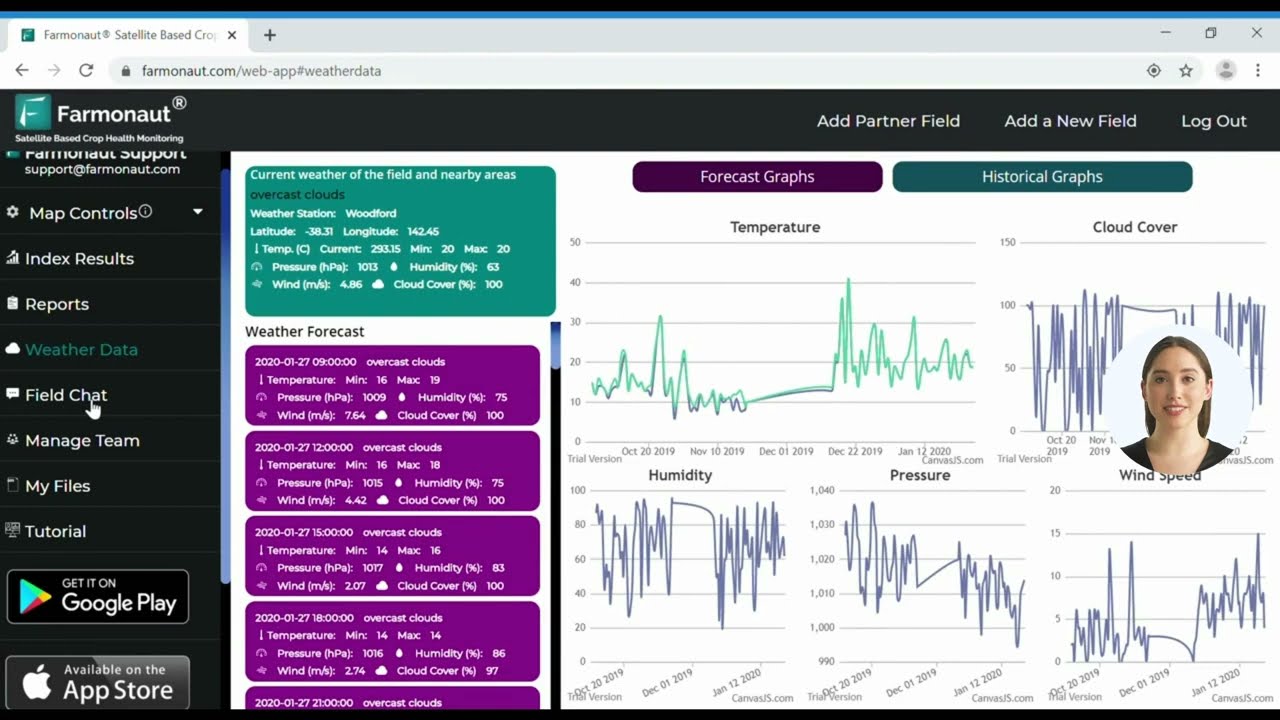
Satellite-driven monitoring platforms reduce water wastage by up to 40% in both agriculture and mining operations through optimized, AI-backed irrigation and dust suppression schedules.
Central Benefits & Key Considerations for Deploying Agriculture Control Systems
- ✔ Resource Efficiency: Automated irrigation, fertigation, and climate controls minimize water, fertilizer, and energy consumption—increasing crop quality and lowering environmental impact.
- ✔ Yield Consistency: Stabilized environmental setpoints reduce weather-driven risks and deliver steady, high-value output year-round.
- ✔ Labor Resilience: Robotic vehicles and centralized monitoring platforms bridge labor shortages and enable safe operations in extreme or remote environments.
- ✔ Data-Driven Farming: End-to-end data integration underpins smarter, more transparent decision-making, product traceability, compliance, and risk management.
- ✔ Scalability & Security: IoT and API-driven systems enable flexible expansion, with blockchain solutions securing supply chains and resource flows across sectors.
⚠ Visual List: Risks & Limitations
- ⚠ High upfront investment for hardware and infrastructure upgrades.
- ⚠ Data integration complexity—especially for legacy systems or non-standard fields.
- ⚠ Dependence on uninterrupted connectivity and power, especially in rural or underdeveloped areas.
- ⚠ Cybersecurity and data privacy risks increase as systems converge and scale.
- ⚠ Skill gaps in workforce may slow full realization of benefits—training and support are essential.
Farmonaut: Centralized Satellite & AI Tools for All Sectors
- Our satellite-based platforms support agriculture, mining, and infrastructure via Android, iOS, web, and custom APIs (API here | API Docs)
- Real-time advisory, carbon tracking, and blockchain-based traceability drive sustainable, transparent management across crops, forestry, and minerals.
- Modular, subscription-based access—see pricing below.
Highlighted Insights, Pro Tips, and Investor Notes
The future of agriculture control systems lies in integrated, AI-optimized platforms that enable all stakeholders—farmers, businesses, and governments—to minimize inputs while maximizing yield, quality, and sustainability.
Farms employing full-stack CEA and vehicle control automation report a 35-80% increase in water efficiency and up to 3x yield improvements—especially in water-scarce or extreme climate zones.
Use large-scale farm management dashboards for unified oversight—blending satellite data, AI-advisory, and real-time IoT into a single pane-of-glass for your entire enterprise.
Many operations underuse collected data. Maximize value by connecting sensors, machinery, and software through open APIs and AI-enabled analytics workflows.
Sustainability-linked financing increasingly requires robust environmental monitoring and traceability systems. Early adoption not only ensures compliance but can unlock preferential rates—and reduce operational risk.
FAQ: Smart Agriculture Control Systems 2026 & Beyond
What are some examples of smart control systems used in agriculture?
- Automated greenhouse management (climate, lighting, irrigation)
- Robotic weeders, autonomous tractors with precision RTK guidance
- Variable-rate irrigation and fertilization systems using soil/crop sensing data
- AI-driven crop phenotyping, yield predictions, and advisory dashboards
- Real-time environmental monitoring and blockchain traceability platforms
How do agriculture control systems improve sustainability?
By automating resource delivery (water, nutrients, lighting), reducing waste, and supporting traceability and compliance, these systems directly decrease environmental impact and maximize renewable efficiency.
Can control systems integrate across multiple sectors like mining, forestry, and agriculture?
Yes! Modern agriculture control systems are modular and data-driven—integrating satellite, drone, and ground-based sensing to monitor vegetation health, air quality, water use, and supply chain security for mining, forestry, and agriculture.
Is it possible to monitor and manage farms remotely using these systems?
Absolutely. Platforms like Farmonaut deliver real-time monitoring, fleet management, and AI-based crop advisory to mobile/web users—enabling remote, data-based management and decision-making.
How does blockchain-based traceability benefit agriculture and related sectors?
Blockchain platforms provide secure, verifiable records of product origin, transport, and processing—essential for transparency, compliance, loan/insurance backing, and consumer trust.
Conclusion: The Future of Smart Farming Control Systems
From controlled environment agriculture systems in high-tech greenhouses and stacked urban farms to autonomous field vehicles criss-crossing vast crop fields, the future of agriculture control systems is here, and it’s rich with potential. Key applications center on automation, precision, and integration—whether synchronizing irrigation schedules with remote soil sensors, or deploying AI decision-support for mining and forestry operations. 2026 marks a turning point: smart control platforms are redefining what’s possible in food production, resource efficiency, and environmental sustainability.
If you are ready to enable advanced, data-driven farming, mining, or infrastructure management, explore our Farmonaut apps and APIs. We empower growers, businesses, and governments alike with affordable, scalable, satellite-backed technology—driving better yields, transparent traceability, and robust sustainability for 2026 and beyond.

 SP Farms
 Indosistim Teknologi
 Suminter India Organics
 Liquify Digital
 CU Foods
 BeyondTech Global
 Rouge VC
 AgroGreen Dynamics
 AgroRisk
 Oath Inc
 Reddane Farming
 Esri North East Africa
 Cresol
 MDCV UK
 Zerella Group
 Etech Consulting Madagascar
 Vestlandsforsking
 Delicio
