

Table of Contents
- Introduction
- Advantage of Vertical Farming
- Advantage of Precision Farming
- Advantages of Indoor Farming
- Advantages of Intensive Farming
- Farmers Market Advantages and Disadvantages
- Comparative Advantages Table
- Integrated Impact and Best-Fit Contexts
- How Farmonaut Empowers Advanced Farming
- FAQ: Common Questions Answered
- Conclusion
Top Advantages of Vertical, Precision, Indoor & Intensive Farming
“Vertical farms can produce up to 10 times more crops per square foot compared to traditional farming methods.”
Modern agriculture is undergoing rapid transformation due to increasing land scarcity, water shortages, and volatile supply chains for food and forestry products. The demand for steady, high-quality crop supply near urban markets is pushing innovation in several directions. Among these, four high-impact approaches – vertical farming, precision farming, indoor farming, and intensive farming – stand out for their ability to reshape agriculture, forestry, mining-linked supply chains, and to intersect with bustling farmer’s markets.
This focused overview explores the advantages of these farming concepts, examining key drivers such as resource efficiency, production scale, market integration, and sustainability. Alongside, we’ll highlight how advanced technologies (including those provided by Farmonaut) are amplifying these benefits across end-to-end market networks.
Let’s explore the advantage of vertical farming, advantage of precision farming, advantages of indoor farming, and advantages of intensive farming—and how these advanced systems can benefit growers, consumers, and local economies.
- ✔ Higher yield per square meter: Make the most out of limited urban or peri-urban space.
- 📊 Technological optimization: Data-driven management improves quality and reduces input waste.
- ⚡ Reduced resource use: Closed-loop systems, recirculation, and precision inputs promote sustainability.
- 🌱 Year-round production: Controlled environments minimize climate-related risks, ensuring steady supply.
- 💧 Lower water consumption: Most approaches optimize water use—critical for regions facing scarcity.
Urban vertical and indoor farming are not only tackling food supply gaps near cities but also reducing the transportation costs and losses that typically challenge local and regional food distribution networks.
Advantage of Vertical Farming
Vertical farming leverages controlled, layered environments—often in indoor towers or repurposed urban structures–to grow crops up rather than out. As populations concentrate in densely populated agricultural hubs and around urban centers, the advantages become increasingly valuable:
1. Space Efficiency & Yield Density
- Dramatically increases production per square meter: By vertically layering plants, we can yield up to 10 times more crops within the same land area compared to traditional farming.
- Valuable in urban/near-urban locations: Enables fresh produce supply close to city-based markets and farmers markets, dramatically reducing transportation timelines and post-harvest losses.
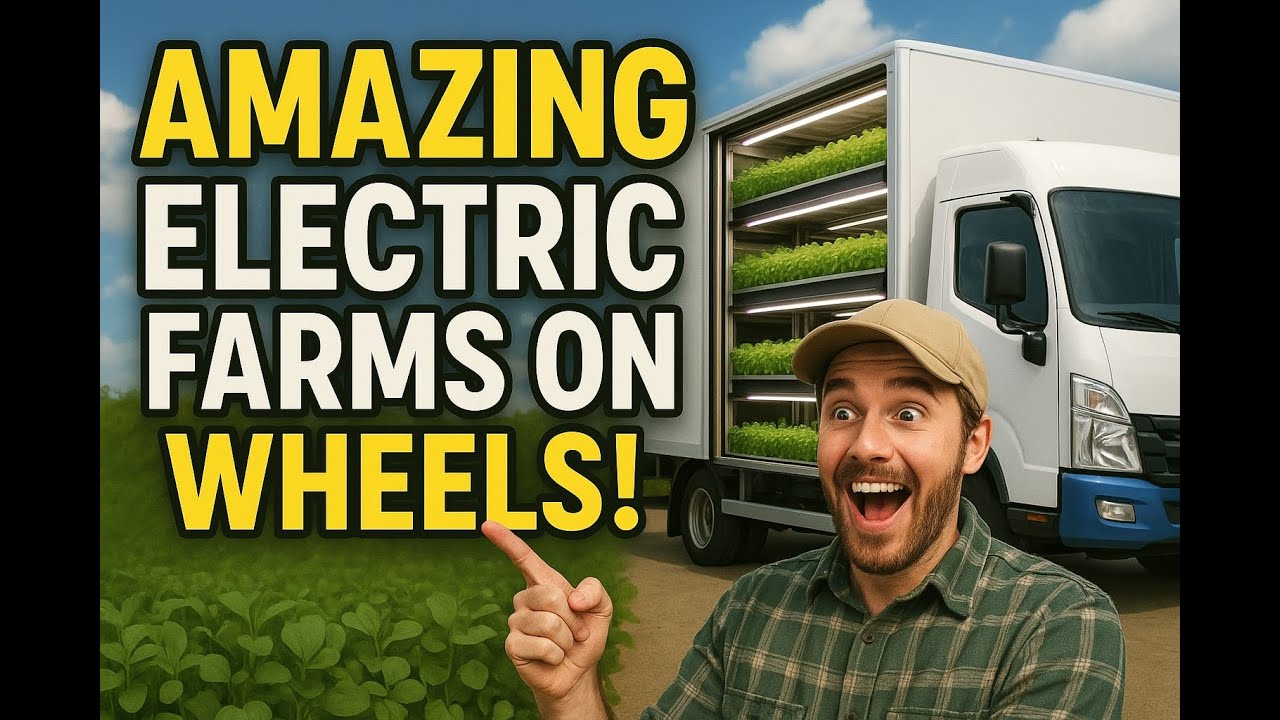
2. Resource Use & Sustainability
- Closed or semi-closed systems: Water recirculation and precise nutrient delivery minimize water strain and environmental impact.
- Integrated pest management: Controlled settings—such as hydroponic, aeroponic, or soilless media—substantially lower the need for pesticides and chemicals, supporting environmental stewardship across agriculture and forestry supply chains.
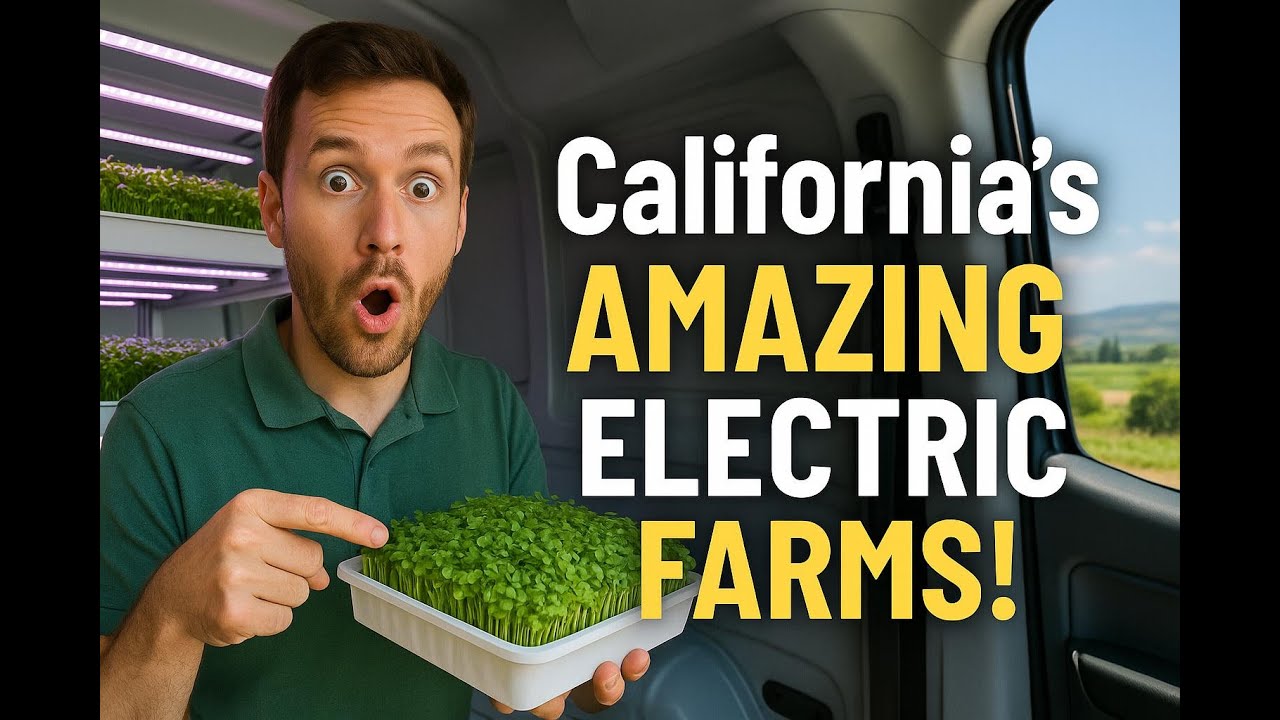
3. Year-Round Production & Quality Control
- Stable, controlled environment: Regulated lighting, humidity, and temperature allow continuous harvests and predictable, consistent quality.
- Steady supply for retailers and consumers: Reliable access to high-grade produce—vital for farmers markets and local distributors.
4. Reduced Land Disturbance & Soil Dependency
- Soilless, urban-friendly: Hydroponic/aeroponic approaches eliminate the need for arable land, enabling agriculture atop rooftops or inside city buildings.
- Supports protected forestry nurseries: Critical for specialized seedling supply chains where space and controlled environments matter.
- 🌆 Urban compatibility
- 🥬 Consistent crop quality
- 🚛 Reduced distance to market
- 🌳 Forest nursery applications
Consider vertical farming infrastructure for premium, specialty crops—such as herbs, microgreens, or nursery seedlings—where market pricing, freshness, and biosecurity are critical for profitability and supply chain reliability.
Explore how Farmonaut’s carbon footprinting tool enables farms to quantify and minimize the environmental impact of advanced, high-intensity indoor systems, further supporting responsible market positioning.
Advantage of Precision Farming
Precision farming, featuring real-time monitoring, data-driven guidance, and variable-rate application of inputs, fundamentally reshapes agriculture by matching resource use to exact crop and field needs. This methodology leverages remote-sensing, sensor technologies, and AI-based analytics to optimize production and sustainability across farm and forestry operations.
“Precision farming can reduce water usage by up to 50% while maintaining or increasing crop yields.”
1. Resource Efficiency and Cost Savings
- Data-driven targeting: Soil moisture, microclimate, and nutrient mapping enables targeted irrigation and fertilizer application, dramatically cutting input use and reducing environmental runoff.
- Operational savings: Lowering direct costs for water, nutrients, and energy, while reducing strain on local resources and water tables in regions facing scarcity.

2. Yield Optimization & Risk Management
- Anticipating threats: Sensor networks help identify and forecast stressors—like pest outbreaks, drought risk, or disease—enabling timely interventions that safeguard revenue streams for producers, nurseries, and forestry suppliers alike.
- Continuous improvement: Data collected supports ongoing optimization and benchmarking across crops, soils, and regional microclimates.

3. Market Responsiveness and Freshness
- Aligns production with consumer demand: Data-guided planning aligns planting, irrigation, and harvest with farmers markets and regional supply networks, improving freshness and minimizing overproduction.
- Higher product value: By targeting quality and consistency, growers can meet premium market requirements.
Investing in precision farming technologies often pays for itself through resource savings, improved yield, and access to traceable, high-value supply chains—factors increasingly critical for both agriculture and forestry linked to export and specialty markets.
Our platform provides detailed fleet and resource management solutions—empowering users to optimize logistics, regulate machinery use, and further cut down on unnecessary labor or input costs across expansive farm or forest operations.
Looking to integrate advanced AI and remote satellite insights into your daily operations? Explore our large-scale farm management application for seamless monitoring, automated advisories, and informed decision-making—at both small and commercial scale.

Advantages of Indoor Farming
Indoor farming advances the principles of both vertical and precision agriculture by providing fully enclosed, climate-regulated environments. Adaptable for urban or peri-urban hubs, it’s one of the most robust systems to balance scale, quality, and biosafety for production. Let’s break down the distinct advantages of indoor farming:
1. Environmental Control and Biosafety
- Increased protection: Shield crops from pests, severe weather, pathogens, and environmental contamination, enabling consistent, high-quality yields—especially prized by specialty retailers and urban groceries serving nearby population centers.
- Critical for high-value supply chains: Indoor systems lower risk, delivering premium-grade produce suited to specialized market niches and farmers markets demanding strict traceability.

2. Predictable Supply Chains
- Controlled variables: By managing light, humidity, climate, and nutrients, indoor farming eliminates harvest volatility linked to outdoor conditions.
- Supports steady delivery: Reliable, year-round production means retailers, restaurants, and local distributors can rely on predictable volumes and pricing for their markets.
3. Workforce & Innovation
- Advanced horticulture research: Indoor facilities make it possible to breed new varieties, test input optimization, and develop next-generation agricultural management techniques.
- Upskilling the farm labor force: Controlled environments require a knowledge-intensive approach, enabling specialized employment and higher wages for technical staff in urban agriculture and protected forestry nurseries.
Assuming indoor farming is immune to market pressures or operational risks is a mistake; energy costs, expertise gaps, and crop selection are all critical variables to monitor—and can affect profit margins.
Enhance your indoor farming traceability with our blockchain-based traceability platform, which supports transparent supply chains for specialty crops and protected nursery outputs.




Advantages of Intensive Farming
Intensive farming seeks to maximize output per input unit by using optimized seeding, fertilization, and mechanization. It holds dominance where fast-growing, high-yield crops supply extensive distribution networks or support regional food security. The advantages of intensive farming include:
1. High-Output Production Per Input Unit
- Economies of scale: Intensive approaches yield greater volumes of crops and seedlings by applying precise inputs and advanced management.
- Supports local and regional markets: Volume-driven systems make steady supply feasible, reducing reliance on long-haul supply chains and minimizing losses due to spoilage or delays.
“Precision farming can reduce water usage by up to 50% while maintaining or increasing crop yields.”
2. Integrated Production Systems
- Mechanization & process optimization: Palletized crops, synchronized pruning, automated planting and harvesting streamline farm operations—improving labor efficiency and ensuring reliability of volume for farmers markets.
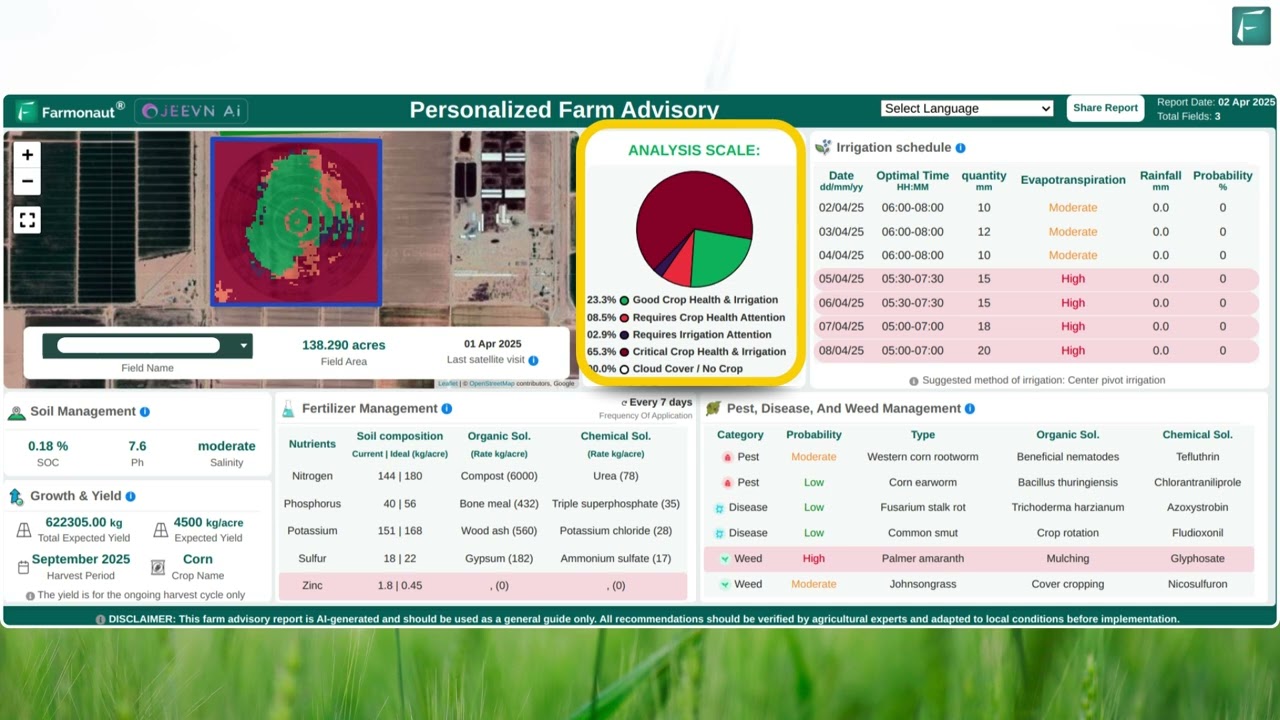
3. Employment & Regional Development
- Production hubs: High-capacity, intensive systems stimulate employment and build interconnected supply chains, linking forestry nurseries, resource providers, and agri-processing industries.
The real power of intensive farming emerges when it’s combined with technologies such as AI, satellite monitoring, and data-driven resource management—enabling market-aligned production while maintaining traceability and environmental responsibility.
Find out more about our crop loan and insurance validation features that make it safer and more accessible for intensive growers to invest in new technology, infrastructure, or expansion—backed by satellite-based verification.
Farmers Market Advantages and Disadvantages
Advanced farming systems increasingly intersect with farmers markets, influencing how fresh produce, flowers, and seedlings reach urban and regional hubs. Let’s examine the advantages—and real-world disadvantages—of these market networks in an age of technological disruption:
Advantages:
- 🏪 Proximity = Freshness: By growing near or within urban areas, advanced farming ensures products reach consumers at peak quality, often within hours of harvest.
- 🔎 Transparency and Traceability: Advanced facilities can support direct-to-market labeling—including blockchain-based traceability—to meet growing expectations for food safety and sustainability.
- 🍉 Diversified offerings: Controlled and precision-based systems expand product range—offering off-season or unique crops that fetch premium prices and stabilize producer income.
- 📈 Price stability for smallholders: Steady indoor and vertical harvests can cushion both smallholders and co-ops from price crashes or weather-linked volatility.
Disadvantages:
- 💸 Higher initial capital: Setting up vertical, indoor, or high-tech intensive systems demands significant upfront investment—potentially limiting participation for some smallholders in local and regional markets.
- ⚡ Energy and operating costs: Controlled environments may entail higher ongoing energy bills and a need for technical expertise, reducing margins when markets saturate or prices drop.
- ⚙️ Specialized management: Some systems require advanced technical management, making them less accessible without proper training or operational support.
- 📉 Market saturation risk: In premium markets, too much supply can lower prices, impacting profitability for new high-tech entrants.
🔹 Farmers market advantages and disadvantages at a glance:
- 🎯 Proximity: Improved freshness and reduced transit loss
- 🤝 Trust: Blockchain traceability for quality assurance
- 💡 Innovation: Off-season crops and specialty products
- ⚠️ Disadvantage: High initial costs and energy dependency
Comparative Advantages Table — Vertical, Precision, Indoor & Intensive Farming
| 📊 Data Insight: Vertical and indoor farming excel at water savings and yield density, offering a new paradigm for growing locally and reducing environmental burdens in urban regions. |
Integrated Impact & Best-Fit Contexts
- 🌍 Agriculture & forestry supply chains: Vertical and indoor systems lead in urban zones or areas with scarce land and unreliable climates.
- 🌾 Precision farming: The best choice for broadacre fields, orchards, and forestry nurseries requiring resource optimization and large-scale risk mitigation.
- 🏢 Intensive farming: Drives regional market supply where high-volume, predictable output is essential for food security.
- 🔄 Combined high-tech management: Future-facing operations integrate vertical, precision, and indoor systems—amplified by remote monitoring, AI analytics, and digital resource allocation.
- 🚩 Urban markets: Vertical + Indoor = space-saving, steady supply
- 🌿 Field crops: Precision farming = efficiency, cost savings
- 🏭 Regional processors: Intensive farming = reliable volume
- 📦 Local retail chains: All techs enable freshness & traceable quality
- 🌾 Resilient supply chains: Best-fit contexts buffer risk and ensure agility
For custom recommendations and AI-algorithm powered crop & plantation advisory, explore Farmonaut’s tools for improving both agricultural and forestry nurseries’ outcomes in challenging regional climates.
How Farmonaut Empowers Advanced Farming
We at Farmonaut deliver affordable, satellite-based insights for farming, forestry, and mining industries. Our technologies—from AI-driven crop advisory to blockchain traceability and environmental impact monitoring—equip farmers and supply chain managers to make smarter, data-backed decisions.
- 🛰️ Satellite-Based Monitoring: Monitor soil health, crop vigor (NDVI), and environmental trends from your mobile app or web dashboard for real-time oversight and optimization.
- 🤖 API & Integration: Plug our satellite, weather, and insight APIs directly into your business systems. API developer docs here for specifics.
- 🔗 Blockchain Traceability: Prove product origin and quality from field to market with transparency across complex or high-value supply chains (see traceability product page above).
- 🌱 Environmental Impact Monitoring: Quantify your sustainability efforts with carbon and water tracking for regulatory compliance and market branding.
- 🚜 Fleet & Resource Management: Automate, geo-track, and optimize equipment use across indoor, intensive, and distributed operations.
Want scalable, modular solutions to reshape your approach to vertical, precision, or indoor farming? Farmonaut’s affordable subscription plans enable growers, businesses, and governments to harness these advances without heavy capital outlay.
- ✨ Affordable, real-time insights — without extensive hardware costs.
- ✅ Accessible via Android, iOS, and Web for operational flexibility.
- 🔬 AI-based advisories for field- and crop-specific management.
- 📉 Fraud prevention during crop loans and insurance, with satellite verification.
- 🌍 Scalable for all operation sizes—from small farms to government-level coverage.
If you’re seeking cost-effective ways to improve resource efficiency, yield, and market positioning, explore our apps and solutions—available to all types of growers and supply chain managers.
FAQ: Common Questions Answered
1. What is the main advantage of vertical farming over traditional farming?
Vertical farming dramatically increases production yield per square meter by stacking plants in controlled environments. This is invaluable near urban centers where land is scarce and freshness is paramount.
2. How does precision farming contribute to cost savings?
Precision farming uses real-time data (soil moisture, nutrients, microclimate) to apply water and fertilizer only where needed, reducing input costs and environmental waste.
3. Are vertical, indoor, or intensive farming systems environmentally sustainable?
Yes! Indoor and vertical farms use less land, water, and chemicals than conventional models. Intensive systems may have higher output but must be managed to avoid resource overuse. Leveraging tools—like Farmonaut’s carbon footprinting—can help track and improve sustainability.
4. How can I access Farmonaut’s real-time farming or monitoring tools?
Simply download our mobile app for Android or iOS, or use the web dashboard. For custom integration, use our API. (See developer docs).
5. What are some limitations of high-tech farming methods for smallholders?
Disadvantages may include higher capital and operating costs, as well as need for training. Energy requirements and market access should also be considered by small growers or cooperatives.
Conclusion: Technology & Innovation Reshape Modern Agriculture
The move toward vertical, precision, indoor, and intensive farming is revolutionizing how we produce, distribute, and consume crops, especially as supply chains become more complex and urban populations grow. The advantages of these integrated methods—higher yield density, optimized resource use, consistent quality, and environmental sustainability—boost both local and regional markets. Leveraging real-time satellite insights, AI-driven management, and traceable supply networks is key to future-proofing food systems and forestry supply networks worldwide.
At Farmonaut, we are committed to making advanced, scalable solutions accessible for all, ensuring a smarter, more sustainable, and profitable future for food and resource producers everywhere.

 Godrej Agrovet
 Hayleys Agriculture
 Linx Agritech
 Adinet
 Save Your Soils
 GalaxEye Space
 Grandstream Algérie
 XOS Realty
 Geospatial Lab Africa
 Agro La Gándara
 HIPSAC
 ZOL Zimbabwe
 Juligerm
 AdBio
AdBio MISE Maroc
 NWNS
NWNS Red August Group
 Farm Inc
 WeMe Global
 Agrotoken
 Blue BearX
 Insignito
 DnCubed
 Indosistim Teknologi
 Liquify Digital
 CU Foods
 BeyondTech Global
 Rouge VC
 AgroRisk
 Oath Inc
 Esri North East Africa
 MDCV UK
 Etech Consulting Madagascar
 Vestlandsforsking
 WB Dev
 Sama Premium
 Tres Valles
 Blickwinkel
 Agricultural Credit Policy Council
 eKGIS
eKGIS Mostas Tech
 Andex
Andex Deluxe Conseil
 WICO
WICO Chimera Innovation
 SkyHarvest
 Teledarbas
 Exurbia Geospatial
 FieldZero
