

Type of Agriculture: 7 Powerful Innovations in Apple Farming
“Precision irrigation in apple orchards can reduce water usage by up to 40% while maintaining high fruit quality.”
Introduction: What Type of Agriculture Is Apple Farming?
Apple farming occupies a unique position within type of agriculture—it’s a specialized, perennial crop system blending horticultural science, orchard management, and long-term land stewardship. The core context for apple cultivation centers on commercial orchard systems found in temperate agroforestry settings—characterized by adequate chill hours, rainfall, and well-drained soils.
This agriculture type is a vital part of specialty cropping and perennial agricultural terms, where pome fruit production integrates careful soil health management, water optimization, robust IPM strategies, and market-oriented practices for high-value, high-quality fruit.
The core question—what type of agriculture is apple farming?—is answered by recognizing its blend of perennial crop management, precision planning, and integrated pest and nutrient strategies within commercial orchard systems.
Types of Agriculture and Apple Orchard Systems
Apple production is most often associated with the following types of agriculture:
1. Commercial Orchard Farming – Uniform Production Systems
- Occurs in large, plantation-style orchards with standardized rows and trellis or trellis-like structures.
- Emphasizes yield optimization, uniform fruit caliber, and efficient harvest workflows.
- Mechanized practices are commonly implemented to reduce labor costs and improve quality.
2. Intensive vs. Semi-Intensive Orchard Management Systems
-
Intensive systems (Modern Farms):
- Utilize high-density planting patterns, often dwarf/semi-dwarf rootstocks.
- Integrate precision agriculture tools and advanced management systems.
- Maximize land-use efficiency, reduce labor through mechanization, and yield high-quality fruit.
-
Semi-Intensive systems:
- Lower density of trees compared to intensive systems.
- Balance between traditional cultural practices and selective mechanization.
- Suited for undulating landscapes or smallholder farmers.
3. Integrated Farm Management – The Holistic Approach
- Combines soil health, water management, IPM (Integrated Pest Management), and disease prevention.
- Supports sustainable production, resilient productivity, and environmental stewardship.
- Widely recognized as a modern agriculture type that aligns with environmental, economic, and consumer quality demands.
📊 Apple Farming Systems At a Glance
- 🍏 Commercial Orchard: Maximizes yield, relies on standardization & mechanization
- 🌳 Intensive Management: High-density, dwarf trees, tech-enabled
- 🌳 Semi-Intensive: Traditional spacing, flexible methods
- 🌱 Integrated Management: Sustainability, biology-driven, precision-guided

Watch: Farmonaut® Satellite Based Crop Health Monitoring
Choose a planting system that best matches your local terrain, climate conditions (like required chill hours), and labor availability for high-efficiency orchard management.
Apple Crop Type, Varieties & Management
Pome Fruit Monoculture with Cultivar Diversity
Apple (Malus domestica) stands as a classic example of a pome fruit monoculture—fields are typically dedicated to apple trees, but there is an emphasis on cultivar diversity within orchards. Growers strategically mix early-, mid-, and late-season cultivars:
- Spreads risk by ensuring some harvest no matter the weather variations.
- Extends the market window for fresh fruit sales and processing.
- Enables brand development by offering a suite of fruit qualities (flavor, color, crunch) that appeal to different consumer preferences.

Rootstock Selection – Shaping Tree Size, Vigor, and Resilience
- Rootstock selection fundamentally influences tree size, vigor, drought tolerance, disease resistance, and canopy architecture.
- Dwarf rootstocks—enable high-density planting, compact trees, simplified pruning, and mechanized harvest.
- Semi-dwarf rootstocks—provide a balance, supporting both productivity and environmental adaptation.
The decision on which rootstock to use is a strategic planning step that impacts mature orchard structure, yield optimization, and maintenance needs.
Overlooking the importance of rootstock selection can lead to poor adaptation to local soil conditions, reduced yield, and higher disease pressure—especially in high-density or challenging environments.
Pollination Biology & Management
Apples are self-incompatible. High-quality fruit requires cross-pollination—typically supported by:
- Strategic planting of compatible cultivars for efficient fruit set.
- Use of managed bees (honeybees, mason bees) and encouraging wild pollinators within orchards.
- ✔ Strategic cultivar mix reduces climate and market risks.
- ✔ Rootstock selection tailors tree size and orchard layout.
- ✔ Pollinator health ensures consistent fruit set and optimal yields.
- ✔ High-density planting increases early returns per acre.
- ✔ Modern precision tools allow fine-tuned, data-driven management at all growth stages.

Watch: Detect and Control Issues in 60+ Crops, from Apple Onwards
Site Selection, Soil Health, and Land Preparation
Climate, Microclimates, and Chill Hour Requirements
- Apple trees typically require between 800–1500 chill hours (hours below 7°C/45°F) to break dormancy, synchronize bud burst, and ensure uniform flowering.
- Siting orchards in microclimates with adequate winter chill is critical for reliable yields and high fruit quality.
- Consistent rainfall patterns and warm, frost-free growing seasons support robust apple production.
Soil Health, Drainage, & Fertility Management
Healthy, well-drained soils are essential for apple farming. The ideal soil type is a fertile loam or sandy loam, rich in organic matter:
- Supports a robust root system for consistent growth and resilience against drought or flooding.
- Soil amendments such as compost or green manure crops improve soil structure and nutrient cycling.
- Cover cropping (e.g., legumes, grasses) and mulching help maintain moisture and suppress weeds.
Nutrient Management and Environmental Efficiency
- Balanced nutrient programs focus on nitrogen, phosphorus, potassium, and vital micronutrients.
- Annual soil and leaf tissue analyses guide precise, targeted fertilizer applications.
- Proper nutrient management improves fruit size, flavor, and color—while reducing environmental runoff.

Watch: Regenerative Agriculture & Climate-Smart Solutions
Investments in soil health technologies (organic amendments, soil monitoring, carbon tracking tools) are increasingly rewarded by rising market demand for sustainably produced, high-quality fruit. For tech-driven orchards, Farmonaut’s Carbon Footprinting platform provides actionable insights for compliance and certification.
Soil Health Practices – Checklist
- 🌱 Organic matter incorporation: Compost, green manure
- 🌾 Cover cropping & mulching: Maintain moisture and structure
- 🔎 Soil/leaf analysis: Guide precision nutrient management
- 🌀 Drainage improvement: Raised beds, tiling if needed
Water Stewardship: Irrigation Innovations and Drought Resilience
Efficient irrigation is a cornerstone of apple orchard management, especially in regions with uneven rainfall or during periods of drought.
Precision Irrigation Strategies
- Drip irrigation (highly efficient): Delivers water directly to the root zone; minimizes losses from evaporation or runoff.
- Microsprinklers: Useful for young orchards or when frost protection is needed.
- Advanced scheduling tools and soil moisture sensors maximize efficiency by applying water only when needed.
- Integration with remote sensing and software platforms like Farmonaut’s Large-Scale Farm Management app enables satellite-based monitoring of crop water status and optimization across expansive orchards.
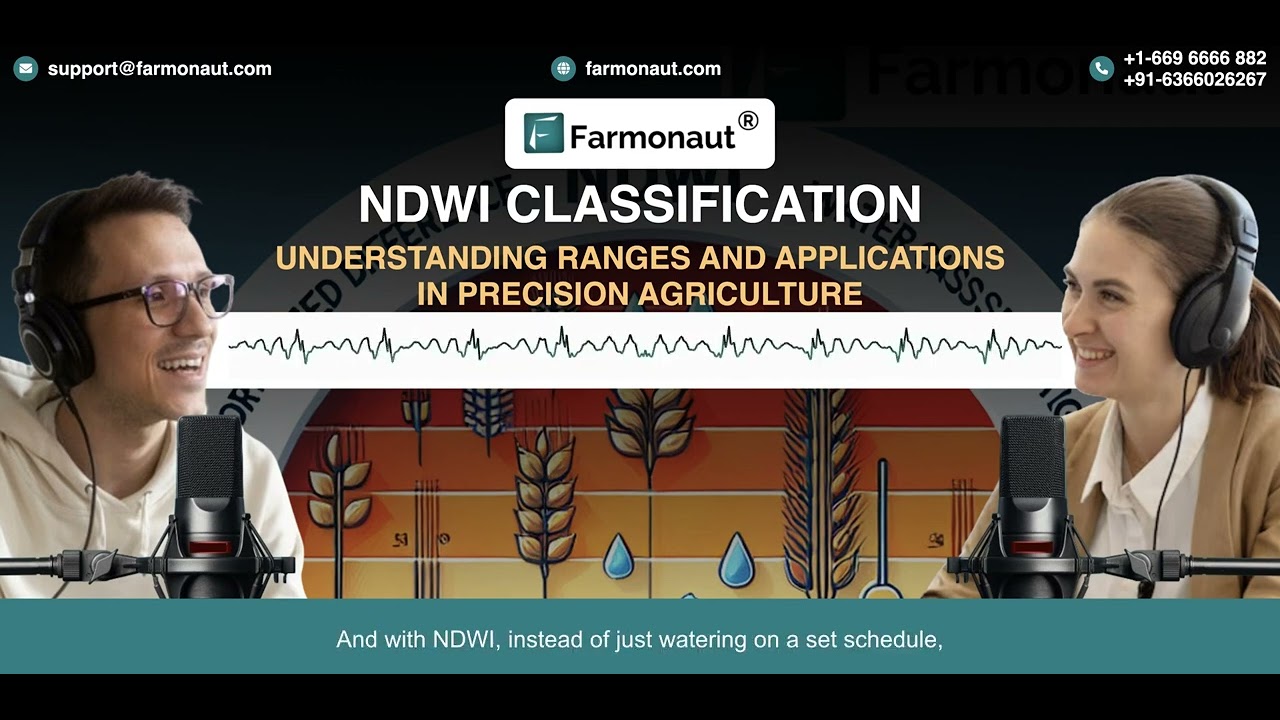
Watch: Satellite-Driven Precision Water Management in Orchards
Utilizing NDWI (Normalized Difference Water Index) satellite data—available via Farmonaut—lets you precisely plan irrigation and avoid waterlogging or drought stress, ultimately improving fruit quality and reducing water waste.
Drought Resilience, Rainwater Utilization, and Environmental Impact
- Drought-prone orchards rely on advanced scheduling and soil moisture monitoring.
- Rainwater harvesting and mulch applications help buffer against irregular precipitation and lock in moisture.
- Strategic rootstock choices with better drought tolerance can extend productive capacity in challenging settings.
💧 Modern Irrigation – Orchard Checklist
- 💧 Drip irrigation plus scheduling—efficient and targeted
- 🌡 Soil sensors for moisture tracking
- 🌧 Rainwater capture for supplemental supply
- 🔬 Satellite-guided water management for drought-proof operations
“Integrated pest management strategies have decreased pesticide use in apple farming by nearly 30% over the past decade.”
Integrated Pest, Disease & Harvest Management in Apple Orchards
Integrated Pest Management (IPM) – Technology-Driven and Eco-Friendly
The modern apple orchard leverages IPM to blend cultural practices, real-time monitoring, biological controls, targeted chemical use, and strategic disease resistance management:
- Regular scouting and trap deployment identify emerging pest and disease threats.
- Sanitation practices—removal of fallen fruit, pruning diseased wood—interrupt pest/disease cycles.
- Introduction of beneficial insects (ladybugs, parasitoids) and biocontrol agents reduce reliance on broad-spectrum pesticides.
- Use of site-specific risk models (weather/phenology driven) times interventions for best impact and minimal non-target effects.

Watch: Eco-Smart Plant Disease Management in Fruit Trees
Common challenges include fire blight, apple scab, codling moth, and aphids/mite infestations. Integrated management frameworks deploy a tiered response—cultural, mechanical, biological, then chemical as a last resort.
- 🛡 IPM combines prevention, monitoring, and biological controls for sustainable pest management.
- 🌱 Resistant cultivars reduce chemical input needs.
- ⚠ Common mistake: Overdependence on single-control methods leads to resistance issues.
- 🔁 Rotation of chemistries preserves efficacy.
- 📅 Smart scheduling based on scouting data targets interventions.

Watch: Smart Crop Solutions & AI Monitoring in Orchards
From a types of agriculture jobs perspective, IPM specialists are in high demand within the apple sector—occupying key roles in scouting, advisory, and system planning.
Harvest and Post-Harvest Strategies: Focused on Fruit Quality and Marketability
- Harvest timing is carefully managed based on cultivar, sugar-acid balance, and storage goals.
- Gentle handling, immediate cooling, grading, and waxing preserve fruit quality and extend the market window.
- Investment in on-site cold storage and efficient logistics maximizes economic return.
Farmonaut’s Traceability solution can further ensure supply chain integrity, quality verification, and consumer trust through blockchain-based tracking—crucial for commercial growers targeting premium markets.



Apple Farming Innovations: Systems, Benefits, and Quantitative Impact
| Innovation Type | Description | Estimated Yield Increase (%) | Water/Fertilizer Savings (%) | Impact on Soil Health | Example Technologies Used |
|---|---|---|---|---|---|
| 1. Precision Irrigation | Drip, microsprinkler, and satellite-guided scheduling for apples | 10–25% | Up to 40% less water/fertilizer used | Enhances structure, reduces erosion | Drip lines, soil sensors, Farmonaut satellite NDWI |
| 2. High-Density Planting | Compact, dwarf trees spaced closely for harvest and maintenance efficiency | 30–50% | 15–20% fertilizer savings | Prevents compaction, improves organic matter | Dwarf rootstocks, spindle systems, GPS mapping |
| 3. IPM – Integrated Pest Management | Eco-driven pest and disease control using multiple strategies | 7–18% | 30% less pesticide usage | Protects biology and reduces residues | Monitoring apps, pheromone traps, biocontrol, Farmonaut API |
| 4. Soil Health Management | Organic additions, cover crops, and carbon monitoring | 10–20% | 10–15% less input loss | Increases organics, boosts soil life | Farmonaut carbon tools, soil lab diagnostics |
| 5. Remote & Satellite Monitoring | AI & satellite-driven yield, water, and health tracking | 15–35% | 10–25% in resource savings | Prevents wastage, early risk alerts | Farmonaut apps, NDVI, field imagery |
| 6. Blockchain Traceability | Digital tracking for food safety and market premium | Up to 5% | Not applicable | Promotes sustainable certification | Traceability apps, blockchain solutions |
| 7. Mechanized Harvest & Post-Harvest Handling | Smart tools for picking, grading, sorting, and cold storage | 10–20% | Labor and energy savings | Reduces physical soil compaction | Harvest platforms, automated graders, advanced storage sensors |
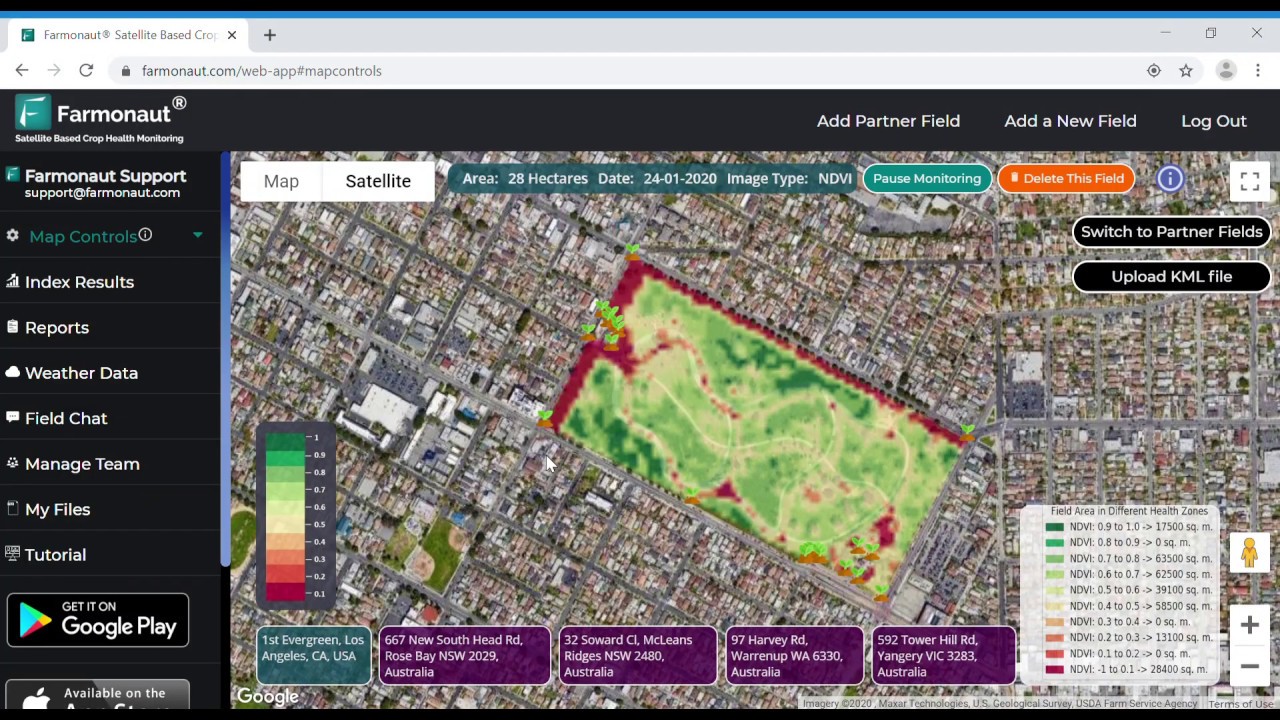
Watch: Farmonaut Web App for Satellite Crop Health Monitoring
These innovations illustrate why apple farming now requires a blend of biological, mechanical, and digital solutions for peak economic efficiency and sustainability—unlocking new opportunities for orchard operations worldwide.
Economic and Workforce Management in Apple Production
Market Orientation, Demand Cycles, and Price Strategies
Apple operations are tightly aligned with fresh-market demand, processing (juice, sauce) needs, and export goals.
- Varietal choice directly influences price premiums, market positioning, and consumer loyalty.
- Quality consistency, appearance, and storability are main factors determining market shelf life and profitability.
- Technologies like traceability solutions and crop loan/insurance verification from Farmonaut further support secure contracts and premium pricing.
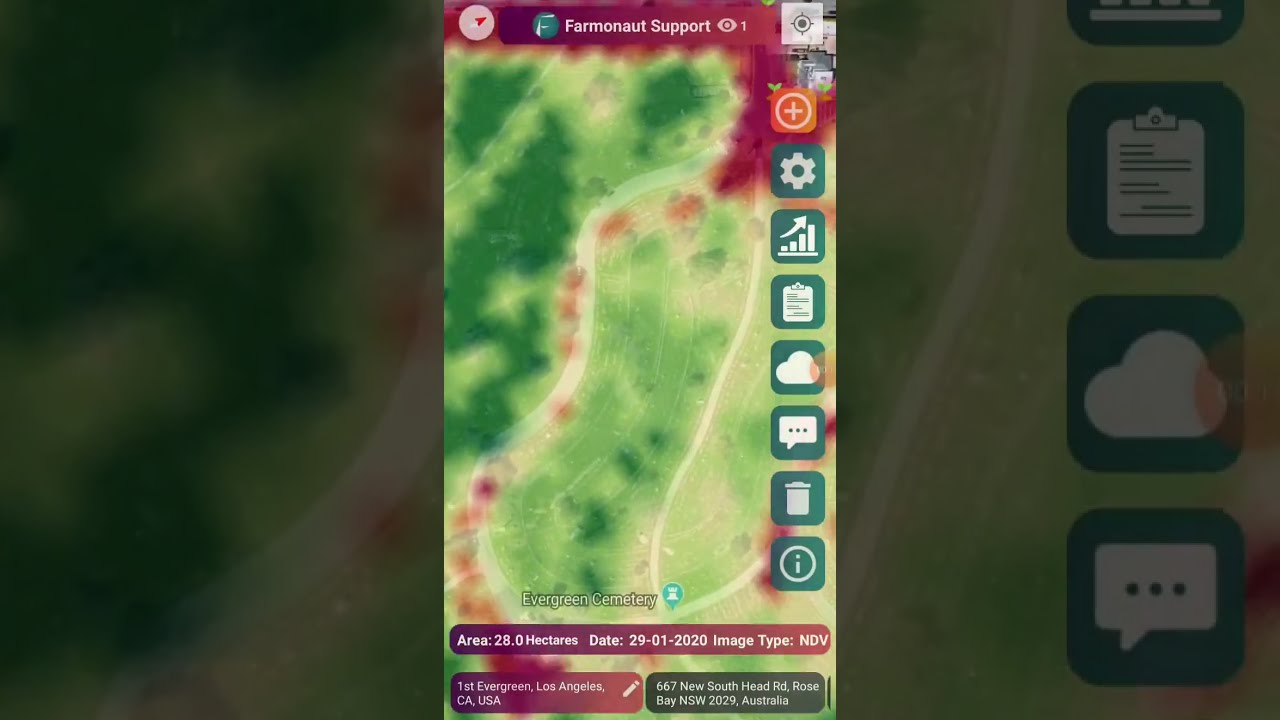
Watch: Farmonaut Android App for On-the-Go Crop Insight
Labor Dynamics and Mechanization
- Labor for pruning, thinning, and harvest shapes cost structure and annual planning.
- Gradual implementation of mechanization (self-propelled harvest platforms, automated graders) reduces risk from labor shortages and improves field efficiency.
- Smart fleet management (see Farmonaut’s fleet products) ensures tractor, transport, and machinery use is optimized for cost-effectiveness and safety.
Risk Management: Weather, Economics, and Disease Outbreaks
- Weather variability: Frost, hail, unseasonal heat—these are managed through timely crop insurance, targeted interventions, and fast-response operations enabled by satellite monitoring.
- Price swings: Diversifying sales channels and using processing as a buffer helps stabilize farm income through volatile seasons.
- Disease outbreaks: Early-detection systems, remote scouting apps, and predictive modeling are critical tools to minimize crop loss and market disruptions.
Farmonaut’s API and Developer Docs let you layer precise, real-time satellite and weather data into in-house management tools, insurance models, and analytics—supporting robust, scalable agricultural innovation.
Rapid adoption of high-density or mechanized apple systems, while increasing yield and profitability, demands upfront capital, ongoing training, and access to real-time digital insights for continuous optimization.
Unlock Affordable Data-Driven Apple Farming
FAQ: Apple Farming & Orchard Innovations
What type of agriculture is apple farming classified as?
Apple farming is a specialized type of agriculture within the perennial crop farming sector. It is most commonly commercial, involving intensive or semi-intensive orchard systems with a focus on high-value fruit, advanced soil management, and integrated pest and disease control strategies.
How have precision irrigation and IPM improved apple orchard efficiency?
Precision irrigation reduces water and fertilizer use by up to 40%, optimizing fruit quality and soil health. Integrated pest management (IPM) has reduced broad-spectrum pesticide use by nearly 30%, increased pest resistance management, and helped sustain long-term orchard productivity and ecosystem health.
What are the main jobs and skills needed in modern apple farming?
- Orchard managers skilled in technology adoption and planning
- Soil health consultants
- IPM specialists and scouts
- Data analysts, drone, and satellite imagery interpreters
- Mechanics and logistics managers for automated harvest/fleet
These roles are at the intersection of horticulture, agronomy, technology, and resource management.
How do I choose the right apple cultivar and rootstock?
Consider local climate (chill hours), planned market window, soil type, disease pressure, and desired tree size/vigor. Matching cultivars for cross-pollination and using drought-tolerant rootstocks can greatly improve yield security and orchard longevity.
What technology solutions can help manage my apple orchard remotely?
Tools like Farmonaut apps, APIs, and real-time satellite-based advisory systems provide farmers with actionable data on crop health, water status, pest/disease alerts, and carbon impacts—allowing for precise, timely decisions and better economic outcomes from anywhere.
Discover: All-in-One Satellite Crop Health Monitoring by Farmonaut
Conclusion: Apple Farming at the Crossroads of Innovation and Stewardship
Apple farming today stands at the crossroads of advanced orchard management, soil stewardship, and integrated technology-driven pest and nutrient strategies. As a type of crop farming that blends the best of horticultural science and precision agriculture, the commercial apple industry is shaped by:
- Specialty orchard systems situated in microclimates that favor robust growth
- High-density planting with strategic rootstock choices
- Integrated, sustainable practices in water, soil, and disease management
- Technology adoption—from satellite insights to blockchain traceability
- Market-aware harvest and post-harvest workflows for international demand
As we continue to develop and deploy new systems, digital tools, and holistic frameworks for apple production, the future of orchard agriculture blends robust tradition with trailblazing innovation—yielding high-quality, sustainable fruit for a growing world.
Monitor, Plan, and Optimize Your Orchard from Anywhere

 Godrej Agrovet
 Hayleys Agriculture
 Linx Agritech
 Adinet
 Save Your Soils
 GalaxEye Space
 Grandstream Algérie
 XOS Realty
 Geospatial Lab Africa
 Agro La Gándara
 HIPSAC
 ZOL Zimbabwe
 Juligerm
 AdBio
AdBio MISE Maroc
 NWNS
NWNS Red August Group
 Farm Inc
 WeMe Global
 Agrotoken
 Blue BearX
 Insignito
 DnCubed
 Indosistim Teknologi
 Liquify Digital
 CU Foods
 BeyondTech Global
 Rouge VC
 AgroRisk
 Oath Inc
 Esri North East Africa
 MDCV UK
 Etech Consulting Madagascar
 Vestlandsforsking
 WB Dev
 Sama Premium
 Tres Valles
 Blickwinkel
 Agricultural Credit Policy Council
 eKGIS
eKGIS Mostas Tech
 Andex
Andex Deluxe Conseil
 WICO
WICO Chimera Innovation
 SkyHarvest
 Teledarbas
 Exurbia Geospatial
 FieldZero
