

Table of Contents
- Crop Yield: The Backbone of Agricultural Productivity
- Why Is Crop Yield Important in Agriculture?
- Crop Yield in Forestry and Agroforestry Systems
- Why Storage Is Important in Agriculture
- Why Precision Agriculture Is Important
- Why Is Agriculture Important in Rural Land Use?
- Comparative Table: Impact of Increased Crop Yield through Technology (2025 Estimates)
- Farmonaut’s Innovative Technologies: Enabling the Future of Agriculture
- 2025 & Beyond: Trends and Innovations in Yield, Storage & Land Use
- Frequently Asked Questions (FAQ)
Why Is Crop Yield Important in Agriculture? 2026 Guide
Crop yield stands as a fundamental metric in agriculture, underpinning the productivity and resilience of both smallholder and commercial farming systems worldwide. As we move toward 2026, the focus on maximizing yield, deploying smart storage, and adopting precision agriculture—all while enhancing rural land use and fostering sustainable practices—grows ever more urgent. This comprehensive guide explores why is crop yield important in agriculture, the critical role of storage, the transformative impact of precision agriculture, and the essential place of agriculture in the broader rural economy.
In 2025 and beyond, crop yield goes far beyond a single statistic. It determines a region’s food security, the economic viability of farms, the future of rural communities, and the planet’s ability to meet the needs of a rising population—while protecting finite resources.
Why Is Crop Yield Important in Agriculture?
So, why is crop yield important in agriculture? Yield quantifies the quantity of harvest produced per unit area—typically as tons per hectare or bushels per acre. Its significance spans the micro level of an individual farm to the global food system.
- ✔ Key benefit: Enables sustainable food availability and affordability as populations rise
- 📊 Data insight: Higher yield allows farmers to cover costs, invest, and withstand economic volatility
- ⚠ Risk or limitation: Poor yields can erode farm margins and threaten food security
- 💡 Improved management: Reflects adaptation to pests, diseases, and environmental stressors
- 🌱 Sustainability: Encourages best practices in soil, water, and input management
The Backbone of Food Security and Rural Prosperity
Crop yield directly translates to greater food availability and affordability. High yield per area supports food security, especially vital as populations grow and dietary preferences shift. For smallholders in rural settings, yield is synonymous with income—higher output means the ability to cover fixed costs, invest in better inputs, and weather periods of economic volatility.
From a national and global perspective, robust yields stabilize commodity markets, smoothing out supply chains and reducing price swings that would otherwise disturb household food sovereignty and farm revenues. Yield is thus a vital metric for planning, supporting, and developing rural economies.

Yield: A Foundation for Farm Profitability and Investment
Profitability in agriculture is tightly bound to yield. With higher yields, farmers can:
- Cover their fixed and variable costs, even when market prices fluctuate
- Invest in improved seeds, fertilizers, and equipment, breaking cycles of poverty
- Adopt climate resilient practices or diversify operations, contributing to long-term viability
Sustained yield growth signals a thriving, investable rural sector—yield forecasts play a decisive role in agri-finance, insurance, and infrastructure planning.
Yield, Market Stability, and Food Affordability
Reliable yields help stabilize commodity supply chains and guarantee more consistent food prices for consumers and processors, reducing sudden price swings that undermine farm income. In 2025 and beyond, yield resilience—meaning stable, high productivity even under stress—is increasingly essential for global food security.
- Stable yields ensure regular market supply and consumer affordability
- Yield forecasts guide national grain reserves and food policy
- Yield variability increases risk for farmers, lenders, and governments
Yield as a Reflection of Ecosystem Health
Higher yields are not only an economic goal. They also reflect healthier soil, water management, and pest control practices—which are foundational for sustainable agriculture. Yield improvements achieved via precision agriculture, disease management, and conservation reduce the need for expansive land use, indirectly protecting biodiversity and ecosystem health.
When using satellite-based monitoring like the Farmonaut Large-Scale Farm Management Platform, consistently track crop vigor and harvest forecasts to optimize input timing and boost yields in every season.
Crop Yield in Forestry and Agroforestry Systems
In diversified rural contexts, yield considerations go beyond food crops. In forestry and agroforestry, yield measures include timber, fodder, and valuable non-timber forest products. These outputs support the rotation cycles of timber trees, maintaining the balance between agricultural outputs, income generation, and forest health.
- 🌲 Forestry: Yield guides optimal harvest timing and rotation cycles for sustainability
- 🍃 Agroforestry: Integrates food, timber, and biodiversity for resilient rural economies
- 🌾 Fodder and crops: Diversifies income streams and reduces risk for rural communities
- 🔄 Integrated outputs: Optimize land productivity by linking ecological benefits with market value

Why Storage Is Important in Agriculture
Why storage is important in agriculture? It’s not just about stockpiling harvest—storage is a strategic asset for every farm. Advances in silos, hermetic bags, and controlled atmosphere facilities help preserve value from the moment of harvest to the point of consumption or processing.
- Reduces post-harvest losses caused by pests, humidity, and spoilage
- Extends marketing windows, enabling higher revenues
- Supports crop insurance and farm planning risks
- Stabilizes food supply chains and farm incomes
- Enhances food safety and market quality

Reducing Losses and Maximizing Value
Post-harvest losses—historically as high as 30% in many rural regions—can erode farm profitability and food security. By integrating smart storage technology, farmers can:
- Protect against pests, humidity, and temperature fluctuations
- Preserve crop quality and value until markets are favorable
- Diversify income by storing grain for processing or off-season sale
In 2026, advancements in cold-chain logistics, airtight facilities, and smart monitoring technologies will help stabilize rural food supplies.
Skipping proper storage investment can nullify the gains from high-yield crops. Post-harvest management is as vital as production techniques for sustainable farm income.
Why Precision Agriculture Is Important
Why is precision agriculture important? Because every seed, drop of water, and kilogram of fertilizer counts. Precision agriculture brings a revolution in input management—using data, sensors, satellite imagery, drones, and AI to maximize productivity and minimize overuse or environmental damage.
Core Precision Agriculture Technologies
- 🛰 Satellite monitoring: Real-time crop and soil health analytics
- 🤖 AI-driven advisory: Optimizes irrigation, fertilization, and pest management decisions
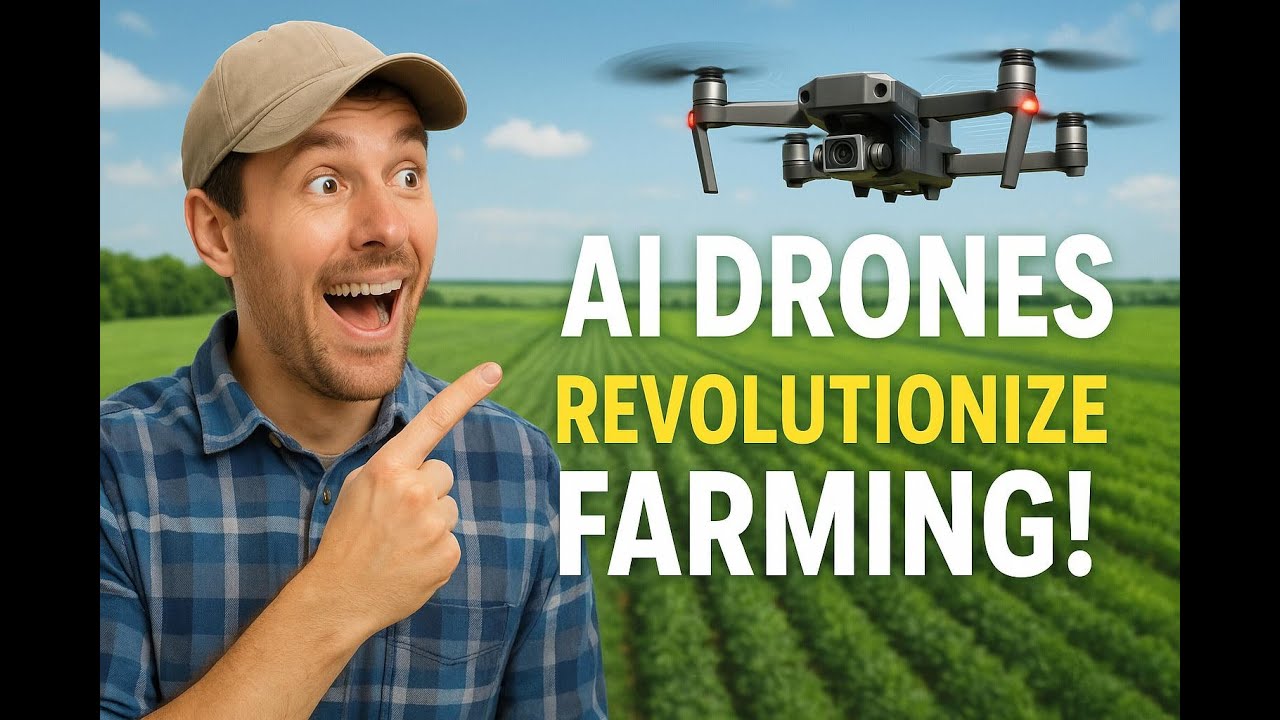
- 🚁 Drone surveillance: Monitors field stress, drought, and disease spread efficiently
- 🎯 Variable-rate input application: Applies seeds, fertilizer, and water only where needed
- 📊 Yield mapping: Guides harvest timing and investment planning for the next season
Optimizing Input Efficiency and Reducing Environmental Impact
Precision agriculture directly supports sustainable yield gains by minimizing waste and limiting excess input use. For instance, variable-rate fertilization can improve nitrogen use by up to 20–30%, while soil and water monitoring prevents runoff and reduces water misuse.
- 🎯 Targets inputs with pinpoint accuracy—reducing costs for farmers
- 🌍 Minimizes environmental impact by decreasing chemical drift and nutrient leaching
- 📈 Data-driven decisions protect yield in marginal or stressed areas
- ⚙ Integrates pest prediction models to further reduce chemical use
Explore Farmonaut’s Carbon Footprinting Solution for AI-powered, satellite-driven monitoring that reduces emissions and drives resource stewardship in agriculture and forestry for 2025 and beyond.
With Farmonaut’s Satellite-Based Crop Loan & Insurance Verification, remote monitoring enables lenders and insurers to make quick, informed decisions—reducing risk and ensuring food and income security.


Why Is Agriculture Important in Rural Land Use?
Why is agriculture important in rural land use? Agriculture provides the foundation for the structure and sustainability of rural economies. It shapes landscapes, supports employment, stimulates investment, and maintains the natural resources upon which future yields depend.
Diverse rural land use—integrating crops, forests, and livestock—buffers against market shocks, sustains biodiversity, and secures ecosystem services like pollination, carbon sequestration, and healthy water cycles.
Integrated Rural Land Use Planning
- Supports food, fiber, and energy needs using existing land
- Diversifies farmer income and community resilience
- Reduces risk by blending annual and perennial crops
- Enhances ecosystem health and rural prosperity
Boost rural transparency with Farmonaut’s Blockchain-Based Traceability Solutions—delivering transparent operations, food safety, and protecting local yields from farm to market.



Comparative Table: Impact of Increased Crop Yield Through Technology (2025 Estimates)
| Technology | Estimated Crop Yield Increase (%) in 2025 | Estimated Reduction in Rural Land Use (%) | Potential Productivity Growth (%) | Sustainability Impact |
|---|---|---|---|---|
| Precision Agriculture | Up to 20% | 12% | 18% | High |
| Smart Storage Solutions | 10% | 7% | 12% | Medium to High |
| Drone-Based Crop Monitoring | 15% | 8% | 10% | Medium |
| Blockchain Traceability | 5% | 3% | 7% | High |
| Satellite-Driven Resource Management | 12% | 10% | 14% | High |
Note: Estimated figures represent potential improvements under typical rural farming conditions for 2025, based on industry-leading data and expert projections. These technologies, especially when integrated, offer transformative boosts to yield, reduce overall land use, enhance productivity, and support sustainability.
Visual List: Top 5 Benefits of Yield-Boosting Technologies
- 🌾 Boosts Food Security—Higher, more reliable yields for growing populations
- 💰 Improves Farm Profitability—More income and financial stability for farmers
- 🌿 Promotes Sustainability—Reduced input waste and lower environmental footprint
- 💡 Enables Smart Land Use—More output per hectare, protecting wild spaces
- 🔁 Facilitates Diversification—Combines crops, forestry, and livestock for rural resilience
Visual List: Key Risks to Monitor in Yield Management
- ⚠️ Pest and Disease Outbreaks—Can erode yields without timely intervention
- ⚡ Climate Volatility—Unexpected weather shifts may threaten harvest stability
- 📉 Poor Post-Harvest Handling—Leads to significant losses and lower income
- 💸 Input Overuse—Raises costs without proportional yield benefits
- 📉 Weak Data Integration—Lack of precision tools may undermine planning
Farmonaut’s Innovative Technologies: Enabling the Future of Agriculture
As we look ahead to 2026, technology is reshaping the way we monitor, manage, and optimize crops, storage, and land use. At Farmonaut, our suite of satellite-based and AI-driven solutions is designed to empower farmers, businesses, and governments to maximize productivity while enhancing resource stewardship and rural prosperity.
Our Key Solutions Empowering Rural Agriculture
- 🛰 Satellite-Based Monitoring—Delivers real-time crop growth and health analytics for smarter management and risk reduction
- 🌐 Jeevn AI Advisory System—Provides tailored, data-driven strategies for input efficiency and yield optimization
- 🔗 Blockchain Traceability—Ensures transparency and authenticity throughout the supply chain, supporting market access and consumer confidence
- 🚚 Fleet and Resource Management—Optimizes logistics, reducing operational costs and supporting sustainable farm practices
- 🌱 Environmental Impact Monitoring—Assists in carbon tracking and stewardship for regulatory compliance and ecosystem health
Access Farmonaut’s API for seamless integration with your farm management software: API Access | Developer Docs
Farmonaut’s subscription model makes cutting-edge satellite and data tools affordable for every scale—from small family farms to large rural enterprises.
Advanced satellite-based tools, like Farmonaut’s fleet management and crop verification, also support sustainable resource extraction and operational transparency in mining and infrastructure.
2025 & Beyond: Trends and Innovations in Yield, Storage & Land Use
As the world moves into 2026 and beyond, a new wave of technologies is supporting farmers and rural economies. Here’s what’s shaping sustainable agriculture and food systems:
- Sensor networks—for real-time soil moisture, nutrient, and crop health monitoring
- AI-driven decision support—delivers hyperlocal crop, pest, and climate analytics, enabling precision planting and harvest timing
- Improved crop cultivars—with built-in resilience to drought, pests, and variable weather
- Advanced post-harvest infrastructure—modular cold storage, vacuum-packing, and controlled facilities extend shelf life and profitability
- Blockchain for trust—traceability from field to market decentralizes risk and builds consumer confidence
These advances protect yield, streamline storage and supply chains, and empower rural regions to chart a more prosperous, resilient future.
Maximize your rural productivity with Farmonaut Crop Plantation & Forest Advisory—satellite-driven insights for integrated farming, forestry, and rural land management.
Integrated management—combining crop, livestock, forestry, and smart infrastructure—offers the surest path to sustainable rural prosperity in 2025 and beyond.
Frequently Asked Questions (FAQ) on Crop Yield, Storage, and Precision Agriculture (2025 Guide)
What is crop yield, and why is it so important in agriculture?
How does smart storage improve rural productivity and food security?
Why is precision agriculture important for sustainable farming?
What role does agriculture play in rural land use planning?
How does Farmonaut help farmers and rural enterprises prepare for 2025 and beyond?
Conclusion: Unlock Rural Prosperity with Integrated, Data-Driven Agriculture
As we look ahead to 2026, crop yield remains the foundation of agricultural viability and rural prosperity. By understanding why is crop yield important in agriculture, making strategic investments in storage, and adopting precision agriculture and integrated land use practices, farmers and rural communities can meet the challenges of food security, climate resilience, and sustainable growth head-on.
Technology—especially satellite, AI, and blockchain solutions—will drive the next leap in agricultural productivity and sustainability. At Farmonaut, we are committed to making these advanced insights accessible and impactful for every rural business, farm, and government worldwide.
Whether you cultivate a single hectare or manage thousands, efficient yield management, secure storage, and precision resource use will define rural success in 2026 and beyond!
Discussion
Questions, corrections or field experience? Share them below. First-time comments are reviewed before they appear, and your email is never published.
No comments yet. Be the first to add a question or your experience.

 Marei Nursery
 Sayaji Group
 eKGIS
eKGIS Mostas Tech
 Native Seeds
 Andex
Andex FCF India
 Unifrutti Gulf
 Deluxe Conseil
 TVS Electronics
 BW Pipelines
 WICO
WICO Chimera Innovation
 SkyHarvest
 Polaris Digitech
 Licence holder · Niger · Gold










