

Peru Agricultural Exports: 7 Sustainable Growth Drivers
“Peru’s sustainable agriculture supports over 2 million rural jobs, boosting both biodiversity and local economies.”
Introduction: Weaving Together Sustainability & Export Success in Peru
Peru agricultural exports form a vital pillar of the country’s economy, weaving together its rich biodiversity and export-oriented farming for robust rural development. As a key South American hub, Peru leverages its climatic variety, specialized crops, efficient value chains, and responsible land use to access >150 international markets. What sets the Peruvian model apart is its strong focus on sustainable farming, regional infrastructure, technical support for farmers, and high-value crop production while safeguarding environmental integrity.
The country’s agricultural sector spans a diverse range of products—especially fresh fruits, vegetables, and sustainable staples—and plays a crucial role in job creation, regional infrastructure, and overall economic development. With global demand rising, exporters are increasingly integrating sustainability, traceability, and advanced logistics to remain competitive and future-ready. Throughout this blog, we explore the seven sustainable growth drivers powering the rise and resilience of Peru agricultural exports.
Agricultural exports contribute over 12% of Peru’s total exports and are a major source of rural employment and foreign currency inflows.
Let’s take a deep dive into the **focus keyword**—Peru agricultural exports—and examine the sustainable engines driving its global success.
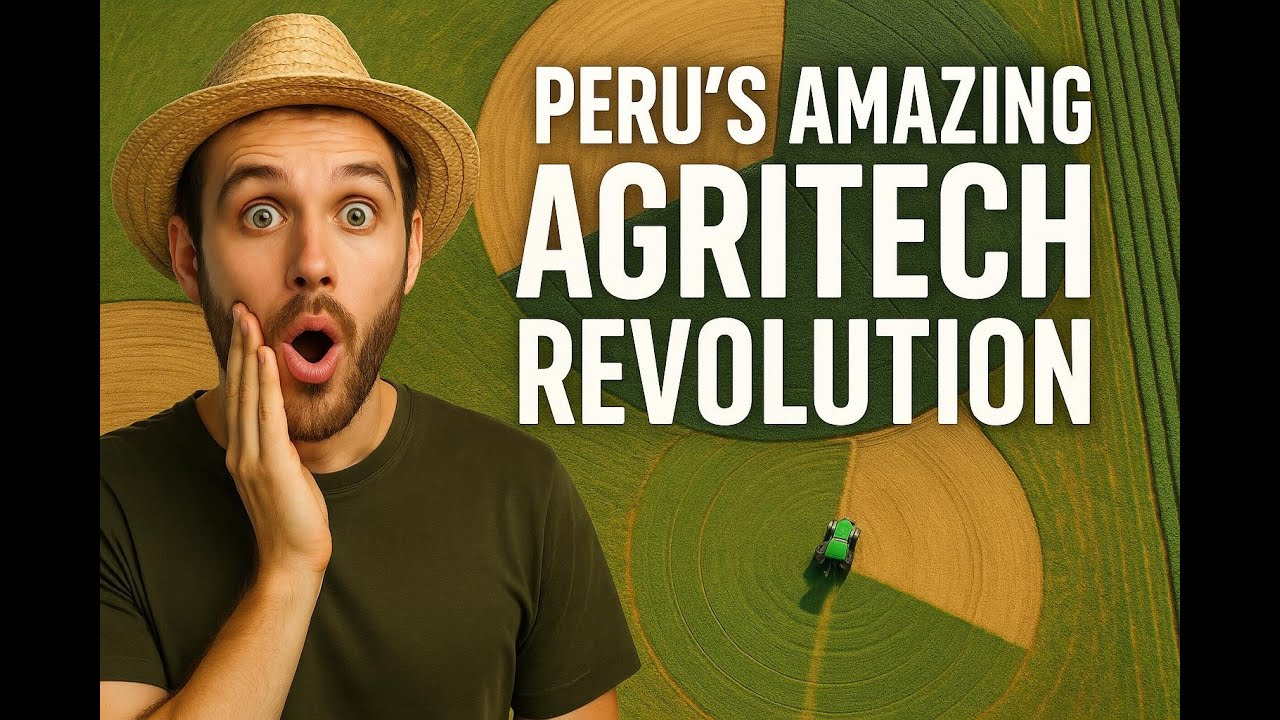
1. Crop Specialization and Biodiversity Management
Crop specialization underpins the sustained growth and competitiveness of Peru agricultural exports. From temperate Andean staples to fragrant & tropical coast-grown commodities, Peru’s agricultural export model is characterized by its climatic variety and region-specific crop selection. This strategic specialization not only improves yield and quality but also helps preserve the country’s exceptional biodiversity.
Key Characteristics of Peru’s Crop Specialization:
- ✔ High-Value Perennial and Annual Crops: Grapes, blueberries, avocados, citrus, coffee, asparagus, and quinoa are among the leading agricultural products of Peru
- ✔ Region-Tailored Farming: Pacific coastal plains supply grapes, blueberries, avocados; central valleys produce asparagus, citrus; Andean highlands grow quinoa, coffee, cocoa
- ✔ Biodiversity Conservation: Many export operations integrate buffer zones, native plant strips, and agroforestry systems to fortify natural habitats and watershed health
- ✔ Enhanced Resilience: Crop diversity insulates farmers and exporters from climate shocks and international market fluctuations
- ✔ Brand Value: Peru’s fresh, fragrant, convenient fruit exports—notably blueberries and avocados—stand out for flavor, shelf life, and nutritional value on global shelves
Market & Biodiversity Impact:
This crop-mix approach, combined with sustainable land management, supports both international export activity and obligations to protect unique ecosystems. For example, The International Union for Conservation of Nature (IUCN) lists Peru as a biodiversity hotspot, with agricultural exports often weaving together multifunctional landscapes that preserve genetic resources and soil integrity.
Sustainable Peruvian crops such as blueberries, coffee, and avocados consistently command premium market prices, especially in Europe, the U.S., and China due to their certified eco-friendly production.

2. Advanced Post-Harvest Handling & Quality Standards
A distinguishing growth driver for Peru agricultural exports is the sector’s continuous improvement in post-harvest handling, packaging, quality and safety standards. These innovations enable Peruvian producers to meet demanding international markets and ensure product quality from farm to consumer.
- 📦 Cold Storage Facilities: Expansion of cold storage infrastructure (cooled warehouses, refrigerated trucks, pre-cooling centers) preserves freshness, reduces spoilage risks, and extends shelf life—crucial for exports of berries, grapes, and asparagus
- 🔍 Traceability Systems: Producers adhere to blockchain-based traceability protocols, enhancing consumer trust in product safety, origin, and quality
- 🏷 International Certification: Farm exports increasingly carry certifications like GlobalGAP, Fair Trade, and organic seals—these are essential for open access to demanding markets
- 📈 Standardization & Grading: Grading standards for product size, flavor, and color ensure uniformity and facilitate entry into premium international markets
- 🚛 Efficient Logistics: Advanced logistics systems enable rapid movement from fields to port facilities, optimizing both costs and time-to-market for perishable agricultural products of Peru

Sustainability and Consumer Trust:
By aligning with global safety, handling, and sustainability standards, Peruvian agricultural exporters gain long-term market resilience. This commitment is recognized by global retailers and eco-conscious buyers, supporting a reputation for sustainable, responsible farming—an increasingly vital factor for competing with other leading agricultural exports by country.
Implementing AI-driven advisory platforms and blockchain-based traceability solutions can further boost your export compliance and transparency efforts.
3. Infrastructure Investment and Cold Chain Logistics
The expansion and modernization of infrastructure—from farm to regional logistics hubs—serves as a critical sustainable growth driver for Peru agricultural exports. Investments in transport, cold storage, smart irrigation, and port digitalization reinforce the resilience, speed, and quality of the country’s agricultural supply chains.
Key Infrastructure Enhancements:
- 🏗️ Roads & Rural Transport: Improved rural roads and expressways connect remote growing regions—enabling faster, safer, and more reliable movement of products to domestic and export markets
- ❄️ Cold Chain Facilities: State-of-the-art cold storage facilities, both at farms and export terminals, are essential for the integrity and shelf-life of fresh, perishable crops (e.g. berries, grapes, asparagus)
- 💧 Smart Irrigation Systems: Major irrigation megaprojects along the coast have unlocked new arable land and supported sustained, high-yield production—enhancing the country’s agricultural production
- ⚡ Digital Port Infrastructure: Adoption of digital customs processes and electronic tracking at ports such as Callao streamlines export documentation and reduces delays
- 🛰️ Satellite-Backed Resource Management: Satellite and AI-powered tools (like those from Farmonaut, see below) support real-time monitoring, logistics, and digital resource management across Peru’s agricultural export value chains

Influence on Export Growth:
Infrastructure upgrades reduce post-harvest losses, enable predictable production cycles, and unlock access to new international markets. This effect is especially notable when compared to contexts such as kenya agricultural exports percentage of total exports or michigan agricultural exports, illustrating how targeted investments can drive export competitiveness.
Overlooking the need for synchronized cold chain management can lead to losses of over 20% in perishable agricultural exports. Always ensure integrated solutions from field to port.

4. Farmer Support Networks & Value Chain Integration
Cooperatives, agro-export companies, and technical advisory groups play a crucial role in helping smallholder farmers access inputs, financing, training, and export-ready value chains. This networked approach to farming:
- 💡 Provides technical assistance on soil management, sustainable irrigation, post-harvest handling, and integrated pest management
- 💵 Facilitates access to credit, often leveraging satellite-based verification for crop loans and insurance—reducing risk for both farmers and lenders
- 🔗 Connects smallholder producers with larger processors, exporters, and global logistic networks, streamlining traceability and compliance
- 📈 Raises yields and product quality by integrating the latest research and technology into daily farm management
- 🔄 Supports adoption of value-added processing, such as vacuum drying, juicing, and superfood packaging for niche export markets
The Role of Technology:
Innovative data platforms and mobile apps are improving knowledge transfer and decision-making for thousands of Peruvian farmers. Apps provide real-time crop monitoring, AI-based advisory, and environmental impact tracking to promote sustainable, market-oriented farming.
5. International Market Access & Certification
Peru agricultural exports hinge on winning—and retaining—access to over 150 export markets across Europe, North America, Asia, and more. This is achieved through a mix of phytosanitary diplomacy, trade agreements, and certifications that:
- 🌐 Open doors to demanding markets like the U.S., EU, and China for berries, grapes, citrus, avocados, and asparagus
- 📑 Require compliance with international food safety and plant health (SPS) protocols—helping preserve product integrity
- 🥇 Enable price premiums for certified sustainable, organic, or Fair Trade products in response to eco-conscious consumer demand
- 🛡 Protect reputations against market closure caused by non-compliance or phytosanitary rejections
- 🔗 Encourage agricultural exports by country rankings competitiveness, benchmarking Peru against other leading exporters such as Kenya, Mexico, or the U.S. (e.g., michigan agricultural exports)
A robust ecosystem of public and private support systems helps farmers and exporters meet changing international standards, expand brand recognition, and boost rural prosperity.

“Peru exports agricultural products to more than 150 countries, driven by responsible land-use and eco-friendly practices.”
6. Responsible Land-Use and Sustainable Practices
Sustainability is not just a buzzword in Peru’s agricultural export strategy—it’s an imperative for long-term economic viability, food security, and environmental stewardship. The sector prioritizes responsible cultivation, soil and water stewardship, and ecosystem conservation for sustaining yields and export revenues.
Core Responsible Farming Practices in Peru:
- 🌱 Agroforestry Systems: Integrating tree crops with annual staples, stabilizing incomes, protecting soil integrity, and preserving watershed health
- 💧 Efficient Irrigation & Water Management: Adoption of precision irrigation (drip, spray) reduces water waste and salinization risks in arid regions
- 🦠 Organic & Reduced Synthetic Inputs: Many producers minimize agrochemicals, using organic inputs and regenerative cultivation to promote biodiversity
- 🛡 Soil Erosion Controls: Contour planting, living ground covers, and mulching methods reduce erosion and improve soil health
- 🌎 Climate-Adapted Varieties: Selection of drought-tolerant, pest-resistant crops enables resilience amid climate variability and shocks
- 🔥 Carbon Footprinting & Emissions Tracking: Emerging platforms (see carbon footprinting tools from Farmonaut) help track and reduce agriculture’s GHG footprint
Why Responsible Land-Use Matters:
These practices position Peru’s agricultural sector for sustainable export growth, enabling market access, price premiums, and improved resilience compared to regions where agriculture expansion drives deforestation or unsustainable resource depletion.
Certified sustainable farming increases long-term export competitiveness by attracting responsible investment and supporting Peru’s commitments to international environmental standards.

7. Policy, Financing, and Risk Management Innovations
Government policy and commercial financing initiatives shape the operating environment for Peru agricultural exports. With guidance from regulatory agencies, national export strategies, and trade facilitation initiatives, Peru:
- 📜 Secures trade agreements with major international markets, reducing tariff barriers and unlocking access
- 🏦 Provides production support through extension services and rural development funds, enhancing technology adoption and training
- 🛡 Expands farmer access to credit, insurance, and risk management tools—such as satellite-based loan/insurance verification via digital platforms (see more)
- ⚠️ Incentivizes sustainable practices, certifications, and investments in resource-efficient systems
- 👩🌾 Facilitates market intelligence via data-sharing platforms to aid producers in aligning with changing consumer demand and regulatory requirements abroad
This ecosystem of support, safeguards, and incentives enables producers to weather market and climate variability—fueling stable rural incomes and long-term export growth.

Key Sustainable Export Crops of Peru: Impact Overview
Table Takeaway:
- ✔ Blueberries, avocados, and grapes lead export revenues, all underpinned by sustainable farming practices and high labor demand
- ✔ Agroforestry and eco-certification are widespread, especially in coffee and cocoa
- ✔ Export diversity enhances market resilience, ecosystem protection, and rural employment
Satellite Technology & Data-Driven Sustainability (Farmonaut)
Modern agricultural exports demand not only strong field practices but also advanced monitoring, digital traceability, and AI-driven insights. As a satellite technology company, we at Farmonaut provide affordable, real-time satellite-based solutions empowering decision-makers, farmers, businesses, and governments across the agricultural sector.
- 🛰️ Satellite Crop Health Monitoring: Our crop monitoring app delivers real-time NDVI, soil, and weather analytics for precision decision-making
- 🤖 AI-Based Advisory: Jeevn AI offers tailored advisories based on current crop status and environmental forecasts
- 🔗 Blockchain Traceability: We provide blockchain-based systems ensuring transparent and secure product journeys from field to market
- 📊 Resource & Fleet Management: Our fleet management solutions optimize agricultural transport and logistics, reducing costs and emissions
- 🌱 Environmental Impact Tracking: We help monitor and reduce carbon footprints for compliance and sustainability via our carbon footprinting tools
Our API integrations and developer tools provide businesses and developers with seamless access to our satellite-derived intelligence, supporting scalable agricultural innovation.



Key Insights & Highlights
Peru Agricultural Export Insights: Benefits & Challenges
- ✔ High-value export crops support both smallholder and commercial farmers, boosting rural employment.
- 📊 Modern logistics and cold chain reduce spoilage and add competitiveness for perishable produce.
- ⚠ Export-driven crop specialization needs to be continuously balanced with biodiversity conservation and climate adaptation.
- 🔗 Traceability and certification are entry tickets to premium, eco-conscious international markets.
- 🌱 Sustainable land management underpins resilient yields and ecosystem services, safeguarding future supplies and rural prosperity.
Visual List 1: Main Contributors to Peru’s Export Growth
- 🟢 Crop Specialization – Focused on berries, grapes, avocados, and asparagus for high-value markets.
- 🔵 Cold Chain Logistics – Advanced storage & rapid transport reduce losses.
- 🟣 Sustainable Farming Practices – Agroforestry, efficient water use, and renewable inputs drive resilience.
- 🟠 Market Certification – GlobalGAP, Fair Trade, and organic seal access premium international consumers.
Visual List 2: Common Risks & How to Address Them
- ⚠ Climatic Variability – Invest in drought-resistant crops and precision irrigation.
- ⚠ Supply Chain Disruptions – Strengthen planning, backups, and digital logistics networks.
- ⚠ Erosion & Degradation – Apply soil conservation, rotate crops, and cover-bare lands.
- ⚠ Regulatory Non-Compliance – Maintain certifications and documentation at every step.
FAQ: Peru Agricultural Exports & Sustainability
-
What are the leading agricultural exports from Peru?
Peru’s top exports include blueberries, grapes, avocados, asparagus, coffee, quinoa, and cocoa. These products fetch high value in international markets thanks to their quality, taste, and sustainable production. -
How does Peru manage biodiversity while expanding exports?
Through agroforestry, buffer zones, and reduced chemical use, Peru preserves habitats and promotes ecosystem services while increasing agricultural output. -
What certifications help Peruvian exports access new markets?
Certifications such as GlobalGAP, Fair Trade, and organic labels are vital for entry to the U.S., EU, and Asia—ensuring compliance with international safety and environmental standards. -
Why is cold chain logistics critical for Peruvian exporters?
Cold chains reduce post-harvest spoilage and maintain product quality for long-distance shipments of berries, grapes, and avocados—key for international competition. -
How do technology and data support Peru’s agricultural export sector?
Satellite-based platforms like those provided by Farmonaut support real-time monitoring, blockchain traceability, resource management, and carbon tracking—boosting both productivity and sustainability. -
Where can I learn more or access satellite insights for my farm?
Explore Farmonaut’s web app here or connect with the API tools and developer documentation.
Conclusion: Peru Agricultural Exports–A Model of Sustainable Prosperity
Peru agricultural exports are a shining example of how strategic crop specialization, sustainable practices, robust infrastructure, and international market engagement can work together to generate economic growth while preserving natural resources and improving millions of rural lives.
With export chains anchored in sustainability and data-driven innovation, Peru offers a model that balances high-quality, high-value agricultural products with a deep commitment to environmental and social responsibility. As climate challenges intensify and global markets evolve, the country’s integrated approach—supported by advanced tools like those of Farmonaut—demonstrates that responsible agriculture can simultaneously drive rural development, boost international trade, and conserve vital biodiversity for future generations.
By leveraging technology, partnerships, infrastructure, and sustainable land management, Peru will continue to set benchmarks in the global agricultural exports by country landscape, inspiring stakeholders worldwide to think green, act responsibly, and export sustainably.
Discussion
Questions, corrections or field experience? Share them below. First-time comments are reviewed before they appear, and your email is never published.
No comments yet. Be the first to add a question or your experience.

 Misteo
 Tres Valles
 LACOS Geoinformation
 Pulsar Supernova
 Magrifly
 LatConnect 60
 WebsEdge
 Blickwinkel
 Agricultural Credit Policy Council
 MCSOD
MCSOD Marei Nursery
 eKGIS
eKGIS Mostas Tech
 Andex
Andex FCF India
 Unifrutti Gulf
 Deluxe Conseil
 Licence holder · Niger · Gold
 Licence holder · Nigeria · Gold + lithium










