

Agritourism UK: 7 Key Agritourism Trends for 2026
Agritourism in the UK: Cultivating Sustainable Growth in 2025
“UK agritourism is projected to grow by 12% annually, with sustainable farms leading tourism demand by 2026.”
Table of Contents
- Summary: The Power of Agritourism in 2025
- The Current Agritourism Landscape in the UK
- Economic & Social Impact: Agritourism’s Rural Transformation
- Sustainability & Innovation at the Core
- Agritourism UK: 7 Key Trends for 2026
- Comparative Trends Table
- Satellite Technology & Farmonaut in Sustainable Agritourism
- Opportunities, Challenges, and the Way Ahead
- Frequently Asked Questions
- Conclusion: Connected Futures in Agritourism UK



Summary: The Power of Agritourism in 2025
Agritourism, as a vital fusion of agriculture and tourism, has firmly emerged as a pivotal sector in the United Kingdom’s rural economy. By 2025, it is more than a trend; it represents economic resilience, social engagement, and the preservation of rural heritage. Farms across England, Scotland, Wales, and Northern Ireland have diversified their offerings beyond just agriculture, moving into tourism, education, and sustainability-focused experiences. This dynamic development continues to grow, driven by the need for sustainable rural growth, authentic travel, and new income streams beyond traditional farming practices.
The Current Agritourism Landscape in the UK
The United Kingdom’s rich agricultural tradition and uniquely varied landscapes provide an unparalleled backdrop for agritourism. From the tranquil hills of the Scottish Highlands to the rolling fields of Wales, the story is the same: agritourism UK is growing rapidly.
- Strong interest from domestic and international visitors seeking authentic countryside experiences.
- A host of attractions developed across England, Scotland, Wales, and Northern Ireland. These include:
- Farm stays in picturesque rural locations
- Pick-your-own fruit and vegetable ventures
- Livestock petting farms appealing to families and children
- Guided nature trails and wildlife safaris
- Farm-to-table dining and seasonal festivals
The sector’s income streams have diversified as never before, with rural landowners and farmers offering hands-on agricultural workshops, food heritage tours, and even immersive digital experiences—cementing agritourism as a key pillar of rural diversification.

Travel Shifts and Digital Adoption
With the COVID-19 pandemic reshaping travel behaviour, the demand for outdoor, local, and self-guided travel experiences has soared. By 2025, most leading UK farms have embraced:
- Digital booking platforms to manage visitor flows sustainably
- Immersive virtual tours and augmented reality (AR) farm experiences
- Use of technology to engage digitally savvy visitors of all ages
Economic & Social Impact: Agritourism’s Rural Transformation
Agritourism UK is not just an industry trend; it is a catalyst for rural growth and economic resilience in many communities. Let’s examine its impact:
- Directly bolstering farm incomes and strengthening rural economies by generating additional revenue streams
- Creating employment in ancillary sectors such as hospitality, retail, and transportation
- Enabling reinvestment in sustainable farming practices and land stewardship
These outcomes are particularly important for small and medium-sized farms, helping them maintain viable agricultural production in the face of an evolving economy.

Social Value and Urban Connections
More than just the economic angle, agritourism UK offers substantial social value:
- Forging rural-urban connections and reconnecting people with food systems
- Educational programs targeting schools and community groups
- Awareness-building on biodiversity, environmental stewardship, and the origins of food production
This represents a vital bridge between urban populations and their agricultural heritage, nurturing stewardship attitudes that support wildlife, pollinators, and the long-term future of the countryside.

Sustainability & Innovation at the Core
In 2026 and beyond, sustainability and innovation will be the defining characteristics of successful agritourism UK initiatives. Let’s examine how these aspects are shaping the future:
🌱 Sustainable Practices
- ✔ Conservation activities like hedge maintenance and wetland protection
- ✔ Organic farming and wildlife habitat support on farms
- ✔ Renewable energy integration through solar and wind
- ✔ Low-impact visitor activities promoting biodiversity & land regeneration
🧪 Innovation & Technology
- 🚀 Digital booking and crowd-management platforms
- 🎮 Augmented reality tours and immersive educational content
- 🌐 Farm data tracking with satellite-based environmental monitoring
- 🤖 Use of AI & analytics for operational efficiency and sustainability insight

Agritourism UK: 7 Key Agritourism Trends for 2026
Looking towards 2026, the following seven trends are set to define the future of agritourism UK:
- Eco-Accommodation — Off-grid cabins, eco-pods, and glamping with minimum ecological impact.
- Farm-to-Table Culinary Experiences — Interactive, immersive food journeys with hyperlocal, seasonal produce.
- Educational & Conservation Programs — Hands-on workshops, biodiversity walks, and climate-focused learning for all ages.
- Digital & Immersive Agri Experiences — Virtual tours, AR applications, and data-driven visitor engagement.
- Regenerative & Carbon Farming Initiatives — Emphasis on land restoration, soil health, and measurable carbon sequestration.
- Agri-Festivals & Rural Wellness Retreats — Seasonal farm festivals, wellness weekends, and rural relaxation tied to the rhythms of agricultural life.
- Traceability & Provenance Tourism — Interactive supply chain stories, blockchain product tracing, and transparency from farm to fork.

“Over 60% of UK agritourism sites are expected to offer environmental education experiences by 2025.”
Comparative Trends Table: Agritourism UK Key Trends for 2026
| Trend Name | Description | Estimated Growth (%) by 2026 | Impact on Sustainability | Example Initiatives or Activities |
|---|---|---|---|---|
| Eco-Accommodation | Low-impact lodges, glamping, and off-grid farm stays designed for minimal ecological disturbance. | 15% | Reduces energy/water use, builds environmental awareness | Solar-powered cabins, compost toilets, sustainable construction |
| Farm-to-Table Culinary Experiences | Hyperlocal, seasonal dining and cookery workshops highlighting farm production and food stories. | 14% | Promotes local food systems, reduces food miles | Harvest festivals, farmers’ markets, cookery classes |
| Educational & Conservation Programs | Nature trails, biodiversity tours, hands-on children’s education, and adult workshops on agriculture and conservation. | 18% | Boosts biodiversity, supports climate action goals | School programmes, guided ecology walks, conservation camps |
| Digital & Immersive Agri Experiences | Virtual farm tours, AR gardening, data-driven farm storytelling and remote visitor engagement. | 16% | Facilitates low-impact access, enhances educational reach | Virtual tours, interactive farm maps, digital booking |
| Regenerative & Carbon Farming | Soil-carbon projects, wildlife cropping, and carbon credit education featuring sustainability in action. | 22% | Improves soil health, sequesters carbon, inspires climate awareness | Soil labs, tree planting, carbon offset tours |
| Agri-Festivals & Rural Wellness | Pop-up festivals, wellness retreats, and meditation weekends centred around the agricultural calendar. | 11% | Promotes healthy lifestyles, builds resilient community | Yoga in meadows, herbal foraging, rural craft fairs |
| Traceability & Provenance Tourism | Showcasing transparent farm supply chains, blockchain-traceable products, and interactive provenance story trails. | 19% | Builds trust, reduces fraud, fosters local brand loyalty | Blockchain tours, provenance museums, farm product QR codes |
🌾 Top Agritourism Benefits
- 🍃 Sustainable rural growth
- 📚 Educational opportunities for all ages
- 🌎 Environmental conservation and awareness
- 🏞 Diversified farm income streams
- 👨👩👧👦 Strengthened community bonds
📊 Data Insights
- 🔎 Agritourism growth outpaces general rural tourism by 3% in 2025-2026
- 🌿 Over 60% of sites will offer environmental education by 2026
- 💡 Digital agritourism experiences triple engagement rates for urban visitors
- 🌐 Online farm booking increases average visitor spend by 23%
- 🌳 Carbon farming initiatives boost land value and tourist retention
Satellite Technology & Farmonaut in Sustainable Agritourism
Smart technology, data, and satellite insights are redefining the agritourism UK sector. As a leading satellite technology provider, we at Farmonaut empower farmers, landowners, and enterprises to unlock sustainable growth through real-time, actionable intelligence. Here’s how technology is transforming agritourism:
- 🌐 Remote monitoring of land and crops for resilience and conservation
- 📱 AI-driven advisory for farming best practices and visitor safety planning
- 🔒 Blockchain-powered traceability—demonstrating authentic local food journeys to agritourists See Farmonaut’s Traceability Tools →
- 🛰️ Satellite carbon footprint tracking—enabling responsible, climate-smart farming experiences Explore Satellite-based Carbon Footprinting →
- 🚜 Fleet & resource management—optimizing farm logistics for peak visitor periods Farmonaut Fleet Solutions →
- 🔄 Seamless digital booking integration to scale agritourism offerings

🔗 Farmonaut Satellite API — For Farms & Developers
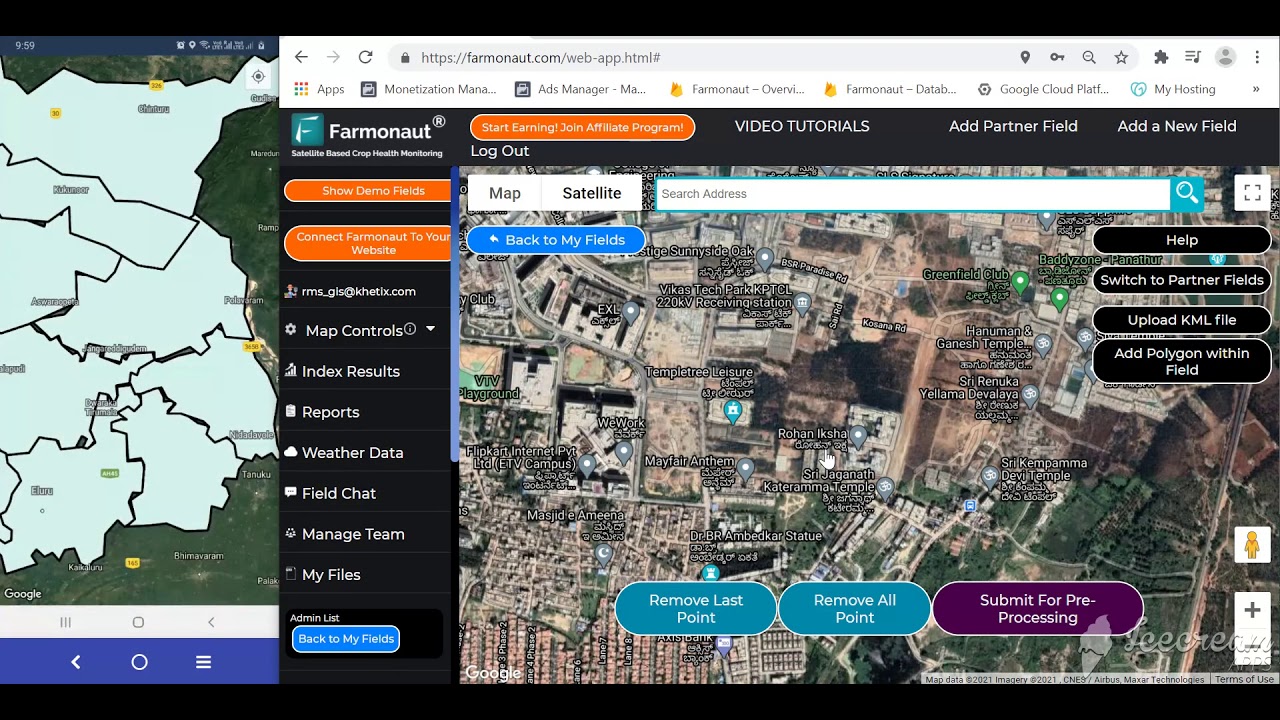
Use the Farmonaut Satellite API for large-scale monitoring, weather integration, and custom digital visitor experiences in the agritourism sector. Check out the Developer Docs for seamless integrations →
Opportunities, Challenges, and the Way Ahead
As agritourism UK matures, opportunities arise in digital transformation, green investment, and expanding product offerings. However, the sector also faces challenges including:
- ⚠ Regulatory hurdles and complex insurance requirements
- ⚠ Need for accessible, sustainable infrastructure on rural sites
- ⚠ Guaranteeing safety and accessibility for visitors while protecting fragile landscapes and biodiversity
- ⚠ Training workforce and partners in both hospitality and conservation best practices
- ⚠ Providing equitable economic benefit to small farms and disadvantaged rural communities
Strategic Recommendations
- ✅ Regularly update digital and physical accessibility to broaden your visitor base
- ✅ Embed conservation messaging across all farm activities
- ✅ Form local tourism partnerships and engage nearby communities for mutual benefits
- ✅ Upskill teams in sustainability practices, inclusive hospitality, and digital innovation
- ✅ Use satellite and AI-powered tools for modern visitor management
5 Key Takeaways for Agritourism Success in the UK
- ✔ Embed sustainability in every farm attraction
- ✔ Utilize digital and immersive technology for wider audience engagement
- ✔ Educate and inspire through hands-on, conservation-focused programming
- ✔ Leverage data (AI, blockchain, and satellite) for integrity and transparency
- ✔ Plan for accessibility, resilience, and regulatory compliance
Demand for authentic agritourism in the UK will intensify as travelers seek deeper meaning, sustainability, and hands-on connections to food, farming, and land in 2026.
Frequently Asked Questions — Agritourism UK Trends 2026
Agritourism is the fusion of agriculture and tourism, offering educational, recreational, and immersive experiences on working farms and in rural communities. This includes farm stays, pick-your-own produce, food workshops, and countryside eco-activities.
Sustainability drives visitor demand, regulatory support, and the long-term viability of rural tourism. Integrating eco-accommodation, regenerative practices, and carbon tracking supports both profitability and conservation.
Technology—especially satellite-based monitoring, AI-advisory, and blockchain—helps farms ensure environmental compliance, manage resource use, increase transparency, and offer engaging digital experiences for visitors.
No, agritourism benefits farms and landowners of all sizes. Small farms, in particular, can diversify income streams and boost resilience through niche, personalized rural offerings.
See the Farmonaut App for real-time satellite insights, resource management, carbon tracker, and more.
Conclusion: Connected Futures in Agritourism UK
Agritourism UK in 2026 stands at the intersection of sustainability, innovation, and rural regeneration. The fusion of traditional agriculture with modern tourism and digital practices represents a powerful response to shifting economic, environmental, and social dynamics—inspiring both resilience and hope for the countryside. As highlighted, key trends including eco-accommodation, immersive education, regenerative farming, and traceability are not just shaping the visitor experience but redefining what it means to travel, work, and prosper in the rural United Kingdom.
With a continued focus on sustainability, conservation, and technology-driven storytelling, agritourism will remain a driving force in rural growth, environmental stewardship, and the preservation of food heritage for generations to come. Whether you are a farmer, landowner, investor, or rural community leader, now is the moment to embrace these opportunities—cultivating not only your land, but your legacy and the future of agritourism UK.

 Juligerm
 Inclusive Growth Chain
 AdBio
AdBio MISE Maroc
 Drift-Sense
 NWNS
NWNS Red August Group
 Farm Inc
 WeMe Global
 Agrotoken
 Blue BearX
 Insignito
 Croptimum
 DnCubed
 Field Capacity
 Indosistim Teknologi
 Liquify Digital
 CU Foods
