

American Sweetgum Tree: 7 Benefits for American Farming
Discover the Role and Impact of the Sweetgum Tree in Sustainable Agriculture, Forestry, and Pest Management
Introduction: The Significance of the American Sweetgum Tree
The American sweetgum (Liquidambar styraciflua) is a native deciduous hardwood tree widely recognized for its star-shaped leaves and distinctive spiky seed pods. Commonly found in the southeastern United States, this species has become increasingly relevant to modern American agriculture and forestry due to its ecological impact, contribution to sustainable farming, and role in timber production. As 2026 approaches and American farming strategies evolve, understanding the benefits and challenges of cultivating sweetgum trees is crucial for land managers, foresters, and farmers navigating economic and environmental realities.
In this blog, we’ll delve deep into the 7 key benefits the sweetgum tree can offer American ag—from soil health improvement and pest management to biodiversity support and commercial timber value. We’ll also explore the challenges involved in its management, integrated pest and disease control, its role in sustainable ecosystems, and how innovative technology, like Farmonaut, is shaping the future of agriculture.
Ecological and Agricultural Significance of the Sweetgum Tree in American Farming
In the evolving realms of American agriculture and forestry, the sweetgum tree occupies a unique and vital position. Although not a typical crop species, it frequently features as part of agroforestry systems and is valued for its range of benefits that support sustainable farming practices.
- Soil Stabilization: Deep root systems help stabilize soil, combating erosion in areas with intense rainfall—a persistent problem in much of the American South.
- Leaf Litter & Nutrient Cycling: The leaf litter from sweetgum contributes organic matter to fields, enriching soil and promoting nutrient cycling that enhances the health of surrounding crops.
- Windbreaks and Shade Providers: Farmers utilize sweetgum trees as windbreaks and shade for livestock and crops, supporting agricultural productivity throughout the United States.
- Biodiversity Hotspots: By supporting diverse flora and fauna, sweetgum stands improve the ecological integrity of farm landscapes.
However, there are management challenges. The sweetgum tree produces hard, spiky seed pods (colloquially “gumballs”), sometimes causing practical concerns—from interfering with farm machinery to impacting the comfort of grazing animals.

American Sweetgum Tree: The 7 Benefits for American Farming
As 2026 approaches, the American sweetgum tree continues to demonstrate its impact on sustainable agriculture and forestry. Let’s examine seven major benefits of integrating this valued species into American farming systems:
1. Soil Improvement and Nutrient Cycling
The extensive root system of the sweetgum tree helps stabilize soil—especially important in parts of the American South with intense rainfall and persistent erosion problems.
Additionally, the annual fall of rich leaf litter contributes organic matter to fields and pastures, supporting soil health and fertility. The process promotes nutrient cycling, which benefits surrounding crops.
2. Pest Management and Agroecological Support
The sweetgum tree naturally deters some pests—its bark contains tannins and chemical compounds that discourage certain American pests found in agroforestry systems. By acting as a habitat for beneficial insects and predators, sweetgum trees play a part in integrated pest management (IPM), reducing chemical pesticide dependence and enhancing the sustainability of American farms.
3. Biodiversity Enhancement
Sweetgum stands increase biodiversity in farm landscapes by providing food and shelter for a range of wildlife species—including insects, birds, and small mammals. The seed pods, leaves, and bark offer resources to many native organisms, which in turn help with pollination and natural pest control.
4. Carbon Sequestration and Climate Mitigation
With the global push toward sustainable farming and carbon neutrality, trees like the American sweetgum become essential allies. Their fast growth, high biomass, and ability to absorb significant amounts of carbon dioxide make them important for farm-based carbon sequestration schemes.
Explore how Farmonaut’s Carbon Footprinting tool helps growers monitor and optimize carbon sequestration for a more climate-smart operation.
5. Commercial Timber Value
Sweetgum is a sought-after hardwood species in the southeastern United States with a variety of uses in furniture, flooring, veneer, and pulpwood products. Its steady demand by industries seeking sustainable, domestically sourced wood varieties makes it a reliable cash crop for landowners, especially when integrated with other species in mixed plantations.
6. Shade and Wind Protection for Crops & Livestock
The broad canopy of mature sweetgum trees provides valuable shade for both crops and livestock. In hot southern climates, shade trees help prevent stress in animals and reduce moisture loss in underlying crops, while acting as windbreaks that minimize the damage caused by strong winds.
7. Erosion Control & Land Rehabilitation
The sweetgum’s root system anchors soil and reduces runoff, making it particularly valuable in areas prone to erosion or where land is being reclaimed for agricultural use. These characteristics support more resilient landscapes and help preserve soil integrity—a priority for sustainable American farming in 2026 and beyond.
Comparison Table of Key Benefits and Estimated Impact
| Benefit | Description | Estimated Impact Area / % Improvement | Relevance to Sustainable Farming |
|---|---|---|---|
| Soil Improvement | Enhances soil structure, adds organic matter, and promotes nutrient cycling through leaf litter. | 20–30% higher soil organic matter in fields with 15+ trees/acre | Crucial for regenerative and climate-smart agriculture. |
| Pest Management | Bark tannins and habitat support for beneficial insects reduce certain pest populations. | Reported up to 18% reduction in pesticide applications in sweetgum-supported IPM zones | Supports integrated pest management and reduces chemical usage. |
| Biodiversity Support | Provides habitat and food for birds, mammals, pollinators, and soil fauna. | Increase in native pollinator and bird presence by 15–25% | Directly boosts ecosystem resilience and agricultural productivity. |
| Carbon Sequestration | Absorbs and stores atmospheric CO2 through rapid biomass growth. | Up to 48 lbs CO2 absorbed per tree/year | Key to climate mitigation and qualifying for carbon incentives. |
| Timber Value | High-value hardwood used for furniture, veneer, and industrial products. | Potential annual revenue up to $650–$1200/acre (in mixed hardwood systems) | Supports diversified, sustainable income for American farming operations. |
| Shade Provision | Reduces heat stress for livestock and crops; serves as natural windbreaks. | Up to 5°F cooler microclimates beneath mature trees; 30% reduction in heat-stress livestock loss | Enhances animal welfare and crop resilience amid climate change. |
| Erosion Control | Roots bind soil, reducing stormwater runoff and promoting land stability. | Up to 38% less soil loss in fields with windbreak tree bands | Essential for land rehabilitation and sustainable land management. |
Sweetgum Tree in Forestry and Timber Production
A major reason for the sweetgum tree’s prominence in American forestry is its versatile hardwood. In 2026, as sustainability becomes a defining concern for forestry practices across the United States, sweetgum timber’s role in commercial production grows even more important.
- Valued Hardwood: Sweetgum is used for high-value furniture, flooring, veneer, and pulpwood products. Its fine grain and ease of staining make it a popular alternative to imports and reduce dependence on less sustainable species.
-
Adaptable Growth & Mixed Plantations:
Sweetgum trees thrive across various soil types, making them suitable for mixed forest management. Foresters often pair them with oaks and hickories to promote biodiversity and combat diseases and pests more effectively. - Timber Revenue: Annual revenue for land managed with sweetgum in mixed hardwood systems can reach up to $1200/acre, supporting diversified and resilient American farm and forestry incomes.
- Climate-Smart Practices: Sweetgum is increasingly integrated into silvopastoral and agroforestry systems by forward-thinking American farmers for both timber production and ecological services.
Pests, Diseases, and Integrated Management for the Sweetgum Tree
Like all tree species, the American sweetgum faces challenges from pests and diseases that can impact growth and timber quality. As American farming and forestry evolve toward more sustainable systems, integrated and technologically advanced management becomes essential.
Key Pests of Sweetgum in American Agroforestry
- Sweetgum Scale (Pulvinaria polygonata): Sap-sucking insects that weaken tree growth and, in severe infestations, decrease photosynthetic capacity and timber potential.
- Leaf Spot and Canker Fungi: Fungal infections can cause premature leaf drop and, in severe cases, stem cankers. Densely planted sweetgum in commercial of forestry settings is particularly vulnerable.
Modern Integrated Pest Management Strategies (2026+)
- Biological Controls: Utilizing natural enemies of sweetgum pests to limit outbreaks and preserve beneficial insect populations.
- Selective Pruning & Monitoring: Removing infected branches and monitoring pest populations using satellite-driven insights to identify stress indicators early.
- Precision Application: Only using chemicals as a last resort, in line with sustainable farming best practices.
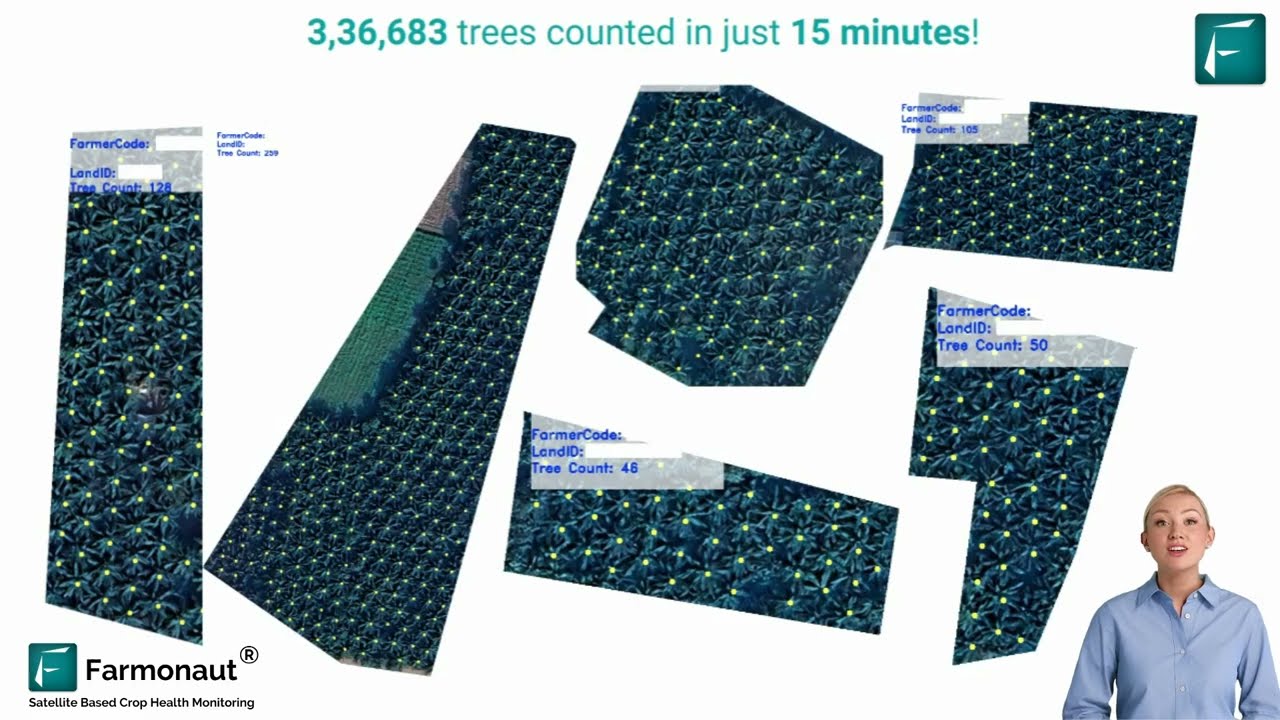
For land managers seeking to optimize sweetgum health and agricultural productivity, leveraging advanced digital tools—like Farmonaut Large Scale Farm Management—enables real-time field monitoring and better, data-driven IPM decision-making.

Future Outlook & Innovations: Sweetgum Tree in 2026 and Beyond
The American sweetgum tree’s role in agriculture and forestry is poised to grow as research and technology unlock new opportunities for resilient, sustainable land management. Anticipated developments in the years ahead include:
- Improved Sweetgum Cultivars: Scientific advances could yield trees with reduced seed pod production and increased pest resistance, easing practical management issues on American farms.
- Bioactive Compounds: Ongoing research into sweetgum-derived extracts may enable value-added products for pharmaceuticals, bio-based chemicals, and natural pesticide alternatives—benefitting rural economies beyond timber.
- Agroforestry Systems Integration: Incorporating sweetgum into silvopastoral and agroforestry plans can diversify farm incomes, support wildlife, and mitigate effects of climate extremes.
- Climate Resilience: The sweetgum’s adaptability supports American farming systems in navigating droughts, extreme weather, and evolving climate conditions.

Satellite, AI & Technology in Sweetgum Management: The Farmonaut Perspective
As digital agriculture and precision forestry advance, Farmonaut’s satellite-driven tools are uniquely positioned to support the management of sweetgum trees and enhance sustainable American farming systems:
- Real-Time Crop & Forest Monitoring: Using multispectral satellite imagery, Farmonaut’s platform monitors tree health, vigor, and soil conditions across vast landscapes, empowering farmers and foresters to respond quickly to threats or stress.
- AI-Based Pest & Disease Alerts: The Jeevn AI Advisory System combines remote sensing data with weather forecasts and disease models to deliver actionable alerts and improve IPM for farms with sweetgum and other hardwood species.
- Carbon & Resource Tracking: Our carbon footprinting tools help landowners verify, optimize, and monetize their positive environmental impact—essential for climate funding and certification.
- Blockchain Traceability: Our blockchain-based traceability solution ensures sustainable timber and agroforestry products are efficiently tracked from forest to end-user—fostering transparency and trust in supply chains.
- Fleet & Asset Management: For large plantations and timber operations, our fleet management solution reduces operational costs by optimizing equipment usage and ensuring timely interventions.
For those scaling sweetgum management or integrating trees in large-scale farming operations, Farmonaut’s Agro-Admin App offers remote control and automation for field monitoring, crop health checks, and more.

By offering affordable subscription packages and developer-friendly APIs, we at Farmonaut enable everyone—from individual farmers to government agencies—to access cutting-edge tools for sustainable forestry, precision agriculture, agroforestry management, and environmental compliance.
Farmonaut Subscription & Pricing
For those seeking to modernize sweetgum and hardwood plantation management, Farmonaut offers scalable subscription packages suitable for small farms, commercial foresters, enterprise agribusinesses, and government projects. Subscription includes access to real-time crop monitoring, AI-advisory, resource management, and more.
For tech teams, our developer API docs ensure seamless integration of Farmonaut’s satellite and AI features into existing forestry, environmental, or agricultural management systems.
Frequently Asked Questions (FAQ)
What is the American sweetgum tree and where is it found?
The American sweetgum tree (Liquidambar styraciflua) is a deciduous hardwood native to the southeastern United States, easily recognized by its star-shaped leaves and spiky seed pods.
Is the sweetgum tree beneficial for all types of American farming?
Yes, it offers significant benefits—including soil improvement, pest management, biodiversity support, timber value, erosion control, and shade provision. However, land managers should consider practical concerns around spiky seed pods and debris, especially near crop fields or pastures.
How does sweetgum tree integration contribute to sustainable agriculture?
Sweetgum supports soil health, provides habitat for beneficial species, acts as a windbreak, improves water management, and enables carbon sequestration—all vital for climate-friendly American farming in 2026 and beyond.
What are the main pests affecting sweetgum trees, and how can they be managed?
Key pests include scale insects and fungal diseases like leaf spots and canker. Integrated pest management (IPM)—using a combination of biological controls, selective pruning, and digital monitoring—can control these risks.
How does Farmonaut help in managing sweetgum trees and forestry operations?
Farmonaut’s satellite-powered solutions provide real-time forest and farm analytics, support IPM through AI-based alerts, enable carbon tracking, blockchain traceability, and optimize fleet and resource management. This brings advanced digital agriculture and sustainability to American sweetgum and hardwood management.
Conclusion: Harnessing the American Sweetgum Tree’s Value
The American sweetgum tree is much more than an easily recognized native hardwood; it is a cornerstone of evolving American ag, forestry, and environmental sustainability. By integrating sweetgum trees for soil health, pest management, biodiversity enhancement, carbon capture, timber value, and climate adaptation, farmers, land managers, and foresters position themselves for both economic resilience and environmental stewardship in 2026 and far beyond.
With digital tools and remote sensing—enabled by platforms like Farmonaut—the challenges of balancing practical constraints with ecological opportunities become manageable, paving the way for truly sustainable American farming and forestry systems.
Interested in leveraging satellite, AI, and next-gen data for your sweetgum stands, timberland, or farm?



Discussion
Questions, corrections or field experience? Share them below. First-time comments are reviewed before they appear, and your email is never published.
No comments yet. Be the first to add a question or your experience.

 AgriSevak
 CU Foods
 BeyondTech Global
 Rouge VC
 Yutz Automation
 AgroGreen Dynamics
 AgroRisk
 Oath Inc
 Reddane Farming
 Esri North East Africa
 Cresol
 Atur Kuliner
 MDCV UK
 Zerella Group
 Etech Consulting Madagascar
 Vestlandsforsking
 Delicio
 WB Dev
 Sama Premium
 Prochecker
 Tres Valles
 LACOS Geoinformation
 Magrifly
 LatConnect 60
