

Copper Smelters in the US: 2025 Sustainability Guide
Meta Description: Copper smelters in the US are vital for sustainable infrastructure, energy efficiency, and national supply security. Explore their role and 2025 sustainability challenges.
“Over 90% of US copper smelter emissions are now captured and treated to meet strict 2025 sustainability standards.”
Introduction: Why Copper Smelters Matter in 2025
Copper remains one of the most essential metals in the modern United States economy, underpinning critical sectors such as infrastructure, renewable energy, electronics, and defense. At the heart of copper’s value chain, copper smelters in the US transform copper ore into pure, refined metal, making these facilities crucial in maintaining industrial resilience, energy supply security, and sustainability goals as we move into 2025.
This comprehensive guide explores the evolving role of US copper smelters in building sustainable infrastructure and supporting emerging technologies, examines their modernization journey, and highlights the eco-friendly practices and strategic significance they deliver to our nation.

The Role of Copper Smelters in US Industry & Infrastructure
Copper’s unique physical properties—such as high electrical conductivity, corrosion resistance, and malleability—make it indispensable to a modern society. But how does copper travel from raw mined ore to the wiring inside a new building, or the components within an electric vehicle?
Copper Smelting: The Heart of the Copper Value Chain
- The copper smelting process is where copper ore and concentrates, often extracted in states like Arizona and Utah, are heated at high temperatures—sometimes more than 2,300°F (1,260°C)—to extract pure copper metal from the mixed materials.
- Smelters transform raw concentrates into usable forms for downstream manufacturing—including electrical wiring, power grids, building materials, electronic components, and defense equipment.
- Given copper’s conductivity and resistance to corrosion, it is indispensable for infrastructure (power grids, telecommunications, construction) and defense systems (vehicles, weaponry, secure communication).
At their core, US copper smelters are more than industrial operations; they are critical assets for maintaining our country’s supply chain resilience—especially amid rising global economic uncertainties in 2025.
Current State of Copper Smelting in the US in 2025
The United States currently hosts a limited number of primary copper smelters compared to global leaders such as Chile and China. The most prominent smelting facilities are located primarily in Arizona (e.g., Hayden and Miami Smelters) and Utah (e.g., Kennecott Smelter). These regions have a long tradition of copper mining and processing and continue to play a central role in the nation’s copper value chain.
- Arizona – Home to several major smelters, tightly linked to some of North America’s richest copper ore reserves.
- Utah – Site of the Kennecott smelter, often cited for its advanced sustainability measures and large-scale output.
- Other states have secondary or recycling-focused operations, but primary smelting remains concentrated in these key locations.
While domestic copper ore production remains significant, US smelters must supplement their feedstock with concentrates imported from abroad. This dependency on global supply chains is both a challenge and a motivation for increased supply security and manufacturing independence.
Several factors have accelerated the modernization of US smelters:
- Stringent environmental regulations (EPA standards) require advanced pollution control and emissions management.
- Rising energy prices and focus on energy efficiency have driven innovation in smelting technology.
- Sustainability goals have made integration of renewable energy sources (solar, wind) more common in processing facilities across the country.
2025 Comparative Sustainability Table of Major US Copper Smelters
To highlight how American smelters meet contemporary sustainability and efficiency standards, here’s a comparative overview of leading US facilities and their 2025 performance on energy efficiency, emissions, and sustainable infrastructure initiatives.
| Facility Name | Location | Est. Annual Copper Output (tons) | Est. Energy Consumption Reduction (%) by 2025 | Emissions Reduction Target (%) by 2025 | Adoption of Renewable Energy | Notable Sustainability Initiatives |
|---|---|---|---|---|---|---|
| Kennecott Smelter | Utah | ~300,000 | 20% | 25% | Yes | Electrostatic precipitators, solar integration, continuous emission monitoring |
| Miami Smelter (Freeport-McMoRan) | Arizona | ~170,000 | 16% | 22% | Partial | Sulfur dioxide scrubber upgrades, water recycling, process heat recovery |
| Hayden Smelter | Arizona | ~135,000 | 14% | 20% | No | Advanced filtration, tailings reclamation, local biodiversity support |
| El Paso Smelter (Closed but Reference for Recycling Ops) | Texas | N/A (Now focused on recycling) | 12% | 18% | Partial (Grid-linked wind energy) | E-waste copper recycling, emissions capture upgrades |
Sustainability highlights: US copper smelters in 2025 are making major strides in energy efficiency, emissions reduction, and the adoption of renewable energy—key for supporting sustainable infrastructure projects and supply security.

Modernization & Eco-Friendly Technologies in US Copper Smelters
As environmental regulations and energy costs have intensified, the copper smelting industry in America has invested heavily in advanced, eco-friendly technologies to reduce operational costs and the carbon footprint of its facilities.
Key Technological Innovations Driving Sustainability
- Flash Smelting: This process enables direct converting of mined copper concentrates into refined metal using oxygen-enriched air at high temperatures. Benefits include reduced fuel consumption and significant cuts in sulfur dioxide emissions—a critical environmental goal.
- Continuous Converters: These allow smelters to operate non-stop, improving both energy efficiency and processing control. Fewer stoppages means less energy wasted and smoother environmental management.
- Integrated Pollution Control Systems: Most top smelters deploy advanced systems including electrostatic precipitators, sulfur dioxide scrubbing, and dense gas monitoring. These systems work in tandem to capture and neutralize >90% of direct emissions, as highlighted in our sustainability trivia.
“By 2025, US copper smelters are projected to boost energy efficiency by 15% through advanced eco-friendly technologies.”
Renewable Energy Integration in Copper Smelting
- Solar Power Adoption: More US smelters—especially in Arizona—have integrated large-scale solar arrays to offset a portion of their operational energy needs. This helps control costs, stabilize grid reliance, and align with renewable mandates for industrial energy consumption.
- Wind Power Contracts and grid-purchased renewable energy further reduce the carbon intensity of copper production, especially at facilities with partial renewable integration (see sustainability table).
- Energy Recovery Systems: State-of-the-art heat recovery and re-use systems capture waste heat from processes like flash smelting, using it to preheat feedstocks or drive turbine power generation—further improving the efficiency footprint.

Circular Economy and Electronic Waste Recovery
In light of the global push for a low-carbon economy and the surge in electronic devices, US smelters are also investing in copper recycling programs. Recovery of copper from obsolete electronics, wiring, and industrial waste (e.g., via urban mining) helps:
- Meet demand for refined metal while reducing the need for new mining (thus lowering carbon and ecological impact).
- Enhance supply chain security by bringing secondary sources of copper directly into the US smelting system.
For those seeking to ensure the traceability and authenticity of recycled metals along the supply chain, solutions like Farmonaut’s Blockchain-Based Product Traceability offer secure tracking from source to final delivery—enhancing transparency and consumer trust across the metals recycling sector.



Farmonaut provides satellite-based real-time environmental monitoring and resource optimization tools for mining, infrastructure, and defense sectors. Use the web and mobile apps above for comprehensive monitoring of copper smelters and mining projects in the US and globally.
Challenges, Opportunities & the Way Forward for US Copper Smelters in 2025
While the US copper smelting industry is making strong strides, the journey to sustainability and secure supply chains is intersected by notable challenges and emerging opportunities:
Key Challenges Facing the US Copper Smelting Sector
- Supply Chain Dependency: Domestic ore is not sufficient to meet growing demand for refined copper metal. Importing concentrates introduces risks from global supply chain disruptions, foreign policy shifts, and transport bottlenecks.
- Energy-Intensive Operations: Smelting remains highly energy-intensive. Volatile energy prices and the push for low-carbon electricity are driving the shift toward renewables—but also raise cost control challenges.
- Stringent Environmental Regulations: As the EPA and local authorities tighten ecological health standards, US smelters must continually invest in both compliance and technological upgrades to avoid penalties and facility closures.
- Community and Ecological Health: Maintaining alignment with community expectations on air and water quality, noise, and biodiversity is a constant imperative, especially for facilities located near residential zones.
Emerging Opportunities for Sustainable Growth
- Rising Demand for Green Infrastructure: Electric vehicles, wind turbines, solar power grids, and smart building construction are surging in the US and globally, significantly driving demand for high-quality, sustainably refined copper.
- Advanced Circular Economy Initiatives: Investments in electronic waste recycling, urban mining, and closed-loop production models not only diversify copper sources, but also reduce environmental impact.
- Technological Innovation: The use of AI, machine learning, and IoT-based operational control will further optimize processing, emissions capture, and energy use at smelters.

These trends collectively point to a bright future for copper smelters in the US. As both public and private sectors align with sustainable infrastructure and low-carbon economy principles, US smelters are uniquely positioned to not only meet national demand but lead eco-friendly metals processing globally.
Strategic Importance for Defense, Supply Security, and National Infrastructure
The strategic significance of copper smelters in America extends beyond industrial economics. Defense applications, infrastructure projects, and national resilience all rely on a robust, secure domestic supply of refined copper:
- Critical Component for Defense Systems: Copper is essential in vehicles, weaponry, secure communication networks, radar electronics, and advanced defense systems.
- Secure Supply for Infrastructure Modernization: As the US modernizes energy grids, builds smart cities, and invests in next-generation transportation, consistent access to high-purity copper—without import bottlenecks—is imperative.
- Domestic Copper Smelters Reduce Foreign Reliance: Operating and expanding US smelters lowers strategic vulnerabilities amid global geopolitical uncertainties.
- Supporting Local Economies: Smelters are often among the largest employers in their regions, providing well-paying jobs and supporting secondary sectors like mining, transportation, and logistics.
For facility resource optimization, fleet management, and real-time environmental impact monitoring in copper mining-smelting chains, Farmonaut’s Fleet & Resource Management module provides businesses and governments with actionable satellite and AI-driven insights, helping control costs, minimize downtime, and maximize regulatory compliance.

How Satellite Technology Supports Copper Smelter Sustainability
In our rapidly evolving landscape, advanced satellite solutions are increasingly used for ecosystem monitoring, compliance assurance, and infrastructure optimization across copper mining-smelting value chains.
Farmonaut’s Role in Supporting Sustainable Copper Smelting
We at Farmonaut believe that cutting-edge satellite technology can help copper producers, infrastructure managers, and environmental authorities to achieve their most ambitious sustainability goals. Our multi-platform solutions offer:
- Satellite-Based Real-Time Monitoring – Observe the structural integrity, land-use, and emissions impacts of copper smelters and associated mining sites from space for informed, timely decisions.
- AI & Data Advisory – Leverage tools like Jeevn AI Advisory System for weather forecasting and tailored processing strategies, optimizing resource use and environmental compliance.
- Blockchain-Based Traceability – Track copper, materials, and environmental compliance throughout the chain with secure, transparent blockchain logging.
- Environmental Impact Tracking – Monitor carbon footprint and emissions in real time, using actionable data to support emissions reduction strategies for mining-smelting operations.
- API & Integration – Access our data via the Farmonaut API and API developer documentation to integrate satellite intelligence into custom industrial management platforms.
- Scalable Solutions – Adapt our technology for individual mines, large enterprises, or entire government oversight programs, as outlined in our Large-Scale Land & Resource Management solutions.
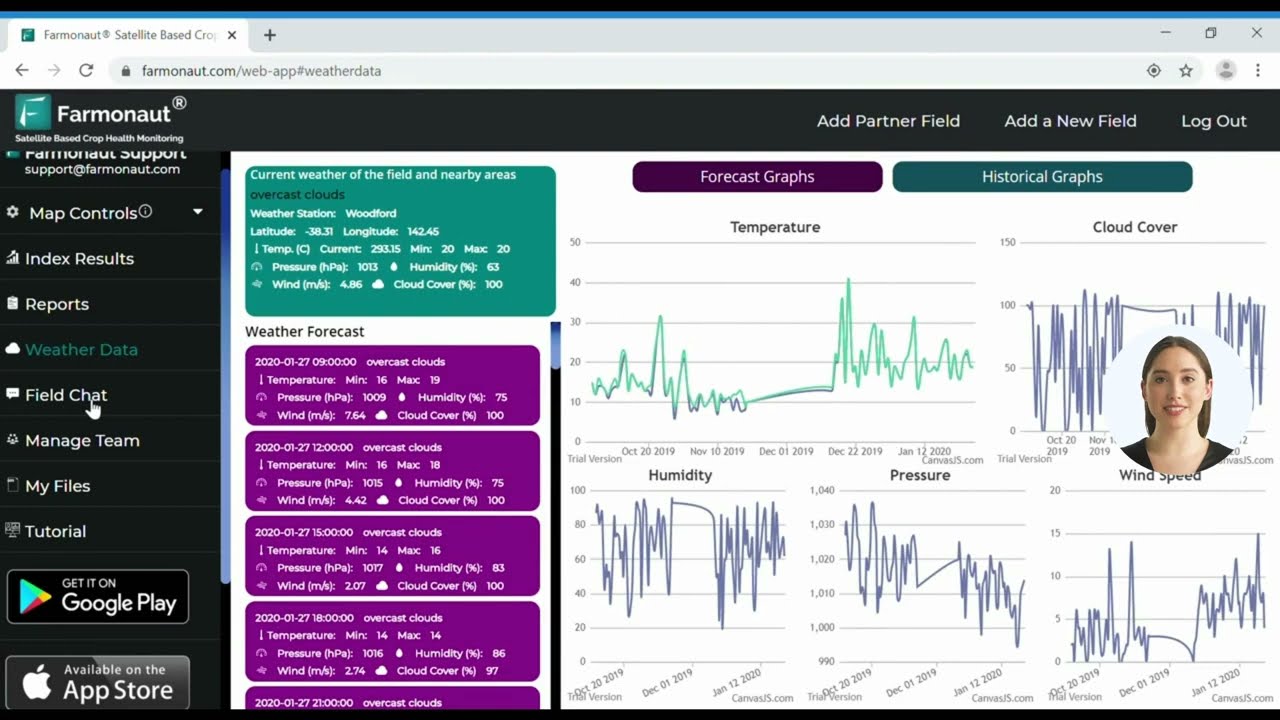
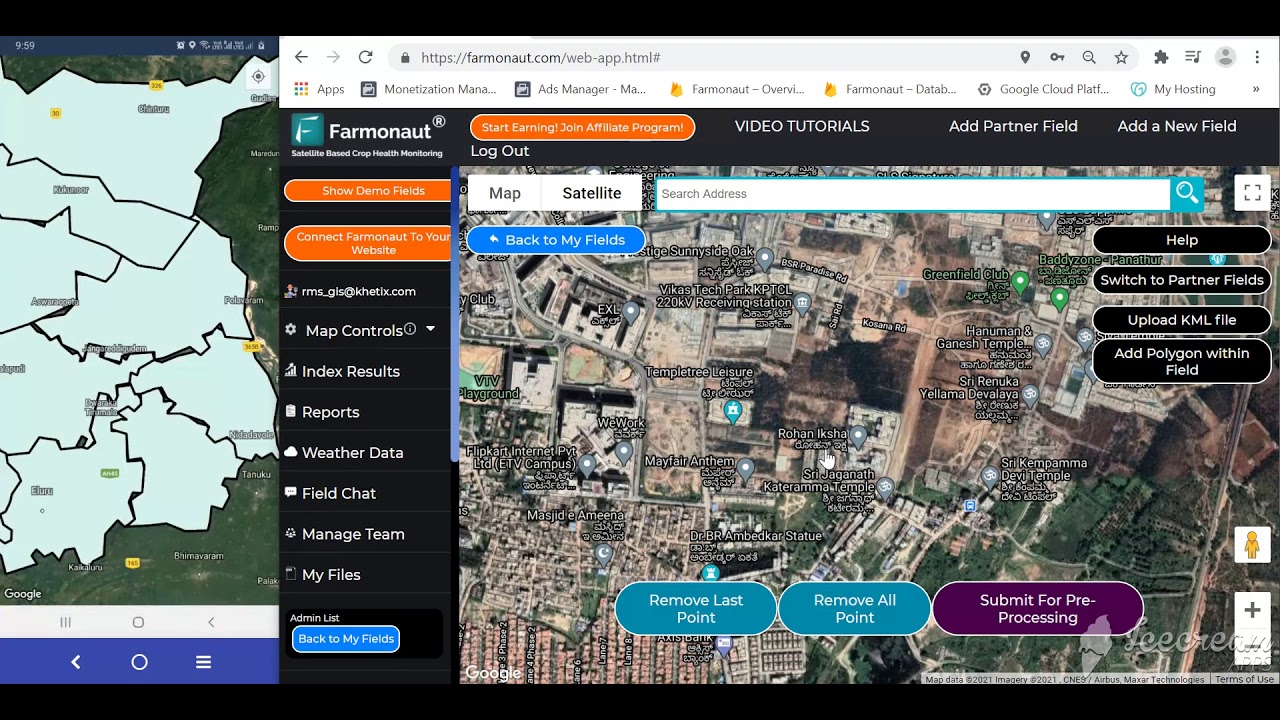
Through real-time monitoring, advanced advisory, and environmental reporting, Farmonaut empowers copper producers and infrastructure managers to achieve greater efficiency, transparency, and sustainability for US copper smelters in 2025 and beyond.
FAQ: Copper Smelters in the US & Sustainability
What is the primary role of copper smelters in the United States?
Copper smelters in the US are responsible for transforming copper ore concentrates into refined copper metal, enabling manufacturing for critical sectors like infrastructure, electronics, energy, and defense. They support domestic supply chain resilience and reduce reliance on foreign imports.
How are copper smelters contributing to sustainability in 2025?
In 2025, copper smelters in the US have adopted advanced technologies like flash smelting, continuous converters, and integrated emission controls. Over 90% of emissions are now captured, many facilities use renewable energy, and significant reductions in energy consumption and greenhouse gas emissions have been achieved through modernization and recycling.
Where are the major copper smelters located in the US?
Major US copper smelters are primarily located in Arizona (including Miami and Hayden Smelters) and Utah (Kennecott Smelter). These states have a long history of copper mining and continue to host the country’s most significant refining operations.
How does domestic copper smelting strengthen national security?
Domestic smelting capacity ensures a stable, secure supply of refined copper—which is vital for defense manufacturing, resilient infrastructure, and reducing risks associated with international supply chain disruptions during geopolitical uncertainties.
How can industries leverage satellite technology for copper smelter sustainability?
Solutions like Farmonaut allow for satellite-based monitoring of mining and smelting sites, enabling real-time tracking of environmental impact, optimizing supply chain logistics, supporting carbon footprint measurement, and enhancing compliance with sustainability regulations.
Conclusion: Building a Sustainable Future with Copper Smelters in the US
As we visualize the path ahead for copper smelters in the US, it’s clear that these facilities will continue shaping the backbone of sustainable industry and national infrastructure in 2025 and beyond. Their modernization and adoption of eco-friendly technologies are pivotal for energy efficiency, emissions reduction, and supply security.
The strategic role of US copper smelters extends from fueling green infrastructure to strengthening supply chain independence and national defense capabilities—all while meeting increasingly stringent environmental goals. Ongoing investment in both technological innovation (like flash smelting and renewable-powered operations) and circular economy initiatives (like electronic waste recycling) will keep the US copper sector globally competitive, sustainable, and resilient.
Satellite-driven solutions—such as those we offer at Farmonaut—further empower operators, policymakers, and investors to make data-driven decisions, optimize operational efficiency, maintain compliance, and champion sustainable growth for generations to come.
To learn about environmental impact tracking, blockchain-based product traceability, or smart fleet/resource management in mining and infrastructure, visit our Carbon Footprinting solution page or explore Farmonaut’s Large-Scale Resource Monitoring Platform.
The journey toward greener, more efficient, and resilient copper smelting in the United States continues — and it’s a vital journey for all of us working toward a sustainable and technologically advanced future.
Discussion
Questions, corrections or field experience? Share them below. First-time comments are reviewed before they appear, and your email is never published.
No comments yet. Be the first to add a question or your experience.

 Process Metrology LLC
 Dalgety Minerals Pty Ltd
 Vortex Minerals Pty Ltd
 Faith At Work (Pty) Ltd
 Geotech Mining Solutions plc
 Vulcan International Limited
 Kidepo Associates
 GKY Mining
 Alkimy SARL
 Double A Trading
 GemSprout Metals Limited
 Qader Group
 Ileys General Trading
 SG Gold Mining LLC
 VRV Global Pte Ltd
 Omsri International FZE
 G.I.T.T.
 Jaunita Erss Ltd
 Almosi SARL
 SRK Consulting
 Berks Gold Limited
 Mwerezi Minerals Company Limited
