

Nickel and Copper: Key Metals for 2026 Sustainability
“Global nickel demand for batteries is projected to reach 1.5 million tons by 2026, up 35% from 2023.”

Nickel and Copper: Cornerstones of Modern Infrastructure and Sustainable Industry
As we approach 2026, nickel and copper stand as the backbone underpinning global infrastructure, advanced industrial systems, and the world’s transition towards sustainability. These metals are not only vital for energy and environmental progress but also central to agriculture, mining, and defence strategies. Their unique and complementary properties make them indispensable across diverse applications—from enhancing machinery and equipment durability, enabling critical energy systems, to powering green technology development.
As focus intensifies on climate resilience and eco-friendly economic growth, understanding the role of nickel and copper in shaping the future of sustainable industry becomes crucial. This post will take you through their modern uses, advancements, sustainability metrics, challenges, and technology-powered solutions enabling their responsible use and management.
“Copper consumption for renewable energy technologies is expected to surpass 5 million tons annually by 2025.”
Nickel and Copper in 2026: Modern, Sustainable Applications
Nickel and copper are categorized as critical minerals — essential for high-tech industries, renewable energy production, and the digital transformation redefining economic and ecological landscapes. Let’s explore their multifaceted roles and contributions to 2026 sustainability.
- Infrastructure Backbone: Key to building projects – including bridges, buildings, pipelines, and transportation systems
- Energy Transition: Underpinning wind/solar power, EV batteries, and power grids with critical electrical conductivity
- Mining and Extraction: Valued not only as extracted commodities but as alloy/machinery components enhancing performance
- Agriculture Modernization: Supporting irrigation, greenhouse controls, machinery longevity, and crop protection
- Defence and Security: Forming the structural basis of superalloys used in military and aerospace systems
- Urban and Industrial Resilience: Ensuring asset durability and resource-use efficiency in harsh, polluted, or demanding environments
Nickel vs. Copper: Advancements, Applications, and Sustainability Impact (2026 Estimations)
| Metal | Primary 2026 Application | Estimated Global Demand (M tonnes) | Energy Efficiency Contribution (%) | Key Sustainability Role | Future Trend (CAGR 2025–2026) |
|---|---|---|---|---|---|
| Nickel | EV batteries, stainless steel, hydrogen fuel cell components | 3.4* | Up to 18% (improved battery energy density & efficiency) | Battery carbon footprint reduction, high recycling potential (56%) | 6–7% (driven by EV/green tech demand) |
| Copper | Power grid wiring, motors, wind/solar infrastructure | 27–30* | Up to 25% (reduced transmission losses, greener grids) | Critical for clean energy, promotes circular economy, high recycling rate (65+%) | 5–6% (spurred by electrification & renewables) |
*Estimated 2026 global demand | Sources: International Energy Agency, USGS, World Bank Projections
Industrial Applications & Infrastructure: Nickel and Copper as Cornerstones
Nickel copper alloys and composites are foundational for modern infrastructure. Their strength and corrosion resistance make them indispensable for building frameworks, bridges, railways, pipelines, and urban public works. For example, nickel’s high-temperature stability is used extensively in the production of stainless steel and superalloys, forming the backbone of critical projects globally.
Copper, meanwhile, is prized for exceptional electrical and thermal conductivity. It remains the metal of choice for wiring, motors, heavy industrial equipment, and data transmission systems. This enables the rapid growth of smart, resilient urban centers ensuring operational safety, longevity, and reactive infrastructure maintenance.
- Operational Efficiency: Reduced downtime and increased productivity with durable alloy-based machinery
- Extended Service Life: Nickel copper alloys resist wear and corrosion, even under extreme stress and harsh weather conditions
- Sustainability: Both nickel and copper are highly recyclable and integral to low-carbon building practices

Copper’s wiring networks enable urban digitalization, ensuring the ubiquitous backbone for IoT devices, sensors, and renewable microgrids. As smart cities rise across the world, the integration of nickel-copper solutions in both infrastructure and technology underscores their importance in achieving sustainable economic growth.

Mining, Extraction, and Environmental Advances for Nickel and Copper
The mining and extraction of nickel and copper directly impact the global economic landscape, industry supply chains, and the drive for sustainable practices. In 2026, the focus is heavily on ensuring responsible mining, improved resource efficiency, and adherence to environmental safeguards.
Roles in Mining Operations
- Alloyed Strength: Nickel-based alloys are used in critical mining equipment—excavation tools, conveyor systems, pumps—providing wear resistance and minimizing downtime from harsh, abrasive environments.
- Electrical Optimization: Copper’s conductivity ensures efficient electrical systems in both surface and underground mines; vital for automated and remote controlled operations.
- Practice Integration: New sustainable mining practices are integrating AI-powered satellite monitoring, real-time environmental tracking, and blockchain traceability for compliance and ecological responsibility.
The presence of nickel and copper in heavy mining equipment ensures operations can handle extreme stress, pressure and abrasive processes found in sensitive and often forested or mountainous mining zones.
Farmonaut enables carbon footprint monitoring and blockchain-based traceability tools for mining operations. These satellite-powered services are critical for tracking emissions and verifying material provenance, aligning mining with global sustainability goals while reducing ecological footprints.

Environmental Challenges and Solutions
- Water/Energy Use: Innovative technologies focus on recycling water and using lower-impact extraction methods, reducing the strain on surrounding ecosystems.
- Waste Management: Both metals have robust recycling streams which significantly reduce mining-related waste.
- Ecological Monitoring: Satellite and remote-sensing solutions like those from Farmonaut provide real-time ecological impact data, supporting regulatory compliance and eco-conscious business strategies.

As global demand continues to rise for nickel and copper, businesses, regulators, and tech platforms are working together to ensure mining meets future sustainability standards. These approaches are not only about ecological protection but also about securing long-term economic resilience and resource availability.
Nickel and Copper in Agriculture & Farming for 2026
While nickel and copper are not applied directly in farming processes in large quantities, their influence on agriculture is highly significant due to their presence in irrigation, greenhouse electrical wiring, and machinery durability. These elements contribute to the sustainable transformation of modern farming systems.
Agricultural Technology Enabled by Copper and Nickel
- Copper Wiring: Supports automated irrigation, climate controls in greenhouses, and reliable solar-powered equipment.
- Nickel Alloys: Enhance the lifespan of tools and agricultural machinery exposed to harsh chemicals and environmental fluctuations—reducing breakdowns and downtime across diverse conditions.
- Copper Solutions: Used as a fungicide and essential micronutrient for crop protection and healthy plant growth, boosting sustainable yields and resilience against disease.
In addition, the use of AI-powered advisory systems and remote satellite imagery (such as the Jeevn AI system from Farmonaut) empowers farmers with real-time, field-level insights into crop health, soil conditions, and irrigation efficiency. These satellite services ensure optimal resource use, reduce losses, and support long-term ecological stability.
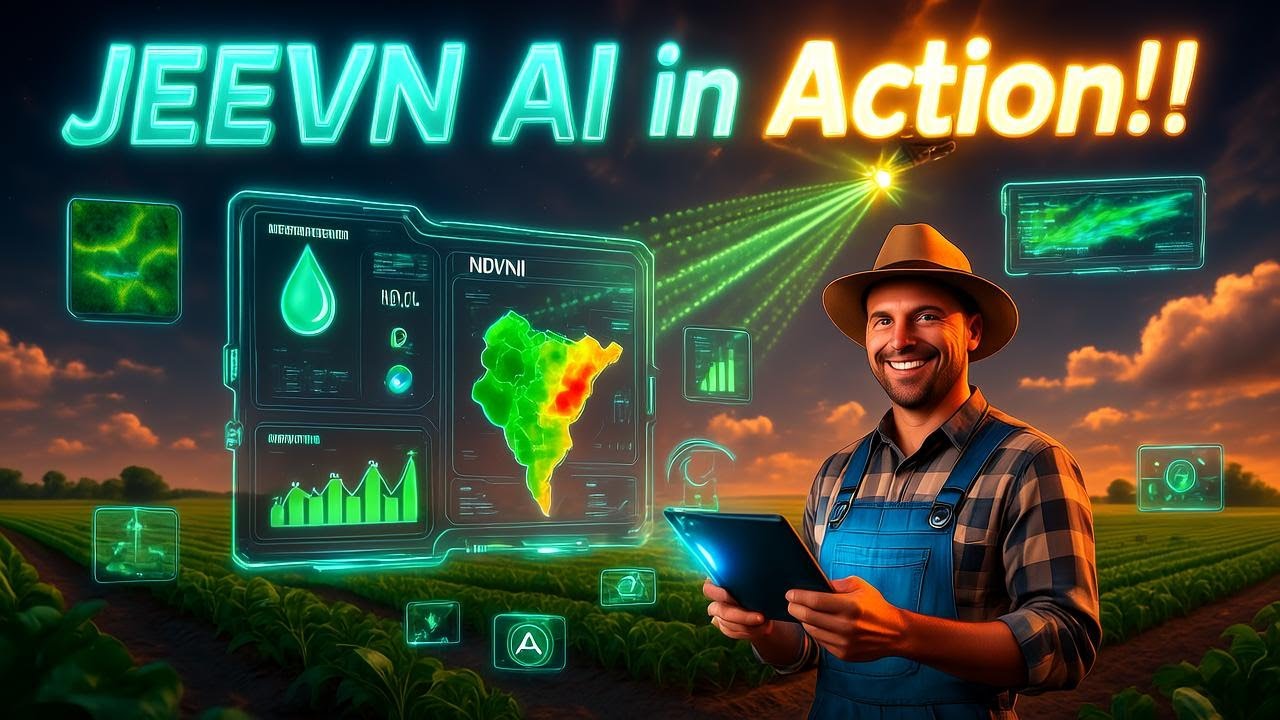
Our large-scale farm management solution through satellite data also enables agricultural enterprises to monitor field operations, streamline fleet management, and optimize machinery deployment—driving efficiency and productivity for growing food demand in 2026 and beyond.
For improved farm sustainability and insurance validation, Farmonaut additionally supports satellite-based crop loan and insurance verification, reducing fraud and supporting agricultural finance, especially essential for farmers working in regions with changing climatic conditions.

Energy, Electrification & Green Tech: The Decisive Role of Nickel Copper
The stage is set for nickel and copper to become even more significant as the world pivots towards green energy and decarbonized economies in 2026.
- Nickel in Energy Storage: A core metal for the cathodes in lithium-ion batteries used in electric vehicles (EVs), grid-scale energy storage, and backup power for renewable sources. Nickel’s high energy density and stability are advancing longer-range, safer, and more efficient batteries.
- Copper in Transmission: The essential metal for high-capacity wiring, wind turbine generators, solar photovoltaic connections, and EV charging infrastructure. Its unmatched electrical conductivity reduces energy loss and allows more sustainable, carbon-neutral smart grids.
- Alloys in Renewable Hardware: Both nickel and copper are used in the construction of robust, corrosion-resistant materials suitable for outdoor wind farms, solar arrays, and hydroelectric dams facing harsh environments.
This synergy powers the electrification of transportation, commercial and residential buildings, and supports the explosive growth of renewable energy infrastructure. In many ways, nickel copper alloys are the structural and functional core of today’s decarbonization revolution.

With 2026 targets set by international agreements and governments, the race to scale up sustainable energy systems places unparalleled demand on nickel and copper supply chains. This highlights the need for responsible sourcing, efficient resource management, and circular economy strategies in the years ahead.
Urban Growth & Defence Innovations: Nickel and Copper in the Modern Era
Nickel and copper are increasingly deployed in sectors that require both durability and safety. Their robust properties are essential to meeting the needs of growing, densely populated cities as well as advanced defence and aerospace applications.
- Urban Infrastructure: Nickel copper alloys are favored for pipes, wiring, and building cladding in high-pollution or coastal city environments due to their corrosion resistance.
- Defence: Nickel-based superalloys are indispensable for high-performance jets, naval ship hulls, and missile components where reliability under extreme conditions is non-negotiable.
- Public Works: The longevity of materials used in transport, water systems, and public lighting is critical to meet the demands of expanding urban populations and finite municipal budgets.
Both metals play a pivotal role in enhancing national security, ensuring asset reliability, and enabling forward-looking urban growth in 2026 and the decades to come.
Farmonaut’s platform enables city planners, governments, and defence agencies to monitor infrastructure health and optimize resource deployment using satellite-driven data.

Challenges and the Future Outlook for Nickel and Copper
The spotlight on nickel and copper as vital resources for modern infrastructure, green development, and global industry brings with it a set of challenges that require proactive solutions in 2026 and beyond.
Key Challenges Ahead
- Supply Chain Constraints: Rapid demand growth for EV batteries, renewable grids, and technology sectors risks material shortages and price volatility unless new deposits are responsibly developed and recycling rates are increased.
- Environmental Scrutiny: Societal expectations and regulations demand strict ecological safeguards, particularly concerning mineral extraction in sensitive habitats and carbon-intensive processes.
- Recycling and Circularity: Maximizing recycling is essential, but technical and economic barriers must be addressed to keep more nickel and copper in productive use and reduce waste.
- Technological Innovation: Investments in new metallurgical processes, sustainable mining, and material substitution are crucial to enhancing energy efficiency and minimizing the ecological footprint of nickel and copper use.
Solutions for 2026 and Beyond
- Increased investment in geological exploration and responsible extraction aligned with global ESG standards
- Widespread deployment of AI-driven satellite monitoring and real-time resource analytics (as offered by Farmonaut’s API and advanced API developer tools)
- Expansion of urban mining: recovering nickel and copper from e-waste, decommissioned infrastructure, and redundant equipment
- Government and industry policies incentivizing recycling, sustainable production, and eco-labeling for products containing significant nickel or copper content
The forward trajectory for nickel and copper lies at the intersection of technology, policy, and sustainable industrial practices. With the growing role of digital solutions, satellite monitoring, and AI-powered analytics, stakeholders have ever-more sophisticated tools to ensure these cornerstone metals continue fueling innovation without endangering ecological futures.
Explore More: Videos on Nickel, Copper, and Sustainable Technologies
Dive deeper into the world of sustainable mineral exploration, green agriculture, and satellite-AI advancements with these compelling videos:
- Arizona Copper Boom 2025 🚀 AI Drones, Hyperspectral & ESG Tech Triple Porphyry Finds
- Rare Earth Boom 2025 🚀 AI, Satellites & Metagenomics Redefine Canadian Critical Minerals
- Satellite Mineral Exploration 2025 | AI Soil Geochemistry Uncover Copper & Gold in British Columbia!
- Satellites Spark a New Alaska Gold Rush
- Satellites Find Gold! Farmonaut Transforms Tanzania Mining | News Report
- Farmonaut Web System Tutorial: Monitor Crops via Satellite & AI
- JEEVN AI: Smart Farming with Satellite & AI Insights
- Regenerative Agriculture 2025 🌱 Carbon Farming, Soil Health & Climate-Smart Solutions | Farmonaut
Farmonaut’s Role in Sustainable Nickel and Copper Management
As a leading satellite technology provider, we at Farmonaut empower businesses, governments, and users to leverage data-driven solutions across agriculture, mining, infrastructure, and defence. Our satellite imagery API, Jeevn AI advisory system, and blockchain-based traceability unlock transparency, optimize resource management, and foster ecological stewardship, especially in supply chains involving critical metals like nickel and copper.
Our platform’s capabilities include:
- Real-time remote monitoring: Assessing crop health, mining site integrity, and urban infrastructure stability from space, facilitating efficient, scalable management
- AI/ML-powered analytics: Delivering intelligent, adaptive advisories for productivity, sustainability, and risk reduction across all major metals-dependent sectors
- Blockchain traceability: Guaranteeing the provenance of extracted metals and agricultural output within the supply chain, which is critical for responsible nickel and copper sourcing
- Fleet management: Optimizing the use of heavy equipment in mining and agriculture, maximizing operational efficiency and minimizing environmental footprints; see our detailed program at Fleet Management Solution
- Environmental impact tracking: Allowing organizations to track and report carbon emissions, resource usage, and ecological footprints via easy and affordable online tools available through subscription or API
Farmonaut enables the future-proofing of operations, resource-use reduction, and compliance—making sustainable development both measurable and actionable in sectors reliant on nickel and copper.


Explore our API developer documentation for integrating high-resolution satellite and environmental data into your resource management workflows.
Frequently Asked Questions — Nickel and Copper for 2026 Sustainability
What makes nickel and copper so vital for infrastructure and green energy?
Both nickel and copper exhibit complementary properties: nickel delivers strength and corrosion resistance, crucial for infrastructure stability and heavy equipment, while copper’s exceptional conductivity is irreplaceable for power grids, renewable installations, and electric mobility.
How does nickel contribute to battery and renewable energy storage systems?
Nickel is used in the cathodes of lithium-ion batteries for EVs and grid storage, boosting energy density, battery life, and performance for continuous renewable energy supply and electrification projects.
Why is copper indispensable for the digital economy and smart cities?
Copper enables reliable, low-loss electrical wiring for buildings, 5G bases, smart sensors, and microgrids, fueling the data-driven and digitally connected future.
What are the main challenges facing nickel and copper mining in 2026?
Challenges include rising demand, supply chain bottlenecks, environmental impact from extraction, and the need for improved recycling and circular economy approaches to secure long-term supply without ecological compromise.
How can technology and innovation help create sustainable metal supply chains?
Technologies such as satellite remote sensing, AI-powered analytics, and blockchain traceability drive responsible sourcing, optimize extraction/mining, and reduce carbon footprints, enabling a balanced approach to resource development and environmental responsibility.
How does Farmonaut support sustainable management of nickel and copper?
We at Farmonaut provide satellite-based monitoring, AI-advisory, blockchain traceability, fleet/resource management, and environmental impact tracking—affordable and accessible SaaS tools that enhance transparency and sustainability for users managing nickel and copper-dependent activities worldwide.
Farmonaut Subscription Options
Experience advanced, yet affordable, real-time satellite analytics for agriculture, mining, infrastructure, and defence. Subscribe to Farmonaut’s platform for scalable plans suited to individuals, enterprises, or government institutions.
Conclusion: Shaping Tomorrow’s Sustainable Industry
Nickel and copper are more than just raw materials: they are cornerstones of the infrastructure, energy, and innovation that drive economic progress and ecological responsibility. As critical metals for 2026 and beyond, their complementary influence is shaping modern farming, sustainable mining, electrification, urbanization, and defence. Sustainable management, powered by technology, ensures that these vital resources support global economic growth without compromising our planet’s future.
For organizations, governments, and users looking to harness their full potential, the combination of responsible practices, advanced digital monitoring, and integrated management—like those offered by Farmonaut— will be essential in realizing a genuinely sustainable economic and environmental vision.
Ready to advance your nickel and copper sustainability initiatives?
Try Farmonaut’s satellite-powered platform today!
Discussion
Questions, corrections or field experience? Share them below. First-time comments are reviewed before they appear, and your email is never published.
No comments yet. Be the first to add a question or your experience.

 Southbridge & Wess PDC Ltd
 Qader Group
 Ileys General Trading
 SG Gold Mining LLC
 VRV Global Pte Ltd
 Omsri International FZE
 G.I.T.T.
 Jaunita Erss Ltd
 Almosi SARL
 SRK Consulting
 Berks Gold Limited
 Mwerezi Minerals Company Limited
 Mining SARL
 SenGold Invest SAS
 Sean Mining Limited
 NTS Group (Pty) Ltd
 Mine4Africa
 Lithspo Minerals Limited










