

Farming in Colorado: Top 7 Innovations in 2025 Agriculture
Meta Description: Colorado agriculture in 2025 thrives through intelligent innovation and adaptation, with cutting-edge technologies and efficient practices that address ongoing water, climate, and market challenges.
“In 2025, Colorado farmers use 35% less water per acre through advanced water management systems.”
“Precision farming increased Colorado crop yields by 28% between 2020 and 2025 due to new agricultural technologies.”
Colorado Agriculture in 2025: Innovations and Challenges in Farming
The agricultural landscape of Colorado in 2025 stands as an emblem of resilience and innovation. Farming in Colorado is characterized by its diverse operations—from crop production and ranching to the cultivation of specialty crops. Our article explores the innovative technologies and sustainable practices that have helped the state meet evolving climate and economic challenges, as well as the hurdles farmers must still overcome to ensure food security and economic strength.
Diverse Farming Practices Anchored by Climate Adaptation in Colorado
Farming in Colorado is uniquely shaped by the state’s variable climate and mountainous topography. The region’s semi-arid conditions, limited water resources, and fluctuating temperatures have led to the adoption of careful management strategies in 2025 and beyond. Colorado farmers have increasingly adapted to ongoing climate change by implementing climate-resilient practices designed to optimize water efficiency and sustain productivity levels.
- Precision agriculture technologies: Soil moisture sensors, GPS-guided irrigation, and high-resolution weather analysis have become mainstream. These tools help Colorado farmers allocate water more effectively—a critical consideration given the state’s reliance on snowpack-fed rivers and ongoing water rights negotiations.
-
Key crops in Colorado (2025) include:
- corn
- wheat
- hay
- barley
- sugar beets
- Specialty crops: hemp, organic vegetables, and other niche produce are on the rise.
- Controlled-environment agriculture: The use of high tunnels and modern greenhouses in Colorado is growing, allowing producers to extend growing seasons and mitigate risks from unpredictable weather.

Why Climate Adaptation is Vital for Colorado Farming
Colorado’s agricultural success depends on adapting to ongoing weather challenges. With the unpredictable patterns brought on by climate change, local farmers must continually monitor and adjust their systems and operations to protect crop yields and preserve resources.
Sustainability and Regenerative Agriculture in Colorado
Environmental stewardship is now a top priority for farming communities throughout Colorado. Regenerative agriculture is increasingly integrated into conventional and organic farms alike, emphasizing techniques that not only sustain but genuinely improve soil health, enhance biodiversity, and help sequester carbon.
- Cover cropping and reduced tillage help lock carbon into the soil and support water retention.
- Rotational grazing and agroforestry diversify land use, reduce erosion, and balance livestock production with ecosystem health.
- Participation in carbon credit markets provides an incentive for producers to improve practices in favor of both profitability and sustainability—aligning Colorado agriculture with global climate goals.

Monitor sustainability data for your Colorado farm in real-time with the Farmonaut Web Platform.
The intersection of sustainability and profitability is reshaping farming in Colorado for the better.

Colorado’s Regenerative Agriculture Practices – Key Points
- Soil Moisture Management: Using advanced sensors and monitoring tools to improve water use efficiency.
- Livestock Integration: Combining livestock and crop rotation to naturally fertilize soil and enhance biodiversity.
- Carbon Footprinting Solutions: Many farmers are leveraging platforms for precise carbon tracking; see how digital tools like Farmonaut’s Carbon Footprinting Product can improve sustainability metrics and support participation in carbon credit markets.
Technological Innovations Driving Efficiency in Colorado Farming
In 2025, digital transformation and automation define Colorado’s agricultural sector. The widespread adoption of autonomous tractors, drones, AI-driven analytics, and robotics is actively addressing labor shortages, increasing efficiency, and boosting operational productivity across farm sizes.
- Autonomous Machinery: Self-driving tractors and smart implements are optimizing planting and harvesting schedules across Colorado farming.
- Drone Monitoring: Unmanned aerial vehicles equipped with multispectral cameras detect stress, pests, and nutrient deficiencies early, allowing for precision intervention.
- AI-Powered Farm Management: Modern AI software analyzes satellite and ground data to suggest optimal planting dates, crop varieties, irrigation schedules, and customized fertilizer regimes—improving yields and resource efficiency.
- Wearable Livestock Technology: Smart wearables track the health of cattle and sheep, offering vital early warnings for disease and supporting optimized breeding.
- Blockchain-Based Traceability: Farm-to-table transparency builds consumer trust by ensuring products are sustainably sourced; to learn more about supply chain authenticity and Farmonaut’s digital solutions, visit the Traceability Solution page.

Digital Tools Empower Farming in Colorado
Smart digital systems and apps, available for web and mobile, are optimizing resource use for producers. For those managing fleet and resource logistics in agriculture, streamlined fleet solutions like Farmonaut Fleet Management reduce operational costs and maximize equipment efficiency.


Monitor your Colorado agricultural operations anytime, anywhere.
Comparison Table of Top 7 Agricultural Innovations in Colorado (2025)
“Precision farming increased Colorado crop yields by 28% between 2020 and 2025 due to new agricultural technologies.”
Top 7 Innovations Transforming Colorado Farming in 2025
1. Smart Irrigation Systems
Colorado farming in 2025 is increasingly reliant on data-driven irrigation. These systems combine input from soil moisture sensors, localized weather stations, and AI-driven analytics. They optimize every drop of water—a critical advantage amid Colorado’s water scarcity challenges and strict rights negotiations.
- Automated valves and pump controls regulate flow based on real-time field conditions, weather forecasts, and crop needs.
- Paired with precision farming, irrigation systems now reduce water use per acre by up to 35%.
- Improved soil and crop monitoring ensures watering takes place when it’s most effective, reducing disease risks and resource waste.
2. AI-Driven Crop Monitoring and Decision Support
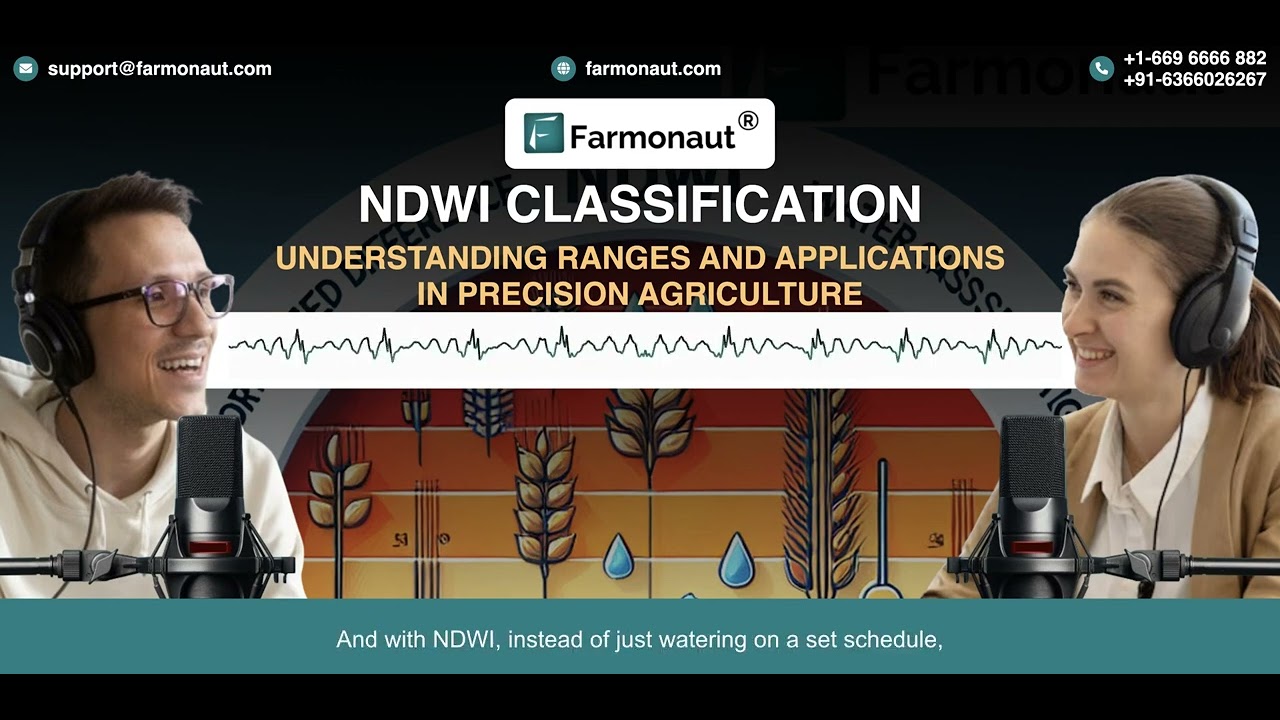
The integration of AI-powered systems and satellite imagery into Colorado agriculture has made proactive crop health management the norm. By monitoring fields through apps—like those offered on the Farmonaut platform—farmers can identify disease, nutrient deficiency, or pest outbreaks before they threaten yields.
- Satellite-based Normalized Difference Vegetation Index (NDVI) reports highlight growth patterns and stress.
- Machine learning models predict the likelihood of specific pests or diseases based on observed conditions and historic trends.
- AI-generated advisories recommend tailored responses, including repositioning irrigation schedules, adjusting fertilizer rates, or deploying targeted crop protection.

3. Drought-Resistant Seeds and Crop Varieties
The impact of ongoing drought and unpredictable weather in Colorado has pushed adoption of drought-tolerant varieties for major crops including wheat, barley, and corn. These seeds are bred naturally or genetically enhanced to thrive on less water while resisting heat and disease stressors that are more frequent due to climate change.
- Farmers are trialing hybrid corn and barley varieties with shorter growing cycles or deeper root structures.
- Collaborative breeding programs and private sector innovation are rapidly increasing adoption rates in the state, especially in Eastern Plains.
- Yield improvements of 23% have been documented where drought-resistant choices are consistently used.
4. Regenerative Agriculture and Soil Health Initiatives
Regenerative practices go beyond sustainability by actively restoring the landscape. Cover cropping, reduced tillage, and rotational grazing directly improve soil health, increase water infiltration, reduce erosion, and enhance biodiversity—all critical to Colorado’s future farm resilience.
- Rotational grazing is keeping pastures healthier for longer, reducing input costs and supporting local ecosystems.
- Agroforestry adds habitat and structure to the farm landscape, increasing resilience against weather extremes.
- For farmers seeking real-time carbon tracking and soil health metrics, platforms such as Farmonaut’s Carbon Footprinting Solution are making measurement and reporting more accessible.

5. Blockchain-Based Supply Chain Traceability
Transparency is a growing consumer demand, especially for organic and specialty crops produced in Colorado. Blockchain technology, increasingly adopted in 2025, allows for:
- Digital, tamper-proof records tracing a product’s journey from seed to shelf.
- Enhanced tracking of certified organic, specialty, or sustainably produced food.
- Improved trust for both buyers and sellers by reducing the risk of fraud.
- Increased eligibility for export contracts and value-added markets.
Explore how digital traceability can support farm and agribusiness compliance for Colorado agriculture at the Product Traceability Page.
6. Automated Machinery and Robotics
Large-scale farms are increasingly leveraging a new wave of automation, from robotic planters and weeders to fully autonomous combines. Advantages include:
- Reduced labor costs and enhanced efficiency in repetitive tasks (like weeding, spraying, and harvesting).
- Precision application of inputs (fertilizers, pesticides) based on field variability and crop need.
- Consistent, 24/7 performance unaffected by operator fatigue or human error.
7. Wearable Livestock Technology
Livestock ranching remains a vital pillar for farming in Colorado. In 2025, producers use wearable sensors and smart ear tags to:
- Continuously monitor health metrics—from temperature and heart rate to behavior and rumination.
- Detect early signs of illness or injury, reducing losses and improving animal welfare.
- Track grazing patterns, helping manage pasture use sustainably through data-driven rotational grazing.
For those managing entire operations across thousands of acres, Farmonaut’s Large-Scale Farm Management Solution makes it easy to supervise multiple fields, monitor satellite data on all crops, and enhance collaborative team oversight.
How Farmonaut’s Satellite and AI Technology Supports Colorado Agriculture
As the Colorado agriculture sector evolves, adapting to new climate and economic challenges, advanced digital platforms are helping farmers make the best decisions. We at Farmonaut bring a unique value through our satellite-based monitoring solutions, leveraging AI, machine learning, and blockchain traceability (learn about our API & API Developer Docs).
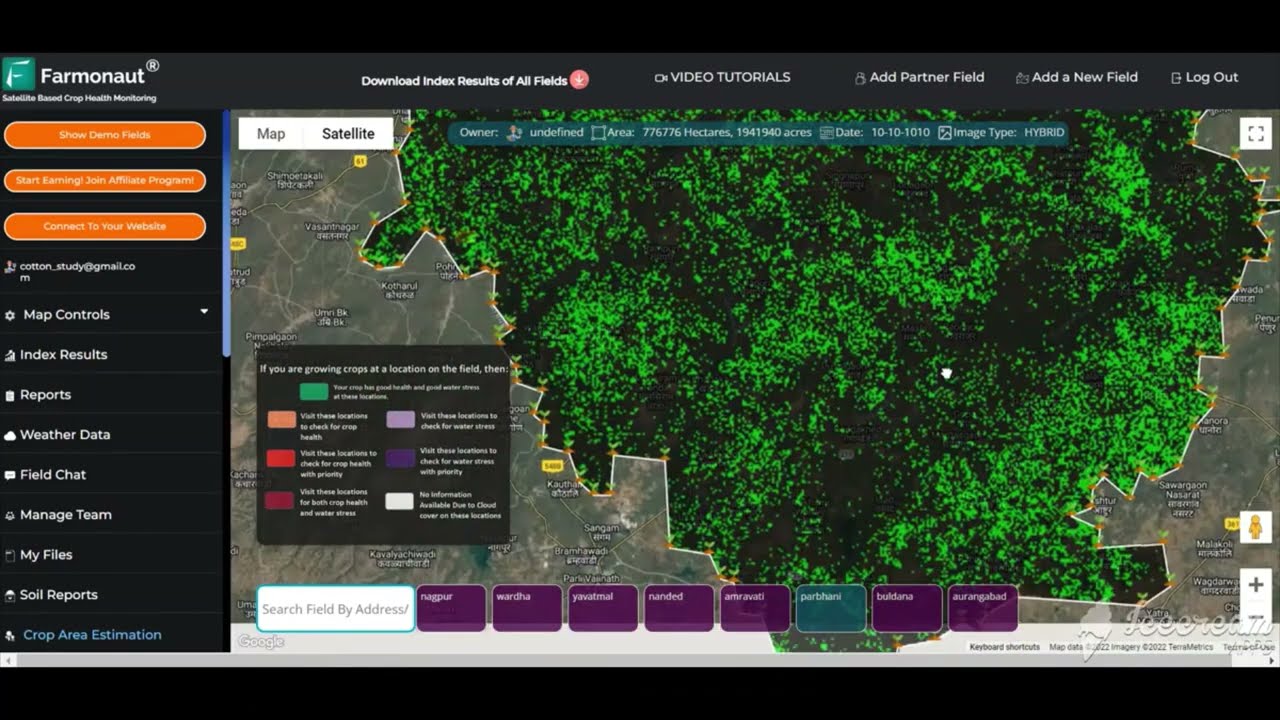
- Satellite Imagery Integration: We provide real-time monitoring for crop health, moisture stress, and environmental impacts, helping farmers in Colorado optimize input use for higher yields and improved sustainability.
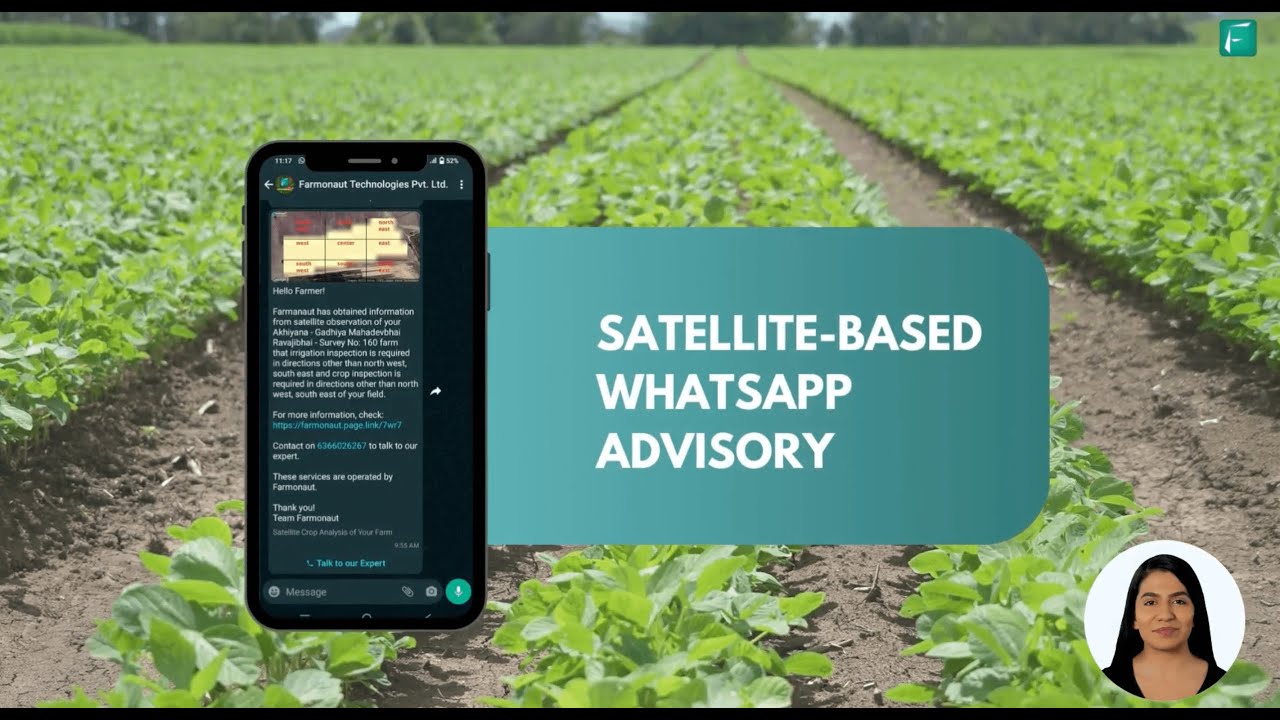
- Jeevn AI Advisory System: This advanced module delivers custom farming advice and real-time weather analytics—enabling smart, localized action for every Colorado field.
- Blockchain for Agri Traceability: We enable Colorado producers to build trust with consumers and retailers, documenting every stage of the supply chain in a secure, verifiable digital ledger.
- Environmental Impact Monitoring: By offering carbon footprint tracking integrated with sat-data, we help Colorado’s producers participate in carbon credit markets and comply with evolving environmental standards.
Get satellite-based, instant insights for your farm today.
Farmonaut Subscription Plans
Note: Farmonaut does not sell agricultural products, machinery, or function as a regulatory agency. Our commitment is to deliver affordable, actionable satellite insights that power smarter agricultural decisions in Colorado and beyond.
Major Challenges Facing Colorado Agriculture in 2025 and Solutions
Despite substantial advances, Colorado farming in 2025 continues to face significant hurdles. Understanding these challenges and the ways in which technology is helping to address them is crucial for every stakeholder in the agricultural sector.
1. Water Scarcity and Increasing Competition
- Colorado’s limited snowpack-fed rivers and rights negotiations make smart water management a non-negotiable priority for producers and ranchers.
- Advanced irrigation systems and satellite-based moisture monitoring address the need for smarter allocation and scheduling.
- Explore how digital NDWI (Normalized Difference Water Index) and satellite tech optimize every drop—read more here.
2. Climate Change and Unpredictable Weather
- Weather is increasingly variable, bringing drought, late freezes, and heatwaves that threaten yield and profitability.
- Farmers are offsetting these risks through diversified crop rotations, climate-resilient varieties, and digital decision platforms.
3. Market Volatility and Input Costs
- The high cost of seed, fertilizer, and labor—plus fluctuating commodity prices—mean that automated systems and predictive analytics are more valuable than ever.
- Platforms offering remote, accurate field monitoring (like Farmonaut’s) help cut guesswork and reduce unnecessary inputs by up to 18%.
4. Labor Shortages and Operational Complexity
- Advanced machinery and automation are supporting farmers where human labor is scarce or costly.
- Remote digital tools and fleet scheduling improve the efficiency of both people and equipment, especially on large or distributed Colorado operations. Discover more about advanced fleet optimization through Farmonaut Fleet Management.
5. Soil Health and Long-term Sustainability
- Regenerative practices are key to rebuilding soil, maintaining yields, and securing the future for agriculture in Colorado. Carbon footprinting and traceability tools are helping supply chain partners verify and reward sustainable outcomes.
- See options for crop producers and ranches at Farmonaut Carbon Footprinting.
FAQ: Colorado Agriculture Innovations 2025
What are the top focus areas for farming innovation in Colorado for 2025?
The main focus areas are precision irrigation, AI-driven crop management, regenerative agriculture, deploying drought-resistant seeds, enhancing supply chain transparency, and integrating automation and wearable livestock technologies.
How is technology improving water use in Colorado agriculture?
Advanced monitoring tools such as soil moisture sensors, satellite imagery, and AI analytics are enabling a 35% reduction in water use per acre by helping farmers irrigate only when necessary.
What role does satellite monitoring play in farming Colorado?
Satellite technology allows for real-time assessment of crop health, water stress, and environmental impacts. Services like Farmonaut provide easy access to this data through mobile and web apps, supporting smarter management and faster response to field conditions.
Why is traceability important for Colorado agriculture?
Traceability builds consumer confidence, particularly for organic and specialty products by guaranteeing every step from farm to shelf is tracked and verified. Blockchain solutions help Colorado farms meet international export standards and rising consumer expectations.
Which crops are most commonly grown in Colorado farms now?
The major crops remain corn, wheat, hay, barley, and sugar beets. Additionally, hemp and organic vegetables are becoming common, enabled by advanced greenhouse and high tunnel systems that mitigate climate risks.
Conclusion
Colorado agriculture in 2025 is defined by a passionate commitment to innovation, adaptation, and sustainability. Technologies like smart irrigation, AI-driven crop monitoring, regenerative soil practices, and blockchain-based traceability allow farmers to overcome ongoing climate change, water scarcity, and market volatility challenges. Diverse cropping strategies and new digital tools are ushering in a resilient, responsible era for farming in Colorado. As communities and ranchers continue to integrate advanced solutions, the state’s agricultural sector stands prepared to feed local communities—and beyond—while securing profitability and a healthier environment for generations to come.
For those eager to leverage the power of satellite-driven insights in their Colorado farming operations, visit Farmonaut’s web platform, download on Android or iOS, or explore our developer API documentation.
Farming in Colorado is not just surviving climate uncertainty—it’s thriving, powered by knowledge, data, and the spirit of innovation.
Discussion
Questions, corrections or field experience? Share them below. First-time comments are reviewed before they appear, and your email is never published.
No comments yet. Be the first to add a question or your experience.

 BACF Africa
 Nivia
Nivia Doodlakine
 Exurbia Geospatial
 FieldZero
 Indico Company
 Kubota
 FFBS
FFBS Jontra
 Kalustyan
 Tucor
Tucor Hayleys Agriculture
 Linx Agritech
