

Table of Contents
- Introduction: The Transformation of Agriculture in Dubai
- Challenges of Agriculture Dubai Faces
- 7 Innovations Revolutionizing Agriculture Dubai
- Comparative Innovations Table
- Technological Advancements & Water Management
- Crop Selection & Food Security
- Urban Agriculture & Community Involvement
- Forestry Initiatives & Green Spaces
- How Farmonaut Empowers Sustainable Agriculture Dubai
- FAQs: Agriculture in Dubai
- Future Outlook: From Desert to Thriving Farms
Dubai’s Bustanica vertical farm says it uses 95% less water than conventional farming to grow its leafy greens (Emirates).Agriculture in Dubai: 7 Innovations for Agriculture Dubai
Agriculture in Dubai, once considered nearly impossible due to arid landscapes and extremely high temperatures, has undergone a remarkable transformation, emerging as a global model of resilience and sustainability. Traditionally known for rapid urban development, the emirate has strategically invested in advanced technologies—such as vertical farming, hydroponics, and smart irrigation—to rethink agriculture Dubai-style.
In 2026 and beyond, the world looks to Dubai for innovative inspiration as the agricultural sector redefines its approach, blending regional adaptation with cutting-edge solutions to overcome harsh climatic conditions, scarce water resources, and sandy soils. This comprehensive guide explores how Dubai’s agriculture sector is meeting these challenges head-on—creating thriving farms where once there was only desert.
Key Insight: Dubai’s model for agriculture showcases how cities with extreme arid and desert conditions can establish sustainable farms while ensuring food security for their populations.
Challenges of Agriculture Dubai Faces
Agriculture in Dubai is not a story of easy success. The emirate faces several inherent challenges that have fundamentally shaped the region’s agricultural development:
- Harsh Desert Climate: Dubai’s region is characterized by extremely high temperatures (often exceeding 45°C) and minimal annual rainfall (less than 100mm).
- Scarce Freshwater Resources: With no perennial rivers or lakes, freshwater supplies are limited, and desalination or treated wastewater is crucial for irrigation.
- Poor Soil Quality: Sandy soils with low nutrient content and high salinity require innovative approaches for crop growth.
- Rapid Urbanization: Dubai’s development has led to limited arable land, necessitating space-efficient urban farms and other alternatives.
- Expensive Irrigation: Due to water scarcity, maintaining large-scale, conventional farming operations is economically challenging.
Common Mistake: Assuming that the old models of field-based farming will work in Dubai’s arid environment—success here depends on localized innovation and resource efficiency.
7 Innovations Revolutionizing Agriculture Dubai
To overcome seemingly insurmountable obstacles, Dubai’s agriculture sector has embraced a buzzing ecosystem of innovation and sustainability. Here are the seven most crucial advancements transforming Dubai’s farms into high-yield, resource-efficient, and environmentally friendly operations in 2026:
- Hydroponics — Water-savvy, soilless farming systems
- Vertical Farming — Sky-high, space-optimizing stacked crops
- Aquaponics — Closed-loop food systems that combine fish and plants
- Drip Irrigation & Precision Water Management — Delivering water directly to roots
- Smart Greenhouses & Controlled Environments — Technology-powered, year-round production
- Renewable Energy Integration — Reducing carbon footprint via solar-powered systems
- Satellite & IoT-Enabled Monitoring — Data-driven decision-making for maximum efficiency
Pro Tip: For maximum sustainability and yield in Dubai’s arid sector, combine vertical farming with real-time water usage monitoring to optimize crop production and reduce waste.
Comparative Innovations Table: 7 Pillars of Agriculture in Dubai
✔ Key Benefits of Dubai’s Innovative Agriculture
- 💧 Water Saving: Modern systems cut consumption by up to 95%.
- 🌱 High Yield: Up to 250x more leafy greens per square foot than traditional fields.
- ⚡ Lower Costs: Renewable energy reduces operational expenses and emissions.
- 🌏 Year-round Food Production: Technology-powered farms are immune to seasonal fluctuations.
- 📡 Data-driven Decisions: Satellite and IoT monitoring maximizes productivity and resource use.
1. Hydroponics: Soilless Solutions for Dubai’s Arid Agriculture
Hydroponic farming is leading the way for agriculture in Dubai by using nutrient-rich water solutions instead of traditional soil. In arid and desert landscapes, where sandy soils are inhospitable to most crops, hydroponics offers an extremely water-efficient and high-yield alternative. This technology enables local farms to grow vegetables, fruits, and herbs with far less water than open-field methods, because the nutrient solution is recirculated—a huge advantage when freshwater resources are scarce and expensive.
- Reduces reliance on soil preparation and pest control
- Enables high-density cultivation—even in urban settings
- Allows for rapid, year-round crop production
- Supports Dubai Government’s “Food Security Strategy 2051”
- Reduces import dependency by boosting local food production
2. Vertical Farming: Going Sky-High for Sustainable Crops
Vertical farming stacks crops in multi-level racks inside controlled, often urban, environments—helping Dubai’s agriculture maximize production within compact spaces. This is a game-changer for urbanized Emirates where land is limited and real estate values are high.
- Uses up to 95% less water than traditional field farming
- Enables year-round cultivation of greens, herbs, and select fruits
- Relies on advanced LED lighting, hydroponic systems, and climate automation
- Slashes food miles by locating farms close to urban communities and distribution centers
- Empowers sustainable food security for Dubai’s rapidly growing population
Investor Note: Vertical farms require upfront investment in automation, but lower input costs and premium pricing for fresh, local produce lead to significant long-term returns.
3. Aquaponics: Eco-Friendly Closed-Loop Food Systems
Aquaponic systems marry fish farming (aquaculture) with soil-less plant cultivation (hydroponics). Fish waste provides fertilizer for plants, which in turn filter and clean the water for the fish—a highly sustainable and resource-efficient ecosystem.
- No chemical fertilizers needed; natural biological cycle
- Yields both fresh fish and vegetables, maximizing outputs from the same water
- Ideal for educational initiatives, hospitality, and small-scale urban agriculture
- Lowers environmental impact by reusing water and nutrients
4. Drip Irrigation & Precision Water Management: Targeted Efficiency
Under the harsh climatic conditions of Dubai’s desert region, water scarcity has driven agriculture to adopt precision irrigation such as drip and micro-sprinklers. These systems ensure every drop counts, reducing runoff and evaporation while boosting root-zone efficiency.
- Up to 70% less water used compared to traditional surface watering
- Supported by sensors and control systems for on-demand irrigation
- Delivers water, nutrients, and even pest control solutions directly to plant roots
- Minimizes weed growth by keeping leaf surfaces and open soil dry
Common Mistake: Over-irrigating or using blanket watering methods wastes precious freshwater and encourages disease—precision is critical for agriculture Dubai.
5. Smart Greenhouses & Controlled Environments: 24/7 Crop Production
Dubai’s agricultural sector embraces controlled environment agriculture (CEA) to shield crops from extreme summer temperatures, sandstorms, and pests. Smart greenhouses employ sensors to monitor light, humidity, CO2, and nutrients—adjusting conditions for optimal crop growth at all times of the year.
- Grow high-value tomatoes, leafy greens, and herbs on commercial scale
- Automation and robotics reduce labor and maintenance costs
- AI data analytics improve productivity, forecast yields, and minimize resource wastage
6. Renewable Energy Integration: Powering Sustainability in Dubai
With an abundance of sunlight, Dubai’s farms are turning to solar panels and other renewable energy sources, especially for powering greenhouses, irrigation pumps, and farm automation systems. This shift not only reduces operational costs but also aligns with government goals of cutting carbon emissions and ensuring environmental sustainability.
- Reduces electricity bills by up to 30%
- Decreases overall carbon footprint
- Enables fully off-grid farming solutions in remote or sandy desert areas
7. Satellite & IoT-Enabled Monitoring: Data-Driven Decision Making
Modern farms in Dubai leverage satellite imaging, IoT sensors, and AI analytics solutions to monitor everything from crop health to soil moisture and nutrient status in real time. This approach—known as precision agriculture—maximizes yields while reducing unnecessary inputs like water or fertilizers.
- Detects plant stress, pest outbreaks, and water imbalances early
- Delivers actionable insights for timely intervention
- Supports Dubai’s vision of high-tech, sustainable agriculture
Data Insight: Satellite and sensor monitoring shows where water or fertilizer is being over-applied, so farms can cut inputs where crops do not need them.
🌱 Environmental & Sustainability Wins
- ♻️ Reduced Waste: Targeted inputs and closed-loop farming cut down leftovers and chemical runoff.
- 🌿 Biodiversity Enhancement: Urban forestry and green belts foster microclimates and boost biodiversity.
- 🔋 Low-Emission Operations: Renewable energy, solar pumps, and carbon tracking curb greenhouse gases.
- 🔗 Food Traceability: Platforms powered by blockchain (like Farmonaut’s traceability solutions) ensure supply chain transparency, building trust and confidence.
- 🏡 Community Engagement: Urban agriculture promotes healthy living, local food access, and educational outreach.
Technological Advancements & Strategic Water Management
The heart of Dubai’s agricultural success story is the strategic, high-tech management of water and energy resources. The city’s farms rely on several advanced practices to maximize agriculture output, even in the face of severe water scarcity and high temperatures:
- Desalination: Saltwater is converted into irrigation-grade water at a vast scale.
- Tertiary Wastewater Treatment: Recycled water is now a major resource for crop irrigation.
- Precision Irrigation Technologies: Drip and micro-sprayers put water at the root zone and lose less to evaporation than surface watering.
- IoT Integration: Real-time monitoring of moisture, nutrients, and disease threats ensures every drop is optimized.
How Farmonaut Empowers Sustainable Agriculture Dubai
As advanced monitoring and decision-support technologies become critical to agriculture in Dubai, we at Farmonaut provide affordable, accessible, satellite-driven insights to help government, agricultural businesses, and individual farmers maximize productivity, save water, and scale sustainability.
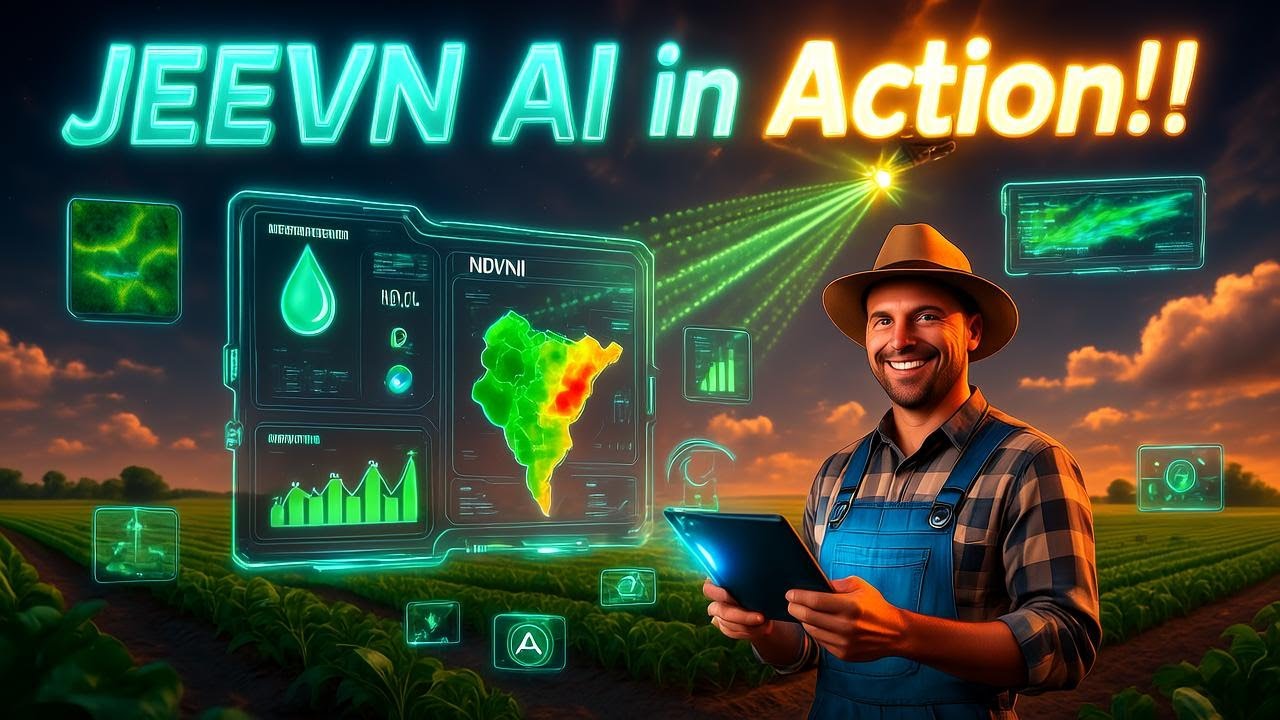
- Satellite-Based Monitoring: Large-scale farm management receives continuous NDVI, soil, and crop status reports—empowering proactive intervention, especially in Dubai’s harsh environment.
- AI-Driven Advisory: Our Jeevn AI provides crop-specific tips using real-time satellite weather and sensor data, increasing yields and reducing crop losses due to unpredictable conditions.
- Blockchain Traceability: By integrating blockchain into product traceability, we help ensure food safety and transparency from farm to table.
- Carbon Footprint Monitoring: Our carbon footprinting tools enable Dubai’s agriculture sector to track emissions and meet sustainability targets.
- API for Developers: Farmonaut API and developer docs allow businesses and researchers to embed satellite insights in custom apps, integrating advanced crop, soil, and water analytics.
Access our platform through Android, iOS, or our comprehensive web app below:



Our subscription-based packages are tailored for everyone—from single-user smallholders to government institutions. Explore pricing:
Farmonaut Highlight: Our platform democratizes satellite and AI tools for agriculture, enabling any Dubai farm—big or small—to join the sustainable farming revolution in 2026 and beyond.
Crop Selection & Food Security – Dubai’s Strategic Choices
In planning a sustainable future, the Dubai government carefully tailors what crops to prioritize, based on water use, climate adaptability, and return on investment. Most farms grow leafy greens, herbs, tomatoes, cucumbers, peppers, and strawberries—chosen for their high market value and suitability for controlled environments.
- Leafy Greens: Lettuce, kale, arugula—fast-growing and high yield in both hydroponic and vertical setups
- Tomatoes & Cucumbers: Thrive in greenhouse, hydroponic, and aquaponic systems
- Specialty Herbs: Basil, mint, chives—support gourmet markets and hospitality sector
- Strawberries & Berries: Premium producers for local, fresh markets
The UAE’s National Food Security Strategy 2051 aims to make the country the world’s best in the Global Food Security Index by 2051, partly by using modern technology to raise local production (UAE Government). Subsidies, research, and public-private programs are designed to expand the agricultural sector’s productivity and safeguard Dubai’s food future.
✔ 5 Strategic Outcomes of Dubai’s Food Security Strategy
- Stable Supply: Year-round controlled environment farming
- Crucial Resiliency: Less vulnerability to global trade disruptions
- Fresher : Enabling farm-to-table urban logistics
- Higher Nutrition: Stronger control over quality, fertilizer & pesticide usage
- Local Empowerment: Community gardens and rooftop farms for decentralized access
Urban Agriculture & Community Involvement: A Greener Dubai
As land becomes scarcer in Dubai’s rapidly growing cities, urban agriculture—such as rooftop farms, vertical gardens, and community allotments—provides fresh options for local food production and sustainability.
- Engages residents in hands-on crop cultivation
- Promotes organic, chemical-free produce for city dwellers
- Boosts awareness on nutrition, food security, and environmental protection
- Improves biodiversity and air quality through increased green coverage
Community-driven agriculture supports Dubai’s sustainability agenda and empowers districts to “grow local, eat fresh”—even if only on rooftops or community plots.
Forestry Initiatives & Green Spaces: Combatting Desertification
While Dubai lacks natural forests, urban forestry projects and public green spaces are now central to sustainable urban planning. Tree planting campaigns, structured green belts, and landscaped buffers not only shift microclimates, but also help reduce desertification and lower urban heat island effects.
- Government-led tree planting—palm, ghaf, and indigenous species
- Urban parks foster biodiversity close to city centers
- Helps absorb CO₂, provides shelter for urban wildlife, and improves residents’ wellbeing
- Enhances value and resilience of Dubai’s agricultural ecosystem
These green initiatives implicitly support agriculture by stabilizing soils, moderating harsh summer temperatures, and creating a more habitable climate for both plants and people.
Caution: Planting non-native species in forestry projects can backfire—it’s vital to select those suited to Dubai’s arid conditions and water restraints.
Dubai’s main farm projects, by name
The UAE imports about 90% of its food, and only about 5% of its land is suitable for crops (AGBI). Dubai’s answer has been to grow indoors and near the city. These are the projects most people mean when they talk about agriculture in Dubai.
- Bustanica. Opened in 2022 by Emirates Flight Catering and Crop One near Al Maktoum International Airport. The 330,000 sq ft hydroponic vertical farm was built to grow more than 1,000,000 kg of leafy greens a year. It uses no soil or pesticides and 95% less water than conventional farming (Emirates).
- Food Tech Valley. Launched in 2021 in the Warsan area, planned over 18 million sq ft. It aims to triple Dubai’s food production, with zones for farming, logistics, research and business (AGBI).
- National Food Security Strategy 2051. The federal plan behind these projects. It aims to put the UAE at the top of the Global Food Security Index by 2051 and focuses on a national basket of 18 key food types (UAE Government).
Most indoor output is leafy greens, herbs, tomatoes, cucumbers and strawberries. These crops suit controlled environments and sell at prices that cover the cost of cooling and lighting. Dates and fodder crops are still grown outdoors under drip irrigation, mostly outside the city.
FAQ: Agriculture in Dubai
Q: How has Dubai overcome its harsh climate for agriculture?
Dubai employs hydroponics, vertical farming, precision irrigation, smart greenhouses, and satellite-led monitoring to maximize output in arid, sandy, high-temperature conditions. Combining advanced technology with careful resource planning is the key.
Q: What are the most common crops in Dubai’s agricultural sector?
Leafy greens (lettuce, arugula, kale), tomatoes, cucumbers, specialty herbs, and strawberries are dominant—chosen for adaptability to hydroponic and controlled environments and local market demand.
Q: How much water can be saved using modern agriculture technology in Dubai?
Bustanica, Dubai’s largest vertical farm, reports using 95% less water than conventional farming (Emirates). Drip irrigation also saves water on open fields, though savings vary by crop and soil.
Q: What role does Farmonaut play in agriculture in Dubai?
We provide satellite-driven crop and soil analytics, AI-powered decision support, carbon footprint tracking, fleet monitoring, and blockchain traceability—helping all stakeholders maximize efficiency, reduce losses, and ensure sustainability in Dubai’s unique environment.
Q: Is urban agriculture viable for Dubai in the future?
Absolutely—urban agriculture is integral to Dubai’s future food security, offering fresh produce within city limits and enhancing green space and biodiversity.
Future Outlook: Agriculture Dubai 2026 and Beyond
By 2026 and into the next decade, Dubai’s agricultural model stands out globally for its ingenious blend of technology, strategic planning, and environmental responsibility. The emirate is expected to:
- Lead in desert-based, controlled-environment agriculture globally
- Export agri-tech expertise and sustainability solutions to other arid regions
- Transform more urban rooftops and public spaces into productive farms
- Achieve and document carbon neutrality in key agricultural sectors
- Reduce reliance on food imports through resilience and local capacity
As new tech—such as AI, advanced robotics, and further renewable innovations—emerges, Dubai will continue to redefine what’s possible in arid agriculture worldwide.
Ultimate Takeaway: Agriculture in Dubai proves that with vision, tech, and strategy, even the harshest environments can be transformed into thriving, sustainable farms—setting new standards for the future of food and environmental security.
Want to bring advanced agri-tech to your Dubai farm?
Discover Farmonaut’s affordable crop monitoring, carbon tracking, and traceability solutions—empowering agricultural transformation in arid, urban, and traditional settings across Dubai.
-
Fleet Management
Optimize farm logistics & monitor vehicle efficiency with satellite-driven tools. -
Crop Loan & Insurance Verification
Speed up risk-verified loans and insurance using satellite analytics.
Discussion
Questions, corrections or field experience? Share them below. First-time comments are reviewed before they appear, and your email is never published.
No comments yet. Be the first to add a question or your experience.
Leave a comment






 Wild Oak Farm
 KJBN Labs
 SFX
SFX BACF Africa
 Doodlakine
 Exurbia Geospatial
 FieldZero
 Indico Company
 Kubota
 FFBS
FFBS Jontra
 Tucor
Tucor
 Licence holder · Niger · Gold
 Licence holder · Nigeria · Gold + lithium










