

- Introduction
- Trivia: Early Mechanization and Irrigation in West Texas
- Key Technological Advances Reshaping West Texas Agriculture
- Comparative Timeline Table: Farming Innovation in West Texas
- Center-Pivot Irrigation & Efficient Water Management: Unlocking Potential
- Mechanization and Improved Planting/Harvesting Equipment
- Water Rights, Irrigation Engineering, and Infrastructure
- Soil Conservation and Land Rehabilitation in the Plains
- Key Insights & Pro Tips
- Direct Outcomes of Improvements in Farming Technology
- Vital Innovations for Agriculture in Desert Regions
- This Agricultural Innovation Improved Farming on the Western Plains
- Relevance to 2026 and Beyond: Smart, Sustainable Frontiers
- Farmonaut and the Next Era of Agriculture
- Investor Notes, Common Mistakes & More
- FAQ: Farming Technology Innovation in West Texas
- Conclusion
Farming Technology Innovation: Key Advances in West Texas
Title: The Impact of Farming Technology on West Texas and the Transformation of the Open Range Era (Agriculture Context)
Across the agricultural frontier, technological innovation has dramatically reshaped the way land is cultivated, managed, and sustained. In West Texas, a region characterized by arid and semi-arid conditions, major advances in irrigation, mechanization, and soil conservation have not only improved the viability of farming but also contributed to the closing of the historic open range era. Through focused innovations such as center-pivot irrigation, efficient water management, mechanized planting/harvesting equipment, and soil conservation techniques, West Texas agriculture has gone through a profound transformation.
This blog explores which technological innovation contributed to the improvement of farming in west texas and the closing of the open range?, investigates key advances in farming technology innovation, and discusses how these innovations have reshaped land use, crop production, and grazing practices—leading to a new era of sustainable, tech-driven agriculture with continued relevance well into 2026 and beyond.
“By 1940, over 60% of West Texas farms used mechanized tractors, revolutionizing crop production efficiency.”
“Irrigation technology expanded irrigated farmland in West Texas from 150,000 acres in 1930 to over 1 million by 1950.”
Key Technological Advances Reshaping West Texas Agriculture
The agricultural transformation of West Texas is inseparable from a series of key innovations in irrigation, mechanization, water governance, and soil conservation. Each technological advance addressed the unique climate, soils, and economic pressures encountered by those cultivating the region’s vast plains and rangelands.
- ✔ Irrigation and Water Management: From center-pivot systems to efficient drip irrigation and water rights management, the ability to deliver and conserve water proved vital.
- ✔ Mechanization: The widespread replacement of animal labor with tractors, harvesters, and planters reduced costs and improved scalability.
- ✔ Soil Conservation: No-till practices, windbreaks, and nutrient management protected productivity and resilience.
- ✔ Legal and Engineering Solutions: Water rights adjudication and improved infrastructure enabled sustainable operations and reliable settlements.
Below, we chart the most important innovations, answering questions like “which technological innovation contributed to the improvement of farming in west texas and the closing of the open range?”, and connect these to direct outcomes in land use, yields, and sustainability.
Comparative Timeline Table: Farming Innovation in West Texas
| Year/Decade | Technological Innovation | Estimated Implementation in West Texas (%) | Key Impact on Agriculture |
|---|---|---|---|
| Late 1800s | Barbed Wire Fencing | < 15% | Initiated closing of the open range, enabled controlled grazing |
| 1920s-1930s | Windmills for Water & Early Pumps | 20–35% | Expanded irrigable land, improved livestock water access |
| 1930s–1940s | Mechanization (Tractors, Combines) | ~60% | Reduced labor needs, higher yields, more consistent production |
| 1940s–1950s | Sprinkler Irrigation Systems | ~40% | Uniform crop watering, introduction of larger row crop acreage |
| 1950s–1970s | Center-Pivot Irrigation | 30–70% | Dramatic increase in irrigated acreage, crop diversification, resilience against drought |
| 1970s–1990s | Soil Conservation Practices (No-Till, Windbreaks, Cover Crops) | 50–75% | Reduced soil loss, increased land longevity |
| 1990s–2010s | Drip Irrigation, Precision Equipment, Data-Driven Management | 20–45% | Optimized water use, higher yields, reduced waste |
| 2020–Present | Satellite Monitoring, AI-Driven Insights, Automation | ~30% (growing rapidly) | Real-time management, sustainability, further reduction in resource waste |
Center-Pivot Irrigation & Efficient Water Management: Unlocking Potential
Which technological innovation contributed to the improvement of farming in west Texas and the closing of the open range?
A clear candidate is the center-pivot irrigation system—a breakthrough that, in combination with efficient sprinkler and later drip irrigation technology, allowed for precise, scalable delivery of water across vast, arid landscapes.
- 📊 Dramatic expansion of farmland: Center-pivot systems enabled formerly marginal rangeland to become productive, uniformly watered cropland.
- ✔ Labor savings: Large tracts could now be irrigated with far less manual input.
- ✔ Higher, more reliable yields: Supported a shift towards intensive row crops (corn, sorghum, cotton, peanuts) and enabled perennial pastures resilient to drought.
- ✔ Water conservation: Uniform coverage and efficient use reduced waste—essential in a semi-arid region with limited resources.
- ✔ Closing the open range: The ability to farm year-round, support fenced operations, and boost crop diversity reduced the need for vast, seasonal open-range cattle grazing.
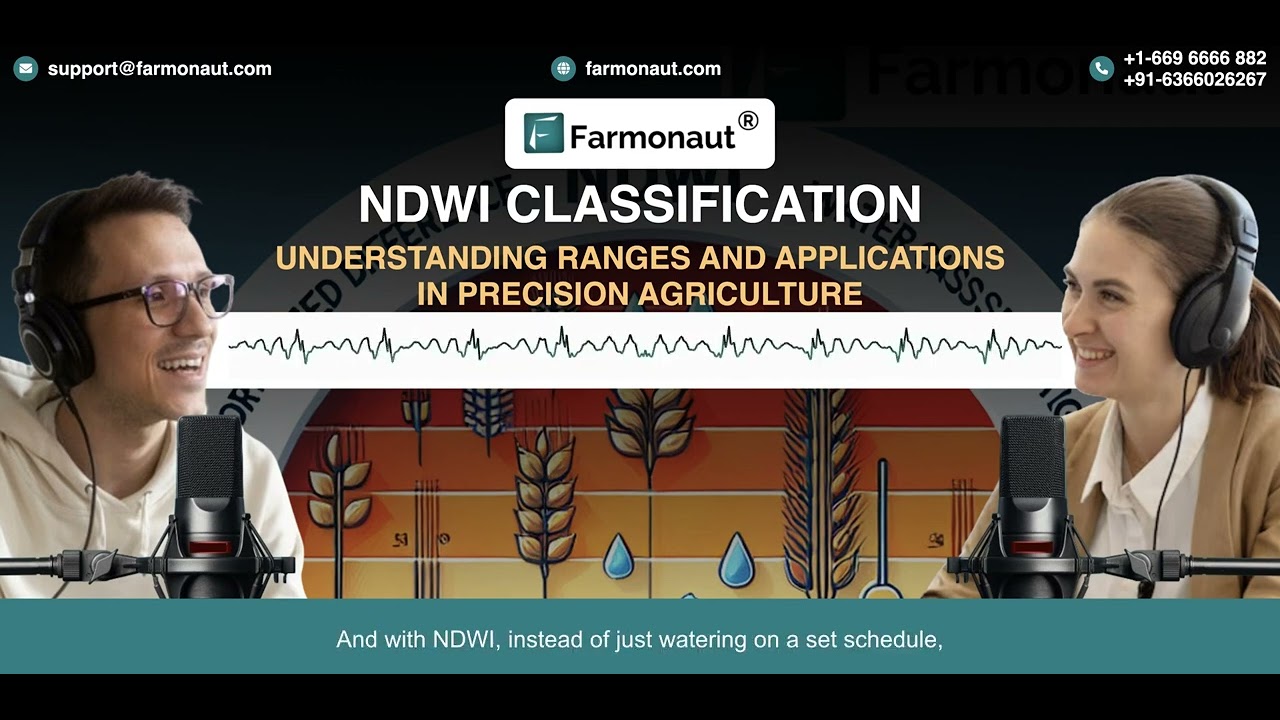
The outcomes of this shift are still felt today, as modern innovations build upon efficient irrigation to support precision agriculture and sustainable production on Texas’s western plains and beyond.
- 💧 Efficient water use (key in all desert regions)
- 🌱 Enabling crop diversification in arid landscapes
- 🟢 Greater stability for perennial pastures
- 🚜 Support for mechanized operations
- ⬆️ Increased productivity per acre

Which of the following technological innovations is vital to agriculture in desert regions?
The answer is both center-pivot and drip irrigation. Their ability to deliver water precisely and efficiently is a core requirement for arid and semi-arid agriculture worldwide—including the West Texas context.
Mechanization and Improved Planting/Harvesting Equipment
The shift from animal and labor-intensive agriculture to mechanized cultivation is among the most transformative events in West Texas agriculture. Today, the region’s large tracts and long growing season are synonymous with efficient, machine-powered operations.
- ✔ Replacement of horses and manual labor with tractors, mechanical planters, harvesters, and balers
- ✔ Efficient tillage and planting: Faster planting/harvesting allows optimized crop rotation and soil-building practices
- ✔ Reduction in costs and increased scale: Farmers manage larger tracts with fewer workers
- ✔ Increased yield reliability and predictability
- ✔ Enabling the adoption of modern soil conservation methods
- 🎯 Greater production economies & profits
- 👨🌾 Reduced dependence on seasonal labor
- 🔥 Improved uptime during optimal weather conditions
- 📈 Boosted resilience in extreme weather years

Water Rights, Irrigation Engineering, and Infrastructure
Why was governance so important?
- 📢 Legal systems: Water rights adjudication helped allocate usage fairly, supporting permanent settlements
- 🏗️ Infrastructure investment: Dams and pipelines stabilized water supply for crops/cattle
- 💡 Outcome: Support for fenced operations, enabling a shift away from the unpredictable, open range grazing model

In modern farming, digital tools help manage and monitor precise water application and large scale farm management.
Soil Conservation and Land Rehabilitation in the Plains
Why is soil health so crucial?
The high plains of West Texas are prone to harsh winds and erosion events (notably the Dust Bowl era). Protecting the soil via conservation practices (such as no-till and cover crops) was essential for land longevity and sustained, reliable yields.
- ✔ Soil testing & nutrient management: Data-driven fertilizer applications, improved soil structure
- ✔ No-till/reduced-till: Minimized erosion and moisture loss
- ✔ Windbreaks and cover crops: Reduced wind erosion, improved biodiversity and resilience

These techniques not only reduced risk in drought-prone years but also reinforced the viability of production systems built on sustainable land management.
Key Insights & Pro Tips
The closing of the open range in West Texas was not a single event, but the outcome of cumulative technological advances—from fencing to irrigation infrastructure, mechanization, and soil conservation. Each reduced the reliance on unfenced, communal grazing and promoted sustainable, high-yield farming enterprises.
For farmers and agribusinesses in arid regions today, adopting advanced irrigation systems and real-time precision monitoring (such as satellite-based NDVI and soil health assessments) can optimize water use and provide early warnings about crop stress, weeds, and disease.
Ignoring local soil health data when implementing large-scale irrigation can accelerate salinization or soil loss—especially in West Texas’s arid soils. Invest early in soil conservation.
“By 1940, over 60% of West Texas farms used mechanized tractors, revolutionizing crop production efficiency.”
“Irrigation technology expanded irrigated farmland in West Texas from 150,000 acres in 1930 to over 1 million by 1950.”
Direct Outcomes of Improvements in Farming Technology
Which of the following is a direct result of the improvements made in farming technology?
- ✔ Increased productivity per acre: This direct outcome allowed more food and fiber to be grown using the same or less land, especially with efficient irrigation technology (this agricultural innovation improved farming on the western plains).
- ✔ Consolidation of landholdings: The rise of fenced, organized farms outcompeted open-range systems and enabled planned crop rotations and grazing.
- ✔ Transition to managed enterprises: Rangelands were converted into reliable, productive farmland supporting a mix of crops and managed pastures.
- ✔ Reduction in labor needs: Mechanization cut manual labor costs, made larger-scale farming possible, and improved economic resilience in drought years.
- ✔ Increased diversity: New irrigation and conservation innovations supported row crops and specialty plantings suited to the unique climate and soils of West Texas.



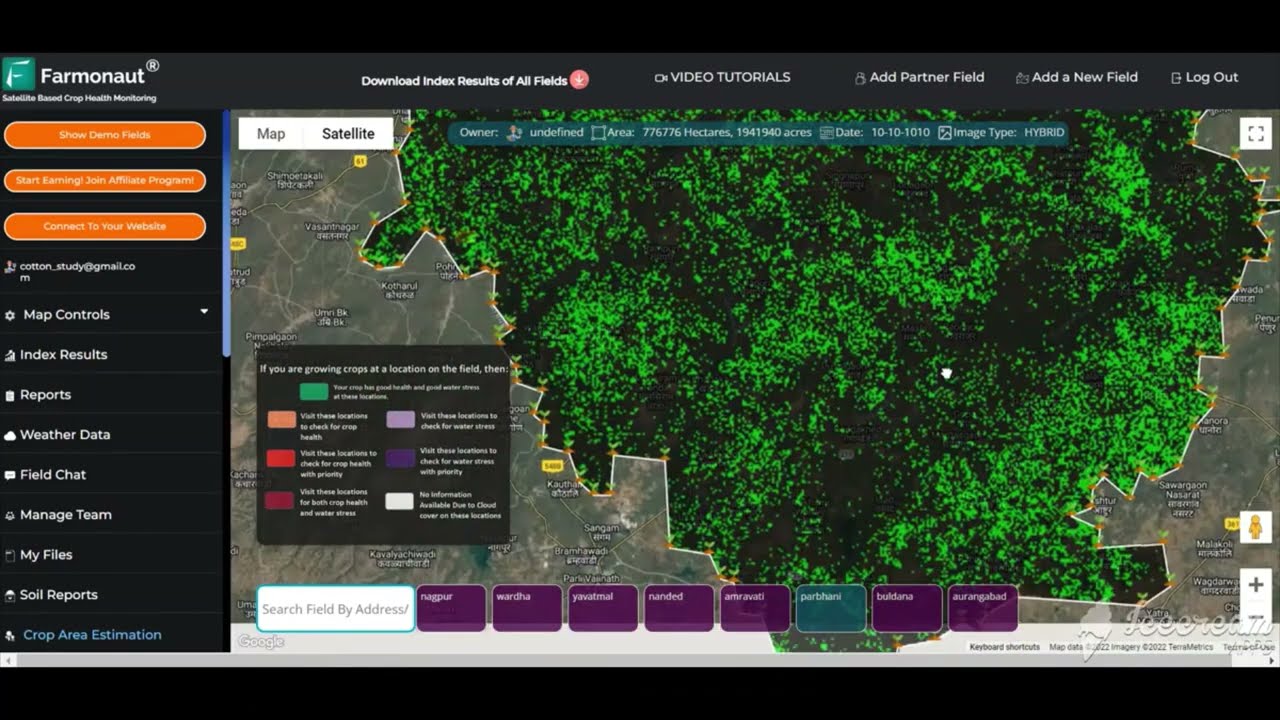
Farmonaut’s web and mobile apps enable users in West Texas (and globally) to monitor their land, optimize crop health via satellite data, and improve resource management for both row crops and pastures.
For developers and agribusinesses seeking integration, find our API access here, with full developer documentation here.

Vital Innovations for Agriculture in Desert Regions
Which of the following technological innovations is vital to agriculture in desert regions?
- 💧 Efficient irrigation systems (especially center-pivot and drip irrigation)
- 🌿 Soil and water conservation practices (no-till, cover cropping, windbreaks, advanced soil testing)
- 🌾 Salt- and drought-tolerant crop cultivars bred for West Texas/ western US arid climates
- 🛰️ Remote sensing & real-time decision-support tools (satellite, AI, digital mapping)
- 🔗 Water governance systems that allocate and monitor usage effectively
These innovations enable sustained production with limited rainfall, minimize water waste, and protect soil health in harsh climates.
Track and reduce your farm’s carbon impact with Farmonaut’s Carbon Footprinting solution!
This Agricultural Innovation Improved Farming on the Western Plains
“This agricultural innovation improved farming on the western plains.” The answer is center-pivot irrigation—but not in isolation. It acted as a catalyst for crop diversification, year-round production, and optimal land use. Supported by mechanization and soil conservation, it enabled the West Texas region (and similar plains regions) to convert marginal land into high-output farmland, ultimately closing the open range era.
With this foundation, farmers and land managers in the western United States and other arid regions continue to build resilient, sustainable operations.
- 📊 Data-driven water management now supports allocations down to individual fields, reducing waste and increasing profitability.
- 🚀 Satellite monitoring empowers rapid response to drought, pests, and soil degradation.
- 💡 Blockchain traceability enables transparent, fraud-resistant crop and livestock supply chains (check our traceability solution here).
- 📱 Fleet and resource management tools ensure optimal equipment deployment for planting and harvesting—learn more about benefits here.
- 🛡️ Crop insurance & loan verification now rely on satellite-verified yield data. Improve your access to funding with these tools.
As a satellite technology provider, we at Farmonaut empower agricultural operations in arid and semi-arid regions like West Texas by making satellite-driven insights, AI-advisory systems, and blockchain traceability available and affordable for businesses, users, and governments worldwide.
Relevance to 2026 and Beyond: Smart, Sustainable Frontiers
Today and onward into 2026, farming technology innovation continues to define the resilience and productivity of West Texas and comparable arid regions globally. The legacy of early irrigation and mechanization is felt in every precision agriculture application, real-time monitoring dashboard, or AI-powered advisory system.
- ✔ Climate adaptation: Technologies help mitigate impacts of drought, erratic rainfall, and soil degradation
- ✔ Digital resource management: Satellite, mobile, and API-driven platforms help optimize every aspect of land and crop management
- ✔ Sustainability at scale: Environmental monitoring and carbon footprint tracking are now baseline expectations (see carbon monitoring)
- ✔ Integrated farm systems: Multifaceted enterprises—mixing livestock, row crops, and specialty plantings—are optimized using modern technology
Farmonaut and the Next Era of Agriculture
Who is Farmonaut and why does it matter?
We at Farmonaut are at the forefront of making satellite-based, data-driven agriculture affordable and accessible to every farmer, rancher, and agribusiness in West Texas (and beyond), regardless of their operation’s size.
- 🌎 Satellite Monitoring: Get real-time insights into vegetation health (NDVI), soil conditions, and more
- 🧠 AI Advisory: Make better decisions using our Jeevn AI system for weather forecasts, crop alerts, and tailored management strategies
- 🔗 Blockchain Traceability: Secure every link in your supply chain—from planting to processing (learn more)
- 🚜 Fleet Management: Reduce equipment costs and improve uptime with real-time fleet tracking
- 🌳 Environmental Impact Tracking: Tools to monitor and reduce your farm’s carbon footprint—get started here
- 🏦 API, Developer, and Monitoring Solutions: For custom integration & automated crop area estimation—API access here.
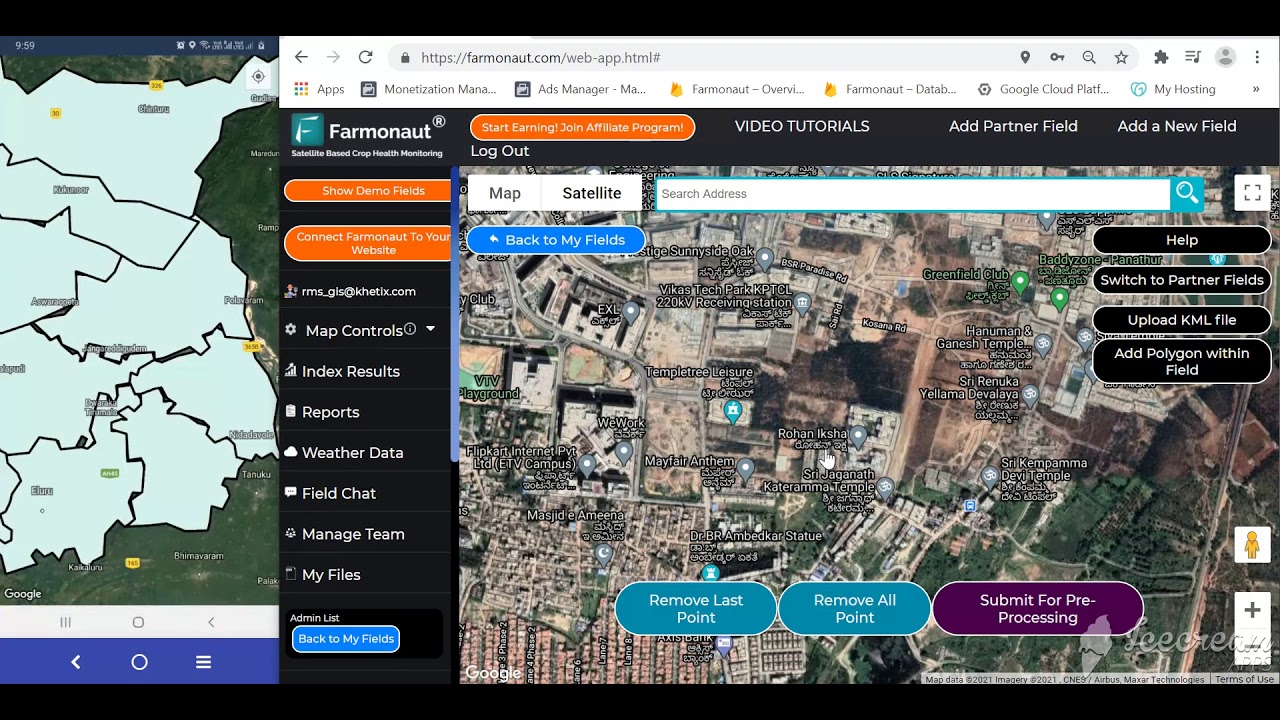
With our subscription-based, scalable platform (see plans below), you can track crop health, water use, equipment logistics, and environmental compliance—all from your mobile or web device.
Investor Notes, Common Mistakes & More
Modern, technologically advanced farmland—particularly in West Texas—offers superior resilience to climate and market volatility. Investments in upgraded irrigation, soil health, and digital farm management can drive both short and long-term ROI.
Over-irrigating in arid regions can rapidly lead to soil salinity buildup and losses—use monitoring tools to apply water only where and when needed.
Utilizing data from satellite-based monitoring can reveal inefficiencies and “hot spots” before they escalate into major crop loss or soil degradation.
Sustainable land stewardship in West Texas requires not only using modern equipment but adapting operations in response to soil, weather, and water data over time—precision agriculture is iterative.
Farms in the top quartile for technological adoption report markedly higher yields and lower per-acre water use than regional averages—even in dry years.
FAQ: Farming Technology Innovation in West Texas
A: Center-pivot irrigation (combining efficient water management, sprinkler/drip systems) allowed large areas of arid land to be productively farmed year-round, directly reducing the need for open-range grazing and supporting the rise of managed, fenced agriculture.
A: Increased productivity per acre, consolidation of landholdings, reliable yields, and the emergence of organized, fenced farming enterprises are all direct outcomes.
A: Efficient irrigation systems (center-pivot, drip), soil/water conservation practices, and salt/drought-tolerant cultivars are vital for desert and arid region agriculture.
A: Through real-time soil health monitoring, precision nutrient management, and use of satellite-based erosion detection, technology helps safeguard long-term land productivity.
A: We provide advanced, affordable satellite-based tools that enable precise crop, water, and equipment monitoring, as well as blockchain and environmental tracking features for improved transparency and resilience.
Conclusion: The Legacy & Future of Farming Technology Innovation in West Texas
Technological innovation—spanning efficient irrigation, mechanization, water governance, and soil conservation—has fundamentally transformed farming in West Texas and contributed to the closing of the open range. These advances enabled reliable crop production in arid environments, reshaped land use, improved economic outcomes, and set the stage for the current era of smart, sustainable agriculture.
From the first barbed wire fences to the latest AI and satellite monitoring, the path of innovation across the frontier is clear: Technological advances build resilience, sustainability, and prosperity into western plains agriculture—impacting West Texas and every similar region worldwide.
For those shaping the next decade—adopt, adapt, and advance. The future of farming technology innovation is not only about growing more, but growing better, smarter, and more sustainably than ever before.

 Godrej Agrovet
 Hayleys Agriculture
 Linx Agritech
 Adinet
 Save Your Soils
 GalaxEye Space
 Grandstream Algérie
 XOS Realty
 Geospatial Lab Africa
 Agro La Gándara
 HIPSAC
 ZOL Zimbabwe
 Juligerm
 AdBio
AdBio MISE Maroc
 NWNS
NWNS Red August Group
 Farm Inc
 WeMe Global
 Agrotoken
 Blue BearX
 Insignito
 DnCubed
 Indosistim Teknologi
 Liquify Digital
 CU Foods
 BeyondTech Global
 Rouge VC
 AgroRisk
 Oath Inc
 Esri North East Africa
 MDCV UK
 Etech Consulting Madagascar
 Vestlandsforsking
 WB Dev
 Sama Premium
 Tres Valles
 Blickwinkel
 Agricultural Credit Policy Council
 eKGIS
eKGIS Mostas Tech
 Andex
Andex Deluxe Conseil
 WICO
WICO Chimera Innovation
 SkyHarvest
 Teledarbas
 Exurbia Geospatial
 FieldZero
