

Reviewed August 2026 against University of Illinois farmdoc daily, Purdue Center for Commercial Agriculture, and GM Insights.
Try it: Run your own numbers →
A farm UTV costs $8,000-$20,000 before attachments and suits row spacing, orchard lanes, and daily hauling that a full-size tractor is overkill for; a Ford 8N (30 hp at 2,000 RPM, 524,000 built 1947-1952, per Tractor-Info) still earns its keep on small acreage with the right modern attachments bolted on. The best farm UTV for the money is the one matched to your actual task list — hauling and spraying favor a mid-size UTV, tight orchard rows favor a quad, and heavy soil work still belongs to a tractor. This guide compares all three platforms on cost, attachment compatibility, and what the numbers say about buying into a UTV market that grew to $6 billion in 2023 and is still expanding.



The Farm UTV Market: Size, Growth, and What It Means for Buyers
The US utility terrain vehicle market was valued at $6 billion in 2023, with a projected compound annual growth rate of 5% from 2024 to 2032, according to GM Insights. That growth is happening while overall farm machinery costs are climbing fast: University of Illinois farmdoc daily reports total machinery operating costs reached $171 per acre in 2024, up 25% from 2021, with depreciation alone accounting for $87 per acre in 2024 (farmdoc daily, October 2025). Combine harvester prices rose 26% between 2021 and 2023 alone — the same report shows why more farms are shifting routine chores off big iron and onto UTVs and ATVs instead of replacing full equipment lines.
This is the practical case for a farm UTV: it doesn’t replace a tractor, it absorbs the daily-use tasks — hauling feed, checking fence, spot-spraying, moving tools — that otherwise rack up hours and depreciation on equipment built for heavier work. On farms larger than 2,000 acres, machinery investment averaged $668 per acre in 2024 per Purdue Center for Commercial Agriculture; a UTV with the right attachment set is one of the few additions to that fleet that costs low five figures rather than six.
A farm UTV is not a scaled-down tractor. It’s a separate cost category — one that’s growing at 5% CAGR nationally while big-iron costs climb even faster. Budget and attachment choices should reflect that they solve different jobs, not compete for the same one.

Farm UTV vs. ATV vs. Ford 8N vs. Quad: Where Each One Wins
- ✔ UTV: Best all-rounder for hauling, spraying, and towing — side-by-side seating, cargo bed, and enough power for most attachment classes below.
- 🔁 ATV/Quad: Narrowest footprint — the only option in tight orchard rows, vineyard alleys, and raised-bed operations.
- 🌱 Ford 8N: Still the cheapest source of PTO and three-point hydraulic power for soil work, on farms where a full modern tractor isn’t justified.
- 💼 All three together: Many diversified operations run a UTV for daily logistics, a quad for tight spaces, and a tractor (8N or otherwise) for tillage — rather than picking one platform for everything.
Ford 8N Attachments: Timeless Utility, Modern Adaptations
The Ford 8N tractor was built from 1947 to 1952, with 524,000 units produced — one of the most numerous tractor models in US history, per the Ford N-series tractor history. It runs a 119.7 cubic-inch engine rated at 30 horsepower at 2,000 RPM (Tractor-Info). That output is modest by current standards, but it’s exactly enough for the attachment classes that still matter on small acreage: loaders, blades, tillers, and PTO-driven sprayers and seeders.
What makes Ford 8N attachments worth the search volume? Parts availability and a simple three-point/PTO interface that has barely changed in 75 years, which means the attachment market for it never really went away:
- 🔩 Material Handling: Front-end loaders with hydraulic assist manage hay, manure, or bulk materials within the 8N’s 30-hp envelope.
- 🌾 Soil Management: Plows, rotary tillers, and box blades sized for a 30-hp draw handle cultivation and light grading.
- 🧑🌾 Crop Care: PTO sprayers and seeders extend the 8N beyond tillage into spraying and planting.
Quick-attach systems, universal mounting brackets, and PTO adapters built for later tractors now fit the 8N’s original three-point geometry with adapter kits — reducing downtime switching between implements, since the tractor itself hasn’t changed but the attachment ecosystem sized for it has grown.
An 8N’s whole appeal is low acquisition cost against a modern compact tractor. Weigh attachment prices against that baseline — a $2,000-$5,000 tiller on a tractor that itself sells for a few thousand dollars used is a different math problem than the same tiller on a new $40,000 compact tractor.

What to Check Before Buying an 8N Attachment
- 🔧 Hydraulic Front-End Loaders: Confirm the loader’s rated lift capacity against the 8N’s 30-hp limit — oversized loaders strain the original hydraulic pump.
- 🔁 Quick-Attach Mounts: Verify the adapter kit is rated for 8N-era three-point geometry, not just “universal” category-1 hitches in general.
- 🌱 PTO Sprayers: Match nozzle-pressure specs to the 8N’s PTO speed; mismatched PTO ratios reduce spray uniformity.
- 🟢 Add-on Sensors: Aftermarket soil or moisture sensors can bolt onto an 8N implement, but they’re third-party additions — the tractor itself has no native electronics.
Tracking fuel use and field coverage on a classic tractor is still possible without replacing it. Our Carbon Footprinting tool logs operations against satellite field data so an 8N’s fuel and input use stays measurable alongside any modern equipment on the same farm.
Common Ford 8N Attachment Categories and What They’re For:
- Hydraulic Loaders: Manure and silage handling without hand-forking.
- Rotary Tillers: Seedbed prep and soil aeration sized to 30 hp.
- Box Blades: Land leveling and farm-lane grading.
- PTO Sprayers: Boom or spot spraying driven off the tractor’s PTO shaft.
- PTO Seeders: Row or broadcast seeding for small-plot planting.
The 8N’s ceiling is real — 30 hp won’t run a modern wide-boom sprayer or a heavy disc — but within that ceiling, the attachment market built around a 75-year-old tractor is still active because the platform is still on that many farms.
Best Farm UTV and ATV Attachments for the Money
The question behind “best farm UTV for the money” isn’t which model has the most horsepower — it’s which attachment set gets the most use per dollar on your specific acreage. UTVs (side-by-side, 2-4 seats, cargo bed) and ATVs (straddle-seat, single rider) both take a similar range of mounted and towed attachments, with UTVs generally rated for heavier loads because of their wider stance and higher factory payload ratings.
Attachment Categories Worth Budgeting For
- 🔩 Front-End Loaders & Hydraulic Winches: Move bales, bulk feed, or field debris without a second machine.
- 🌱 Sprayers & Broadcast Spreaders: Built for uneven terrain — the main reason UTVs outperform trailer-pulled sprayers on pasture.
- ✂️ Mow Blades & Sickle Bars: Keep fence lines and cover crops trimmed in spots a mower deck can’t reach.
- 🌾 Seeders & Planters: Sized for small plots or under-canopy seeding that full planters can’t access.
- 🚚 Flatbeds & Tow-Behind Trailers: Haul harvests, fencing material, or feed — check trailer brake ratings against your UTV’s tow rating before loading heavy.
Buying an attachment before checking the UTV’s rated payload and hydraulic output. A loader or sprayer sized for a full-size UTV can overload a smaller ATV’s engine and electrical system — verify capacity specs against the attachment’s spec sheet before ordering, not after.

What “Best Value” Actually Means Here
There’s no published adoption-rate figure for how many US farms currently run a UTV for daily operations — USDA’s ARMS survey recognizes UTVs as an equipment category, but a specific ownership percentage isn’t publicly broken out. The same gap exists for comparative annual operating costs (fuel, maintenance, repairs) between a UTV and a full-size tractor for equivalent tasks — no published study isolates that comparison. Until that data exists, the honest answer to “best UTV for the money” is: total the attachments you’ll actually use against the machinery cost baseline above ($171/acre operating cost, $87/acre depreciation, both 2024 figures) and treat a UTV purchase as reducing hours on costlier equipment, not as a category with its own published ROI benchmark.
Attachment Selection Criteria That Actually Matter:
- ✔ Rated payload match: Confirm attachment weight against the UTV’s cargo-bed and tow rating.
- ➕ Mount compatibility: Quick-mount and electric PTO systems vary by manufacturer — check before buying cross-brand.
- 🔋 Power draw: Electric attachments (spreaders, sprayers) pull from the UTV’s electrical system; verify amperage headroom.
- 🌾 Task overlap: One UTV chassis can carry spraying, seeding, mowing, and hauling attachments in rotation — buy the mounting system once, attachments as needed.
- 📈 Task consolidation: One chassis, multiple attachment swaps, versus separate single-purpose machines.
- 🛠️ Lower complexity: Fewer moving parts than loader-equipped tractors for the same haul-and-spray tasks.
- 🌍 Lighter footprint: Less soil compaction than a loaded tractor on wet ground.
Track your UTV, ATV, or quad routes and attachment use with our Fleet Management tools, so you can see which machine and attachment combination is actually earning its keep before buying another.

Farm Attachments for Quads: Compact Powerhouses for Tight Spaces
Quads (four-wheeled straddle-seat ATVs) earn their place in orchards, vineyards, and any farm layout with rows too narrow for a UTV or tractor. Farm attachments for quads trade raw capacity for a footprint that fits where nothing else does.
Attachments Sized for Quad Use
- 🌾 Seed Spreaders & Planters: Sized for uniform coverage in specialty-crop rows without compacting soil beyond the quad’s own tire path.
- 💧 Fertilizer Applicators: Calibrated dosing units matched to a quad’s lower ground clearance and lighter frame.
- ❄️ Snow Removal Blades: Lightweight blades that keep access lanes open without adding weight the quad’s suspension can’t handle.
- ⚡ Hydraulic Plows: Small-frame hydraulic units for spot tillage where a tractor won’t fit between rows.
- 📡 GPS-Guided Spraying: Reduces overlap on narrow passes where manual tracking is hard to judge by eye.

- 🌀 Mobility: Reaches rows a UTV’s wider stance can’t enter.
- ⚖️ Weight-optimized: Lower ground pressure than a UTV, reducing crop and root-zone disturbance in sensitive plantings.
- 🔌 Simple power interface: Most attachments run off basic electric or hydraulic plug-in connections.

Mounting an attachment sized for a UTV onto a quad. Cross-reference the attachment’s rated weight and power draw against your quad’s spec sheet — quads have meaningfully lower payload ceilings than side-by-sides, and this is the most common cause of premature wear or frame damage.
Attachments That Punch Above Their Size:
- ✔ Mini Tine Cultivators: Weeding between vineyard rows without disturbing vine roots.
- ✔ Micro Planter Drills: Seeding specialty crops in raised beds.
- ✔ Electric Winches: Recovering loads or the quad itself in orchard gullies.
- ✔ Row Crop Sprayers: Narrow-boom units that reduce overlap in tight rows.
- ✔ Remote Soil Sensors: Link quad-collected data to large-scale farm management tools for better input calibration.
Comparative Features and Benefits Table
| Attachment Type | Compatible Vehicle(s) | Main Function | Typical Price Range (USD) | Key Compatibility Check |
|---|---|---|---|---|
| Hydraulic Front-End Loader | Ford 8N, UTV | Material Handling | $2,500 – $7,500 | Hydraulic pump rating vs. loader lift capacity |
| Rotary Tiller | Ford 8N, ATV, UTV | Soil Cultivation | $2,000 – $5,000 | PTO speed and horsepower draw |
| Box Blade | Ford 8N, ATV | Land Leveling, Roadwork | $800 – $2,000 | Three-point hitch category match |
| Sprayer (GPS-Guided) | ATV, Quad, UTV, Ford 8N | Crop Spraying | $1,500 – $4,000 | Boom width vs. row spacing |
| Seed/Fertilizer Spreader | ATV, UTV, Quad | Seeding & Fertilization | $800 – $2,500 | Hopper weight vs. rated payload |
| Winch (Hydraulic/Electric) | ATV, UTV, Quad | Load Recovery, Traction Aid | $400 – $1,200 | Electrical system amperage headroom |
| Mini Snow Plow Blade | ATV, Quad | Snow / Debris Clearance | $600 – $1,800 | Front mount weight limit |
| Flatbed / Tow Trailer | UTV, ATV | Hauling | $700 – $2,200 | Tow rating and trailer brake compatibility |

Attachment price ranges above reflect typical retail listings; actual cost depends on brand, PTO/hydraulic spec, and dealer region. There’s no published national price index specific to UTV/ATV/quad attachments — for tractor-adjacent implement pricing trends, USDA NASS Agricultural Prices (updated monthly) is the closest public benchmark, linked in the FAQ below.
Attachment Payback Calculator
Use your own hours, rates, and attachment cost below to see how many seasons it takes an attachment to pay for itself against the labor or contractor cost it replaces.
Run your own numbers
Assumes labor/contractor rate and hours-saved are constant across the season and excludes financing costs, resale value, and fuel. Enter your own farm's numbers — the defaults are placeholders, not benchmarks.
Where Farm Hygiene Fits In
Farm hygiene — sanitation practices that limit disease spread between livestock, equipment, and fields — is a distinct discipline from attachment selection, and this article won't stretch to cover it in depth. Where it does intersect: any UTV, ATV, quad, or tractor moving between fields or livestock areas is itself a biosecurity vector, and attachments that contact soil, manure, or feed (loaders, spreaders, winches) should be cleaned between sites if you're managing multiple premises or working with contracted equipment. There's no published national compliance rate for US farm biosecurity audits to cite here — the working method is your own operation's traffic pattern: track which vehicle and attachment touched which field or pen, and clean between high-risk moves. If your farm's biosecurity plan requires documented cleaning logs, that recordkeeping is a separate workflow from the attachment choices covered in the rest of this piece.
Innovation and Cost Control in Modern Attachments
With machinery costs up 25% per acre since 2021 and combine prices up 26% in two years (farmdoc daily), the case for extending a UTV, ATV, quad, or Ford 8N with attachments instead of buying dedicated equipment gets stronger every budget cycle. Precision metering, GPS guidance, and modular mounts on modern agricultural implements reduce input waste and let one chassis cover several jobs a farm would otherwise need separate machines for.
Features Worth Paying For
- 🌐 Modular Compatibility: Universal mounts that fit multiple vehicle classes protect the attachment's resale value if you change platforms.
- 🔬 Real-Time Monitoring: Sensor-equipped implements report field status immediately rather than after the pass is done.
- 🛰️ Precision Application: GPS-guided spraying and seeding reduce overlap and waste versus manual tracking.
- ⚡ Efficient Power Draw: Attachments matched to the host vehicle's actual output avoid straining hydraulics or electrical systems.
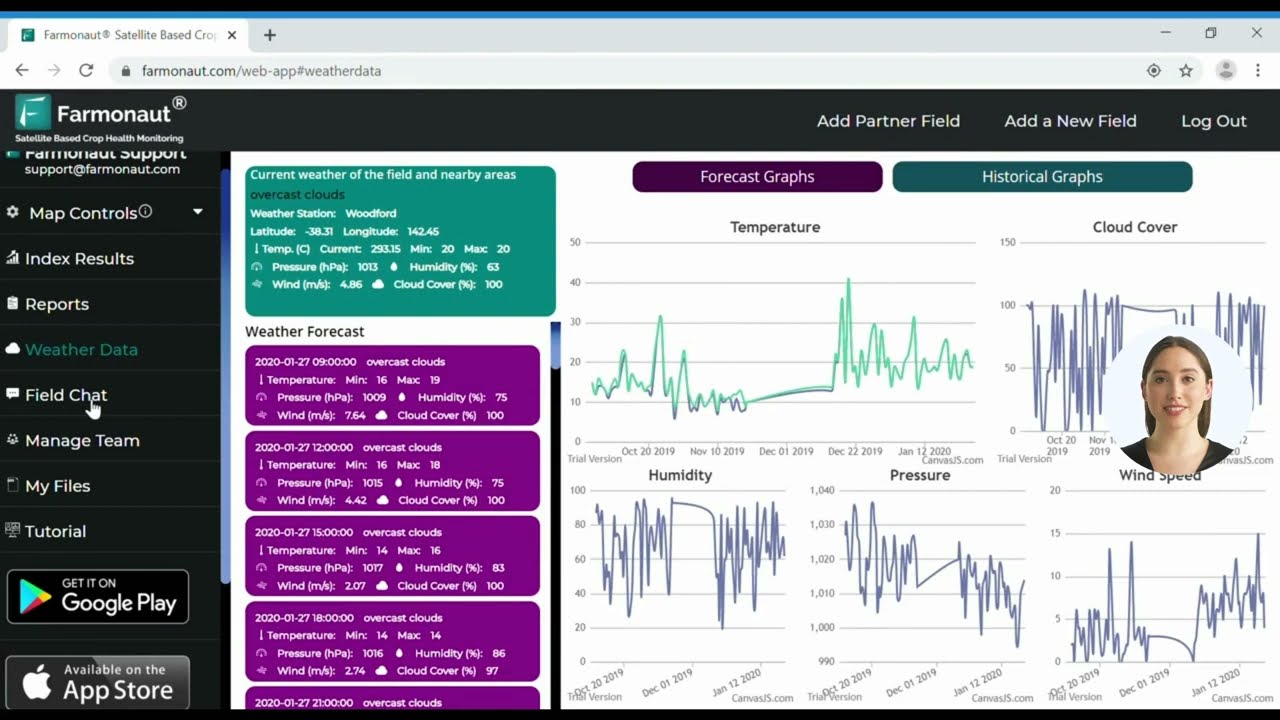
Attachments that support traceability and reduce fuel or chemical use increasingly factor into purchase decisions, since input records tie directly into financing and insurance conversations.
Favor attachments with updatable firmware or modular mounts — it protects the purchase against being locked to one vehicle if your fleet composition changes.
Cost-Control Checklist Before Buying Any Attachment:
- 🌱 Match power to task: Don't buy attachment capacity beyond what your vehicle can drive.
- 🔥 Check depreciation category: Attachments depreciate separately from the host vehicle — factor that into the payback math above.
- 🔄 Confirm mount standard: Category-1 three-point, quick-attach, or proprietary — mismatches are the single biggest source of wasted purchases.
- 📉 Verify maintenance load: Hydraulic attachments need more upkeep than mechanical ones; budget accordingly.
Lenders and insurers increasingly ask for usage records when underwriting equipment loans. You can support applications for crop loan and insurance with satellite-backed field records showing attachment-enabled efficiency gains over time.
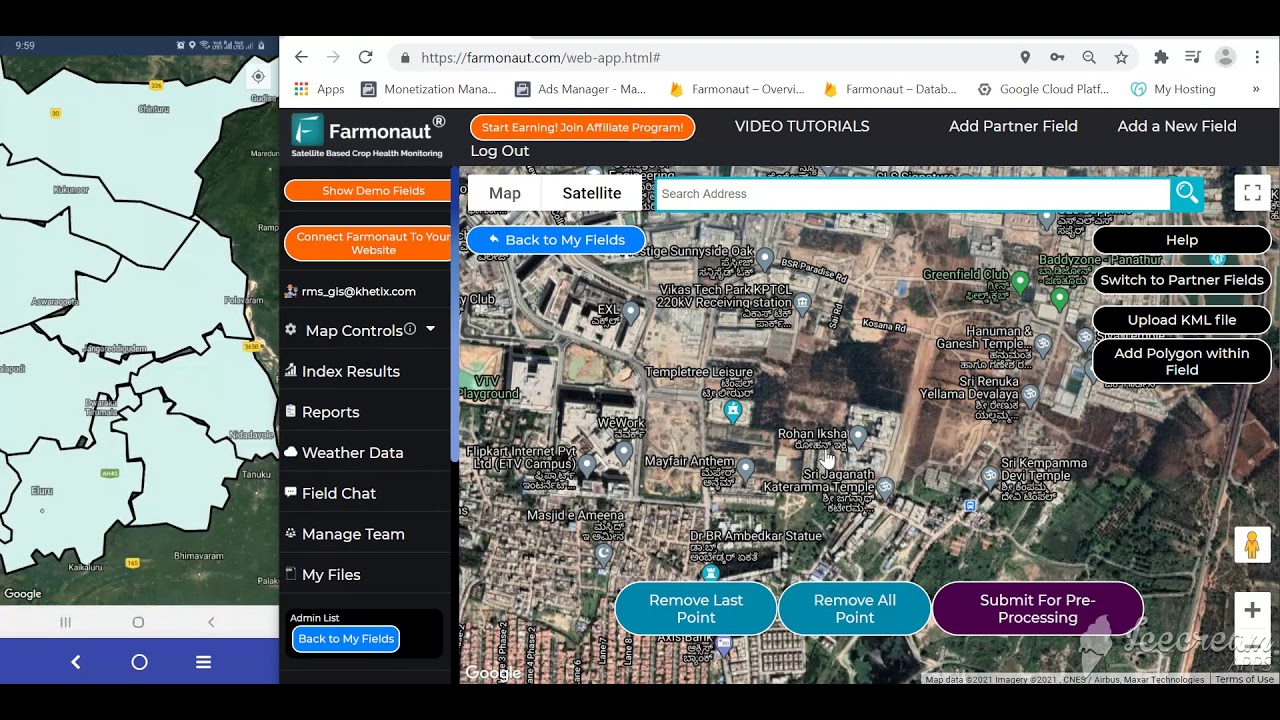
Farmonaut Satellite-Driven Solutions for Efficient Farming
Farmonaut makes AI-powered agricultural insights accessible to farms running any combination of Ford 8N, ATV, UTV, or quad equipment. Farmonaut does not manufacture or sell attachments — the platform's role is to help you time and target the attachments you already own using field-level data.
How Farmonaut Supports Attachment-Based Operations
- 🛰️ Satellite-Based Monitoring: Field and crop data help time spraying, seeding, or mowing passes for maximum effect.
- 🤖 Jeevn AI Advisory: Recommendations for when to deploy specific attachments based on vegetation and soil data.
- 🌐 Blockchain Traceability: Link attachment-based field work to verifiable records. Learn about traceability benefits & applications.
- 📊 Fleet & Resource Management: Coordinate machinery with fleet management tools to cut downtime.
- 🌿 Environmental Monitoring: Track fuel and input use with the carbon footprinting platform.
The platform is available via web app, Android, and iOS. For enterprise or programmatic integration, use the API and Developer Docs.
Pairing attachment usage logs with satellite field records builds an auditable trail useful for both sustainability documentation and equipment-loan applications.
Get Started with Farmonaut:
For advanced modules and integration, explore:
- 🔗 Large-scale farm management solutions for enterprise field coordination.
- 🔗 Crop Plantation & Forest Advisory Portal for reforestation or diversified farm strategies.
FAQ: Farm UTV, ATV, Quad & Ford 8N Attachments
What is the best farm UTV for the money?
There's no single model that wins across every farm — the right choice depends on your task list. Match the UTV's rated payload and towing capacity to the specific attachments you'll run (loader, sprayer, spreader, trailer) rather than buying on horsepower alone. The US UTV market was valued at $6 billion in 2023 with a 5% projected CAGR through 2032 (GM Insights), meaning attachment selection and dealer support are only getting more competitive.
How much horsepower does a Ford 8N tractor have?
The Ford 8N is rated at 30 horsepower at 2,000 RPM, with a 119.7 cubic-inch engine, built from 1947 to 1952 with 524,000 units produced (Tractor-Info; Ford N-series history). That output caps which attachment classes it can safely run — loaders, tillers, and box blades sized for 30 hp, not modern wide-boom sprayers.
How do I check attachment compatibility with my ATV, UTV, or quad?
Check three things against the attachment's spec sheet: rated payload/tow capacity, hydraulic or electrical output, and mount standard (three-point category, quick-attach, or proprietary). Mismatches on any of these are the most common cause of premature wear.
Where can I find current farm machinery cost data?
University of Illinois farmdoc daily publishes updated machinery cost analyses based on USDA ARMS data each Q4 (farmdocdaily.illinois.edu). For current equipment price indexes, check USDA NASS Agricultural Prices, updated monthly (nass.usda.gov). Purdue's Center for Commercial Agriculture updates per-acre investment figures annually each December.
Does farm hygiene matter for UTV and ATV attachments?
Any vehicle or attachment moving between fields or livestock areas can carry contamination between sites. Attachments that contact soil, manure, or feed should be cleaned between premises if you manage multiple sites. No national compliance rate is published for farm biosecurity audits; track your own vehicle and attachment movement as the working method.
Can I use satellite data and AI with a classic tractor like the Ford 8N?
Yes — the tractor itself doesn't need onboard electronics. Platforms like Farmonaut apply satellite and field-sensor data to decide when and where to deploy attachments, independent of the vehicle's own age or tech.
Conclusion: Choosing and Future-Proofing Your Platform
The decision isn't Ford 8N versus UTV versus ATV versus quad — most diversified operations end up running more than one, each matched to a task the others don't do well. The 8N still covers PTO and hydraulic work within a 30-hp ceiling at a fraction of a modern compact tractor's cost. UTVs cover daily hauling and spraying with the highest payload of the three lighter platforms. Quads reach rows nothing else fits. With farm machinery costs up 25% per acre since 2021, the attachment strategy that saves money is matching capacity to task, not maximizing horsepower per platform.
Whichever combination you run, satellite-driven field data makes every attachment purchase more targeted — telling you when spraying, seeding, or mowing actually needs to happen instead of guessing from a calendar.
Related Resources & Farmonaut Subscription
- 🔗 Carbon Footprinting Platform: Track and minimize emissions from your entire fleet, including attachments.
- 🔗 Blockchain Traceability Solutions: Ensure full supply chain transparency for certified produce and inputs.
- 🔗 Large-Scale Farm Management Suite: Coordinate fieldwork and resources across multiple locations, optimizing implement deployment remotely.
- 🔗 Farmonaut API: Integrate field, fleet, and farm data into your own systems. See API Developer Docs for implementation guidance.
- 🔗 Satellite-Backed Loan and Insurance Tools: Use attachment productivity and field analytics for insurance or credit applications.
For direct access to Farmonaut's full suite — including web, Android, and iOS apps — get started here.
Whether you're shopping for a farm UTV, an ATV, a quad, or fitting out a Ford 8N, match attachment capacity to your actual task list and rated vehicle specs — not the other way around.

 Godrej Agrovet
 Hayleys Agriculture
 Linx Agritech
 Adinet
 Save Your Soils
 GalaxEye Space
 Grandstream Algérie
 XOS Realty
 Geospatial Lab Africa
 Agro La Gándara
 HIPSAC
 ZOL Zimbabwe
 Juligerm
 AdBio
AdBio MISE Maroc
 NWNS
NWNS Red August Group
 Farm Inc
 WeMe Global
 Agrotoken
 Blue BearX
 Insignito
 DnCubed
 Indosistim Teknologi
 Liquify Digital
 CU Foods
 BeyondTech Global
 Rouge VC
 AgroRisk
 Oath Inc
 Esri North East Africa
 MDCV UK
 Etech Consulting Madagascar
 Vestlandsforsking
 WB Dev
 Sama Premium
 Tres Valles
 Blickwinkel
 Agricultural Credit Policy Council
 eKGIS
eKGIS Mostas Tech
 Andex
Andex Deluxe Conseil
 WICO
WICO Chimera Innovation
 SkyHarvest
 Teledarbas
 Exurbia Geospatial
 FieldZero
