

Indiana Division of Forestry & Arkansas Forestry Division: Top State Agencies for Sustainable Management
“Indiana and Arkansas manage over 6 million acres of forests, prioritizing sustainability and rural economic growth.”

Table of Contents
- Introduction: The Central Role of State Forestry Agencies
- Key State Forestry Agencies: Indiana and Arkansas
- Sustainable Forestry Management: Core Principles & Best Practices
- Soil & Water Quality: Protective Measures and Ecosystem Support
- Wildlife Habitat Support and Biodiversity Conservation
- Fostering Rural Economies Through Forestry & Agriculture
- Technical Support & Forestry Equipment Insights
- Integrating Forest Management with Infrastructure and Mineral Considerations
- State Programs: Supporting Landowners, Compliance, and Best Practices
- Improving Productivity and Ensuring Long-term Sustainability
- Extension Services & Landowner Engagement in Sustainable Forestry
- Comparative Table: Indiana vs. Arkansas Forestry Agencies
- Farmonaut Solutions: Satellite Insights for Forestry & Agriculture
- Frequently Asked Questions
Introduction: The Central Role of State Forestry Agencies
Sustainable forest management is central to balancing economic, environmental, and social objectives within agriculture, forestry, and related sectors. In states with active forestry programs, agencies such as the Indiana Division of Forestry and the Arkansas Forestry Division lead efforts to support forest health, timber production, wildlife habitat, water, and soil stability. Their role is crucial in protecting resources that support rural economies, maintain agricultural productivity, and ensure ecosystem services remain viable for future generations. This blog explores how these state departments conduct their sustainable management mandates, interact with landowners, promote best practices, and collaborate across industries and operations.
Key Insight
State forestry agencies play a multifaceted role: from maintaining timber and soil health to ensuring agricultural, wildlife, and rural economic resilience. Their science-based, sustainable strategies extend forest lifespans and resource value.
Key State Forestry Agencies: Indiana Division of Forestry & Arkansas Forestry Division
The Indiana Division of Forestry—often referenced as Indiana DNR Forestry—and the Arkansas Forestry Division are cornerstones in their regions’ sustainable forest management. Both oversee large areas of state forest lands, manage programs to support timber production, wildlife, and watershed protection, and set standards for harvesting, pest control, and landowner engagement. Their work intersects directly with agricultural operations by safeguarding soil, water, and wildlife—furthering the goals of healthy rural economies.
- 🌲 Indiana Division of Forestry: Manages over 158,000 hectares (ha) of public forest, with a focus on multiple-use management, including timber, wildlife, and recreation.
- 🌳 Arkansas Forestry Division: Oversees ~375,000 ha of state forest, leading wildfire prevention, forest health monitoring, and partnerships with landowners and industry.
- 🦌 Both agencies integrate sustainable practices to balance environmental and economic objectives—vital for rural communities, sawmills, and agricultural interests.
State-level forestry departments like the Indiana DNR Forestry, Arkansas Forestry Division, and the VA Dept of Forestry, in addition to forestry equipment in Louisiana support programs, set tailored policies in accordance with local industry, landowner needs, and resource conditions.
Sustainable Forestry Management: Core Principles & Best Practices
At the heart of every state forestry agency’s mission is sustainable forest management. This approach focuses on productive, multi-use forests—balancing tree growth, water quality, soil stability, wildlife habitat, recreation, and economic return. The objective is to ensure forest resources remain resilient and productive for generations, aligning with best practices adopted globally and regionally.
- 🌎 Balancing economic, environmental, and social objectives
- 🔎 Monitoring for pest, disease, and invasive species
- 🔥 Wildfire prevention and prescribed burns
- 🪵 Promoting sustainable harvesting to extend timber lifespans
- 🛠️ Offering technical guidance on thinning, site prep, and buffer design

Common Mistake
Neglecting soil and buffer zone management during harvesting or site preparation leads to costly erosion, reduced timber yields, and compromised water quality—fundamental issues state agencies aim to correct through education and compliance.
Sustainable Practices: What They Include
- Thinning Cycles: Designed to maintain healthy stands and extend the lifespan of high-value timber.
- Residual Stand Management: Leaving sufficient tree cover after harvest to preserve soil integrity and water retention.
- Site Preparation: Using minimal-impact equipment and techniques to reduce compaction/erosion and promote faster regeneration.
- Wildfire Preventive Practices: Scheduled prescribed burning, removal of excess fuel, and education campaigns for landowners.

Soil & Water Quality: Protective Measures and Ecosystem Support
Soil stability and water quality are at the forefront of forestry management in Indiana, Arkansas, and similar regions. State agencies dedicate significant resources to preserving riparian zones, buffer strips, and wetlands within both public and private forest lands. Buffer strips, for example, protect streams and rivers from sediment, agrochemical runoff, and excessive heat, thereby supporting aquatic biodiversity and providing water for agricultural operations.
Investor Note
Healthy soil and clean water represent major assets for timber, farming, and mineral industries—safeguarding these resources through state forestry programs increases land value, ensures long-term productivity, and reduces regulatory risks for large-scale operations and infrastructure investments.
- ✔ Best practices include: leaving vegetative buffers near streams, maintaining soil cover, and minimizing disturbance during site prep or harvest.
- ✔ Agencies help landowners: with guidance on erosion-control, prescribed burns, and riparian protection through technical documents and demonstrations.
- ✔ Watershed management: is central to sustaining productive farming and timber while supporting wild habitat.

Key Soil and Water Conservation Techniques
- Maintaining buffer strips (natural or planted)—reduces runoff and sedimentation into streams.
- Implementing contour felling and leaving debris in place to prevent soil erosion on slopes.
- Minimizing rutting and soil compaction by using low-impact forestry equipment at proper times and in dry conditions.
- Replanting with native/resilient species post-harvest for quick ecosystem recovery.
- Protecting seeps, springs, and wetlands as integral components of forest and agricultural infrastructure.
Wildlife Habitat Support and Biodiversity Conservation
Wildlife habitat protection is a core objective that both Indiana and Arkansas forestry programs integrate into all levels of forest planning and operations. Agencies safeguard critical corridors, restore pollinator habitats, and manage timber harvests to maintain mature tree cover and structural diversity—measures that are proven to support biodiversity throughout the forest landscape.
“State forestry agencies protect habitats for more than 400 wildlife species through sustainable management practices.”
- Biodiversity: Mature stands support nesting birds, mammals, amphibians, and reptiles, while riparian zones support aquatic and semi-aquatic wildlife.
- Pollinator Protection: Maintaining wildflowers and shrub species during forestry operations is crucial for healthy agricultural and forest productivity.
- Habitat Connectivity: Agencies partner with landowners to preserve wildlife travel routes and adjust harvest rotations accordingly.
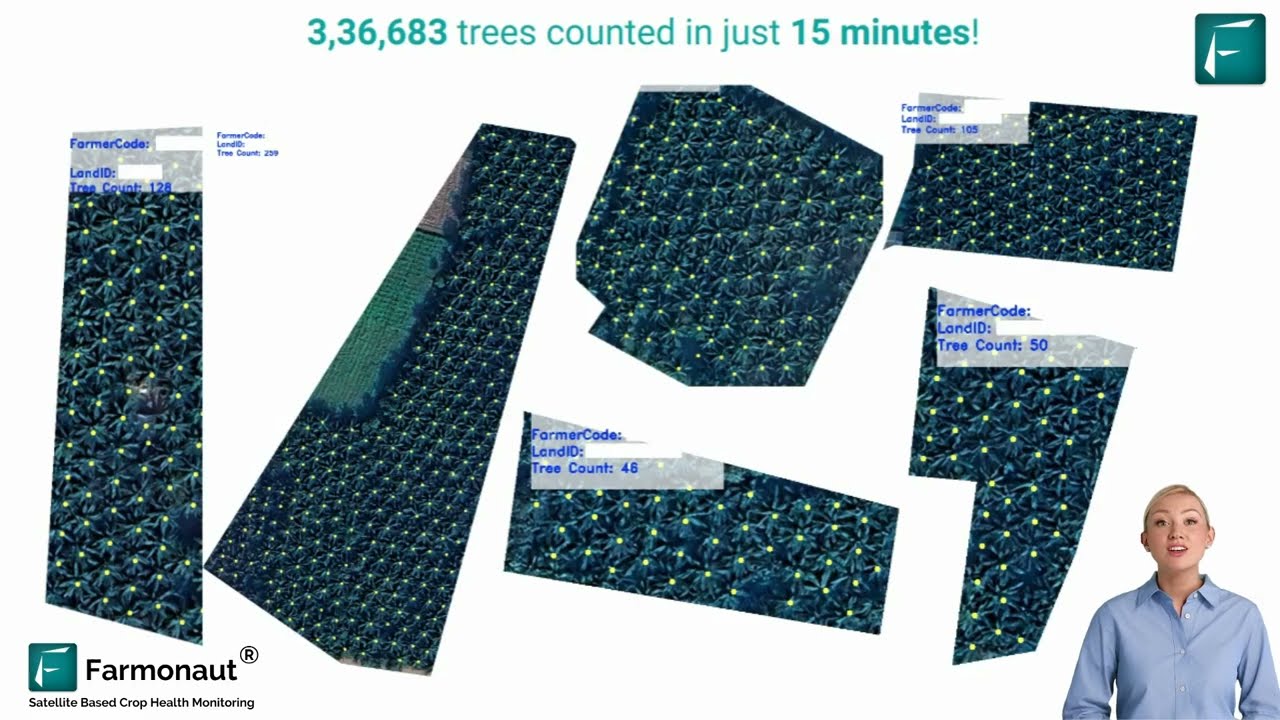
Pro Tip
When planning harvesting or site prep in your forestland, consult state agencies for up-to-date species habitat maps and buffer recommendations. They will help you protect keystone wildlife species, bolster crop pollination, and enhance eligibility for conservation cost-share programs.
Fostering Rural Economies Through Forestry & Agriculture
Forests form the economic backbone for many rural regions in Indiana, Arkansas, and the broader Southeastern and Midwestern United States. State forestry agencies help landowners and industries harvest, process, and market timber, nuts, and non-timber forest products while maintaining resource sustainability and environmental values. Their support extends to downstream industries such as sawmills, pulp mills, and veneer manufacturers, as well as logistics firms that depend on robust rural infrastructure.
- 📊 Data insight: Rural counties with sustainable forestry programs enjoy higher employment rates and greater economic stability than those without formal forest management.

Strong timber markets help landowners maintain and improve working forests instead of converting them to other land uses, which is key to balancing economic and environmental objectives in agriculture and related sectors.
Visual List: Key Benefits to Rural Economies
- ➕ New jobs in timber production, equipment maintenance, and forest inventory.
- 💼 Support for local mills, forest product logistics, and veneer manufacturing.
- 🌾 More stable farm incomes from sustainable timber practices and cost-share programs.
- 📈 Boosted property values due to healthy timber stands and secure water rights.
- 🏞️ Diversified income streams from recreation or hunting leases on managed forest land.
Technical Support & Forestry Equipment Guidance
Strong technical guidance and safe use of forestry equipment are vital to enhancing forest productivity, minimizing environmental impact, and lowering operational costs. State forestry divisions—including those in Indiana, Arkansas, and forestry equipment in Louisiana support programs—offer workshops, demonstration sites, and training on the efficient use of specialized machinery.
- 🪓 Proper use of machinery: including feller-bunchers, harvesters, skid steers, and prescribed burn equipment, reduces soil compaction, maintains water infiltration, and improves yields.
- ⚒️ Maintenance guidance: ensures that forestry operations remain cost-effective and environmentally responsible.
- 🧑🌾 Farmer and landowner education: extends to site preparation, buffer strip design, and low-impact logging systems, which protect adjacent agricultural fields, pastures, and riparian zones.
Common Mistake
Overlooking regular maintenance and calibration of forestry machinery leads to excessive soil damage, higher repair costs, and diminished yields—always consult technical guidance from your state agency before purchase or operation.
Visual List: Forestry Equipment Best Practices
- 🟢 Follow agency-approved safety protocols for all equipment.
- 🔄 Alternate heavy equipment paths to reduce soil compaction and erosion risk.
- 🧰 Conduct periodic machinery inspections and apply weather-related adjustments.
- 🏕️ Use demonstration sites to learn best practices for adjacent farm fields and riparian areas.
Integrating Satellite & AI for Forestry Operations
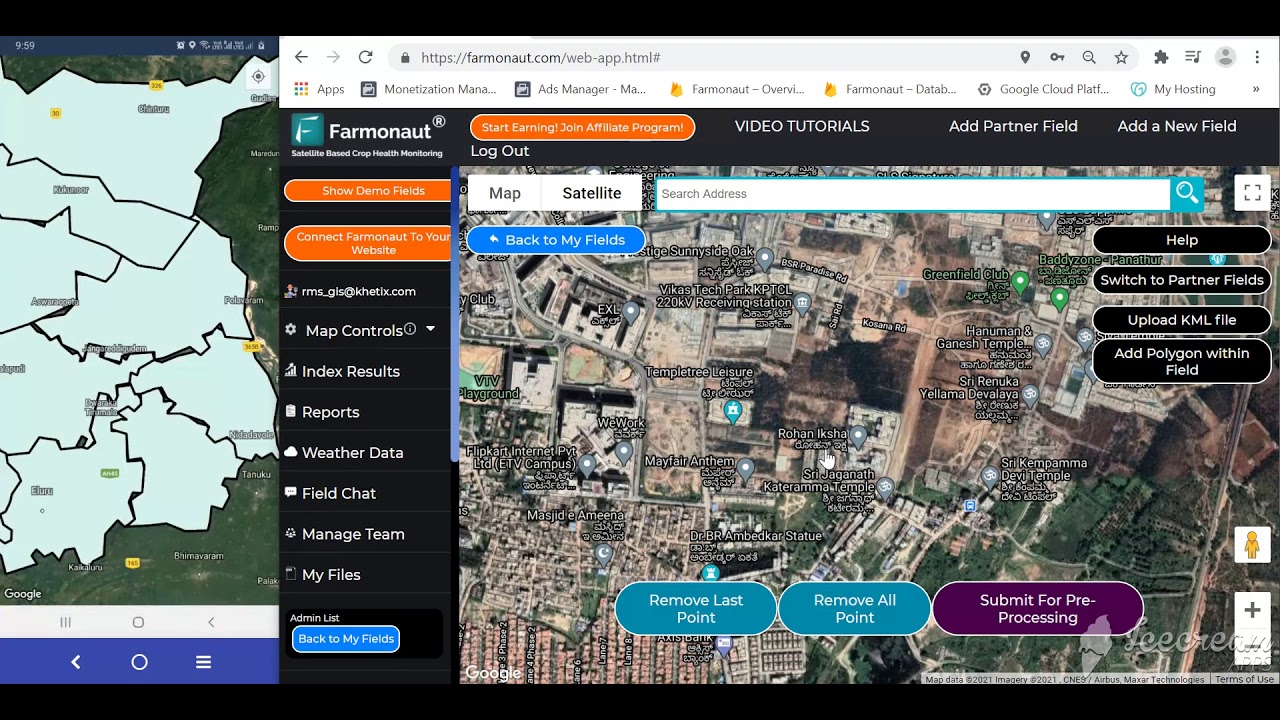
For advanced, remote monitoring of forest equipment fleets, land managers can leverage satellite-based tracking and AI advisory systems, such as those available through Farmonaut’s Fleet Management platform. This modern approach allows for real-time oversight of vehicle location/status, ensuring safe, efficient use and automated service scheduling—which is especially relevant to large scale forestry, timber operations, and rural infrastructure projects. Learn more about Farmonaut fleet solutions here.
Integrating Forest Management with Infrastructure and Mineral Considerations
State agencies play a critical role in integrating forest sustainability with broader infrastructure and mineral resource planning. Secure, well-maintained forest roads, bridges, and buffer design are vital for smooth forest operations and harvesting, and they support access for emergency services or equipment transport. Coordination with mining and development partners ensures that erosion and sedimentation risks are mitigated, supporting water quality for agricultural, mining, and community uses.
- Infrastructure planning: Designing harvest roads, bridges, and culverts to minimize runoff and protect adjacent farm and water assets.
- Mineral resource protection: Ensuring that site disturbance near quarries or mines does not compromise water filtration or increase sediment loads.
- Erosion control: Implementing prescribed burns, re-vegetation, and rapid reclamation of disturbed sites—a central goal of state forestry compliance programs.

State Programs: Supporting Landowners, Compliance, and Best Practices
The success of sustainable forest management depends on proactive engagement with private landowners, consulting foresters, and community groups. Agencies such as Indiana DNR Forestry and the Arkansas Forestry Division offer a range of cost-share programs, compliance support, and technical demonstrations to empower farmers, woodland owners, and rural businesses in adopting regenerative practices.
- ⚡ Reforestation Cost-Share: Help for landowners replanting after harvest, disturbance, or natural disaster; extends to pollinator plots and riparian buffers.
- 👨🏫 Compliance Guidance: Support navigating state/federal requirements for harvesting, erosion/sediment control, and forest product transport.
- 📚 Demonstration & Extension: Showcases of best practices in soil prep, thinning, pest control, and wildfire mitigation—including access to university extension field sites.
Regenerative Forestry Practices
- Leaving residual trees to foster soil organic matter and promote wildlife corridor integrity.
- Preserving and mimicking natural drainage patterns during harvest and infrastructure construction.
- Using prescribed fire and targeted disturbance to reduce disease/pest pressure and restore fire-adapted ecosystems.
Investor Note
Landowners who participate in agency-supported regenerative forestry and soil enhancement programs increase future timber yield, reduce input costs, and enhance their eligibility for climate-focused financing and carbon footprinting programs.
Improving Productivity and Ensuring Long-term Sustainability
The value of sustainable forestry management is realized through improved timber yields, healthier soils and waters, resilient wildlife populations, and diverse, robust rural economies. Through state-led programs, science-backed site assessments (including satellite and AI insights), and regular compliance checks, landowners and industries gain the confidence to invest long-term in their forests’ future—securing productivity for agricultural, energy, construction, and recreation sectors.
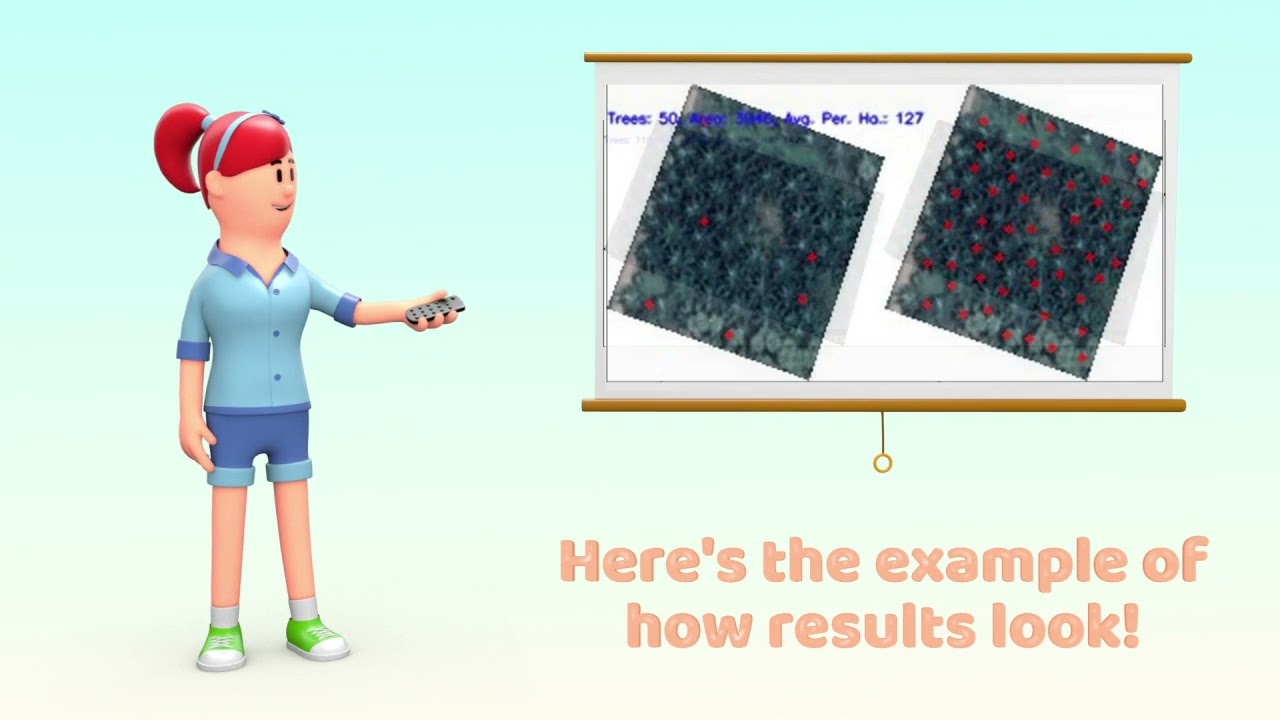
- Field monitoring tools: like Farmonaut’s Large Scale Farm and Forestry Management platform enable precise, up-to-date forest health checks, NDVI analysis, and yield estimations—essential for modern managers, agencies, and field consultants.
- Traceability: Blockchain-based monitoring, e.g., with Farmonaut Traceability solutions, promote supply chain transparency for forest and farm products.
- Insurance & Financing: Satellite-based resource verification, available via Farmonaut’s Crop Insurance and Loan Verification, improves access to funding and risk reduction for operations in sensitive forested areas.
Extension Services & Landowner Engagement in Sustainable Forestry
Outreach and extension programs are vital for the broad adoption of sustainable practices in forestry. Indiana, Arkansas, and comparable regions invest in field days, demonstration sites, landowner advisory calls, and educational materials. These programs ensure all stakeholders have access to the latest research, compliance requirements, and technology tools.
Key Insight
High engagement between agencies and landowners leads to measurable improvements in timber yield, biodiversity, water quality, and rural employment outcomes across Indiana & Arkansas.
- 📝 Educational Workshops: Covering safe equipment operation, thinning practices, erosion control, and market access.
- 🔗 Online Resources: Updated guidelines on invasive species, wildfire management, carbon tracking, and compliance documentation.
- 📞 Field Advisor Helplines: State agency hotlines for pest emergencies, legal compliance, or market navigation.
Digital Extension: Innovative satellite-based monitoring and advisory technologies such as those from Farmonaut enable remote assessment and AI-powered insights for Indiana, Arkansas, and national stakeholders. Our platform combines high-frequency satellite data, AI advisories, real-time notifications, and secure resource management for landowners, businesses, and agencies alike.
Interested in exploring Farmonaut’s technology or API integration?
👉 Access the Farmonaut API here.
|
See API Developer Docs


Comparative Summary Table: Indiana vs. Arkansas Forestry Agencies
| Agency | Forest Area Managed (Estimated ha) | Sustainable Practices Adopted | Soil & Water Conservation Measures | Wildlife Protection Initiatives | Economic Impact (Estimated Jobs) | Community Programs |
|---|---|---|---|---|---|---|
| Indiana Division of Forestry | ~158,000 | Thinning cycles, site-specific harvesting, invasive species control, AI-based monitoring pilot projects | Buffer strips, contour felling, riparian restoration, demonstration plots | Nesting habitat conservation, wetland & pollinator restoration, wildlife travel corridor mapping | Supports ~20,000 direct/indirect jobs | Landowner cost-share, reforestation grants, technical field days, student outreach |
| Arkansas Forestry Division | ~375,000 | Prescribed burning, wildfire resilience training, stand improvement harvests, pest management | Streamside management zones, soil erosion control outreach, wetland protection | Managed hunting leases, species-specific harvest rotations, pollinator habitat projects | Supports ~27,000 direct/indirect jobs | Community wildfire protection, cost-share planting, youth forestry education, rural economic initiatives |
Farmonaut Solutions: Satellite Insights for Forestry & Agriculture
At Farmonaut, we recognize the crucial intersection of forestry, agriculture, and resource management. Our satellite and AI-driven platforms provide the data and insights needed to optimize field and forest operations, monitor soil and water integrity, comply with state and federal standards, and maximize productivity sustainably.
- ✔ Remote forest health monitoring (NDVI/vegetation indices): Track health, disease, and disturbance in real time.
- ✔ Resource management tools: Fleet and equipment tracking, usable for safe, efficient farm and forest operations.
- ✔ Blockchain-based Traceability: Secure supply chain transparency for forestry and agriculture—improve compliance and market trust. (Learn more)
- ✔ Environmental impact tracking: Carbon monitoring for forests, wetlands, and adjacent cropland. (Explore Farmonaut Carbon Footprinting)
- ✔ Accessible from anywhere: Via our Android, iOS, API, and web platforms—try Farmonaut today!
Farmonaut Subscription Plans
Affordable remote monitoring, analytics, and advisory solutions for agencies, landowners, and rural industries—scale your forestry and agri operations sustainably with our real-time, cost-effective platform.
Top 5 Key Takeaways for Sustainable Forestry Agencies
- 🌳 Agencies are essential in supporting healthy forests, productive soils, and clean water for farming and industry.
- 🦉 Wildlife and biodiversity protection is a core outcome of responsible forestry management practices.
- 🚜 Technical guidance and safe, efficient equipment use boost yields, reduce costs, and support compliance.
- 💡 Sustainable harvests and resource monitoring help maintain long-term economic and ecosystem balance.
- 📱 Digital solutions (like Farmonaut) accelerate adoption and scale of best practices across regions.
Pro Tip
Stay updated with your state forestry department’s events, newsletters, and digital resources for the best approaches on pest management, disease monitoring, and compliance—it’s essential for maximizing forest and field ROI.
Frequently Asked Questions (FAQ)
Q1: What are the main responsibilities of state forestry agencies like Indiana Division of Forestry and Arkansas Forestry Division?
State forestry agencies manage public forest lands, promote sustainable forestry practices among private landowners, support timber production, prevent wildfire and pests, conserve soil and water, protect wildlife habitat, and help stimulate rural economies through diversified programs.
Q2: How do agencies ensure sustainable harvest and soil protection?
By providing technical guidance on thinning schedules, promoting residual stand management, buffer strips, and using low-impact forestry equipment, agencies help landowners reduce erosion, improve soil organic matter, and sustain productive yields and clean waterways.
Q3: What kind of financial/programmatic assistance is available for landowners?
Programs include reforestation cost-sharing, compliance training, technical demonstration days, and financial incentives for adopting regenerative and climate-smart forestry management.
Q4: How is modern technology, like satellite monitoring, used for forestry management?
Solutions such as Farmonaut leverage multispectral satellite imagery, AI advisory tools, and blockchain-enabled traceability to monitor vegetation health, track operations, improve compliance, and enable data-driven decision making—directly supporting state agency and landowner goals.
Q5: How can I access Farmonaut’s apps and learn more?
You can download the app via Google Play or App Store, or monitor fields/forests via our Web Platform. For APIs and integrations, visit our API page or developer docs.
Key Insight
Indiana Division of Forestry and Arkansas Forestry Division are leaders in harmonizing timber productivity with ecological stewardship, setting standards nationally for how agencies can help secure a sustainable, multi-use forest future.
Summary: The Pivotal Role of Sustainable Forestry Agencies
Strong, well-supported state forestry agencies like Indiana Division of Forestry and Arkansas Forestry Division sit at the heart of resilient forests, productive soils, clean water, thriving wildlife, and prosperous rural economies. Their mission—balancing timber yield, habitat protection, compliance, and community support—is more vital than ever as agricultural and resource sectors face unprecedented environmental and economic challenges. By advancing sustainable practices, offering technical insight, and supporting innovative technology adoption, these agencies ensure that forest resources continue to benefit farmers, landowners, downstream industries, and the broader community for generations to come.
Ready to advance your forest and field management?
Try Farmonaut’s satellite-based platform today or explore our Large Scale Farm Management and Carbon Footprinting tools for data-driven decision making, compliance, and long-term field sustainability!

 Leher
Leher AgroRisk
 Oath Inc
 Reddane Farming
 Esri North East Africa
 Cresol
 Atur Kuliner
 MDCV UK
 Zerella Group
 Etech Consulting Madagascar
 Vestlandsforsking
 Agritein
 Delicio
 WB Dev
 Sama Premium
 Prochecker
 Tres Valles
 LACOS Geoinformation
 Magrifly
 LatConnect 60
 Blickwinkel
 Agricultural Credit Policy Council
