

Reviewed August 2026 against USDA NASS, USDA ERS, and Cornell University sources.
Try it: Run your own numbers →
England agriculture and New England’s forest-farm landscape face the same question: which sustainability practices actually pay for themselves, and which are just good PR? The short answer — forested buffers, mixed-species stands, and soil-conservation forestry each carry measurable, citable numbers, while “best management practice for natural landscapes” has one concrete example worth naming outright: riparian buffer strips that filter runoff before it reaches a waterway. This article lays out both sides with sourced figures, not estimates.
Table of Contents
- Introduction: What Connects England Agriculture and New England Forestry
- One Example: Best Management Practice for Natural Landscapes
- Tip 1: Integrate Forest Buffers and Riparian Zones
- Tip 2: Diversify Forest Stands and Promote Mixed-Species Management
- Tip 3: Harvest Timing and Strategic Logging for Farm Synchrony
- Tip 4: Foster Non-Timber Forest Products & Local Markets
- Tip 5: Protect Soil Through Sustainable Forestry Practices
- Tip 6: Enhance Wildlife Habitat and Biodiversity
- Tip 7: Engage Community, Education, and Next-Gen Land Stewardship
- Comparison Table: Sustainability Practices & Estimated Benefits
- Buffer Strip ROI Calculator
- How Technology Elevates Sustainable Forestry & Farming
- Frequently Asked Questions (FAQ)
- Try it: Run your own numbers
Introduction: What Connects England Agriculture and New England Forestry
“England agriculture” as a search term covers two related but distinct things: farming policy and land-use practice in England (Defra’s territory), and the New England region of the northeastern United States, where forestry and farming are managed as one interlocked system. This article treats both, because the underlying sustainability practices — riparian buffers, mixed-species stands, soil conservation, diversified income — apply on either side of the Atlantic, and the reader searching this term is often trying to compare the two or find a working example in their own region. For a dedicated look at English farm policy specifically, see sustainable agriculture in England.
In the United States, the organic and conservation-agriculture data set is the clearest public benchmark available. USDA’s National Agricultural Statistics Service (NASS) counted 17,445 certified organic farms operating nationwide in 2021, covering 3.6 million acres of certified organic cropland — a 79% increase in acreage and a 90% increase in farm count since 2011, according to the USDA NASS Organic Production Survey. Organic product sales reached $9.5 billion nationally in 2022, per the same survey. New York State alone held 331,000 certified organic acres in 2021 (USDA NASS), generating $328 million in organic commodity sales that year according to Cornell University’s field crop news analysis. These are the closest verified regional numbers to New England available from the 2021 survey cycle; USDA has not yet published a consolidated New England bulletin with more recent figures.
Holistic stewardship aligns sustainable forestry with agriculture, enabling both fields and forests to thrive — strengthening soil health, regional economic stability, habitat biodiversity, and long-term productivity across England agriculture and New England’s mixed farm-forest landscape alike.
One Example: Best Management Practice for Natural Landscapes
If you need a single, concrete answer to “give one example of a best management practice for natural landscapes,” here it is: a vegetated riparian buffer strip planted along a stream or field edge, sized to intercept surface runoff before it reaches open water. It is the standard example used across USDA conservation guidance because it is measurable, low-cost relative to its benefit, and directly tied to water-quality outcomes rather than a vague land-stewardship goal. The framework for how these practices get selected and funded sits inside USDA Economic Research Service’s conservation programs overview, which covers cost-share structures like EQIP that pay landowners to install exactly this kind of buffer. Tip 1 below walks through the mechanics and the runoff-reduction figures in detail.
1. Integrate Forest Buffers and Riparian Zones
One of the most effective sustainability strategies is establishing and maintaining forested buffers and riparian zones around agricultural fields. In the landscape of New England agriculture, these living filters play a crucial role in soil conservation, water quality, and landscape resilience — and they are the concrete answer to the natural-landscapes best-management-practice question above.
How Forest Buffers Work:
- ✔ Stabilize soils: Tree roots bind soil on hillside pastures, reducing erosion and sedimentation in streams.
- ✔ Lower runoff: Vegetation filters fertilizer and pesticide loads from entering local rivers and waterways.
- ✔ Enhance infiltration: Organic-rich soil under forested strips improves water infiltration, supporting soil structure for nearby croplands.
- ✔ Moderate field microclimate: Buffers reduce wind impact and shield heat- or frost-sensitive crops.
- ✔ Provide corridors for wildlife: These areas serve as safe passages for wildlife and pollinators.
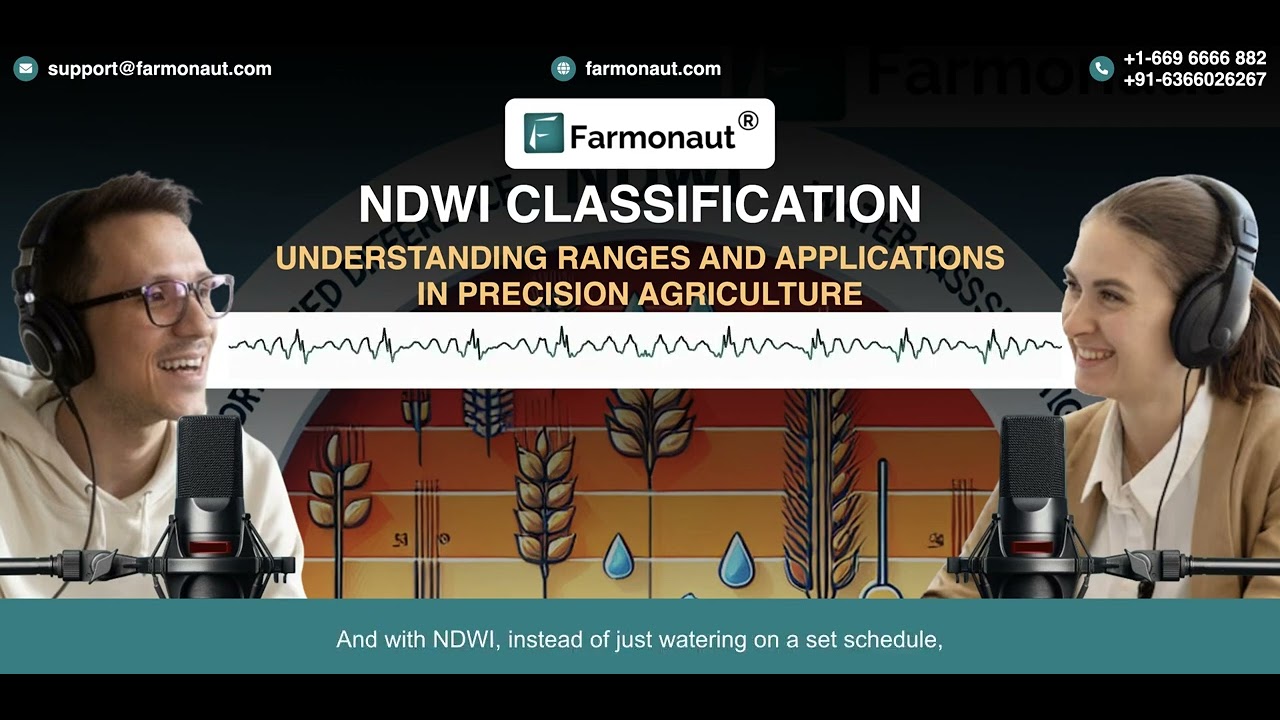
Cost-share support for buffer installation runs through USDA’s Environmental Quality Incentives Program (EQIP), administered by the Natural Resources Conservation Service. Sign-up periods update semiannually, and cost-share rates vary by state — check USDA ERS’s conservation programs page for the current framework, or farmers.gov/conservation for the live sign-up window in your state before budgeting a buffer project.
Plant multi-layered buffer strips with a mix of native trees, shrubs, and herbaceous plants. This maximizes nutrient uptake and offers habitat for beneficial species, and it is the design USDA cost-share programs favor when scoring applications.
2. Diversify Forest Stands and Promote Mixed-Species Management
A diversified forest structure — mixed-age trees and a variety of species — creates resilient landscapes able to buffer against pests, disease, and weather extremes. New England forestry tradition recognizes that monoculture forests carry higher failure risk; diversity supports healthy succession and greater ecological resilience. The same principle underlies England agriculture’s push toward mixed hedgerow and woodland management under Defra’s Environmental Land Management schemes, which reward landowners for structural diversity rather than single-species plantations.
Why Mixed Stands Matter:
- ✔ Reduces pest and disease outbreaks by interrupting host cycles.
- 📊 Increases habitat diversity and food supply for native fauna and pollinators.
- ✔ Buffers economic risk by enabling harvest of a range of timber and non-timber products (berries, mushrooms, maple sap).
- ✔ Improves soil health through leaf litter diversity, enhancing nutrient cycling.
- ⚠ Requires species knowledge and selective thinning to maintain stand health.
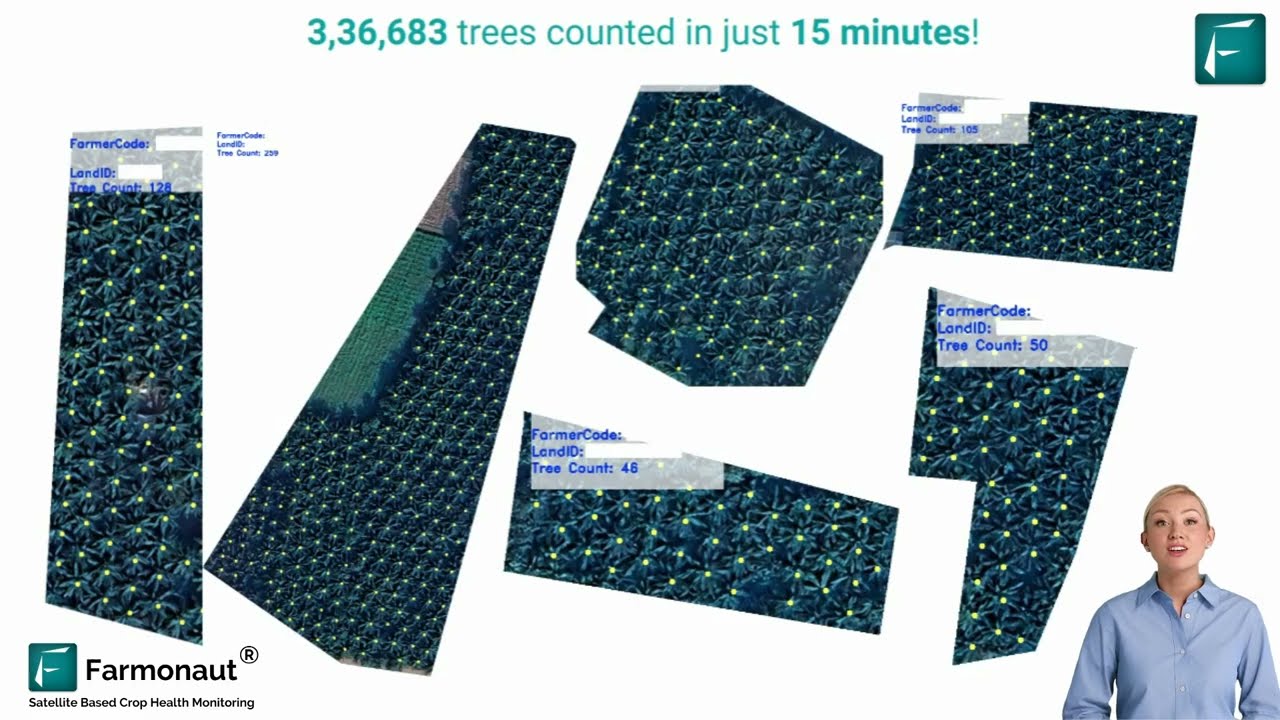
Local New England farming and forestry operations often employ selective logging or underplanting to encourage desirable species and stand structures. This aligns with the core idea of enabling farm-scale timber production without sacrificing overall forest health or biological richness — the same logic that keeps organic and diversified operations expanding: USDA NASS recorded a 90% jump in the number of certified organic farm operations nationally between 2011 and 2021, evidence that diversified, lower-input management is scaling rather than staying a niche practice.
3. Harvest Timing and Strategic Logging for Farm Synchrony
Forest harvest operations must be coordinated with farm management priorities. In New England forestry, timber harvest decisions — timing, stand density, trail placement — are synced with agricultural work calendars and equipment needs. Thoughtful scheduling avoids direct competition for labor, road access, and field traffic.
Key Harvesting Practices:
- ✔ Avoid log extraction during planting or harvest of high-value crops.
- ✔ Schedule major forest operations outside of wet seasons to reduce soil compaction and field rutting.
- 📊 Utilize low-impact equipment and logging mats to protect soil structure.
- ✔ Keep log decks and access roads away from riparian zones and pastures.
- ⚠ Common Mistake: Harvesting during sensitive crop periods, disrupting farm-to-market logistics.
Overlapping forestry and agricultural operations without collaborative planning increases field compaction, crop damage, and road congestion. Always consult with both farmers and foresters on the optimal schedule.
This same disadoption risk shows up in cover-crop data. Choices Magazine’s analysis of USDA ERS data found that in the Eastern Uplands region, 60% of cover-crop acreage gains made between 2017 and 2022 were erased by farmers dropping the practice in other fields over the same window — Choices Magazine, drawing on USDA ERS figures. Poor scheduling and coordination between operations is one of the reasons practices get abandoned rather than sustained; treating harvest timing and cover-crop timing as one calendar, not two, reduces that churn.
Collaboration between farmers, foresters, and landowners ensures that both short-term and long-term economic viability are maintained — maximizing income while minimizing disruption to rural communities.
4. Foster Non-Timber Forest Products & Local Markets
Beyond timber, many forests offer valuable non-timber products — berries, mushrooms, maple sap, medicinal plants, and artisanal woods — that supplement farmers’ income and enrich rural economies. Integrating the harvest and marketing of these goods can provide essential cash flow, align with local food and craft movements, and support conservation goals.
Visual List: Non-Timber Forest Product Examples
Signature product of New England forestry, supporting spring income.
Sought after by restaurants and farm-to-table enthusiasts.
Fuel artisanal and value-added products (jams, wines, sauces) in local markets.
Used for crafts, home goods, and unique local products.
These products align with seasonality and farm-to-table initiatives emphasizing local provenance and sustainability. This is also where organic certification pays off directly: USDA NASS reported $9.5 billion in national organic product sales in 2022, and New York’s certified organic farms alone accounted for $328 million of commodity sales in 2021, per Cornell University’s Field Crop News — a meaningful share of it moving through exactly these local and regional channels rather than commodity markets.
Investing in non-timber forest products can increase rural economic resilience by adding new revenue streams and leveraging local markets, delivering long-term value and risk reduction for landowners.
5. Protect Soil Through Sustainable Forestry Practices
Healthy soils are the foundation of productive agriculture in England and across New England. Forest management — including logging, trail building, and land clearing — can threaten soil stability if poorly conducted. Sustainable forestry practices help reduce erosion, maintain soil organic matter, and protect water supplies while enabling ongoing timber operations.
- ✔ Retain forested buffers around fields and water bodies to catch nutrient runoff.
- ✔ Utilize directional felling and low-impact extraction techniques to decrease soil disturbance.
- ✔ Revegetate skid trails and log decks post-harvest with native cover crops or fast-growing perennials.
- 📊 Monitor soil compaction and infiltration, adapting equipment usage appropriately.
- ✔ Apply best practices for nutrient cycling and residue retention, preserving soil structure and fertility.
By anchoring tree roots and ensuring cover throughout the growing season, sustainable forestry underpins agricultural viability, benefiting farmers for generations.

Soil Protection: Top Benefits
- 🌱 Prevents topsoil loss
- 💧 Maintains water quality through natural filtration
- 📈 Boosts soil organic matter for resilient crops
- 🥕 Improves crop yields and quality
- 🛡 Mitigates risk of costly restoration after weather events
6. Enhance Wildlife Habitat and Biodiversity
Maintaining and enriching biodiversity is at the heart of New England forestry and agriculture. Strategic land stewardship — protecting old-growth forest remnants, establishing habitat corridors, restoring wetland margins — delivers benefits for pollinators, native birds, and game species, which in turn supports crop production and long-term ecosystem health.
- ✔ Protect and connect patches of mature forests crucial for keystone species.
- ✔ Restore and maintain riparian and buffer zones for amphibians, waterfowl, and migratory species.
- ✔ Create openings and edge habitats to encourage a diversity of flora and fauna.
- ✔ Incorporate deadwood, snags, and brush piles in forest stands for invertebrates and small mammals.
- ⚠ Be aware of invasive plant control needs to preserve native diversity and pasture health.
Such approaches guarantee that fields and forests produce not just crops and wood, but also clean water, wildlife viewing, hunting access, and a scenic rural landscape that strengthens local identity.

Biodiverse forestry sites support robust pollinator networks, which are essential for successful local New England farming and the long-term resilience of agricultural fields.
7. Engage Community, Education, and Next-Gen Land Stewardship
No conservation or management strategy succeeds without meaningful engagement. Community forestry programs, agricultural extension services, and regional initiatives empower New England to maintain its rural character, foster innovation in both orchard and forest, and build new generations of responsible land stewards.
- ✔ Educational programs in schools and community centers improve understanding of sustainable practices.
- ✔ Demonstration plots and field days show practical integration of agriculture and forestry.
- ✔ Extension agents and university research accelerate adoption of best practices in soil health, controlled burns, invasive management, and multifunctional forest fencing.
- ✔ Public forums support shared planning and ensure multi-stakeholder perspectives are incorporated into decisions.
- ⚠ Underfunding or lack of engagement limits broader adoption and success.
The New England Forestry Foundation’s Exemplary Forestry program, funded in part through a $32 million USDA Agriculture Marketing Program award, tracks pilot implementation progress on a quarterly basis; for current enrollment and acreage figures, contact [email protected] directly, since the program updates faster than any static bulletin can reflect.

Comparison Table of Sustainability Practices and Estimated Benefits
| Practice | Environmental Impact | Verified Data Point | Relevance to New England / England Agriculture | Where to Check Current Figures |
|---|---|---|---|---|
| Forest Buffers & Riparian Zones | Improved soil health, reduced runoff, enhanced habitat connectivity | Standard USDA example of a natural-landscape BMP; cost-share via EQIP | Protects water resources in hilly & riverine landscapes | USDA ERS conservation programs |
| Organic Certification & Diversified Crops | Lower synthetic input use, diversified rotations | 3.6M certified organic acres, 17,445 farms, $9.5B sales nationally (2021-22) | Growth pattern mirrors diversified New England forest-farm operations | USDA NASS Organic Production Survey |
| Cover Crops & No-Till | Reduced erosion, improved soil organic matter | 60% of Eastern Uplands adoption gains offset by disadoption, 2017-2022 | Shows why coordinated scheduling (Tip 3) matters more than one-time adoption | Choices Magazine / USDA ERS |
| Diversified Mixed-Species Forests | Increased biodiversity, disease resistance | 90% growth in organic farm operations nationally, 2011-2021, as a proxy for diversification uptake | Traditional approach supports iconic maple & berry crops | USDA NASS |
| Non-Timber Forest Products & Local Markets | Enhanced ecosystem services & on-farm biodiversity | $328M in organic commodity sales, New York State, 2021 | Aligns with New England’s culinary & artisanal traditions | Cornell University Field Crop News |
The organic and conservation data above are the most current federally verified figures for the region; USDA NASS Quick Stats (data.nass.usda.gov/nass/QuickStats) republishes updated organic certification data every October/November, so check there directly before citing a number from this page in your own report.
Buffer Strip Runoff & Cost-Share Calculator
Estimate how many acres of riparian buffer your field needs and what a typical EQIP cost-share contribution could offset, based on your own field length and buffer width.
Run your own numbers
Assumes a rectangular buffer strip (length × width) converted at 43,560 sq ft per acre. Excludes seed/plant material selection, site prep, multi-year maintenance costs, and state-specific cost-share rate variation — EQIP rates and sign-up windows differ by state and update semiannually, so confirm your local rate at farmers.gov/conservation before budgeting.
How Technology Elevates Sustainable Forestry & Farming
Innovative technologies are transforming the way forestry and agriculture harmonize in New England and across England agriculture more broadly. At Farmonaut, we leverage satellite imagery, AI-driven analytics, and resource management tools to deliver actionable insights for both foresters and farmers.
- ✔ Satellite-Based Monitoring: Real-time imagery reveals crop health, soil moisture, canopy cover, and changes in forests. Large scale farm management tools help landowners manage forests and fields side by side for optimal productivity.
- 📊 Environmental Impact Tracking: Monitor and mitigate your farm’s or forest’s carbon footprint with precise geospatial data. This is critical for demonstrating and improving sustainability credentials.
- ✔ Fleet and Equipment Management: Our solutions optimize the use of machinery and logistics, reducing costs and maximizing efficiency for mixed farm-forest operations.
- ✔ Blockchain Traceability: Secure, transparent supply chains are enabled through end-to-end blockchain-based product traceability, meeting consumer demand for provenance and sustainability — relevant to organic certification claims like the ones tracked in USDA’s organic sales figures above.
- 📊 AI Advisory Systems: The Jeevn AI system recommends weather-based farm and forestry actions, helping maintain ecosystem health with minimal resource input.
Our platform is available via Android, iOS, web app, and API, making satellite-powered land stewardship accessible for rural communities, businesses, and government agencies.



Developers can integrate our data using the Farmonaut API (developer docs), bringing geospatial intelligence to custom platforms.
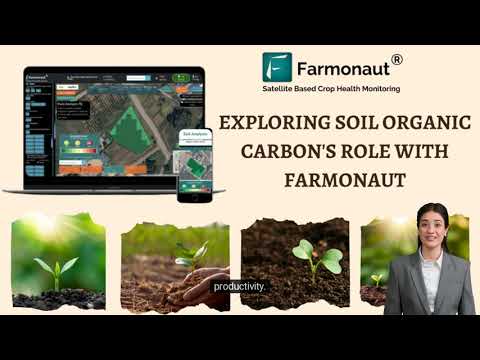
Relying solely on visual field walks misses hidden field or forest health issues. Satellite monitoring reveals patterns and stresses invisible at ground level, supporting better forest and farm management decisions.
How to Verify These Figures Yourself
Every organic and conservation figure in this article carries a publication date because that is the only honest way to present USDA data: NASS republishes the Organic Production Survey results on an ongoing schedule, and the underlying database — data.nass.usda.gov/nass/QuickStats — updates annually, typically in October or November, with the newest certification year. To get a number more current than 2021 for your state, search Quick Stats by state and commodity directly. For New England Forestry Foundation program data specifically, the Exemplary Forestry pilot is tracked quarterly and is best confirmed by emailing [email protected]. For EQIP cost-share rates and sign-up windows, farmers.gov/conservation is updated on a semiannual cycle and will always be fresher than a figure quoted here.
Integrating field data with satellite insights provides the foundation for carbon footprinting and climate-smart farming, qualifying landowners for emerging carbon markets and ecosystem service incentives.
Frequently Asked Questions (FAQ)
What is a good example of a best management practice for natural landscapes?
A vegetated riparian buffer strip along a stream, wetland, or field edge is the standard example: it intercepts surface runoff, stabilizes streambanks with root systems, and creates a wildlife corridor, all in one installation. It is the practice USDA’s EQIP cost-share program funds most consistently for natural-landscape protection — see USDA ERS’s conservation programs overview for how funding is structured.
How does England agriculture data compare to New England’s organic and conservation trends?
Direct England-to-New-England comparisons require pulling both country’s datasets separately — Defra publishes England’s agricultural statistics through its own survey infrastructure, while USDA NASS covers the New England states. The clearest comparable US benchmark is the 2021 organic cropland survey: 3.6 million acres nationally, 17,445 certified organic farms, and $9.5 billion in sales, per USDA NASS. For England-specific farm policy detail, see our dedicated page on sustainable agriculture in England.
How does sustainable forestry support New England agriculture?
Sustainable forestry underpins agricultural soils by stabilizing land, reducing erosion, ensuring water infiltration, and providing microclimates that support field crops and pastures. Integrated management enhances both timber and farm viability, buffers income, and safeguards environmental quality.
What are examples of non-timber forest products, and why are they important?
Examples include maple sap, edible mushrooms, wild berries, medicinal herbs, and artisanal woods for crafts. These products diversify farm and forest income and align with local markets — nationally, organic and diversified product sales reached $9.5 billion in 2022 per USDA NASS, much of it moving through exactly these local and regional channels.
How can technology help farmers and foresters track sustainability progress?
Satellite monitoring, AI, and blockchain provide real-time insights into crop and forest health, support resource management, and enhance traceability. This allows landowners to optimize practices, reduce costs, and meet sustainability standards. Our platform makes these tools accessible and cost-effective.
Why does cover crop and conservation adoption keep declining even as new acres get enrolled?
USDA ERS-based analysis published in Choices Magazine found that in the Eastern Uplands region, 60% of the cover-crop acreage gained between 2017 and 2022 was offset by farmers dropping the practice elsewhere in the same period — a pattern called disadoption. It means gross enrollment numbers alone overstate real progress; net acreage change, not sign-ups, is the number to track. See the full analysis at Choices Magazine.
Reach out to your local extension service or conservation district for guidance tailored to your land’s specific mix of forest and farmland. For the newest certified organic acreage or farm counts in your state, query USDA NASS Quick Stats (data.nass.usda.gov/nass/QuickStats) directly rather than relying on any single article’s snapshot.
Conclusion: Stewarding Fields and Forests — Together, For the Long Run
The nexus of New England forestry, England agriculture, and sustainable land management is not a seasonal trend — it is a data-backed shift: organic cropland up 79% and organic farm operations up 90% nationally between 2011 and 2021, per USDA NASS, alongside a cover-crop disadoption rate that shows adoption alone is not the finish line. By adopting the seven practices above — forest buffers, mixed-species stands, coordinated harvest timing, non-timber products, soil conservation, biodiversity habitat, and community engagement — landowners can build durable, revenue-diversified operations rather than one-off certifications.
With satellite and AI tools from providers like Farmonaut, every landowner can monitor and verify these practices continuously rather than waiting for the next USDA survey cycle. Track your own numbers against USDA NASS Quick Stats, confirm cost-share rates at farmers.gov/conservation, and use the calculator above to size your own buffer investment before committing capital.

 Global Launch Base
 Elders
 Agritein
 Delicio
 WB Dev
 Sama Premium
 Prochecker
 Tres Valles
 LACOS Geoinformation
 Magrifly
 LatConnect 60
 WebsEdge
 Blickwinkel
 Agricultural Credit Policy Council
 Marei Nursery
 eKGIS
eKGIS Mostas Tech
 Andex
Andex FCF India
