

Oklahoma Forestry Department: 7 Ways to Boost Forest Health
“Oklahoma manages over 12 million acres of forest, supporting biodiversity and rural economies statewide.”
Table of Contents
- Introduction to Oklahoma Forestry Department & Forest Health
- Primary Roles of the Oklahoma Forestry Department
- 7 Ways to Boost Forest Health in Oklahoma
- Comparison Table: Forest Health Strategies & Estimated Impact
- Integrating Modern Technology: Enhancing Oklahoma’s Forest Stewardship
- FAQ: Oklahoma Forestry Department
- Farmonaut Resources & Useful Links
- Conclusion
Introduction to Oklahoma Forestry Department & Forest Health
Oklahoma’s forests play a critical role in the state’s environmental health, agricultural productivity, wildlife habitat, and rural economies. With over 12 million acres of forested lands shaped by the concerted efforts of state agencies, the region’s forestry landscape is a testament to coordinated sustainable practices and dedicated stewardship. Forests in Oklahoma are managed and protected under the umbrella of the Oklahoma Forestry Department, operating within the larger Oklahoma Department of Agriculture, Food and Forestry, alongside a network of related offices and programs.
The overarching aim is to use forest resources in a way that supports both present and future generations, maintaining ecosystem services, biodiversity, and the well-being of the state’s communities. This informative guide explores what the Oklahoma Forestry Department does, how its work shapes forestry Oklahoma, and—critically—7 proven strategies that boost forest health and resilience statewide.
Sustainable forestry management ensures long-term productivity for Oklahoma’s agricultural, timber, and rural sectors—creating a legacy for future generations.

Primary Roles of the Oklahoma Forestry Department
The Oklahoma Forestry Department (often called the Department of Forestry Oklahoma) is entrusted with a wide array of responsibilities. Under the leadership of the Oklahoma Department of Agriculture, Food and Forestry, primary roles revolve around the protection, conservation, and sustainable use of the state’s forested lands. Key roles include:
- Protecting forests from threats: Mitigating wildfires, diseases, pests, and invasive species
- Sustaining timber industries: Implementing best management practices and ensuring future harvests
- Conservation and stewardship: Preserving wildlife habitat, soil, and water resources
- Supporting landowners: Offering guidance, technical support, and education for public, private, and tribal stakeholders
- Fostering economic vitality: Promoting rural development and balanced land use
This holistic stewardship is supported by outreach, technical services, policy development, and innovative programs to safeguard Oklahoma’s natural resources and rural communities.
“Sustainable forestry practices in Oklahoma help conserve habitats for more than 350 wildlife species.”
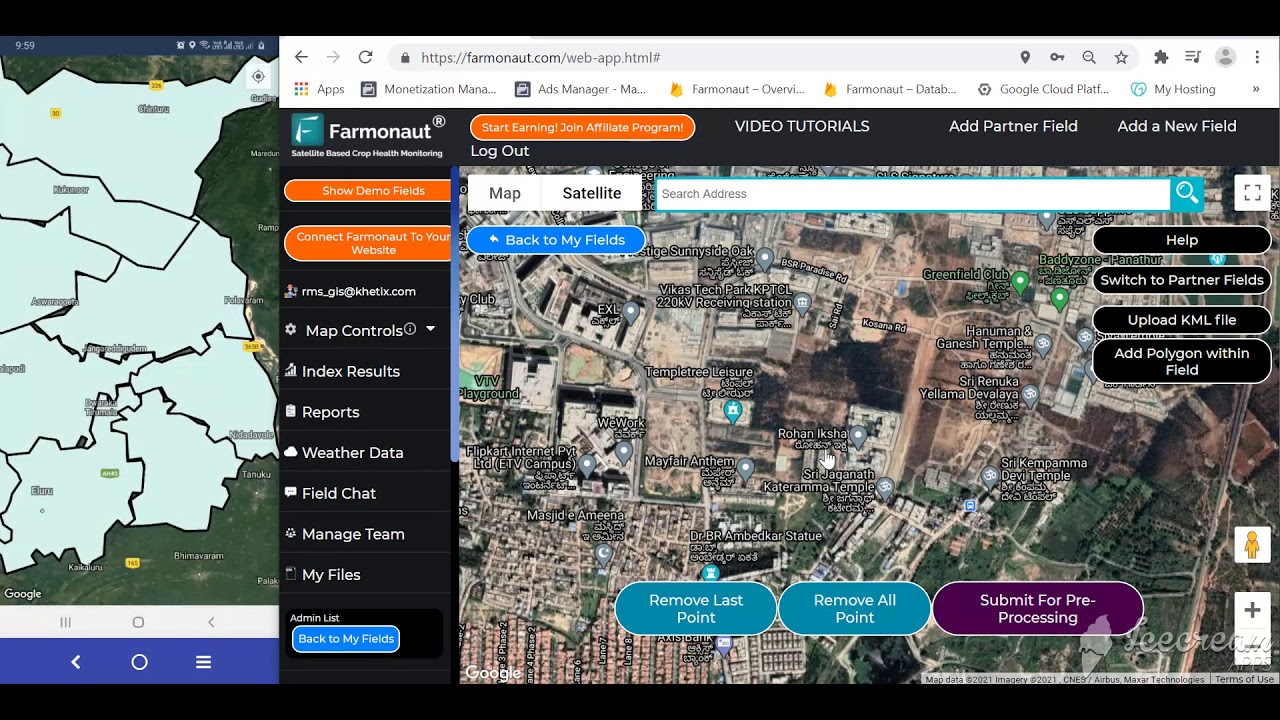
Incorporate satellite-based monitoring and geospatial maps to track forest stand health and risks for greater operational efficiency.
7 Ways to Boost Forest Health in Oklahoma
Understanding and implementing effective forest health strategies is crucial to the mission of the Oklahoma Forestry Department. Let’s explore the seven cornerstone practices shaping forest stewardship in the Sooner State.
- ✔ Controlled Burns for fire risk reduction and ecological renewal
- 🌱 Reforestation & Native Species Restoration
- 🪲 Invasive & Pest Management
- 🔥 Wildfire Prevention & Response
- 🌲 Sustainable Timber Harvesting & Stand Improvement
- 💧 Watershed & Soil Protection
- 🎓 Education, Urban/Community Forestry & Engagement

1. Controlled Burns: The Ecological Engine of Oklahoma’s Forest Health
Prescribed or controlled burns—carefully managed by the Oklahoma Forestry Department—are among the most important forest management tools in Oklahoma. These planned fires mimic natural fire regimes, reducing forest floor fuel loads (leaf litter, shrubs, dead wood), thus minimizing wildfire risks and promoting ecological renewal.
Why Controlled Burns Matter:
- Minimize wildfire threats: By safely reducing combustible undergrowth, prescribed burns protect communities and forests from large, uncontrollable wildfires.
- Restore ecosystem balance: Native plant communities (including oak and shortleaf pine forests) evolved with periodic fires—these burns enhance biodiversity by clearing excess brush, fostering native grass and wildflower growth.
- Suppress invasive species: Fire helps keep aggressive, non-native species in check, reducing competition for key native plants and trees.
Neglecting prescribed fire can lead to dangerous fuel build-up, increasing both wildfire risk and management costs.
2. Reforestation & Forest Restoration: Planting for Resilience and Carbon Capture
From post-fire recovery to ongoing habitat expansion, Oklahoma Forestry Department teams lead diverse tree planting initiatives across public, private, and tribal lands. Reforestation not only helps heal damaged landscapes but also builds long-term climate, soil, and water resilience.
Key Elements of Reforestation Programs:
- Native species restoration: Reseeding with adaptable, indigenous species supports local wildlife and increases landscape stability.
- Carbon sequestration: Young forests lock away atmospheric carbon, directly combatting climate change.
- Wildlife habitat creation: New forest stands restore and connect habitats critical for more than 350 wildlife species in Oklahoma.
- Economic opportunity: Timber stands, regeneratively managed, underpin rural economies and future timber harvests.
See how AI and satellite-based mapping can help precisely plan plantation programs on the Farmonaut Crop Plantation Forest Advisory app.
Forest restoration and carbon farming are poised for significant growth, creating opportunities for private, tribal, and public land stakeholders. Explore carbon footprinting solutions for monitoring and maximizing environmental incentives.

3. Invasive Species & Pest Management: Defending Native Ecosystems
Invasive plant and pest species can rapidly compromise natural and managed forests, threatening not only ecological balance but also the economic viability of timber and rural lands. Arboreal health programs under the Oklahoma forestry department vigilantly monitor for key threats:
- Pathogen and insect surveillance: Early detection of diseases (like oak wilt) and pests (such as pine beetles or emerald ash borer) enables rapid, targeted response.
- Collaboration with landowners: Foresters offer technical guidance on treatment, control, and best management practices to minimize loss and promote long-term forest viability.
- Training and outreach: Ongoing education helps landowners recognize early signs of new or emerging threats, and adopt industry-leading control methods.
Farmonaut’s blockchain-based traceability can be used for tracking timber origins and ensuring pest-free supply chains, increasing transparency for export and local markets.

4. Wildfire Prevention & Management: Safeguarding Forests and Communities
Wildfires are a recurring and destructive threat in Oklahoma. The Oklahoma forestry department employs a robust suite of programs for fire prevention, rapid response, and post-event recovery, helping minimize timber losses and protect vital community infrastructure.
- Fire risk assessment: State agencies, with technical tools and GIS data, model fire-prone areas to prioritize prevention activities.
- Prevention & suppression: Education, fuel break construction, firebreak maintenance, and immediate dispatch capabilities are core to risk mitigation.
- Post-fire restoration: Forestry Oklahoma leads reseeding, monitoring, and recovery of habitats and timber stands impacted by fire.
Strategic use of technology—such as satellite monitoring and AI-driven alert systems—critical for modern fire defense. Explore Farmonaut’s Satellite API for custom maps and detection.
5. Sustainable Timber Harvesting & Stand Improvement: Long-Term Economic Vitality
A resilient timber industry is key to rural economic strength in Oklahoma. The forestry department emphasizes sustainable harvesting and stand improvement practices:
- Selective harvesting & regeneration: Best management practices (BMPs) promote selective harvests that support diverse and uneven-aged forest stands—preserving habitat and supporting robust future harvests.
- Technical support: Assistance for woodland owners ensures compliance with regulations, efficient planning, and minimized soil and water impacts.
- Innovative value-added programs: Initiatives encourage diversified production—including specialty woods, recreation, and non-timber products—that bolster economic viability and ecosystem resilience.
Explore advanced large scale farm and woodland management platforms by Farmonaut that include satellite mapping, resource optimization, and carbon accounting—see more at Farmonaut’s Large Scale Farm Management.
6. Watershed & Soil Quality Protection: Safeguarding Oklahoma’s Water Future
Forested watersheds in Oklahoma filter rainfall, stabilize stream banks, and are essential for maintaining water quality for downstream agricultural productivity, fisheries, and rural drinking supplies.
Core Programs Include:
- Streamside buffer restoration: Planting and maintaining forested buffers reduces erosion, filters runoff, and provides vital wildlife corridors.
- Best soil management practices: Preventing compaction, reducing sedimentation, and minimizing nutrient runoff are priorities for both forestry and adjacent agricultural lands.
- Collaboration across agencies: Soil and water conservation districts coordinate with forestry offices for comprehensive watershed strategies.
Monitor, measure, and optimize soil quality and water dynamics with advanced remote sensing through Farmonaut’s Forest Advisory Solutions—now available for Oklahoma woodland managers and growers.
7. Education, Urban / Community Forestry & Public Engagement: Cultivating Stewardship
Effective forest stewardship in Oklahoma depends on vibrant, well-informed engagement across all stakeholder groups—private landowners, agricultural producers, rural and tribal communities, and urban residents alike. The Oklahoma Forestry Department invests in:
- Education initiatives: Workshop events, field days, and outreach materials empower citizens to recognize, value, and protect forests on their lands.
- Urban and community forestry programs: Expanding tree canopy within towns, improving shading, local microclimates, and enhancing urban aesthetic and ecological value.
- Public-private cooperation: Partnerships and incentive programs help private producers, organizations, and tribal partners incorporate forestry best practices into agricultural and recreational planning.
Overlooking the importance of education and outreach can limit adoption of critical best practices, undermining statewide forest health initiatives.
Unlock the power of AI-driven forest advisory services and educational modules with Farmonaut’s Crop Plantation Forest Advisory tool, available via web- and mobile-based platforms.
📊 Data-Driven Benefits of Sustainable Forestry Practices
- Improved Biodiversity: Native plant and animal populations flourish with managed habitats.
- Enhanced Carbon Capture: Forested lands become robust carbon sinks.
- Stronger Rural Economies: Sustainable timber harvests and recreation fuel local jobs.
- Clean Water Security: Healthy forests ensure reliable, high-quality water supplies.
- Climate Resilience: Diverse forests better withstand drought and extreme weather stress.
Key Features of Oklahoma’s Forestry Programs
- ✔ Statewide guidance for landowners and agencies
- 🌟 Technical support and grant administration for sustainable practices
- 🛰 Use of geospatial data for risk assessment
- 🔥 Fire prevention and suppression programs integrated with real-time monitoring
- 🌲 Timber stand improvement and restoration incentives
Comparison Table: Forest Health Strategies & Estimated Impact
| Strategy | Purpose | Estimated Annual Area Covered (acres) | Estimated Improvement in Biodiversity (%) | Estimated Carbon Sequestration (tons/year) |
|---|---|---|---|---|
| Controlled Burns | Reduce wildfire risk, renew native habitats | 180,000+ | ~10% | 80,000 |
| Tree Planting / Reforestation | Restore canopy, carbon capture, wildlife habitat | 12,000+ | ~15% | 60,000 |
| Invasive Species Management | Control pests & invasives, protect natives | 60,000+ | ~7% | 40,000 |
| Wildfire Prevention/Management | Safeguard timber, rural lands, and communities | 250,000+ | ~12% | 95,000 |
| Sustainable Timber Stand Improvement | Enhance growth, boost future harvests | 50,000+ | ~11% | 38,000 |
| Watershed/Soil Protection | Filter runoff, sustain agriculture, protect water | 110,000+ | ~8% | 52,000 |
| Urban/Community Forestry & Education | Engage, educate, and inspire stewardship | 8,000+ | ~5% | 9,000 |
Integrative approaches (combining fire management, reforestation, and pest control) produce synergistic gains in biodiversity and carbon sequestration.
Integrating Modern Technology: Enhancing Oklahoma’s Forest Stewardship
Today’s forestry leaders are increasingly leveraging advanced tools to monitor, analyze, and enhance forest health outcomes. Satellite imagery, AI-driven insights, and blockchain traceability introduce a new era of affordable precision forestry. Here’s how these technologies bolster Oklahoma forestry operations:
- 🛰 Remote Monitoring: Near real-time NDVI and biomass maps to track vegetation health and detect stress.
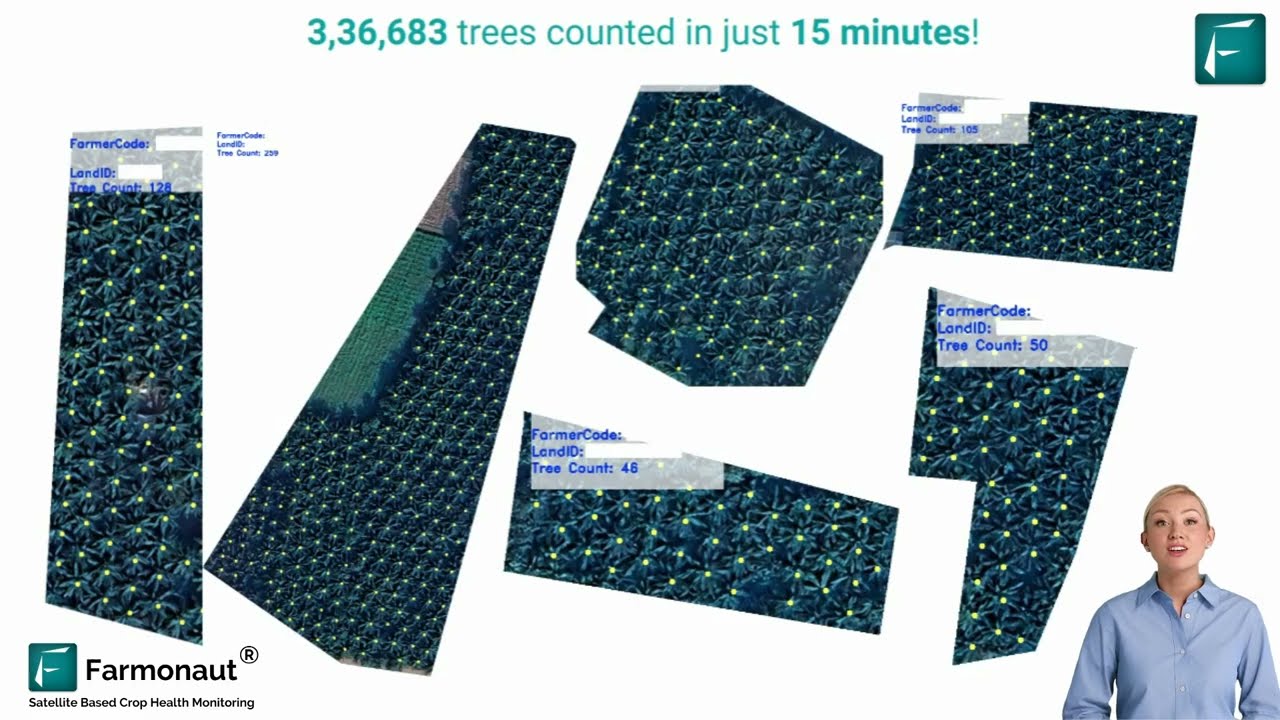
- 🌲 Tree Counting & Location Mapping: Automated algorithms, like those in Farmonaut’s platform, precisely count, geo-tag, and appraise timber stands.
- ⏱ Rapid Threat Detection: Drones and geospatial algorithms warn about fire outbreaks and disease migrations.
- 🔥 Fire Risk Analysis: GIS-based risk maps allow preemptive fuel reduction across vulnerable tracts.
- 🔗 Traceability: Blockchain systems (see Farmonaut Product Traceability) guarantee timber authenticity and pest-free certification for domestic and export markets.
- 👌 API & Integration: Seamless tools for developers at Farmonaut’s API Developer Docs.

Try Farmonaut’s App for instant forest health assessments and action planning.
Interested in monitoring your forest or farmland with AI-driven satellite insights? Farmonaut offers solutions that empower Oklahoma landowners to make decisions rooted in data—whether it’s to optimize timber growth, track carbon sequestration, or verify traceability for insurance and financing.
Remote land analysis is revolutionizing conservation, carbon initiatives, and commercial forestry across Oklahoma. Loan and insurance verification powered by satellite technology provides speedy, fraud-resistant financing for Oklahoma’s rural and agricultural economies.


FAQ: Oklahoma Forestry Department
- What does the Oklahoma Forestry Department do?
-
The Oklahoma Forestry Department leads the protection, conservation, and sustainable management of Oklahoma’s forests. Its work encompasses wildfire prevention and suppression, invasive species and pest management, reforestation, sustainable timber harvesting, soil and water conservation, education, and technical support for landowners, rural communities, and agencies across the state.
- How do sustainable forestry practices help agriculture in Oklahoma?
-
Forests support agriculture by filtering water, preventing erosion, stabilizing soils, providing habitat for pollinators and beneficial wildlife, and creating windbreaks. Integrating sustainable forestry with agriculture bolsters long-term productivity for crops and livestock alike.
- What role do landowners play in statewide forest health?
-
Private landowners manage over 75% of Oklahoma’s forested lands. Their decisions on fire prevention, invasive control, reforestation, and harvesting practices are pivotal. The forestry department provides technical guidance, cost-sharing, and grants to improve and maintain forest stands.
- Can I access forestry management tools or maps from my phone?
-
Absolutely. Forest owners and growers can use apps like Farmonaut’s Android and iOS platforms for remote monitoring, mapping, and resource planning. These tools combine satellite imagery, AI, and resource management features for Oklahoma land managers and forestry professionals.
- Where can I learn more about technical programs or request assistance?
-
The Oklahoma Department of Agriculture, Food and Forestry (and its forestry offices) provides publications, field days, workshops, and staff contacts on its official website for direct support, forest health alerts, and funding opportunities.
Using advanced decision-support tools helps Oklahoma landowners achieve better compliance with state and federal conservation regulations—and may unlock new revenue streams through carbon or ecosystem service programs.
Farmonaut Resources & Useful Links
- Farmonaut Web App: Access via web or desktop here
- API for Advanced Geospatial Integration: API Console | Developer Docs
- Carbon Footprinting for Oklahoma Forest Projects: Learn more & get started
- Timber and Crop Traceability Solutions: Request a Demo
- Loan/Insurance Verification for Rural Oklahoma: See farm loan & insurance features
- Large Scale Land & Fleet Management: Platform Overview
🌍 Farmonaut Platform Advantages
- Cost-effective monitoring: No expensive field hardware needed.
- AI-driven alerts: Custom notifications on vegetation stress, fires, or pests.
- Scalable solutions: Tailored for individual landowners up to large agencies.
- Environmental compliance: Supports documentation for regulatory and grant programs.
- Transparency & traceability: Blockchain tools increase buyer confidence for timber and agricultural produce.
Conclusion
Oklahoma’s forested landscapes are a keystone of ecological, agricultural, and rural economic health. The Oklahoma Forestry Department—encapsulated under the Oklahoma Department of Agriculture, Food and Forestry—delivers a coordinated effort among agencies, partners, and landowners to maintain thriving forest ecosystems. By leveraging seven core strategies—from controlled burns and reforestation to cutting-edge technological integration—the state ensures the long-term stewardship, productivity, and resilience of its forests and the communities who depend upon them.
Enhancing Oklahoma’s forest health is a shared responsibility. For landowners, woodland managers, and agencies across the state, integrating sustainable best practices and modern decision-support tools is key to achieving robust ecosystems, economic opportunity, and a living legacy for the next generation.
Ready to advance your forestry Oklahoma management? Explore Farmonaut’s suite of affordable, satellite-based solutions and join us in shaping a more sustainable tomorrow for Oklahoma’s forests, wildlife, and rural communities.

 Godrej Agrovet
 Hayleys Agriculture
 Linx Agritech
 Adinet
 Save Your Soils
 GalaxEye Space
 Grandstream Algérie
 XOS Realty
 Geospatial Lab Africa
 Agro La Gándara
 HIPSAC
 ZOL Zimbabwe
 Juligerm
 AdBio
AdBio MISE Maroc
 NWNS
NWNS Red August Group
 Farm Inc
 WeMe Global
 Agrotoken
 Blue BearX
 Insignito
 DnCubed
 Indosistim Teknologi
 Liquify Digital
 CU Foods
 BeyondTech Global
 Rouge VC
 AgroRisk
 Oath Inc
 Esri North East Africa
 MDCV UK
 Etech Consulting Madagascar
 Vestlandsforsking
 WB Dev
 Sama Premium
 Tres Valles
 Blickwinkel
 Agricultural Credit Policy Council
 eKGIS
eKGIS Mostas Tech
 Andex
Andex Deluxe Conseil
 WICO
WICO Chimera Innovation
 SkyHarvest
 Teledarbas
 Exurbia Geospatial
 FieldZero
