

Oregon, Iowa, Ohio, Missouri, Texas Agriculture Pesticide: Licensing, Compliance, and Sustainable Practices Across States
“Over 90% of Oregon farms use integrated pest management to reduce pesticide impact on local ecosystems.”
Understanding pesticide regulation across U.S. states—specifically in Oregon, Iowa, Ohio, Missouri, and Texas—is crucial for farmers, foresters, and those in related industries to remain compliant, protect sensitive ecosystems, and sustain long-term agricultural productivity. In this comprehensive guide, we delve into pesticide licensing frameworks, integrated pest management (IPM) principles, and the sustainable agricultural practices that are emphasized by each state. We also examine compliance strategies, grant opportunities, and technological innovations that help ensure responsible use and modernization of pest management systems.
Table of Contents
- Why Statewise Pesticide Regulation Matters
- Oregon: Agriculture, Pesticide Management, and Sustainability
- Iowa: Integrated Pesticide Licensing and Pollinator Protection
- Ohio: Best Practices in Agricultural Pesticide Compliance
- Missouri: Practical Pesticide Certification for Farmers
- Texas: Grants and Sustainable Pest Management
- Statewise Pesticide Regulation and Sustainability Comparison Table
- Technology and Modernization in Agricultural Pest Management
- Farmonaut’s Role in Satellite-Powered Compliance and Sustainability
- FAQs on Agriculture Pesticide Licensing and Compliance Across States
- Conclusion: Pesticide Regulation & Sustainability for Future-Ready Farming
Why Statewise Pesticide Regulation Matters
Agricultural pesticide regulation in the United States is decentralized, with state departments administering their own pesticide licensing, certification, and stewardship programs. This regulatory diversity is pivotal in tailoring environmental protections to regional ecological needs, crop systems, and community health priorities. The main threads that connect Oregon, Iowa, Ohio, Missouri, and Texas are:
- Enforcement of pesticide licensing and certification for applicators, handlers, and businesses
- Promotion of integrated pest management (IPM) practices to reduce chemical inputs
- Rules governing application timing, buffer zones, and drift reduction
- Mandatory recordkeeping, reporting, and compliance with federal label requirements
- Support for sustainable farming via education, training, and grant opportunities
As we explore each state’s approach to agricultural pesticides, keep in mind how local context drives regulation—and why understanding these differences is crucial for all farmers, foresters, and related industries aiming to sustain productivity and protect vital ecosystems.
For multi-state operators, aligning with each state’s pesticide rules and stewardship philosophy is vital for legal compliance, brand reputation, and environmental stewardship.
Oregon: Agriculture, Pesticide Management, and Sustainability
Oregon Department of Agriculture Pesticide Programs
The Oregon Department of Agriculture (ODA) oversees pesticide licensing, applicator certification, and enforcement to ensure all handlers and operations meet rigorous standards. This regulatory framework applies to all agricultural businesses, from row crop farms to forestry contractors, and is central to legally applying pesticides across various sites.
- Licensing: Applicators and handlers must obtain the correct license for their activity—e.g., private or commercial pesticide applicator, pesticide dealer, or consultant.
- Certification: Category-specific exams ensure a foundational knowledge of safe handling, application methods, recordkeeping, PPE, calibration, spill response, and label adherence.
- Renewal: Licenses require periodic renewal and ongoing education to adapt to evolving pesticide products, safety protocols, and environmental science.
- Enforcement: ODA regularly inspects records and investigates complaints, emphasizing a holistic approach to compliance and safety.
Soil and Water Protection
- Efforts to minimize pesticide drift and create buffer zones near waterways
- Requirements for proper disposal and spill response
Integrated Pest Management
- Mandate for crop rotation, resistant crop varieties, and pest scouting
- Annual education to stay current on alternatives to chemicals
Practitioner Support
- Online resources, ODA hotline, and site visits for technical guidance
- Frequent workshops and recertification training opportunities

Oregon’s pesticide policy does not operate in a vacuum. The oregon department of agriculture pesticide framework is interwoven with watershed protection initiatives, annual groundwater sampling, and peer-reviewed guidelines for buffer zones, particularly near salmon habitats and sensitive wetlands. Oregon also encourages transition to reduced-risk pesticides and grants technical assistance to farms exploring biological control options.
When seeking a new license or renewing in Oregon, review the latest ODA guidance on drift minimization. Buffer practices and weather condition assessments are key to avoiding violations.
Iowa: Integrated Pesticide Licensing and Pollinator Protection
Iowa Department of Agriculture Pesticide: Safeguarding Water and Pollinators
The Iowa Department of Agriculture and Land Stewardship (IDALS) administers pesticide licensing, certification, and enforcement through regulations that focus on protecting pollinators, water quality, and non-target species. Here’s what this means for agricultural operators:
- Licensing: Required for all private and commercial applicators, pesticide businesses, and consultants.
- Certification: Testing covers label comprehension, environmental stewardship, drift prevention, and proper recordkeeping.
- Compliance: Adherence to timing restrictions, restricted-entry intervals (REIs), and approved use sites is enforced. Recordkeeping audits ensure traceability.
- Drift Management: Applicators must employ drift reduction technologies, properly calibrate equipment, and respect buffer zones near streams, wetlands, and inhabited areas.
Neglecting REI or application timing on high-wind days! In Iowa, both can result in fines and mandatory retraining.
Iowa’s Integrated Pest Management Culture
- Integrated Pest Management is a core principle—IDALS and Iowa State University Extension support growers in reducing chemical inputs with crop rotation, pest-resistant hybrids, and persistent scouting.
- Programs include conservation tillage, cover cropping for soil health, and technical assistance for environmental buffer design.
- Annual recertification often integrates new data on pesticide resistance and pollinator health, keeping Iowa producers productive but compliant.

Ohio: Best Practices in Agricultural Pesticide Compliance
Ohio Department of Agriculture Pesticide License and Stewardship
The Ohio Department of Agriculture pesticide license system is robust, covering a wide variety of applicators. Farmers, custom applicators, lawn and turf operators, and even forestry contractors must hold appropriate credentials. Ohio distinguishes itself with its strong education and safety-centric approach:
- Training and Certification: Category-specific training for field crops, specialty crops, turf, and greenhouses
- Recordkeeping: Mandatory records for all restricted-use pesticides (RUPs), including rate, site, and weather conditions at application
- Reporting: Incidents, misapplications, or off-target drift must be promptly reported to the state
- Ongoing Education: Continuing education requirements and reexamination cycles keep practitioners updated on drift control, label changes, handling spills, and integrated pest management techniques
- ✔ Precision Application: Employ weather monitoring and GPS-guided sprayers to minimize drift
- ✔ Buffer Management: Respect setbacks near streams, ditches, and sensitive wooded areas
- ✔ Resistance Management: Rotate chemistries and use non-chemical controls where possible
- ✔ Label Compliance: Always verify crops, sites, and restricted species before use
- ✔ Community Safety: Store chemicals securely and prioritize proper disposal

This attention to detail explains why the ohio department of agriculture pesticide license and its related programs are widely considered best-in-class among Midwest regulatory frameworks. Moreover, Ohio integrates precision agriculture tools and weather-based decision making into its recommended practices, boosting yields while protecting soil and watershed health.
Missouri: Practical Pesticide Certification for Farmers
Missouri Dept of Agriculture Pesticide Program: Accessibility Meets Accountability
The missouri dept of agriculture pesticide program is recognized for its accessibility to producers and rigorous commitment to resource protection. Here are its pillars:
- Farmer-Friendly Licensing: Clear guidance simplifies obtaining the correct license or certification, be it private pesticide applicator or commercial/for hire applicator.
- Compliance with Buffer and Drift Rules: Strict drift management via calibrated sprayers, nozzle selection, and tailored timing—especially pre- and post-emergence windows.
- Best Practices: Workshops and technical assistance equip practitioners with knowledge on IPM integration, recordkeeping, PPE, and environmental response plans.
- Accountability: Missouri audits more frequently than most Midwestern states, focusing on water and non-target organism safeguards.
Missouri’s commitment to accessible certifications and environmental audit programs makes it an attractive state for agricultural investors focused on long-term sustainable returns.
Missouri’s regulatory emphasis supports profitability and farm resilience, creating opportunities for modernization—especially for those integrating satellite or sensor-based decision support. Missouri is particularly proactive about extending technical help for growers in sensitive watersheds or wildlife corridors.
Texas: Grants and Sustainable Pest Management
“Texas issued more than 12,000 pesticide applicator licenses in 2023, ensuring statewide compliance and environmental safety.”
Texas Department of Agriculture: Licensing and Leadership in Grants
With a vast landscape and diverse crops, Texas features one of the country’s most active regulatory environments for pesticide management. The texas department of agriculture grants system is a standout feature, supporting producers in achieving compliance while advancing sustainable and modern pest management:
- Licensing and Renewal: Stringent testing and periodic recertification address new chemical traits, drift risks, invasive threats, and weather-responsive management.
- Grant Support: Texas department of agriculture grants help offset compliance costs for precision agriculture upgrades, buffer establishment, and IPM training.
- Stewardship and Reporting: Every grant recipient must show measurable outcome improvements—like reduced off-target movement or enhancement of beneficial insect habitats.
- Extension & Reporting: Transparent reporting and data-sharing foster broad ecosystem benefits and best practice transfer within the Texas farming community.

Whether operating a ranch or a diversified crop operation, Texas pesticide users increasingly apply satellite tools, precision sprayers, and integrated pest management systems to stay ahead of regulatory trends and reduce chemical inputs—creating a model for high-productivity, sustainable, and compliant modern agriculture.
When applying for Texas Department of Agriculture grants, prioritize projects that demonstrate co-benefits for both productivity (precision spraying or advanced drift management) and wildlife habitat enhancement.
Statewise Pesticide Regulation and Sustainability Comparison Table
Across states, integrated pest management isn’t just recommended—it’s woven into the licensing, renewal, and compliance process, with quantifiable ecosystem benefits.
Technology and Modernization in Agricultural Pest Management
Modern pest management goes beyond just chemicals and traditional scouting. The next wave is digital and data-driven, emphasizing reduced pesticide use, drift minimization, and precision deployment—all priorities echoed across our five focus states. Here’s how technology aids compliance and sustainability:
- 📡 Satellite Insights: Frequent monitoring identifies pest hotspots and supports timely, targeted application
- 🤖 AI-Based Decision Systems: Modeling pest pressure and recommending optimal intervention strategies
- ⛑️ Remote Equipment Calibration: Ensures accurate rates and minimizes error, even across varied weather conditions
- 📊 Automated Recordkeeping: Enhances traceability, supports regulatory audits, and reduces compliance workload
- 🦋 Habitat Mapping: Identifies critical pollinator pathways and wildlife corridors to guide application

Adopting digital solutions is a compliance strategy in itself—simplifying reporting, calibration, and data analysis, while directly contributing to better soil health, water protection, and responsible input use.
Farmonaut’s Role in Satellite-Powered Compliance and Sustainability
We at Farmonaut understand that the path forward for agriculture—and for compliance with evolving pesticide regulations—lies in real-time, affordable, and actionable data. Our platform supports agricultural operations across Oregon, Iowa, Ohio, Missouri, and Texas with tools to:
- Monitor fields and forests with up-to-date satellite imagery for early detection of crop stress, pest outbreaks, and potential drift zones
- Automate recordkeeping for pesticide application, supporting traceability and audit readiness
- Leverage AI with the Jeevn system for weather-adjusted advisory, maximizing the efficiency of each spray and reducing chemical inputs
- Map and manage buffer zones, ensuring compliance with state requirements and ecosystem protection best practices
- Track the impact on soil and water resources with continuous, objective data
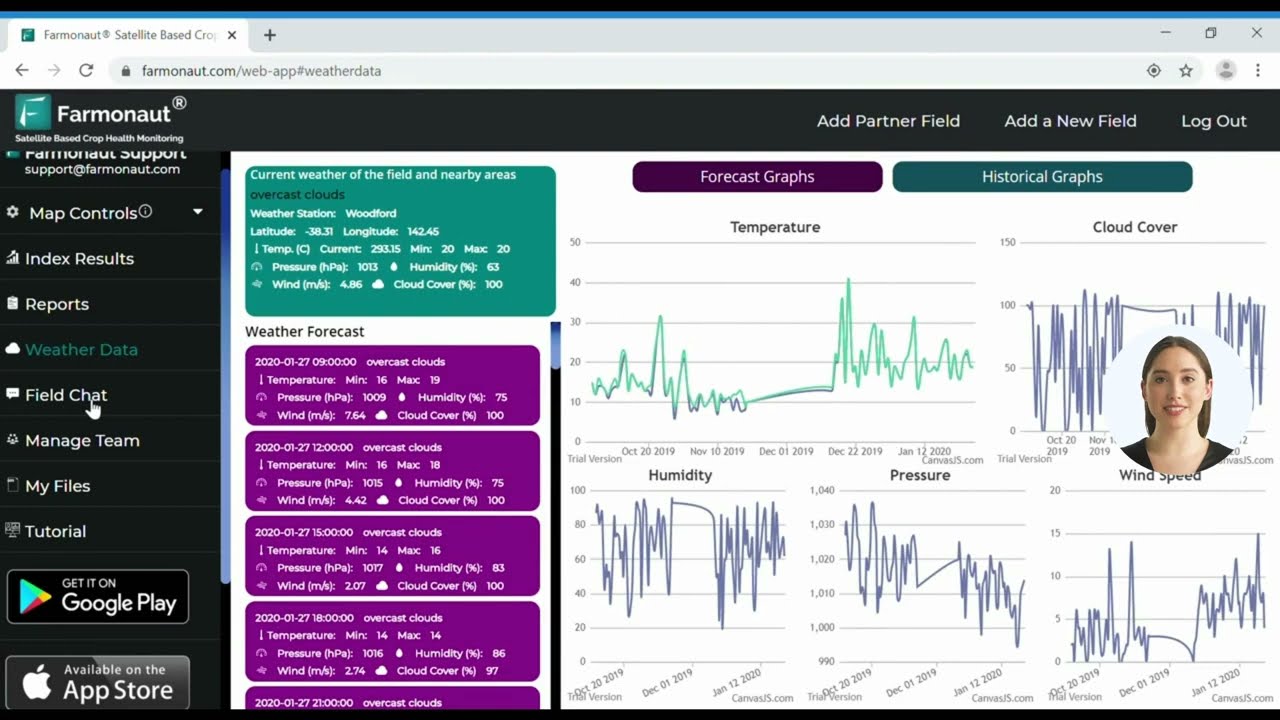
Our large scale farm management solution is tailored for those managing expansive cropping, helping streamline pesticide compliance across multi-site or multi-state operations while ensuring audit trails, efficiency, and ecosystem stewardship. If financing tools are needed for technology upgrades, our crop loan & insurance services support digital verification, reducing fraud and increasing access to capital for modernization.



Our API and Developer Resources: Easily integrate satellite/farming data and GIS capabilities into custom solutions with Farmonaut API or review code samples in our API Developer Docs.

Farmonaut Subscription Options
Use remote monitoring during restricted-entry intervals (REIs) to reduce human exposure and streamline compliance with label requirements.

FAQs on Agriculture Pesticide Licensing and Compliance Across States
Yes, all five states require licensing for private and commercial applicators. The level of certification and required exams can differ, but operating without a license or outside label directions invites severe penalties.
Q2: Is integrated pest management (IPM) mandatory?
While the terminology may vary by state, IPM is either mandatory or heavily embedded in licensing, renewal, and grant-backed programs. Compliance often requires proof of IPM adoption through records or reports.
Q3: How do state regulations protect water and soil resources?
Buffer zones, timing restrictions, spill response protocols, and digital reporting help protect water bodies and maintain soil health. Repeated noncompliance with these protections often leads to fines or mandatory retraining.
Q4: What role do grants play in modernization?
States like Texas provide grants specifically for precision ag upgrades, IPM programs, and stewardship training. These can substantially reduce the annual cost of compliance and modernization for producers.
Q5: Can Farmonaut’s technology help with recordkeeping and compliance?
We at Farmonaut offer tools for automated recordkeeping, calibration logging, buffer monitoring, and reporting, all designed to support compliance and increase operational efficiency.
Conclusion: Pesticide Regulation & Sustainability for Future-Ready Farming
The regulatory frameworks in Oregon, Iowa, Ohio, Missouri, and Texas offer a powerful model for balancing productivity, ecosystem protection, and sustainable agricultural operations. For farmers, foresters, and related industries, the central task is achieving compliance with evolving expectations—while leveraging every grant, technology platform, and training opportunity to maintain stewardship excellence.
- 🧾 Stay Informed: Use state and Farmonaut resources to stay current with pest management rules and label requirements.
- 💡 Modernize: Adopt precision, AI, and satellite monitoring to simplify compliance and boost sustainability outcomes.
- 🌱 Document Practices: Keep digital records for buffer, timing, and IPM activities to ease audits and grant reporting.
- 🐝 Protect Pollinators & Water: Use best practices for drift, calibration, and spill prevention—top priorities across all states.
- 🔗 Integrate Digital Solutions: Use Farmonaut’s platform to maximize compliance, traceability, and cost-effective modernization.
Digital traceability is increasingly required for grant eligibility and sustainable product labelling. Start with Farmonaut’s traceability solution for simple integration and robust reporting.
By adopting an integrated, digital approach to pesticide management—backed by state-specific compliance and stewardship guidelines—we can all help sustain yields, ecosystems, and rural economies for generations to come.

 Godrej Agrovet
 Hayleys Agriculture
 Linx Agritech
 Adinet
 Save Your Soils
 GalaxEye Space
 Grandstream Algérie
 XOS Realty
 Geospatial Lab Africa
 Agro La Gándara
 HIPSAC
 ZOL Zimbabwe
 Juligerm
 AdBio
AdBio MISE Maroc
 NWNS
NWNS Red August Group
 Farm Inc
 WeMe Global
 Agrotoken
 Blue BearX
 Insignito
 DnCubed
 Indosistim Teknologi
 Liquify Digital
 CU Foods
 BeyondTech Global
 Rouge VC
 AgroRisk
 Oath Inc
 Esri North East Africa
 MDCV UK
 Etech Consulting Madagascar
 Vestlandsforsking
 WB Dev
 Sama Premium
 Tres Valles
 Blickwinkel
 Agricultural Credit Policy Council
 eKGIS
eKGIS Mostas Tech
 Andex
Andex Deluxe Conseil
 WICO
WICO Chimera Innovation
 SkyHarvest
 Teledarbas
 Exurbia Geospatial
 FieldZero
