Sprinkler Blowout Cost 2026: Near Me & System Guide
“Sprinkler blowout prevents repairs that can cost farmers up to $2,000 per acre in 2026.”
- Introduction to Sprinkler Blowout
- What Is Sprinkler Blowout?
- Why Sprinkler Blowout Is Vital in Agriculture & Industry
- Sprinkler Blowout Cost 2026: Factors & Insights
- Comparative System Cost & Maintenance Table
- Finding Sprinkler Blowout Near Me: 2026 Trends
- DIY Blowing Out Sprinkler System: Pros & Cons
- Tech & Innovation in Modern Irrigation Maintenance
- How We at Farmonaut Empower Efficient Irrigation Practices
- Frequently Asked Questions
- Conclusion: Sustainable, Cost-Efficient Irrigation for 2026 & Beyond
Introduction to Sprinkler Blowout and Modern Irrigation
Efficient and robust irrigation solutions have become the cornerstone of successful modern agriculture, ensuring not only maximum crop yield but also the conservation of increasingly scarce water resources. Among the many tools and methods that have revolutionized agriculture, sprinkler systems stand out due to their adaptability and capability to provide a uniform distribution of water, vital for healthy plant development across diverse terrains and crops.
However, in regions prone to freezing temperatures or during extended shutdowns (common in mining, forestry, and agricultural settings), unaddressed water left in irrigation lines can expose infrastructure to significant risks. The answer? Sprinkler blowout: a proactive maintenance procedure that prevents burst pipes, sprinkler head damage, and subsequent operational downtime. As we move toward 2026, understanding sprinkler blowout, calculating the true sprinkler blowout cost, and identifying reliable sprinkler blowout services near you becomes crucial for farmers, resource managers, and land operators.
This guide unpacks everything from the sprinkler blowout process, evolving cost structures, technology trends, maintenance recommendations, and tips for finding or performing irrigation blowout near you—all driven by a perspective of innovation and efficiency.
Farmonaut Web System Tutorial: Monitor Crops via Satellite & AI
What Is Sprinkler Blowout? Understanding the Process
Sprinkler blowout is a fundamental maintenance process of clearing irrigation lines by using compressed air—removing all water from within pipes and sprinkler heads prior to freezing seasons or during prolonged shutdowns. This process is critical in areas prone to frost and sub-zero temperatures, where water left inside the system may freeze, expand, and cause cracks or pipe bursts.
How is sprinkler blowout performed?
- After turning off the main water supply, irrigation operators connect a suitable compressor to the system’s main line or zone valve.
- By gradually opening zones one at a time, air pushes water out through all pipes and sprinkler heads.
- The pressure is carefully controlled, so as not to damage the integrity of the lines or heads.
- This continues until only dry air emerges from the system.
This method ensures that irrigation systems—whether underground pipes, pop-up sprinklers, or overhead sprayers—are emptied, protected, and ready for idle periods or harsh climates.
Why Sprinkler Blowout Is Vital in Agriculture, Forestry, and Mining
The economics and logistics of farming, forestry, and mining increasingly hinge on the uninterrupted performance of extensive irrigation systems—from small market gardens to thousands of acres of industrial farms and reforestation projects. With this dependency, the importance of regular, professional sprinkler blowouts rises exponentially.
- Prevents Systemic Failures: Burst pipes or cracked sprinkler heads can lead to extensive damage, requiring parts replacement, trenching, and costly repairs. Unscheduled downtime during critical growth periods may devastate profitability.
- Protects Crop Integrity: Irrigation system failures disrupt planned watering schedules, potentially leading to plant stress, reduced yields, or outright crop loss—consequences that multiply rapidly with scale.
- Supports Forestry & Reforestation: For large tracts of land—such as tree nurseries or reforestation sites—maintaining sprinkler infrastructure is crucial for sapling survival and ecosystem recovery.
- Ensures Mining Compliance: In mineral and gemstone mining operations, sprinkler-based dust control and land reclamation depend on robust, always-operational irrigation. System failures can result in regulatory violations or environmental fines.
“Modern irrigation maintenance can boost crop yield by 15% while reducing unexpected sprinkler system expenses.”
Sprinkler Blowout Cost 2026: Factors, Averages & What to Expect
Estimating the sprinkler blowout cost for 2026 involves understanding system size, design complexity, regional service rates, and seasonal demand:
- System Length & Complexity: Small garden setups or residential-scale agriculture (1–10 zones) typically see costs from $120–$330, while large farms, industrial mining areas, or forestry plantations face rates from $550 to $1,500, depending on the extent of buried pipes and pressure requirements.
- Geographic Variations: Costs in regions with early or prolonged winters may trend higher due to seasonal demand. Rural and isolated mining or forestry sites may encounter extra travel or service surcharges, affecting availability and price.
- Type of Service Provided: Basic air blowout versus comprehensive inspection/service (including pressure checks, filter cleaning, or winterization fluid application) will shift the fee.
- Professional vs. DIY: While professional services offer reliability and warranty, DIY options can reduce expenses—but only for those with the right equipment and procedural knowledge.
Key Point: Investing in regular blowouts saves money. A single burst pipe can incur repair costs of $500–$2,000 per incident, while preventive blowouts substantially reduce expenses over time, improve system lifespan, and support sustainable water use.
How AI Drones Are Saving Farms & Millions in 2025 ? | Game-Changing AgriTech You Must See!
Comparative Cost & System Overview: 2026 Sprinkler Blowout Guide
| Irrigation System Type | 2026 Estimated Blowout Cost (USD) | Average Maintenance Frequency (per year) | Typical Blowout Duration (minutes) | Potential Damage Prevented (Est. USD) | Innovative Features/Tech Integration |
|---|---|---|---|---|---|
| Drip Irrigation | $90 – $220 | 1–2 | 45–60 | $350 – $900 | Soil sensors, automated shut-off, app monitoring |
| Spray (Fixed or Pop-up) | $120 – $330 | 1 | 30–75 | $650 – $2,000 | Pressure monitoring, leak detection, zone control apps |
| Rotor/Impact Sprinkler | $170 – $420 | 1 | 60–90 | $1,000 – $3,000 | Weather-linked scheduling, satellite yield analytics |
| Large-Scale Agricultural Pivot/Lateral Move | $550 – $1,500 | 1–2 | 75–180 | $3,000 – $10,000 | AI diagnostics, remote satellite monitoring, fleet tracking |
| Mining/Industrial Reclamation System | $900 – $2,400 | 1–2 | 90–240 | $10,000+ | Environmental impact tracking, compliance analytics |
This table demonstrates how investing in regular blowouts and modern tech such as large-scale farm management solutions or environmental impact monitoring considerably mitigates financial and operational risks for various irrigation systems.
How Satellites and AI Revolutionize Water Management in Farming | Precision Agriculture with NDWI
Finding “Sprinkler Blowout Near Me” & Irrigation Blowout Near Me in 2026
The search for sprinkler blowout near me or irrigation blowout near me is rapidly evolving, thanks to both digital convenience and growing awareness among agricultural, forestry, and mining operators. Here’s how to maximize your chances of finding affordable, reliable service in your area:
- Online Directories & Service Apps: As of 2026, regionally targeted search engines and agricultural service platforms are the quickest route. Input keywords like “irrigation blowout near me” or “sprinkler blowout services near” plus your specific location for localized results.
- Check Service Credentials: Prioritize certified professionals with experience in agricultural, forestry, or mining irrigation systems. Ask for references, insurance, and knowledge of system types (drip, spray, rotor, pivots).
- Book Early in Peak Seasons: Fall and early winter are busiest for sprinkler blowout services, especially in regions with harsh temperatures. In remote areas, secure appointments weeks in advance.
- Leverage Technology Providers: Some innovative management platforms can also connect you with pre-vetted service providers or automate maintenance reminders for timely action.
For advanced monitoring and integration with blowout scheduling, you might consider satellite-based platforms such as Farmonaut’s large-scale farm management app, which assists with seasonal task planning, field mapping, and remote diagnostics. These tools help reduce unexpected expenses and ensure maintenance is never overlooked.
Malawi Irrigation Tech 2025 | 3 Solar-Pump Secrets That Triple Yields in Mzimba!
DIY Blowing Out Sprinkler System: Considerations, Risks, and Rewards
For those comfortable with irrigation maintenance, blowing out a sprinkler system yourself can be a cost-effective strategy—especially if routine professional services are costly or availability is limited in rural areas. However, the DIY route requires precision, proper tools, and thorough understanding of your system’s pressure and design.
DIY Steps for Blowing Out Sprinkler System
- Gather Equipment: You’ll need a portable air compressor (with 50–80 psi rating for most residential/agricultural systems), fittings to connect it to your system, and personal safety gear.
- Turn Off Main Water Supply: Always shut off irrigation water, and open drain valves if available.
- Connect Compressor Safely: Attach the compressor to the blowout port; ensure compatibility to avoid damaging pipe threads.
- Purge Each Zone Sequentially: Only open one valve/zone at a time and run the compressor until no more water is expelled—never exceed the manufacturer’s pressure guidelines.
- Monitor For Unusual Noises/Leaks: Over-pressurizing can crack pipes or blow heads from their seating.
Risks & Caveats: Performing your own sprinkler blowout without the right method or equipment may cause irreparable damage, including ruptured lines or system malfunctions that exceed professional blowout costs. Always consult your manufacturer’s manual or engage in a training session with a reputable provider.
For advanced operators or managers overseeing multiple fields or industrial projects, pairing DIY routines with remote diagnostics (IoT soil/line monitoring and satellite data) can further minimize maintenance expenses. Check the Fleet and Resource Management tools at Farmonaut to enhance logistics, machinery coordination, and routine scheduling for field crews—supporting seamless operations across agriculture, mining, and infrastructure sectors.
Peru $24B Irrigation Boom 2025 ? 22 Megaprojects & AI Precision Farming Turbo-Charge Exports
Tech & Innovation: The Future of Irrigation Maintenance and Blowouts
The digitalization of agriculture and resource management is rapidly transforming how maintenance is scheduled, executed, and monitored—making sprinkler blowout practices more efficient and precise.
- Remote Diagnostics: Smart controllers, moisture and pressure sensors, and AI-driven apps allow real-time system health checks. These innovations reduce unnecessary expenses by identifying leaks, blockages, or regions needing early blowouts.
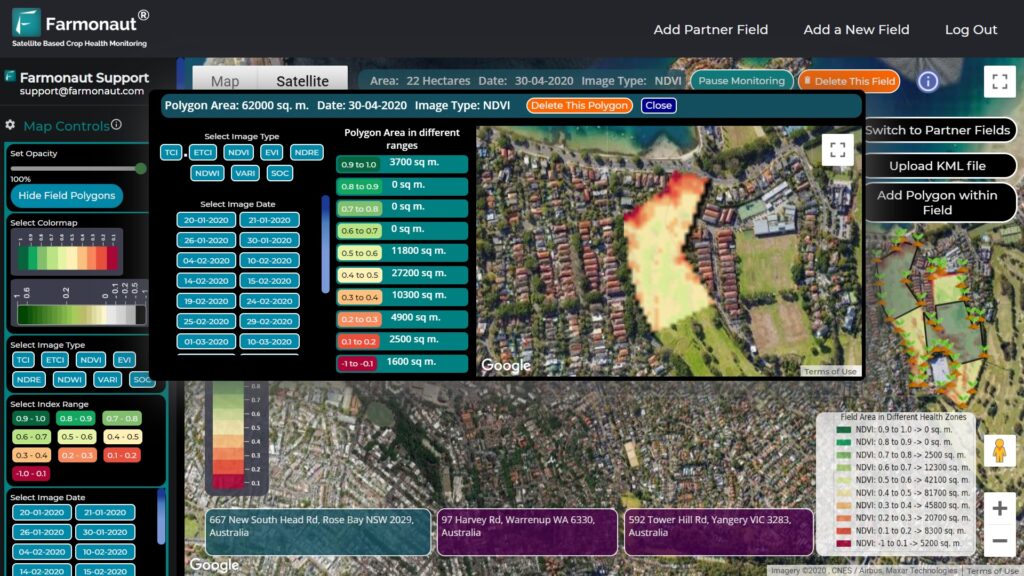
- Satellite Monitoring: Platforms such as Farmonaut use satellite-based data to monitor vegetative health, soil moisture, and infrastructure status, indicating zones at risk for water retention or pipeline faults—improving preventive maintenance outcomes.
- AI-based Advisory Systems: Next-gen tools like Jeevn AI (powered by satellite data) deliver zone-specific recommendations for irrigation scheduling, winterization, and resource allocation—helping maximize crop yield and conserve resources.
- Blockchain Traceability: Ensure supply chain authenticity and compliance, especially for large agricultural and mining operators, by tracking every maintenance activity—supporting transparency and regulatory requirements.
Explore carbon footprint monitoring by Farmonaut, which empowers you to measure and reduce environmental impact of irrigation and blowout procedures—a sustainability advantage for progressive operators.
Farmonaut Web app | Satellite Based Crop monitoring
How We at Farmonaut Empower Efficient Irrigation & Maintenance Strategies
At Farmonaut, our mission is to make satellite-driven insights and real-time monitoring accessible and affordable for all stakeholders in agriculture, mining, and infrastructure.
- Satellite-Based Crop & Infrastructure Monitoring: Our multispectral imaging tools track everything from vegetation health to soil conditions to irrigation infrastructure status—helping managers identify weak lines or areas prone to retention, leaks, or freezing.
- AI-Powered Advisory: The Jeevn AI system delivers actionable, zone-specific recommendations for everything from blowout timing to water resource allocation, improving decision speed and efficiency.
- Fleet & Resource Management: Take control over maintenance schedules, route optimization, and machinery usage during peak seasons, ensuring timely blowouts especially in hard-to-reach mining or reforestation projects.
- Blockchain-Based Traceability: Maintain a secure, transparent record of all maintenance—including every sprinkler blowout—ensuring regulatory compliance and reducing risk of fraud or record loss.
- Environmental Tracking: Our carbon footprint monitoring platform supports sustainability goals during every aspect of water and irrigation management, including blowouts.
Explore our tools below for crop monitoring, resource management, and environmental impact tracking for maximizing yield and minimizing expenses:



Developers can also take advantage of our public API (API Developer Docs) to automate and integrate real-time satellite-based irrigation monitoring directly into internal management software.
We also offer tailored solutions for crop loan and insurance: satellite-driven verification that can help prove system maintenance and proper winterization (including how often blowouts are performed)—streamlining financing and reducing risk for both operators and institutions.
Access subscription options for Farmonaut’s services for a full suite of monitoring, advisory, and management capabilities suitable for operations of any scale:
Farmonaut For Crop Area Estimation
Frequently Asked Questions: Irrigation Blowout, Cost & Maintenance
What exactly is sprinkler blowout, and why can’t I just drain my system?
Sprinkler blowout uses compressed air to evacuate all standing water from pipes and sprinkler heads. While draining may remove most, residual liquid often stays in low points or valve/coupling sections—these can freeze, expand, and cause damaging cracks or bursts. Air blowout is the only reliable way to prevent such costly damage, especially in climates with freezing temperatures.
How much does sprinkler blowout cost near me, and what impacts the price?
As of 2026, sprinkler blowout cost typically ranges from $120–$1,500 depending on system size (zones/acreage), complexity (number of heads, controllers), region, and time of year. Rural areas or those with limited service availability usually cost more due to travel and demand surges before winter.
Is DIY sprinkler blowout recommended for large agricultural or mining systems?
DIY blowout works well for small, straightforward systems if you have the right compressor and experience in controlling air pressure. For large, complex, or high-value systems (mining reclamation, remote forestry, commercial pivots), we strongly recommend professional blowout services to safeguard system integrity and avoid catastrophic repairs.
How do technology platforms improve irrigation blowout outcomes?
Modern platforms like Farmonaut combine satellite imagery, AI analytics, and remote pressure/moisture sensors to provide actionable insights and automated reminders for blowout scheduling, system diagnostics, and maintenance log-keeping. This approach reduces expenses, increases yield, and helps maintain regulatory and resource compliance across agriculture, forestry, and mining.
Where can I get more technical details about integrating satellite insights into my maintenance workflow?
Visit our Large Scale Farm Management and Traceability product pages to learn about automating maintenance and compliance for large operations. For custom API integration, review our API Developer Docs.
Farmonaut Large Scale Field Mapping & Satellite Based Farm Monitoring | How To Get Started
Conclusion: Sustainable, Reliable, and Cost-Effective Irrigation for 2026 & Beyond
In the competitive, data-driven agri-resource sectors of 2026, sprinkler blowout is not just a seasonal task—it is a strategic necessity. Understanding sprinkler blowout costs, leveraging local services, and adopting innovative maintenance and monitoring technology are non-negotiable for those determined to safeguard infrastructure, avoid unplanned expenses, and maximize yield.
With solutions like Farmonaut, leveraging satellite-based insights, smart management, and real-time advisory systems, farmers, mining operators, and forestry managers can count on a future where maintenance is precise, predictive, and proven to boost productivity—season after season.
Ready to take control? Ensure every irrigation season starts right: schedule your next sprinkler blowout early, integrate intelligent management tools, and invest in ongoing sustainability with data-driven decision support.