

Urban Agriculture Detroit 2025: Transforming City Resilience
“By 2025, Detroit’s urban farms are projected to supply 15% of the city’s fresh produce needs locally.”
Urban Agriculture Detroit 2025: Introduction to the City’s Agricultural Renaissance
Detroit, often cited for its industrial might and automotive factories, has undergone a remarkable transformation over the past two decades. Today, in 2025, urban agriculture detroit is not just a trend, but a powerful, transformative force driving resilience across the city. With a heritage deeply-rooted in gardening and market produce, Detroit is reclaiming its landscape for a sustainable, inclusive, and resilient future.
This comprehensive exploration covers everything from the historical context to challenges, the economic impact, and the groundbreaking role of technology companies such as Farmonaut in making city farming smarter, more accessible, and better integrated into urban life.
As Detroit agriculture continues to grow, so do opportunities for residents—from jobs and local food access to environmental sustainability and community empowerment.
Historical Context: The Roots and Revival of Detroit Agriculture
Urban agriculture in Detroit is not a brand new concept. The roots of city farming run back to the early days when Detroit was a burgeoning hub for fresh produce and market gardening. These practices thrived alongside the city’s rapidly-growing population and economic might.
However, the decades following the 1950s saw a dramatic turn: deindustrialization, population decline, job losses, and vacant land scattered across neighborhoods. Once-vital communities struggled with blight and a lack of fresh food access—leaving behind vast food deserts.
Yet, Detroit’s story is one of resilience. The early 2000s saw community groups and nonprofits take action, converting empty lots and abandoned spaces into productive urban agriculture detroit hubs. By 2025, this movement has matured into a network of gardens, farms, and innovative agricultural systems that are central to the city’s identity and future.
“Over 1,500 vacant lots in Detroit have been transformed into productive urban agriculture sites since 2010.”
The Scale and Scope of Urban Agriculture in Detroit
The urban agriculture detroit movement today encompasses a remarkable range of practices and approaches:
- Community Gardens: Small, resident-tended plots distributed across neighborhoods, often managed by local groups.
- Commercial Market Farms: Larger urban farms supplying Detroit’s grocery stores, restaurants, and farmers’ markets with fresh produce.
- Aquaponics & Hydroponics: Innovative water-efficient methods for farming indoors and in climates that traditionally limit food production.
- Vertical Farming: Space-saving systems allowing for greater yields—even in high-density urban areas.
There are now over 1,500 urban farms scattered throughout the city, with plots ranging from backyard gardens to large-scale operations. Initiatives like the Detroit Black Community Food Security Network and urban agriculture incubators have helped advance social equity and diversify voices in farming detroit.
Focus Keyword: Urban Agriculture Detroit—A Multifaceted Movement
What truly sets Detroit agriculture apart is its adaptability and scale. Farms are scattered across vacant lots, rooftops, greenhouses, and even repurposed buildings. From plots tended by residents to commercial farms, the scope of urban farming initiatives encompasses innovation, inclusivity, and productive reuse of land.
Technological Advances Shaping Urban Farms in Detroit
Detroit’s urban agriculture sector has embraced technology to increase efficiency, output, and sustainability. Technology, such as hydroponic systems, controlled-environment agriculture, and digital tools for farm management, are paving the way for year-round, resource-efficient food production.
Some key technological innovations making a difference in Detroit agriculture are:
- Controlled Environment Agriculture (CEA): Growing food in indoor, climate-controlled environments—boosting productivity and quality despite Michigan’s cold winters.
- Hydroponics & Aquaponics: Water-saving systems that recycle nutrients and enable growing a variety of produce with much less water than conventional farming.
- Farm Management Software: Streamlining resource use, labor, and production planning, allowing farms to scale more efficiently.
- Digitization and Data-Driven Decision-Making: Improved resource management, precision irrigation, and nutrient delivery based on real-time data.

These developments are creating more opportunities for urban agriculture detroit to thrive, offering environmentally responsible options, improving resource use, and expanding Detroit’s capacity to produce fresh food locally.
Urban Agriculture Detroit: Food Security for Resilient Communities
Perhaps the most critical impact of urban agriculture in Detroit is its fight against food deserts—areas where fresh, affordable produce is extremely limited. By bringing food production closer to where residents live, Detroit’s urban farms are directly addressing the city’s food insecurity challenge.
Key contributions include:
- Reducing Food Miles: Locally-grown food means faster, fresher access.
- Affordability: Urban farms can provide more affordable produce, especially when compared to high prices in under-serviced neighborhoods.
- Educational Platforms: Gardens and community spaces offer programs on nutrition, cooking, and sustainable practices.
Not only does urban agriculture detroit improve direct access to food, but it also fosters community health through engagement, education, and empowerment.

For advanced tracking of carbon footprint, environmental sustainability, and resource use in farming, smart solutions such as Farmonaut’s Carbon Footprinting (learn more here) help urban farmers monitor and manage sustainability goals for a greener Detroit. These tools are crucial in promoting eco-friendly practices as the city expands its agricultural footprint.
Urban Agriculture’s Impact on Community Health & Environment
The benefits of urban agriculture detroit extend far beyond food. Green spaces enhance mental health, offer leisure opportunities, and beautify formerly neglected lots. Additionally, urban gardens contribute to ecological sustainability by increasing biodiversity, supporting pollinators, and improving air quality within city limits.
- Encouraging active lifestyles through gardening and locally-led programming.
- Mitigating city heat islands via green spaces.
- Using sustainable agricultural practices to reduce chemical use and preserve soil health.
These expanded urban environments show how Detroit agriculture is about reclaiming more than just land—it’s about reclaiming opportunity and well-being.
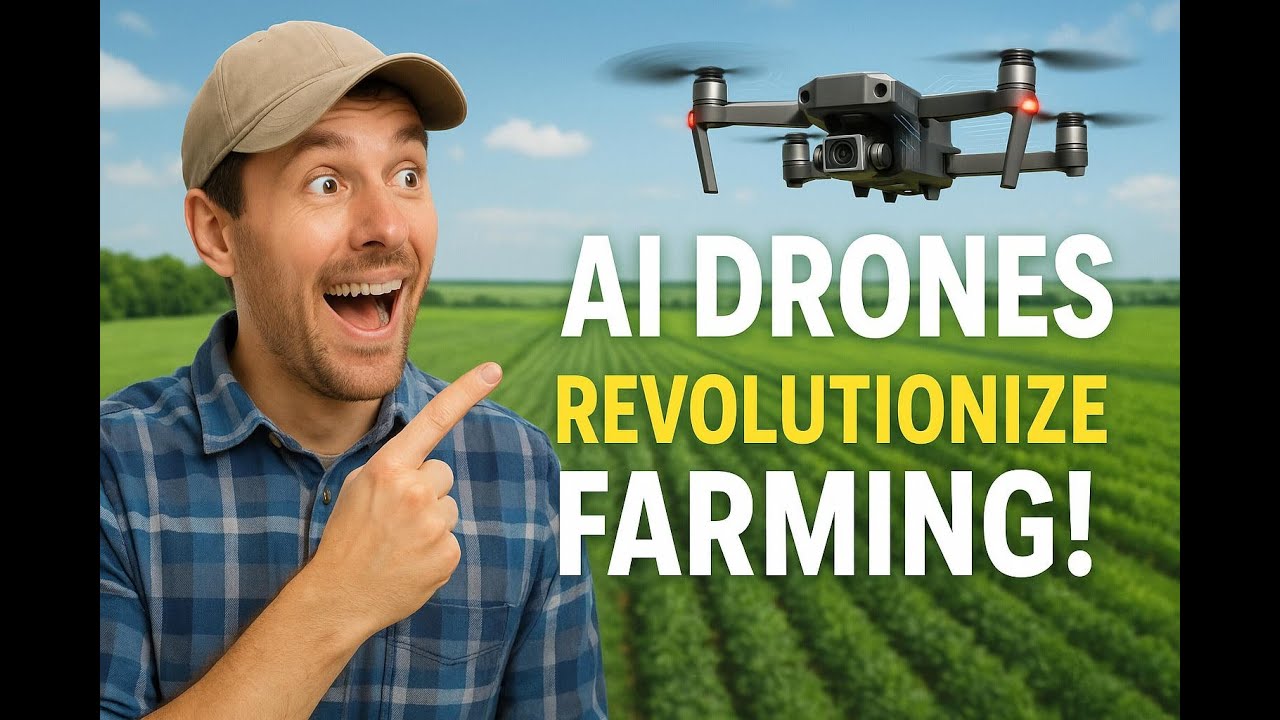
Access Smart Agriculture Tools Anywhere
To make high-tech farming methods accessible right from your phone or desktop, try the Farmonaut® crop monitoring tools. Get satellite-driven insights, AI-based recommendations, and sustainability analytics for farms in every zip code of Detroit:



Detroit Agriculture and Economic Development
Urban agriculture detroit is a key pillar in the local economic revitalization plan. As the demand for fresh produce grows, so does Detroit’s agricultural sector, supporting hundreds of jobs. This includes positions in farm management, sustainable production, agritech roles, logistics, and local distribution.
- Job Creation: From farmers to agri-entrepreneurs and technical specialists, urban farms support workforce development in Detroit communities.
- Local Market Expansion: Detroit’s farmers’ markets and local stores now feature Detroit-grown produce, keeping money circulating within neighborhoods.
- Boosting Small Businesses: More opportunities for value-added products (jams, pickles, ready-to-eat foods) support small-scale vendors.
- Attracting Investment: Sustainable and resilient urban agriculture sector appeals to impact investors and grant-makers.
To ensure traceability and build consumer trust for Detroit-grown goods, blockchain traceability tools are now available. Using Farmonaut’s Product Traceability Platform (see details), urban farmers can track produce from plot to plate—an essential feature for scaling up and connecting with larger markets.

Challenges for Urban Agriculture in Detroit: Overcoming Barriers
Despite its many successes, urban agriculture detroit continues to encounter distinctive challenges in expanding production and impact:
- Land Tenure: Securing affordable, long-term access to city land remains a top concern for many urban farmers.
- Resource Limitations: Access to clean water, modern equipment, and climate resilience planning need ongoing investment.
- Integration with City Policy: Ensuring that urban agriculture is embedded in Detroit’s larger green infrastructure and resilience strategies.
- Scalability: Meeting the rising demand for fresh, local produce requires scaling up operations, improving logistics, and investing in training the next generation of urban farmers.
Farmonaut’s Large-Scale Farm Management Solutions (Explore here) empower farming collectives and larger market gardens in Detroit to digitally monitor, map, and optimize multiple plots—driving productivity and efficiency even as urban farms expand their reach.
Comparative Impact Table: Urban Agriculture Detroit 2020 vs 2025
| Impact Area | Pre-Urban Agriculture (Estimated – 2020) | Post-Urban Agriculture (Estimated – 2025) |
|---|---|---|
| Community Revitalization | 2% of vacant lots converted Limited access to green spaces ~10 major community gardens |
1,500+ lots converted to gardens/farms Widespread green spaces and beautification Over 200 community-oriented programs |
| Food Security | Less than 3% of local food needs met internally Many neighborhoods classified as food deserts |
15% of city’s fresh produce needs supplied by urban farms Food desert areas decreased by 40% |
| Environmental Sustainability | Minimal climate resilience planning Few Green roofs/vertical farms High food mileage/carbon output |
Expansion of vertical/controlled-environment farms Carbon output from food transport cut by 12% Rising adoption of carbon footprint tracking |
| Economic Development | Few full-time urban farm jobs Minimal local value-added food ventures Small local market for Detroit-grown produce |
Hundreds of farm sector jobs supported $9M+ annual estimated value of urban agriculture output Surge in Detroit-branded produce in local retail |
The Role of Farmonaut in Supporting Urban Agriculture Detroit
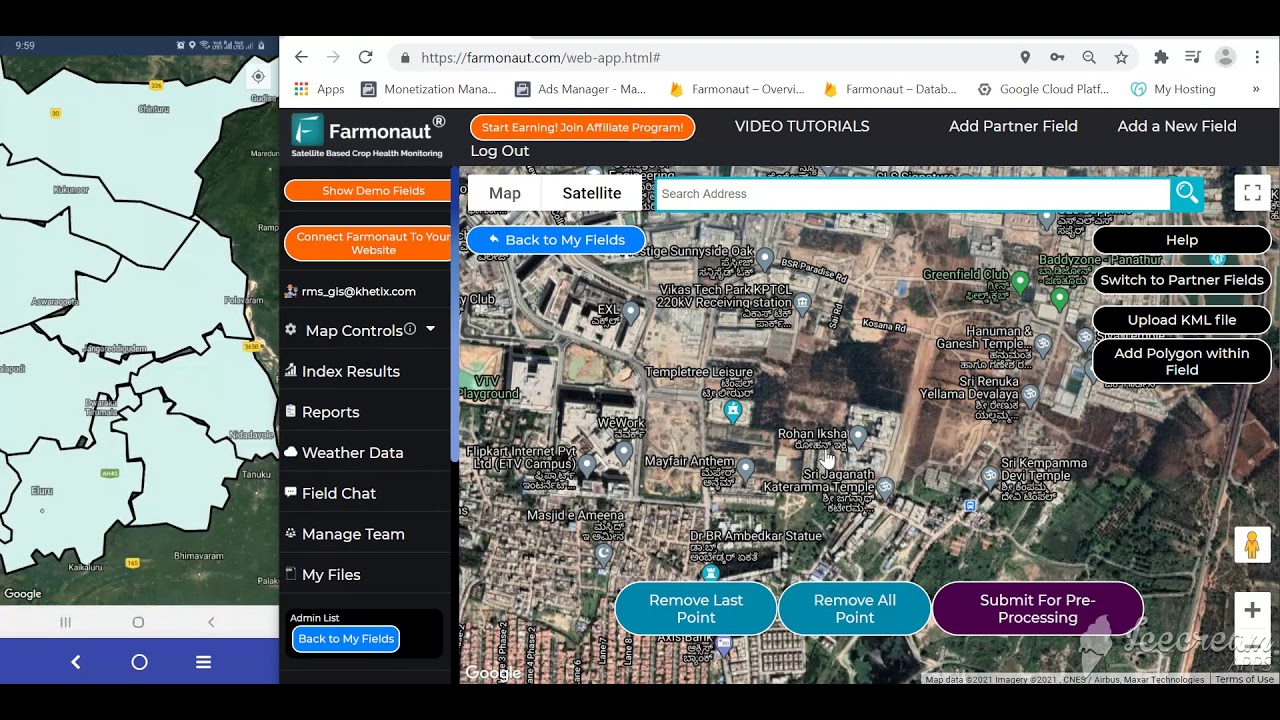
As the field of Detroit agriculture becomes increasingly data-driven, advanced technology is vital for helping urban farms thrive in 2025. We at Farmonaut provide satellite-based solutions that empower Detroit’s farmers to:
- Monitor crop health and soil conditions with real-time multispectral imagery.
- Analyze fields using NDVI data for early detection of issues and improved management.
- Integrate blockchain traceability to guarantee produce authenticity from plot to plate (learn about traceability).
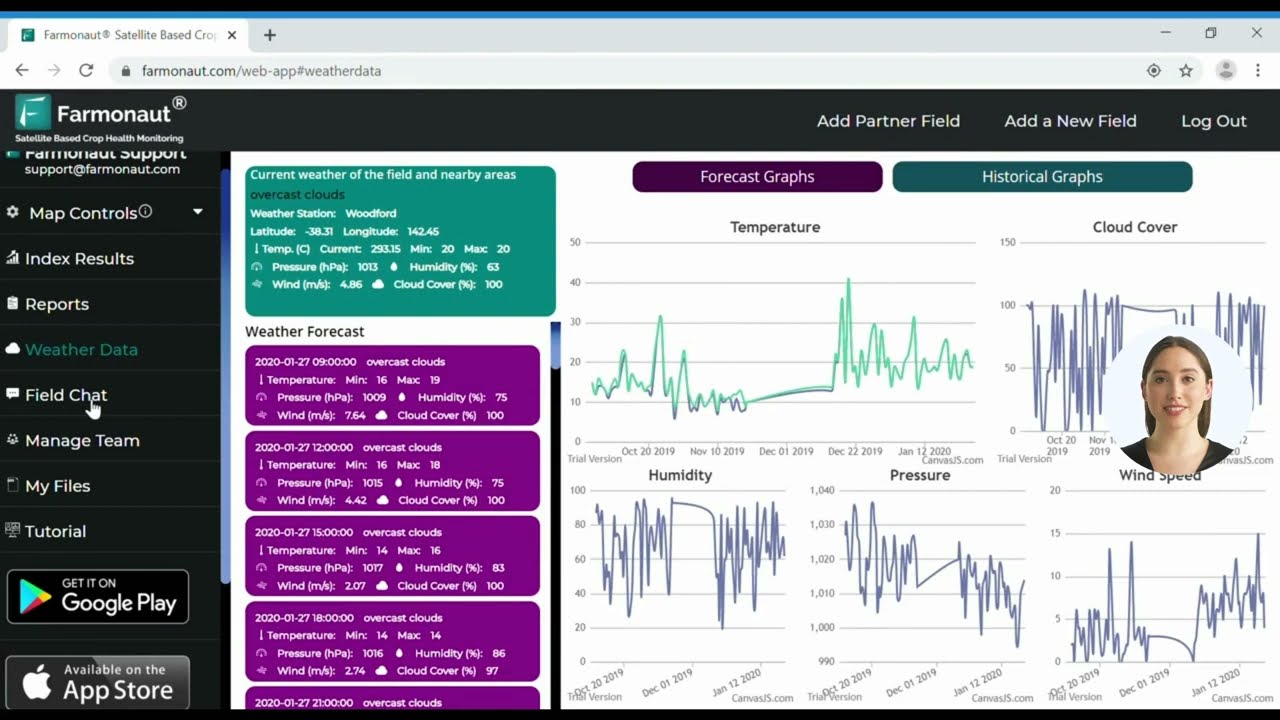
- Utilize AI-driven tools for weather forecasting and field-specific recommendations, increasing productivity and sustainability.
- View farm data in a user-friendly way via Android, iOS, or Web platforms for on-the-go decision making.
- Access fleet/resource management tools to optimize logistics, saving operational costs (about fleet management here).
- Track the environmental impact of their operations, such as carbon footprint (details).
Through our subscription-based model and affordable satellite tools, both small-scale and commercial urban farmers in Detroit have easy access to previously cost-prohibitive analytics. This helps level the playing field and fosters inclusive development.
Developers and agriculture tech startups can also integrate our insights via the Farmonaut Satellite API (see API, API Developer Docs), incorporating powerful earth observation data into local solutions.

For large city-wide initiatives or multipurpose urban farm collectives, our Agro Admin App (see here) allows for robust field mapping, operational planning, and multi-user access—crucial for driving city-scale agricultural resilience.

Frequently Asked Questions – Urban Agriculture Detroit 2025
-
Q: What is “urban agriculture”?
A: Urban agriculture refers to the cultivation, processing, and distribution of food in or around city environments, utilizing vacant lots, rooftops, community gardens, and innovative systems like hydroponics and vertical farming. -
Q: Why is urban agriculture important for Detroit?
A: It revitalizes communities, addresses food deserts, supports economic development, reduces food miles, and creates green spaces for urban health and resilience. -
Q: What are the most common crops grown in Detroit’s urban farms?
A: Leafy greens, tomatoes, peppers, beans, herbs, and root vegetables are popular. Hydroponics and vertical farms often grow lettuce, basil, strawberries, and microgreens. -
Q: How do urban farms contribute to food security?
A: By providing local, affordable produce within neighborhoods—especially in areas underserved by traditional grocery stores—urban farms cut food costs and increase access to nutritious foods. -
Q: How can I start my own urban farm or garden in Detroit?
A: Many community organizations, land banks, and city programs offer resources and information. You can also explore smart monitoring tools for management and planning via the Farmonaut app. -
Q: How does technology support Detroit’s urban agriculture?
A: Satellite monitoring, AI-driven recommendations, blockchain traceability, and environmental analytics improve yields, boost resource efficiency, and support sustainable scaling of urban farms. -
Q: What challenges remain for Detroit’s urban agriculture movement?
A: Secure land tenure, resource access (like water), scaling up production, and improved city policy integration are top challenges as demand for local food grows. -
Q: How can businesses or governments access satellite-driven agriculture insights for Detroit?
A: Satellite platforms like Farmonaut offer real-time monitoring, traceability, API integration, and large-scale management solutions for agricultural development. -
Q: Where can I find further learning resources or demonstrations about smart farming?
A: Check out the video tutorials and insights embedded above for the latest trends in regenerative, hydroponic, and AI-powered urban agriculture systems.
Conclusion: Detroit’s Agricultural Resurgence—A Blueprint for Urban Resilience
The story of urban agriculture detroit is one of transformation and hope. What began as a grassroots response to industrial decline has evolved into a comprehensive, multifaceted movement impacting city-wide food security, economic recovery, health, and sustainability. As farmers, residents, technology providers, and city leaders continue to work collectively, they are building a more connected, equitable, and resilient Detroit.
Urban farming detroit stands as a beacon for cities globally, showing how vacant land and shared community vision can yield remarkable change. By leveraging community engagement, technological innovation (via platforms such as Farmonaut), and smart city planning, Detroit agriculture is firmly planting the seeds for tomorrow’s sustainable future.
The journey is not complete—challenges remain, but with each season, urban agriculture detroit continues to grow deeper roots, inspire new generations, and redefine what’s possible in America’s great cities.
To experience smart agriculture in action, remember to download the Farmonaut mobile or web app for real-time crop monitoring, or integrate our powerful satellite data via API into your own community projects.
Farmonaut Subscription Plans
Unlock the full power of satellite-driven agriculture tools for your Detroit urban farm, agribusiness, or city-wide initiative. Farmonaut offers affordable, scalable subscription packages for individual farmers, businesses, and governments.

 ITC
ITC Dirks Bros Farms
 Red August Group
 Farm Inc
 WeMe Global
 Agrotoken
 Blue BearX
 Insignito
 Croptimum
 DnCubed
 Field Capacity
 Indosistim Teknologi
 Liquify Digital
 CU Foods
 BeyondTech Global
 Rouge VC
 AgroGreen Dynamics
