

Organic Sources of Zinc for Plants: 7 Growth Methods
“Zinc deficiency is the most common micronutrient deficiency in crops; the International Zinc Association puts it at more than half of the world’s agricultural soils (IZA).”
Introduction: Role of Zinc in Plant Health
Zinc is an essential micronutrient for all plants, playing a pivotal role in enzyme activation, protein synthesis, hormonal regulation, and cellular processes. Its presence in soil directly affects plant growth, health, and productivity. However, zinc deficiency in plants is a global concern with far-reaching implications for sustainable agriculture and food security.
For modern, sustainable farming, ensuring an adequate supply of zinc through organic sources not only addresses deficiencies but also improves soil fertility—an approach in harmony with current trends toward safer, eco-friendly crop management.
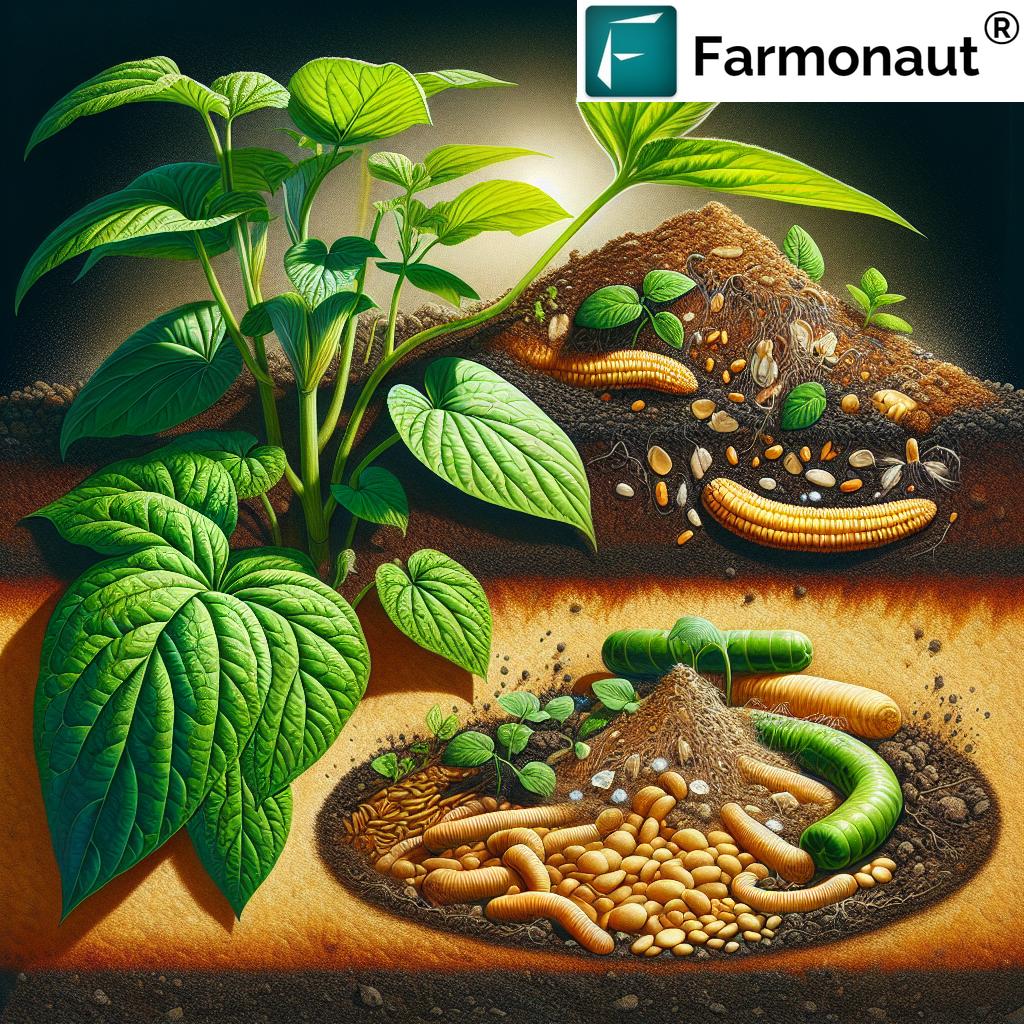
Understanding Zinc Deficiency in Plants
A foundational step in improving crop yields is understanding zinc deficiency in plants. The International Zinc Association estimates that zinc deficiency affects more than half of the world’s agricultural soils (IZA), so identifying and correcting it matters for plant development.
Role of Zinc in Plant Health
- Enzyme Activation: Zinc is part of many plant enzymes, facilitating protein synthesis, hormone production, and growth regulation.
- Protein Synthesis: Acts as a cofactor in the synthesis of essential proteins, including those needed for DNA and RNA replication.
- Hormonal Balance: Helps regulate hormones such as auxins, vital for root development and elongation.
- Chlorophyll Formation: Ensures proper photosynthetic capacity, crucial for energy production in leaves and green tissues.
Symptoms of Zinc Deficiency in Crops
- Stunted Growth: Plants exhibit reduced size, smaller leaves, and overall poor vigor.
- Chlorosis (Yellowing of Leaves): Especially in younger leaves; older leaves may remain green.
- Interveinal Chlorosis: Yellowing between veins, causing leaf distortion and malformed appearance.
- Reduced Yield: Smaller fruits and fewer seeds, with diminished crop productivity.
- Leaf Distortion: Malformed, sometimes “rosette” appearance, especially in crops like tomatoes, peppers, and broccoli.
If your plants exhibit the above symptoms, there is a high chance of zinc deficiency in plants and soil correction is essential. (Source)

7 Organic Sources of Zinc for Soil and Plant Growth
Incorporating organic sources of zinc into your soil management practices offers a dual advantage: correcting deficiencies and improving overall soil fertility and structure. The following are the best organic zinc fertilizers and amendment options:
- Compost:
Well-decomposed organic matter—made from plant residues, animal manures, food waste, and yard clippings—serves as a zinc-rich compost for plants. Compost ensures a slow and consistent supply of zinc, accompanied by other micronutrients crucial for plant growth regulation.
- Animal Manure:
Chicken, cow, and especially broiler litter manures are known organic sources of zinc for soil. Broiler litter averages about 0.77 lb of zinc per ton, per NC State Extension. Always apply only composted manure to avoid pathogens.
- Leaf Mold:
Formed from the decomposed leaves of trees and shrubs, leaf mold is a valuable, slow-releasing source of zinc. It also improves soil structure and water retention.
- Rock Dust (Basalt or other minerals):
Finely ground rock minerals like basalt release small amounts of zinc and other elements very slowly as they weather; they are not a quick fix for a deficiency. (More info)
- Kelp Meal:
Derived from dried seaweed, this meal supplies trace amounts of zinc and other micronutrients; check the label analysis for the zinc content. Kelp meal enhances soil fertility and stimulates soil microbial activity.
- Bone Meal:
Ground animal bones are sold mainly as a source of phosphorus and calcium; check the label if you need a guaranteed zinc content. Bone meal supports rapid root development, a healthy shoot system, and increased flower/fruit set.
- Worm Castings:
Produced by earthworms, these castings are nutrient-dense, full of beneficial microbes, and supply plant-available zinc while improving soil microbial activity.
Choosing the right organic source will depend on your existing soil pH, climate, crop requirements, and availability of materials.
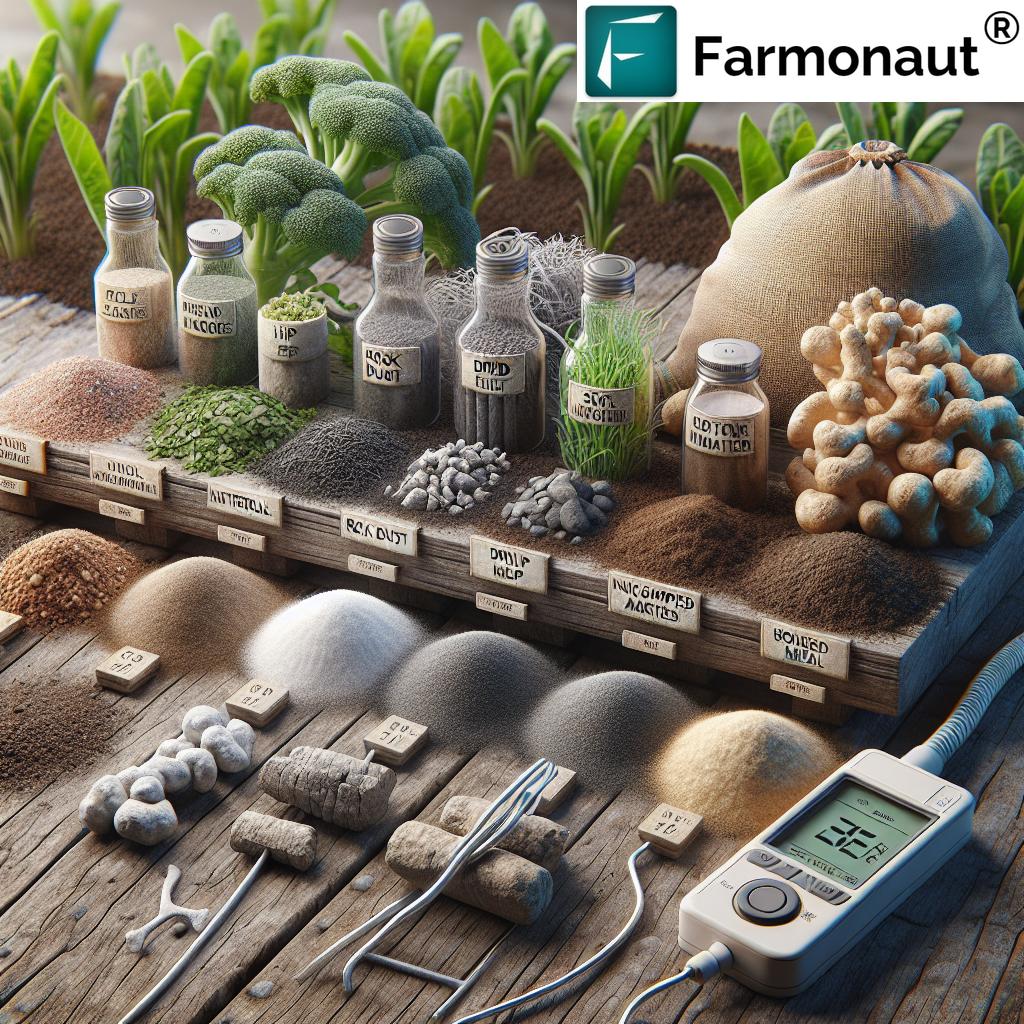

“Optimal soil pH for zinc uptake in plants is 5.5–7.0, crucial for maximizing organic zinc effectiveness.”
Zinc Fertilizers Allowed in Certified Organic Growing
Many people searching for an organic zinc fertiliser want to know whether a mined zinc product is allowed on a certified organic farm. Under the USDA National Organic Program, it can be, with conditions. The rule allows sulfates, carbonates, oxides and silicates of zinc as micronutrients, but not products made from nitrates or chlorides. The deficiency must be documented by a soil or tissue test, or another method your certifying agent accepts (7 CFR 205.601(j)(6)).
In practice that means:
- Zinc sulfate is the usual choice. The common grade is 36% zinc (Colorado State University Extension).
- Test first. Keep the soil or leaf test that shows low zinc; your certifier will ask for it.
- Check the product, not just the ingredient. Confirm the brand is approved by your certifier or listed for organic use before you buy.
- Manure and compost need no deficiency test and supply zinc along with organic matter. University of Nebraska extension calls manure an excellent zinc source and notes that soils with regular manure applications seldom run short of micronutrients (Nebraska Extension).
Outside the U.S., organic rules differ, so check with your own certification body.
Application Methods for Organic Zinc Amendments
Applying the correct amount of each zinc source ensures adequate supply for optimal plant growth and soil health. Here is how to add zinc to soil naturally:
- Compost: Mix into the top 6–10 inches of soil at 2–5% of total volume, or about 1–2 inches as a top-dressing each season. Regular zinc-rich compost applications continually enhance soil fertility.
- Animal Manure: Colorado State University Extension reports that manure at 15 to 20 tons per acre is effective at clearing zinc deficiency (CSU Extension). Work composted manure into the soil before planting, and test regularly, since repeated heavy use can build zinc to harmful levels.
- Leaf Mold: Top-dress with a 2–5 inch layer or mix in at 10–15% of soil volume when preparing new beds, allowing for slow-release zinc availability over time.
- Rock Dust: Apply at the rate on the product label, broadcast evenly and incorporate into the topsoil. Slow to dissolve, rock dust provides ongoing zinc supply across seasons.
- Kelp Meal: Work in at the label rate; some products are also sold for diluted foliar sprays.
- Bone Meal: Mix into the root zone at the label rate during soil prep or transplanting, mainly for its phosphorus.
- Worm Castings: Apply at 1–2% of soil volume or create a worm tea for drenching roots. Excellent for seedbeds and transplants due to the microbial benefits and balanced micronutrient profile.
For further precision, combine frequent soil testing and use Farmonaut’s Large-Scale Farm Management tools to monitor soil nutrient status, improve overall productivity, and decide optimal fertilizer application rates.

How Much Zinc to Apply: Soil Test Levels and Rates
Start with a DTPA soil test for zinc. In Nebraska, 0.8 ppm or more is adequate and 0.4 to 0.8 ppm is medium, where some crops respond to zinc (Nebraska Extension). Colorado State treats 0 to 0.9 ppm as low for sensitive crops such as corn, beans and potatoes (CSU Extension).
| Source | Zinc supplied | Typical correction rate |
|---|---|---|
| Zinc sulfate (36% Zn) | 720 lb Zn per ton of product | 5 to 10 lb Zn/acre (15 to 30 lb of product), lasting two to three years (CSU) |
| Broiler litter | 0.77 lb Zn per ton (NC State average) | Rate set by the crop’s N or P need |
| Turkey litter | 0.89 lb Zn per ton (NC State average) | Rate set by the crop’s N or P need |
| Manure (general) | Varies; test the batch | 15 to 20 tons/acre cleared zinc deficiency in Colorado trials (CSU) |
Litter figures are from NC State Extension. Nebraska suggests 5 lb Zn per acre on low-zinc non-calcareous soils and 10 lb on calcareous soils (Nebraska Extension).
For a garden, 10 lb Zn per acre is about 0.23 lb of zinc, or 0.64 lb of 36% zinc sulfate, per 1,000 sq ft. Repeated manure use can build zinc to harmful levels, so keep testing.
How Soil pH Affects Zinc Availability
Soil pH is one of the most crucial factors influencing zinc uptake by plants. As soil pH drops into the acidic zone, zinc solubility increases, making more of it available for plant absorption. However, extremely acidic soils can lead to excess zinc and possible toxicity, while alkaline soils lock up zinc, causing deficiencies even if total soil zinc is high.
- Optimal Soil pH: 5.5 – 7.0 for most crops; slightly acidic to neutral.
- Acidic Soils (pH < 6.0): High solubility of zinc, but risk of toxicity if over-applied.
- Near-Neutral (pH 6.5–7.0): Zinc availability falls as pH rises; deficiency is most often seen above pH 7.0, especially on sandy, low-organic-matter soils (CSU Extension).
- Alkaline Soils (pH >7.5): Zinc becomes tightly bound; deficiency symptoms increase. Use foliar sprays and lower soil pH with sulfur/organic matter.
Regularly monitor pH and zinc levels for maximum efficiency of organic zinc sources for soil. If uncertain, Farmonaut’s Crop Health Monitoring can help assess deficiency risks remotely and recommend targeted solutions.

Integrating Zinc-Rich Plants to Improve Soil Fertility
Another sustainable practice for zinc for plant growth is the inclusion of zinc-accumulating plants in rotational crop systems or as green manure:
- Crop Residues: Leafy crops such as kale, spinach and mustard take up zinc like any crop. Returning their residues to the soil (composted or plowed under) recycles that zinc rather than removing it from the field.
- Green Manures and Cover Crops: In regions where these are suited, they act as interim crops, mining zinc and subsequently releasing it as organic matter decomposes.
Such practices build a resilient, sustainable soil ecosystem and are especially effective paired with regular zinc-rich compost use.
Comparison Table of Organic Zinc Sources
Zinc content in compost, manure and seaweed products varies widely from batch to batch. Ask the supplier for a lab analysis, or use the extension figures in the rates section above.
Sustainable Zinc Application Practices for Higher Yields
- Rotate Organic Zinc Sources: Combine compost, manure, and kelp meal for a balanced micronutrient supply.
- Test and Adjust Soil pH Regularly: Monitor to keep it between 5.5 and 7.0 for optimal zinc uptake.
- Return Crop Residues: Compost or incorporate residues and cover crops so the zinc they took up stays in the field.
- Emphasize Micronutrient Diversity: Don’t focus on zinc alone—ensure all micronutrients are supplied for balanced plant nutrition and higher resilience.
- Reduce Chemical Input Dependence: Rely more on organic amendments to protect the environment, improve soil health, and meet sustainability goals.
Farmonaut’s platform empowers precision management: use Carbon Footprinting tools to track environmental impact of farm amendments. Our real-time crop health monitoring means you can spot micronutrient stress before it becomes a yield problem, optimizing your organic zinc applications efficiently.
Farmonaut’s Solutions for Zinc and Farm Health
As agriculture evolves, data-driven and sustainable practices are key. At Farmonaut, we leverage advanced technology to support farmers in their journey toward higher yields and balanced soil health:
- Satellite-Based Crop Monitoring: Precise detection of plant stress, including early signs of micronutrient deficiency (e.g., interveinal chlorosis or stunted growth), through multi-spectral imagery.
- AI-Powered Advisory: Our Jeevn AI delivers field-specific recommendations for soil amendments and zinc management, factoring in soil pH, climate, and crop type.
- Blockchain Crop Traceability: Increase end consumer confidence and sustainability by tracing every input used—including organic zinc sources—for transparent, eco-friendly food supply. Learn more.
- API Integration: Developers and agribusinesses can access our Farmonaut Satellite API and
API Docs
for embedding satellite and weather data into any platform—ideal for scaling zinc+other micronutrient management to thousands of farms. - Fleet and Resource Management: Streamline resource use for fertilizer and organic amendment delivery with our Fleet Management module.
- Access Farmonaut on Any Device:



- Crop Loan and Insurance Support: Leverage satellite-based verification to simplify crop loan and insurance approvals, allowing more investment in quality organic inputs and long-term soil health.
FAQ: Zinc for Plant Growth and Soil Health
-
Q: What are the symptoms of zinc deficiency in crops?
A: Key symptoms include stunted plant growth, yellowing (chlorosis) in younger leaves, interveinal yellowing, malformed or distorted leaves, and reduced fruit or seed yields. -
Q: How can I improve soil fertility with zinc?
A: Regular incorporation of compost, manure, leaf mold, kelp meal, and worm castings provides a continuous supply of zinc along with other vital micronutrients for healthy soil structure. -
Q: What is the best organic zinc fertilizer for my garden?
A: It depends on soil type and crop—compost and kelp meal are generally reliable, but combining several sources is best for balanced nutrient supply. -
Q: How does soil pH affect zinc availability?
A: Zinc is most available to plants when soil pH is between 5.5 and 7.0. In highly alkaline soils, zinc can become unavailable, resulting in deficiency even if total zinc is present. -
Q: Can too much zinc harm plants?
A: Yes—over-application, especially in acidic soils, can cause toxicity. Always stick to recommended rates and test soil when in doubt. -
Q: How often should I apply organic zinc amendments?
A: Annually for compost and manure; biannually for rock dust. Always adjust based on crop type and soil test results for optimal effectiveness. -
Q: Is zinc needed for all plants?
A: Yes—all crops require zinc for proper enzyme function, growth regulation, root development, and leaf formation. Some (like legumes and leafy greens) are particularly sensitive to zinc levels.
Conclusion: Ensuring Optimal Zinc for Higher Yields
Zinc is an essential micronutrient that determines the growth and productivity of plants worldwide. Zinc deficiency in plants limits yield and quality. By emphasizing organic sources of zinc for soil, such as compost, manure, kelp meal, and worm castings, we can improve soil fertility with zinc sustainably, reduce chemical use, and support resilient cropping systems.
Farmonaut’s technology enhances this approach by delivering real-time crop health monitoring, AI-based advisory on zinc and soil nutrient management, and tools for traceable, sustainable agriculture. Together, these combine to optimize yields, reduce input costs, and promote regenerative practices for a healthier planet.
Start today: Use organic zinc amendments, monitor your soil, adjust pH, and leverage precision ag solutions for ongoing improvement. Enhance your farm’s health, sustainability, and profitability—naturally.

 Disease Free Life
 WebsEdge
 Blickwinkel
 Agricultural Credit Policy Council
 BayWa
BayWa MCSOD
MCSOD Marei Nursery
 eKGIS
eKGIS Mostas Tech
 Native Seeds
 Andex
Andex FCF India
 Unifrutti Gulf
 Deluxe Conseil
 TVS Electronics
 WICO
WICO Chimera Innovation
