

Crops for Farming: 7 Powerful Trends Shaping 2025 Success
Table of Contents
- Introduction: The Dynamic Landscape of Crops for Farming
- Quick Trivia Highlights #1
- Types of Crops for Farming in 2025: Food, Cash & Industrial
- Trend Impact Comparison Table: Crops for Farming 2025
- Trend 1: Precision Agriculture & Digital Technologies
- Trend 2: Sustainable Practices & Soil Health
- Trend 3: Crop Diversification & Resilient Crop Varieties
- Trend 4: Advanced Water Management in Crop Farming
- Quick Trivia Highlights #2
- Trend 5: Climate-Smart Agriculture in 2025
- Trend 6: Market-Driven Demands & Nutritional Crops
- Trend 7: Agroforestry, Trees & Industrial Crop Growth
- Farmonaut Solutions: Digital Tools for Modern Crop Farming
- Farmonaut Subscription Options
- FAQs on Crops for Farming: 2025 and Beyond
- Conclusion: Shaping the Future of Farming Crops and Food Security
Crops for farming in 2025 are standing at a transformative crossroads, evolving rapidly due to technological advancements, climate change realities, and shifting market dynamics. Whether in large-scale commercial ventures or smallholder farming operations, understanding the nuances of both crops farming and the sophisticated farming of crops has never been more essential for food security and sustainable production worldwide.
In this comprehensive article, we explore the key aspects shaping crops for farming in 2025 — from crop types to modern agricultural techniques, the major challenges, and an in-depth look at future trends. Join us as we break down the powerful trends set to redefine crop production and global food systems for the future.
Types of Crops for Farming in 2025: Food, Cash & Industrial
Effective crops for farming selection hinges on a nuanced understanding of the different varieties and their role in the agriculture ecosystem. We can broadly categorize crops into three dominant classes:
- Food Crops: These remain dietary staples for much of the world’s population. In 2025, cereals like wheat, rice, and maize; pulses; and vegetables are continually in demand, shaping nutritional security.
- Cash Crops: Crops such as coffee, cotton, and sugarcane are cultivated primarily for commercial purposes, driving economies—particularly in regions where export agriculture is major.
- Industrial Crops: Biofuel plants, fiber crops, and forestry varieties are vital for supporting various industries—ranging from textiles to renewable energy to paper manufacturing.
The choice of crops for farming depends on several factors, including regional climates, soil conditions, water availability, and wider socio-economic considerations. Modern agricultural practices increasingly focus on resilience, sustainability, and adaptability to changing environments and market needs.
Agriculture in the United States by the numbers
The latest official figures give a quick picture of the size of US farming.
| Measure | Figure | Year |
|---|---|---|
| Number of farms | 1,865,000 | 2025 (USDA NASS) |
| Land in farms | 873.95 million acres | 2025 (USDA NASS) |
| Average farm size | 469 acres | 2025 (USDA NASS) |
| Net farm income (forecast) | $158.4 billion | 2026, forecast of 3 Sept 2026 (USDA ERS) |
| Farms’ direct share of GDP | $222.3 billion, 0.8% | 2023 (USDA ERS) |
| Agriculture, food and related industries’ share of GDP | $1.537 trillion, 5.5% | 2023 (USDA ERS) |
Most farms are small businesses. In 2025, 48% of farms had less than $10,000 in sales, yet farms with $500,000 or more in sales operated 50.1% of all farmland.
Trend Impact Comparison Table: Crops for Farming 2025
Trend 1: Precision Agriculture & Digital Technologies Transforming Crops for Farming
Precision agriculture has driven a revolution in crops farming, enabling farmers to optimize input use, reduce waste, and improve productivity with unprecedented accuracy. In 2025, the integration of sensor networks, satellite imagery, and real-time data analytics is the logical next step in farming evolution.
- Sensors & IoT: Deployed across fields to monitor soil moisture, temperature, and nutrient levels in real time. This granular insight enables smarter decision-making and personalized crop care.
- Drones & Satellite Imaging: Provide multispectral analysis and crop health data to identify pests, diseases, or nutrient deficiencies rapidly.
- AI-Powered Analytics: Advanced software tools process farm data to guide sowing times, irrigation schedules, targeted fertilization, and pest management.
These digital solutions are transforming farming of crops, delivering better yield and environmental outcomes: less chemical input use, reduced resource waste, and healthier soil.
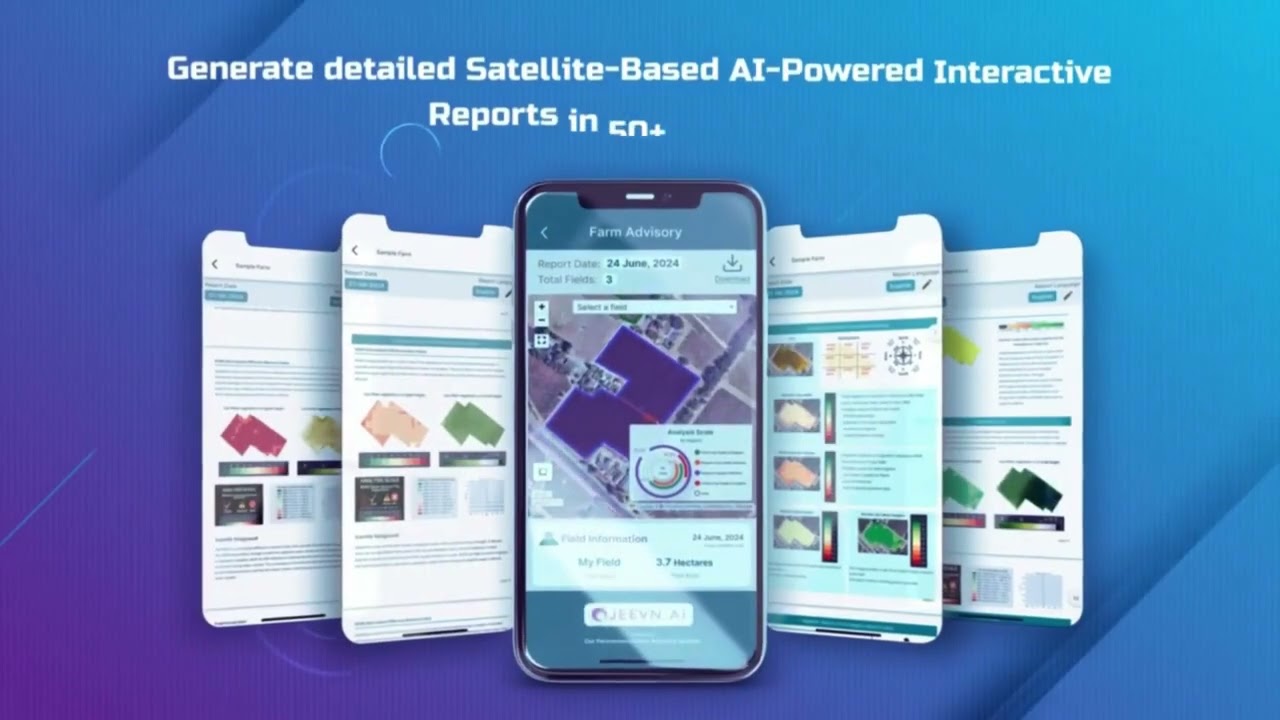
Farmonaut’s satellite-based farm management platform is a key example of making this technology accessible globally. Our services—available via Android, iOS, web/app, and API—enable real-time crop health monitoring, AI-driven advisory (Jeevn AI), and easy API integration for seamless digital farm management.




Read more about our carbon footprinting for crops farming, helping you monitor and reduce environmental impact—an indispensable requirement in contemporary agriculture.
Trend 2: Sustainable Practices & Soil Health Remain the Cornerstone of Crops Farming
Fertile soil is the foundation for productive farming crops. As global attention sharpens on sustainability, farmers are prioritizing techniques that improve soil health while supporting consistent yields. These include:
- Crop Rotation—alternating crops growing season-to-season helps balance nutrient uptake, reduce disease and pest build-up, and prevent soil fertility loss.
- Cover Cropping—planting legumes or grasses between main crops preserves moisture, injects organic matter, and limits erosion.
- Reduced Tillage—minimizing soil disturbance improves structure and reduces carbon loss, supporting long-term land productivity.
Organic farming, with lower chemical input use, and agroforestry, integrating trees and crops, are both gaining traction as sustainable practices for 2025, supporting biodiversity, climate mitigation, and new income streams.

Update your farm management toolbox by utilizing features like large-scale farm management and advisory on sustainable crop selection within the Farmonaut ecosystem.
Trend 3: Crop Diversification & Resilient Varieties for Secure Crop Production
The future of crops for farming doesn’t belong to a handful of monocultures. Instead, diversification—along with genetically modified, hybrid, and locally adapted varieties—will be key to resilience and food security.
- Hybrid & GM Crops: These enhance resistance to pests, diseases, and withstand adverse weather conditions, thus stabilizing production.
- Local Landrace Conservation: Selecting regionally resilient varieties reduces dependency on agrochemicals and supports biodiversity.
- Crop Diversification Strategy: By growing pulses, millets, and specialty crops alongside staples, farmers can reduce risk and respond faster to changing market demands.

Diversification also helps maintain soil fertility through crop rotation, improves disease resistance, and ensures diverse food products for global population needs.
Trend 4: Advanced Water Management in Crops Farming Under Water Scarcity
Water is fast becoming the most crucial—and limited—resource in crops farming. Efficient management is essential for both yield and long-term sustainability.
- Drip & Micro-Irrigation: Minimize water waste and ensure every drop goes directly to plant roots.
- Rainwater Harvesting: Captures seasonal rainfall for dry periods, increasing resilience in drought-prone regions.
- Crop Selection: Drought-resistant and early-maturing varieties help stabilize production amid climate change.
- Soil Moisture Sensing: Wireless technology pinpoints irrigation timing, optimizing use & improving soil health.

Learn how crop insurance and satellite-based loan verification enhance farm resilience under water-scarce and unpredictable weather conditions.
Trend 5: Climate-Smart Agriculture in 2025: Reducing Risks, Adapting to Change
Climate change directly shapes the dynamics of crops in farming—impacting crop cycles, pest and diseases patterns, and weather extremes. By 2025, adapting practices to create true resilience is more important than ever.
- Adjusting Planting Schedules: Aligning sowing & harvest dates with new climate patterns.
- Integrated Pest Management: Combination of monitoring, biological controls, and selective input use to minimize chemical load.
- Climate-Resilient Varieties: Fast-maturing, heat or cold-tolerant, and flood or drought-resilient crops.

For technology-powered climate resilience, refer to the blockchain-based traceability tools by Farmonaut, ensuring products retain authenticity and transparency from field to consumer.
Trend 6: Market-Driven Demands and Nutritional Crops for Global Food Security
Increasing demand for nutrient-rich, health-promoting crops is shaping what farmers grow in 2025. With consumer awareness rising:
- Nutritional Crops: Quinoa, millets, legumes, pulses, and ancient grains make up a larger share of diets as people seek more minerals, fiber, and essential amino acids.
- Organic & Minimally Processed Foods: Market growth is fueled by health-conscious consumers and sustainability seekers.
- Crop Diversification: Farms adopting a wider range of crops can weather price volatility, pests, diseases, and climate shocks.
Strengthen your market potential and production transparency with Farmonaut’s traceability platform for crop supply chain tracking—essential for meeting global food industry requirements.
Trend 7: Agroforestry, Trees, and Expanding Industrial Crops in Modern Farming
Agroforestry is the integration of trees and crops—unleashing a multi-layered approach to farming. This modern farming technique offers:
- Carbon Sequestration: Trees pull carbon dioxide out of the air, helping reduce the carbon emissions from farming.
- Diversified Income Sources: With coffee, rubber, timber, fruit, and fiber plants, farmers can access various markets and products, reducing financial risk.
- Biodiversity Conservation: Agroforestry systems foster greater habitat diversity and natural pest/pollinator cycles.

The expansion of industrial crops like biofuels and fiber, and adoption of forestry best-practices, enhance the support for non-food industries while maintaining soil and environmental health.
Unlock full value with advanced crop plantation and forest advisory—accessible via the Farmonaut application.
Farmonaut Solutions: Digital Tools Empowering Sustainable Crop Farming Worldwide
At Farmonaut, our mission is to make precision agriculture affordable and accessible to all farmers globally. We offer a suite of advanced tools for crop health monitoring, AI advisory, blockchain traceability, and resource management—integrated directly into existing farming of crops practices. This means more informed decisions, reduced resource use, better yields, and greater sustainability for the future.
- Satellite Crop Health Monitoring: Receive insights on NDVI, soil moisture levels, and specific risk alerts via phone or web.
- AI-Driven Jeevn Advisory: Get personalized recommendations—weather updates, ideal irrigation times, fertilization, and pest management tips.
- Blockchain Traceability: Enhance transparency and trust throughout your supply chain—meeting global standards and consumer demands.
- Resource, Fleet & Carbon Management: Optimize assets, track your environmental impact, and stay compliant with sustainability regulations.
Access all Farmonaut tools via our web or mobile app or integrate directly into your agribusiness workflow using our satellite and weather API.
For institutional clients, fleet and resource management make logistics more efficient, from crop transport to on-field machinery use—all at scale and powered by real-time data.
Farmonaut Subscription Options
Choose the right plan for your crop production and farm management needs:
Trends in the latest US farm data
Four shifts stand out in USDA’s most recent reports:
- Fewer, larger farms. The farm count fell from 2,023,200 in 2018 to 1,865,000 in 2025, while average size rose from 444 to 469 acres. Farms with $1 million or more in sales were the only group to gain land in 2025 (USDA NASS Farms and Land in Farms).
- Lower profits. USDA forecasts 2026 net farm income at $158.4 billion, down $4.3 billion (2.6%) from 2025. Net cash farm income is forecast at $176.4 billion, up 0.4% (USDA ERS, September 2026 forecast).
- More buying online. Half of US farms bought farm inputs over the internet in 2025, up from 32% in 2023 (USDA NASS Technology Use).
- Precision tools on big farms. Autosteer guidance was used on 70% of large-scale crop farms in 2023 but only 9% of small farms (USDA ERS).
FAQs on Crops for Farming: 2025 and Beyond
-
What are the most important trends in crop farming for 2025?
The key trends are precision agriculture, sustainable soil practices, crop diversification, advanced water management, climate-smart solutions, growing demand for nutritional crops, and agroforestry. -
How do modern technologies help farmers?
Technologies such as satellite imagery, AI, and IoT sensors provide real-time data on crop health, soil moisture, and more, allowing for targeted interventions that maximize yield and minimize input waste. -
Why is soil health so critical to future food security?
Healthy soil ensures sustainable production, reduces erosion, boosts biodiversity, and forms the foundation of resilient agricultural systems. -
Can smallholder farmers access these technological advancements?
Yes! Platforms like Farmonaut democratize access through cost-effective solutions available on smartphones and low-barrier subscription models. -
What is the role of crop insurance and traceability for farmers?
Satellite-based verification and blockchain-based traceability improve access to finance and credibility of crop products for the market, reducing fraud and securing farmer incomes. -
What is agroforestry and how does it help?
Agroforestry combines trees with standard crops, providing multiple benefits including carbon sequestration, diversified income, and greater resilience to climate shocks.
Conclusion: Shaping the Future of Crops Farming and Food Security
Crops for farming in 2025 are being fundamentally shaped by smart technologies, sustainable practices, and climate resilience. With a complex matrix of environmental, economic, and societal factors at play, farmers and agribusinesses must integrate innovation, adaptability, and a commitment to long-term health of our food systems.
By embracing these 7 powerful trends—from digital tools to biodiversity—in crop farming, global agriculture can continue to improve yield, reduce environmental impact, enhance food security, and respond proactively to market demands.
At Farmonaut, our vision is to empower every farmer with accessible, affordable technology for a sustainable, productive, and resilient agricultural future.
Explore our platform and solutions today, and help cultivate the future of crops farming—for your farm, your community, and the world.

 Godrej Agrovet
 Hayleys Agriculture
 Linx Agritech
 Adinet
 Save Your Soils
 GalaxEye Space
 Grandstream Algérie
 XOS Realty
 Geospatial Lab Africa
 Agro La Gándara
 HIPSAC
 ZOL Zimbabwe
 Juligerm
 AdBio
AdBio MISE Maroc
 NWNS
NWNS Red August Group
 Farm Inc
 WeMe Global
 Agrotoken
 Blue BearX
 Insignito
 DnCubed
 Indosistim Teknologi
 Liquify Digital
 CU Foods
 BeyondTech Global
 Rouge VC
 AgroRisk
 Oath Inc
 Esri North East Africa
 MDCV UK
 Etech Consulting Madagascar
 Vestlandsforsking
 WB Dev
 Sama Premium
 Tres Valles
 Blickwinkel
 Agricultural Credit Policy Council
 eKGIS
eKGIS Mostas Tech
 Andex
Andex Deluxe Conseil
 WICO
WICO Chimera Innovation
 SkyHarvest
 Teledarbas
 Exurbia Geospatial
 FieldZero
